
Find Northbird on social media:
This post contains affiliate links. As an Amazon associate, I earn from qualifying purchases. This means that I make a small commission at no extra cost to you. You can read my full disclosure HERE.

Where do Bagels originate from?
The common bagel is thought to have originated in Poland and other Eastern European countries around the 1600s. Later in the mid 1800s, Jewish immigrants brought the “bagel” with them to the United States and Canada. After this, the classic bagel became increasingly popular and a part of our western cuisine. The varying types of bagels we see today originate from the different communities that the Jewish and European immigrants came from.
The root dough recipe is very similar to that of soft pretzels, and you can easily mix one batch of dough to produce both bagels and soft pretzels. I have done this a few times, since each family member has their particular favourites!
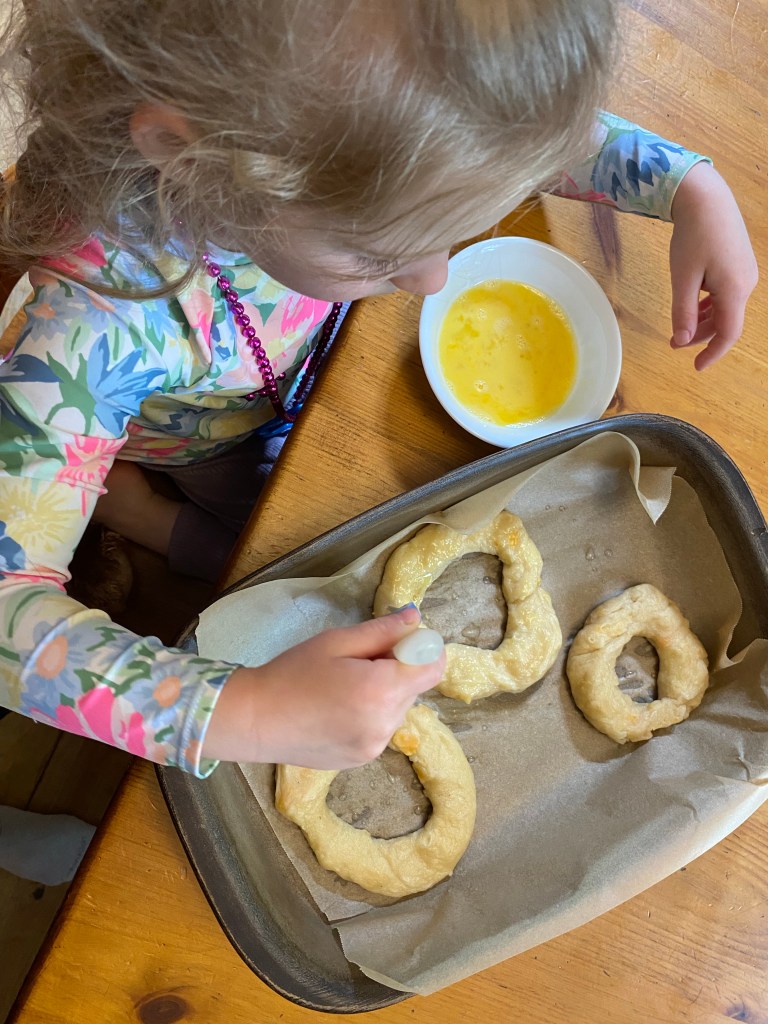
My daughter L had a lot of fun making these bagels with her two cousins A & M. It was a great homeschooling activity and they loved shaping the bagels and picking what flavours they wanted to make (and eat later!)
We will continue to share recipes for the other types of bagels that the girls and I have come up with since that fun day, using the same easy dough recipe!
What is Sourdough?
Sourdough is made using a fermented mixture of flour and water, called the “starter”, and mixed with more water, flour, and usually salt. The dough naturally rises as it ferments during resting stages. There is a lower amount of gluten in sourdough baking, which is why the dough needs to be “stretched” multiple times to help it expand and become fluffy.
Are you new to Sourdough? Click HERE for a little more “starter” information found on my post “How to Make Sourdough Bread”.
Is Sourdough Good For You?
Sourdough is easier to digest than other traditional yeasted baking. The fermenting that takes place while making sourdough baked products produces amino acids, which in turn produces enzymes that help to break down proteins and lower the overall gluten levels in the sourdough products (making it easier to digest).
Whole grain sourdough products have a lower glycemic index than other types of bread, (specifically white flour baking) that have been processed and are packed full of preservatives. This means that sourdough baking has less of a glycemic spike, and more of a gradual release on the glycemic scale, making it a healthier option for those struggling with balancing blood sugar levels.
Sourdough breads and baked goods contain higher levels of protein, fibre and nutrients than most traditional yeasted baking.
- Sourdough baking still contains many of the natural nutrients that are processed out of the majority of other kinds of breads and baked goods.
- Sourdough contains lower levels of phytate, which helps your body to absorb the nutrients easier than other breads.
- Whole grain sourdough is considered a high-fiber food, which feeds the good bacteria in your gut and digestive system.
- Common vitamins and minerals found in sourdough baking: Calcium, Iron, Manganese, B1-B6, B12, Potassium, Magnesium, Folate, Niacin, Zinc, Thiamin, Riboflavin, Selenium, Phosphorus, and Vitamin E.
Other Sourdough Bagel Recipe Variations:
Use this one recipe to make many more kinds of bagels! Just add the extra ingredients right before the dough is ready to be shaped into bagels. I’ll post more bagel recipes when I can, but until then have fun experimenting and trying some of these out!

- Cheesy Bagels
- Blueberry Bagels
- Cinnamon Bagels
- Cranberry Bagels
- Chocolate Bagels (yessssss!)
- Poppy-seed Bagels
- Sesame Seed Bagels
- Everything Bagels
- Apple Cinnamon Bagels
- Gingerbread Bagels
How to Make Cinnamon Raisin Sourdough Bagels
Supplies Needed:
- Mixing bowl & spoon
- Measuring cups
- Teaspoon & tablespoon
- Beeswax cover or plastic wrap
- 2 baking sheets
- Parchment paper
- Whisk or Danish Dough Whisk
- Tea towels
- Cooking brush
- Large pot
- Slotted spoon
Ingredients:
Dough
- 1/2 cup active sourdough starter (*New to Sourdough? Click HERE for more “starter” information)
- 1 + 1/2 cups water
- 2 Tablespoons honey
- 1 3/4 teaspoon sea salt, finely ground
- 4 cups all purpose flour
- 1 cup raisins
- 1 Tablespoon ground cinnamon
Water Bath
- 6 cups water
- 2 tablespoons baking soda
- 1 tablespoon sugar
Topping
- 1 egg
Directions:
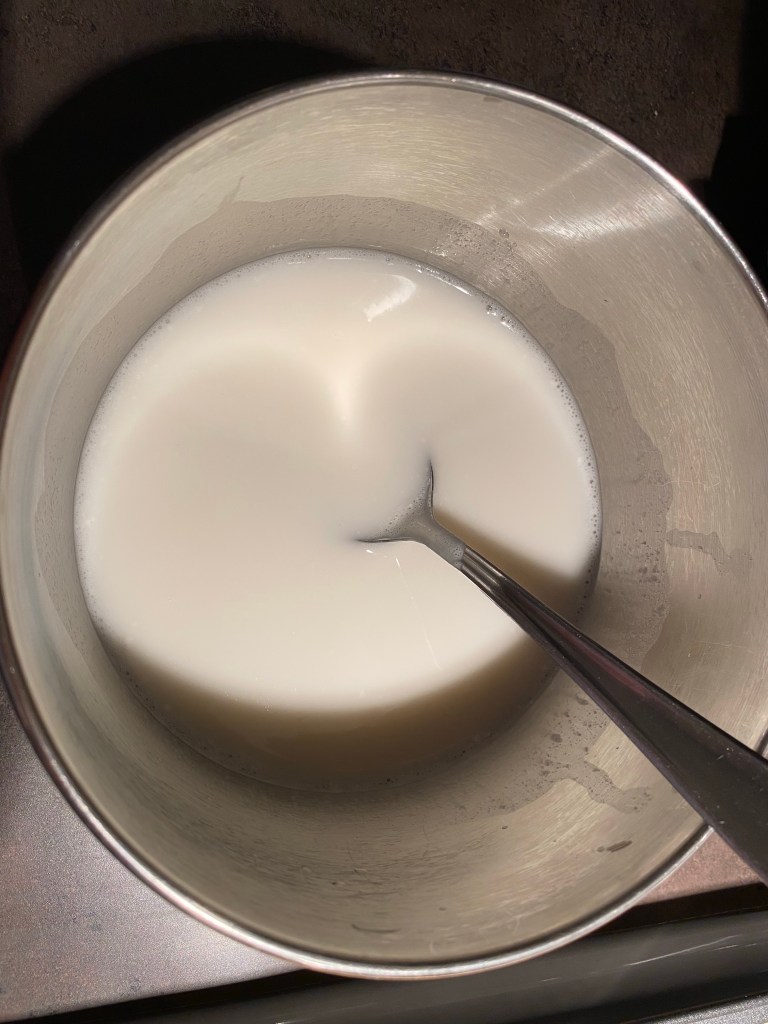
1. Mix your active sourdough starter with the water and honey. Mix the sea salt and flour together and add to the wet mixture. Mix all together well.
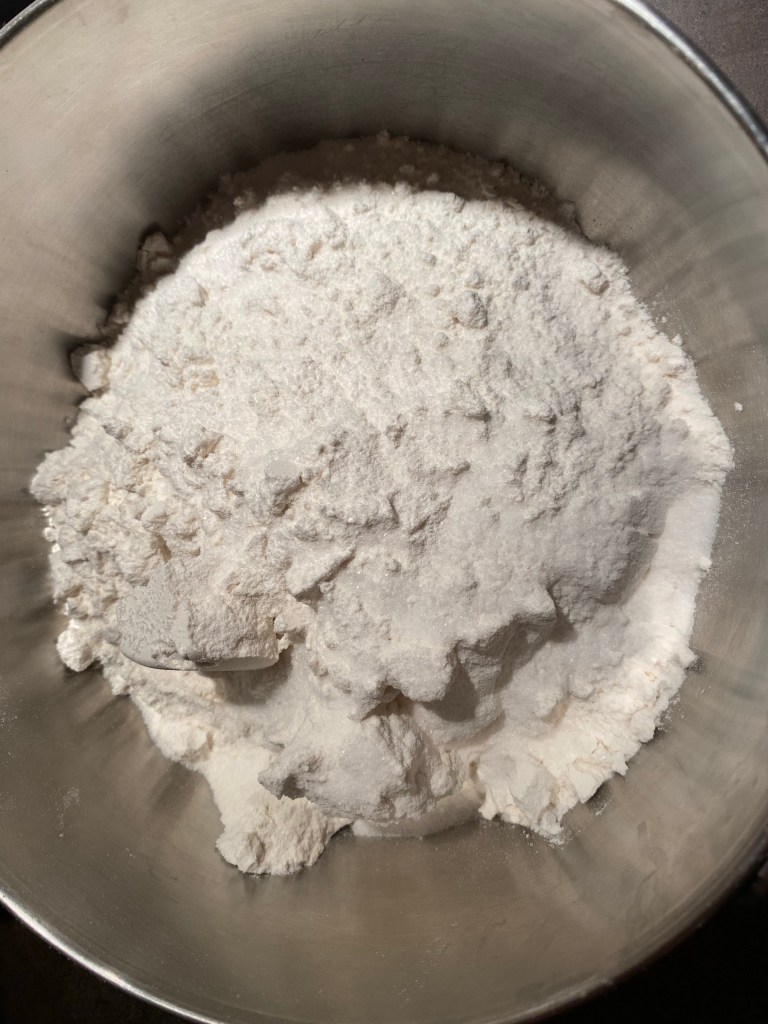
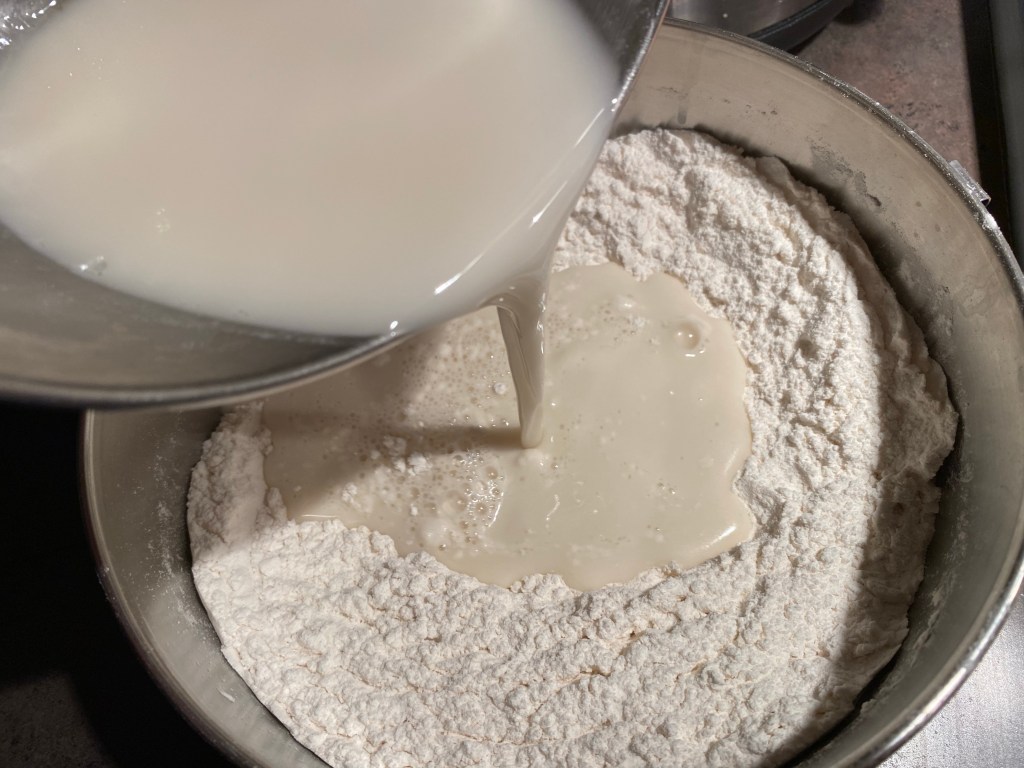
2. Cover with a beeswax food cover, plastic wrap or a tea towel and let rest overnight or for 8-10 hours to bulk ferment. Dough will be moist and spongy and will have doubled in size.

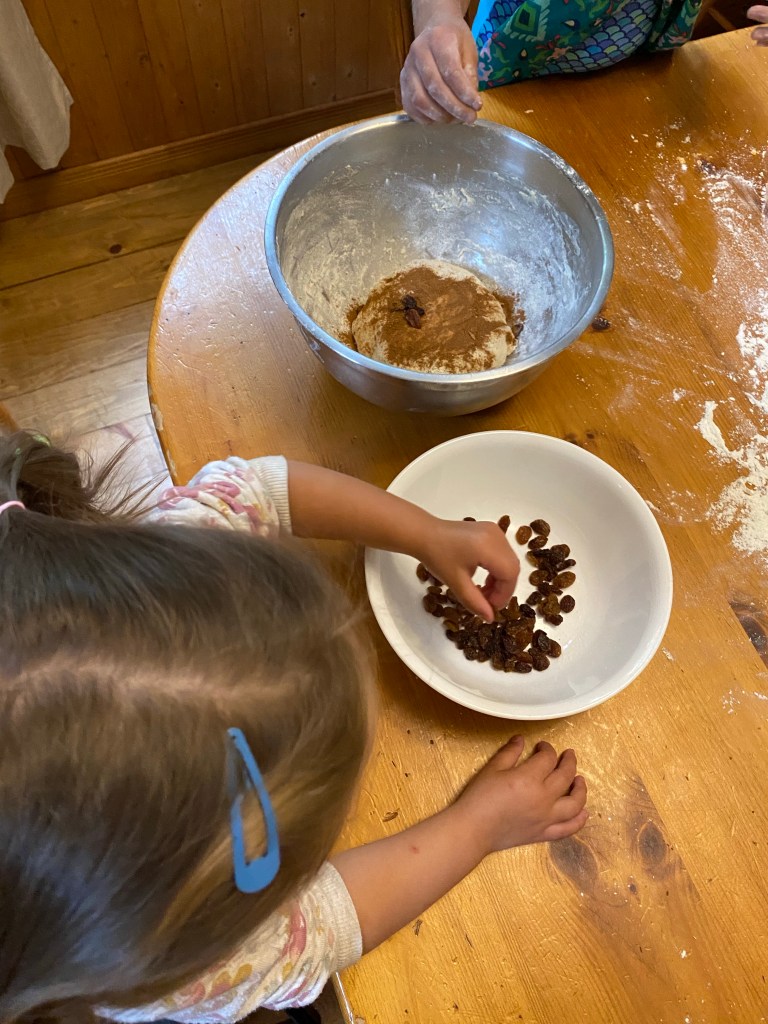
3. Add 1 cup of raisins and 1 tablespoon of ground cinnamon to the bowl and work it into the dough. Knead dough on floured surface for 2 minutes until it is a soft dough ball. Divide into 12 equal pieces.
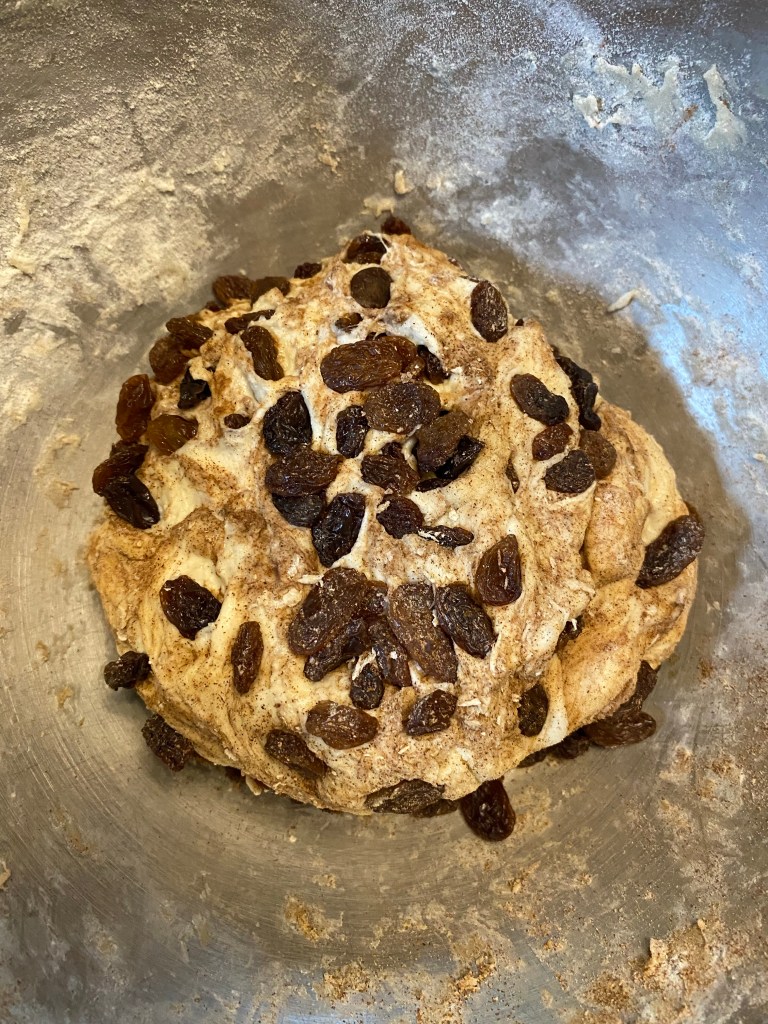

4. Form each piece into a flattened “ball” then poke fingers through the middle to create a hole.
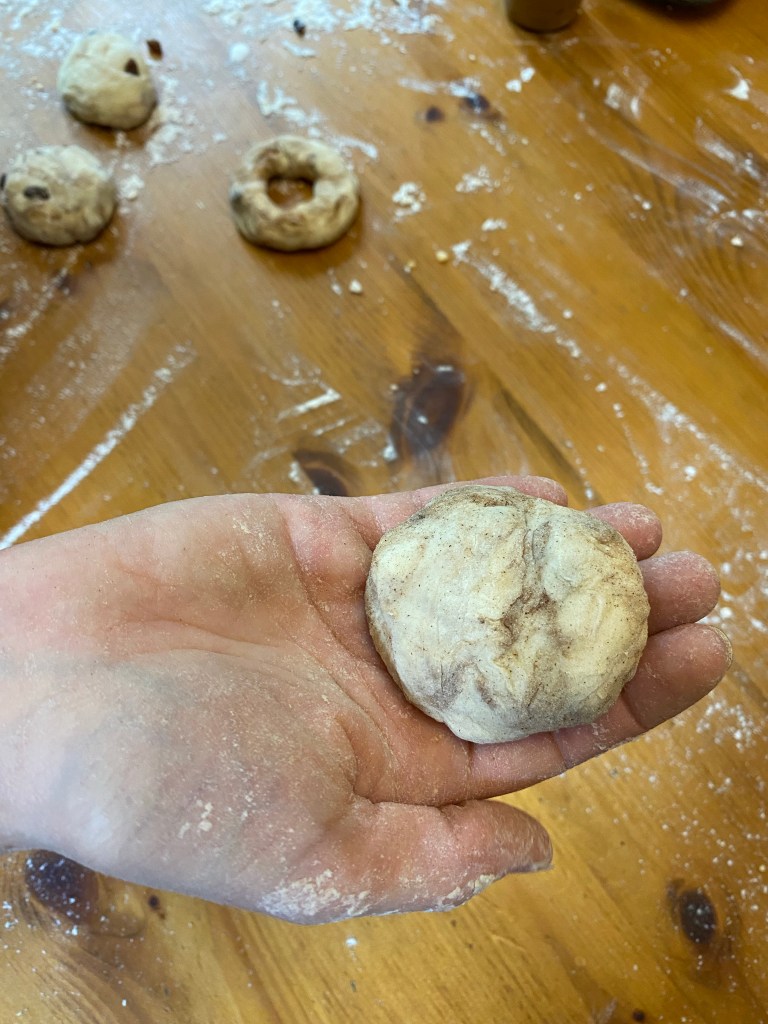

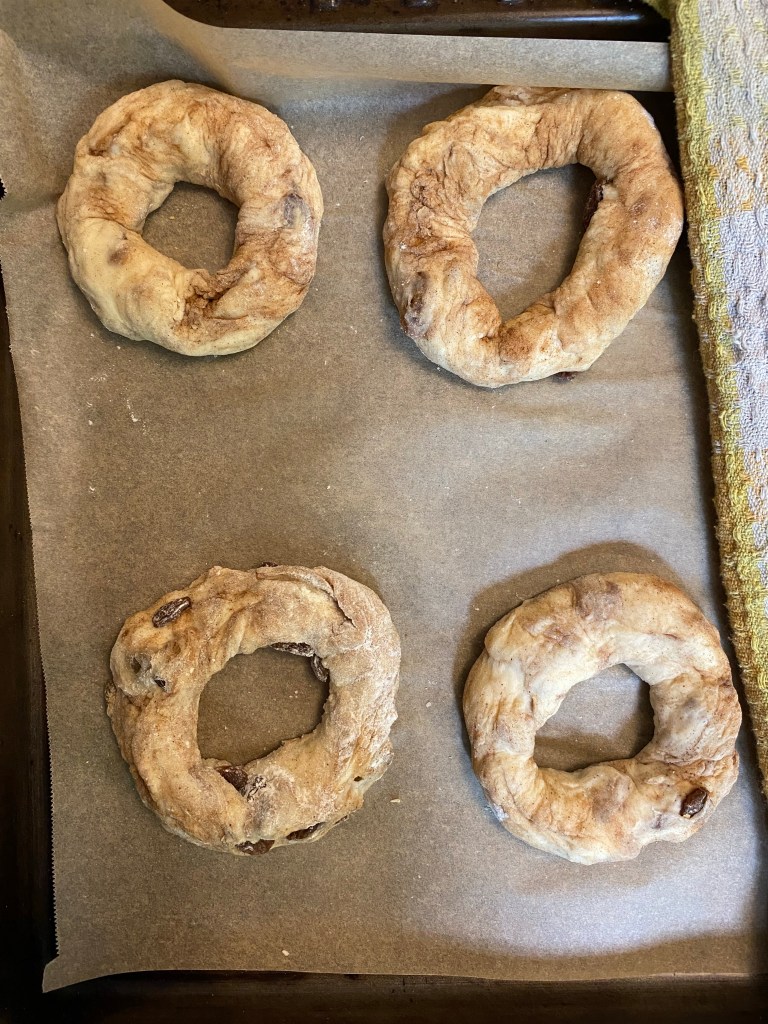
5. Place on parchment-covered baking sheet and cover with a tea towel. Let rest for 1 hour. (Note that at this stage the bagels will expand and puff up, so thinner is good prior to resting. You can always gently stretch them again before putting in the water bath too.)
6. Preheat oven to 425 degrees Fahrenheit.
7. Boil 6 cups of water in a large pot and add baking soda and sugar. When it is a rolling boil, add 3-4 bagels gently with a large slotted spoon.

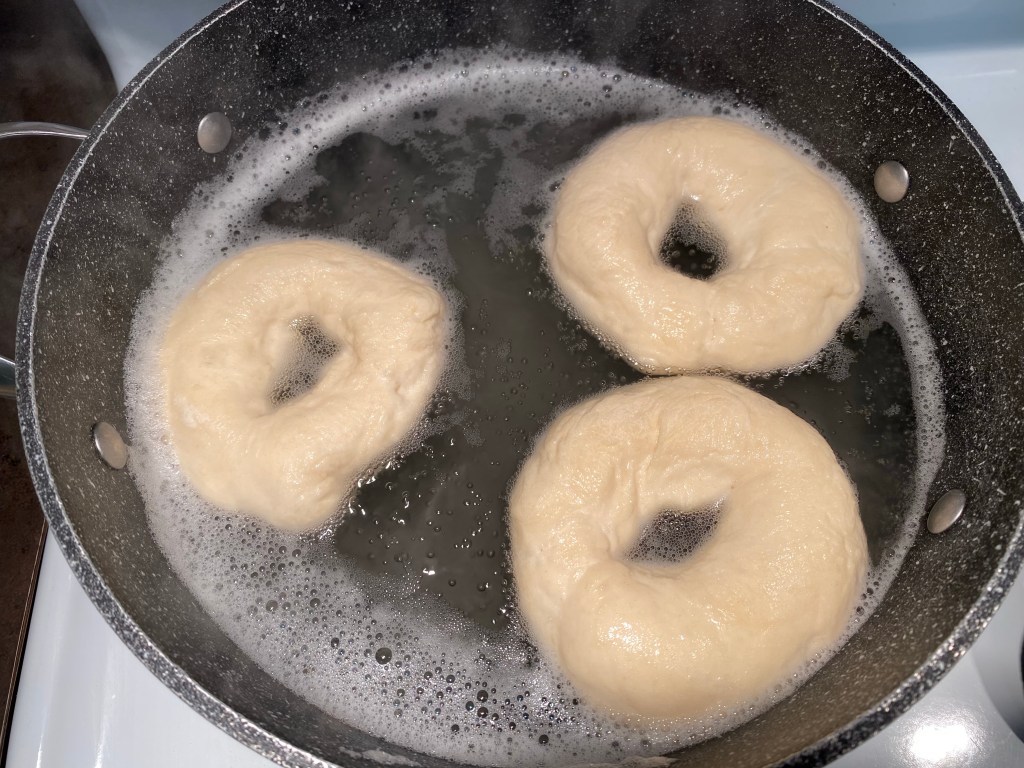
8. Set the timer for 30 seconds, then turn them over for another 30 seconds on the other side. Transfer them back to the baking sheet.
9. When all the bagels are back on the baking sheets, whisk up an egg in a small bowl and paint the bagels with a cooking brush. (This will give them that lovely golden colour on the crust after being baked!)
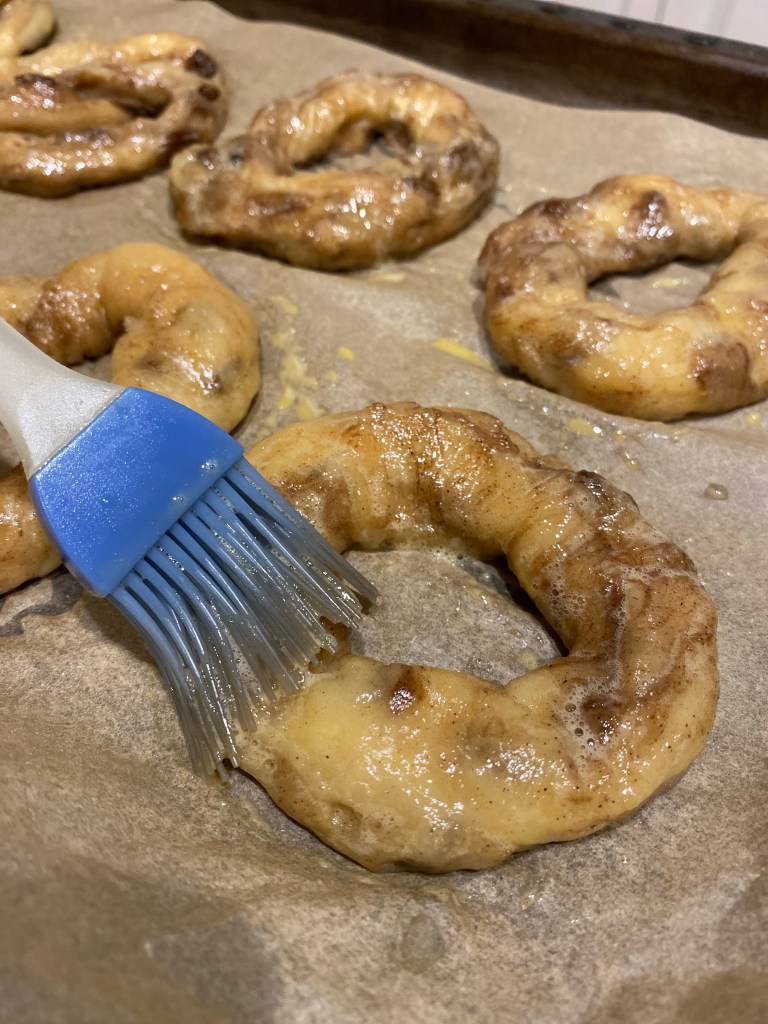
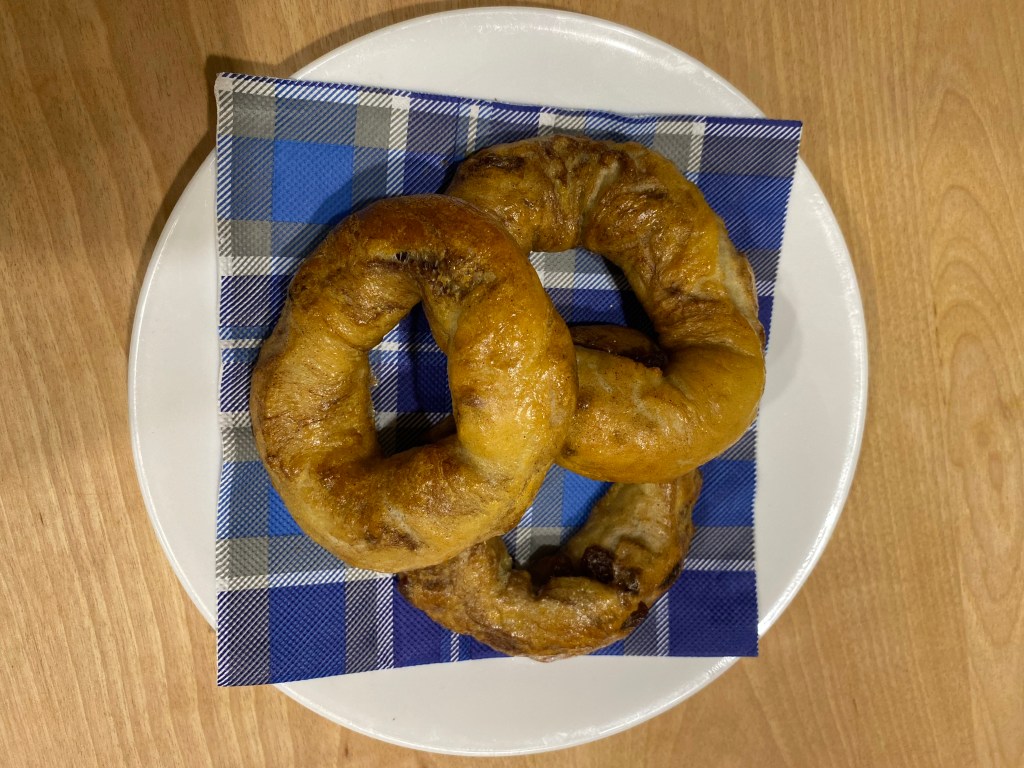
10. Bake the bagels on the middle rack in oven for 14-16 minutes or until golden brown on top and bottom and cheese starts to bubble. Let cool on baking sheets or rest at least 10 minutes before biting into. Enjoy!

Additional Notes: Store at room temperature for 5 days in an airtight container, or freeze for up to three months in a freezer bag. Thaw in fridge then warm in the oven or microwave to freshen them up!
Enjoyed this recipe?
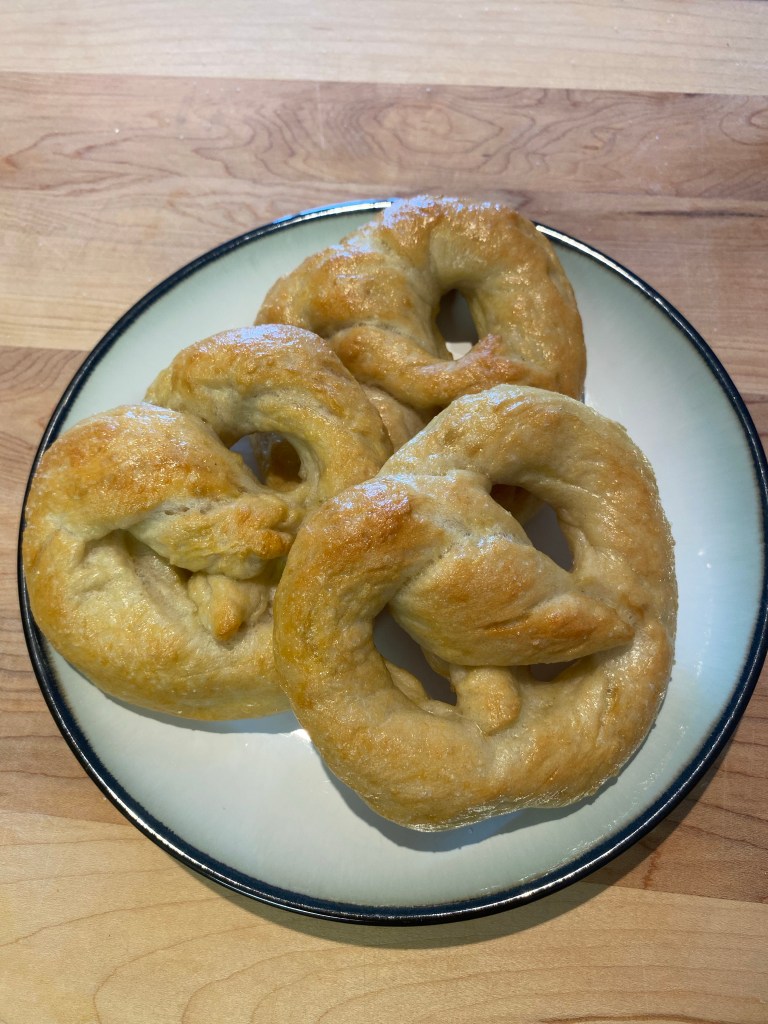
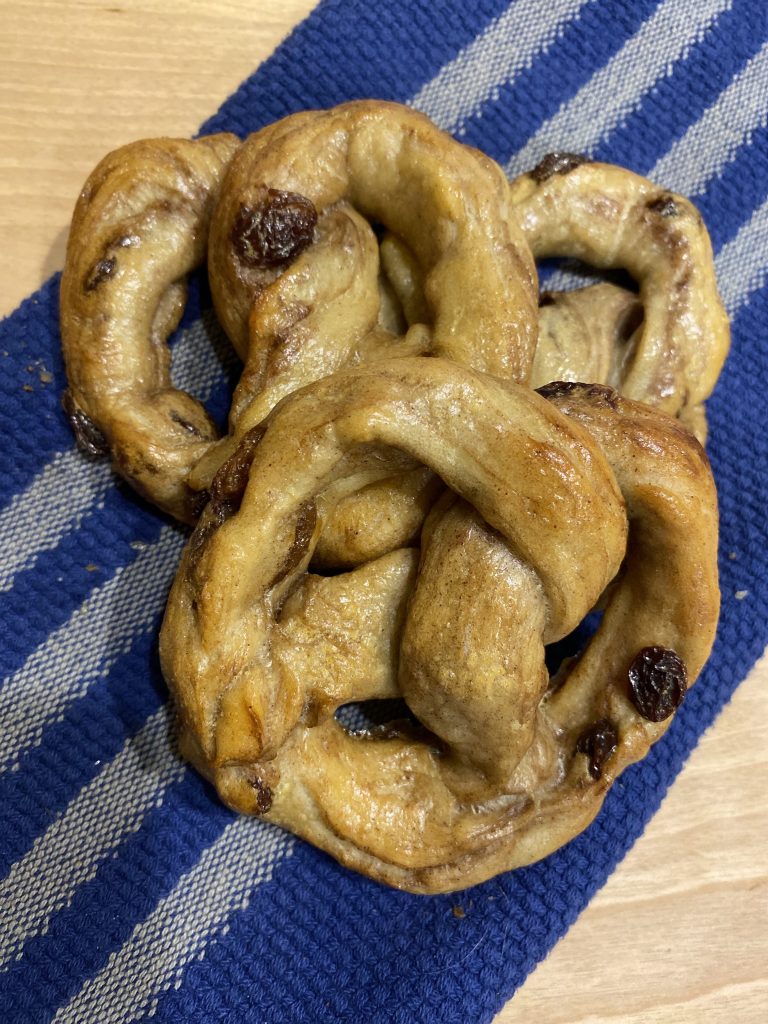
You can turn this Cinnamon Raisin Sourdough Bagel Recipe into a Sourdough Soft Pretzel Recipe! Click HERE to learn how to shape the pretzels and how to add additional ingredients to make many more types of delicious pretzels!
Other Tasty Sourdough Recipes to Check Out!






Hi, I’m Jessie!
I’m a Wife and Homeschooling Mom living in a remote town in Northern Ontario, Canada. I love making wholesome meals for my family from scratch, homeschooling our girls and learning more about natural living.
Read more about my story HERE.

Subscribe to Northbird’s email list to get weekly posts on: tasty recipes, activity ideas for kids, natural living tips, and some genuine mom thoughts and encouragement!
Recent posts from Northbird:






Cinnamon Raisin Sourdough Bagels
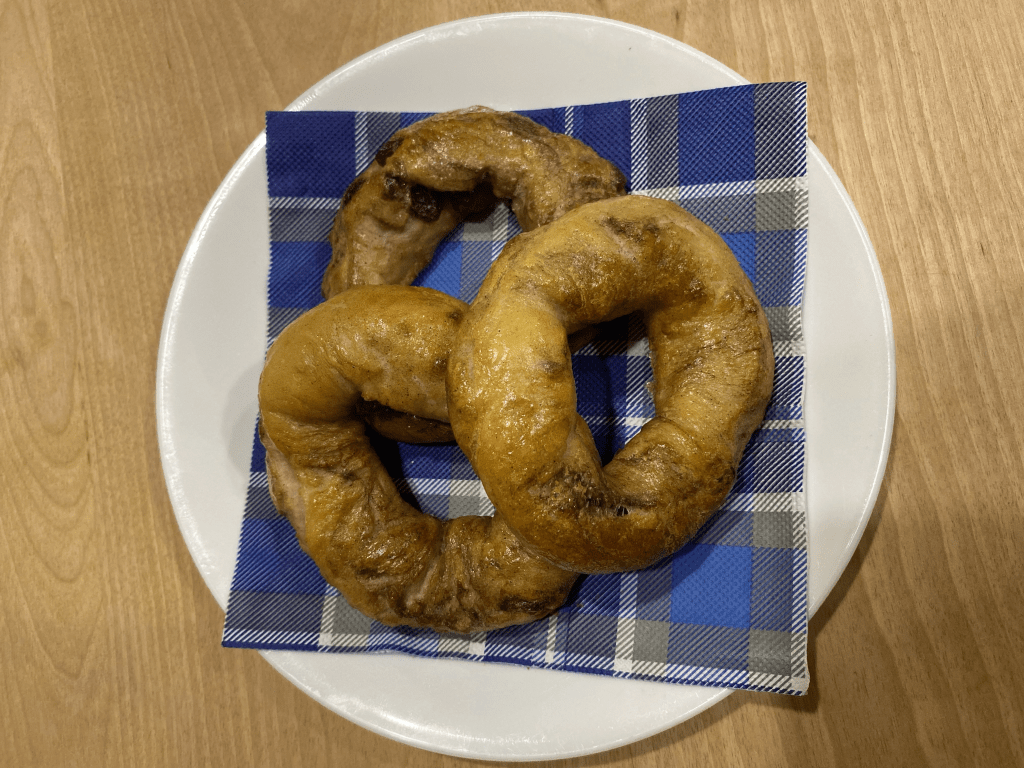
Deliciously Crave-able Cinnamon Raisin Sourdough Bagel Recipe
Supplies Needed:
Ingredients: Dough
Ingredients: Topping
- 1 Egg
Directions:
- Mix your active sourdough starter with the water and honey. Mix the sea salt and flour together and add to the wet mixture. Mix all together well.
- Cover with a beeswax food cover, plastic wrap or a tea towel and let rest overnight or for 8-10 hours to bulk ferment. Dough will be moist and spongy and will have doubled in size.
- Add 1 cup of raisins and 1 tablespoon of ground cinnamon to the bowl and work it into the dough. Knead dough on floured surface for 2 minutes until it is a soft ball. Divide it into 12 equal pieces.
- Form each piece into a flattened “ball” then poke fingers through the middle to create a hole.
- Place on parchment-covered baking sheet and cover with a tea towel. Let rest for 1 hour. (Note that at this stage the bagels will expand and puff up, so thinner is good prior to resting. You can always gently stretch them before putting in the water bath too.)
- Preheat oven to 425 degrees fahrenheit.
- Boil 6 cups of water in a large pot and add baking soda and sugar. When it is a rolling boil, add 3-4 bagels gently with a large slotted spoon.
- Set the timer for 30 seconds, then turn them over for another 30 seconds on the other side. Transfer them back to the baking sheet.
- When all the bagels are back on the baking sheets, whisk up an egg and paint the bagels with a cooking brush. (This will give them that lovely golden colour on the crust after being baked!)
- Bake the bagels on middle rack in oven for 14-16 minutes or until golden brown on top and bottom and cheese has started to bubble. Let cool on baking sheets or rest at least 10 minutes before biting into!
- Store at room temperature for 5 days in an airtight container, or freeze for up to three months in a freezer bag. Thaw in fridge then warm in the oven to freshen them up.
Nutrition
Per 1 Cinnamon Raisin Bagel: 274 calories; 5.8 g fat; 47.6 g carbohydrates;
8.7 g protein.

Discover more from Northbird
Subscribe to get the latest posts sent to your email.
 Northbird
One thought on “Cinnamon Raisin Sourdough Bagels”