Easy No-Sugar Crockpot Apple Butter Recipe

Find Northbird on social media:

This post contains affiliate links. As an Amazon associate, I earn from qualifying purchases. This means that I make a small commission at no extra cost to you. You can read my full disclosure HERE.

Jump To Recipe Card

Jump to Video

Return to “Homemade Pantry”

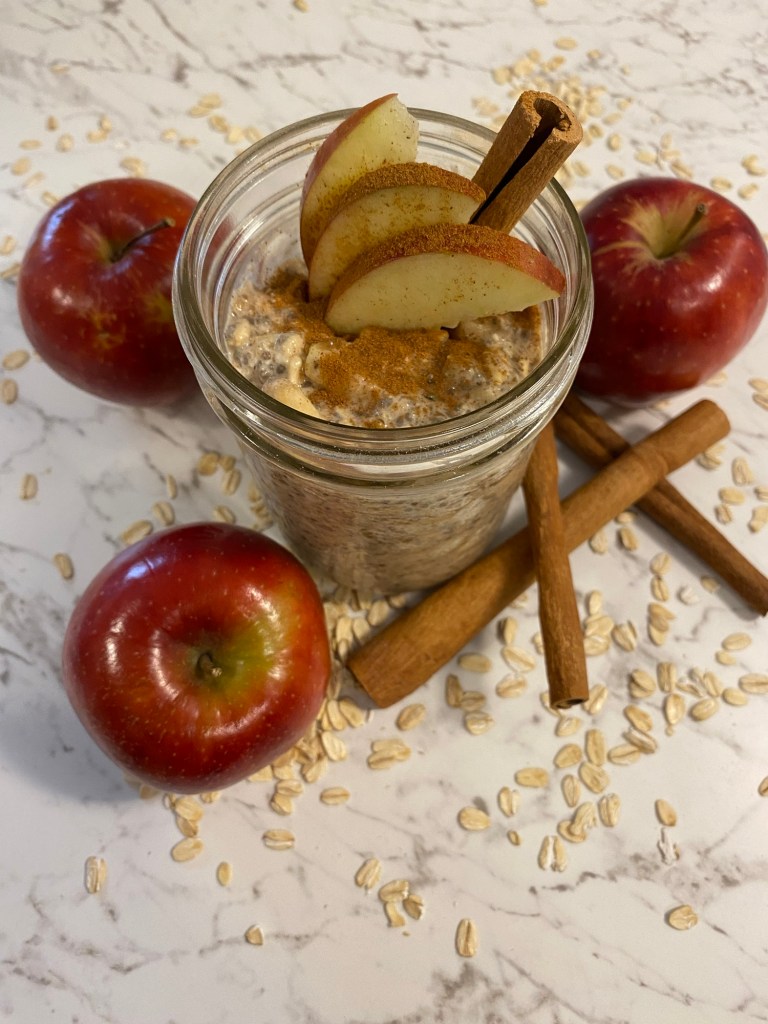
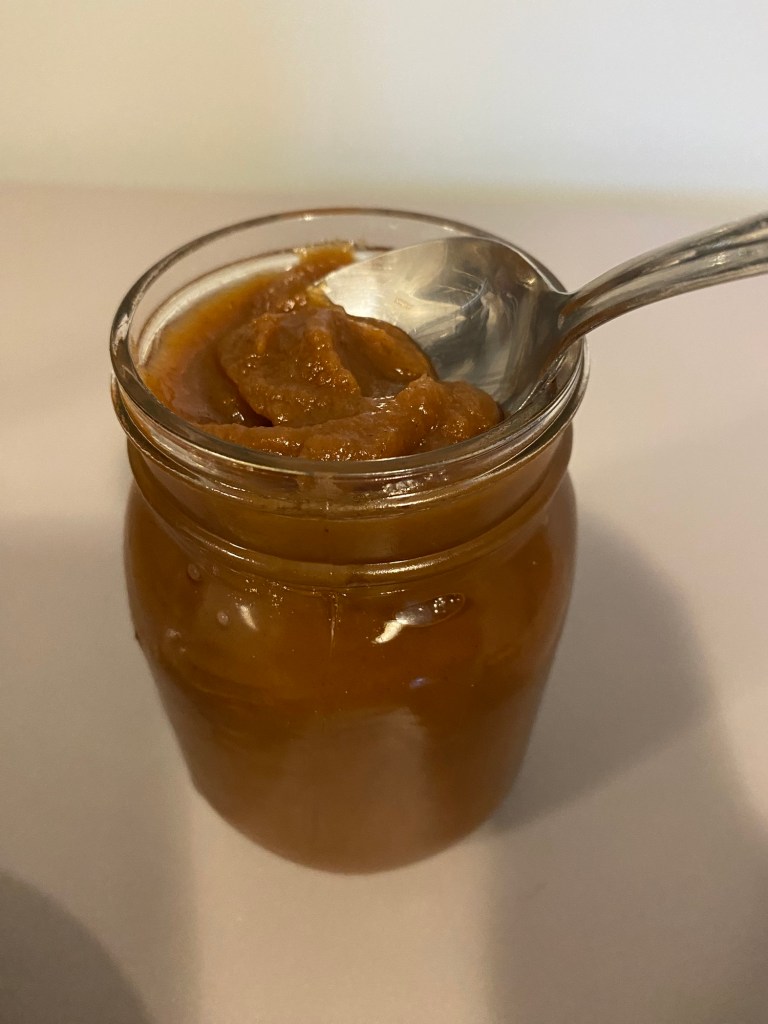
This tasty recipe is creamy and rich with the pure taste of autumn apples!

No sugar is needed to add to this as the final product’s natural sugars have been slow cooked down and act as their own natural preservative. I usually prefer homemade apple butter for this reason over jam or jelly that typically have lots of sugar added!
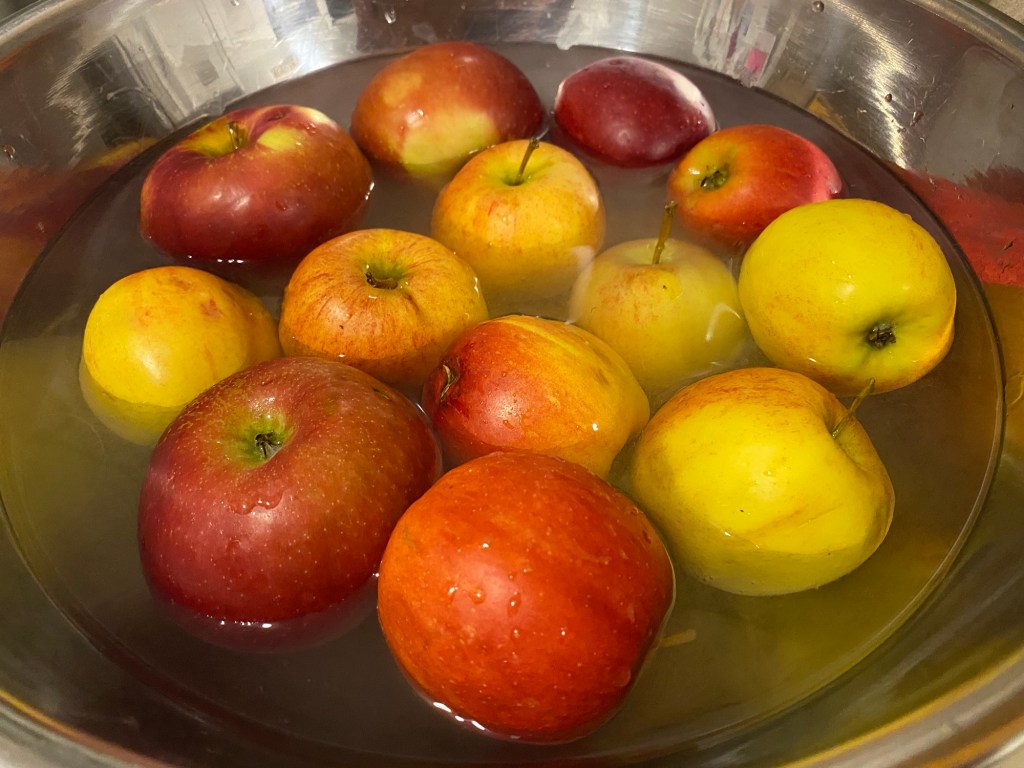
Making your own Apple Butter is also a great way to use up any apples that are looking a little tired and wrinkled in the fruit basket!

The taste is even better if you are able to use a few different kinds of apples. I usually have a mix of golden delicious, granny smiths, red delicious, macintosh, or empire.

I like recipes that are adaptable based on how much produce I am trying to use up. This one is great for example, because if I have about 10 apples that I would like to use up, I can use up all 10 instead of only 8 if the recipe calls for only 8.

Now that’s a bit of a ramble! But I hope you understand the gist of what I am trying to say: With this recipe, you can use whatever amount of apples you would like that will fit in your available crockpot.

Water Bath Canner: Altitude Adjustments

For the majority of canning recipes, it is important to note that it is necessary to increase the water bath boiling time if your geographical altitude is over 1,000 feet (305 meters) above sea level. The higher the altitude is, the boiling point of water decreases, so it needs to boil longer in order to effectively kill heat-resistant bacteria and preserve canned goods more safely.

Altitude in Feet:Altitude in Meters:Increase Processing Time
1,001-3,000306-9155 minutes
3,001-6,000916-1,83010 minutes
6,001-8,0001,831-2,44015 minutes
8,001-10,0002,441-3,05020 minutes

A simple video of part of the process of making Homemade Apple Butter!

How to Make Homemade Apple Butter

Supplies Needed:

Ingredients:

  • Apples (a few different types is best!)
  • Cinnamon (optional)

Stage 1 Directions: Harvesting the Apples

1. Wash apples, slice and peel. Make sure to discard any bad bits.

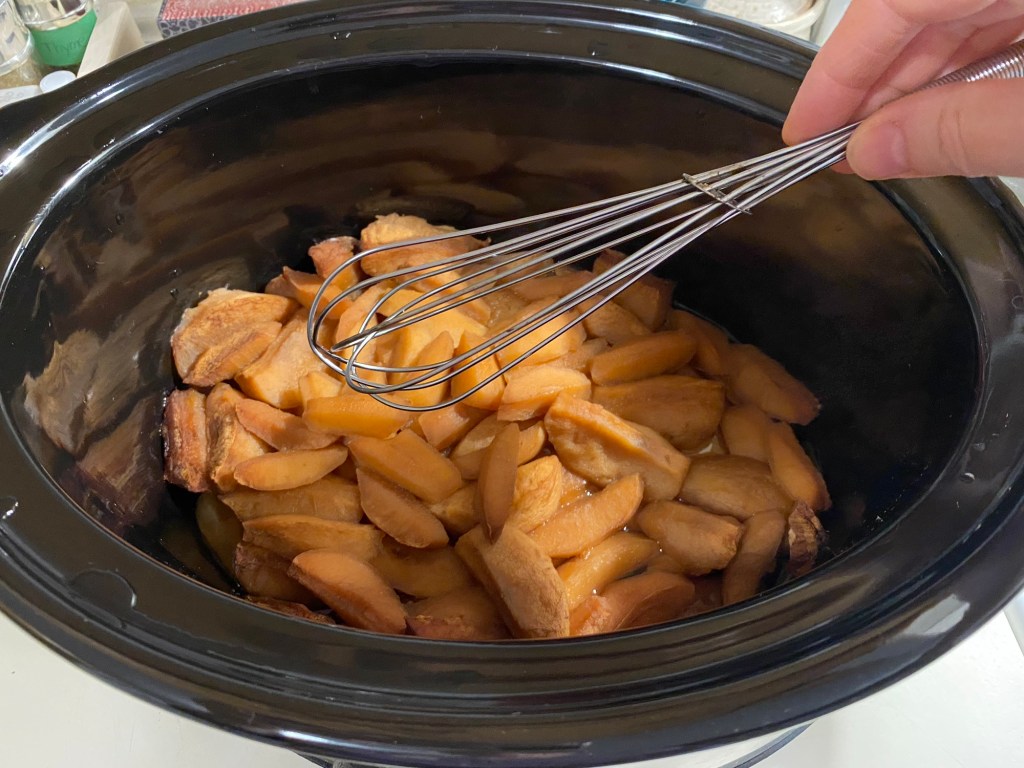
2. Put apple pieces into crockpot and turn to low, cooking slowly 8-12 hours or overnight.

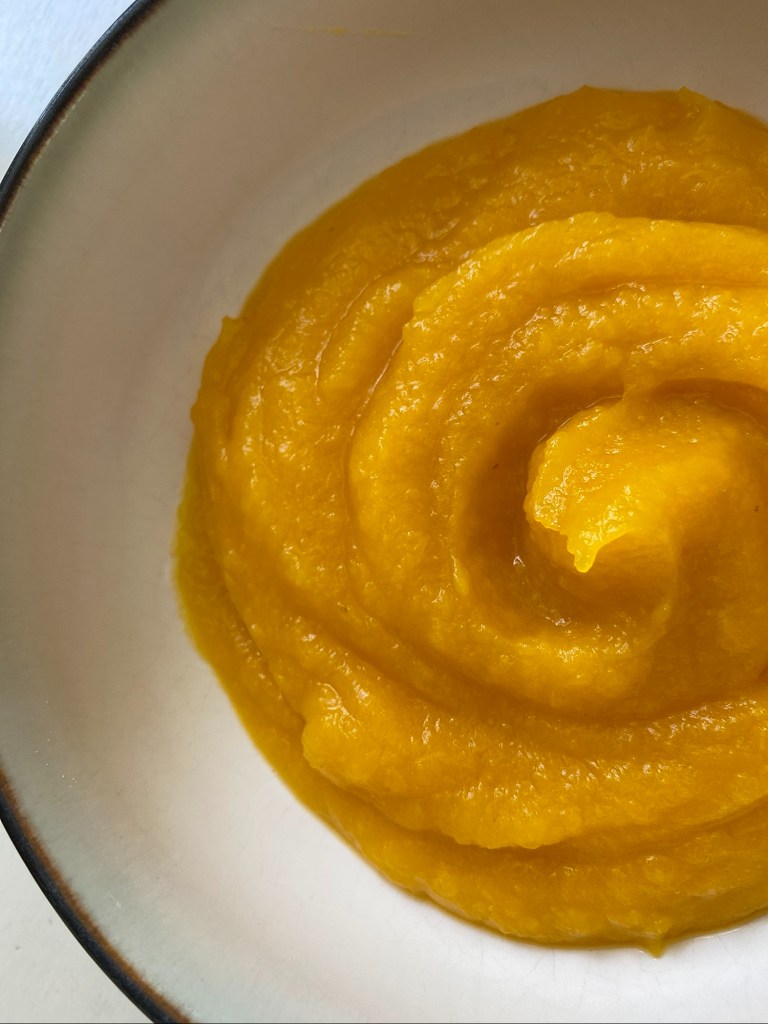
3. When the apples can be easily mushed with a spoon, whisk up a little and use an immersion blender or put in a high power blender to puree until smooth.
4. If desired, add some cinnamon for additional flavouring.

5. If you are planning to preserve your apple butter by canning in a water bath, keep the pureed apple butter warm in crockpot, then continue with directions below. If you are just planning on keeping your finished apple butter in the fridge, pour into clean jars with lids. Best to use within 1-2 months in the fridge.
Stage 2 Directions: Water Bath

1. Before you start: Begin by prepping and setting up for the canning process. (There’s nothing worse than being ready to pour into the canning jars and realizing that you are missing something!)

  • Clean your glass jars, lids and rings in hot soapy water and rinse thoroughly. Place jars upside down on a clean tea-towel covered baking sheet. Place in the oven, preheat oven to 180 degrees fahrenheit.
  • Place cleaned lids in a small saucepan and put on low/med on the stove.
  • Set out: canning tongs, paper towel, ladle spoon, non-metallic utensil, tongs or magnetic lid lifter, and lid rings.
  • Fill large water bath canner with cold water and set on stove, cover with lid. Bring to a boil then turn to low to simmer until ready.
  • If you don’t know already know this, research your current geographical altitude to see if you will need to modify some timing of this recipe. See notes below for testing for the jelly-set stage, as well as later on for the water bath canning stage.
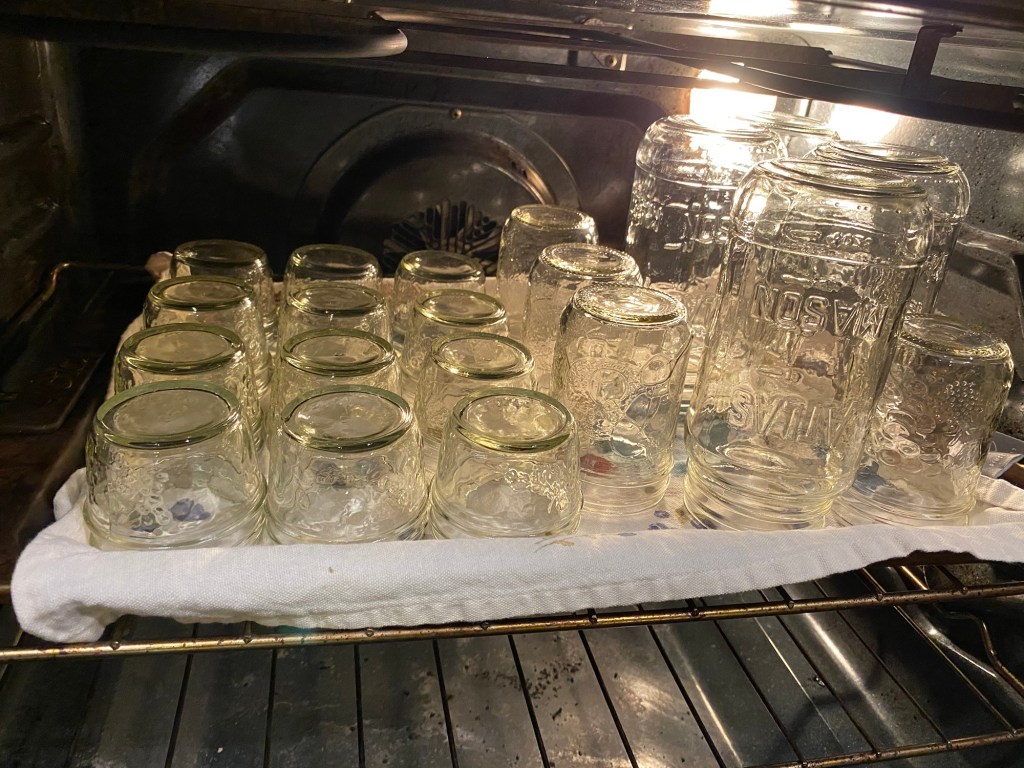
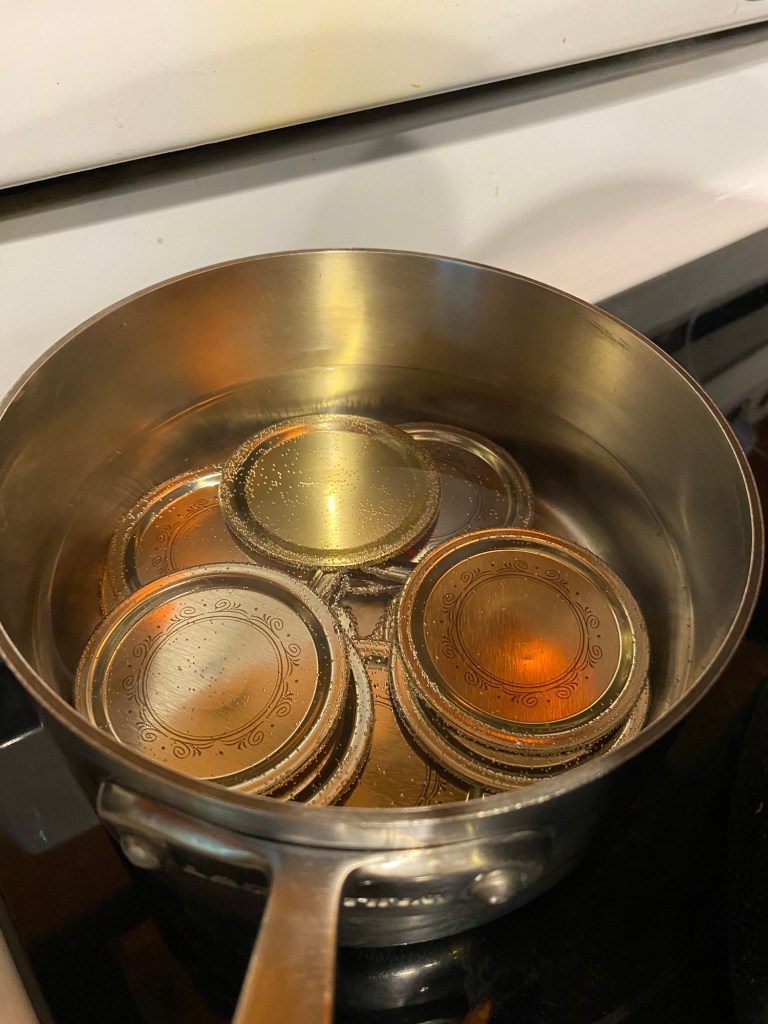
2. With canning tongs, pull out a few jars from the oven and make sure all supplies are ready for the canning stage.

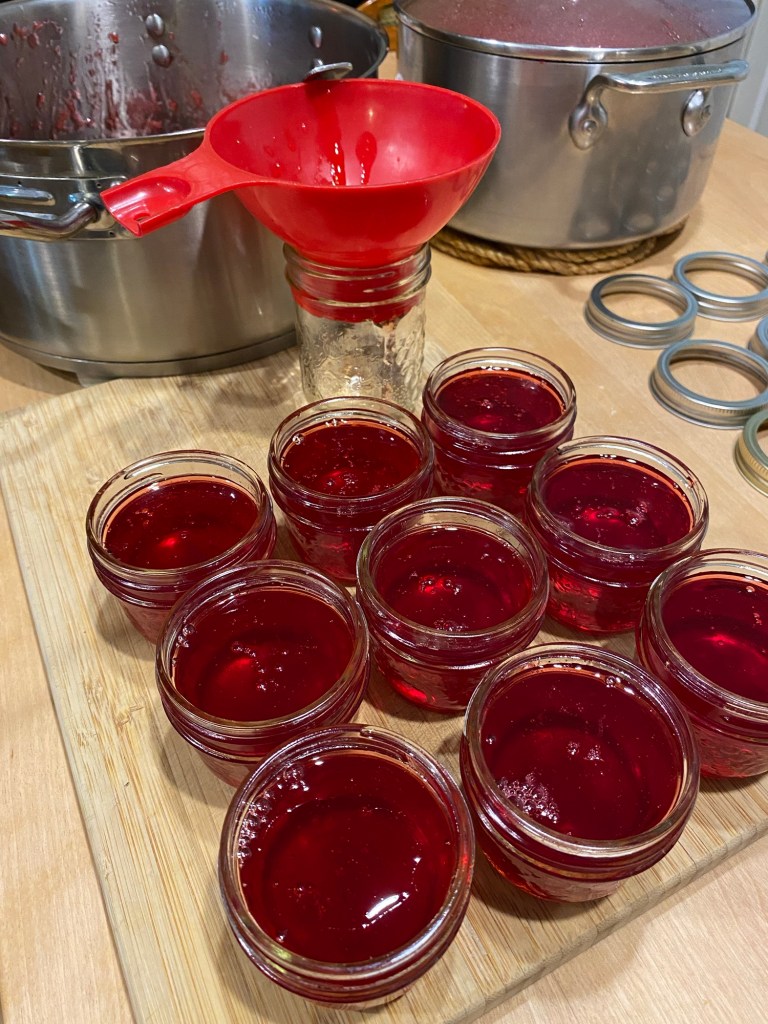
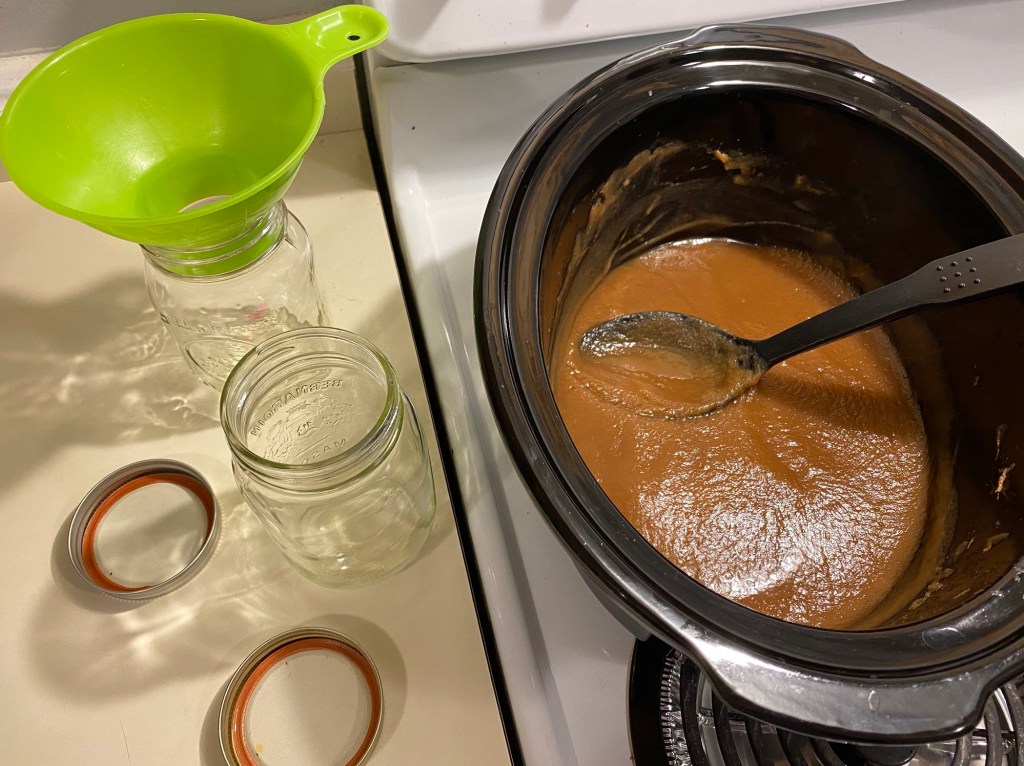
3. Carefully ladle or pour the warm apple butter sauce into the jars through the funnel.

4. Gently stir each of the filled jars with a non-metallic utensil.

5. Wipe the tops of the filled jars with a clean/wet paper towel.

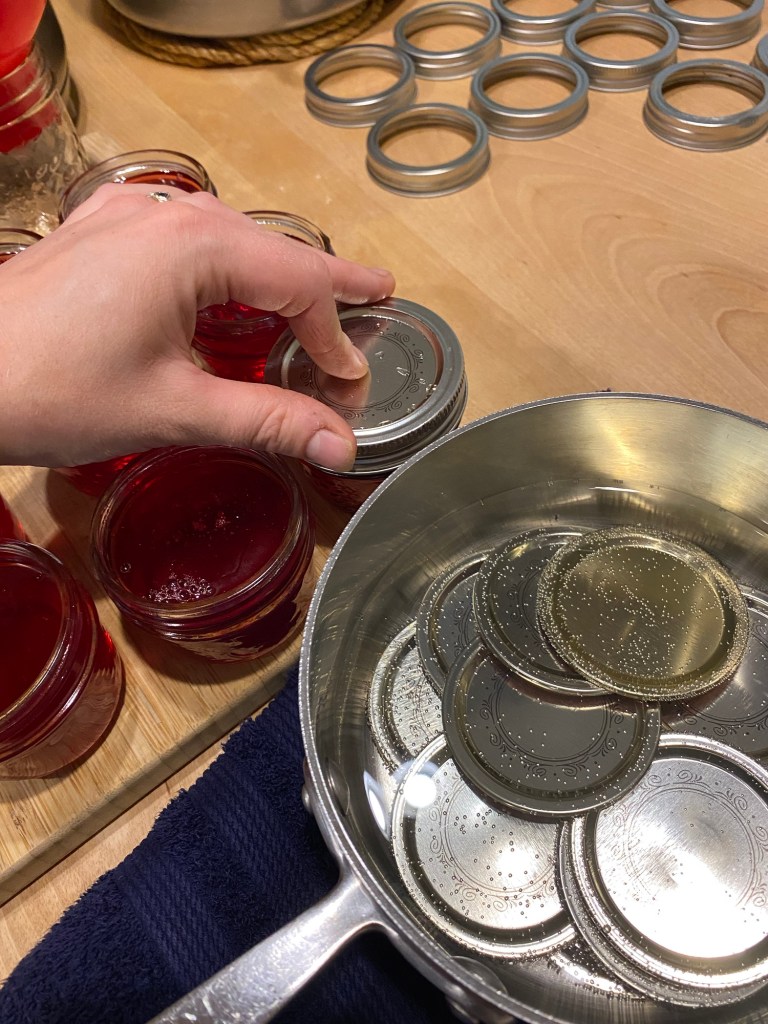
6. Put a warm canning lid on each one, pressing down while you twist on a screw band. Only tight enough to hold in place.

7. With canning tongs, put into water bath canner. When all the jars are filled and inside, return water to a boil.

8. Process jars in the water bath for 10 minutes, at sea level. See note above for altitudes above 1,000 feet to increase timing.

9. Lift jars from canner, being careful not to tilt. Place on towel-covered baking sheet and wait for the jar lids to start to “pop” as they naturally vacuum seal over the next little while.

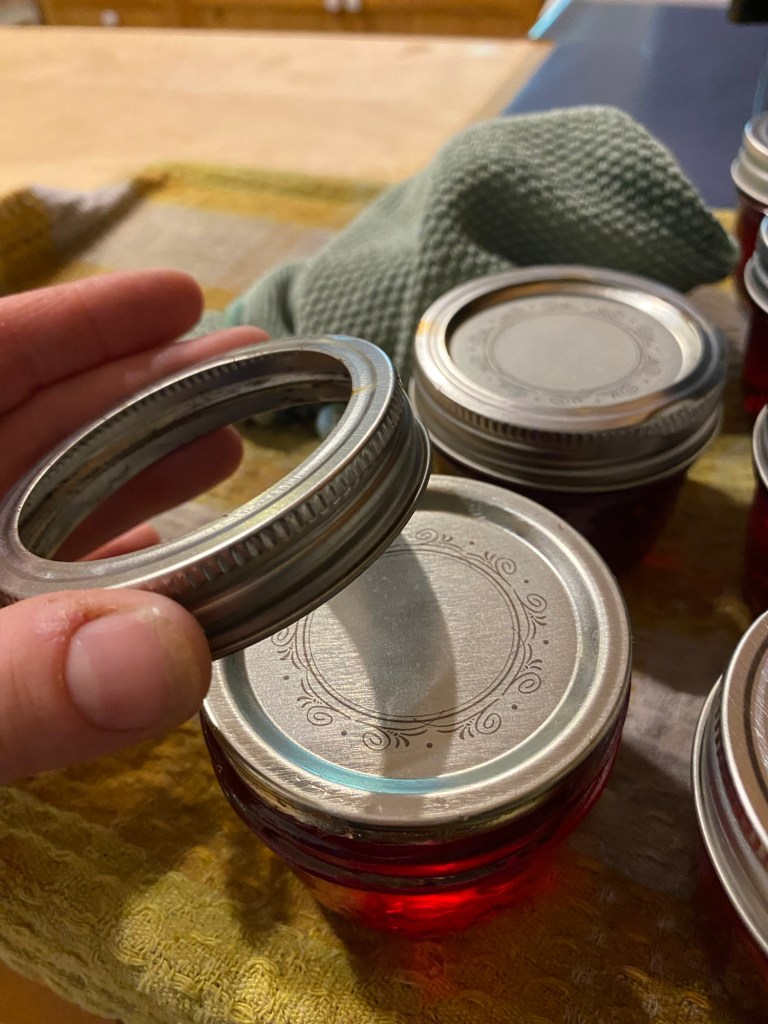
10. When lids have finished “popping”, without lifting the jars you can gently remove the screw bands and wipe off any excess water.

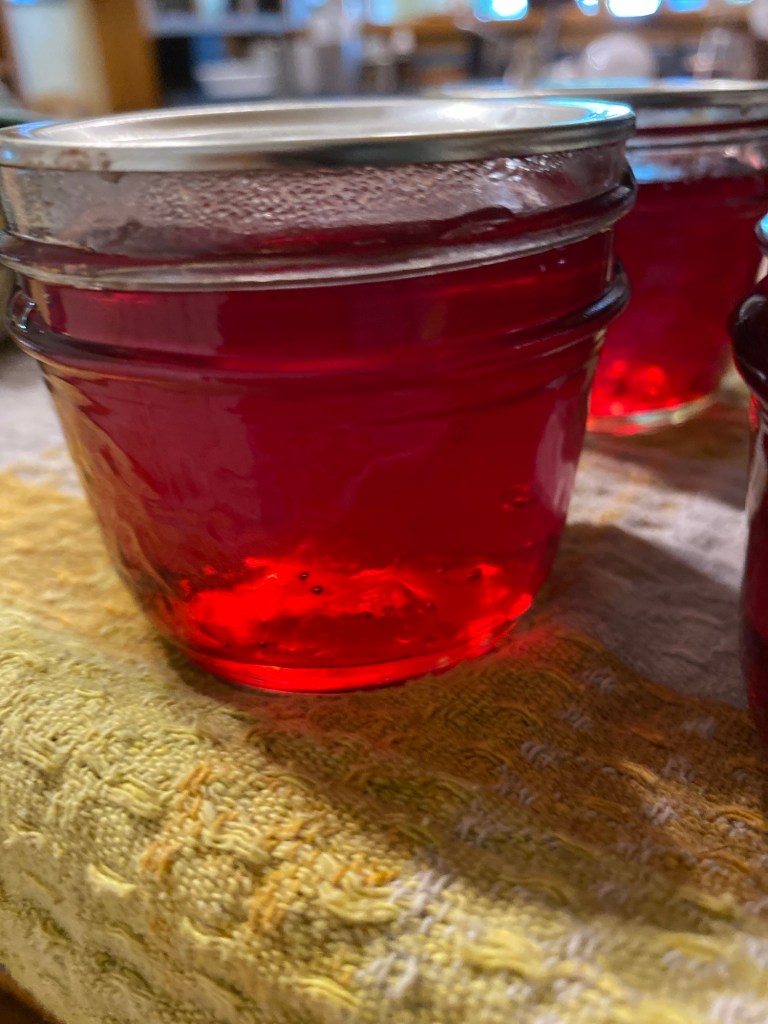
11. Let sit for 24 hours undisturbed so the apple butter can finish setting.

12. Store at room temperature for 12-18 months, refrigerate after opening.

13. Recipe yield will depend on how many apples you harvest! But when I typically fill a 6 quart slow cooker, it makes around 2x 500ml jars of finished apple butter.
Hi, I’m Jessie!

I’m a Wife and Homeschooling Mom living in a remote town in Northern Ontario, Canada. I love making wholesome meals for my family from scratch, homeschooling our girls and learning more about natural living.

Read more about my story HERE.

Subscribe to Northbird’s email list to get weekly posts on: tasty recipes, activity ideas for kids, natural living tips, and some genuine mom thoughts and encouragement!

No Sugar Crockpot Apple Butter

  • Difficulty: Easy
  • Print

No Sugar Added, Just Pure Apple Goodness!


This recipe’s yield depends on how many apples you want to cook up. But If I fill a 6 quart crockpot with apple slices, it yields around 2 x 500ml jars of finished apple butter.


Ingredients

  • Apples (a few different types is best!)
  • Cinnamon (optional)

  • Stage 1 Directions:

    1. Wash apples, slice and peel. Make sure to discard any bad bits.
    2. Put apple pieces into crockpot and turn to low, cooking slowly 8-12 hours or overnight.
    3. When the apples can be easily mushed with a spoon, whisk up a little and use an immersion blender or put in a high power blender to puree until smooth.
    4. If desired, add some cinnamon for additional flavouring.
    5. If you are planning to preserve your apple butter by canning in a water bath, keep the pureed apple butter warm in crockpot, then continue with directions below. If you are just planning on keeping your finished apple butter in the fridge, pour into clean jars with lids. Best to use within 1-2 months in the fridge.

    Stage 2 Directions:


    Nutrition


    Per 1 tablespoon serving: 15 calories; 0 g fat; 4.0 g carbohydrates;
    0 g protein.

    Return to Top

    Simple Crockpot Recipe for Homemade Tomato Sauce

    Find Northbird on social media:

    This post contains affiliate links. As an Amazon associate, I earn from qualifying purchases. This means that I make a small commission at no extra cost to you. You can read my full disclosure HERE.

    Jump To Recipe Card

    Return to “Homemade Pantry”

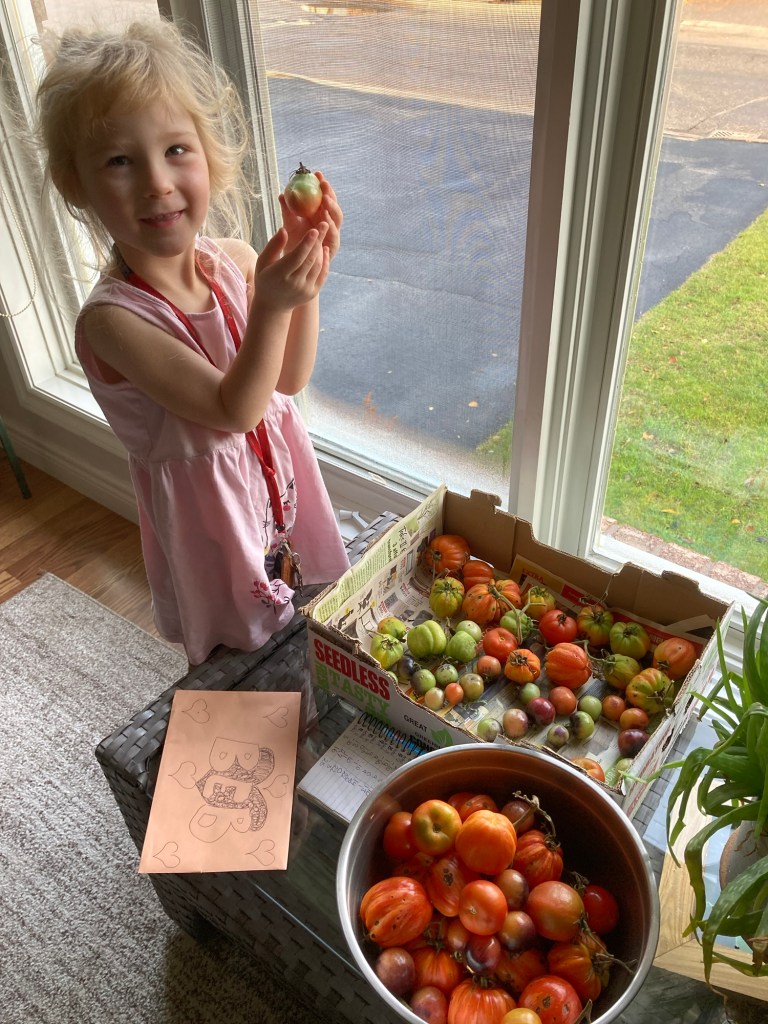
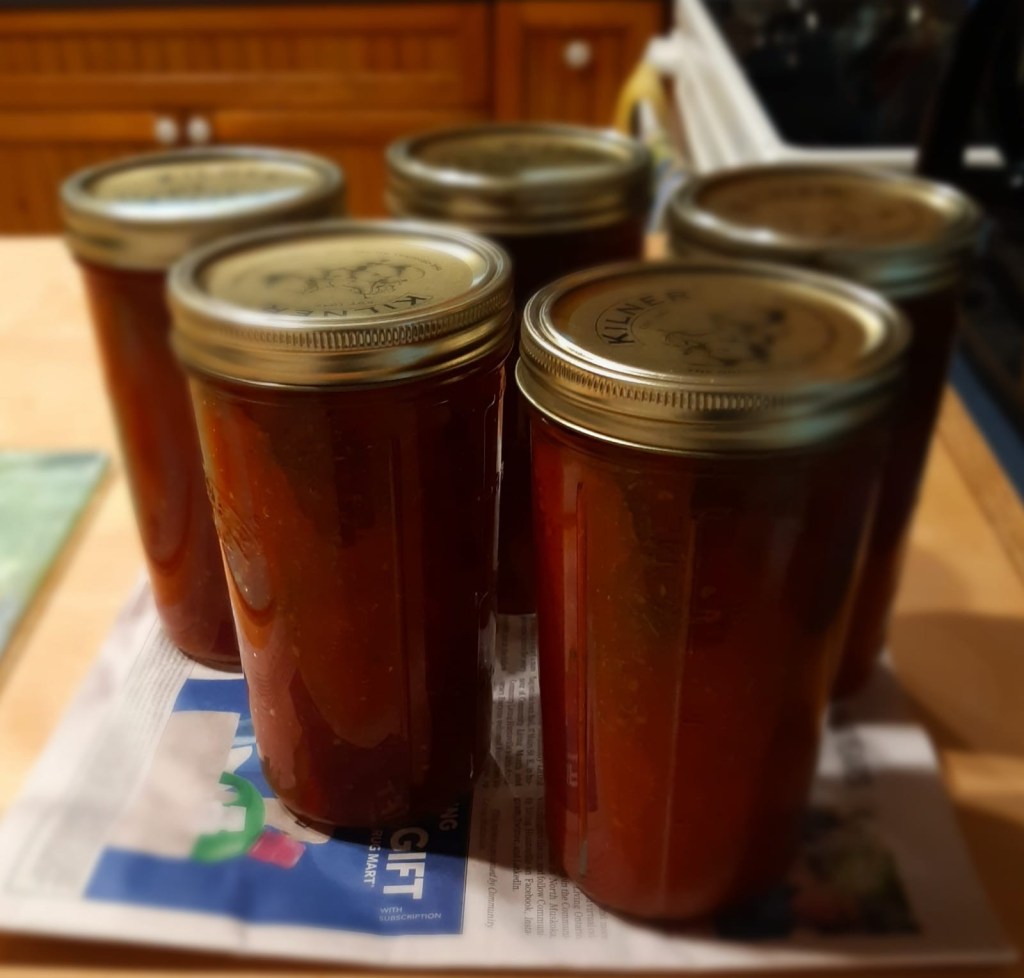
    This is one of my favourite recipes and preserving hacks to deal with your garden tomatoes in a simple and stress-free way using a crockpot!

    While there are many recipes found online that make absolutely delicious tomato sauce (I’ve tried so many!), this simple recipe is what I’ve been doing for the last few times we’ve had tomatoes to harvest.

    For me, the preference boils down to time. During harvest season, I’ve had less and less time and energy to preserve the veggies that we have managed to grow, or that I’ve bought in bulk from the grocery store.

    As a young mother, I also find it extremely hard just in general to have the time needed to devote to the whole process of canning. Something that used to take me an hour or two now takes sometimes half a day to finish because of all the little ones that always need something. I’m sure many moms can relate to this!

    So using a crockpot to the cook the tomatoes slowly overnight is a very convenient solution for those of us that struggle with busy lives!

    Here are a few important things to note about making this recipe:

    • This recipe has no set measurements for the sauce and herbs as it purely comes down to taste preference, how many tomatoes you harvest, and how big your crockpot is.
    • The only measurement that is important (in my opinion) is adding specific amounts of lemon juice or citric acid to the different jar sizes.
    • The timing of the water bath canning stage will depend on your current altitude over sea level. This is important because water boils at different heights, so length of time needed to preserve effectively differs based on geographical altitude. If you don’t know what your altitude is, this can easily be found by a google search.
    Jar SizeLemon Juice(or) Citric Acid
    500ml (approximately a pint)1 Tablespoon1/4 teaspoon
    1 Litre (approximately a quart)2 Tablespoons1/2 teaspoon

    Water Bath Canner: Altitude Adjustments

    Altitude in Feet:Altitude in Meters:Increase Processing Time
    1,001-3,000306-9155 minutes
    3,001-6,000916-1,83010 minutes
    6,001-8,0001,831-2,44015 minutes
    8,001-10,0002,441-3,05020 minutes

    Avoid using aluminum pots or utensils:

    It is best to avoid using aluminum pots or utensils because the acid in the tomato reacts with the aluminum and causes the tomatoes to taste more bitter and the beautiful red colour to go more brown.

    Some folks have also noted that their aluminum cookware will also become discoloured from the acidity of the tomatoes. So best to use stainless steel or other if possible!

    How to Make Easy Crockpot Tomato Sauce

    Supplies Needed:

    Ingredients:

    Stage 1 Directions: Harvesting & Cooking the Tomatoes

    1. Wash tomatoes and cut into quarters, removing the stem end and cutting out any bad bits.

    2. Put tomato pieces into crockpot and cover.

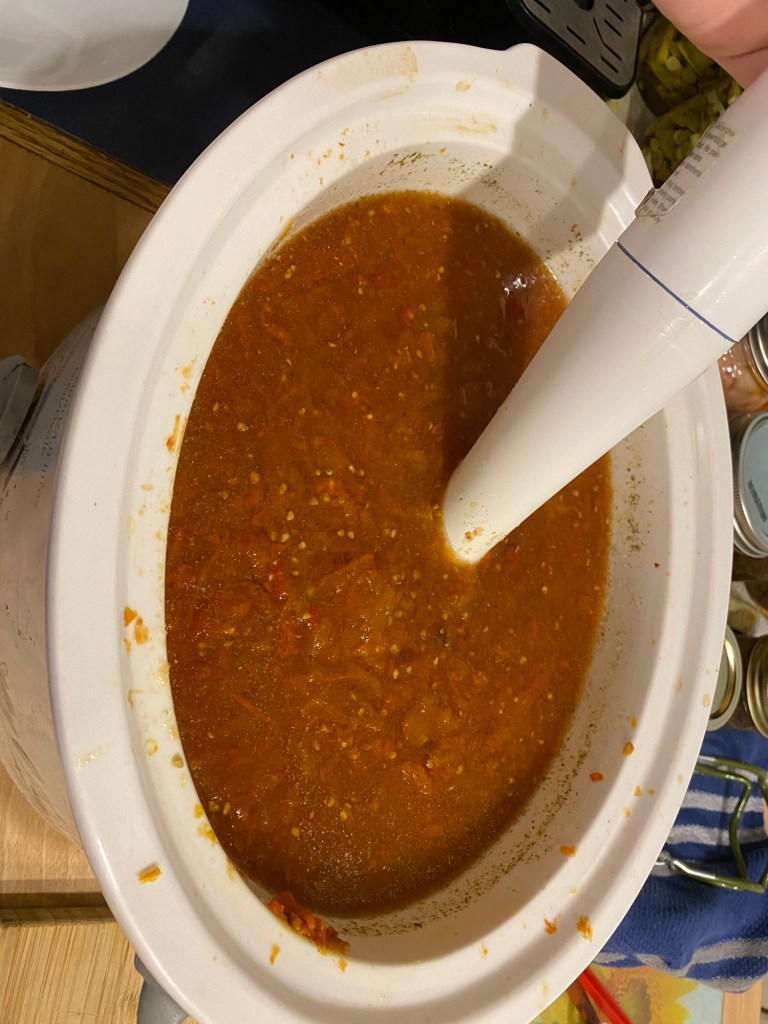
    3. Cook on low for 12 hours or overnight until the tomatoes can be easily mushed with a spoon.

    4. Spoon off the excess water that has separated from the cooked tomatoes.

    5. Use an immersion blender or put into a high powered blender and blend until smooth.

    6. Add in desired amounts of dried herbs and salt (until it tastes right to you!) For a full 6quart crockpot I put a couple of tablespoons of dried basil and parsley, and about 1-2 tablespoons of garlic, onion powder and salt. Mix well.

    7. Keep in crockpot with temperature on low until ready to can.

    Stage 2 Directions: Water Bath

    1. Before you start: Begin by prepping and setting up for the canning process. (There’s nothing worse than being ready to pour into the canning jars and realizing that you are missing something!)

    • Clean your glass jars, lids and rings in hot soapy water and rinse thoroughly. Place jars upside down on a clean tea-towel covered baking sheet. Place in the oven, preheat oven to 180 degrees fahrenheit.
    • Place cleaned lids in a small saucepan and put on low/med on the stove.
    • Set out: canning tongs, paper towel, ladle spoon, non-metallic utensil, tongs or magnetic lid lifter, and lid rings.
    • Fill large water bath canner with cold water and set on stove, cover with lid. Bring to a boil then turn to low to simmer until ready.
    • If you don’t know already know this, research your current geographical altitude to see if you will need to modify some timing of this recipe. See the table below for additional timing needed for the water bath canning.

    2. With canning tongs, pull out a few jars from the oven and make sure all supplies are ready for the canning stage.

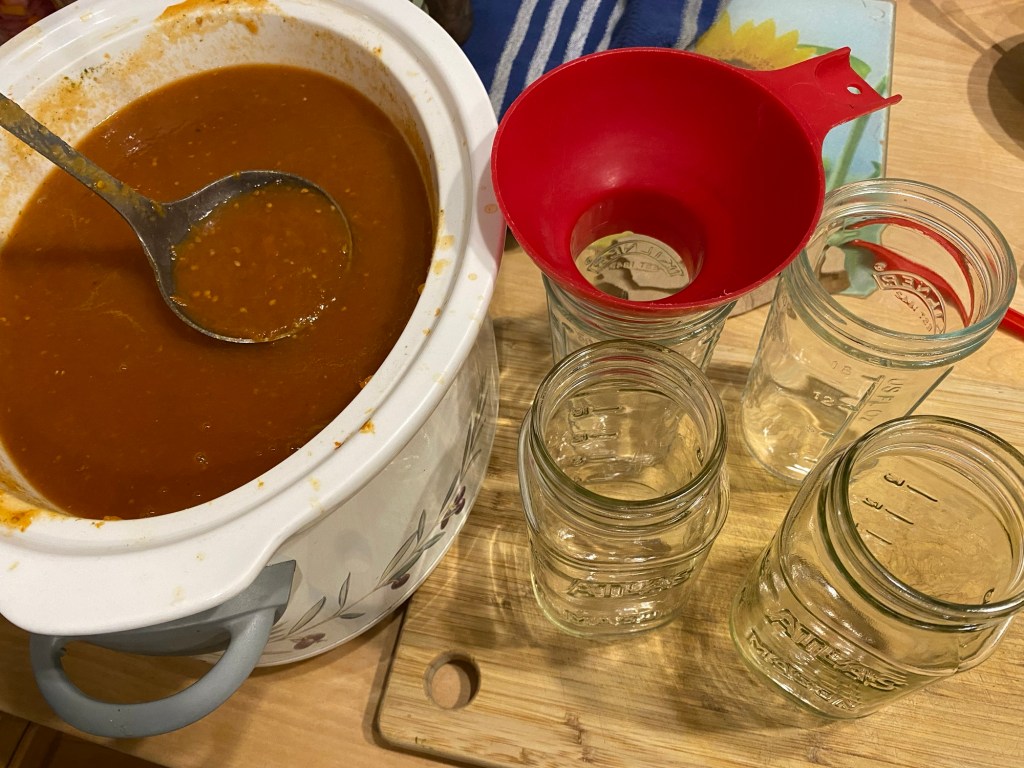
    3. Carefully ladle or pour the warm tomato sauce into the jars through the funnel.

    4. Put the lemon juice or citric acid into each jar. See table for amount per size of jar.

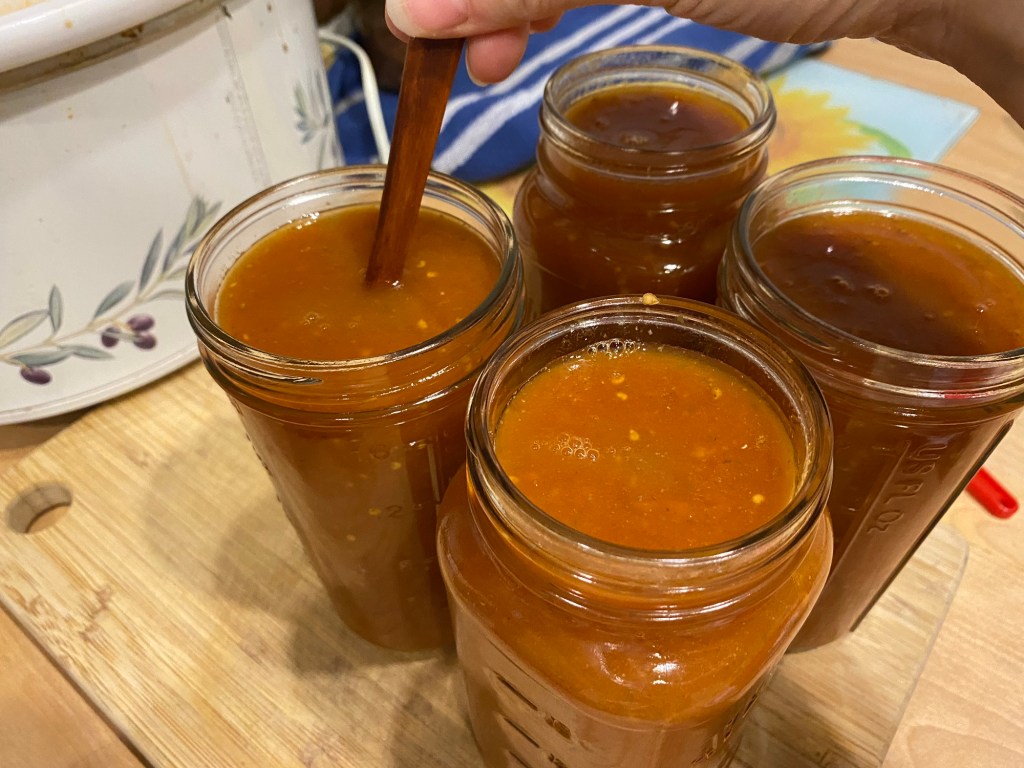
    5. Gently stir each of the filled jars with a non-metallic utensil, removing any bubbles.

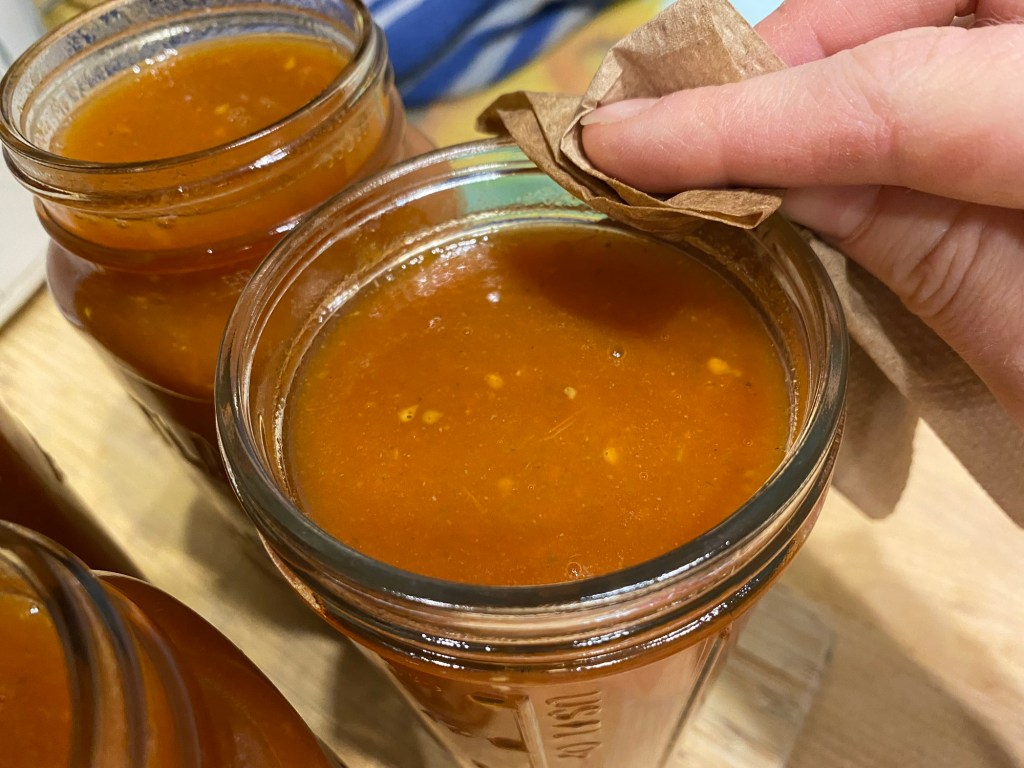
    6. Wipe the tops of the filled jars with a clean/wet paper towel.

    7. Put a warm canning lid on each one, pressing down while you twist on a screw band. Only tight enough to hold in place.

    8. With canning tongs, put into water bath canner. When all the jars are filled and inside, return water to a boil.

    9. Process jars in the water bath for 10 minutes, at sea level. See note above for altitudes above 1,000 feet.

    10. Lift jars from canner, being careful not to tilt. Place on towel-covered baking sheet and wait for the jar lids to start to “pop” as they naturally vacuum seal over the next little while.

    11. When lids have finished “popping”, without lifting the jars you can gently remove the screw bands and wipe off any excess water.

    12. Let sit for 24 hours undisturbed so the tomato sauce can finish setting.

    13. Store at room temperature for 12-18 months, refrigerate after opening.

    Hi, I’m Jessie!

    I’m a Wife and Homeschooling Mom living in a remote town in Northern Ontario, Canada. I love making wholesome meals for my family from scratch, homeschooling our girls and learning more about natural living.

    Read more about my story HERE.

    Subscribe to Northbird’s email list to get weekly posts on: tasty recipes, activity ideas for kids, natural living tips, and some genuine mom thoughts and encouragement!

    Easy Crockpot Tomato Sauce

    • Servings: Adaptable
    • Difficulty: Easy
    • Print

    An easy and stress-free way to make tomato sauce from scratch in the crockpot!


    Stage 1 Directions: Harvesting & Cooking the Tomatoes

    1. Wash tomatoes and cut into quarters, removing the stem end and cutting out any bad bits.
    2. Put tomato pieces into crockpot and cover.
    3. Cook on low for 12 hours or overnight until the tomatoes can be easily mushed with a spoon.
    4. Spoon off the excess water that has separated from the cooked tomatoes.
    5. Use an immersion blender or put into a high powered blender and blend until smooth.
    6. Add in desired amounts of dried herbs and salt (until it tastes right to you!) For a full 6quart crockpot I put a couple of tablespoons of dried basil and parsley, and about 1-2 tablespoons of garlic, onion powder and salt. Mix well.
    7. Keep in crockpot with temperature on low until ready to can.

    Stage 2 Directions: Water Bath


    Nutrition


    Per 1 cup serving: 0 calories; 0 g fat; 0.1 g carbohydrates;
    0 g protein.
    Return to Top

    How to Dehydrate Zucchini

    Find Northbird on social media:

    This post contains affiliate links. As an Amazon associate, I earn from qualifying purchases. This means that I make a small commission at no extra cost to you. You can read my full disclosure HERE.

    Jump To Recipe Card

    Jump to Video

    Return to “Homemade Pantry”

    Have you ever had an abundance of really robust zucchini’s growing in your garden?! And then had no idea of what to do with them?!

    A few summers ago while helping to plant out my parents garden, “someone” decided that since we had the space and enough happy seedlings, we should plant over 20 zucchini plants.

    The vision was to have enough zucchinis harvested throughout the summer to not only be used in stirfrys and other meals, but to make some tasty zucchini chips to dehydrate. In this way, we could have a crunchy, homemade snack to enjoy for the long winter months. (Or at least that was the intention behind planting so many zucchini plants!)

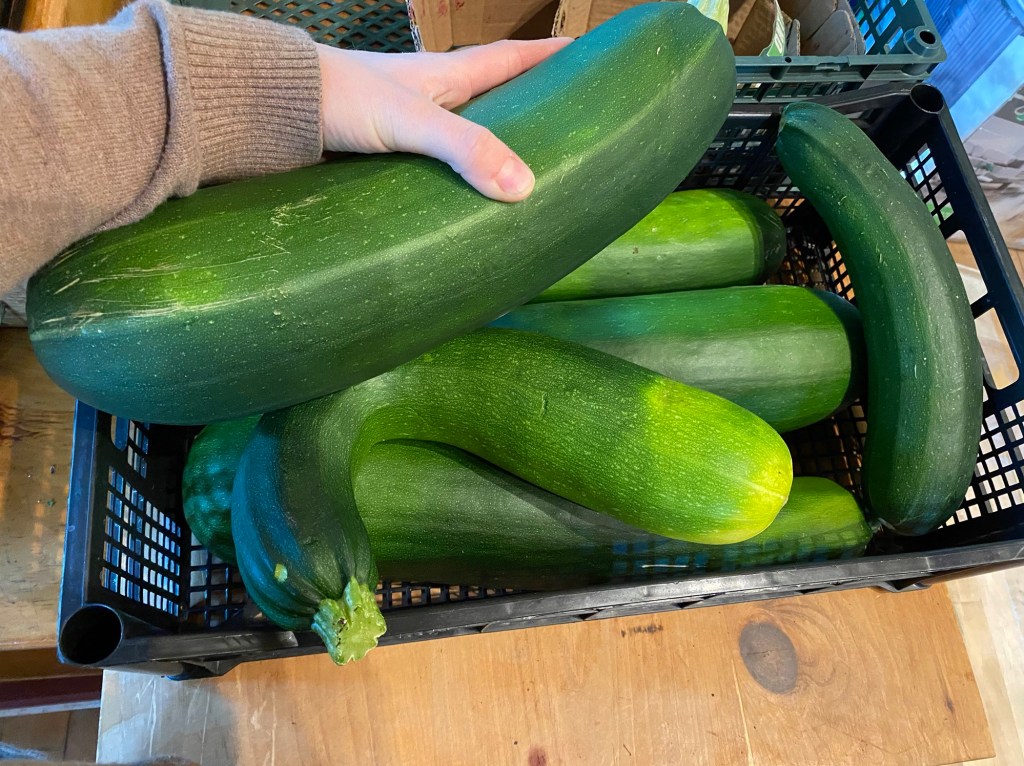
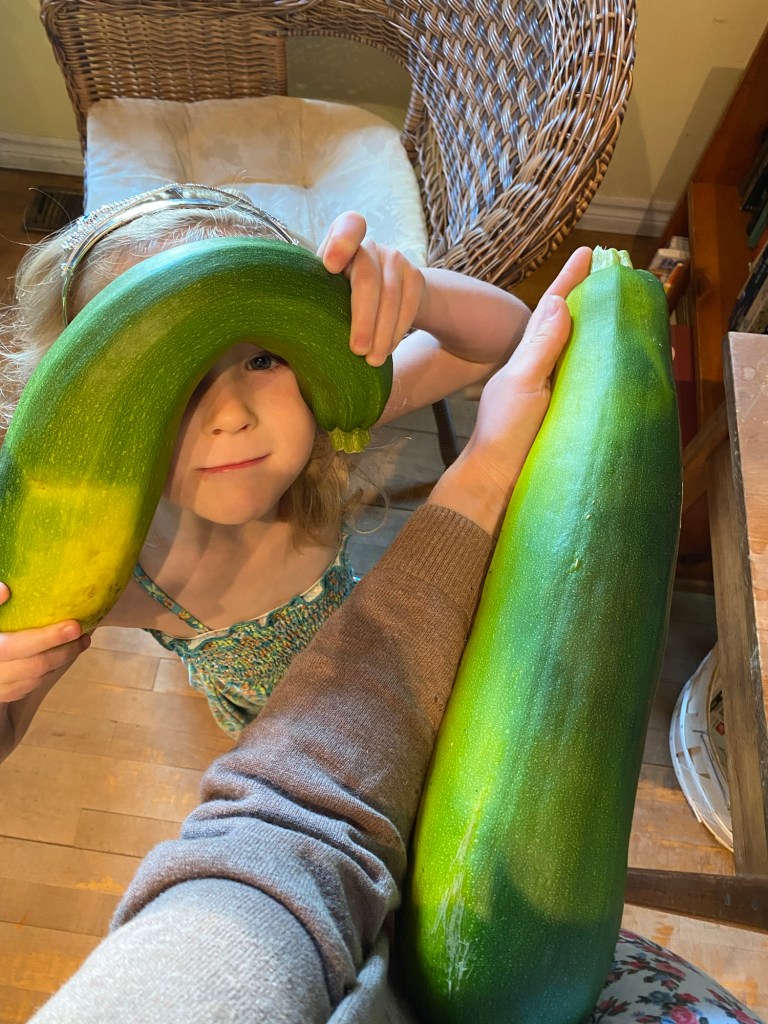
    Did this happen? Did the zucchinis grow as expected? Well yes they did grow, so much in fact that it turned into a daily game of “twister” in the jungle of giant zucchini plants to find them!

    We harvested many delicious and delicate normal-sized zucchinis, and they were enjoyed very much. But what happened when we forgot to go on our jungle zucchini adventure for a few days?!

    Yup.

    And with 20 zucchini plants, I’m sure you can imagine how fun it was for the kids to discover all of these monstrous vegetables that became somewhat of a nightmare for my mother and I to figure out what to do with.

    So what can you do with large zucchinis? The taste is certainly not as flavourful as the delicate petite ones, because they are much more watery inside.

    We ate them anyway in so many different ways until we got SO BORED OF EATING ZUCCHINI!

    Thankfully, I found somewhere online about dehydrating shredded zucchinis as a form of preserving them to enjoy at our leisure, and this became our solution.

    I have since then dehydrated shredded zucchini multiple times, and successfully re-hydrated them to use in soups, frittatas, and baking.

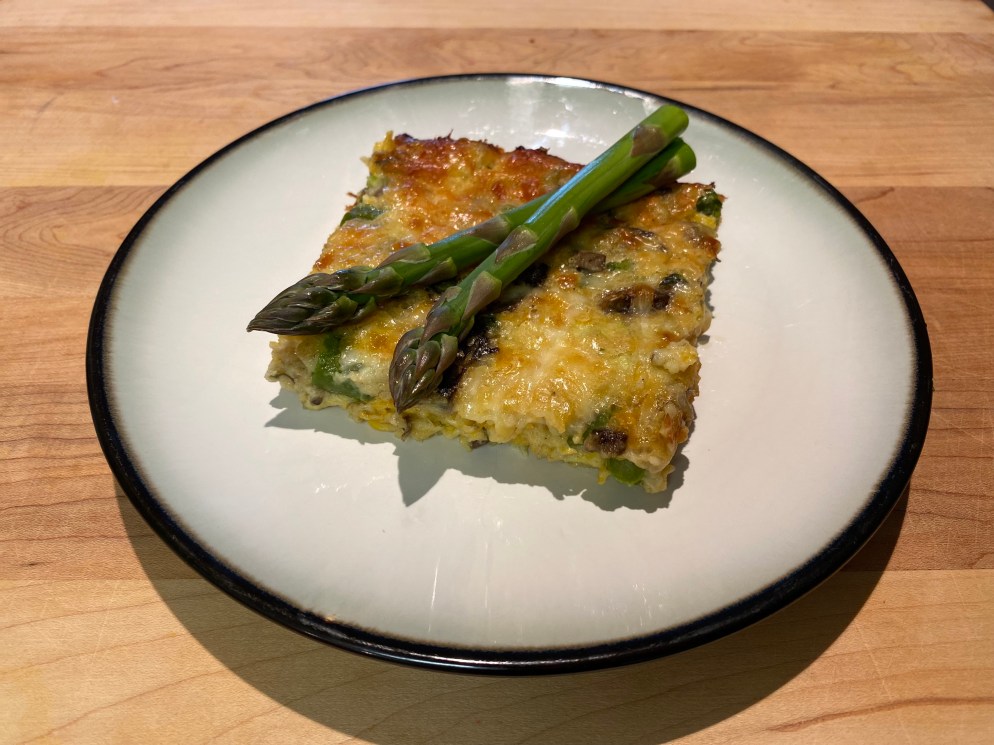
    I have also used this recipe and subbed in the asparagus with a few handfuls of re-hydrated shredded zucchini and it tastes DELICIOUS.

    Nutrition:

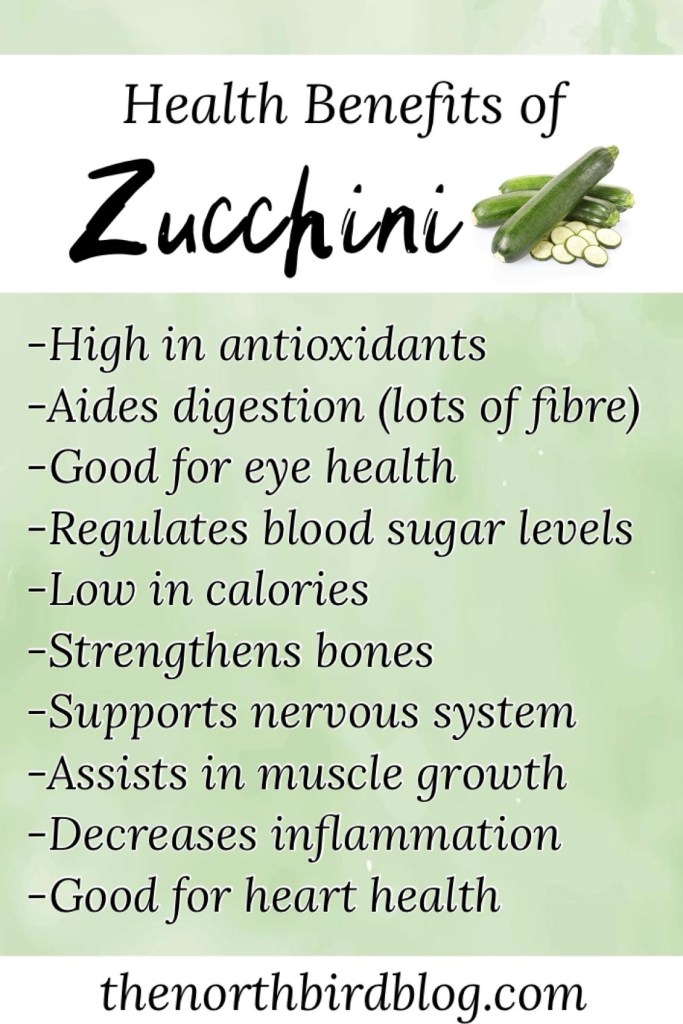
    Zucchini is a wonderful garden vegetable that is packed full of important antioxidants, vitamins and minerals. It is high in fibre, which helps to regulate your digestion and keep you feeling “full” longer.

    Zucchini is also low in calories, which makes it valuable to those trying to lose weight. I learned this summer that it is a staple for the keto diet (we subbed in zucchini noodles many times for regular pasta).

    Studies have also shown that zucchini is beneficial to eye health, heart health, lowering risks of anaemia, regulating blood sugar levels, supporting the immune system, and assisting in muscle growth (to just name a few!).

    Ways to Use Dehydrated Shredded Zucchini in Cooking:

    • Soups and Stews as a “filler”
    • Baking (breads, muffins, etc)
    • Omelettes and other egg dishes
    • Fried potato patties/ hashbrowns
    • Pancakes

    I’m sure there are many more ideas and ways to get creative with shredded zucchini. When I learn some more, I’ll share on here with you!

    How to Re-hydrate Zucchini?

    Simply put a few handfuls of the shredded dried zucchini bits into a bowl of warm water and wait 5 minutes or so until it plumps up. Then you can squeeze out the excess water and use as normal.

    How Long to Store Dehydrated Zucchini?

    It is best if used up within a year, but I have also used some that is a few years old and it still re-hydrated fine and tasted the great!

    Make sure it is properly stored in a cool, dark, dry place, in a sealed container to avoid any moisture seeping in to cause mold.

    A quick visual of the harvesting process from start to finish!

    How to Dehydrate Zucchini

    Supplies Needed:

    Ingredients:

    • Zucchini

    Directions:

    1. Cut up zucchini into chunks that will easily fit in your food processor.
    2. Use a shredding insert and shred zucchini until fine strings.

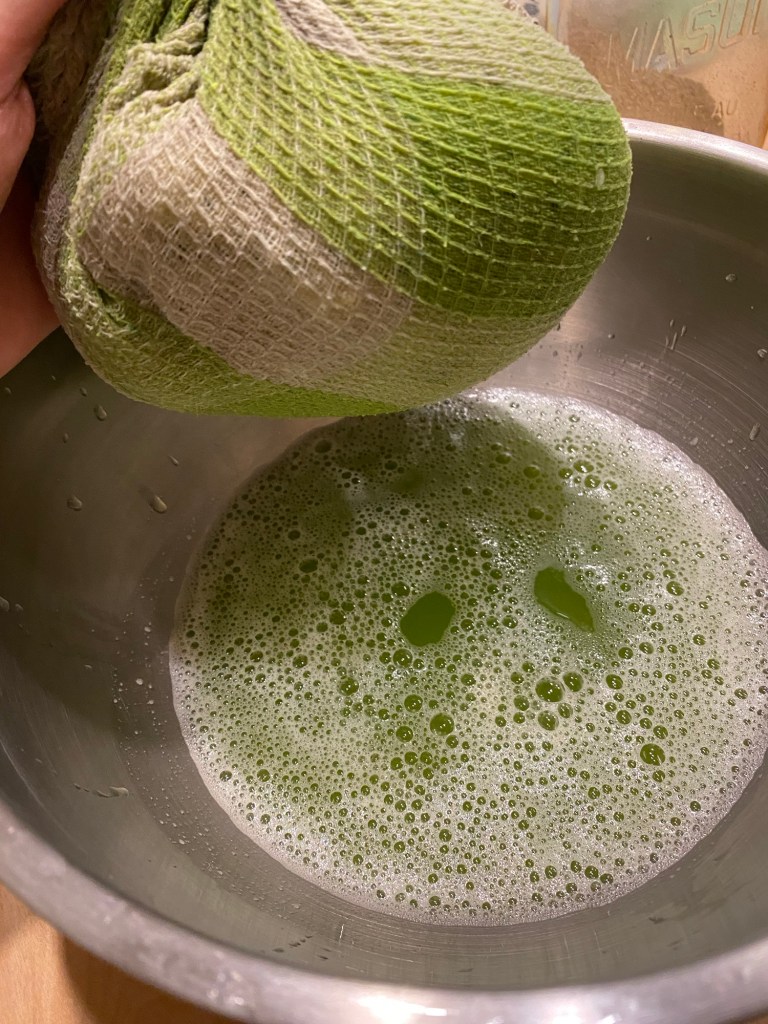
    3. Place tea towel or large nut milk bag into a large bowl. Put the shredded zucchini into the towel, gather it up and squeeze out as much of the water as you can.

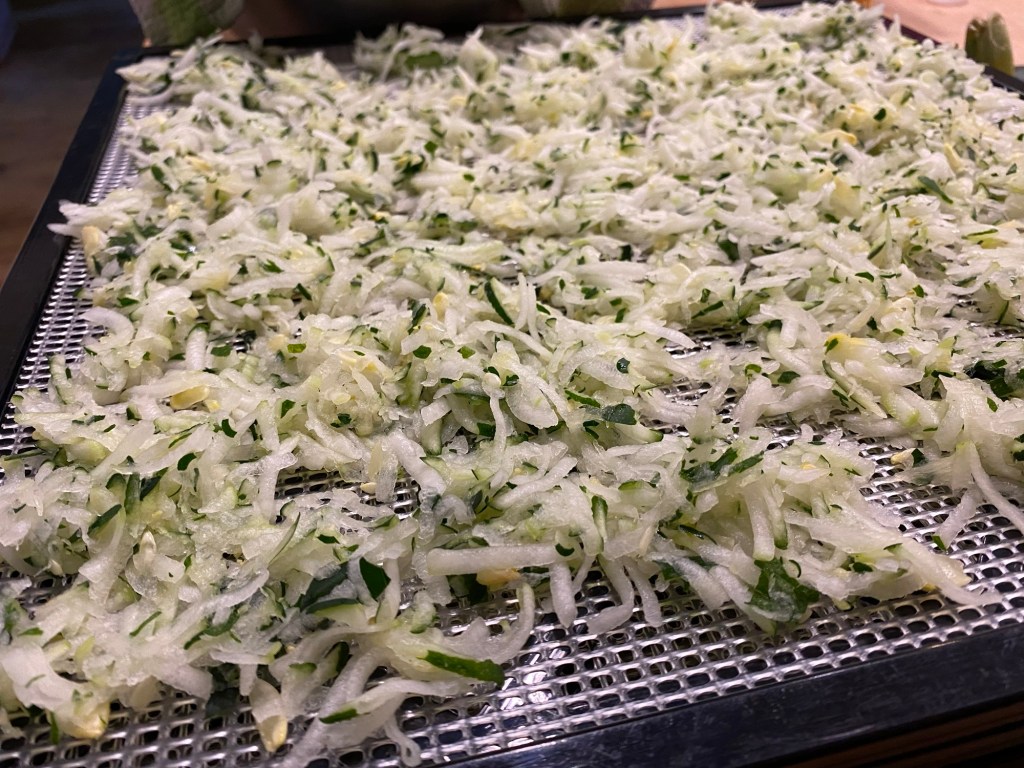
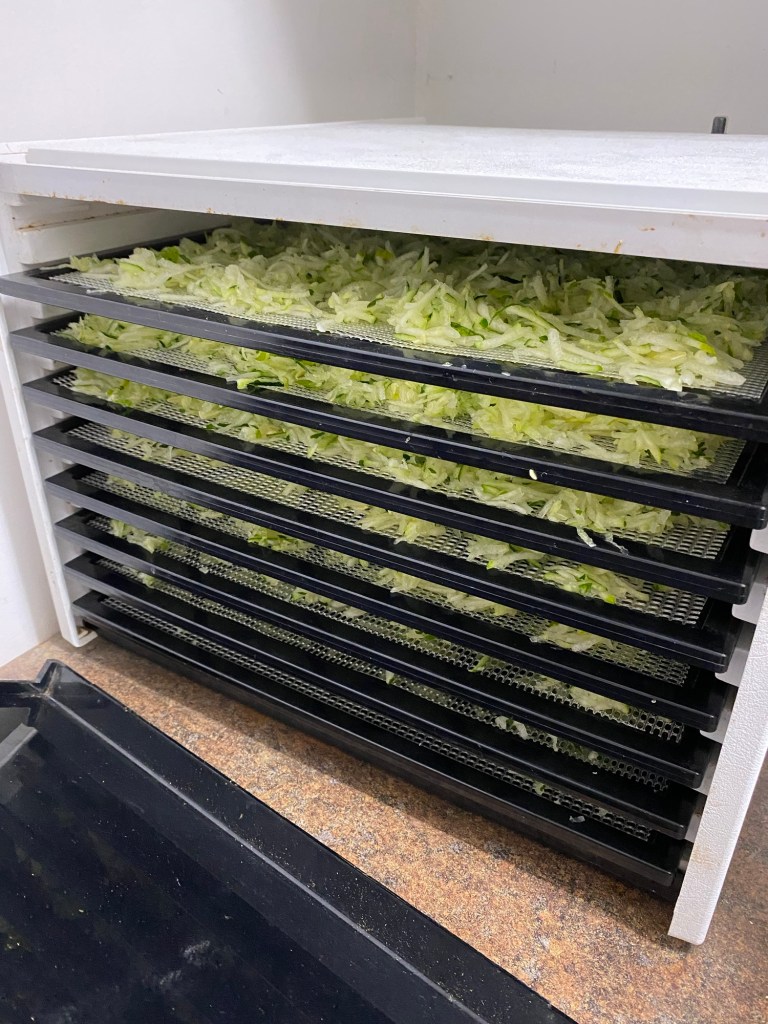
    4. Place shredded zucchini evenly onto drying racks, leaving spaces for air to pass through.

    5. Dehydrate at 125 degrees fahrenheit, for 8-12 hours until dry and brittle. Timing will depend on the humidity of your drying area, and how well you are able to squeeze out the water in the towel.

    6. Remove and place in sealed containers, and store in a cool, dark and dry place. Best if used up within a year.

    7. When ready to use in cooking or baking, simply put desired amount of dried zucchini in a bowl of warm water and let sit for 5 minutes. Drain and squeeze out extra water before use.

    Hi, I’m Jessie!

    I’m a Wife and Homeschooling Mom living in a remote town in Northern Ontario, Canada. I love making wholesome meals for my family from scratch, homeschooling our girls and learning more about natural living.

    Read more about my story HERE.

    Subscribe to Northbird’s email list to get weekly posts on: tasty recipes, activity ideas for kids, natural living tips, and some genuine mom thoughts and encouragement!

    How to Dehydrate Zucchini

    • Servings: 1 large zucchini
    • Difficulty: Easy
    • Print

    Dehydrate your garden zucchinis to enjoy later in your favourite cooking and baking recipes!


    Ingredients

    • Zucchini

    Directions:

    1. Cut up zucchini into chunks that will easily fit in your food processor.
    2. Use a shredding insert and shred zucchini until fine strings.
    3. Place tea towel or large nut milk bag into a large bowl. Put the shredded zucchini into the towel, gather it up and squeeze out as much of the water as you can.
    4. Place shredded zucchini evenly onto drying racks, leaving spaces for air to pass through.
    5. Dehydrate at 125 degrees fahrenheit, for 8-12 hours until dry and brittle. Timing will depend on the humidity of your drying area, and how well you are able to squeeze out the water in the towel.
    6. Remove and place in sealed containers, and store in a cool, dark and dry place. Best if used up within a year.
    7. When ready to use in cooking or baking, simply put desired amount of dried zucchini in a bowl of warm water and let sit for 5 minutes. Drain and squeeze out extra water before use.

    Nutrition


    Per 1 serving: 8 calories; 0.1 g fat; 1.7 g carbohydrates;
    0.6 g protein.

    Return to Top

    How to Make Crabapple Jelly: Step-by-Step Instructions

    Find Northbird on social media:

    This post contains affiliate links. As an Amazon associate, I earn from qualifying purchases. This means that I make a small commission at no extra cost to you. You can read my full disclosure HERE.

    Jump To Recipe Card

    Jump to Video

    Return to “Homemade Pantry”

    I LOVE this time of year! So many good things to harvest from your gardens, bushes, foraging, and fruit trees!

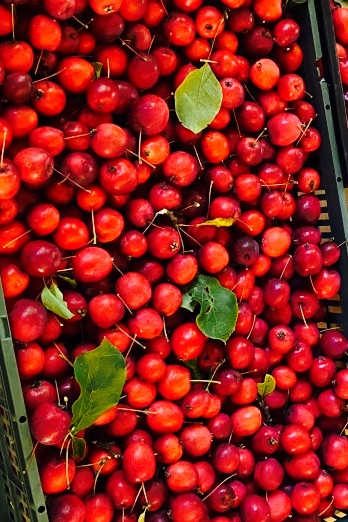
    In southern Ontario, my parents have some wonderful neighbours that have an incredibly plentiful crabapple tree. Each year, some members of our family have spent an hour or two picking apples and then spent the next few days turning the thousands of tiny apples into delicious jellies, juice, and some deliciously tart pink applesauce.

    The kids have always been particularly fascinated with the mini red apples, and our oldest was always taking a handful of them to snack on throughout her day!

    Nutrition:

    Did you know that crabapples contain high levels of vitamin C? As a result, they are a great source for keeping your immune system strong! They are also packed full of other essential vitamins and minerals that our bodies need such as: phosphorus, calcium, iron, magnesium and manganese.

    Crabapples have naturally high levels of pectin, which not only helps the jelly to “set”, but also has numerous health benefits for our bodies (some of these I didn’t even know about until researching for this post!)

    Another important thing to note about crabapples (and all apple varieties) is that the seeds contain amygdalin, which is a compound made of a mixture of sugars and cyanide. You definitely want to avoid eating apple seeds whenever possible!

    Mini Jellies Make Great Gifts!

    For a few years now, I have made numerous batches of crabapple jelly, apple butter, and other jams to give away at Christmas time to family and friends.

    I love using these smaller 125ml jars for the various jars and then doing up little boxes from the dollarstore with a variety of preserves in each box.

    Here’s a video showing each step in the process of making Crabapple Jelly!

    How to Make Crabapple Jelly

    Supplies Needed:

    Ingredients:

    Stage 1 Directions: Making the Juice

    1. Wash crabapples in cold water and remove any bad ones.
    2. With paring knife, cut off stem and blossom ends, and cut in half. Put prepared pieces in large stock pot.

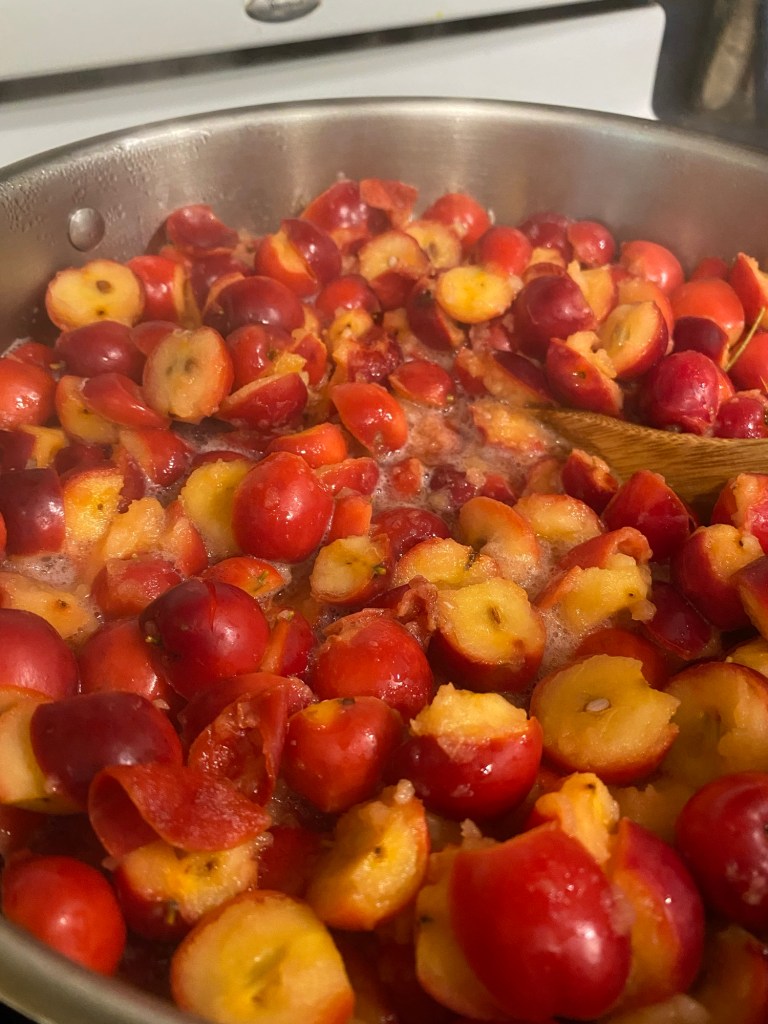
    3. Add cold water to pot until you can see the water through the top layer of apples. Too much water will result in more watery jelly and might have trouble setting, and not enough water might make it too thick or the apples might burn while cooking down!

    4. Cook for several minutes on medium, stirring frequently until you can mush the apples easily with a spoon.

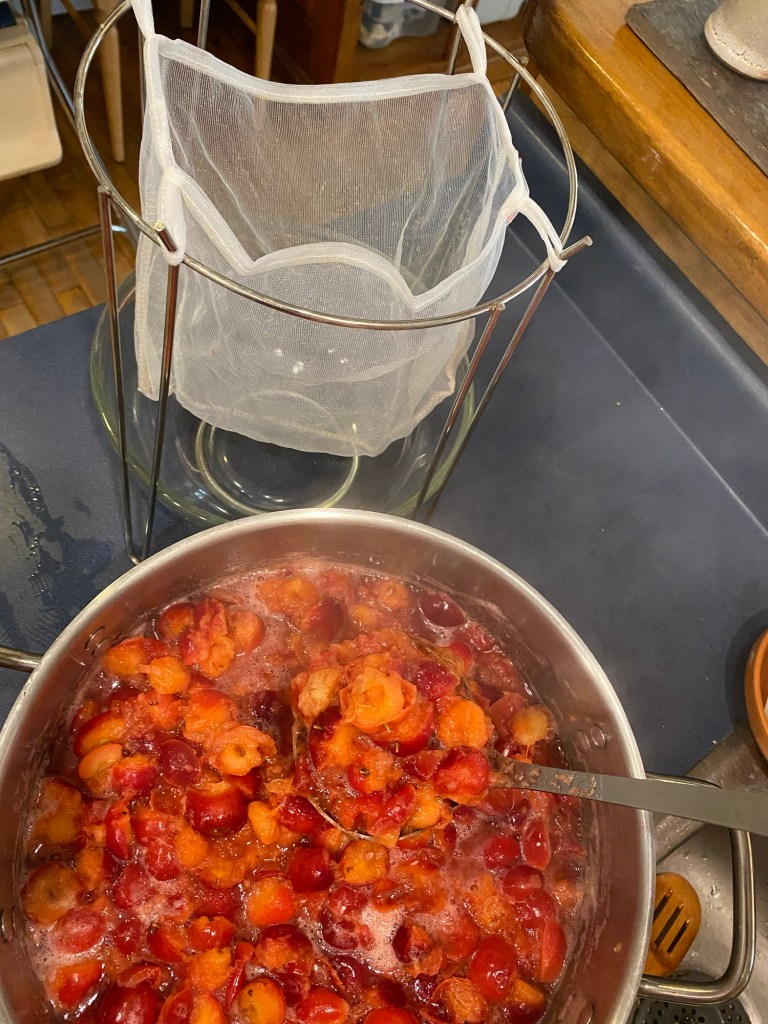
    5. Remove from heat and let it cool while you set up to strain the juice.

    6. Carefully scoop out the cooked crabapples and let the juice slowly drain through a canning strainer. ***Do not squeeze the bag! See note below.

    7. Leave for several hours or overnight to fully drain through. You can discard the remaining pulp or push it through into a separate bowl to make some crabapple sauce.

    8. After your juice has been collected, you can either store it in a sealed container in the fridge for up to 3 days, or start the canning process below.

    Additional Notes for Stage 1:

    • If you don’t have a canning strainer, you can also use a fine mesh colander or hang nut milk bags suspended over a bowl. Get creative with what you have!
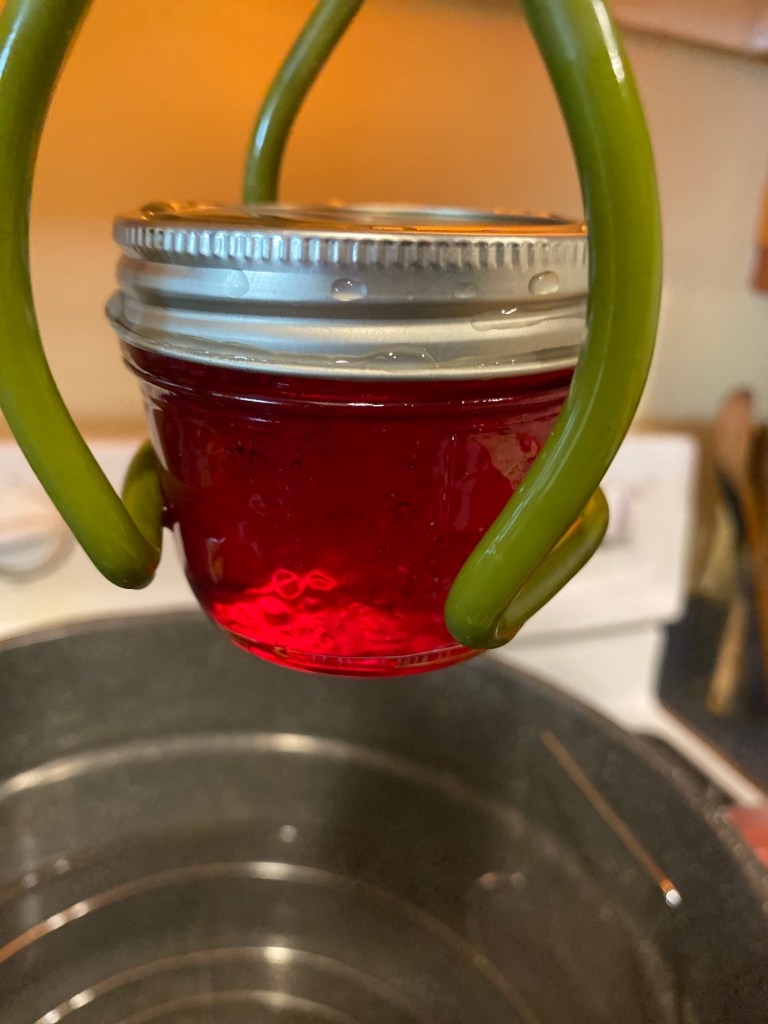
    • It is important to let the juice drain through slowly on its own without being squeezed or hurried along. This will prevent the juice from becoming cloudy and instead have the beautiful clear dark red that every canner aims toward!
    • Sometimes I do the apples in batches over a few days, so its helpful to store the containers of crabapple juice in the fridge while I finish cooking the remaining crabapples. Then I like to do the canning all on one day since it takes so much work to set up everything needed!

    Stage 2 Directions: Cooking the Jelly

    1. Before you start: Begin by prepping and setting up for the canning process. (There’s nothing worse than being ready to pour into the canning jars and realizing that you are missing something!)

    • Clean your glass jars, lids and rings in hot soapy water and rinse thoroughly. Place jars upside down on a clean tea-towel covered baking sheet. Place in the oven, preheat oven to 180 degrees fahrenheit.
    • Place cleaned lids in a small saucepan and put on low/med on the stove.
    • Set out: canning tongs, paper towel, ladle spoon, non-metallic utensil, tongs or magnetic lid lifter, and lid rings.
    • Fill large water bath canner with cold water and set on stove, cover with lid. Bring to a boil then turn to low to simmer until ready.
    • If you don’t know already know this, research your current geographical altitude to see if you will need to modify some timing of this recipe. See notes below for testing for the jelly-set stage, as well as later on for the water bath canning stage.

    2. Measure out prepared juice into large saucepan. The amount will depend on your pot size, I usually start with 4 cups.

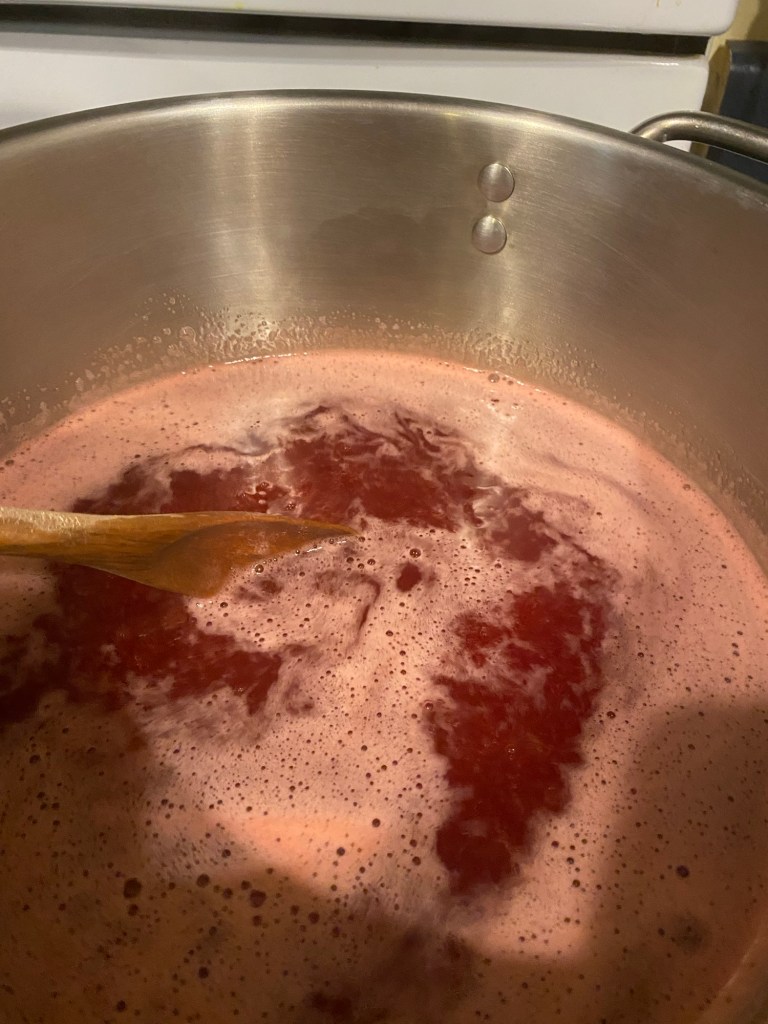
    3. Boil the strained clear juice for 5 minutes, stirring frequently and skimming the foam off as needed.

    4. Add sugar: The general rule is 3/4-1 cup of sugar per 1 cup of juice. So if you start with 4 cups of juice, you will need to add between 3-4 cups of sugar. This is based on personal preference of desired taste (how sweet you want your jelly to be!).

    5. Return to a boil, stirring constantly, and after a minimum of 5 minutes, start testing for the jelly stage. If it is not ready yet, keep boiling and stirring constantly, checking every minute. Note: Timing of this will vary based on altitude, and also the quantity and ratio of juice/sugar in your pot. (See below). When I made this recipe in Southern Ontario, it took less time to reach the jell stage, than when I made it here in Northern Ontario, because the location at sea level affects the boiling point, (which in turn affects the jell stage).

    6. Once the jelly stage has been reached, remove pot from heat, and lightly skim off any remaining foam.

    Testing for the Jelly Stage:

    If you have a candy thermometer, the optimal temperature for jelly to set is 220 degrees fahrenheit, or 8 degrees fahrenheit above the boiling point of water if you are at sea level.

    Note: For every 1000 feet above sea level, subtract 2 degrees fahrenheit to reach the stage for the jelly to set.

    For example, at 1,000 feet above sea level, the setting stage is 218 degrees fahrenheit. At 2,000 feet above sea level, the setting stage is 216 degrees fahrenheit, etc.

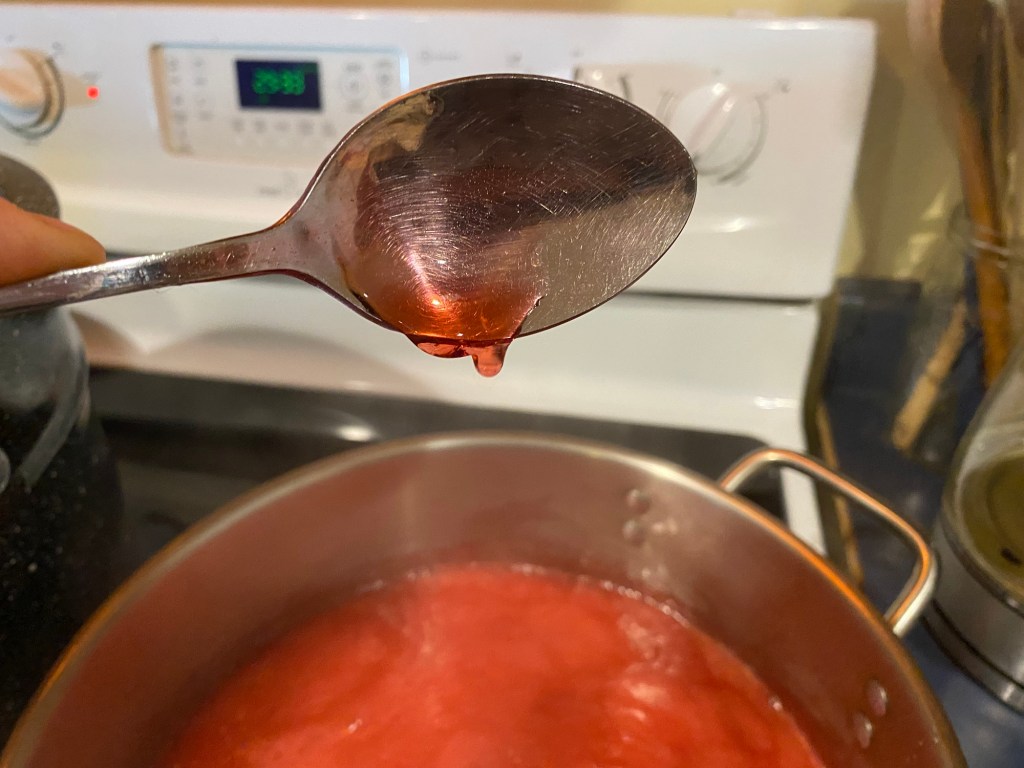
    If you don’t have a candy thermometer, you can use a few items in your kitchen to check with every minute or so after it has been boiling with sugar for 5 minutes. I have made jelly with each of these methods, but my favourite one is using a spoon.

    • Fork: Dip a fork into the boiling jelly and lift up vertically. The jelly will have a few drips then start to clump together within the spokes of the fork.
    • Spoon: Dip a spoon into the boiling jelly and lift up horizontally. The jelly will have a drip or two then start to hold in place.
    • Cold plate: Keep a few small saucers or ceramic plates in your freezer until you are ready to test. Spoon a tiny dab onto one of the cold plates and tilt the place horizontally to see if the dab of jelly starts to run. If it holds in place, then the jelly is done. If it runs, then wait another minute or so then test on another cold plate.

    Stage 3 Directions: Water Bath

    1. With canning tongs, pull out a few jars from the oven and make sure all supplies are ready for the canning stage.
    2. Carefully ladle the hot crabapple liquid into the jars through the funnel.

    3. Gently stir each of the filled jars with a non-metallic utensil.

    4. Wipe the tops of the filled jars with a clean/wet paper towel.

    5. Put a warm canning lid on each one, pressing down while you twist on a screw band. Only tight enough to hold in place.

    6. With canning tongs, put into water bath canner. When all the jars are filled and inside, return water to a boil.

    7. Process jars in the water bath for 10 minutes, at sea level. See note below for altitudes above 1,000 feet.

    8. Lift jars from canner, being careful not to tilt. Place on towel-covered baking sheet and wait for the jar lids to start to “pop” as they naturally vacuum seal over the next little while.

    9. When lids have finished “popping”, without lifting the jars you can gently remove the screw bands and wipe off any excess water.

    10. Let sit for 24 hours undisturbed so the jelly can finish setting.

    11. Store at room temperature for 12-18 months, refrigerate after opening.

    12. Makes about 2 pints.

    Water Bath Canner: Altitude Adjustments

    Altitude in Feet:Altitude in Meters:Increase Processing Time
    1,001-3,000306-9155 minutes
    3,001-6,000916-1,83010 minutes
    6,001-8,0001,831-2,44015 minutes
    8,001-10,0002,441-3,05020 minutes

    Hi, I’m Jessie!

    I’m a Wife and Homeschooling Mom living in a remote town in Northern Ontario, Canada. I love making wholesome meals for my family from scratch, homeschooling our girls and learning more about natural living.

    Read more about my story HERE.

    Subscribe to Northbird’s email list to get weekly posts on: tasty recipes, activity ideas for kids, natural living tips, and some genuine mom thoughts and encouragement!

    It’s Harvest Season!

    How to Make Crabapple Jelly

    • Servings: About 2 pints
    • Difficulty: Medium
    • Print

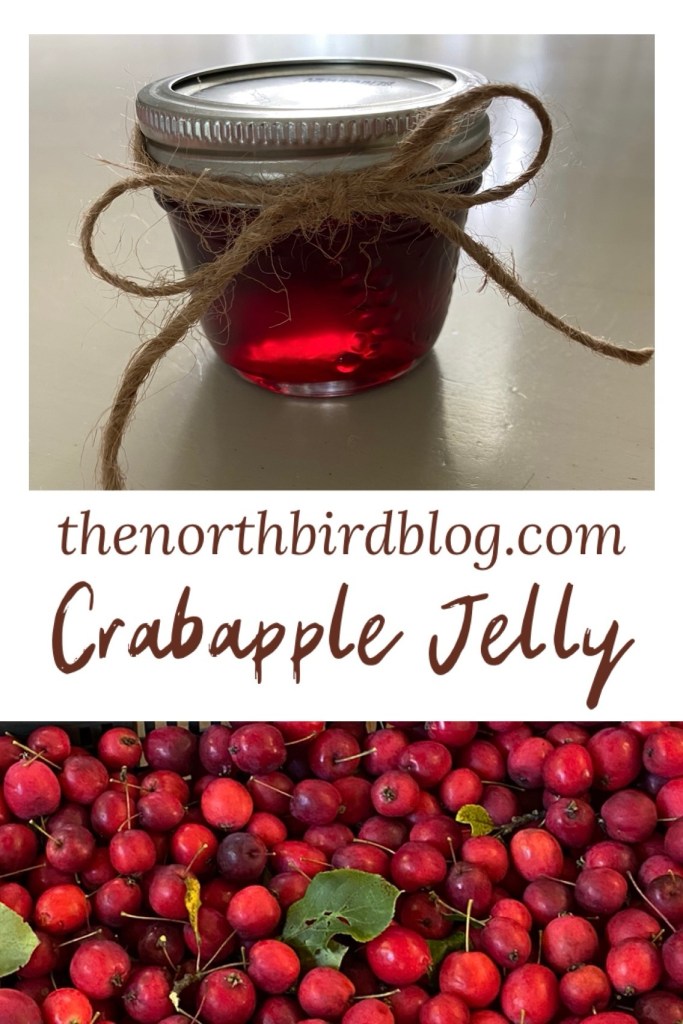
    Preserve the fresh taste of summer crabapples with this delicious homemade Crabapple Jelly Recipe (no added pectin), step-by-step instructions and visuals included for the beginner canner.


    Supplies Needed:

  • Water bath canner
  • Canning tongs
  • Canning funnel
  • Canning jars, lids and rings
  • Paper towel
  • Non-metallic utensil
  • Juice strainer or fine mesh colander
  • Stock pot
  • Measuring cups
  • Paring knife
  • Bowls
  • Candy thermometer
  • Spoon

  • Ingredients

  • Fresh crabapples
  • Cold water
  • Granulated sugar

  • Stage 1 Directions: Making the Juice

    1. Wash crabapples in cold water and remove any bad ones.
    2. With paring knife, cut off stem and blossom ends, and cut in half. Put prepared pieces in large stock pot.
    3. Add cold water to pot until you can see the water through the top layer of apples. Too much water will result in more watery jelly and might have trouble setting, and not enough water might make it too thick or the apples might burn while cooking down!
    4. Cook for several minutes on medium, stirring frequently until you can mush the apples easily with a spoon.
    5. Remove from heat and let it cool while you set up to strain the juice.
    6. Carefully scoop out the cooked crabapples and let the juice slowly drain through a canning strainer. ***Do not squeeze the bag! See notes above.
    7. Leave for several hours or overnight to fully drain through. You can discard the remaining pulp or push it through into a separate bowl to make some crabapple sauce.
    8. After your juice has been collected, you can either store it in a sealed container in the fridge for up to 3 days, or start the canning process below.

    Stage 2 Directions: Cooking the Jelly

    1. Before you start, begin by prepping and setting up for the canning process.
    2. Clean your glass jars, lids and rings in hot soapy water and rinse thoroughly. Place jars upside down on a clean tea-towel covered baking sheet. Place in the oven, preheat oven to 180 degrees fahrenheit.
    3. Place cleaned lids in a small saucepan and put on low/med on the stove.
    4. Set out: canning tongs, paper towel, ladle spoon, non-metallic utensil, tongs or magnetic lid lifter, and lid rings.
    5. Fill large water bath canner with cold water and set on stove, cover with lid. Bring to a boil then turn to low to simmer until ready.
    6. Measure out prepared juice into large saucepan. The amount will depend on your pot size, I usually start with 4 cups.
    7. Boil the strained clear juice for 5 minutes, stirring frequently and skimming the foam off as needed.
    8. Add sugar: The general rule is 3/4-1 cup of sugar per 1 cup of juice. So if you start with 4 cups of juice, you will need to add between 3-4 cups of sugar. This is based on personal preference of desired taste (how sweet you want your jelly to be!).
    9. Return to a boil, stirring constantly, and after a minimum of 5 minutes, start testing for the jelly stage. If it is not ready yet, keep boiling and stirring constantly, checking every minute. Note: Timing of this will vary based on altitude, and also the quantity and ratio of juice/sugar in your pot. For more information on testing the jelly stage (with and without a thermometer), see notes above.
    10. Once the jelly stage has been reached, remove pot from heat, and lightly skim off any remaining foam.

    Stage 3 Directions: Water Bath

    1. With canning tongs, pull out a few jars from the oven and make sure all supplies are ready for the canning stage.
    2. Carefully ladle the hot crabapple liquid into the jars through the funnel.
    3. Gently stir each of the filled jars with a non-metallic utensil.
    4. Wipe the tops of the filled jars with a clean/wet paper towel.
    5. Put a warm canning lid on each one, pressing down while you twist on a screw band. Only tight enough to hold in place.
    6. With canning tongs, put into water bath canner. When all the jars are filled and inside, return water to a boil.
    7. Process jars in the water bath for 10 minutes, at sea level. See note above for altitudes above 1,000 feet.
    8. Lift jars from canner, being careful not to tilt. Place on towel-covered baking sheet and wait for the jar lids to start to “pop” as they naturally vacuum seal over the next little while.
    9. When lids have finished “popping”, without lifting the jars you can gently remove the screw bands and wipe off any excess water.
    10. Let sit for 24 hours undisturbed so the jelly can finish setting.
    11. Store at room temperature for 12-18 months, refrigerate after opening.

    Nutrition


    Per 1 serving: 94 calories; 0 g fat; 24 g carbohydrates;
    0 g protein.
    Return to Top

    Oatmeal Chocolate Chip Cookies Using Sourdough Discard

    Find Northbird on social media:

    This post contains affiliate links. As an Amazon associate, I earn from qualifying purchases. This means that I make a small commission at no extra cost to you. You can read my full disclosure HERE.

    Jump To Recipe Card

    Jump to Video

    Return to “Deserts & Snacks”

    Return to “Sourdough Recipes”

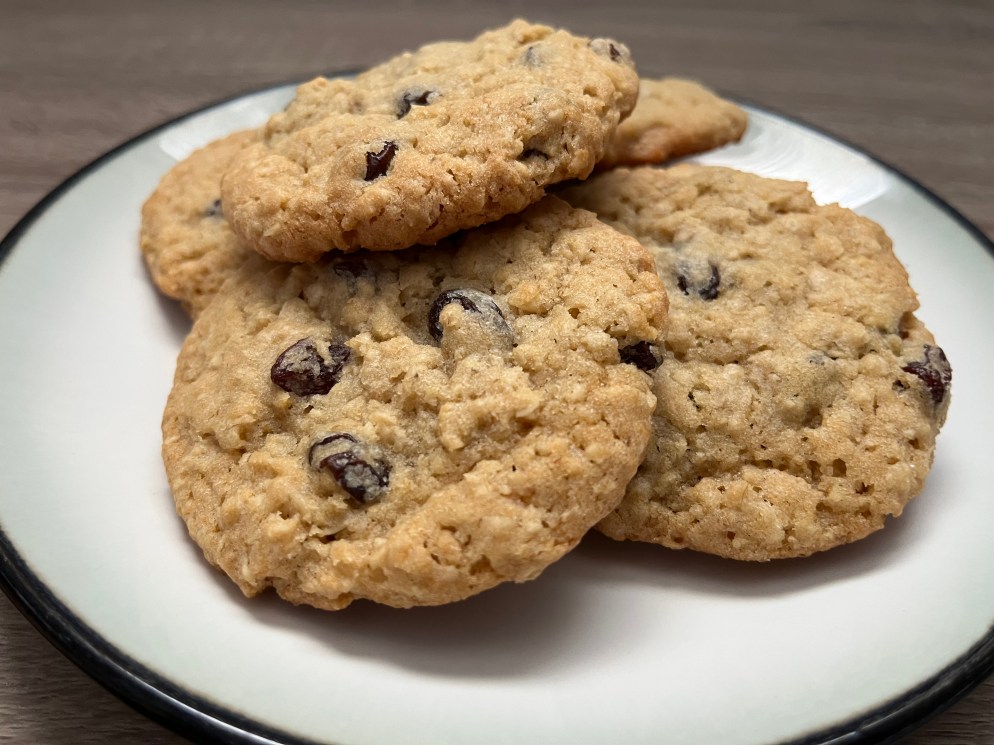
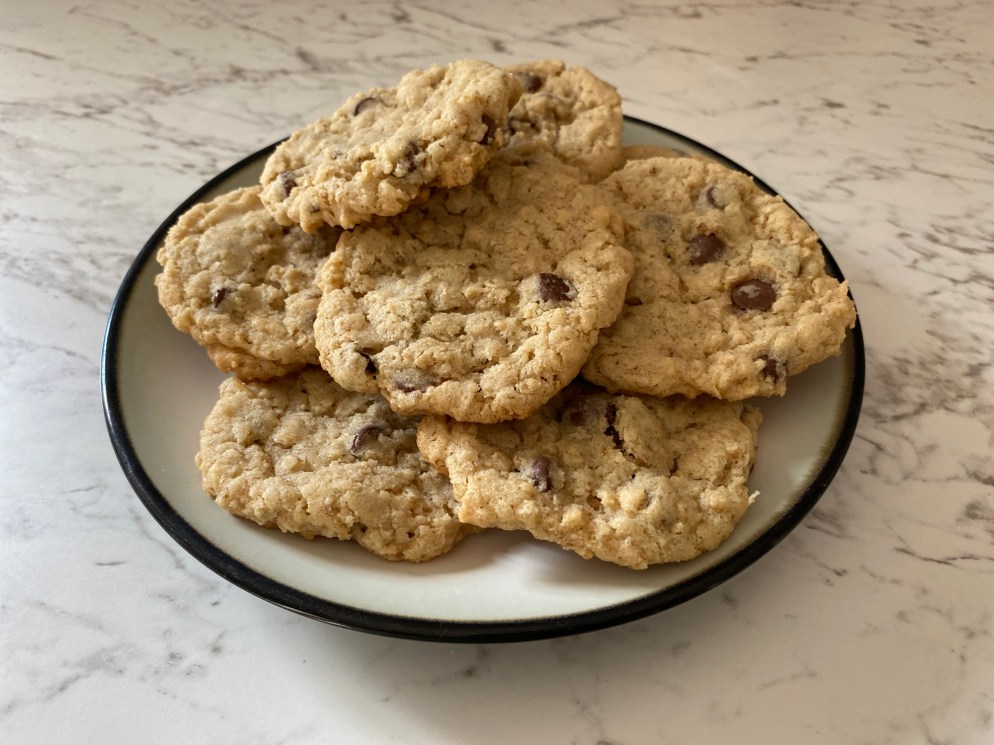
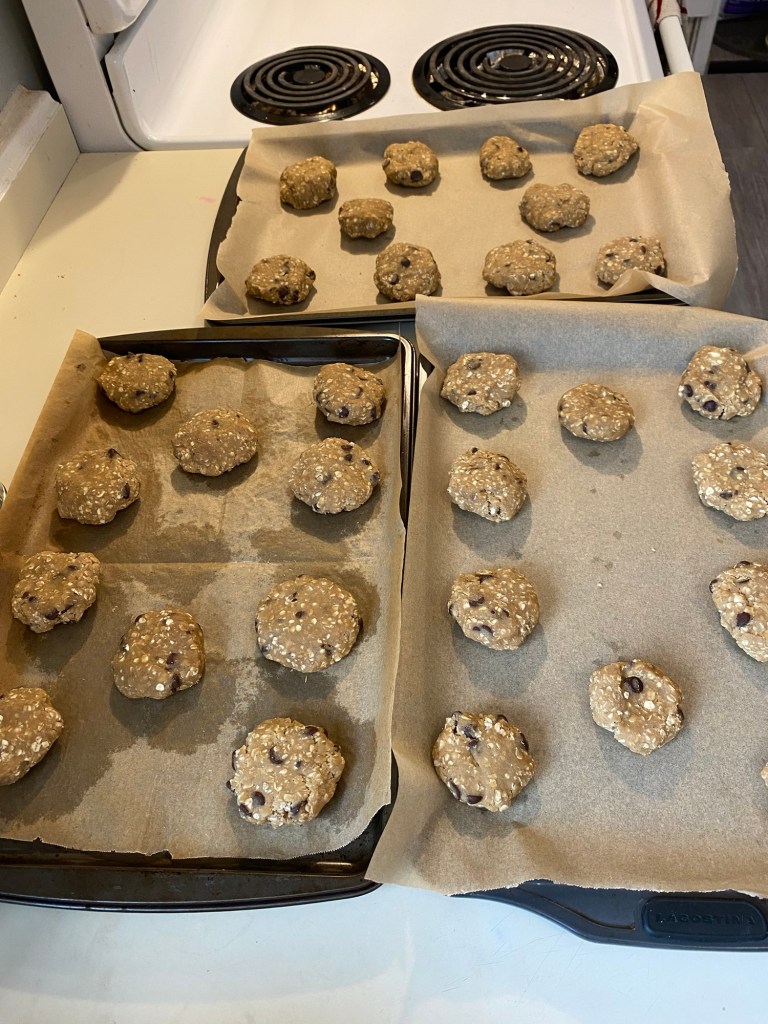
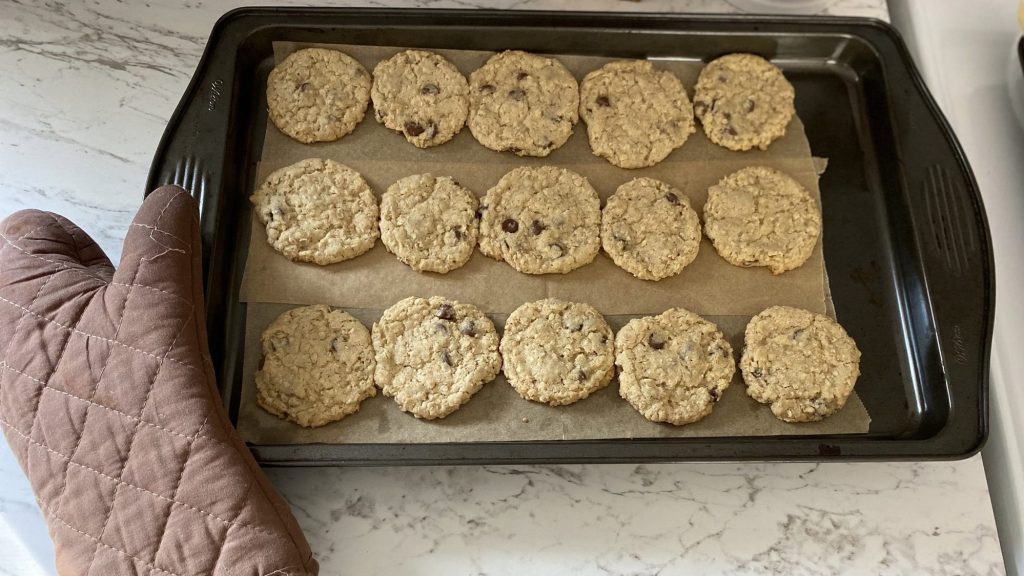
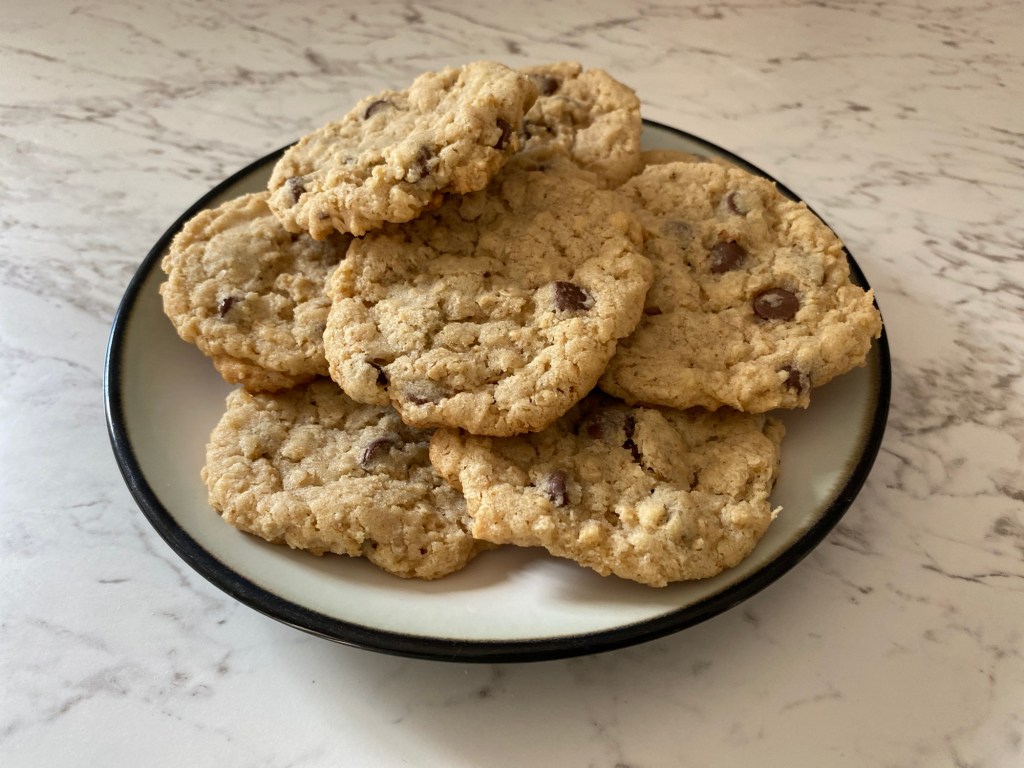
    The first time I created this recipe, it sort of happened accidentally…! We were all craving my special Oatmeal Chocolate Chip Cookie recipe that I’ve made probably hundreds of times and altered over the years. But after softening the butter and starting to get ingredients ready, I realized we had NO EGGS!

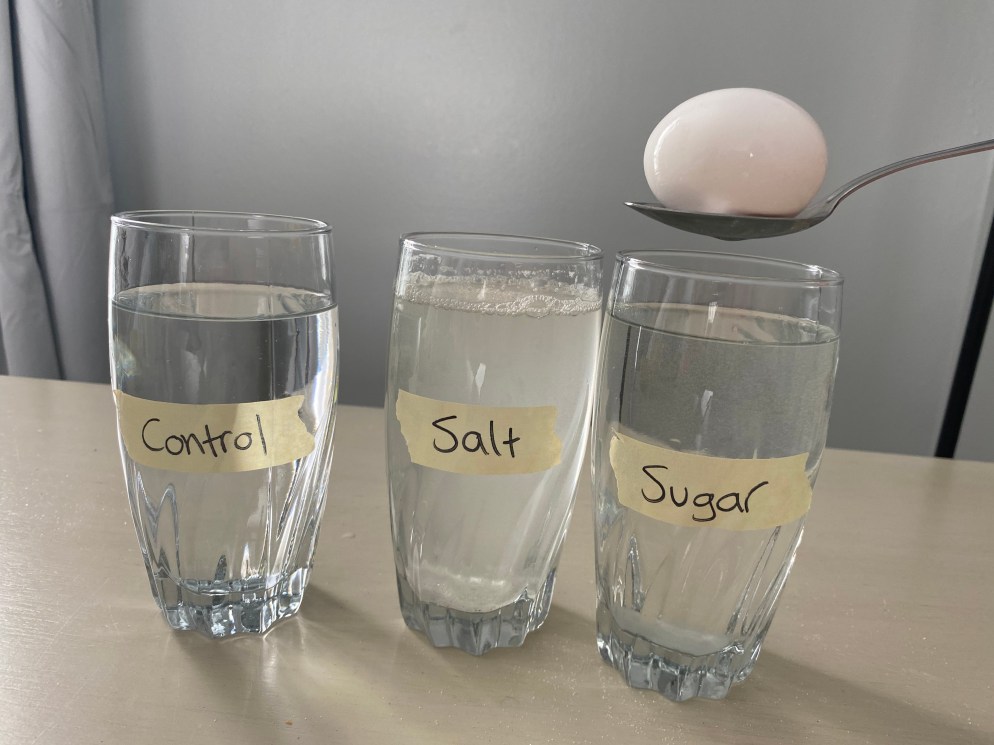
    The past weekend had been very full with baking lots with eggs, making frittata one night for dinner, a homemade egg noodle dish another night, and having eggs in our lunches a few times too! The final lonely egg in the fridge was used in a homeschool science experiment.

    (Now, I’m not usually one to run out of ingredients: I LOVE planning and being prepared with meals, making snacks, etc, so this threw me off a little! But honestly, sometimes simply good stuff can happen from situations such as this!)

    Soooo…after slightly panicking and wondering if I could turn the ingredients into something else, I remembered hearing at some point that one could use sourdough starter discard as an egg replacement.

    PERFECT.

    Here is the general equation that I found online and that several seasoned “sourdoughers” agree on:

    3 Tablespoons of Sourdough Starter Discard = 1 egg

    So if you are a fellow “Sourdough-er” and in an egg emergency like I was, I hope this comes in handy for you!

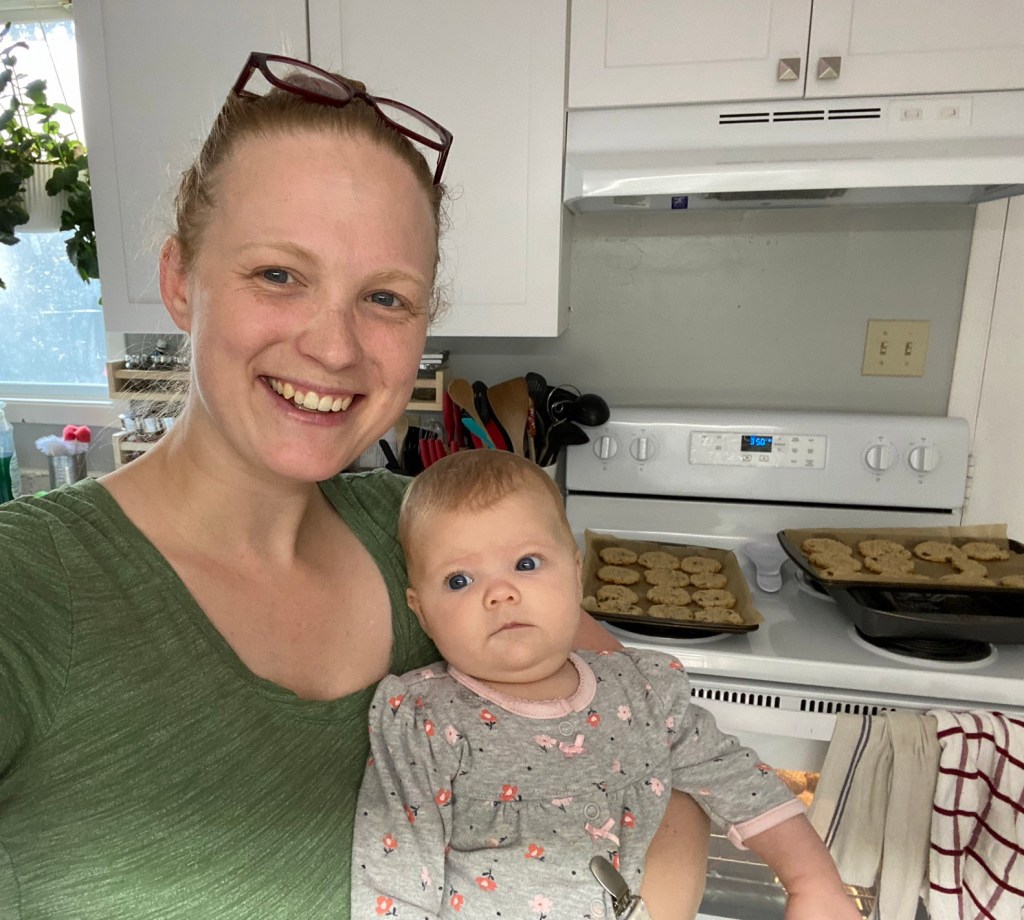
    EDIT: Here is my youngest cookie helper, looking a little grumpy because Mommy had to set her down to finish off the cookies! (It was one of those days where Little Miss wanted to be held ALL DAY. )

    Why Sourdough? Here’s a few facts you might not have heard of:

    • Improves digestion
    • Sourdough gluten is easier to digest
    • Lowers chronic disease risks
    • Promotes healthy aging
    • Assists in stabilizing blood sugar levels
    • Helps with weight loss
    • Lower glycemic index
    • Has natural preservatives
    • Contains high levels of protein, fibre and nutrients

    Interested in more info about Sourdough Starter? Click HERE

    A simple video of making these delicious sourdough cookies!

    How to Make Sourdough Starter Oatmeal Chocolate Chip Cookies:

    Supplies Needed:

    Ingredients:

    Directions:

    1. Preheat oven to 350 degrees celcius.
    2. Cream together the softened butter and both sugars.
    3. Add the sourdough starter and vanilla and mix until fully combined and smooth.

    4. Add in the oats, flour, baking powder, baking soda and salt. Stir until all combined.

    5. Add in desired amount of chocolate chips and stir until fully combined.

    6. Drop by spoonfuls onto parchment lined cookie sheets, and slightly flatten the cookie dough.

    7. Bake 10-12 minutes on middle rack of oven.

    8. Cool for 2 minutes on cookie sheets before transferring to a cooling rack.

    9. Makes about 3 dozen medium sized cookies.

    Note: This cookie dough freezes very well, so if 3 dozen is too much to enjoy all at once, you can simply put the extra dough amount in a sealed plastic container in the freezer until you are ready to bake it off. To thaw, simply put the whole container in a larger bowl of hot water until the dough becomes soft and palpable again.

    I like to double this recipe, and then split up the dough into several leftover plastic yogurt containers and put them in the freezer. This makes it simple for baking off smaller batches of cookies without all the time it takes to mix it up!

    More Desert & Snack Recipes:

    Other Tasty Sourdough Recipes to Check Out!

    Hi, I’m Jessie!

    I’m a Wife and Homeschooling Mom living in a remote town in Northern Ontario, Canada. I love making wholesome meals for my family from scratch, homeschooling our girls and learning more about natural living.

    Read more about my story HERE.

    Subscribe to Northbird’s email list to get weekly posts on: tasty recipes, activity ideas for kids, natural living tips, and some genuine mom thoughts and encouragement!

    Sourdough Discard Oatmeal Chocolate Chip Cookies

    • Servings: 30 Cookies
    • Difficulty: Easy
    • Print

    A tasty spin on the classic oatmeal chocolate chip cookie, using sourdough starter discard as an egg replacement. Get your glass of milk ready!


    This cookie dough freezes very well, so if 3 dozen is too much to enjoy all at once, you can simply put the extra dough amount in a sealed plastic container in the freezer until you are ready to bake it off. To thaw, simply put the whole container in a larger bowl of hot water until the dough becomes soft and palpable again.


    Ingredients

  • 1 cup butter (soft)
  • 1 cup brown sugar
  • 1 cup white sugar
  • 1/3 cup sourdough starter discard
  • 1 teaspoon vanilla
  • 2 cups quick oats
  • 2 cups all purpose flour
  • 1 teaspoon baking powder
  • 1/2 teaspoon baking soda
  • 1/2 teaspoon sea salt
  • 1-2 cups chocolate chips

  • Directions:

    1. Preheat oven to 350 degrees celcius.
    2. Cream together the softened butter and both sugars.
    3. Add the sourdough starter and vanilla and mix until fully combined and smooth.
    4. Add in the oats, flour, baking powder, baking soda and salt. Stir until all combined.
    5. Add in desired amount of chocolate chips and stir until fully combined.
    6. Drop by spoonfuls onto parchment lined cookie sheets, and slightly flatten the cookie dough.
    7. Bake 10-12 minutes on middle rack of oven.
    8. Cool for 2 minutes on cookie sheets before transferring to cooling rack.
    9. Makes about 3 dozen medium sized cookies.

    Nutrition


    Per 1 serving: 100 calories; 3.5g fat; 16.5g carbohydrates;
    1.5g protein.

    Return to Top

    Create a Mini Coral Reef Craft

    Find Northbird on social media:

    This post contains affiliate links. As an Amazon associate, I earn from qualifying purchases. This means that I make a small commission at no extra cost to you. You can read my full disclosure HERE.

    Jump to Printable Activity Card

    Jump to Video

    Return to “Homeschooling Activities & Resources”

    Return to “Ocean Life”

    The diversity of ocean life has been so exciting to learn about in homeschooling this past year! One of our favourite topics has been to investigate coral reefs and explore what animals and plant life live in these colourful ecosystems.

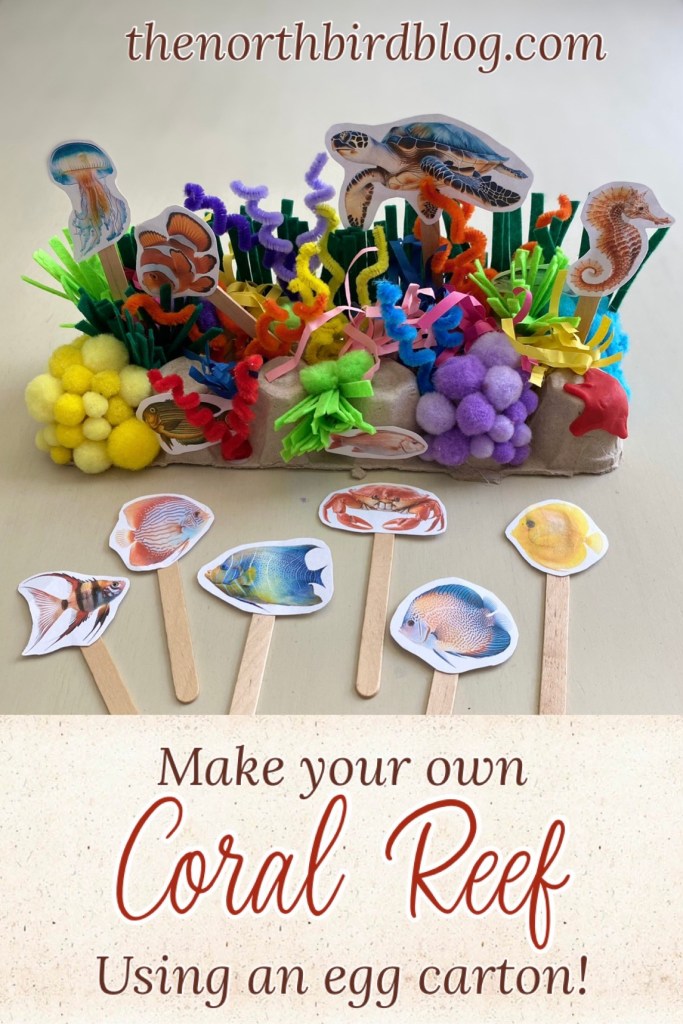
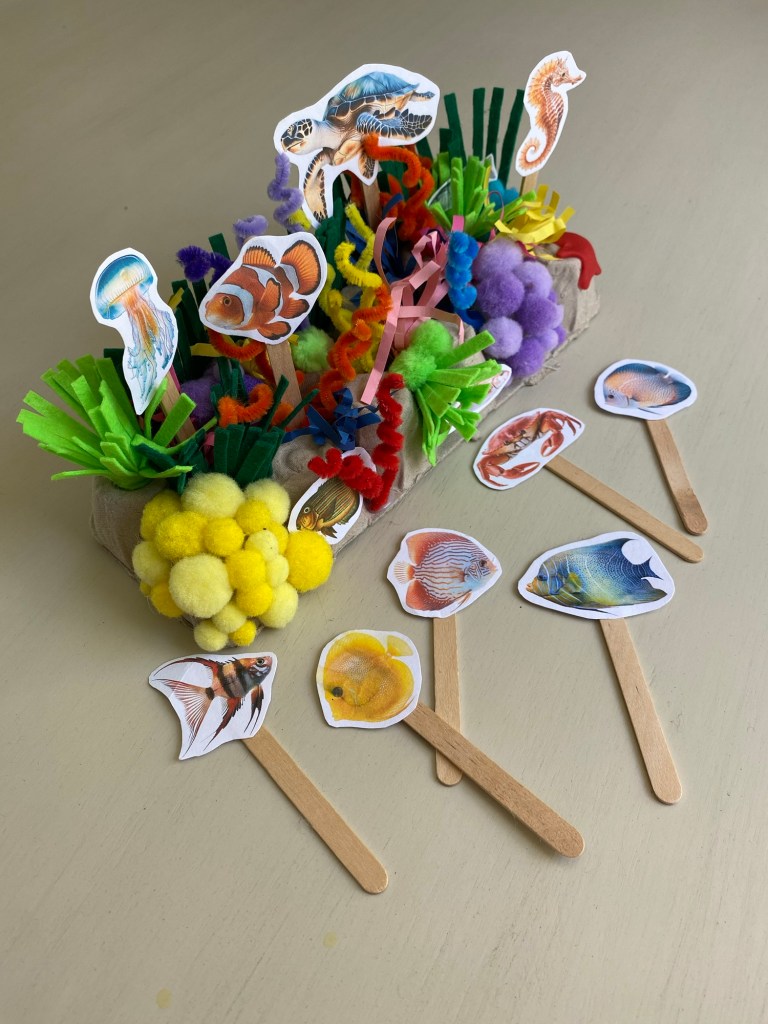
    We decided to try making our own mini coral reef and came up with this simple and fun craft!

    Aerial View of Great Barrier Reef, Image from Vecteezy.com

    About Coral:

    Did you know that coral is actually an animal?! I totally didn’t until my daughter and I started reading about it.

    Here are a few fun facts that you might not know about Coral:

    • They are invertebrates (a large class of animals that have no backbone)
    • They are in the same family as jellyfish and sea anemones (Cnidarians)
    • They have nerves and muscles but no brains or hearts
    • They are carnivores and eat mostly plankton and other small fish
    • They are divided into 2 categories: Hard and Soft Corals
    • They are naturally clear and void of any colour. Zooxanthellae, an algae lives in them and gives them their incredible colours
    • Some corals can even move from one location to another!
    • Corals are essential for cleaning the water. They are sometimes called the “rainforests of the sea”

    If you are looking for some inspiration before making your egg carton coral reef, this is a great video showing the beautiful underwater world of coral reefs:

    About This Craft:

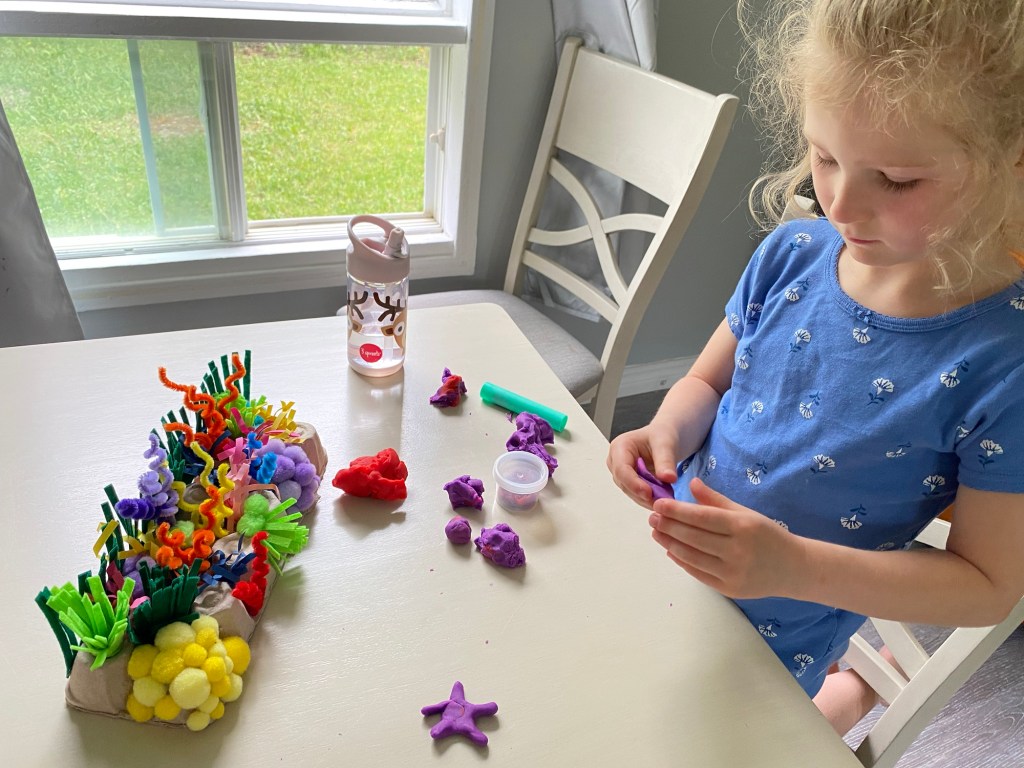
    We really enjoyed putting this little craft activity together to make a mini replica of coral reefs. The kids liked exploring the different textures, colours and materials used, and then playing with the popsicle stick animals afterwards!

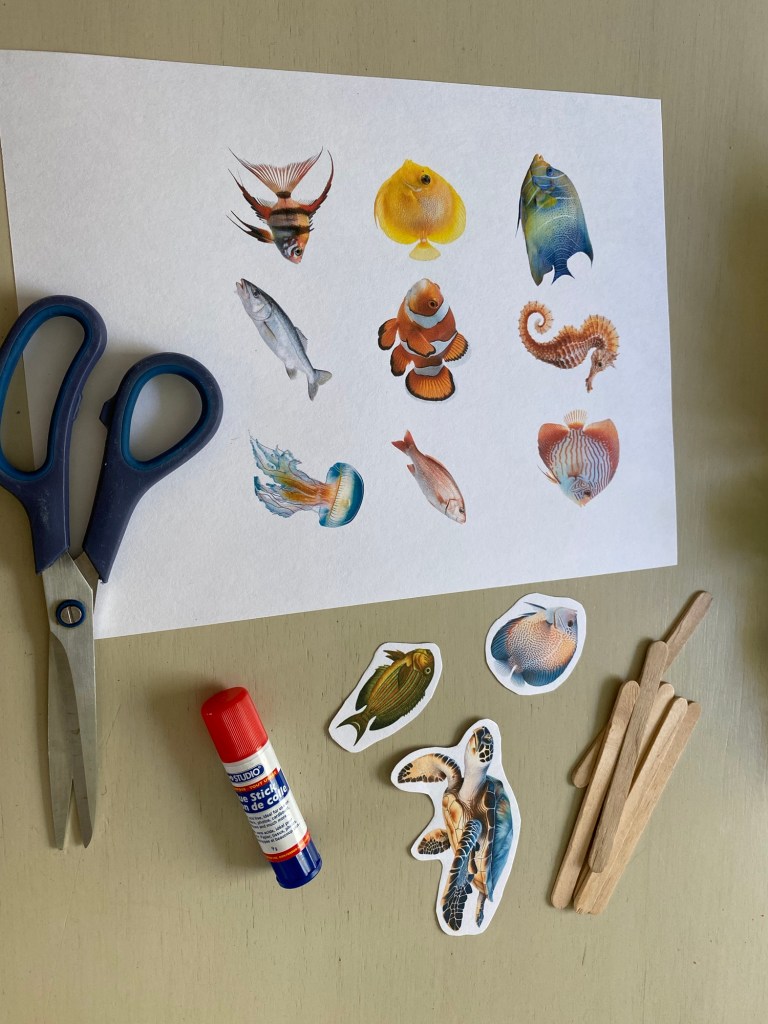
    This is the free printable of fish and animals commonly found on or around coral reefs.

    We cut them out and glued them to popsicle sticks to use as puppets around the egg carton reef.

    You can down load them HERE.

    This was a fun activity to have an excuse to look through our craft supplies and see what we could use to mimic the beauty and diversity of coral reefs. I’m sure yours will look much different from ours as this craft is largely based on what craft supplies are available and what your kids want their coral reef to look like.

    Have fun making this activity with your kids!

    Here’s a short video of making this crafted coral reef!

    How to Make an Egg Carton Coral Reef

    Supplies Needed:

    Directions:

    1. Cut egg carton in half and turn upside down.
    2. Paint or colour base if desired.
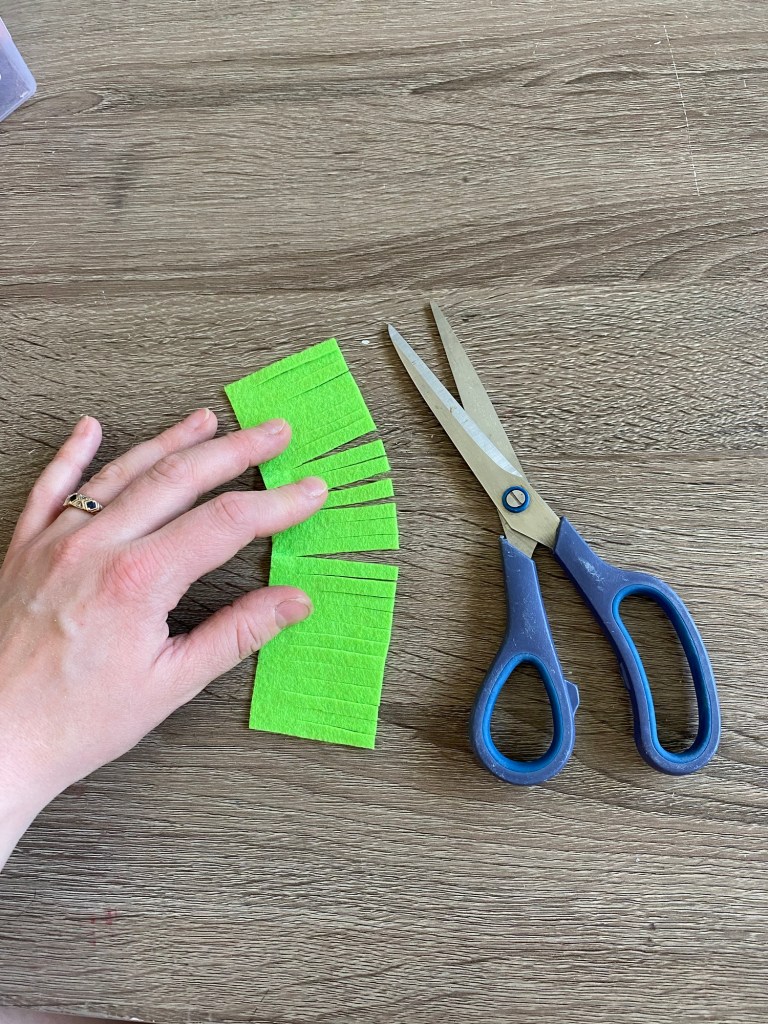
    3. Cut large strips of felt fabric or coloured paper, then cut slits into side as shown below (picture 1). Glue with hot glue gun to the back of the egg carton for seaweed.

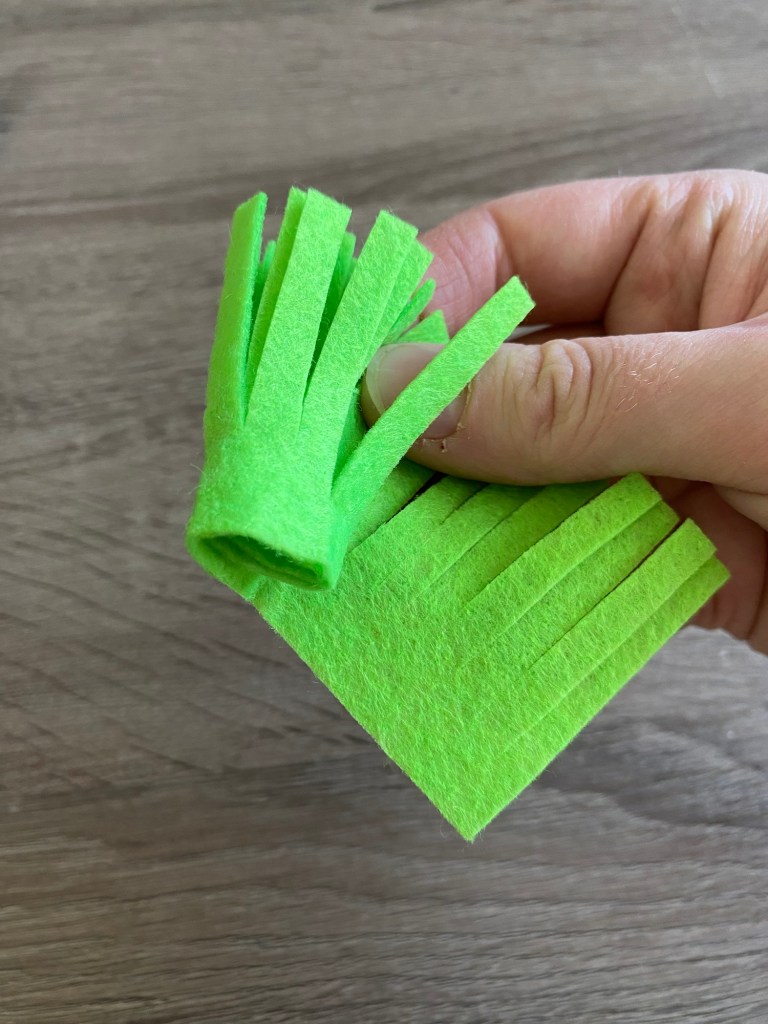
    4. Cut smaller strips of felt fabric or coloured paper, then cut slits into the side (same as picture 1). Roll and then glue the bottom side to wherever you would like on your coral reef.

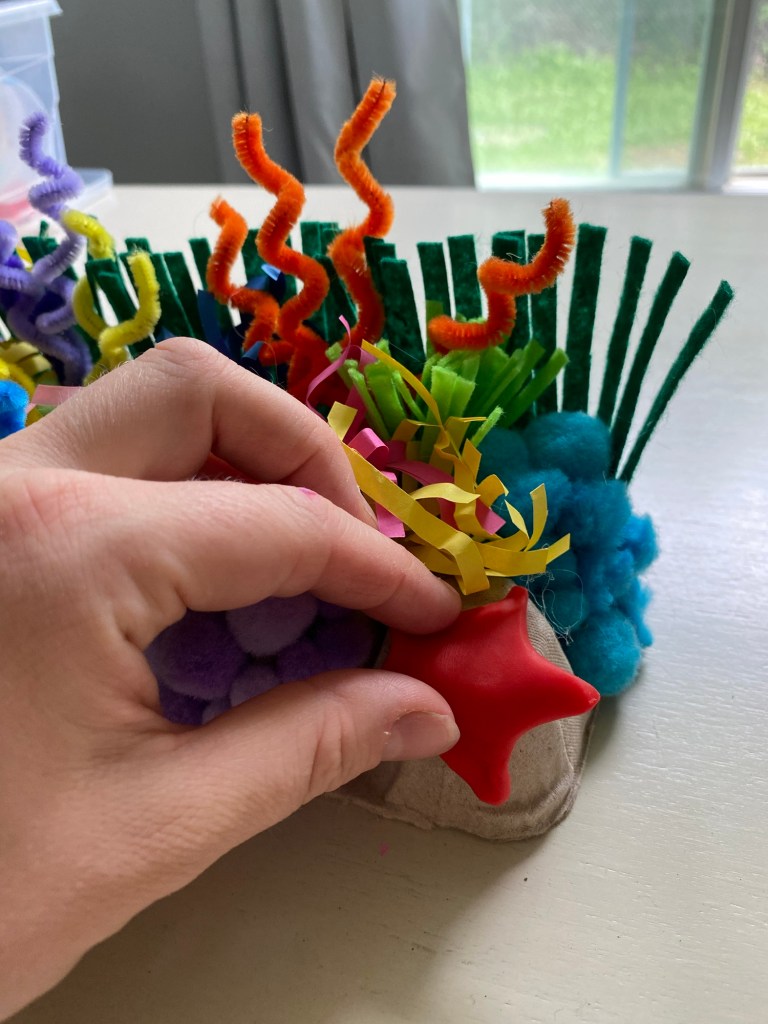
    5. Swirl different coloured pipe cleaners around a pen or pencil to get another coral look (picture 3). Use hot glue gun to attach to egg carton base where desired.

    6. Use play dough to create other coral shapes or starfish or sand dollars and secure onto egg carton. We just molded the sea creatures and then let them dry right onto the egg carton.

    7. Decorate with pom-poms, beads, shells, or anything else you would like!

    8. Print the PDF of coral reef fish and sea creatures on white card stock paper, cut out and then glue with glue stick onto popsicle sticks.

    9. Let the kids have fun with imagination play as they learn about the different animals and sea creatures found living around coral reefs!

    Hi, I’m Jessie!

    I’m a Wife and Homeschooling Mom living in a remote town in Northern Ontario, Canada. I love making wholesome meals for my family from scratch, homeschooling our girls and learning more about natural living.

    Read more about my story HERE.

    Subscribe to Northbird’s email list to get weekly posts on: tasty recipes, activity ideas for kids, natural living tips, and some genuine mom thoughts and encouragement!

    Create a Mini Coral Reef Craft

    Use this fun craft to learn about the diversity and beauty of ocean life and make your own mini coral reef!


    Directions:

    1. Cut egg carton in half and turn upside down.
    2. Paint or colour base if desired.
    3. Cut large strips of felt fabric or coloured paper, then cut slits into side as shown below (picture 1). Glue with hot glue gun to the back of the egg carton for seaweed.
    4. Cut smaller strips of felt fabric or coloured paper, then cut slits into the side (same as picture 1). Roll and then glue the bottom side to wherever you would like on your coral reef.
    5. Swirl different coloured pipe cleaners around a pen or pencil to get another coral look (picture 3). Use hot glue gun to attach to egg carton base where desired.
    6. Use play dough to create other coral shapes or starfish or sand dollars and secure onto egg carton. We just molded the sea creatures and then let them dry right onto the egg carton.
    7. Decorate with pom-poms, beads, shells, or anything else you would like!
    8. Print the PDF of coral reef fish and sea creatures on white card stock paper, cut out and then glue with glue stick onto popsicle sticks.
    9. Let the kids have fun with imagination play as they learn about the different animals and sea creatures found living around coral reefs!

    Return to Top

    Returning to Blogging: Baby #3 Update, Homeschooling Adventures, and Mom Reflections

    Find Northbird on social media:

    Return to “The Mom Page”

    Northbird is back!

    Baby #3 arrived healthy and sweet earlier this year (which is why Northbird has been rather quiet lately), and now that the summer holiday craziness is over, my fingers have been itching to get back to blogging and share what has developed over the last few months. Here’s a bit of an update on where we are at, and how life is generally going:

    The baby:

    Baby M is now 4 months old (that went by REALLY FAST), and sort of getting into a routine. She is absolutely the easiest and most chill baby we’ve had so far! She began smiling a lot sooner than the other two did, and has developed the cutest little dimples in her cheeks! Even on some of my hard days when I feel like I can’t manage all the parenting/homeschooling/cooking/cleaning/etc…the best therapy seems to be putting some calming music on and having some tickle-giggly time with little baby M. Her smiles and laughter make it worth it all.

    The older kids:

    I have heard from other parents and resources that after the 3rd baby arrives, things/life apparently gets simpler and its easier to adjust during the newborn stage. I personally think this is bologna! I think the general idea is that the older kids will entertain themselves somewhat by playing together. Our older girls SOMETIMES do, but most often parental intervention is required because one of them is inserting her “oldest child dominance” over the middle child (in other words being bossy), and the middle child is currently age 2, and incredibly strong-willed and does not want to be bossed around! (I’m sure most parents don’t need me to explain also that this age is a challenge all of it’s own).

    Photo credit Candace Wahl

    They do however adore their little sister, and every day love to have cuddles and gentle play time with baby M.

    Homeschooling:

    The majority of my time these days is spent homeschooling my six-year-old, who is partway through grade 1. She is doing wonderful with the homeschool curriculum that we are using for core subjects (The Good and the Beautiful), and although there are days that involve grumpiness, foot stomping and frustration, she always amazes me with her energy and excitement to learn new things.

    Every year I have tried to do more research and find new resources for getting better organized with homeschooling, and finding ways to make it more fun with hands-on activities. I have come to the conclusion that sometimes “less is more”, meaning that sometimes keeping school goals as simple and realistic as possible is better for helping my oldest to actually learn and absorb more. (Also immensely better for my mental health too!)

    For example, having a general outline of the goals for the week is much easier than having specific goals for every day. One day we might blaze through her core subjects before 10am, leaving the majority of the day to go for a walk, explore nature, play with friends, or do extra school if we are behind. Other days it seems to take the ENTIRE day for schoolwork to be completed. (I’m sure many homeschooling parents can relate to this!)

    A great homeschooling website that I found recently is My Joy-Filled Life. Sarah is a seasoned homeschooling mom with loads of advice on homeschooling as well as several printable resources for getting organized. If you are new to homeschooling, I highly recommend you check her website out.

    I am so thankful that our 2 year-old is not yet ready for school, and she happily plays with toys or helps me in the kitchen in the mornings. We are gently introducing a few concepts like counting to 3, colours, singing the ABCs, reading lots of picture books, and generally helping her with communication and speaking more clearly. She is immensely stubborn and wants to be able to do everything that her big sister can do! So for subjects like science that usually involve hands-on activities, she is always included too (which means that the activity is just going to get a little more messy!)

    One of our favourite outings from summer holiday this year was going to Ripley’s Aquarium in Toronto. The girls had been studying Ocean life in science time this past year, so it was SO FUN to see them thoroughly enjoy the experience and see many creatures that they had been learning about.

    L was particularly fascinated with seeing a real “Green Moray Eel”, and was educating her dad and Auntie J all about it. F on the other hand, was very busy running around on her toddler legs (which are surprisingly fast!) and pressing up against all the glass tanks to talk to the fishies and creatures. Her favourite moment was finding “Dory” and “Nemo” and telling us and everyone else within earshot who they were and where they were going in the giant tanks.

    I’ve been having rather a lot of fun this past year with creating craft ideas and printables for my kids to use in science studies, which I will be slowly posting about on here over the next few months.

    Creative Kitchen & The Dear Husband:

    I have been working on some new yummy recipes and am really looking forward to sharing them on Northbird!

    On a personal note: our menu was dramatically altered for some of the spring and summer, as my dear husband wanted to go strictly keto in his diet. Since he was on paternity leave for some of this time, I was more than willing to give it a try (on the assumption that he was around to help as needed with the kids while I took the extra time preparing meals and researching what “keto” meant).

    This was honestly not what I had anticipated after having a fresh new baby, and as such, had the freezer stocked full of prepared meals, (and of course none of them were keto!) But, I was excited to learn something new, as well as support him achieve his carb limit goals. We ended up making keto meals that we all ate, adding in carbs for the girls and I as needed. But one thing I didn’t count on was that I would actually GAIN weight. Keto is generally a high protein/high fat/low carb diet, but when one adds in more carbs, and a not-as-physically-active lifestyle during vacation, led to some weight gain (not the greatest feeling after just having a baby and already feeling like an elephant for several months!)

    So after a few months of this I ended up making separate meals, which in turn led to exhaustion because my husband had returned to work and homeschooling had started again. So in order to keep life a little simpler, we decided it was time to resume our normal diet again. I had totally missed making sourdough, and hubby had really missed eating it!

    He has had some fun adventures lately, going on fishing trips with his buddies and working on projects around the house during his paternity leave. I am particularly thankful for the fence now surrounding the back yard (no more wandering off for the toddler!), and some beautiful garden boxes, made entirely out of pallets!

    We didn’t have much to show for our first garden season in this new house (everything got a little scorched while we were away), but we have hope that next summer will be much more productive.

    Northbird Mama:

    And how am I doing? Some days are easier than others, and I am realizing that routine is now my best friend. Regular naps & bedtimes for the kids + eating healthy food + fresh air = happy kids (which also means happy mama!)

    Have you ever heard the saying: “If mama ain’t happy, ain’t no one happy!” ? There have definitely been days in the past few months where that saying has certainly rung true.

    To be honest, I have had some struggles these past months with what I think is postpartum depression, and now that I am able to reflect a bit, I can see some triggers in my life that have contributed to this struggle:

    • Lack of sleep
    • Screen time in evenings
    • Lack of personal care time
    • Not socializing as much with friends
    • Overwhelm and getting stressed with not accomplishing unrealistic goals that I set for myself
    • Not having consistent quiet time in the Bible and prioritizing time with the Lord
    • Not exercising enough
    • Lack of playing music and having personal creative time

    Some of these are inevitable to happen with a newborn, other small kids needing attention, travel and vacation time. But a lot of it could have also been avoided with better communication to my spouse and asking for help from friends and family.

    Along that note, I don’t think I’m the only mama that has had moments where I knew exactly when the kids last had a bath, but no idea when I last had a shower?! I think sometimes as mamas we prioritize and focus on our kids so much that we look after ourselves less in the process. That shouldn’t be the case, and at least for me, it boils down to communicating better with my spouse or friends to ask for help watching the kids so I can have a few minutes of personal care time. Because one ALWAYS feels better after getting clean and refreshed!

    Here are some goals that I have set for myself as we enter a new school season:

    • Consistent quiet time reading scripture and being still before God
    • Setting aside personal creative time (songwriting, painting, sewing, blogging, etc)
    • Working on communicating better with spouse (eg “honey, can you look after baby for a bit while I hop in the shower?”
    • Try to fill my thoughts with more positive things
    • Reach out to family and friends nearby or over the phone to check in
    • Put less pressure on myself to accomplish things around the home (keep routines easy and uncomplicated!)
    • Consistent exercise (simply taking the dog for a good walk every day)
    • Sharing these goals with my spouse or a friend to help me stay accountable

    Hopefully reading these thoughts and rambles may be helpful to someone reading this!

    I know I’m not the only one that has struggled with depression of some sort. I’m simply being real on where I’m at and hoping that these goals will help my mental health to stay –well healthy. Both for my sake and also for my family’s sake.

    Looking Forward:

    I have some great blog posts on the creative table at the moment and for the time being I will be posting them every Friday morning. When I have more time I hope to expand that to twice a week. Even though I have more than enough ideas, recipes and crafts all ready to write up, it takes loads of time and mental energy to input them all into a blog posting. So for now I will keep a simple goal for myself of one posting per week!

    Blog posts coming up (not in this order):

    • Sourdough Discard Oatmeal Chocolate Chip Cookies
    • Simple Cheesy Biscuits
    • Green Split Pea & Bacon Soup
    • Sourdough English Muffins
    • Sprouted Nutrition
    • Baby resource posts
    • Several freezer meal recipes (I was very busy getting ready for baby!)
    • Instant Oatmeal recipes
    • Crockpot tomato sauce
    • Loads of Ocean-inspired Homeschooling crafts and free printables

    Thanks for all the encouragement to family and friends who have been asking about Northbird and supporting me through this new creative adventure! It certainly has its challenges to learn all the tech side of things (definitely not one of my strengths!) but it has also been really rewarding to connect with people from all over the world in the past year and share our thoughts and ideas in the online creative community!

    Cheers,

    Jessie

    Hi, I’m Jessie!

    I’m a Wife and Homeschooling Mom living in a remote town in Northern Ontario, Canada. I love making wholesome meals for my family from scratch, homeschooling our girls and learning more about natural living.

    Read more about my story HERE.

    Subscribe to Northbird’s email list to get weekly posts on: tasty recipes, activity ideas for kids, natural living tips, and some genuine mom thoughts and encouragement!

    This post contains affiliate links. As an Amazon associate, I earn from qualifying purchases. This means that I make a small commission at no extra cost to you. You can read my full disclosure HERE.

    Return to Top

    Cheesy Sourdough Pretzels

    Find Northbird on social media:

    This post contains affiliate links. As an Amazon associate, I earn from qualifying purchases. This means that I make a small commission at no extra cost to you. You can read my full disclosure HERE.

    Jump To Recipe Card

    Return to “Sourdough Recipes”

    Where Did Pretzels Originate From?

    The ancestry of the soft pretzel can be found dating back to 610 AD. An Italian monk was recorded to have made a tasty, twisted dough incentive for little children learning their prayers, and calling it a “Pretiola“. However, the soft pretzel is more commonly thought to have come from southern Germany, where it began raising popularity around 1200 AD and it’s traditional twisted shape began to form in bakeries.

    In the Catholic Church, the three intertwined holes in the soft pretzel were thought to represent a reminder for the Holy Trinity. Soft pretzels were made during Lent that only consisted of: flour, water and salt, because catholics could not eat any eggs, dairy or lard at Lent. At Easter, (in some areas of Europe) soft pretzels were hidden and found instead of an Easter egg hunt.

    Today, the soft pretzel is thought of as a good luck symbol, and also a “tying the knot” symbol used at weddings.

    What is Sourdough?

    Sourdough is made using a fermented mixture of flour and water, called the “starter”, and mixed with more water, flour, and usually salt. The dough naturally rises as it ferments during resting stages. There is a lower amount of gluten in sourdough baking, which is why the dough needs to be “stretched” multiple times to help it expand and become fluffy.

    Is Sourdough Good For You?

    Sourdough is easier to digest than other traditional yeasted baking. The fermenting that takes place while making sourdough baking produces amino acids, which in turn produces enzymes that help to break down proteins and lower the overall gluten levels in the sourdough products (making it easier to digest).

    Whole grain sourdough products have a lower glycemic index than other types of bread, (specifically white flour baking) that have been processed and are packed full of preservatives. This means that sourdough baking has less of a glycemic spike, and more of a gradual release on the glycemic scale, making it a healthier option for those struggling with balancing blood sugar levels.

    Sourdough breads and baked goods contain higher levels of protein, fibre and nutrients than most traditional yeasted baking.

    • Sourdough baking still contains many of the natural nutrients that are processed out of the majority of other kinds of breads and baked goods.
    • Sourdough contains lower levels of phytate, which helps your body to absorb the nutrients easier than other breads.
    • Whole grain sourdough is considered a high-fiber food, which feeds the good bacteria in your gut and digestive system.
    • Common vitamins and minerals found in sourdough baking: Calcium, Iron, Manganese, B1-B6, B12, Potassium, Magnesium, Folate, Niacin, Zinc, Thiamin, Riboflavin, Selenium, Phosphorus, and Vitamin E.

    Looking for more info on managing and growing your Sourdough Starter?

    Click HERE and scroll down to see the section for Sourdough Starter.

    Creative Soft Pretzel Ideas:

    Use this one basic recipe to make many more kinds of pretzels! Just add the extra ingredients right before shaping and twisting into pretzels. I’ll post more pretzel recipes when I can, but until then have fun experimenting and trying some of these out!

    • Plain Soft Pretzels
    • Blueberry Pretzels
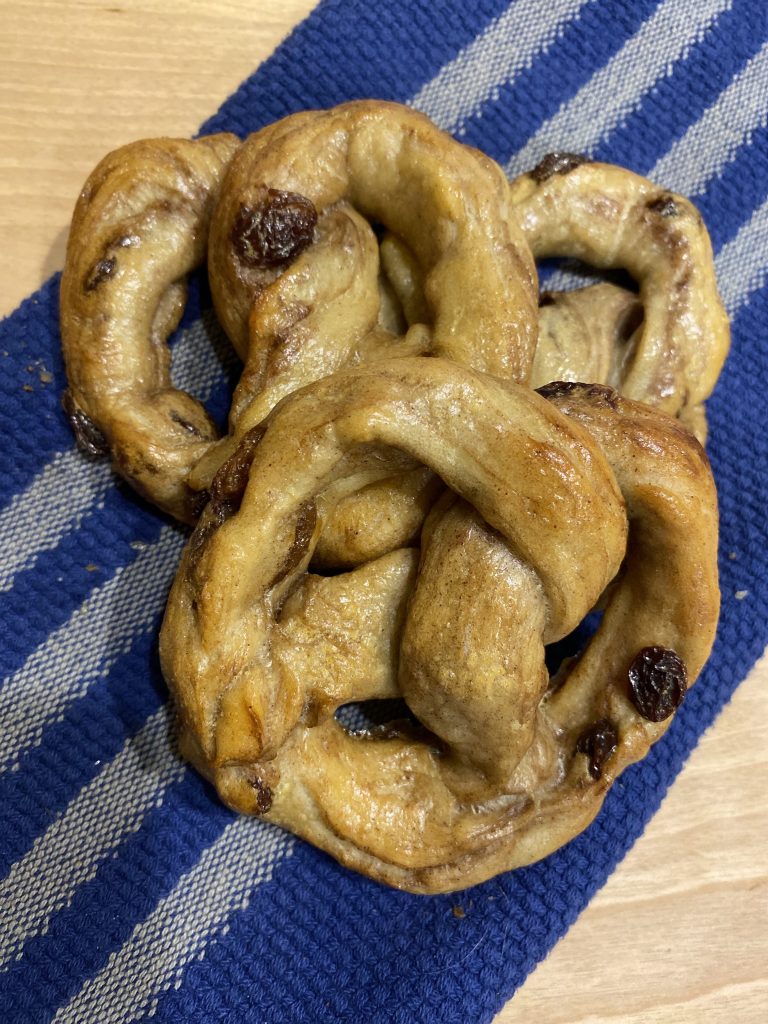
    • Cinnamon Pretzels
    • Cranberry Pretzels
    • Chocolate Pretzels
    • Poppy-seed Pretzels
    • Sesame Seed Pretzels
    • Apple Cinnamon Pretzels
    • Gingerbread Pretzels
    • Cinnamon Raisin Pretzels

    How to Make Cheesy Sourdough Pretzels

    Supplies Needed:

    Ingredients:

    Dough

    • 1/3 cup active sourdough starter (*New to Sourdough? Click HERE for more “starter” information)
    • 1 + 1/2 cups water
    • 2 Tablespoons honey
    • 1 3/4 teaspoon sea salt, finely ground
    • 4 cups all purpose flour
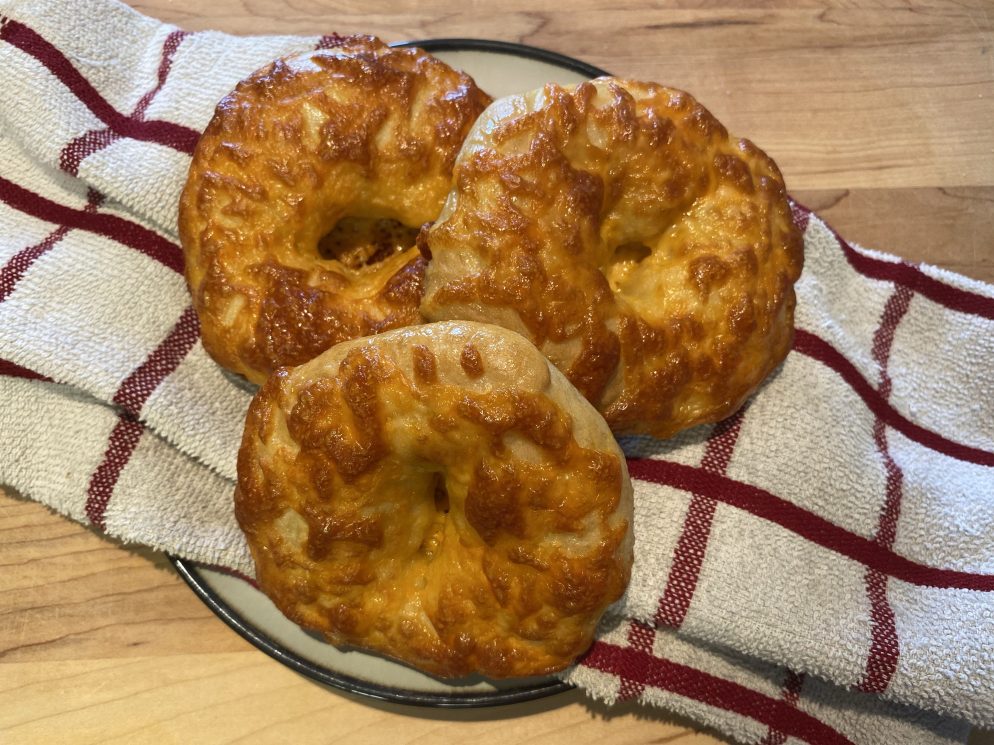
    • 1 cup shredded cheese (add after bulk fermenting)

    Water Bath

    Egg wash

    • 1 egg
    • More shredded cheese for topping

    Directions:

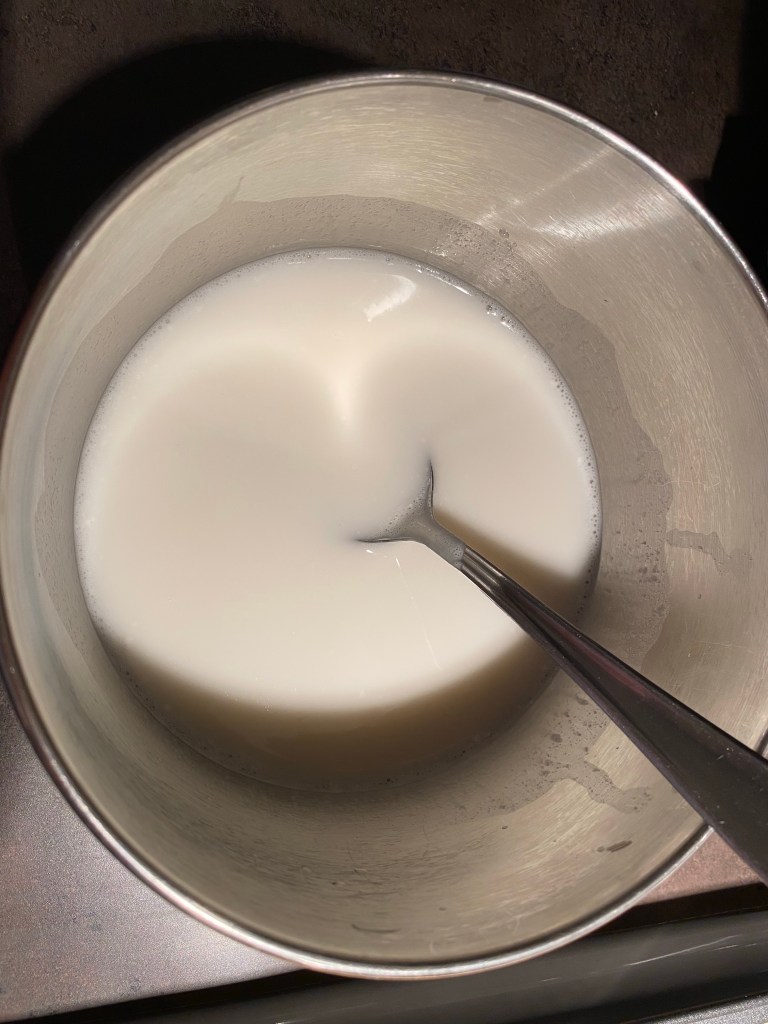
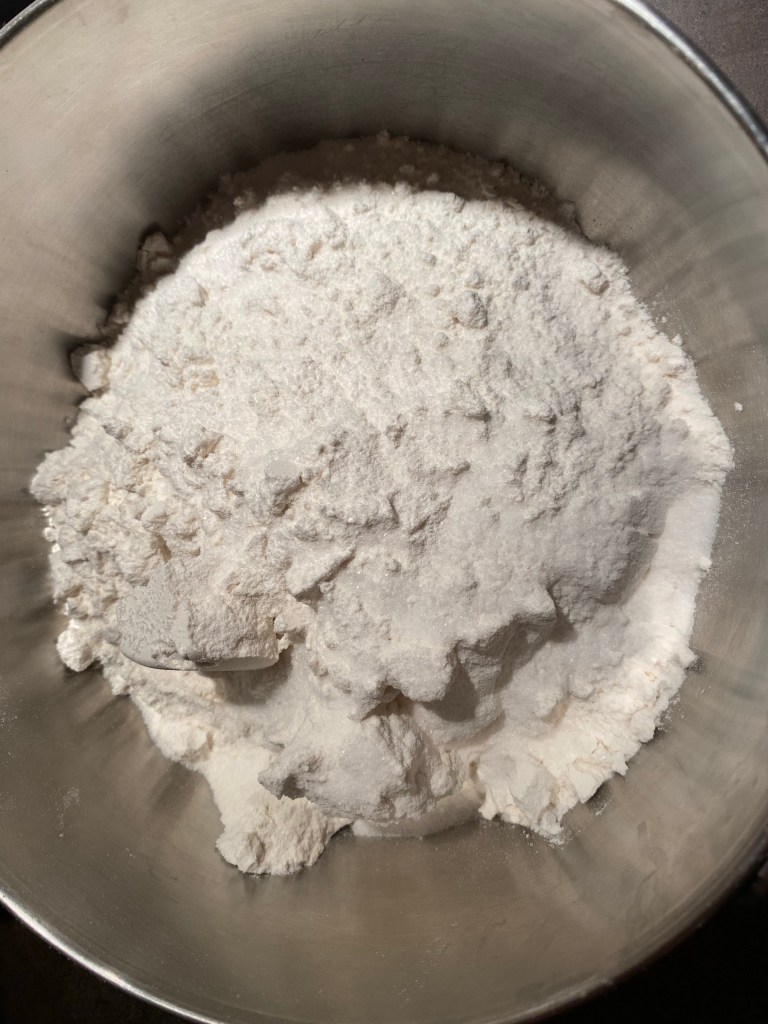
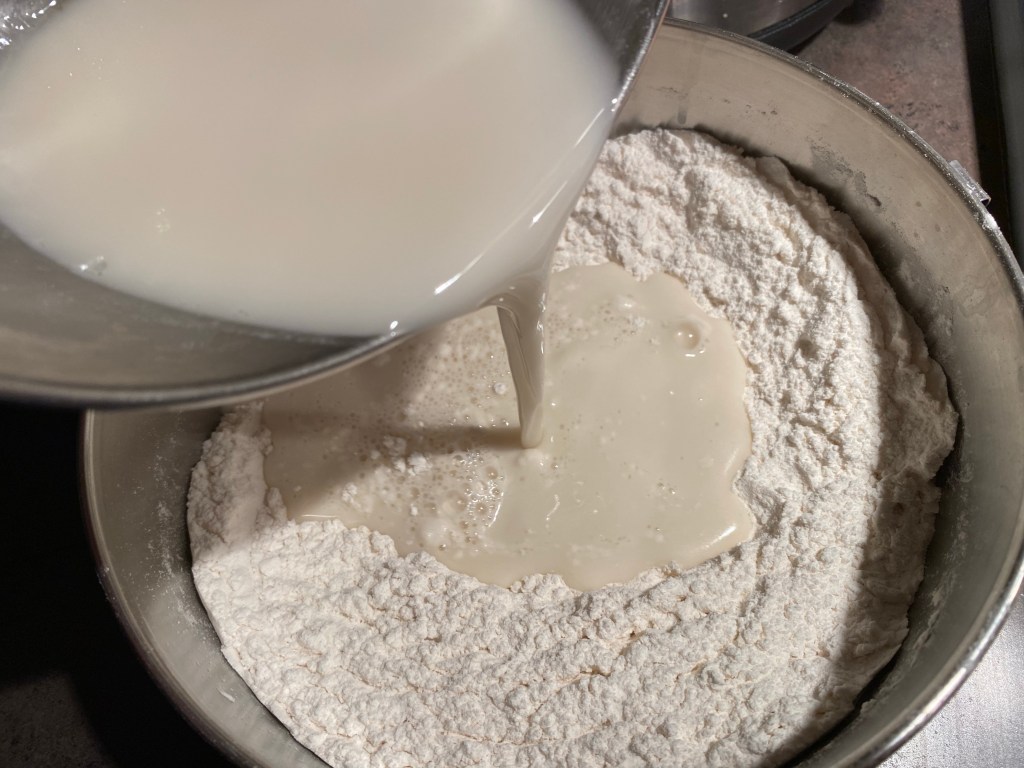
    1. Mix your active sourdough starter with the water and honey. Mix the sea salt and flour together and add to the wet mixture. Mix all together well.

    2. Cover with a beeswax food cover or a towel and plate over bowl and let rest overnight or for 8-10 hours. Dough will be moist and spongy and will have doubled in size.

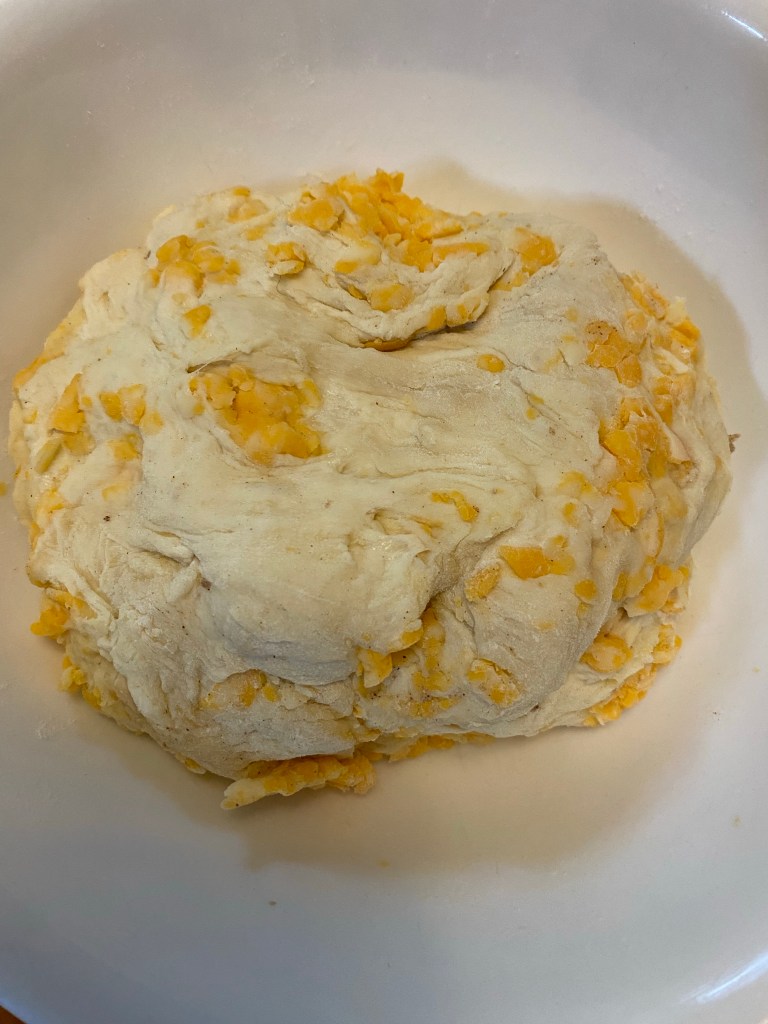
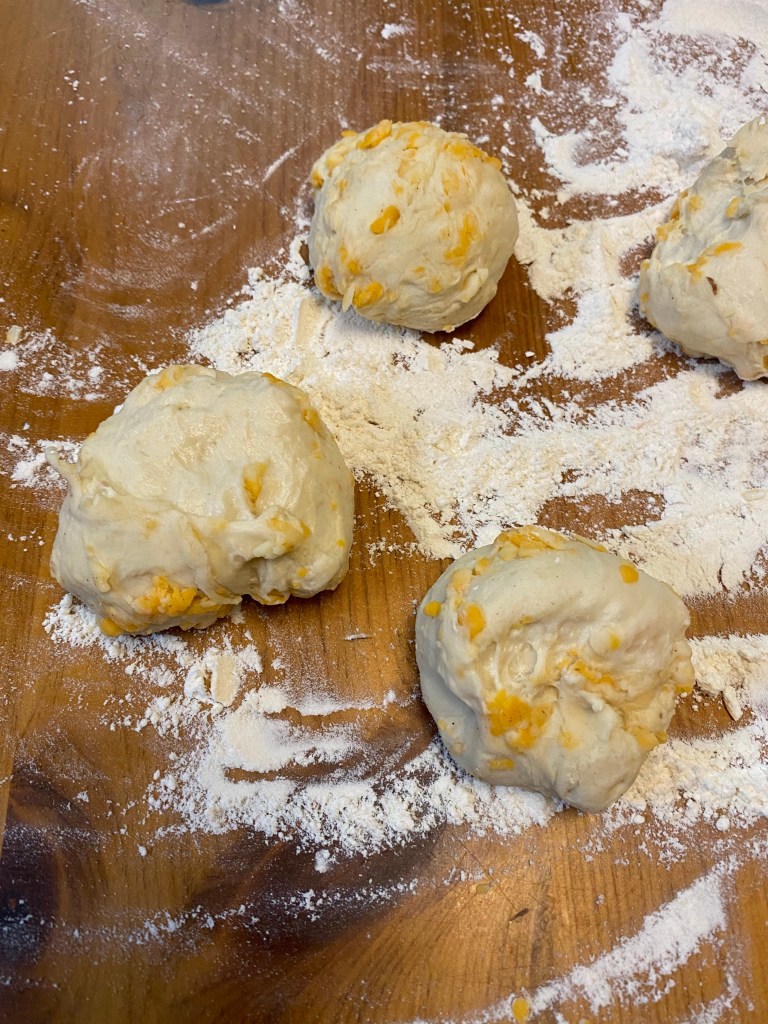
    3. Add shredded cheese and knead dough on floured surface for 2 minutes until it is a soft dough ball. Form it into a “log” and divide and cut into 12 pieces.

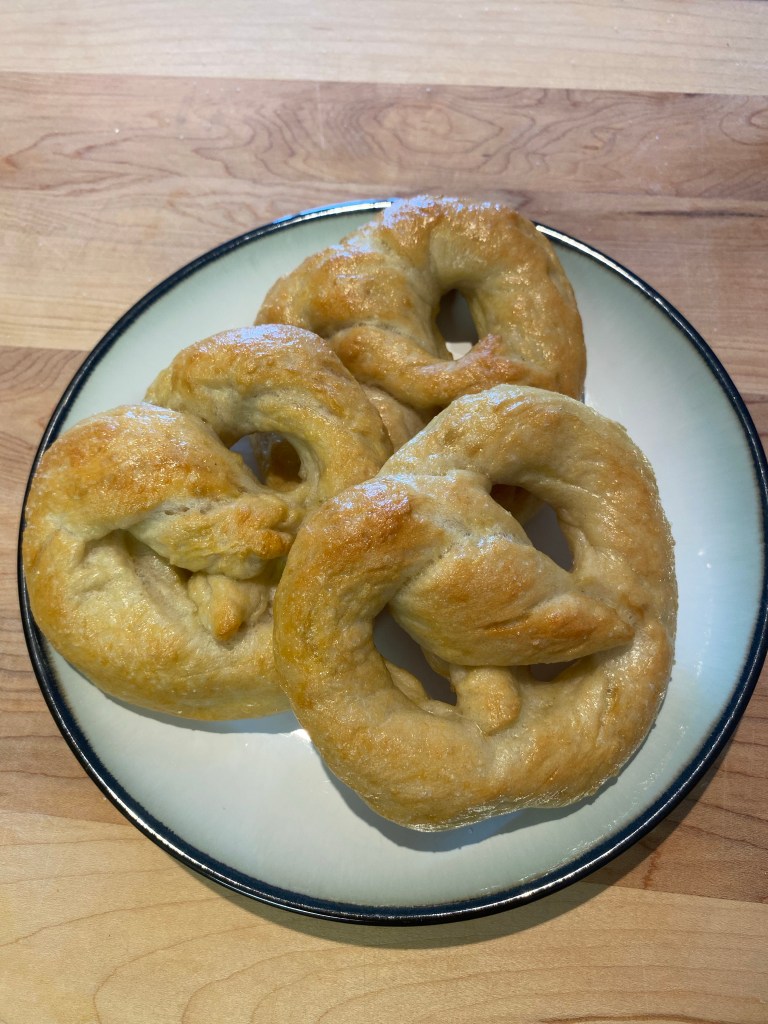
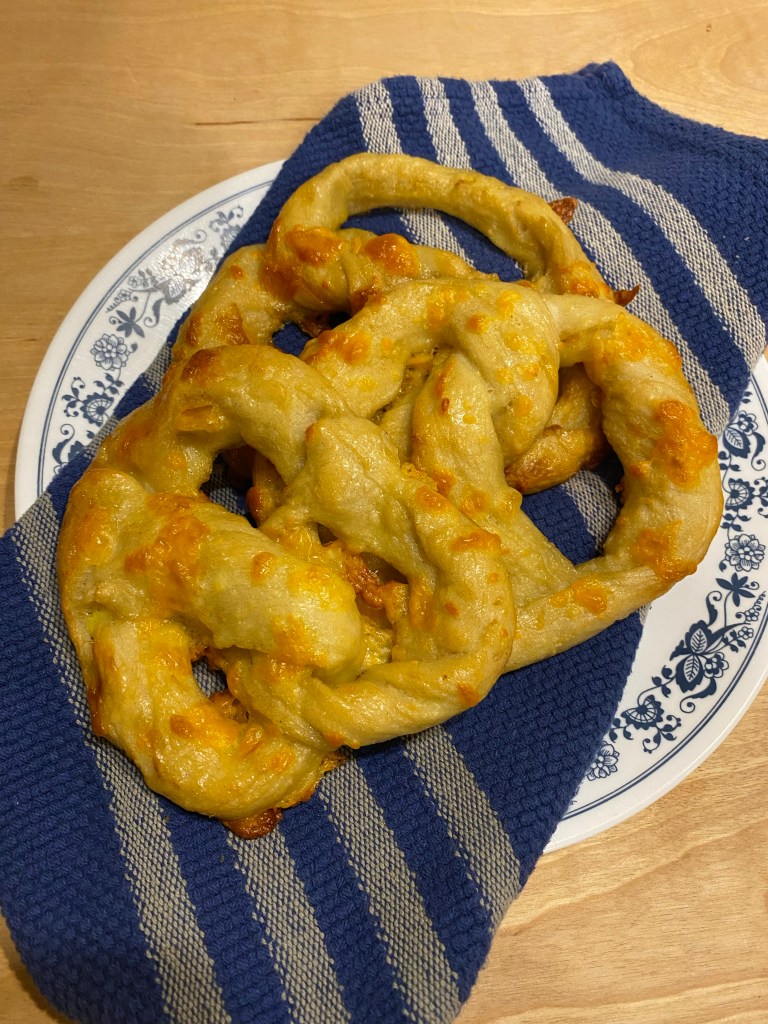
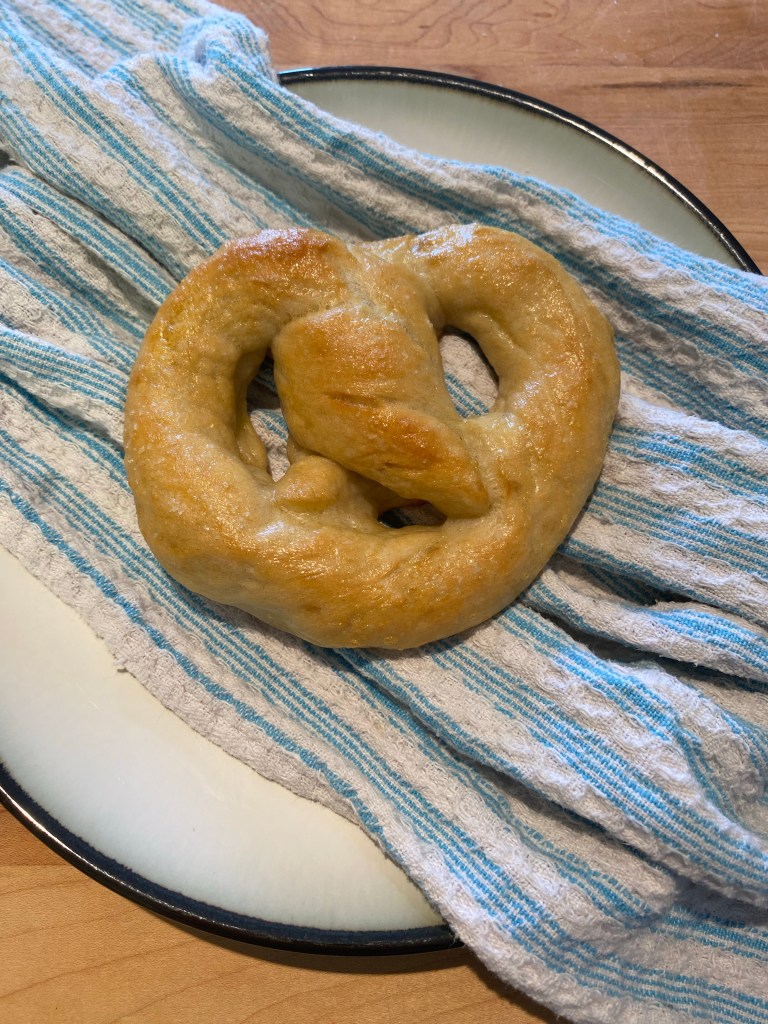
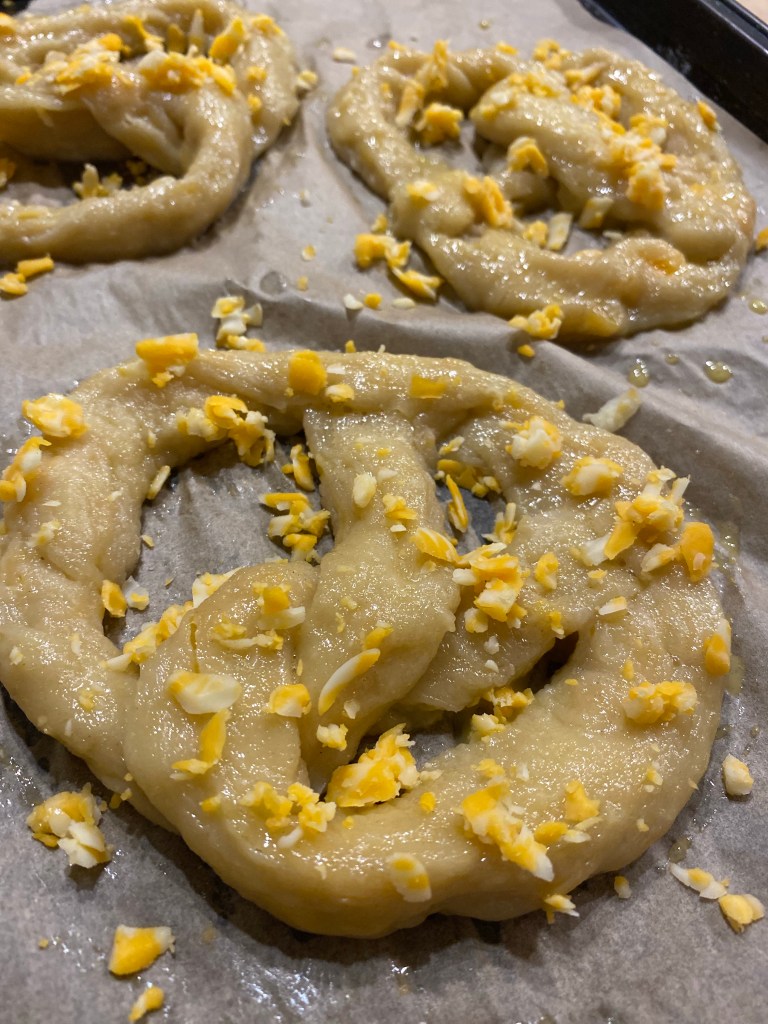
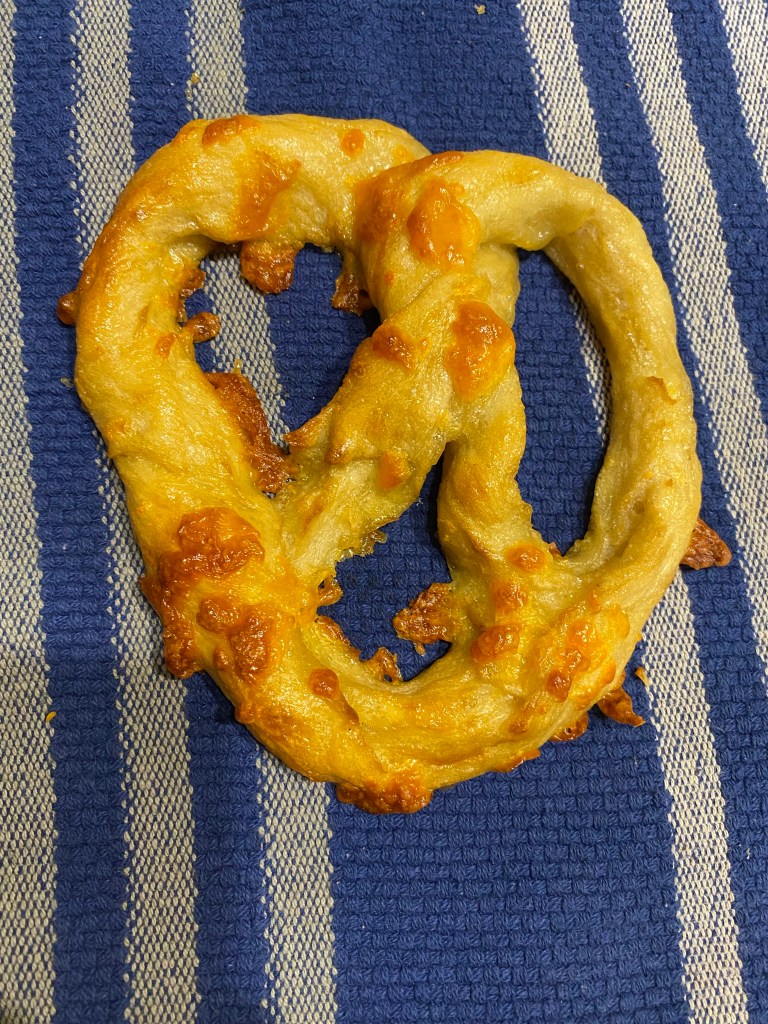
    4. Roll out a dough piece with your hands until it resembles a long string. (Make sure to not use too much flour, it is good to keep it slightly sticky.) Shape dough “string” into the letter “U”, then take the end pieces and double twist them. Lastly, take the end pieces and fold them down (See pictures above for reference). Pinch the ends into the pretzel body (this is why you want the dough to not be too dry).

    5. Place on parchment-covered baking sheet and cover with a tea towel. Let rest for 1 hour. (Note that at this stage they will expand and puff up, so thinner is good prior to resting. You can always gently stretch them before putting in the water bath too.)

    6. Preheat oven to 425 degrees Fahrenheit.

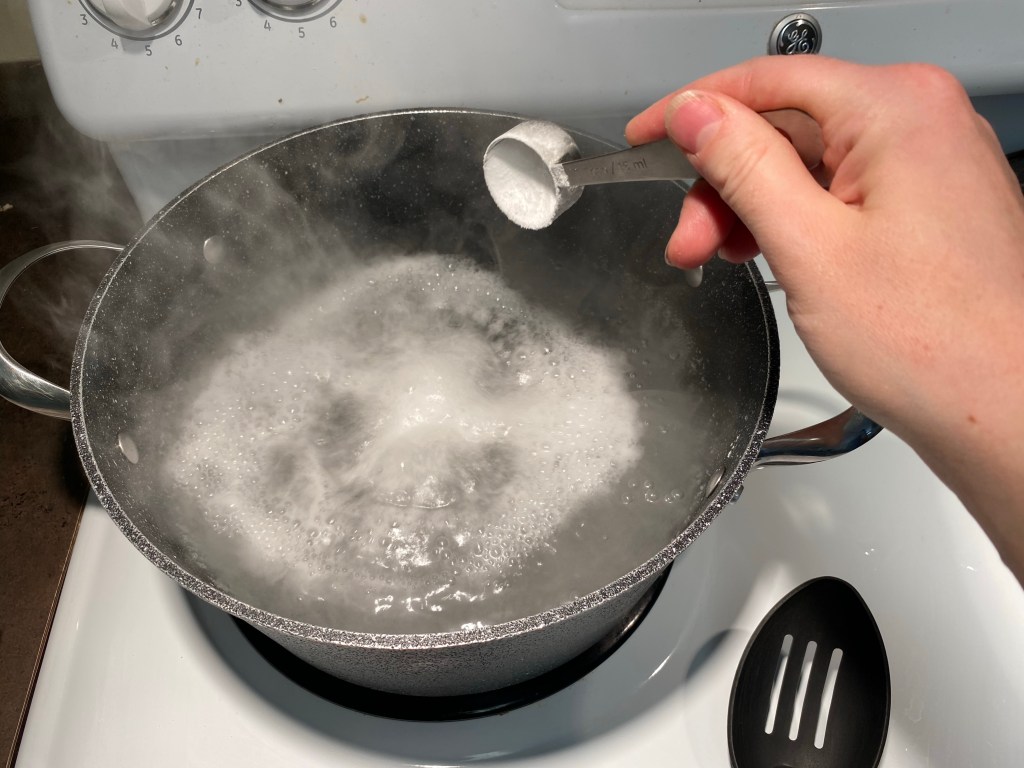
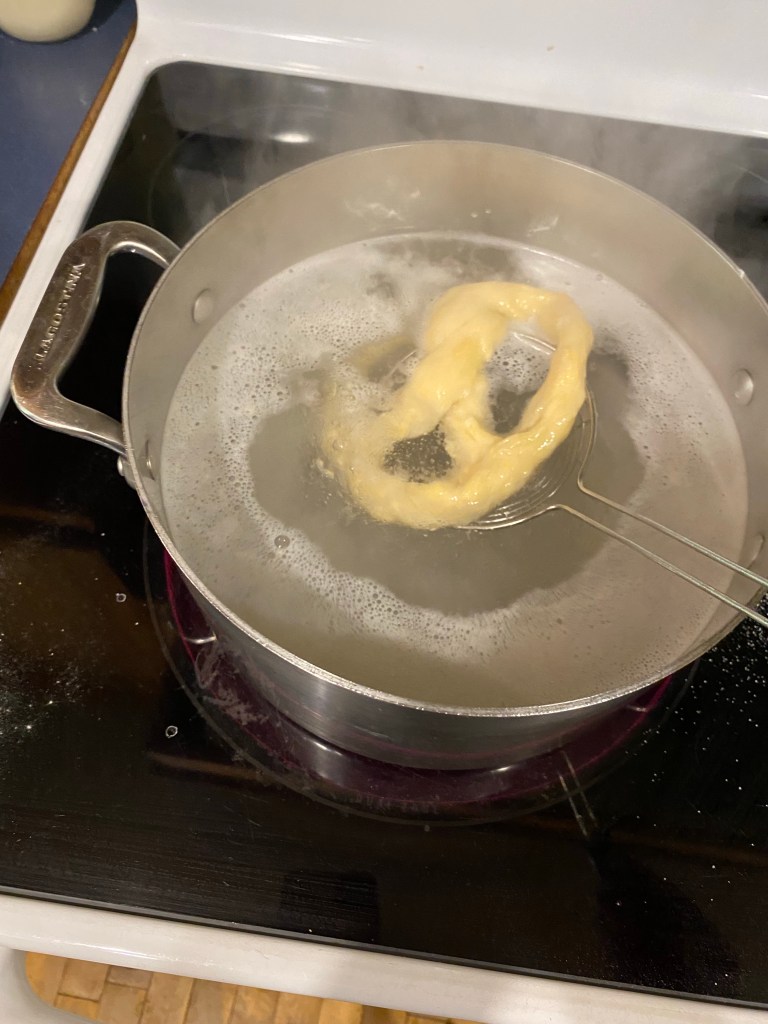
    7. Boil 6 cups of water in a large pot and add baking soda and sugar. When it is a rolling boil, add 3-4 pretzels gently with a large slotted spoon.

    8. Set the timer for 30 seconds, then turn them over for another 30 seconds on the other side. Transfer them back to the baking sheet.

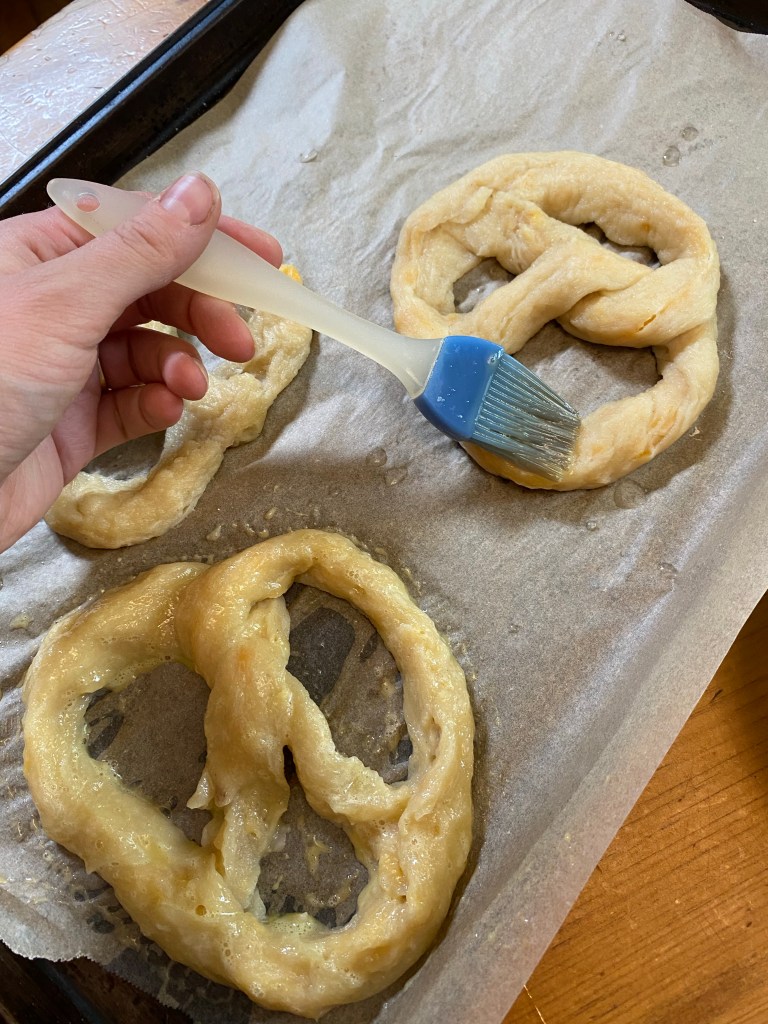
    9. When all the pretzels are back on the baking sheets, whisk up an egg and paint the pretzels with a cooking brush. Sprinkle the tops with more shredded cheese.

    10. Bake pretzels on middle rack in oven for 14-16 minutes or until golden brown on top and bottom. Let cool on baking sheets or rest at least 10 minutes before biting into. Enjoy!

    11. Store at room temperature for 5 days in an airtight container, or freeze for up to three months in a freezer bag. Thaw in fridge then warm in the oven to freshen them up.

    Other Tasty Sourdough Recipes to Check Out!

    Hi, I’m Jessie!

    I’m a Wife and Homeschooling Mom living in a remote town in Northern Ontario, Canada. I love making wholesome meals for my family from scratch, homeschooling our girls and learning more about natural living.

    Read more about my story HERE.

    Subscribe to Northbird’s email list to get weekly posts on: tasty recipes, activity ideas for kids, natural living tips, and some genuine mom thoughts and encouragement!

    Cheesy Sourdough Pretzels

    • Servings: 12 Pretzels
    • Difficulty: Easy
    • Print

    Soft and cheesy, this Sourdough Pretzel Recipe will satisfy those cheese bread cravings!


    Ingredients: Dough

  • 1/3 cup active sourdough starter (*New to Sourdough? Click HERE for more “starter” information)
  • 1 + 1/2 cups water
  • 2 Tablespoons honey
  • 1 3/4 teaspoon sea salt, finely ground
  • 4 cups all purpose flour
  • 1 cup shredded cheese (add after bulk fermenting)

  • Ingredients: Water Bath

  • 6 cups water
  • 2 tablespoons baking soda
  • 1 tablespoon sugar

  • Ingredients: Egg Wash

    • 1 egg
    • More shredded cheese for topping

    Directions:

    1. Mix your active sourdough starter with the water and honey. Mix the sea salt and flour together and add to the wet mixture. Mix all together well.
    2. Cover with a beeswax food cover or a towel and plate over bowl and let rest overnight or for 8-10 hours. Dough will be moist and spongy and will have doubled in size.
    3. Add shredded cheese and knead dough on floured surface for 2 minutes until it is a soft ball. Form it into a “log” and divide and cut into 12 pieces.
    4. Roll out a dough piece with your hands until it resembles a long string. (Make sure to not use too much flour, it is good to keep it slightly sticky.) Shape dough “string” into the letter “U”, then take the end pieces and double twist them. Lastly, take the end pieces and fold them down (See pictures above for reference). Pinch the ends into the pretzel body (this is why you want the dough to not be too dry).
    5. Place on parchment-covered baking sheet and cover with a tea towel. Let rest for 1 hour. (Note that at this stage they will expand and puff up, so thinner is good prior to resting. You can always gently stretch them before putting in the water bath too.)
    6. Preheat oven to 425 degrees fahrenheit.
    7. Boil 6 cups of water in a large pot and add baking soda and sugar. When it is a rolling boil, add 3-4 pretzels gently with a large slotted spoon.
    8. Set the timer for 30 seconds, then turn them over for another 30 seconds on the other side. Transfer them back to the baking sheet.
    9. When all the pretzels are back on the baking sheets, whisk up an egg and paint the pretzels with a cooking brush. Sprinkle the tops with more shredded cheese.
    10. Bake pretzels on middle rack in oven for 14-16 minutes or until golden brown on top and bottom. Let cool on baking sheets or rest at least 10 minutes before biting into!
    11. Store at room temperature for 5 days in an airtight container, or freeze for up to three months in a freezer bag. Thaw in fridge then warm in the oven to freshen them up.

    Nutrition


    Per 1 Pretzel: 211 calories; 3.9 g fat; 36 g carbohydrates;
    7 g protein;

    Return to Top

    How to Make a Simple Bird Feeder

    Find Northbird on social media:

    This post contains affiliate links. As an Amazon associate, I earn from qualifying purchases. This means that I make a small commission at no extra cost to you. You can read my full disclosure HERE.

    Jump to Printable Activity Card

    Jump to Video

    Return to “Homeschooling Activities & Resources”

    Return to “Discovering Birds”

    “Birding” as a Homeschooler…

    With spring right around the corner, we are looking forward to many things, and one of those is more birds coming to visit!

    Many of our winter days have had temperatures around -30 to -40 degrees celcius, which means less feathery visitors to our bird feeders during those chilly days.

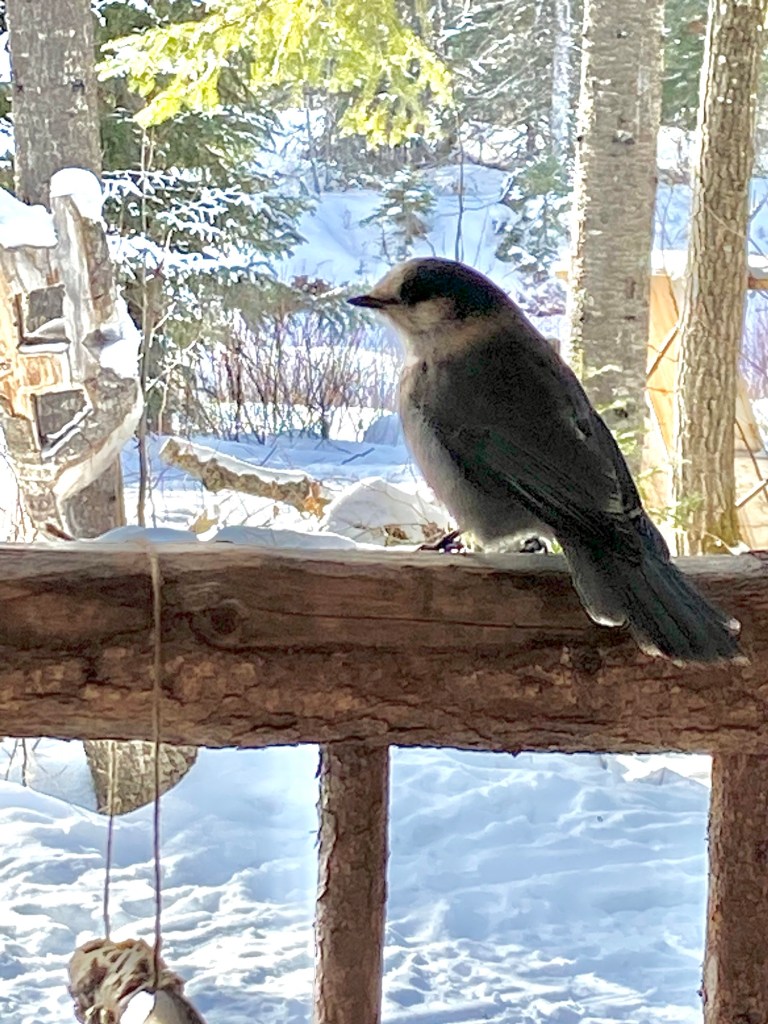
    However, through the winter we have still had a steady visiting flow of black-cap chickadees, whisky jacks, pileated woodpeckers, crows, and the occasional sparrow.

    Our kids love watching birds from our front window, and one of our favourite types of bird feeders is a clear plastic one (The Window Cafe, similar to THIS ONE) that suctions right onto the window glass! It lasted on our window for several months until we had several super cold days in a row, fell off and wouldn’t suction anymore…Oh well, we’ll try again when it’s warmer!

    A downy woodpecker hanging on to have a snack.

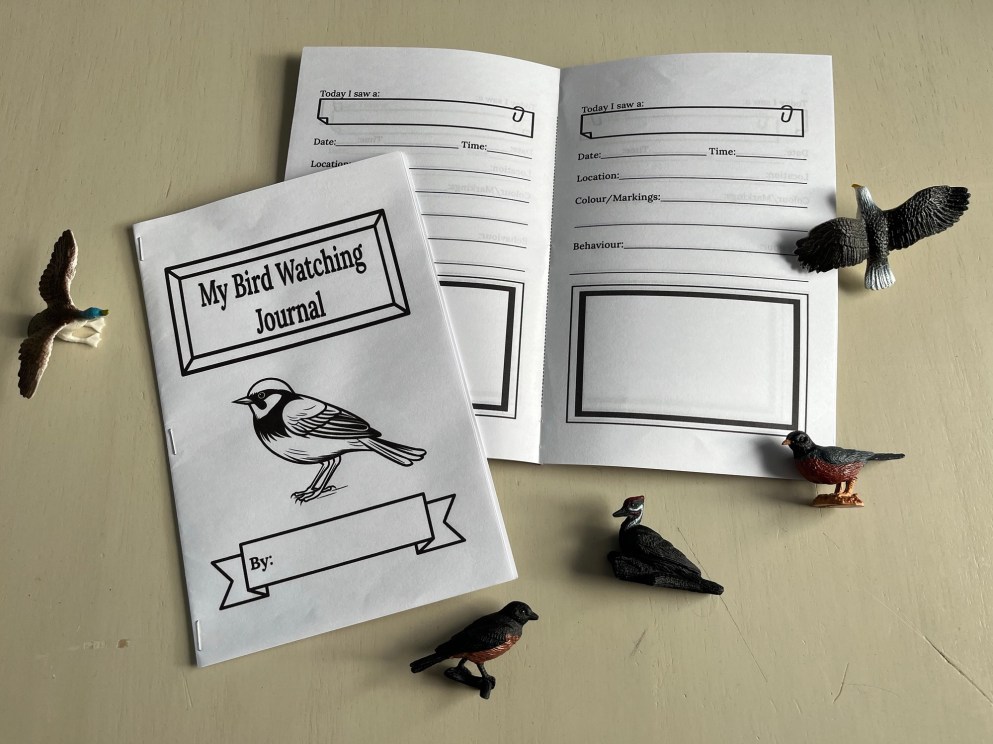
    When I was younger and also homeschooled, my mother kept several nature books in the sunroom (probably still does), and whenever an interesting bird, insect, or animal was spotted, out came the identification books to discover the name and nature of what we had found/observed.

    Of course, special mention must also go to my godfather “Ernie”, who was like a living, walking encyclopedia of knowledge. He was a retired science teacher and loved spending time with my siblings and I to teach and discover many things about the natural world around us. We didn’t even need to grab for our bird identification book if we were out on nature walks with him, we could just ask him! (Of course sometimes we got more information than we needed, such as the latin names and classification of species.)

    I’m sure Ernie will be mentioned on this blog more than once, as he was a very dear and memorable character, and had much knowledge and enthusiasm to offer young learners.

    About this Craft:

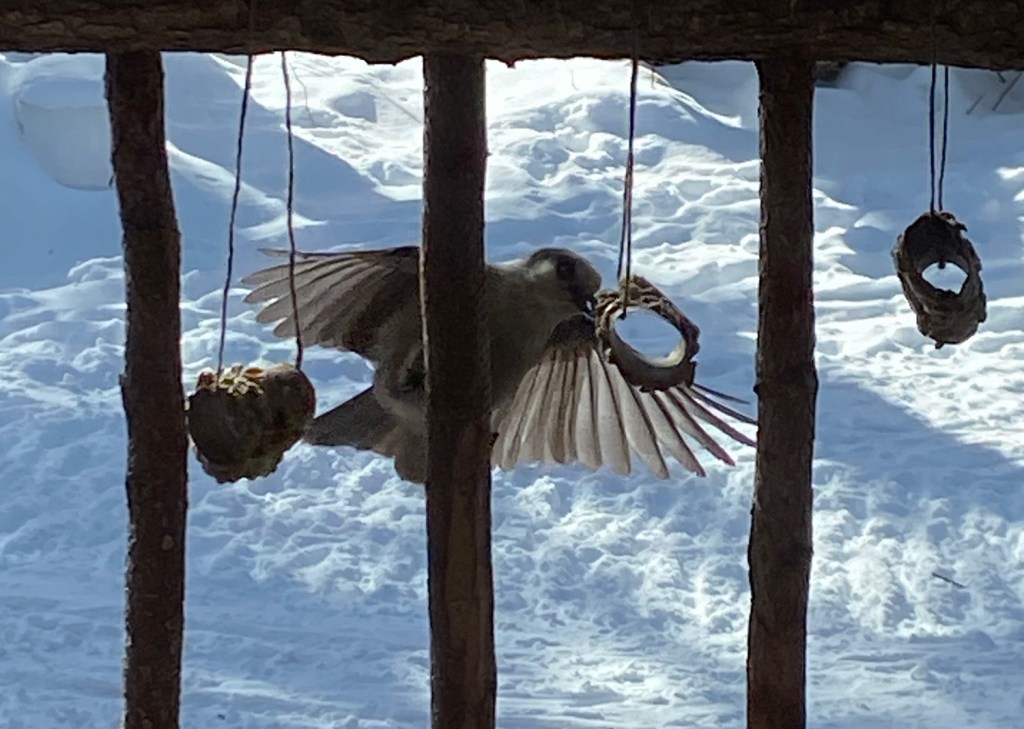
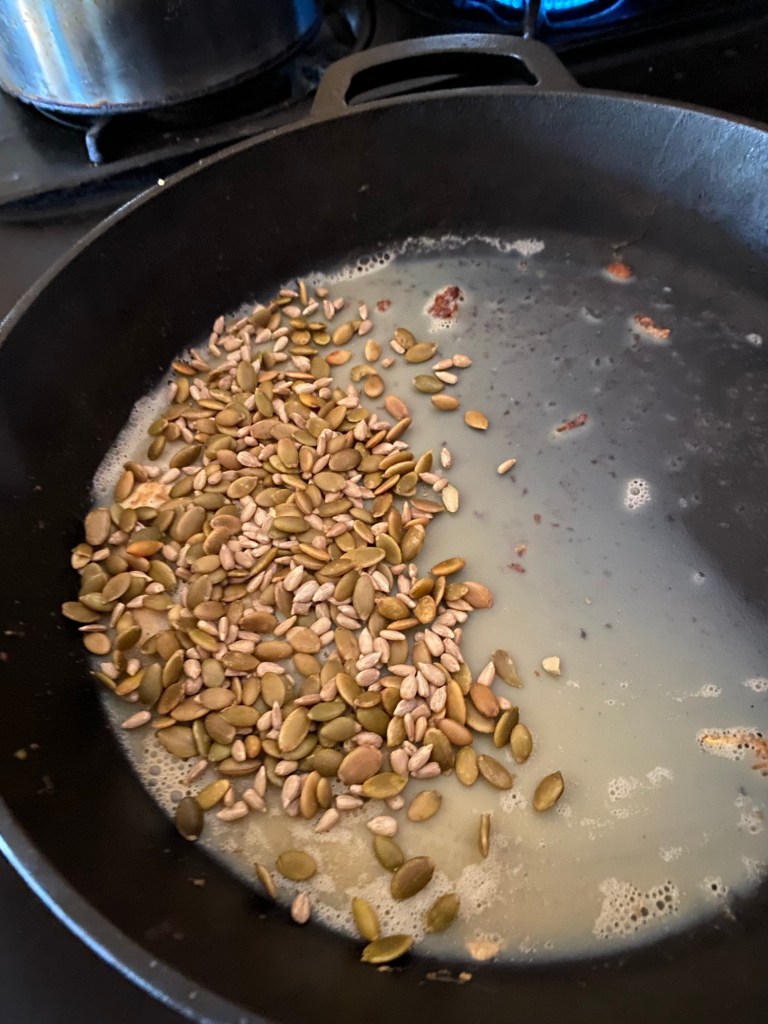
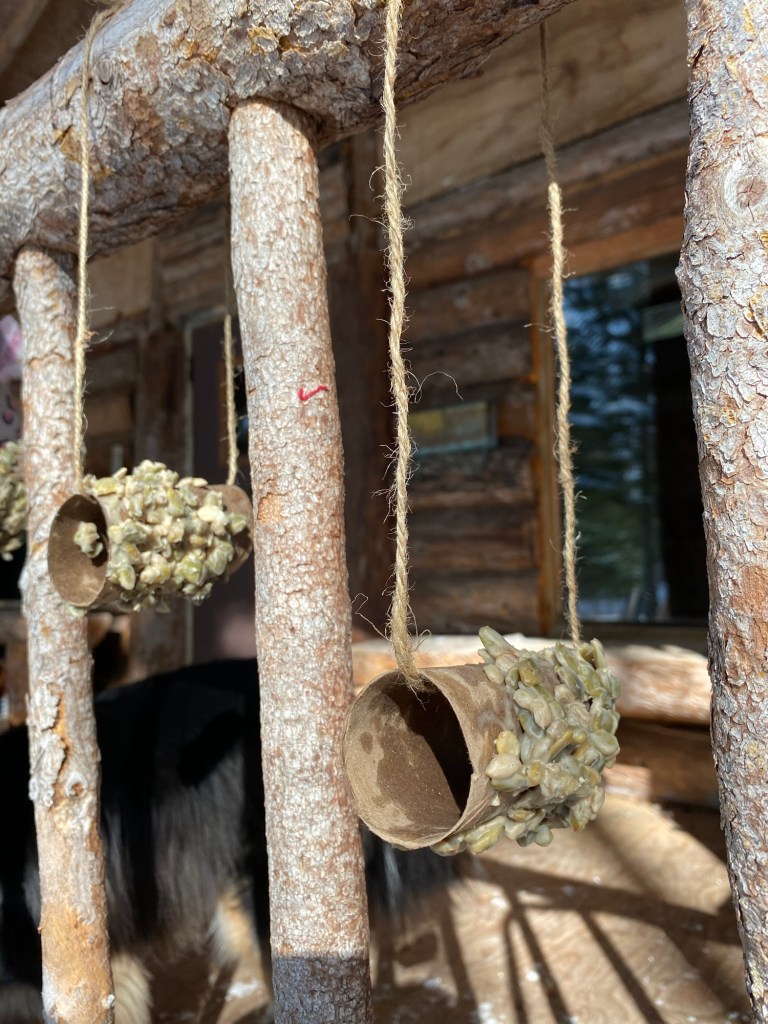
    On a recent family holiday weekend to a bush cabin, the kids and I developed this easy bird feeder idea, using leftover bacon grease and some sunflower and pumpkin seeds that I took from our trail mix. We spread the mixture onto a toilet paper finished roll, let it harden/freeze, then tied it to the porch railing. We had a lot of fun over the next few hours watching the whisky jack birds fight over our homemade bird feeders.

    A smart squirrel also noticed the tasty hanging treat and helped himself a few times. Eventually he figured out how to chew through the string and took off into the bush dragging the paper roll with him!

    Our pup may have snuck over a few times to sample the bacon grease…!

    There are many ways to make this simple bird feeder, based on what you may have available in your pantry. As I mentioned above, when we made it a few weeks ago we didn’t have any bird seed, just a few seeds in our trail mix that I sifted out. It would definitely be easier with smaller bird-feeder seeds!

    Have fun making this and don’t forget to watch and record what types of birds come to visit!

    Here’s a short video of making this easy bird feeder (and a few shots of the feathery/furry visitors that came to eat!)

    How to Make a Simple Bird Feeder

    Supplies Needed:

    • Leftover bacon grease (You can also use peanut butter, lard, or butter)
    • Bird seed
    • String
    • Scissors
    • Inside cardboard roll from toilet paper or paper towel rolls

    Directions:

    1. Pour seeds into pan of bacon grease and stir well. Let bacon grease cool in pan.

    2. Using a spoon, spread mixture onto paper roll. (Or, if your seeds are small enough, first spread grease/peanut butter onto paper roll and then dip/roll in a bowl of the bird seed.)

    3. Let harden on a plate if needed (we stuck ours outside in the BBQ overnight to fully harden without animals eating it!)

    4. Cut string to desired length (we used about 3 feet length), and thread through roll.

    5. Tie string ends to make a loop and hang near a window so you can watch the animal activity!

    Hi, I’m Jessie!

    I’m a Wife and Homeschooling Mom living in a remote town in Northern Ontario, Canada. I love making wholesome meals for my family from scratch, homeschooling our girls and learning more about natural living.

    Read more about my story HERE.

    Subscribe to Northbird’s email list to get weekly posts on: tasty recipes, activity ideas for kids, natural living tips, and some genuine mom thoughts and encouragement!

    How to Make a Simple Bird Feeder

    Looking for an easy craft for a homeschooling bird inquiry? Save that leftover bacon grease and toilet paper rolls to make your own hanging bird feeders!


    You can also use peanut butter, other nut butters, lard, or butter to replace the bacon grease.

    Supplies Needed:

  • Leftover bacon grease
  • Bird seed
  • String
  • Scissors
  • Inside cardboard roll from toilet paper or paper towel rolls
  • Directions:

    1. Pour seeds into pan of bacon grease and stir well. Let bacon grease cool in pan.
    2. Using a spoon, spread mixture onto paper roll. (Or, if your seeds are small enough, first spread grease/peanut butter onto paper roll and then dip/roll in a bowl of the bird seed.)
    3. Let harden on a plate if needed (we stuck ours outside in the BBQ overnight to fully harden without animals eating it!)
    4. Cut string to desired length (we used about 3 feet length), and thread through roll.
    5. Tie string ends to make a loop and hang near a window so you can watch the animal activity!

    Return to Top

    Pecan Peach Granola

    Find Northbird on social media:

    This post contains affiliate links. As an Amazon associate, I earn from qualifying purchases. This means that I make a small commission at no extra cost to you. You can read my full disclosure HERE.

    Jump to Recipe Card

    Jump to Video

    Return to “Breakfast”

    Yummmm….Honestly there’s not much that can beat fresh summer peaches! This is one reason I love visiting my family in southern ontario: buying peaches and other fruit directly from the farmers.

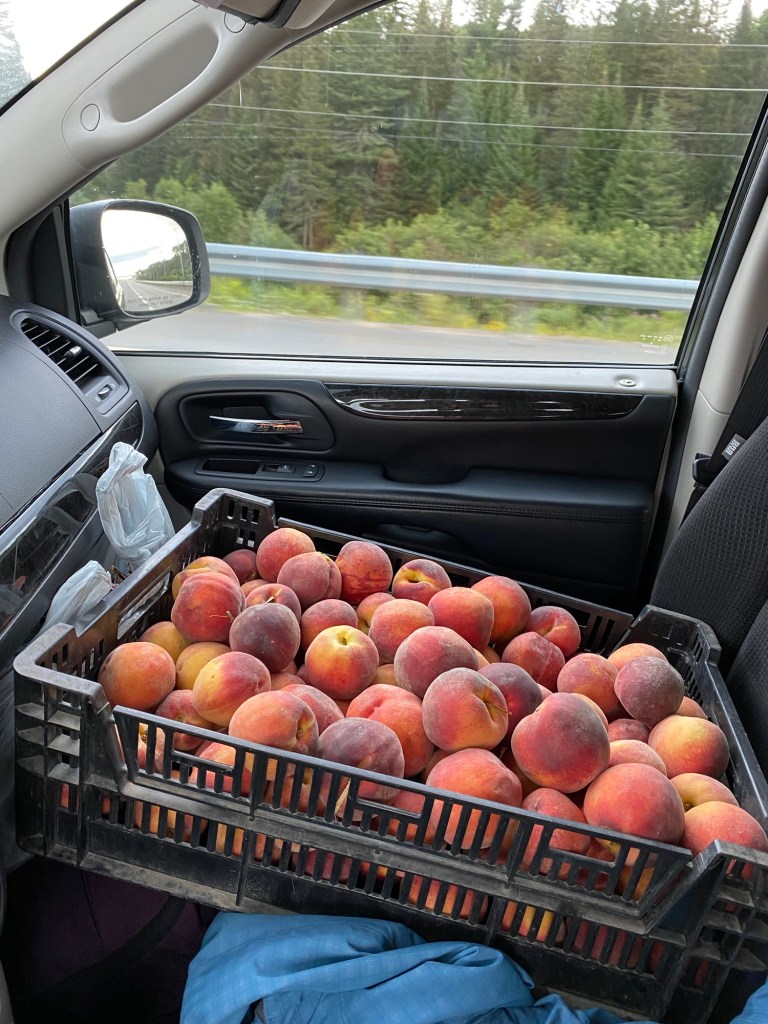
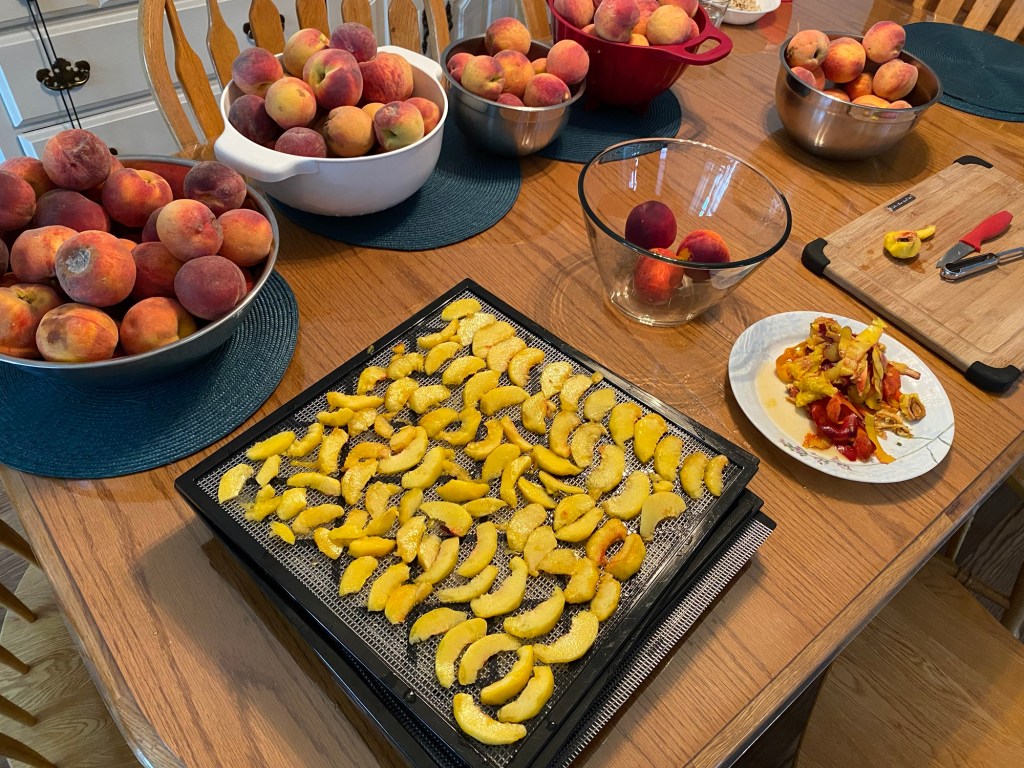
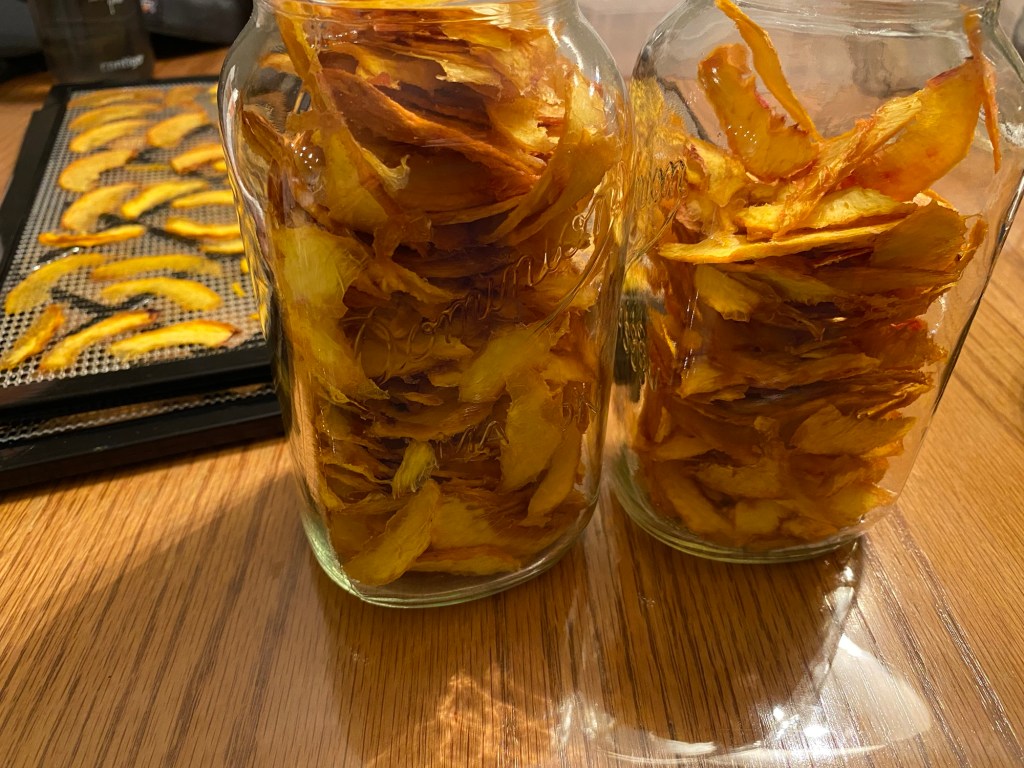
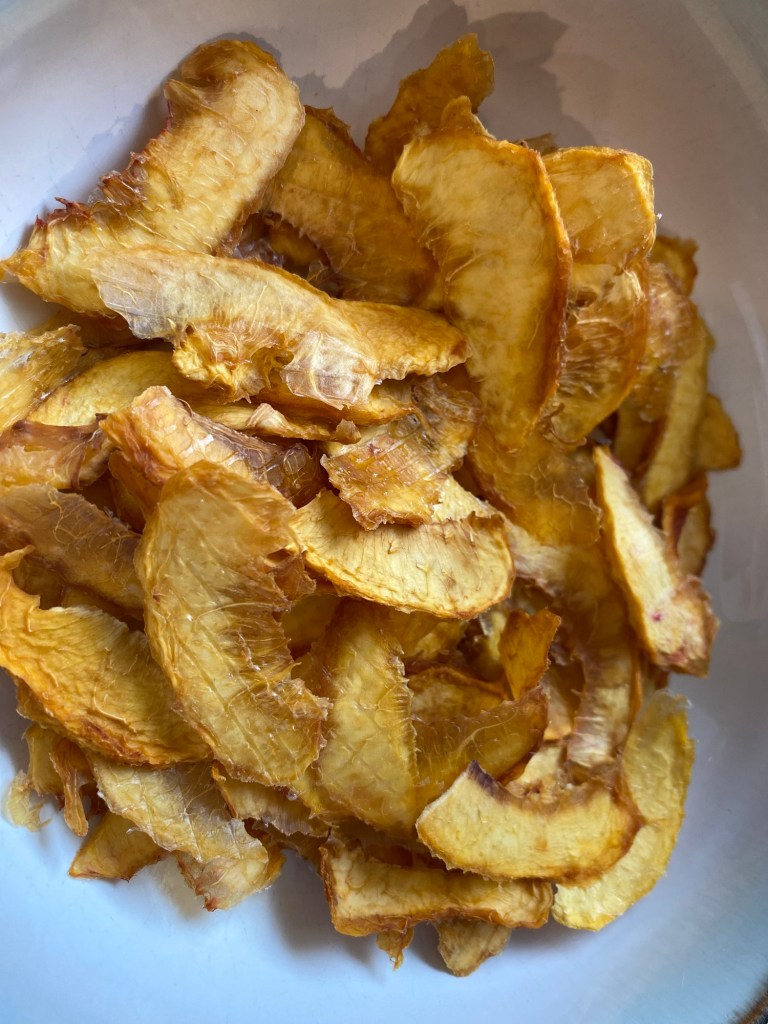
    This past summer, I planned ahead and knew that I wanted to make several batches of peach jam, peach salsa, freeze peach slices for deserts, but most importantly: dehydrate lots of peaches!

    On my way back north, I was able to buy two huge flats of “seconds” from a local farm that my aunt knew. The next few days were a little crazy as I preserved the peaches as soon as possible to maintain freshness. My kids and hubby loved hanging around to score all the little tastes and samples along the way!

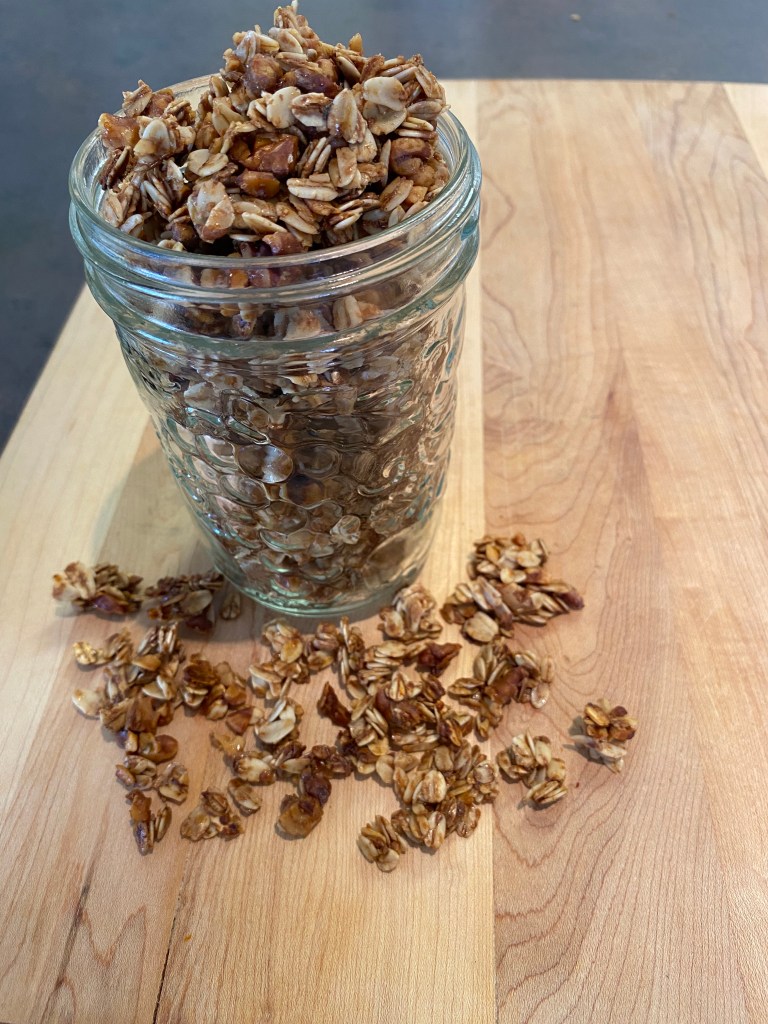
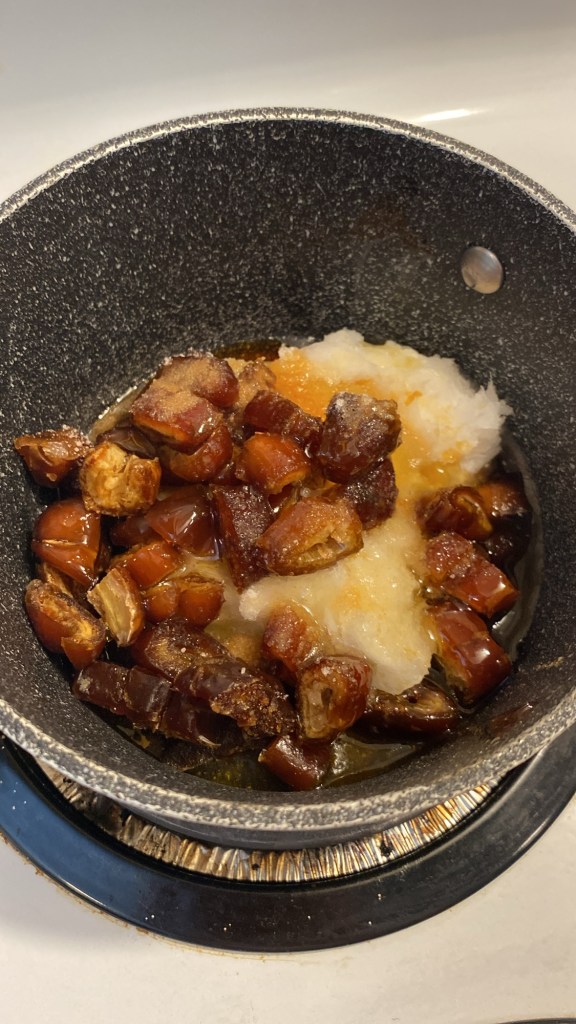
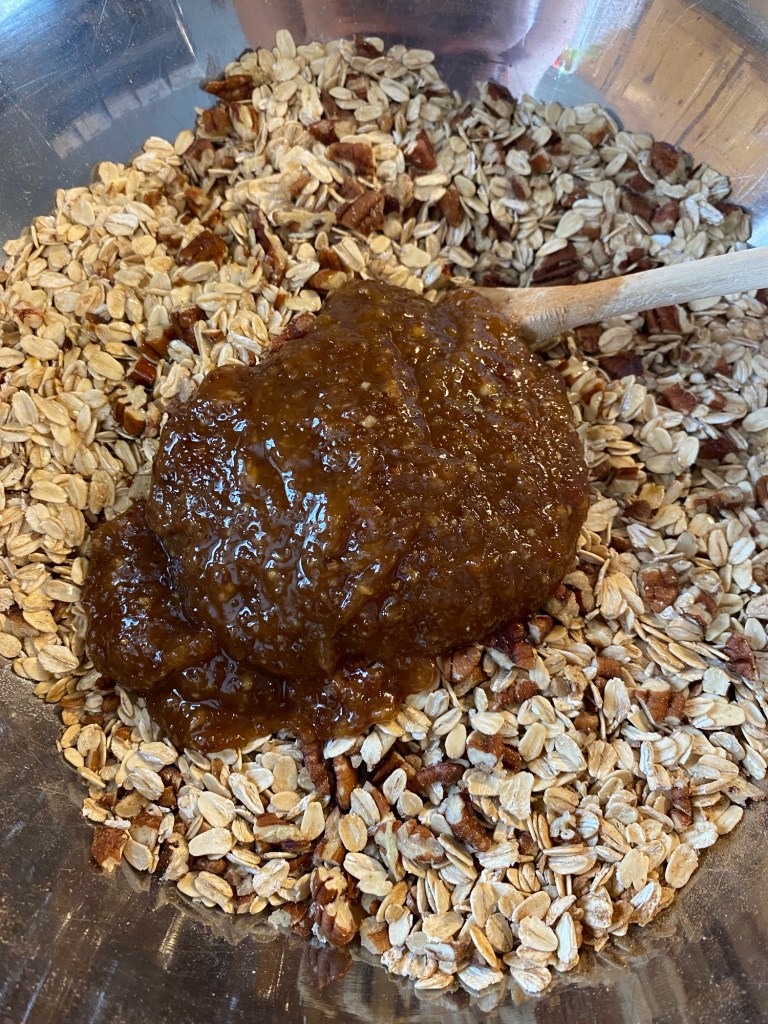
    Now that it is the middle of winter, we still get to enjoy that wonderful taste of Ontario summer peaches through the dehydrated peach slices in our pantry. I had some fun recently with experimenting to create this yummy granola recipe, blending the sweet peach taste with crunchy pecans.

    Ways to Eat Granola:

    • Breakfast bowl with regular milk, oat milk, soy, or nut milks (try it with Homemade Almond Milk!) and add some berries for fresh sweetness.
    • Enjoy a bowl on top of yogurt (try it with a fresh batch of Homemade Crockpot Yogurt).
    • Take a baggie of granola for your next hike or camping trip and add some dried fruit or seeds and nuts for a delicious trail mix.
    • Make a Breakfast Parfait with frozen berries and yogurt!
    • Use it as a baked desert crumb topping (Apple Crisp recipe coming soon!)
    • Make granola bars from it! (Recipe being developed)

    Health Benefits of Granola:

    Healthy granola recipes are usually high in protein, fibre and healthy fats due to recipe variations that may include oats, nuts, seeds, dried fruits and organic unrefined oils. They are packed full of nutritious options that make a filling, on-the-go quick breakfast or a delicious snack option.

    Protein is essential to the body for not only helping to build muscle mass and bones, but also very important for weight loss and regulating metabolism. Additional functions may consist of:

    • Slowing appetite and hunger cravings
    • Feel “full” for longer, less calories eaten
    • Helps with fat burning
    • Lowering blood pressure
    • Helps to maintain weight loss
    • Boosts metabolism
    • Builds muscle mass and strength
    • Lowers risk of osteoporosis and fractures
    • Helps to repair broken bones and tissues

    High Protein Ingredients You can put in Granola:
    NutsWalnuts, Almonds, Cashews, Peanuts, Pistachios, Brazil Nuts, Hazelnuts…
    SeedsChia, Hemp, Sesame, Sunflower, Pumpkin, Flax…
    Dried Fruits & BerriesApricot, Kiwi, Blackberries, Cherries, Raisins, Banana…

    Fibre is mostly known for helping to keep the digestive system happy. Some other benefits of increased fibre may include:

    • Regulating bowel movements
    • Keeps you feeling fuller for longer
    • Assists in lowering cholesterol
    • Preventing blood sugar from spiking
    • Helps to lower blood pressure

    High Fibre Ingredients You can put in Granola:
    NutsChestnuts, Almonds, Hazelnuts…
    SeedsChia, Flax, Pumpkin, Sesame, Sunflower…
    Dried FruitsDates, Figs, Prunes, Apricots, Raisins…
    OatsOrganic Rolled Oats

    Fats are not only used as a source of energy in the body, but also aid in the following:

    • Help to insulate and protect the organs
    • Gives your body energy
    • Supports cell growth
    • Helps to regulate blood pressure and cholesterol
    • Assists the body in absorbing vitamins A, E & D
    • Reduces inflammation
    • Assists in cell growth
    High Fats Ingredients You can put in Granola:
    NutsWalnuts, Macadamia, Coconut, Cashews…
    SeedsSunflower, Pumpkin, Flax, Chia, Hemp…
    OilsCoconut oil, Avocado oil, Olive oil…
    Seed & Nut ButtersPeanut butter, Almond butter, Tahini, Sunflower seed butter, Pumpkin seed butter
    Dried Fruits & BerriesPlantain, Strawberries, Raspberries, Kiwi, Raisins

    Reasons to Make Your Own Granola:

    • It is soooo easy! Chop… Melt… Mix… Spread… Bake… Eat!
    • Way less expensive than buying from the store.
    • Store-bought granolas are often made with lower quality ingredients and usually have more processed sugars and additives mixed in to prolong shelf life.
    • When you make your own granola you know exactly what ingredients you are eating!
    • Granola is a versatile recipe: You can add more nuts and seeds, and add dried fruits/berries at the end if desired.
    • Granola is one of those easy and quick breakfast solutions to help your day start smoothly!

    Making Pecan Peach Granola

    How to Make Pecan Peach Granola

    Supplies Needed:

    Ingredients:

    Directions:

    1. Preheat oven to 300 degrees F.

    2. Mix the oats, chopped pecans and cinnamon together in a large bowl. Set aside.

    3. Melt the coconut oil in a small pot and add chopped dates, honey, sea salt and vanilla. Once the dates are softened, stir and mash or lightly blend with an immersion blender to puree.

    4. Add the wet mix to dry mix and stir well. If it has cooled enough you can finish mixing with your hands (I always find this easiest, but be careful of the hot oil!)

    5. Spread granola mix onto parchment covered cookie sheets. Granola should be in a single layer.

    6. Bake for 30-35 minutes (depending on your oven), until golden.

    7. Let cool and sit undisturbed for an hour, it will firm up as it cools down.

    8. Break the granola into smaller pieces and add the dehydrated peach slices. (I prefer to lightly pulse the slices in a blender or chop into smaller pieces.)

    9. Mix well and store granola in an airtight container for up to 1 month.

    Try this Granola recipe with some Homemade Almond Milk or Easy Crockpot Yogurt!

    Check out these other Breakfast Recipes from the Northbird Kitchen!

    Hi, I’m Jessie!

    I’m a Wife and Homeschooling Mom living in a remote town in Northern Ontario, Canada. I love making wholesome meals for my family from scratch, homeschooling our girls and learning more about natural living.

    Read more about my story HERE.

    Subscribe to Northbird’s email list to get weekly posts on: tasty recipes, activity ideas for kids, natural living tips, and some genuine mom thoughts and encouragement!

    Pecan Peach Granola

    • Servings: 8 cups
    • Difficulty: Easy
    • Print

    This Granola blend has the crunchy delight of roasted pecans, sweetened with honey and dates, and filled with the flavour of summer peaches.


    Ingredients

  • 4 cups organic rolled oats
  • 1 1/2 cups chopped pecans
  • 1 teaspoon ground cinnamon
  • 1/3 cup melted organic, unrefined coconut oil
  • 1/2 cup chopped & pitted dates
  • 3 tablespoons unpasteurized liquid honey
  • 1 teaspoon sea salt
  • 1 teaspoon pure vanilla
  • 1 cup dehydrated peach slices (or fresh peaches)

  • Directions

    1. Preheat oven to 300 degrees F.
    2. Mix the oats, chopped pecans and cinnamon together in a large bowl. Set aside.
    3. Melt the coconut oil in a small pot and add chopped dates, honey, sea salt and vanilla. Once the dates are softened, stir and mash or lightly blend with an immersion blender to puree.
    4. Add the wet mix to dry mix and stir well. If it has cooled enough you can finish mixing with your hands (I always find this easiest, but be careful of the hot oil!)
    5. Spread granola mix onto parchment covered cookie sheets. Granola should be in a single layer.
    6. Bake for 30-35 minutes (depending on your oven), until golden.
    7. Let cool and sit undisturbed for an hour, it will firm up as it cools down.
    8. Break into smaller pieces per preference, and add the dehydrated peach slices and store in airtight container for up to 1 month.

    Nutrition


    Per 1 Cup Serving: 431 calories; 26.9 g fat; 49.8 g carbohydrates;
    6.8 g protein.
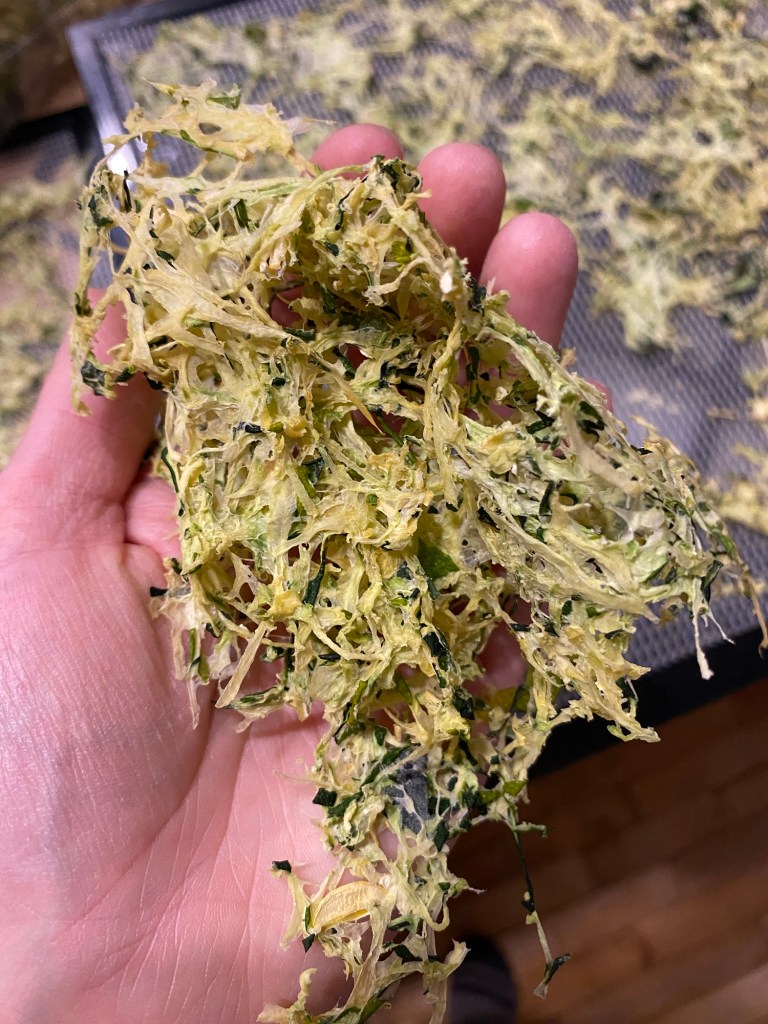
    Return to Top