Easy Pipe Cleaner Christmas Ornament

Find Northbird on social media:

This post contains affiliate links. As an Amazon associate, I earn from qualifying purchases. This means that I make a small commission at no extra cost to you. You can read my full disclosure HERE.

Return to Christmas Activities

Jump to Printable Craft Directions

It’s FINALLY December?!

Up here in Northern Ontario we’ve had snow for several weeks now and our local Moose River has finally begun to freeze over. But it’s honestly felt like this year had the longest November that I can remember, and December seemed to take forever to come!

Our friendly neighbourhood has now started hanging up Christmas decorations, and the local schools have begun hosting Christmas bazaars every weekend leading up to the holidays.

The kids are getting so excited for Christmas (especially our oldest), not only with decorating our home and having lots of community parties, but also the chance to hop on the train south to visit our families.

Every year I have tried to organize an ornament craft for our oldest to make and give to her Daddy, grandparents, and other relations and friends. This always gives her a sense of pride and accomplishment to see something that she has made and worked hard on to end up on our relation’s Christmas trees, and hung on garland throughout our family’s living room.
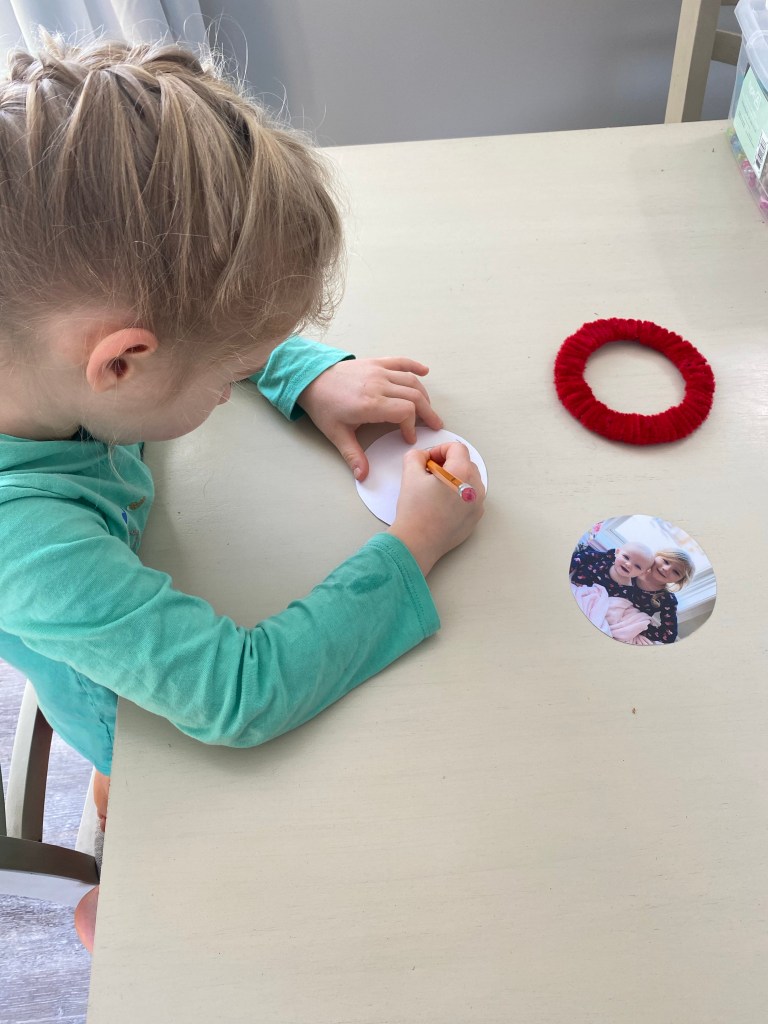
Usually I look for ideas on Pinterest or Google that are somewhat flat and could travel well by mail, as many of our relatives live far away from us and we are not able to see everyone in the short time we travel south at Christmas.

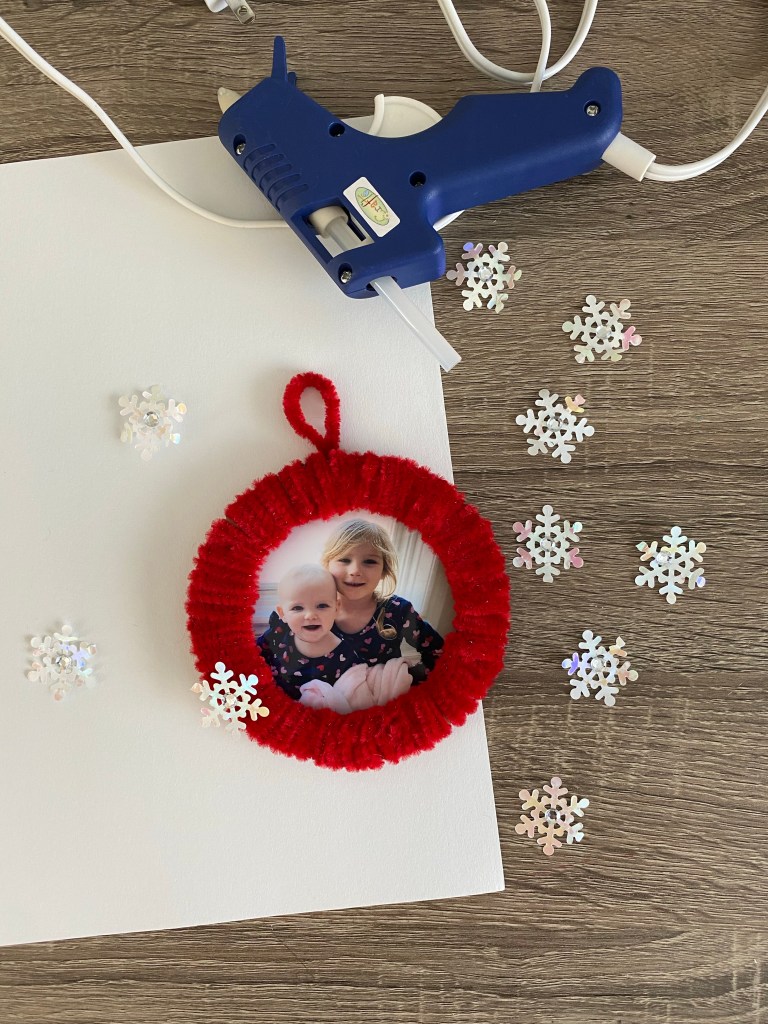
The other day I looked around the house at what we had to work with and ended up creating this easy and customizable picture ornament with my oldest daughter.

I hope this simple gift idea inspires you and your kids with fun and joy this season!

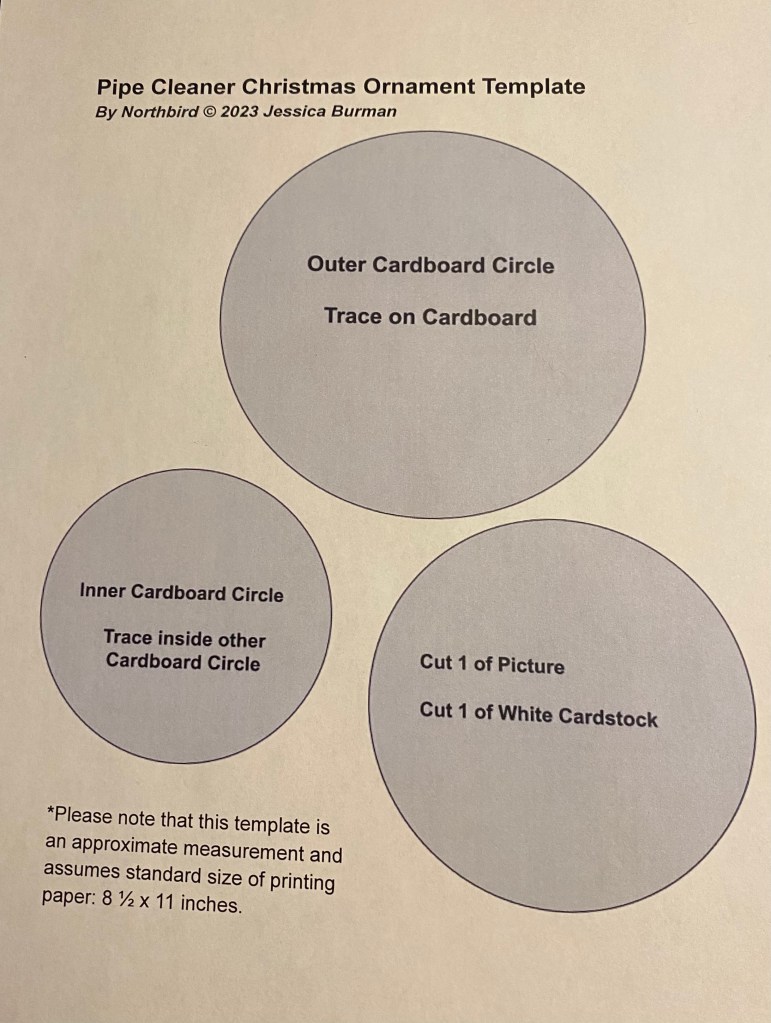
You can download the FREE pre-measured circle template HERE.

How to make this Easy Pipe Cleaner Christmas Ornament:

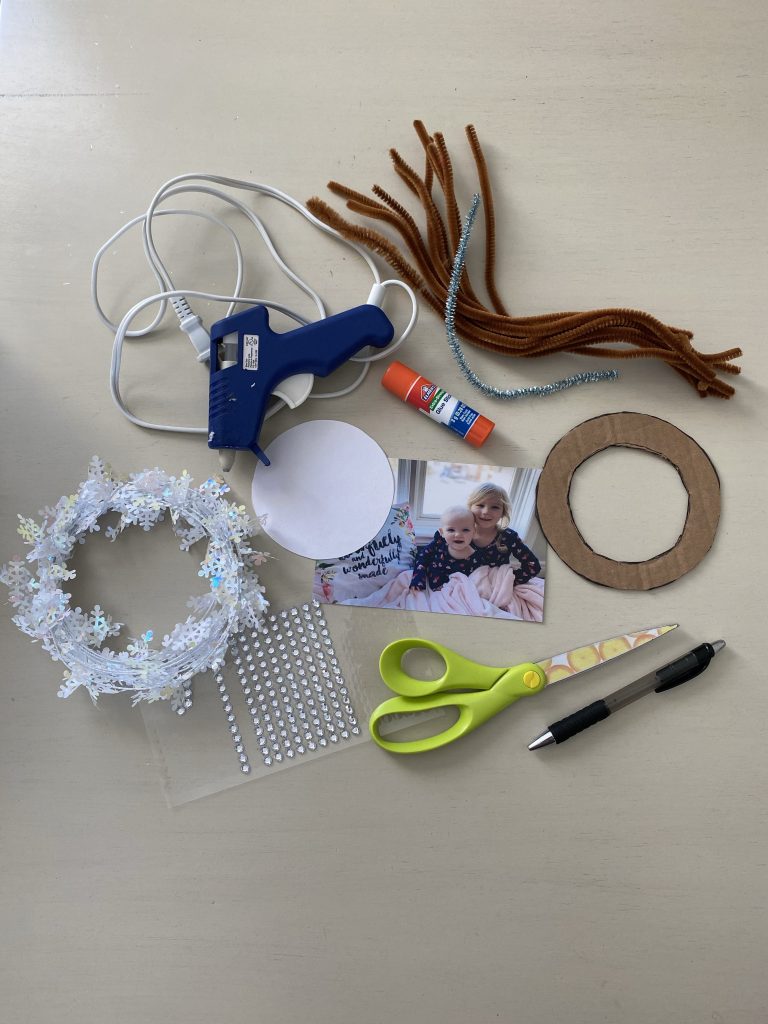
Supplies Needed:

  • Hot glue gun
  • Glue stick
  • Pen or marker
  • Scissors
  • Pipe cleaners (10-15, depending on how long they are and how thick you wrap the cardboard)
  • Cardboard
  • Print the free template to trace the circles HERE
  • Round plastic containers to trace, different sizes (If you aren’t able to print the template)
  • Picture
  • White card stock paper
  • Items to decorate with (glue or stick on)
Directions:

1. Trace cardboard circles, using two different sizes of round cups or plastic containers. The outer circle is approximately 5 inches (12.5cm) in diameter, and the inner one is 3 inches (8cm) in diameter. Disregard this if you are able to print the template, and simply follow the template directions.

2. Cut out the centre of the cardboard circle.

3. Begin wrapping the pipe cleaners around the cardboard frame, tucking in the end pieces when you start a new pipe cleaner. Tuck the final piece in.

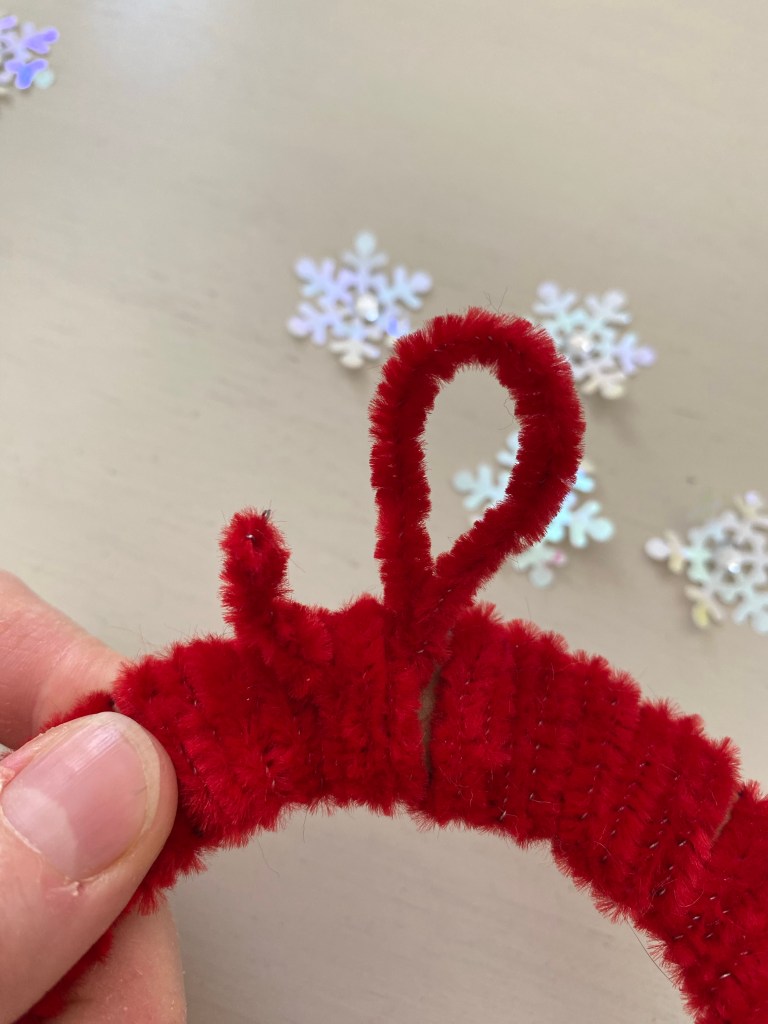
4. Make a loop out of a pipe cleaner and attach and tuck it through a few strands, twisting it so it doesn’t come undone.

5. Trace around another round plastic container and cut out circles of your chosen picture and a piece of white card-stock paper. I used a circle size that was middle in size comparison to the other two circles, approximately 3 1/2 inches (9 cm) in diameter. The free printable template includes this too.

6. Write a personal message if desired, or instead cut out another picture to insert, so that there is a picture to see on both sides of your ornament.

7. Use your glue stick to glue the backs of the two circles together.

8. Take your hot glue gun (I recommend that adults handle this part!), and put glue around the edge of the picture front, then place the pipe cleaner frame on top of the picture and hold in place firmly while the glue dries (its fast!)

9. Add any desired decorations to the front and back. For this, we hot glued jewelled snowflakes to both sides and also glued a sparkly pipe cleaner to the back ring to hide the paper edge.

10. Enjoy! I’d love to hear from you and see how yours turned out!

Download and print the Free Circle Templates HERE.

Hi, I’m Jessie!

I’m a Wife and Homeschooling Mom living in a remote town in Northern Ontario, Canada. I love making wholesome meals for my family from scratch, homeschooling our girls and learning more about natural living.

Read more about my story HERE.

Subscribe to Northbird’s email list to get weekly posts on: tasty recipes, activity ideas for kids, natural living tips, and some genuine mom thoughts and encouragement!

Pipe Cleaner Christmas Ornament

  • Servings: 1 Ornament
  • Difficulty: Easy
  • Print

Here's an Easy Christmas Ornament Craft to do with your child this season!

Supplies Needed:

  • Hot glue gun
  • Glue stick
  • Pen or marker
  • Scissors
  • Pipe cleaners (10-15, depending on how long they are and how thick you wrap the cardboard)
  • Cardboard
  • Print the free template to trace the circles HERE
  • Round plastic containers to trace, different sizes (If you aren’t able to print the template)
  • Picture
  • White card stock paper
  • Items to decorate with (glue or stick on)
  • Directions:

    1. Trace cardboard circles, using two different sizes of round cups or plastic containers. The outer circle is approximately 5 inches (12.5cm) in diameter, and the inner one is 3 inches (8cm) in diameter. Disregard this if you are able to print the template, and simply follow the template directions.
    2. Cut out the centre of the cardboard circle.
    3. Begin wrapping the pipe cleaners around the cardboard frame, tucking in the end pieces when you start a new pipe cleaner. Tuck the final piece in.
    4. Make a loop out of a pipe cleaner and attach and tuck it through a few strands, twisting it so it doesn’t come undone.
    5. Trace around another round plastic container and cut out circles of your chosen picture and a piece of white card-stock paper. I used a circle size that was middle in size comparison to the other two circles, approximately 3 1/2 inches (9 cm) in diameter. The free printable template includes this too.
    6. Write a personal message if desired, or instead cut out another picture to insert, so that there is a picture to see on both sides of your ornament.
    7. Use your glue stick to glue the backs of the two circles together.
    8. Take your hot glue gun (I recommend that adults handle this part!), and put glue around the edge of the picture front, then place the pipe cleaner frame on top of the picture and hold in place firmly while the glue dries (its fast!)
    9. Add any desired decorations to the front and back. For this, we hot glued jewelled snowflakes to both sides and also glued a sparkly pipe cleaner to the back ring to hide the paper edge.
    10. Enjoy! I’d love to hear from you and see how yours turned out!

    Return to Top

    Sourdough Panzerotti (Pizza Pockets)

    Find Northbird on social media:

    This post contains affiliate links. As an Amazon associate, I earn from qualifying purchases. This means that I make a small commission at no extra cost to you. You can read my full disclosure HERE.

    Jump to Recipe Card

    Return to “Sourdough”

    Return to “Soups & Entrees”

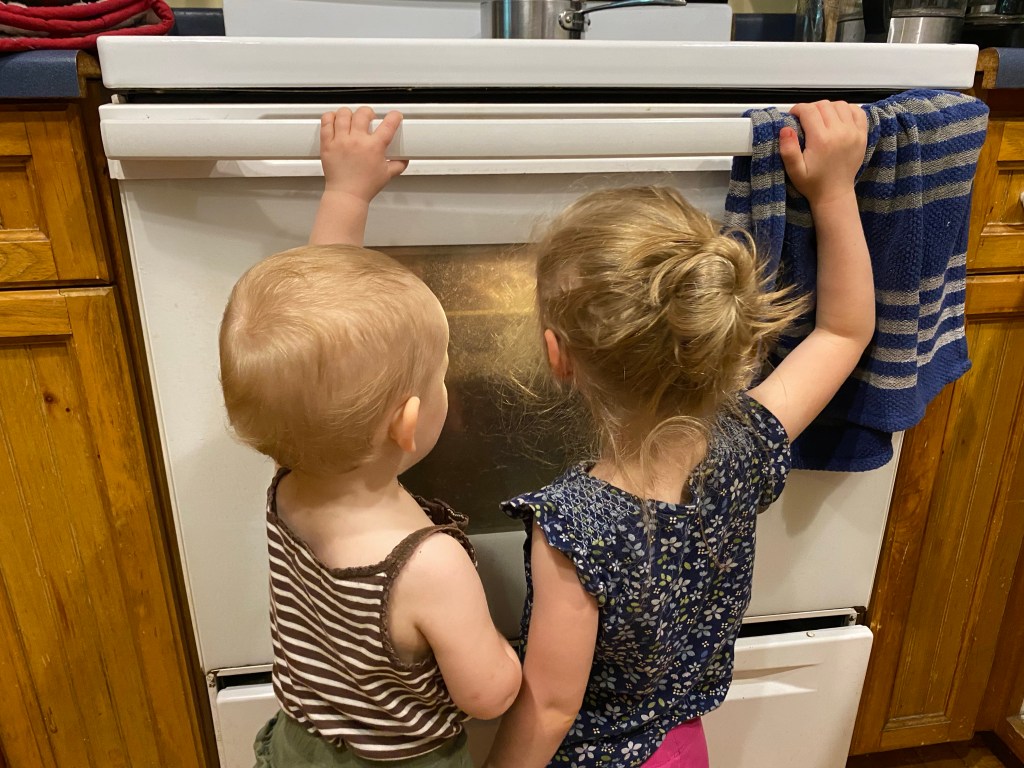
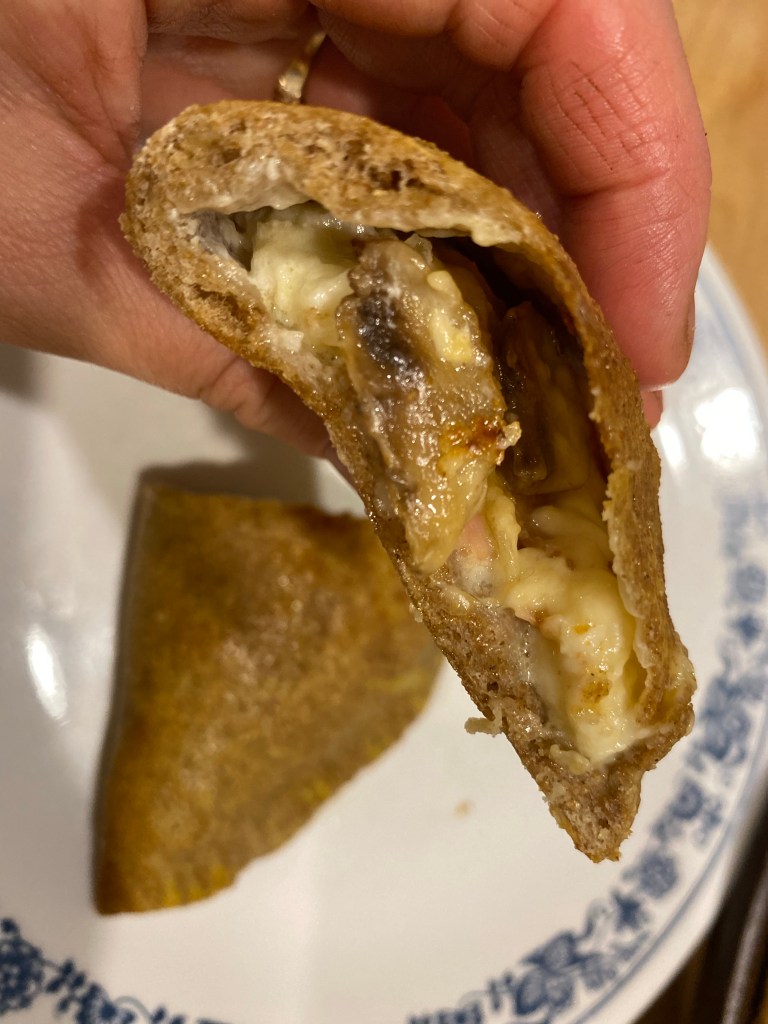
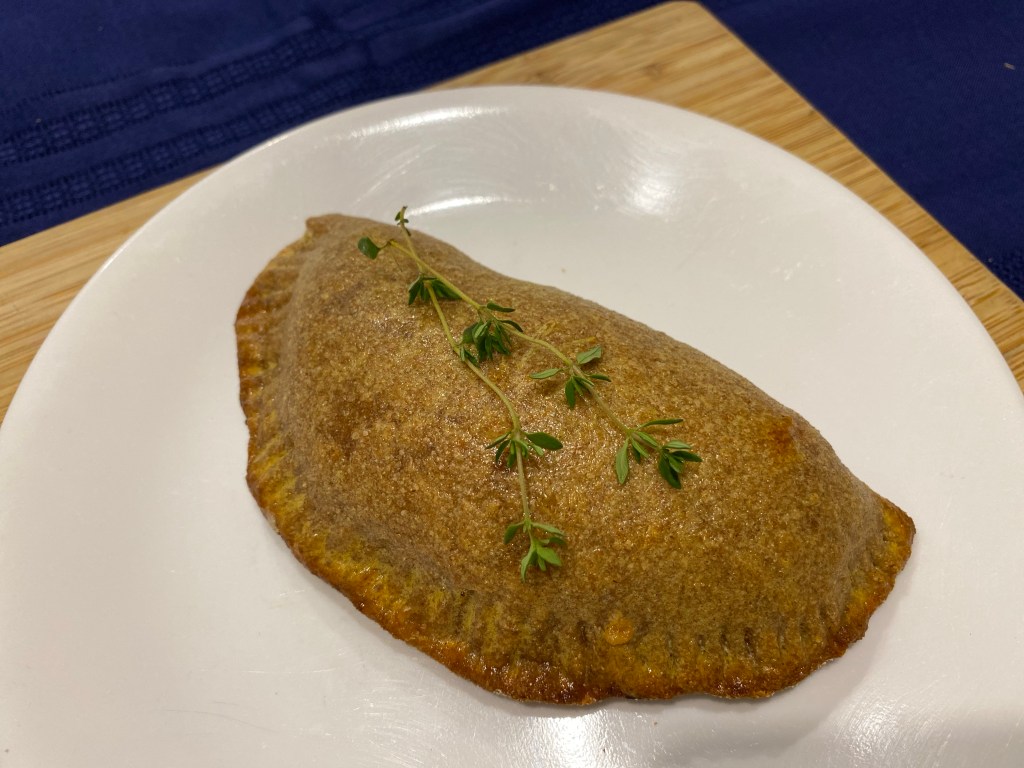
    We’ve had some fun lately experimenting with our Friday pizza meals. One fun development was making these “pizza pockets”, or Panzerottis. The kids loved making these with me, and especially watching them puff up in the oven!

    The first few I made had some thin spots in the crust so they broke open and delicious cheese spilled out –or as my oldest said “It pooped out some cheese!”

    What is the difference between a Panzerotti and a Calzone?

    Panzerottis, or “pizza pockets/hot pockets” can be fried or baked, but are usually fried. They are smaller in size than Calzones, and can be made with a variety of ingredients. For this particular recipe, I made them in the oven, baked alongside a large pizza with similar toppings.

    Calzones, or “pizza turnovers” are usually about the size of a medium pizza, folded or inverted on itself with the crust on the outside. Calzones are usually oven-baked, have a thicker crust and are served with a dipping sauce.

    What is Sourdough?

    Sourdough is made using a fermented mixture of flour and water, called the “starter”, and mixed with more water, flour, and usually salt. The dough naturally rises as it ferments during resting stages.

    There is a lower amount of gluten in sourdough baking, which is why the dough needs to be “stretched” multiple times to help it expand and become fluffy.

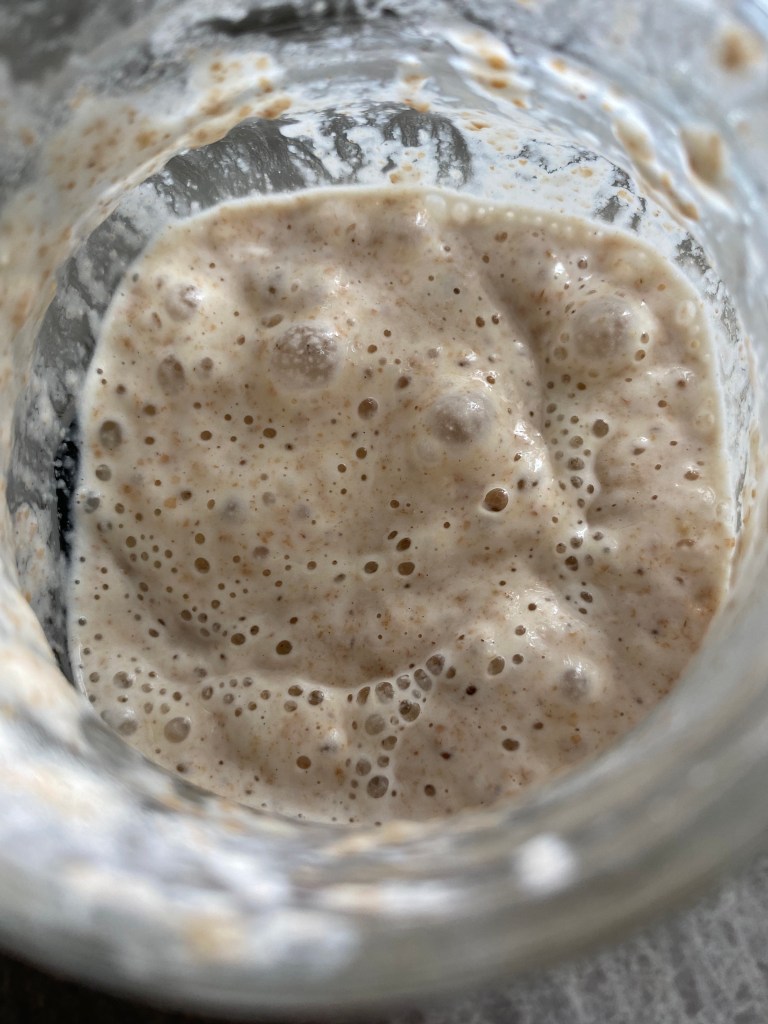
    A sourdough starter is a fermented mixture of flour and water. Every day it is “fed” usually equal parts water and flour by weight, and within several hours it becomes bubbly and doubled in size. This is called “active starter”. The “active” timing depends on your kitchen’s temperature and humidity, and also the feeding ratio of flour and water.

    For more information on “Sourdoughing”, you can see THIS POST (Sourdough Bread).

    Click HERE to get my easy Sourdough Pizza recipe!

    How to Make Sourdough Panzerotti (Pizza Pockets)

    Supplies Needed:

    Ingredients:

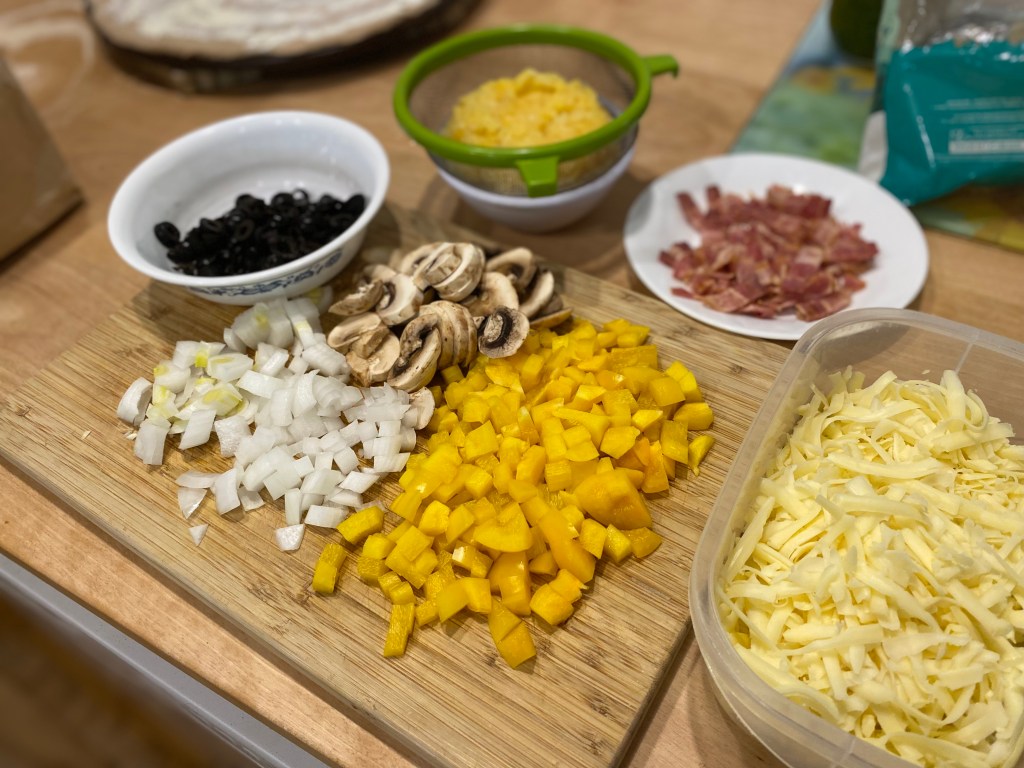
    Pizza Topping Ideas:

    • Cheese: Mozzarella and white cheddar are my favourites to use on pizza, but they are undoubtedly the most expensive part of the pizza. Where we live in the north, one 400g block costs around $10! We buy several blocks at a time when we are in the south and they go on sale, and if the expiry date is close, then the cheese intended for pizza goes directly into the freezer. Frozen cheese can tend to crumble a little when thawed, but that works just fine for pizza, right?!
    • Pizza sauce: You can use regular canned pizza sauce or also pasta sauce, it just won’t be as thick. (In a later post I’ll share my mother’s Garlic Cream Sauce for pizza!)
    • Meat: If we have a ham, chicken, beef roast, etc then I’ll cut off small cooked portions and put in freezer bags and label for pizza. I also use cooked bacon, kohlbassa and pepperoni and do the same thing.
    • Peppers: I love dehydrating peppers from the summer garden and using them year long on pizzas! They re-hydrate easily in a bowl of water for a few minutes prior to putting on the pizza.
    • Mushrooms: You can also dehydrate these, and rehydrate in water like the peppers. (it’s on my bucket list and I’ll share with you how it turns out!)
    • Olives: these are easy to buy canned and sliced.
    • Pineapple: We are one of those families that enjoys fruit on pizza! Easy to buy small cans of diced pineapple for northern storage or buy fresh, dice and freeze in portioned ziploc bags.
    • Herbs: It’s always nice to sprinkle some herbs on top at the end. Fresh herbs in the summer, and dried herbs in the winter (unless we are organized to grow some windowsill herbs year long!) Oregano, thyme, chives and rosemary are delicious sprinkled on pizza.
    • Other veggies: We have also used zucchini, vidalia onion, red onion and arugula.

    Directions: Day One

    1. Feed your sourdough starter in the morning

    • The starter I use is mostly made from all purpose flour and whole wheat flour. I feed it once a day: 3 tablespoons of flour and 2 tablespoons of lukewarm water (well water or distilled water). After a good stir, it rests in a warm area of the kitchen and within 8-10 hours is ready. See above for more details on the starter.
    • If your kitchen is warmer, than your starter may take less time to activate. You could feed your starter in the early afternoon instead to keep with this recipe’s timing.

    2. Mix your Dough in the Evening

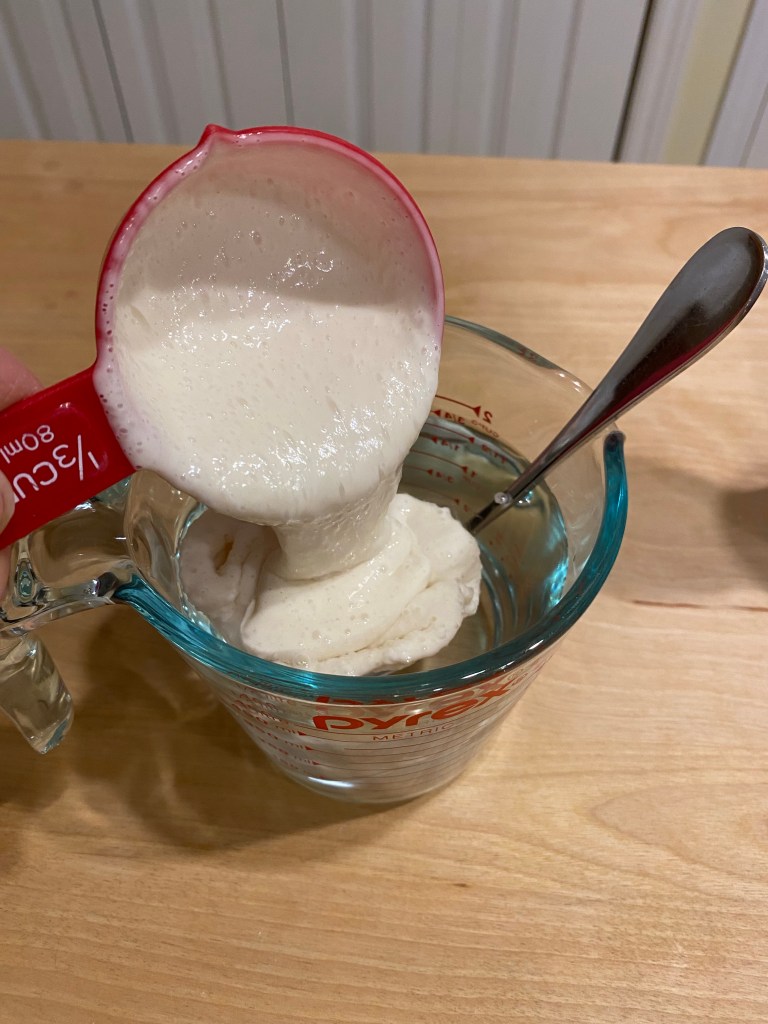
    • Mix your active starter with the water and set aside. At this point if the measured starter floats on top of the measured water, you know it’s going to be a great rising pizza dough! Sometimes my timing has been a little off due to life getting crazy, and my starter doesn’t float (even though it looked bubbly and risen in the starter jar). If this happens to you, just add another 1-2 tablespoons of starter and it should still rise good.
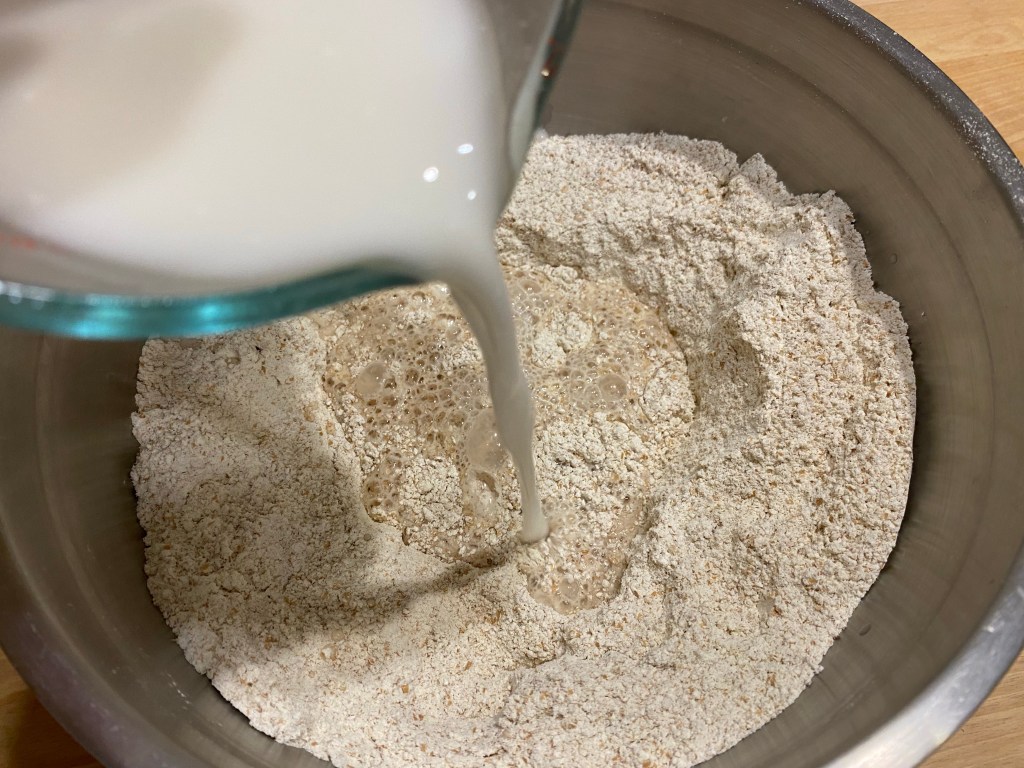
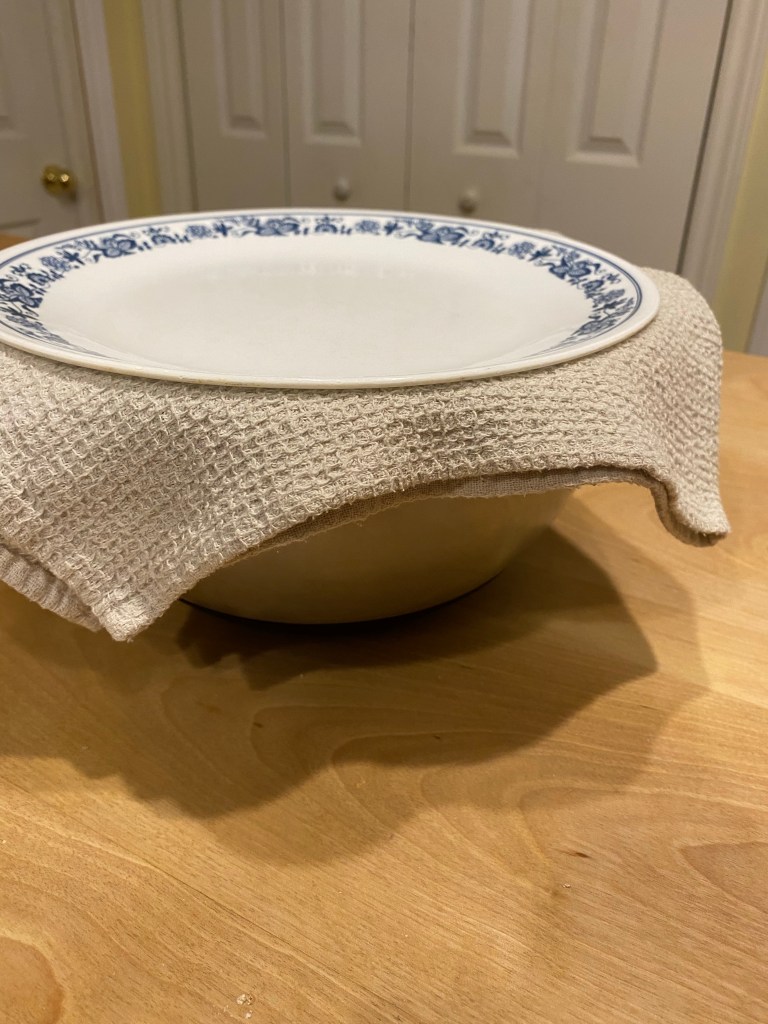
    • Mix the flour and salt together in a larger bowl, then add the wet ingredients and stir together until it forms a sticky ball. I find it easier to finish mixing it with my hands. If it is dry, resist the urge to add any water! Cover with beeswax cover, plastic wrap or towel and heavy plate and rest for 30 minutes.
    • I have made this recipe with spelt, whole wheat and all purpose flour, with similar results for each. Add a little more flour for spelt and whole wheat, or mix with all purpose to lighten it up a little. These pictures were done using freshly milled whole wheat flour, which can be more grainy in texture than all purpose flour.

    3. Stretch & Fold: 1st Way

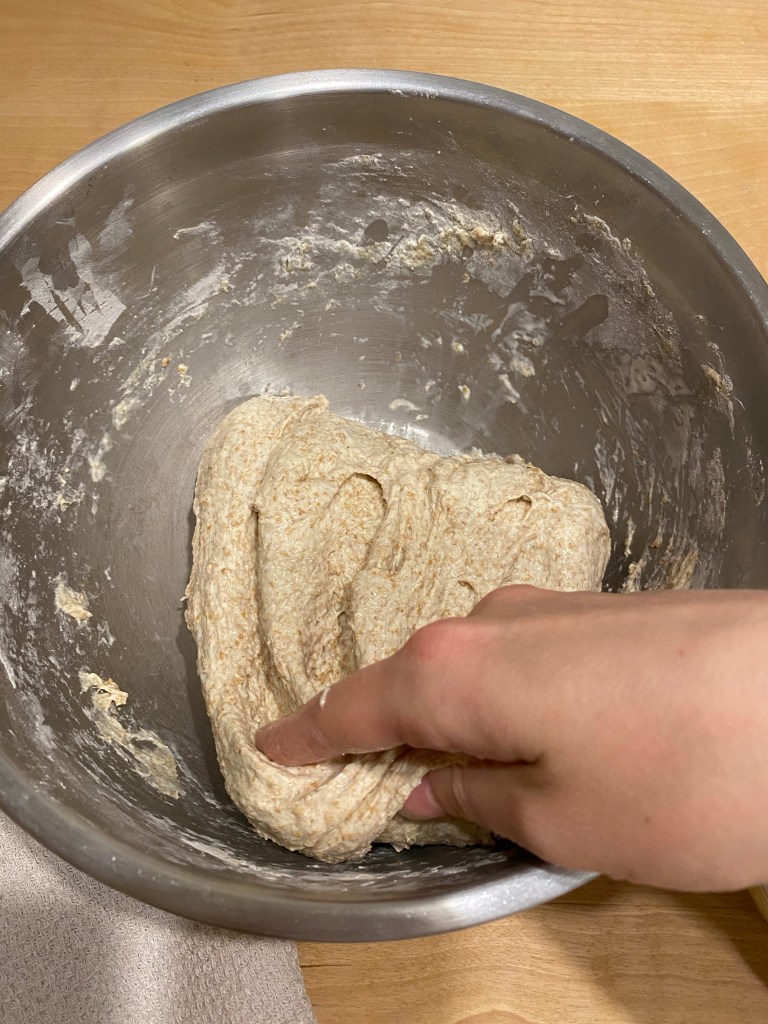
    • Wet one hand and gently loosen dough from edges of bowl. Take a handful of dough from the top of the bowl and pull towards you *See picture. Turn bowl 1/4 turn and repeat for a total of 4 stretch & folds to complete circle.
    • Cover and rest 20 minutes
    • Repeat stretch & fold full circle
    • Cover and rest 20 minutes
    • Repeat stretch & fold full circle
    • Cover and rest overnight 10-12 hours.

    Directions: Day Two

    1. The next morning, lift & fold: 2nd way

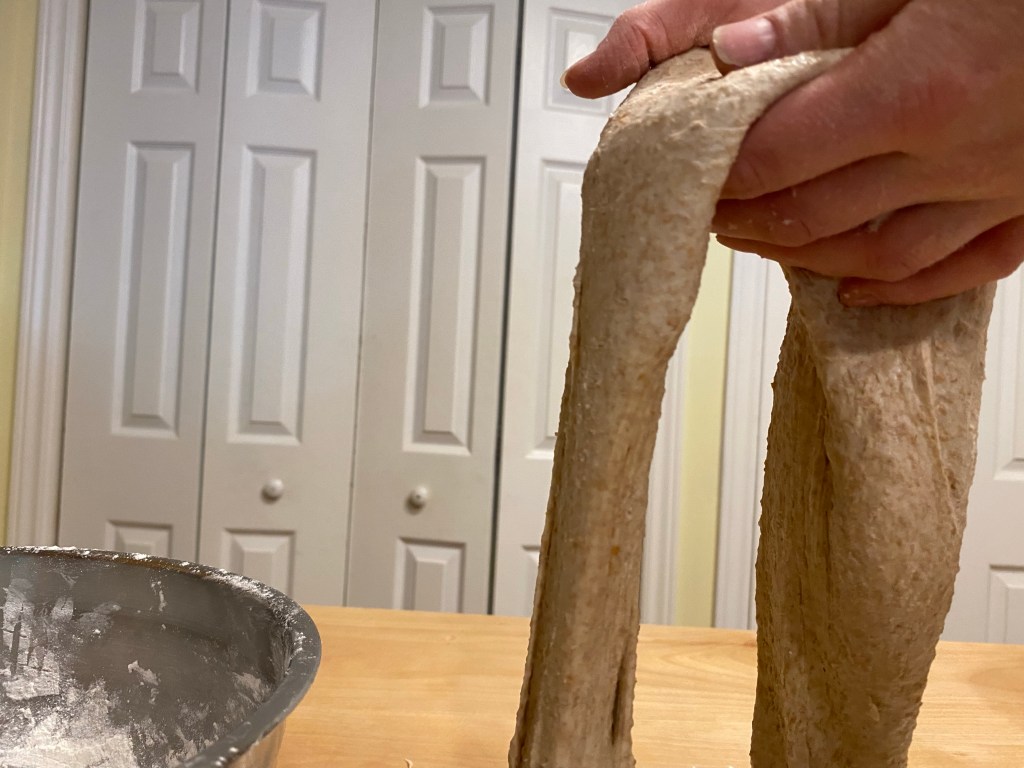
    • Wet both hands and loosen dough from edges of bowl. Using both hands, pick up dough from middle and let it droop over the sides of your hands. *See picture. Gently lower into bowl and let it fold on top of itself. Turn bowl 1/4 turn and repeat for total of 4 to complete full circle.
    • Note: If it is stiff at first, you can pick it up and gently stretch a little with your wet hands to encourage the gluten. *See picture.
    • Cover and rest 20 minutes
    • Repeat lift & fold full circle
    • Cover and rest 20 minutes

    2. Shape and Stuff

    • Preheat oven to 425 degrees fahrenheit.
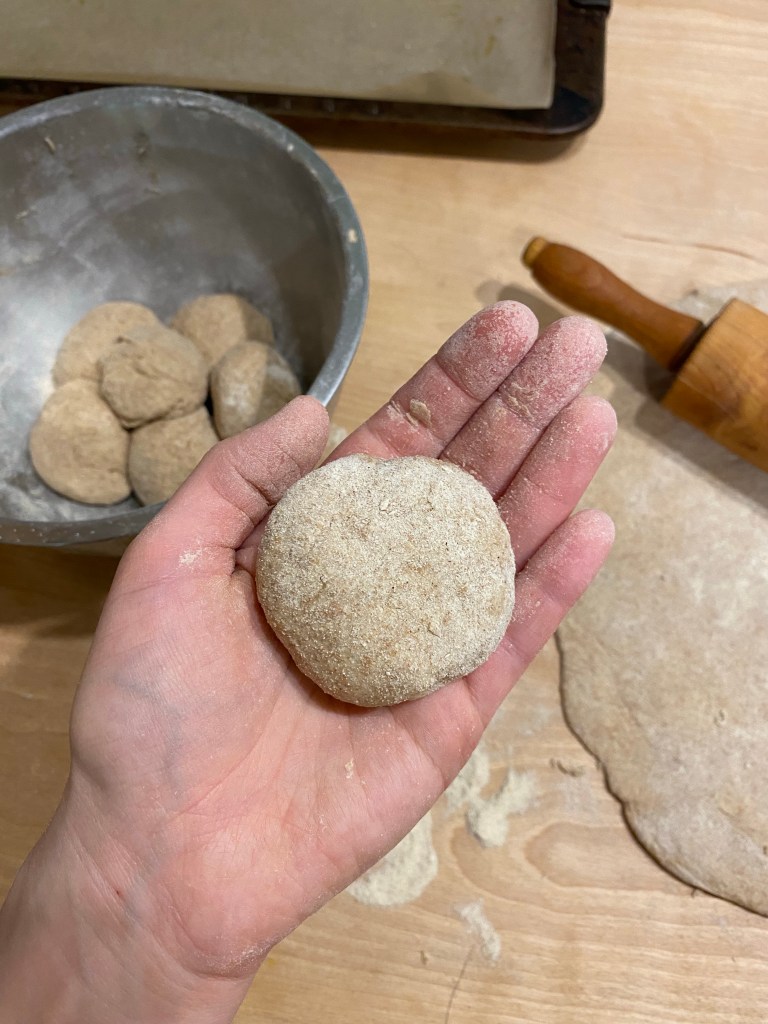
    • Separate the dough into 2″ balls. Roll out into 6-9″ diameter circles.
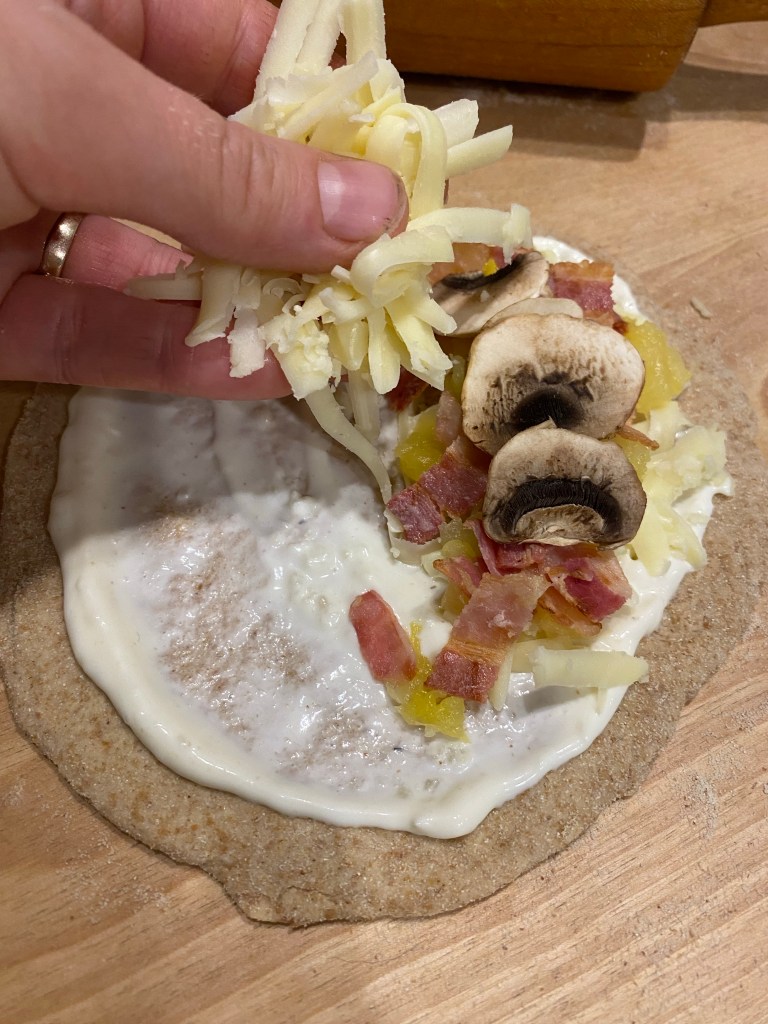
    • Cover the top with pizza sauce, or whatever sauce you like, leaving a 1/2-1″ edging around.
    • Fill one half of the dough with pizza toppings.

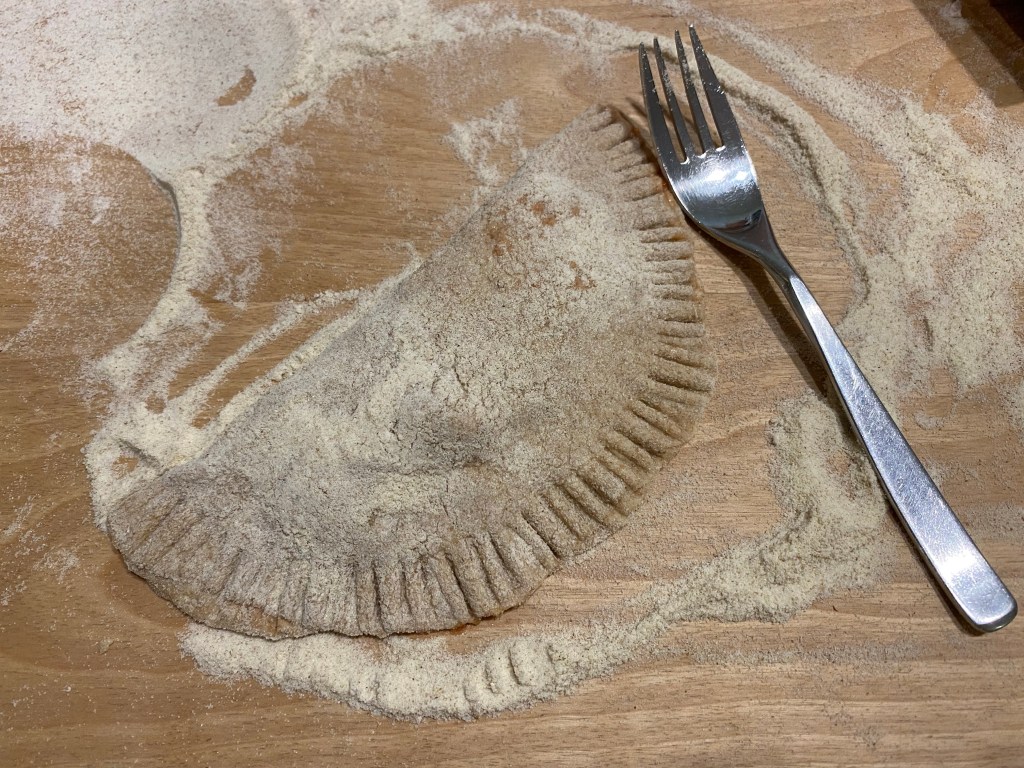
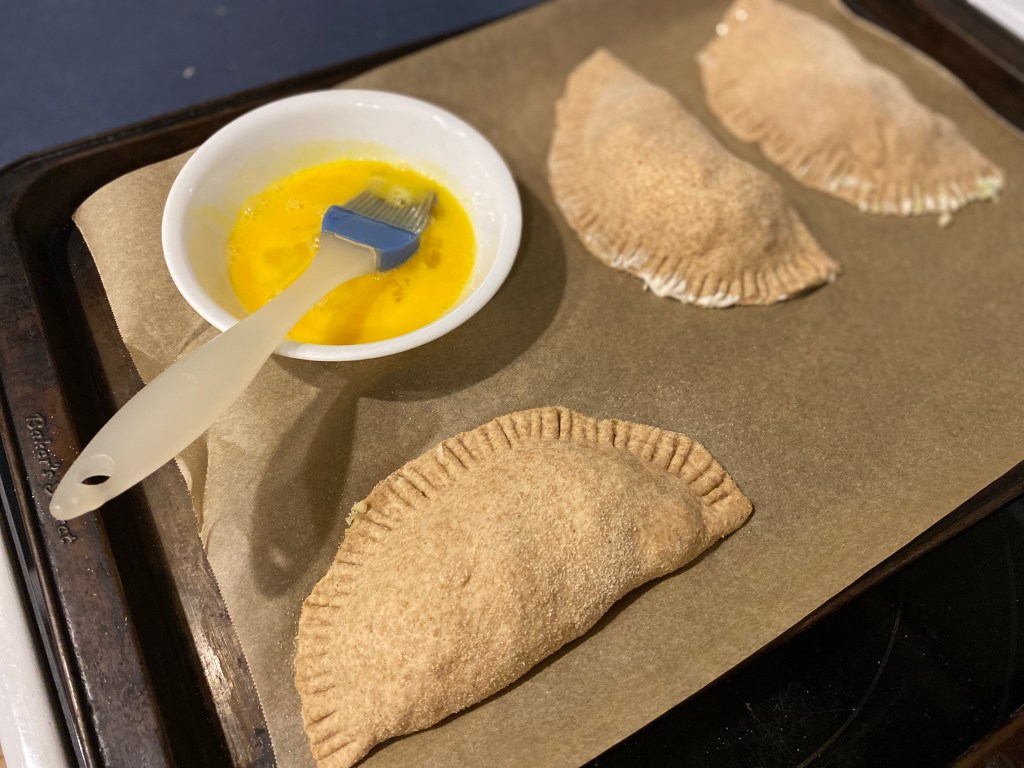
    • Fold over dough and press edges firmly with a fork.
    • Place on parchment covered baking sheets.
    • Cover dough with egg yolks and sprinkle with any seasonings or herbs.

    3. Bake the Panzerotti

    • Bake the panzerottis for 12-18 minutes until crust is cooked and golden brown.
    • Let cool for a few minutes before biting into!

    Other Soups and Entrees to Check Out:

    Hi, I’m Jessie!

    I’m a Wife and Homeschooling Mom living in a remote town in Northern Ontario, Canada. I love making wholesome meals for my family from scratch, homeschooling our girls and learning more about natural living.

    Read more about my story HERE.

    Subscribe to Northbird’s email list to get weekly posts on: tasty recipes, activity ideas for kids, natural living tips, and some genuine mom thoughts and encouragement!

    Sourdough Panzerottis

    • Servings: 16-18 panzerottis
    • Difficulty: Easy
    • Print

    Homemade Panzerottis (Pizza Pockets)


    Ingredients:

  • 1/3 cup active sourdough starter
  • 1 + 3/4 cup water, lukewarm
  • 4 cups all purpose flour
  • 2 teaspoons sea salt, finely ground


  • Please Note: This recipe takes two days to make.

    Directions: Day One


    1. Feed Your Starter In the Morning

    • The starter I use is mostly made from all purpose flour and whole wheat flour. I feed it once a day: 3 tablespoons of flour and 2 tablespoons of lukewarm water (well water or distilled water). After a good stir, it rests in a warm area of the kitchen and within 8-10 hours is ready. See above for more details on the starter
    • If your kitchen is warmer, than your starter may take less time to activate. You could feed your starter in the early afternoon instead to keep with this recipe’s timing.

    2. Mix your Dough in the Evening

    • Mix your active starter with the water and set aside. At this point if the measured starter floats on top of the measured water, you know it’s going to be a great rising pizza dough! Sometimes my timing has been a little off due to life getting crazy, and my starter doesn’t float (even though it looked bubbly and risen in the starter jar). If this happens to you, just add another 1-2 tablespoons of starter and it should still rise good.
    • Mix the flour and salt together in a larger bowl, then add the wet ingredients and stir together until it forms a sticky ball. I find it easier to finish mixing it with my hands. If it is dry, resist the urge to add any water! Cover with beeswax cover or plastic wrap and rest for 30 minutes.
    • I have made this recipe with spelt, whole wheat and all purpose flour, with similar results for each. Add a little more flour for spelt and whole wheat, or mix with all purpose to lighten it up a little.

    3. Stretch & Fold: 1st Way

    • Wet one hand and gently loosen dough from edges of bowl. Take a handful of dough from the top of the bowl and pull towards you *See picture. Turn bowl 1/4 turn and repeat for a total of 4 stretch & folds to complete circle.
    • Cover and rest 20 minutes.
    • Repeat stretch and fold full circle.
    • Cover and rest 20 minutes.
    • Repeat stretch and fold full circle.
    • Cover and rest overnight 10-12 hours.

    Directions: Day Two


    1. Lift & Fold: 2nd Way

    • Wet both hands and loosen dough from edges of bowl. Using both hands, pick up dough from middle and let it droop over the sides of your hands. *See picture. Gently lower into bowl and let it fold on top of itself. Turn bowl 1/4 turn and repeat for total of 4 to complete full circle.
    • Note: If it is stiff at first, you can pick it up and gently stretch a little with your wet hands to encourage the gluten. *See picture.
    • Cover and rest 20 minutes
    • Repeat 2nd way of stretch & fold full circle
    • Cover and rest 20 minutes

    2. Shape and Stuff

    • Preheat oven to 425 degrees fahrenheit.
    • Separate the dough into 2″ balls. Roll out into 6-9″ diameter circles.
    • Cover the top with pizza sauce, or whatever sauce you like, leaving a 1/2-1″ edging around.
    • Fill one half of the dough with pizza toppings.
    • Fold over dough and press edges firmly with a fork.
    • Place on parchment covered baking sheets.
    • Cover dough with egg yolks and sprinkle with any seasonings or herbs.

    3. Bake the Panzerottis

    • Bake the panzerottis for 15-18 minutes until crust is crispy and golden brown.
    • Let cool for a few minutes before biting into!

    Nutrition


    For approximately 1 Panzerotti, crust only: 121.6 calories; 1 g fat; 23.8 g carbohydrates;
    3.2 g protein; 290 mg sodium.

    Return to Top

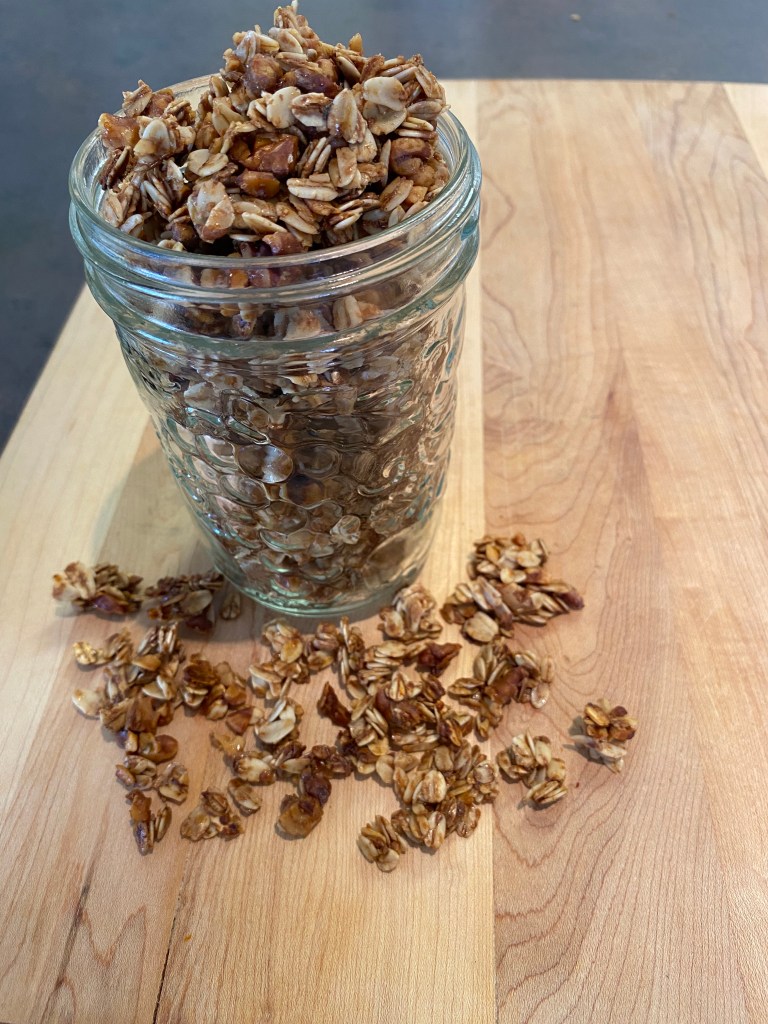
    Super Seed Granola

    Find Northbird on social media:

    This post contains affiliate links. As an Amazon associate, I earn from qualifying purchases. This means that I make a small commission at no extra cost to you. You can read my full disclosure HERE.

    Jump to Recipe

    Ways to Eat Granola:

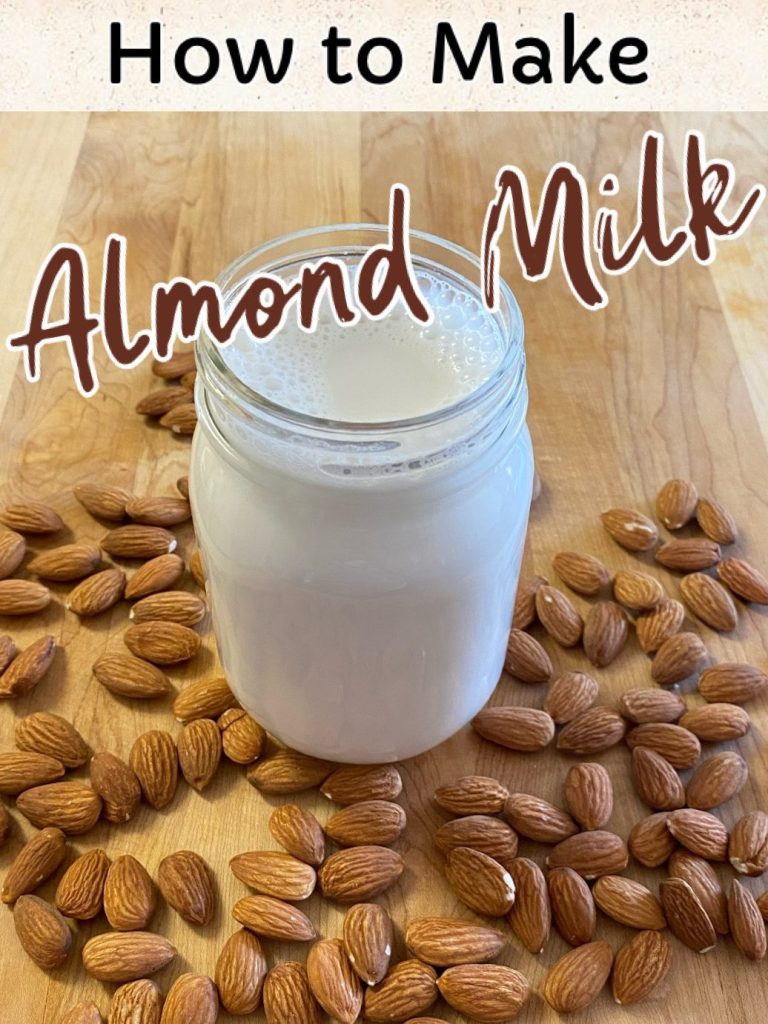
    • Breakfast bowl with regular milk, oat milk, soy, or nut milks (try it with Homemade Almond Milk!) and add some berries for fresh sweetness.
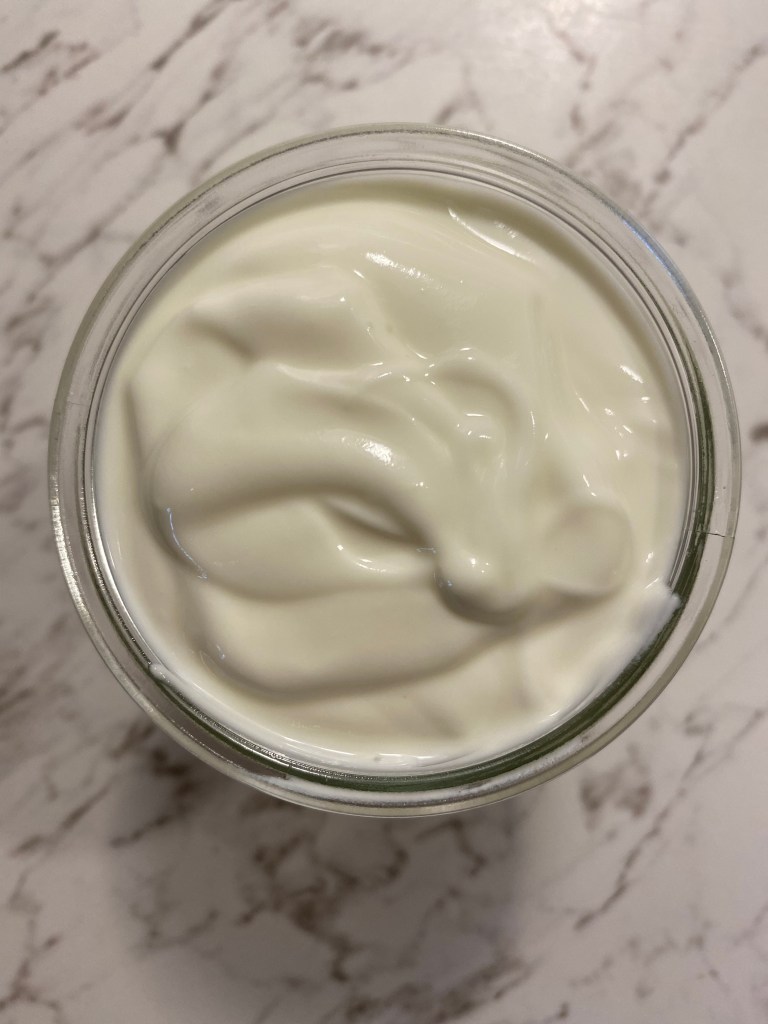
    • Enjoy a bowl on top of yogurt (try it with a fresh batch of Homemade Crockpot Yogurt).
    • Take a baggie of granola for your next hike or camping trip and add some dried fruit or seeds and nuts for a delicious trail mix.
    • Make a Breakfast Parfait with frozen berries and yogurt!
    • Use it as a baked desert crumb topping (Apple Crisp recipe coming soon!)
    • Make granola bars from it! (Recipe being developed)

    Health Benefits of Granola:

    Healthy granola recipes are usually high in protein, fibre and healthy fats due to recipe variations that may include oats, nuts, seeds, dried fruits and organic unrefined oils. They are packed full of nutritious options that make a filling, on-the-go quick breakfast or a delicious snack option.

    Protein:

    Protein is essential to the body for not only helping to build muscle mass and bones, but also very important for weight loss and regulating metabolism. Additional functions may consist of:

    • Slowing appetite and hunger cravings
    • Feel “full” for longer, less calories eaten
    • Helps with fat burning
    • Lowering blood pressure
    • Helps to maintain weight loss
    • Boosts metabolism
    • Builds muscle mass and strength
    • Lowers risk of osteoporosis and fractures
    • Helps to repair broken bones and tissues
    High Protein Ingredients You can put in Granola:
    NutsWalnuts, Almonds, Cashews, Peanuts, Pistachios, Brazil Nuts, Hazelnuts…
    SeedsChia, Hemp, Sesame, Sunflower, Pumpkin, Flax…
    Dried Fruits & BerriesApricot, Kiwi, Blackberries, Cherries, Raisins, Banana…

    Fibre:

    Fibre is mostly known for helping to keep the digestive system happy. Some other benefits of increased fibre may include:

    • Regulating bowel movements
    • Keeps you feeling fuller for longer
    • Assists in lowering cholesterol
    • Preventing blood sugar from spiking
    • Helps to lower blood pressure
    High Fibre Ingredients You can put in Granola:
    NutsChestnuts, Almonds, Hazelnuts…
    SeedsChia, Flax, Pumpkin, Sesame, Sunflower…
    Dried FruitsDates, Figs, Prunes, Apricots, Raisins…
    OatsOrganic Rolled Oats

    Fats:

    Fats are not only used as a source of energy in the body, but also aid in the following:

    • Help to insulate and protect the organs
    • Gives your body energy
    • Supports cell growth
    • Helps to regulate blood pressure and cholesterol
    • Assists the body in absorbing vitamins A, E & D
    • Reduces inflammation
    • Assists in cell growth
    High Fats Ingredients You can put in Granola:
    NutsWalnuts, Macadamia, Coconut, Cashews…
    SeedsSunflower, Pumpkin, Flax, Chia, Hemp…
    OilsCoconut oil, Avocado oil, Olive oil…
    Seed & Nut ButtersPeanut butter, Almond butter, Tahini, Sunflower seed butter, Pumpkin seed butter
    Dried Fruits & BerriesPlantain, Strawberries, Raspberries, Kiwi, Raisins

    Reasons to Make Your Own Granola:

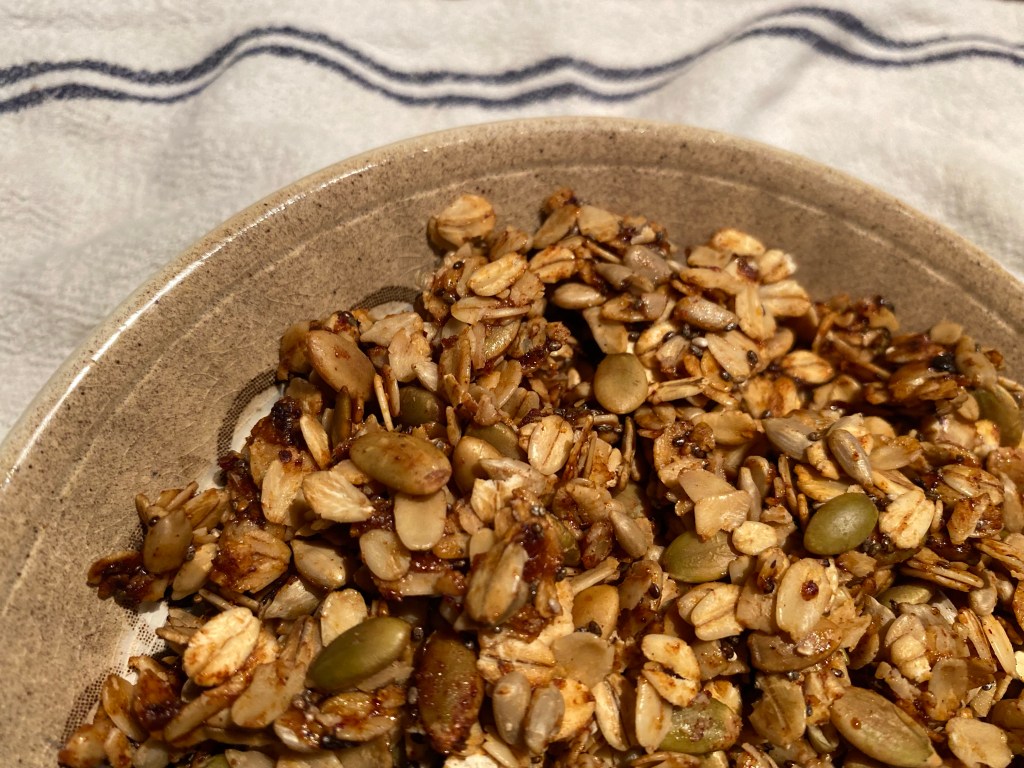
    • It is soooo easy! Chop… Melt… Mix… Spread… Bake… Eat!
    • Way less expensive than buying from the store.
    • Store-bought granolas are often made with lower quality ingredients and usually have more processed sugars and additives mixed in to prolong shelf life.
    • When you make your own granola you know exactly what ingredients you are eating!
    • Granola is a versatile recipe: You can add more nuts and seeds, and add dried fruits/berries at the end if desired.
    • Granola is one of those easy and quick breakfast solutions to help your day start smoothly!

    Try These Other Northbird Granola Recipes!

    Pecan Peach Granola

    This Granola blend has the crunchy delight of roasted pecans, sweetened with honey and dates, and filled with the flavour of summer peaches!

    Something went wrong. Please refresh the page and/or try again.

    How to Make Super Seed Granola

    Supplies Needed:

    Ingredients:

    Directions:

    1. Preheat oven to 300 degrees F.

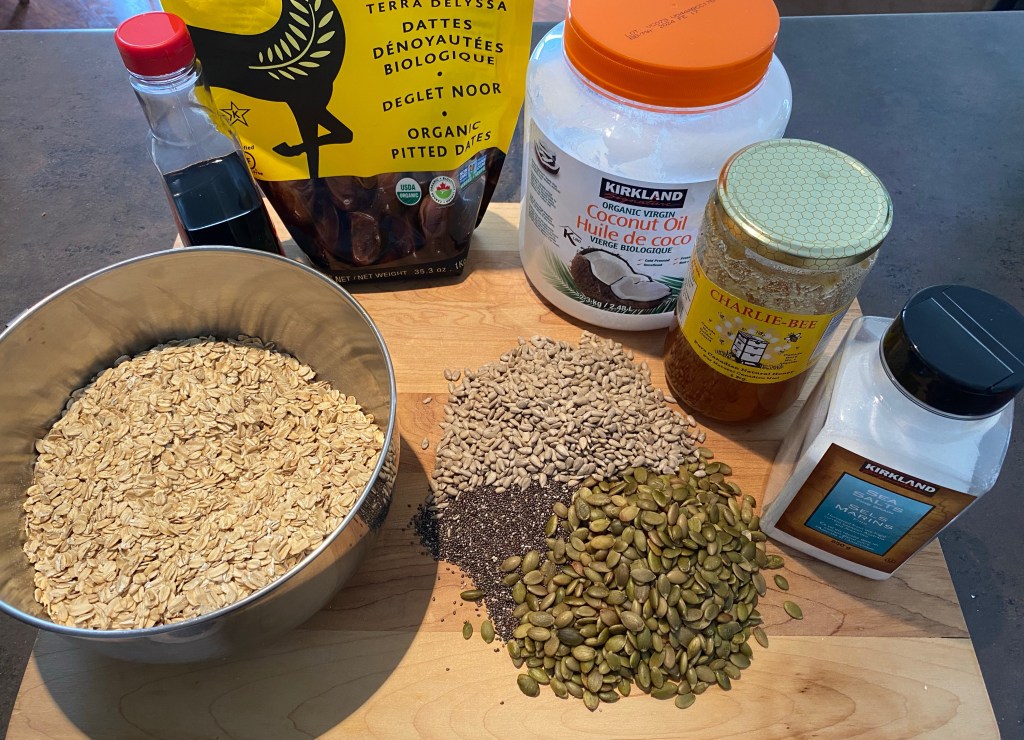
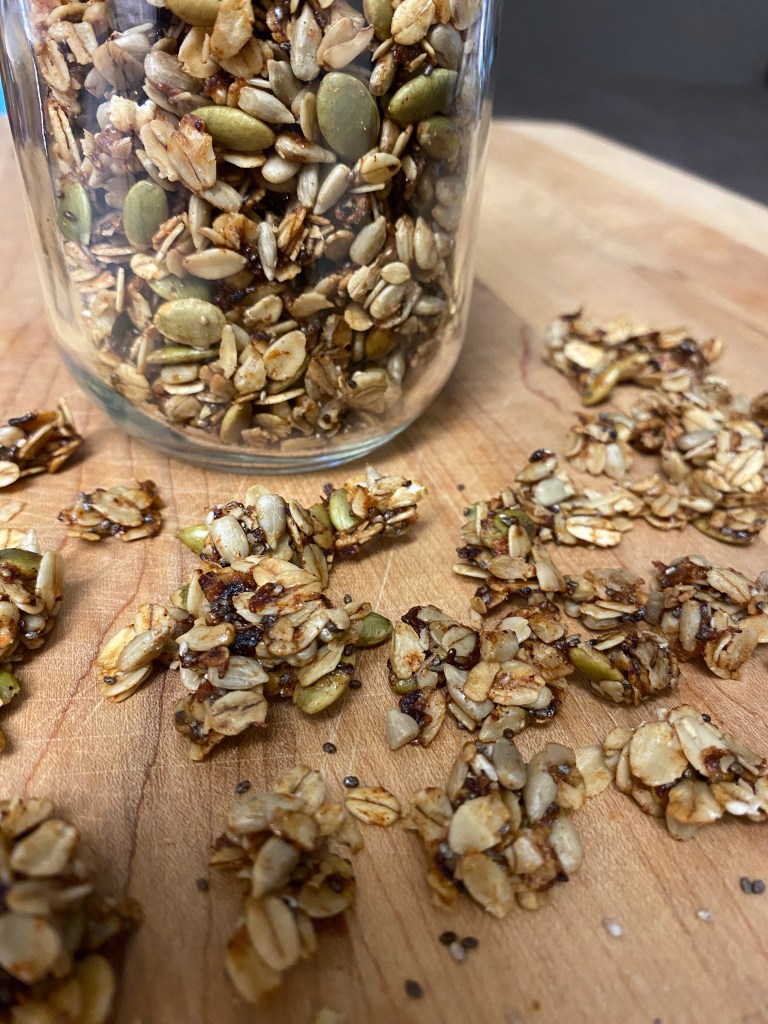
    2. Mix the oats, cinnamon, sunflower seeds, pumpkin seeds and chia seeds together in a large bowl. Set aside.

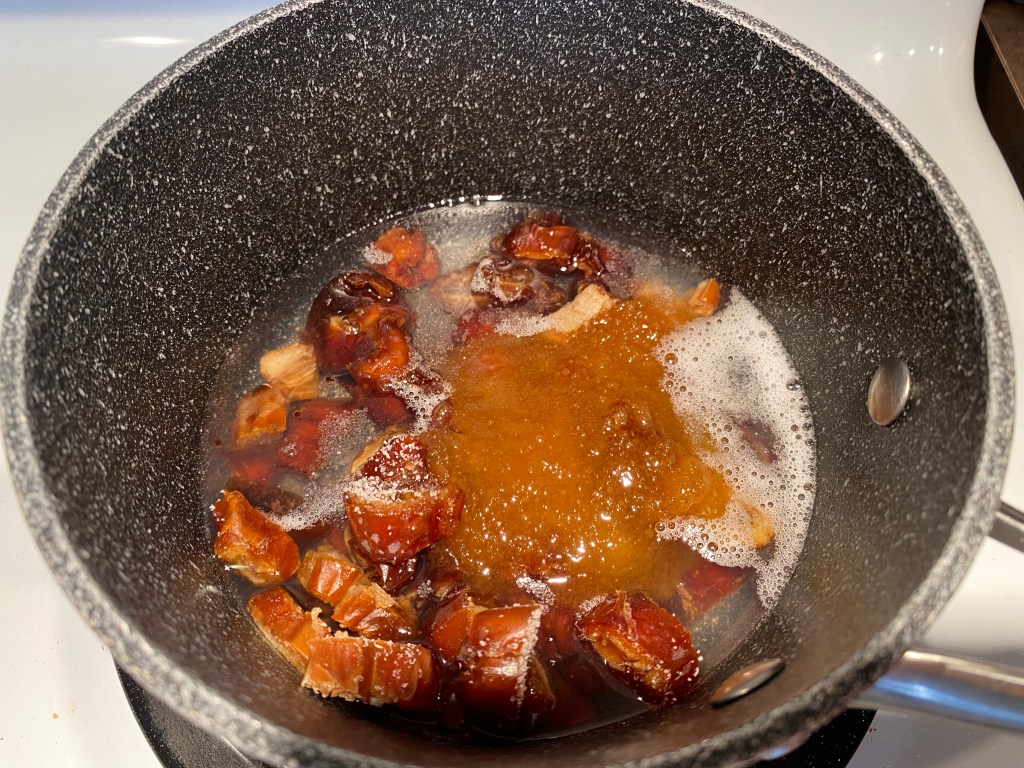
    3. Melt the coconut oil in a small pot and add chopped dates, honey, sea salt and vanilla. Stir and mash or lightly blend once the dates are softened.

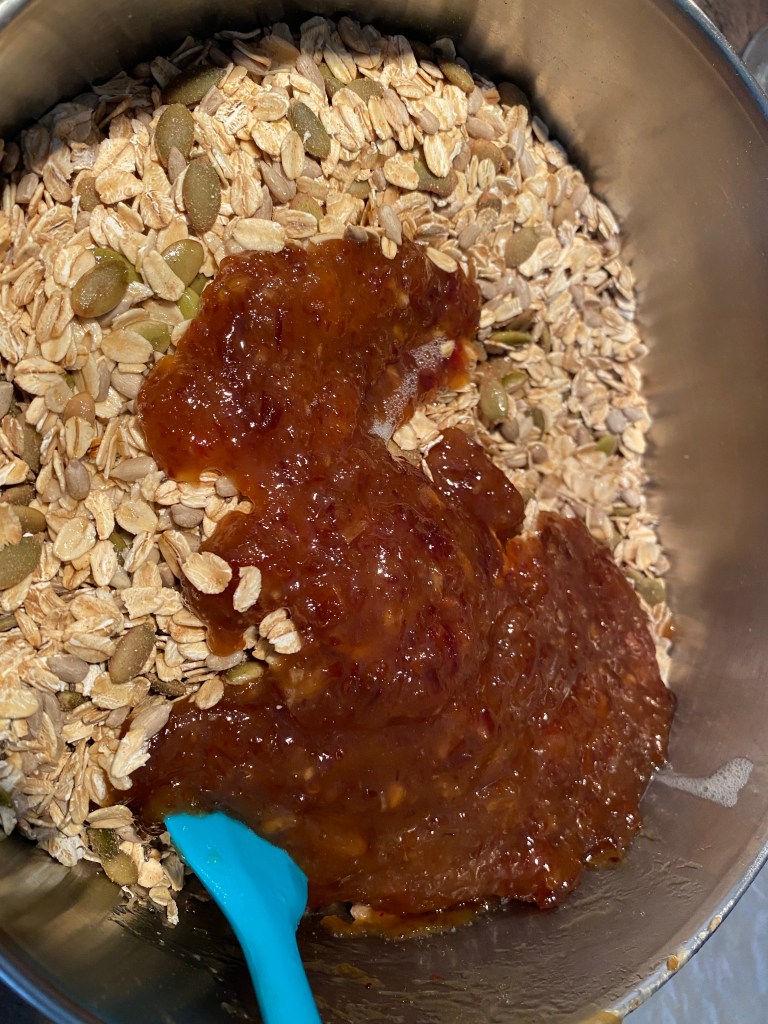
    4. Add the wet mix to dry mix and stir well. If it has cooled enough you can finish mixing with your hands (I always find this easiest, but be careful of the hot oil!)

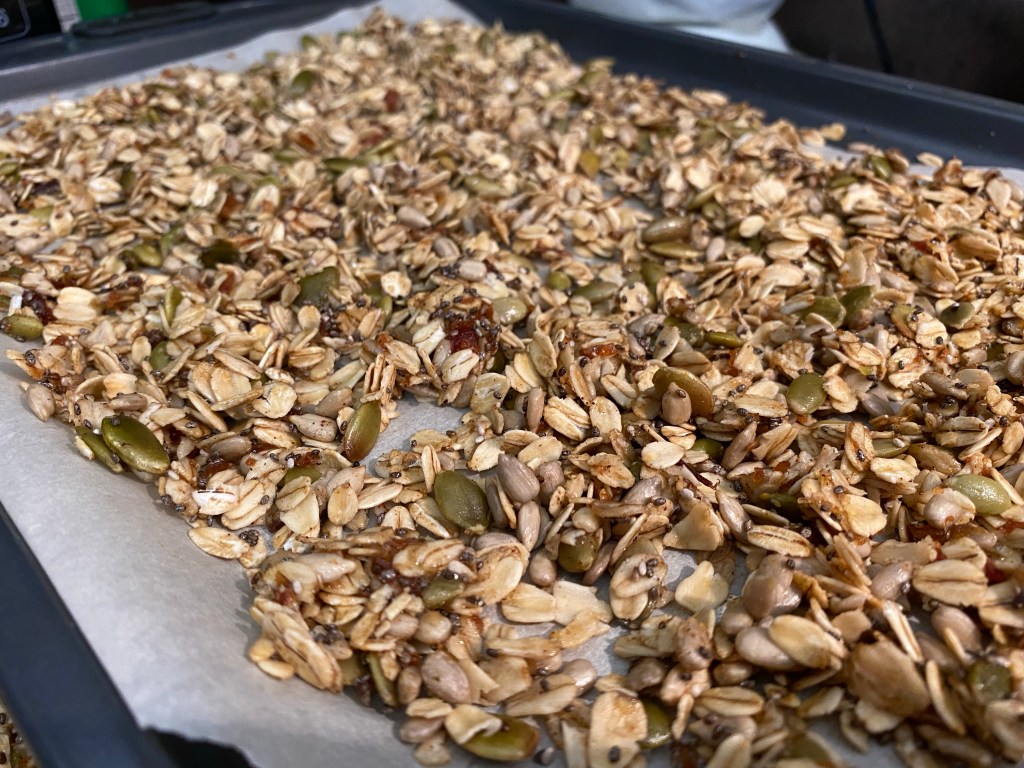
    5. Spread granola mix onto parchment covered cookie sheets. Granola should be in a single layer.

    6. Bake for 30-35 minutes (depending on your oven), until golden.

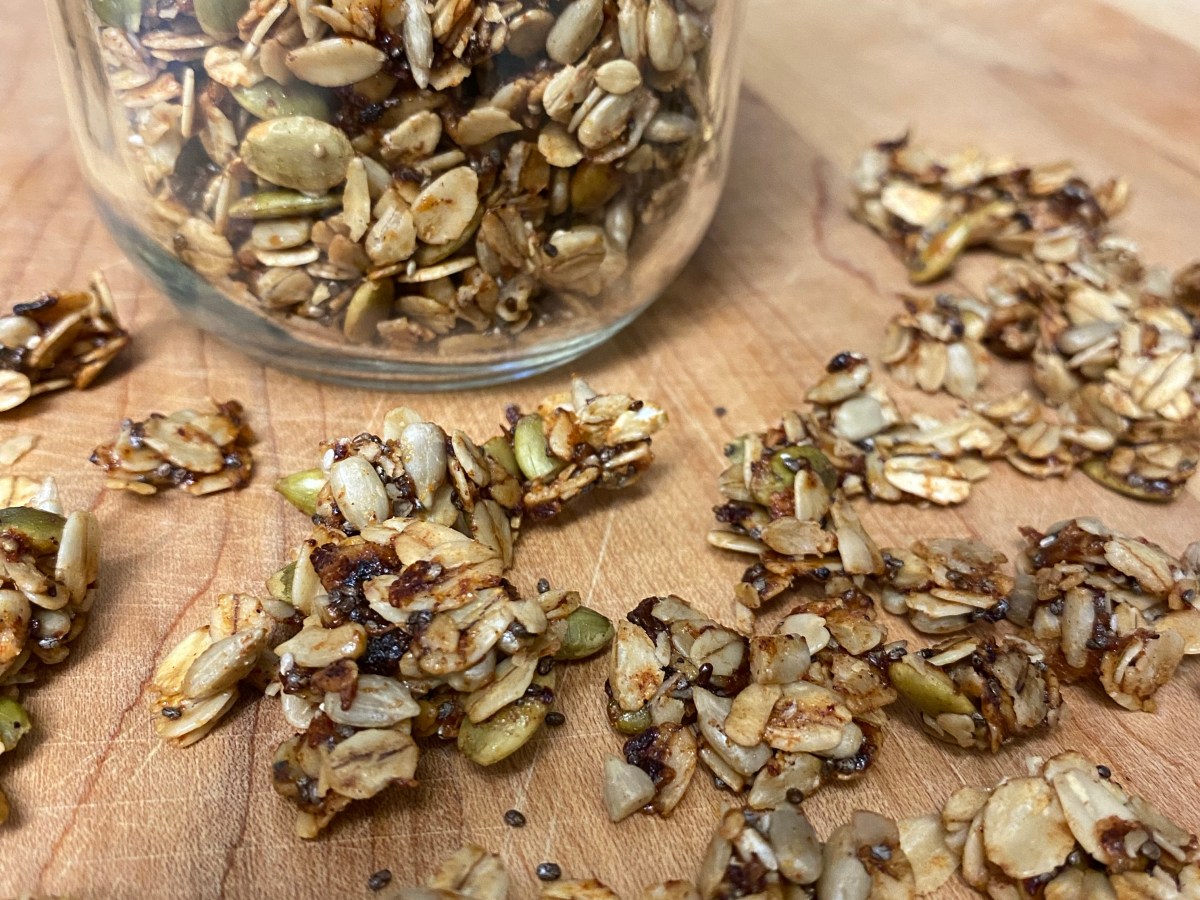
    7. Let cool and sit undisturbed for an hour, it will firm up as it cools down.

    8. Break into smaller pieces per preference, and store in airtight container for up to 1 month.

    Try this Granola recipe with some Homemade Almond Milk or Easy Crockpot Yogurt!

    Check out these other Breakfast Recipes from the Northbird Kitchen!

    Hi, I’m Jessie!

    I’m a Wife and Homeschooling Mom living in a remote town in Northern Ontario, Canada. I love making wholesome meals for my family from scratch, homeschooling our girls and learning more about natural living.

    Read more about my story HERE.

    Subscribe to Northbird’s email list to get weekly posts on: tasty recipes, activity ideas for kids, natural living tips, and some genuine mom thoughts and encouragement!

    Super Seed Granola

    • Servings: 8 cups
    • Difficulty: Easy
    • Print

    Energy Boost Granola


    Ingredients

  • 4 cups organic rolled oats
  • 1 teaspoon ground cinnamon
  • 1 cup sunflower seeds
  • 1 cup pumpkin seeds
  • 1/4 cup organic chia seeds
  • 1/3 cup melted organic, unrefined coconut oil
  • 1/2 cup chopped & pitted dates
  • 3 tablespoons unpasteurized honey
  • 1/2 teaspoon sea salt
  • 1/2 teaspoon pure vanilla

  • Directions

    1. Preheat oven to 300 degrees F.
    2. Mix the oats, cinnamon, sunflower seeds, pumpkin seeds and chia seeds together in a large bowl. Set aside.
    3. Melt the coconut oil in a small pot and add chopped dates, honey, sea salt and vanilla. Stir and mash or lightly blend once the dates are softened.
    4. Add the wet mix to dry mix and stir well. If it has cooled enough you can finish mixing with your hands (I always find this easiest, but be careful of the hot oil!)
    5. Spread granola mix onto parchment covered cookie sheets. Granola should be in a single layer.
    6. Bake for 30-35 minutes (depending on your oven), until golden.
    7. Let cool and sit undisturbed for an hour, it will firm up as it cools down.
    8. Break into smaller pieces per preference, and store in airtight container for up to 1 month.

    Nutrition


    Per 1 Cup Serving: 533 calories; 27 g fat; 63 g carbohydrates;
    14 g protein; 132 mg sodium.

    Return to Top

    How to Dehydrate Celery for Flavorful Recipes

    Find Northbird on social media:

    This post contains affiliate links. As an Amazon associate, I earn from qualifying purchases. This means that I make a small commission at no extra cost to you. You can read my full disclosure HERE.

    Jump to Recipe Card

    We love eating celery throughout the winter months, and frequently use it for making soups, stir frys, curries, stocks, sauces and stews.

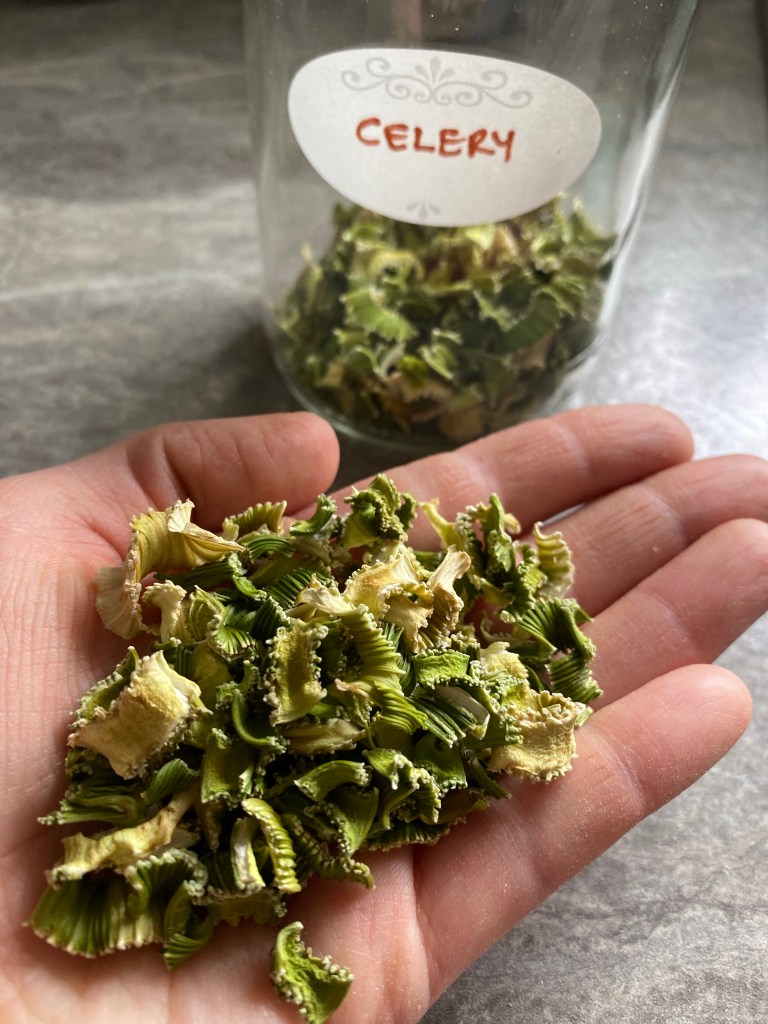
    When I started learning how to dehydrate vegetables, celery quickly became a favourite item and I always made sure to dehydrate lots of celery to store up for winter cooking.

    I find that dehydrated celery has a wonderful flavour and is one of my favourite staples to use particularly when making chicken stock.

    Can You Dehydrate Multiple Vegetables at the Same Time?

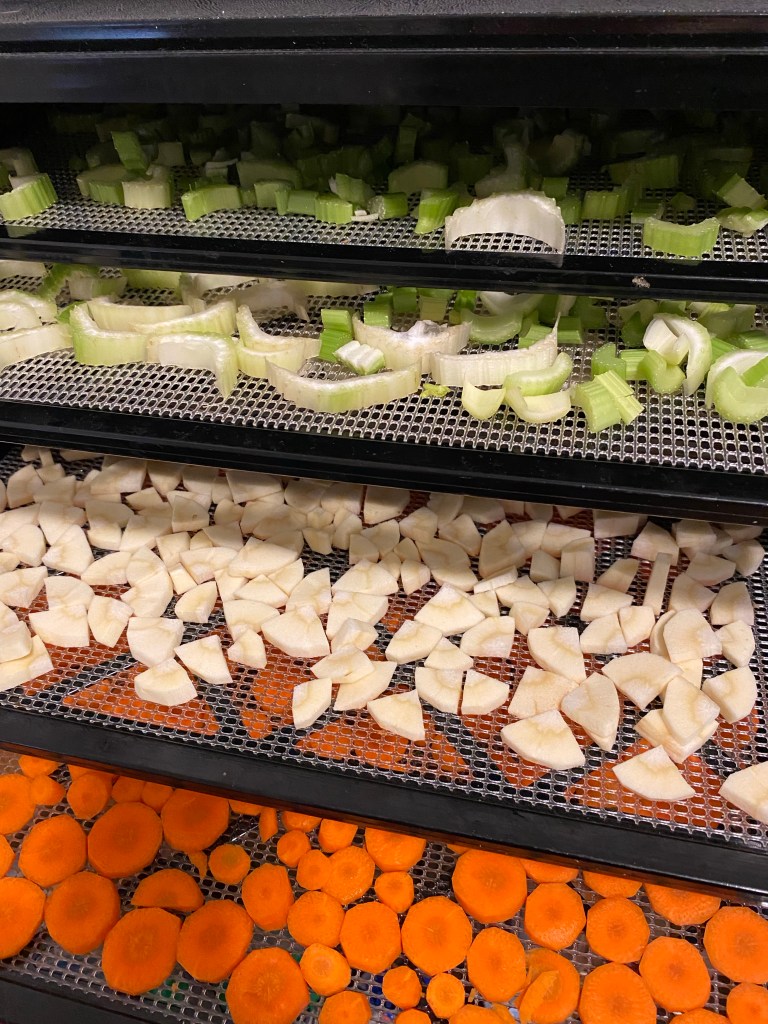
    We use a Excalibur Food Dehydrator, which has 9 large trays! So sometimes I have a small amount of one vegetable that must be dried and I end up filling the rest of the trays with a few other vegetables with a similar drying time and temperature.

    For example, during a recent trip to a grocery store I discovered several marked down bags of organic celery and oodles of parsnips (my favourite). Their blemishes earning them a 50%off badge? A few wrinkles! (Or in other words: already starting to dry/dehydrate!)

    After prepping both of these on several different trays I also cut up a few carrots that I had on hand to fill up the remaining 2 trays.

    Here is a basic guide for a few vegetables that have similar temperatures and drying times:

    VegetablePre-Treatment (Optional)TemperatureDrying Times
    BeetsBoil/Steam to cook through & peel.125 degrees F10-12 Hours
    CarrotsSteam blanch125 degrees F10-12 Hours
    CeleryWater blanch125 degrees F6-8 Hours
    OnionsN/A125 degrees F4-8 Hours
    ParsnipsWater or steam blanch125 degrees F8-10 Hours
    ZucchiniN/A125 degrees F8-10 Hours

    How Long Does Dehydrated Celery Last?

    Dehydrated celery and other fruits and vegetables are a great item to keep in your pantry because of the natural shelf life they give if properly stored.

    Most sources suggest around two years for best results, but I have heard of a few folks that use oxygen absorbers inside their mason jars that extend the shelf life by many years further.

    For long term storage, put your dehydrated celery bits in an airtight container (such as a jar) in your pantry for a week, and give the jar a shake once a day, checking for any missed moisture before storing in a cooler, dry location.

    If some moisture is spotted within this time, just put back in the dehydrator to dry a little longer. If any mold is noticed within the week, toss it all out and don’t risk eating. I tend to over-dry instead of under-dry, because of being paranoid of mold.

    Can You Dehydrate Celery in the Oven?

    I have not personally dehydrated celery in the oven, but from what I have researched, it is very easy to do so.

    The process is the same as with a dehydrator, but you would put the celery slices on a parchment-covered baking sheet. If you have more than one baking sheet, arrange the larger pieces on one sheet, and put the smaller pieces on another. (The smaller pieces will dry out faster so can be removed earlier).

    Then put on the middle oven rack with a preheated temperature of 150 degrees Fahrenheit (or the lowest temperature your oven has). Bake for 2-3 hours or until the pieces are dry and brittle.

    You can turn and stir the pieces around on the tray a couple of times during this time. The pieces are done when they can be snapped in half, not bent.

    Oven drying is a quicker process, but you will need a little more patience and keep a close eye on the small pieces to see that they don’t burn.

    How to Cook Dehydrated Celery:

    We love using dehydrated celery in crockpot soups, stews and curries. You can also blend up the dried celery bits to make celery powder for seasoning dishes.

    1 stalk of raw celery is roughly equal to 1 heaping tablespoon of dehydrated celery (or approximately 4 grams).

    If I am making a crockpot dinner dish, then I’ll just add the dried celery straight to the main mix and let it simmer and rehydrate while cooking. If I am making a dish on the stove that does not require much cooking time, then I will usually put the dried celery in a dish of water for a few minutes first to rehydrate it prior to cooking.

    Here are a couple Northbird recipes to use dehydrated celery in:

    How to Dehydrate Celery

    Supplies Needed:

    Ingredients:

    • Fresh celery

    Directions:

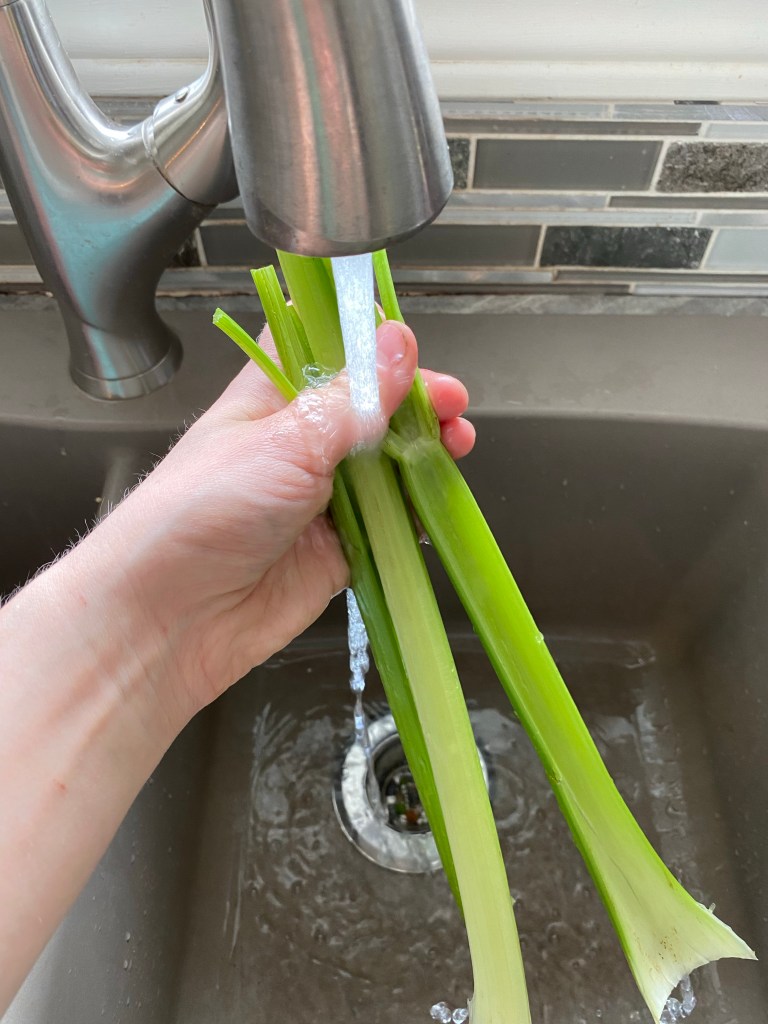
    1. Cut the ends off and wash well. If the celery is not organic, you may want to consider washing in a water and vinegar vegetable bath to help remove any pesticide field sprays. (Fill a large bowl with cold water and add a few tablespoons of white vinegar. Soak the celery for a minute and wash, rinse off)

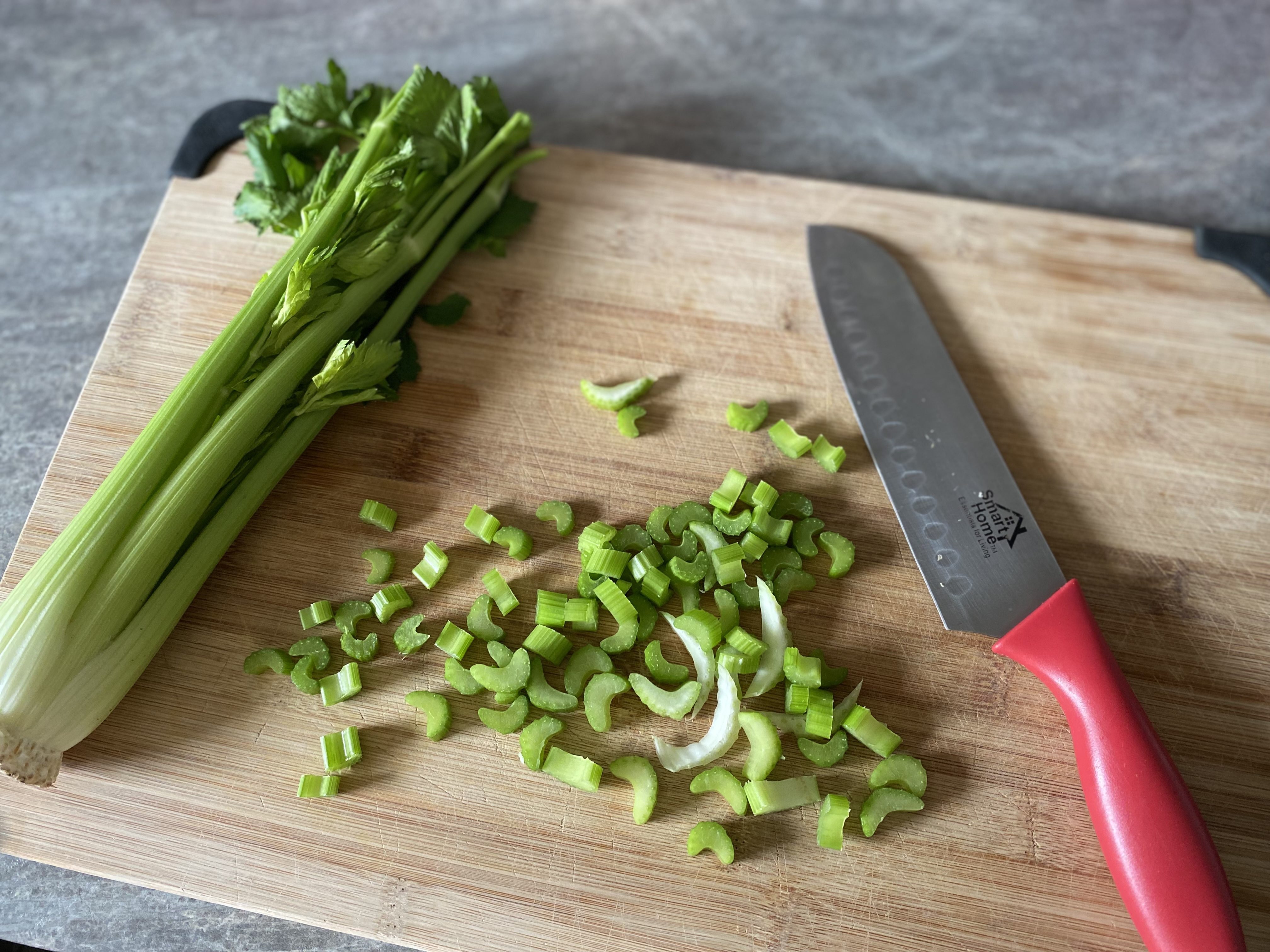
    2. Cut into slices 1/8”-1/4″ thick.

    3. Optional Pre-treatment: You can blanch the celery slices briefly by putting them in a pot of boiling water for 1 minute then putting them in a bowl of ice water.

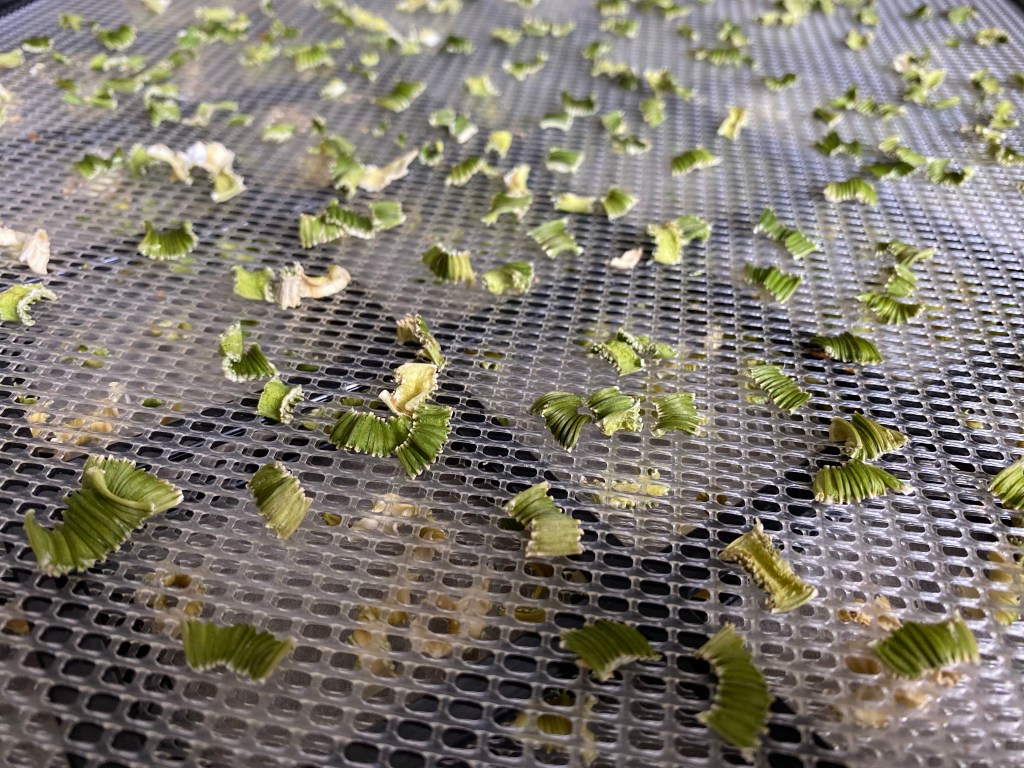
    4. Spread out slices on dehydrator trays without touching. I recommend putting smaller pieces on one tray and larger ones on another, that way the smaller pieces will be done drying sooner and can be removed.

    5. Set dehydrator temperature to 125 degrees fahrenheit, and set timer for 6-8 hours. Depending on the humidity in the room, they may take longer to dry.

    6. When crispy and fully dry, put into airtight container (I use 1 Litre glass jars) and store in a cool, dry place.

    Note: For long term storage, keep accessible in a dry place and monitor for a week. Give the jar a shake once a day, checking for any missed moisture before storing in a cooler, dry location.

    If some moisture is spotted within this time, just put back in the dehydrator to dry a little longer. If any mold is noticed within the week, toss it all out and don’t risk eating.

    Best to use within 1 year as long as they are dried fully and stored properly.

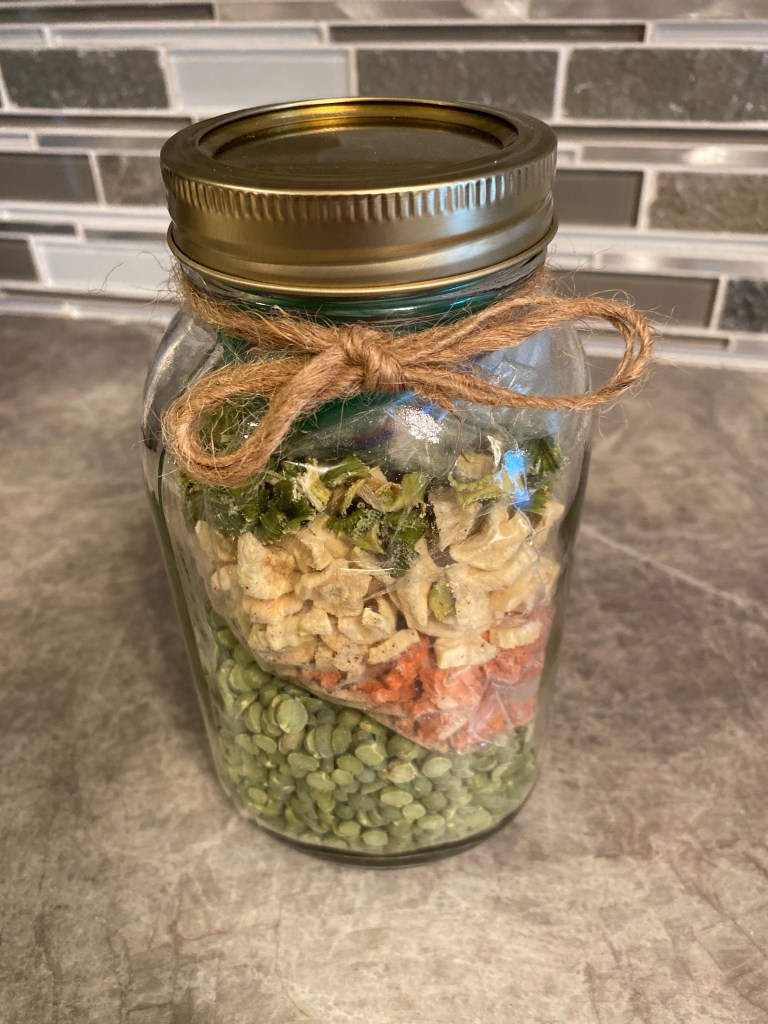
    Coming Soon! “Just Add Water: Veggie Soup Mix”, featuring all dehydrated vegetables, split peas and spices.

    Hi, I’m Jessie!

    I’m a Wife and Homeschooling Mom living in a remote town in Northern Ontario, Canada. I love making wholesome meals for my family from scratch, homeschooling our girls and learning more about natural living.

    Read more about my story HERE.

    Subscribe to Northbird’s email list to get weekly posts on: tasty recipes, activity ideas for kids, natural living tips, and some genuine mom thoughts and encouragement!

    How to Dehydrate Celery

    • Servings: 2 Litre Jars
    • Difficulty: Easy
    • Print

    A Winter Pantry Staple for Your Kitchen


    Supplies Needed

  • Dehydrator
  • Knife
  • Cutting board
  • Colander
  • Airtight container (I use 1L glass jars)
  • Oxygen Absorbers (Optional)

  • Ingredients

    • Fresh Celery

    Directions

    1. Cut the ends off and wash well. If the celery is not organic, you may want to consider washing in a water and vinegar vegetable bath to help remove any pesticide field sprays. (Fill a large bowl with cold water and add a few tablespoons of white vinegar. Soak the celery for a minute and wash, rinse off)
    2. Cut into slices 1/8”-1/4″ thick.
    3. Optional Pre-treatment: You can blanch the celery slices briefly by putting them in a pot of boiling water for 1 minute then putting them in a bowl of ice water.
    4. Spread out on dehydrator trays without touching. I recommend putting smaller pieces on one tray and larger ones on another, that way the smaller pieces will be done drying sooner and can be removed.
    5. Set dehydrator temperature to 125 degrees fahrenheit, and set timer for 6-8 hours. Depending on the humidity in the room, they may take longer to dry.
    6. When crispy and fully dry, put into airtight container (I use 1 Litre glass jars) and store in a cool, dry place.
    7. – Additional Note: For long term storage, keep accessible in a dry place and monitor for a week. Give the jar a shake once a day, checking for any missed moisture before storing in a cooler, dry location. If some moisture is spotted within this time, just put back in the dehydrator to dry a little longer. If any mold is noticed within the week, toss it all out and don’t risk eating. Best to use within 1 year as long as they are dried fully and stored properly.

    Nutrition


    Per 1 Cup: 200 calories; 10 g fat; 20 g carbohydrates;
    8 g protein.

    Return to Top

    Sourdough Cheesy Bagels

    Find Northbird on social media:

    This post contains affiliate links. As an Amazon associate, I earn from qualifying purchases. This means that I make a small commission at no extra cost to you. You can read my full disclosure HERE.

    Jump To Recipe

    Return to “Sourdough”

    Where do Bagels originate from?

    The common bagel is thought to have originated in Poland and other Eastern European countries around the 1600s. Later in the mid 1800s, Jewish immigrants brought the “bagel” with them to the United States and Canada.

    After this, the classic bagel became increasingly popular and a part of our western cuisine. The varying types of bagels we see today originate from the different communities that the Jewish and European immigrants came from.

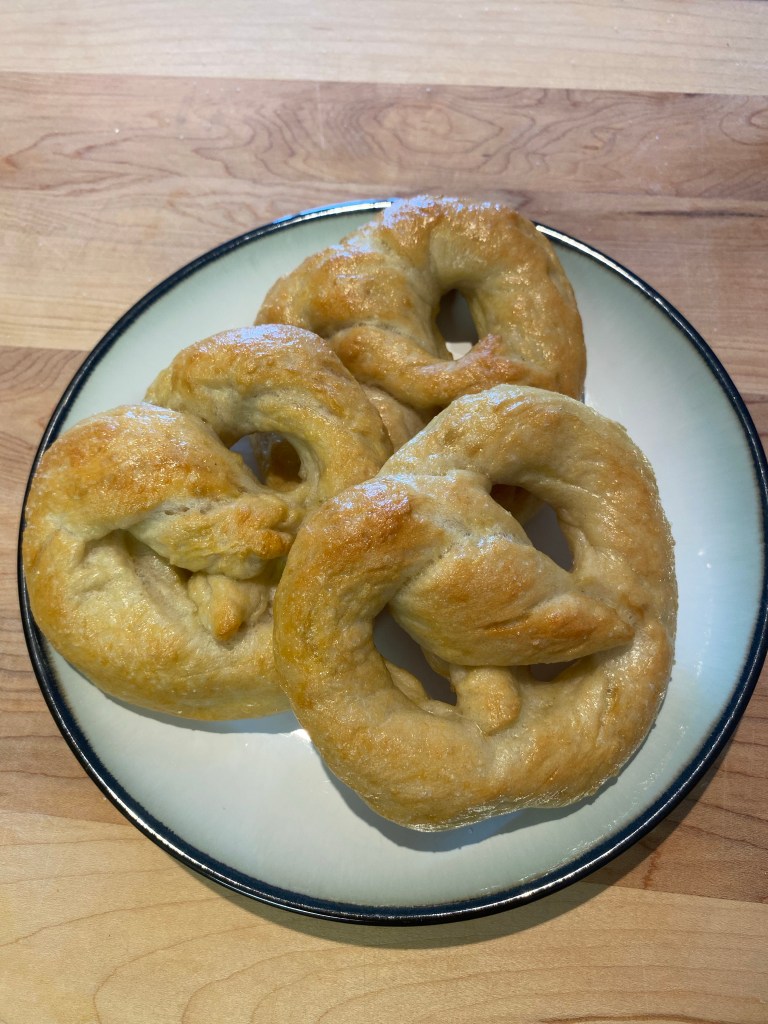
    The root dough recipe is very similar to that of soft pretzels, and you can easily mix one batch of dough to produce both bagels and soft pretzels. I have done this a few times, since each family member has their particular favourites!

    My daughter L had a lot of fun making these bagels with her two cousins A & M.

    It was a great homeschooling activity and they loved shaping the bagels and picking what flavours they wanted to make (and eat later!)

    We will soon share recipes for the other types of bagels that the girls and I came up with that day, using the same easy dough recipe!

    What is Sourdough?

    Sourdough is made using a fermented mixture of flour and water, called the “starter”, and mixed with more water, flour, and usually salt. The dough naturally rises as it ferments during resting stages. There is a lower amount of gluten in sourdough baking, which is why the dough needs to be “stretched” multiple times to help it expand and become fluffy.

    Are you new to Sourdough? Click HERE for a little more “starter” information found on my post “How to Make Sourdough Bread”.

    Is Sourdough Good For You?

    Sourdough is easier to digest than other traditional yeasted baking. The fermenting that takes place while making sourdough baking produces amino acids, which in turn produces enzymes that help to break down proteins and lower the overall gluten levels in the sourdough products (making it easier to digest).

    Whole grain sourdough products have a lower glycemic index than other types of bread, (specifically white flour baking) that have been processed and are packed full of preservatives. This means that sourdough baking has less of a glycemic spike, and more of a gradual release on the glycemic scale, making it a healthier option for those struggling with balancing blood sugar levels.

    Sourdough breads and baked goods contain higher levels of protein, fibre and nutrients than most traditional yeasted baking.

    • Sourdough baking still contains many of the natural nutrients that are processed out of the majority of other kinds of breads and baked goods.
    • Sourdough contains lower levels of phytate, which helps your body to absorb the nutrients easier than other breads.
    • Whole grain sourdough is considered a high-fiber food, which feeds the good bacteria in your gut and digestive system.
    • Common vitamins and minerals found in sourdough baking: Calcium, Iron, Manganese, B1-B6, B12, Potassium, Magnesium, Folate, Niacin, Zinc, Thiamin, Riboflavin, Selenium, Phosphorus, and Vitamin E.

    Other Bagel Recipe Variations:

    Use this one recipe to make many more kinds of bagels! Just omit the cheese and add the extra ingredients right before the dough is ready to be shaped into bagels. I’ll post more bagel recipes when I can, but until then have fun experimenting and trying some of these out!
    • Blueberry Bagels
    • Cinnamon Bagels
    • Cranberry Bagels
    • Chocolate Bagels (yessssss!)
    • Poppy-seed Bagels
    • Sesame Seed Bagels
    • Everything Bagels
    • Apple Cinnamon Bagels
    • Gingerbread Bagels
    • Cinnamon Raisin Bagels

    How to Make Cheesy Sourdough Bagels

    Supplies Needed:

    Ingredients:

    Dough

    Water Bath

    Topping

    • 1 egg
    • 1 cup grated cheese

    Directions:

    1. Mix your active sourdough starter with the water and honey. Mix the sea salt and flour together and add to the wet mixture. Mix all together well.

    2. Cover with a beeswax food cover or a towel and plate over bowl and let rest overnight or for 8-10 hours. Dough will be moist and spongy and will have doubled in size.

    3. Add 1 cup of cheese to bowl and work it into the dough. Knead dough on floured surface for 2 minutes until it is a soft dough ball. Form it into a “log” and divide and cut into 12 pieces.

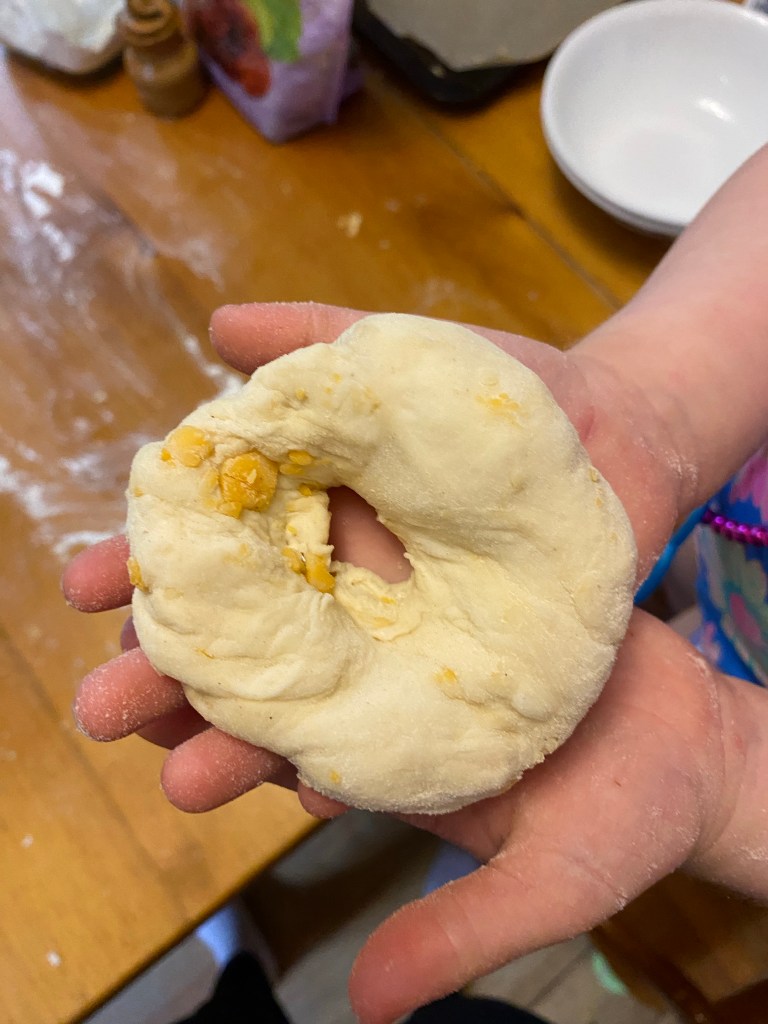
    4. Form each piece into a flattened “ball” then poke fingers through the middle to create a hole.

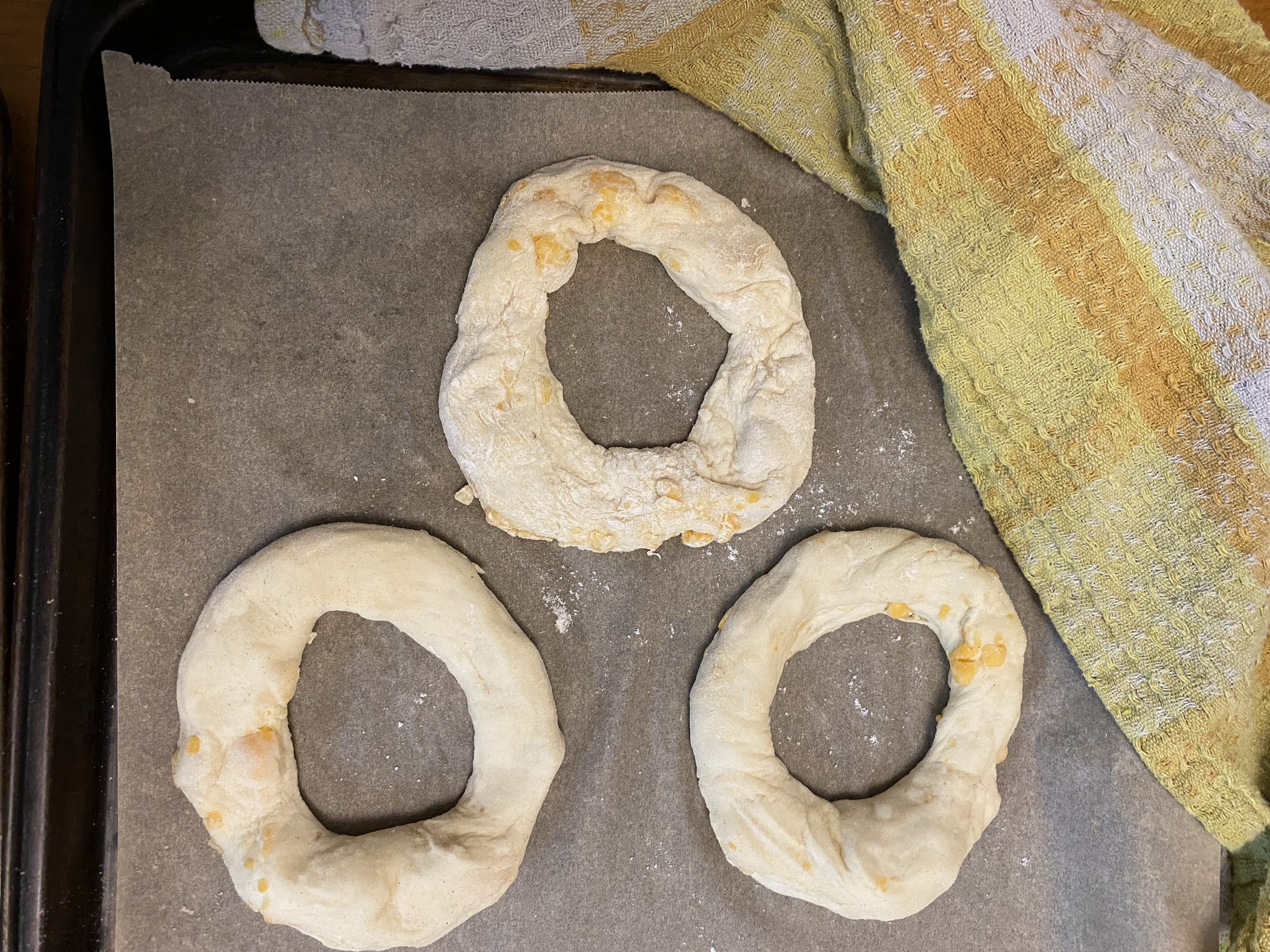
    5. Place on parchment-covered baking sheet and cover with a tea towel. Let rest for 1 hour. (Note that at this stage the bagels will expand and puff up, so thinner is good prior to resting. You can always gently stretch them before putting in the water bath too.)

    6. Preheat oven to 425 degrees Fahrenheit.

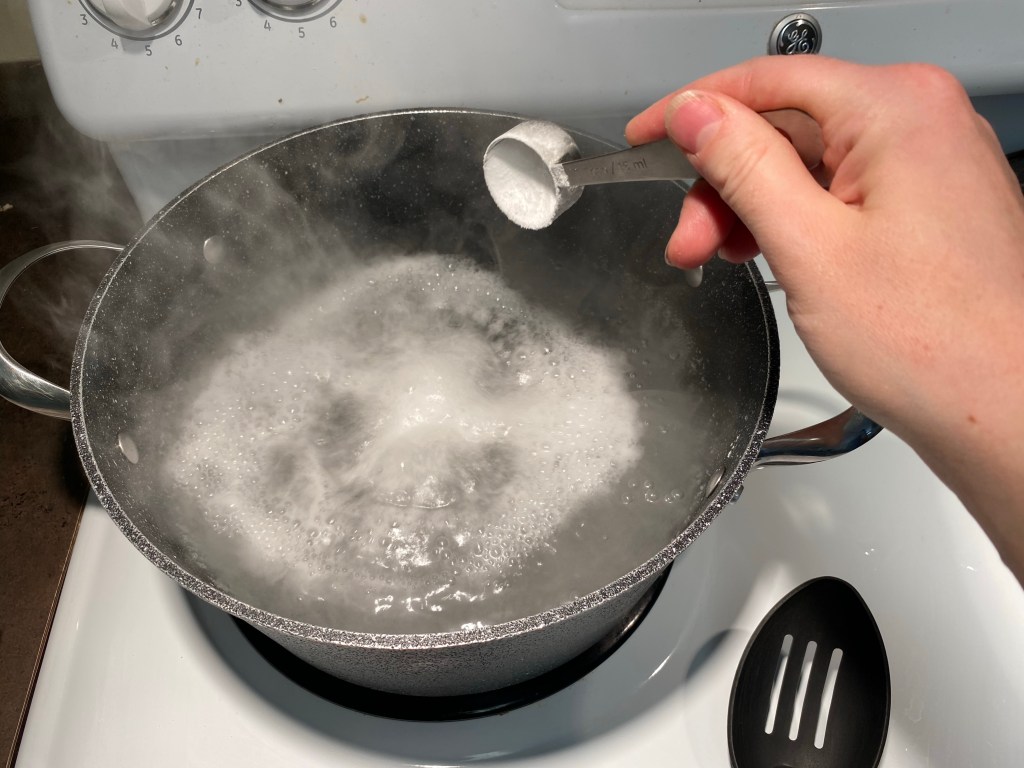
    7. Boil 6 cups of water in a large pot and add baking soda and sugar. When it is a rolling boil, add 3-4 bagels gently with a large slotted spoon.

    8. Set the timer for 30 seconds, then turn them over for another 30 seconds on the other side. Transfer them back to the baking sheet.

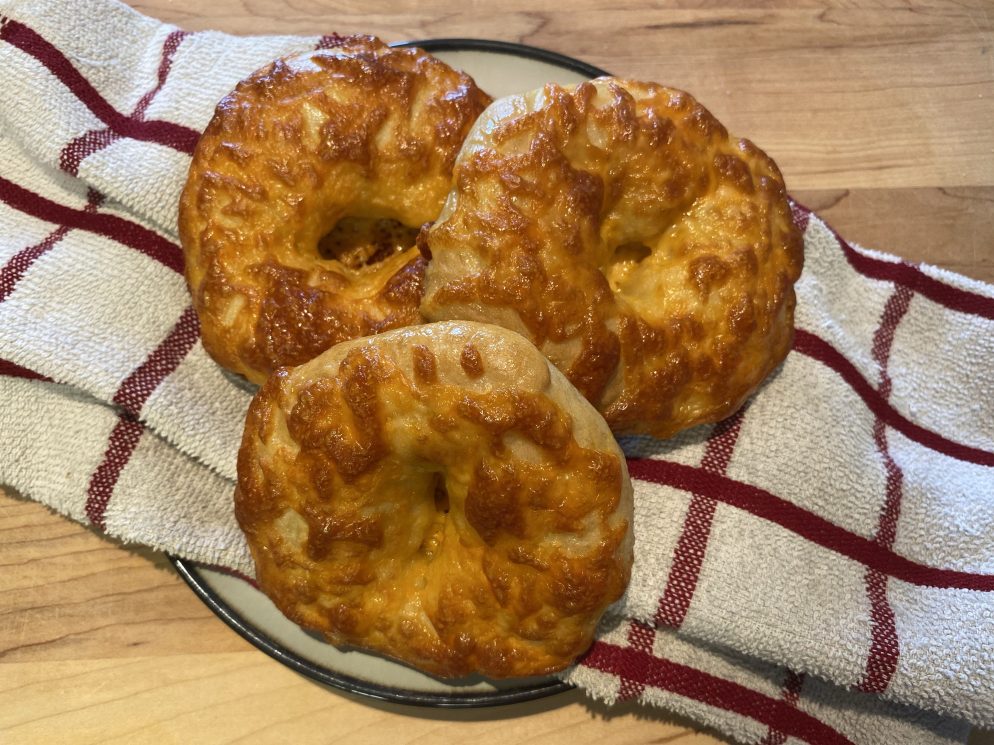
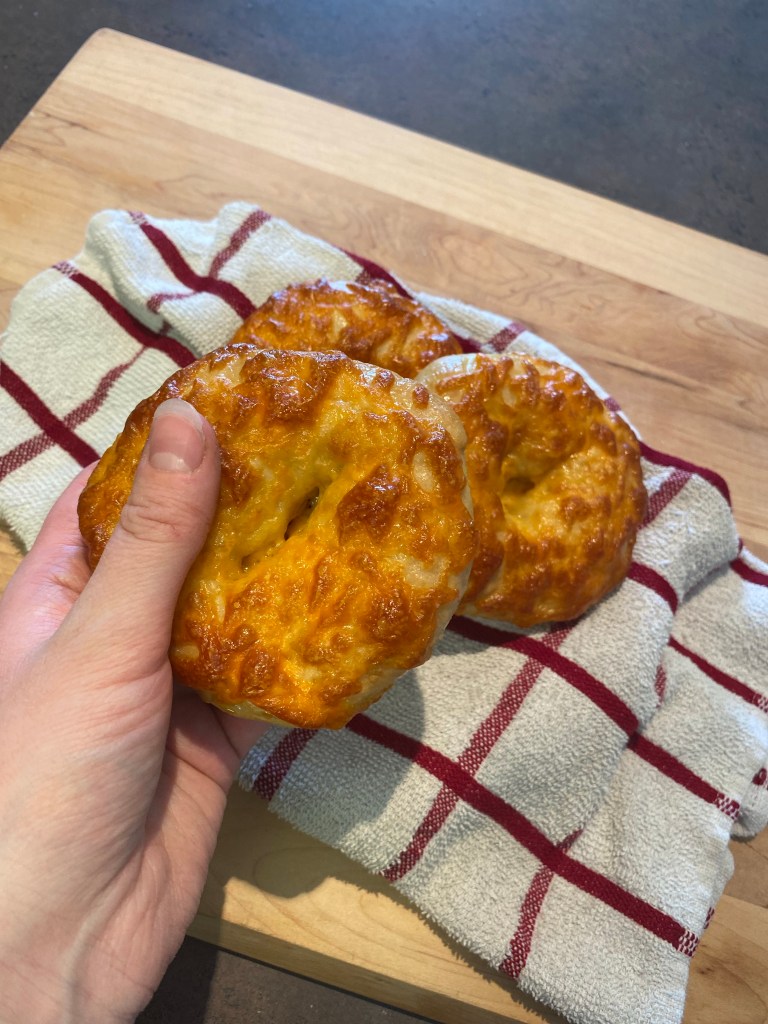
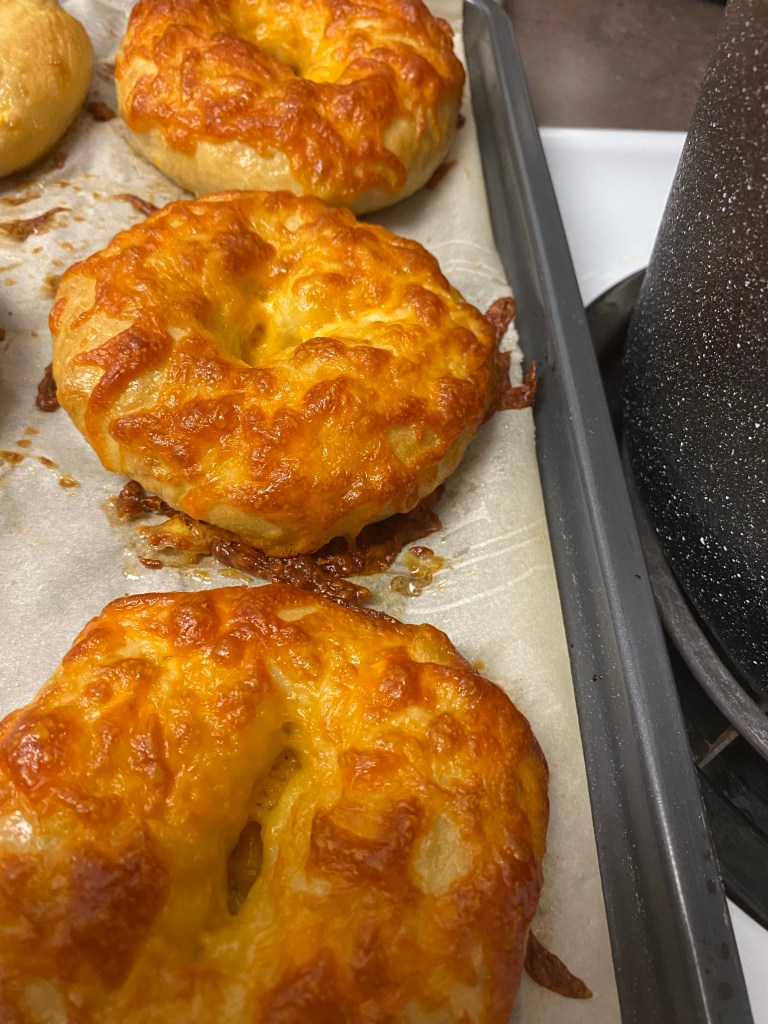
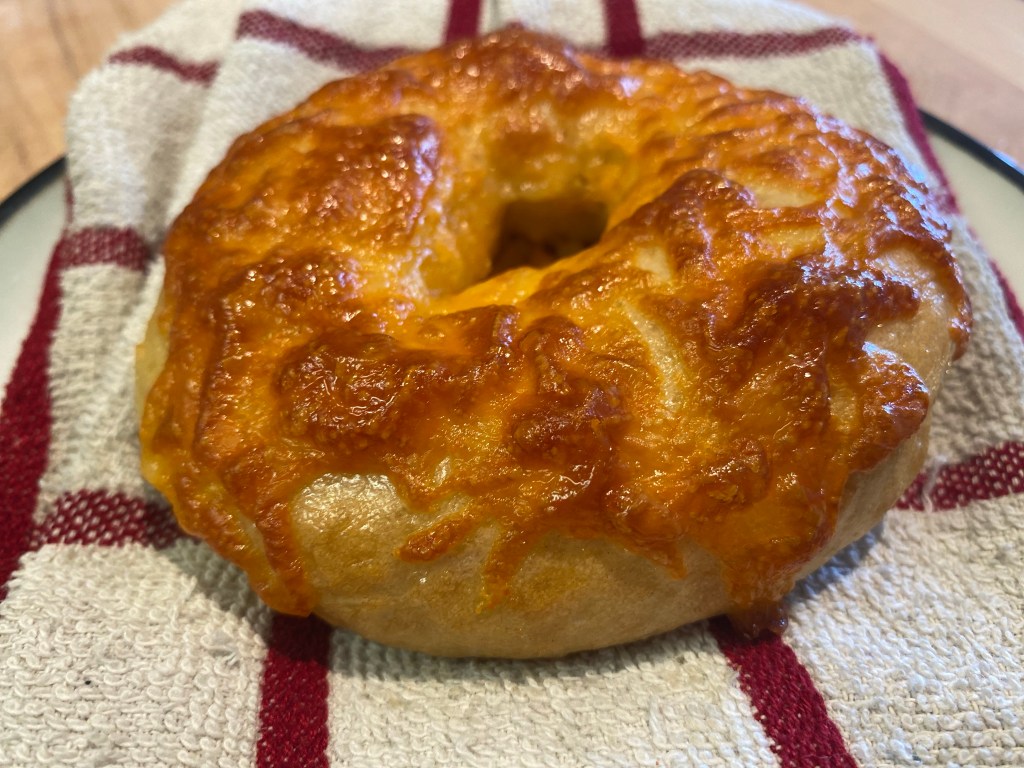
    9. When all the bagels are back on the baking sheets, whisk up an egg and paint the bagels with a cooking brush. Put generous amount of shredded cheese on top (We like to use a nice cheddar, but have also used marble and mozzarella).

    10. Bake the bagels on the middle rack in oven for 14-16 minutes or until golden brown on top and bottom and cheese starts to bubble. Let cool on baking sheets or rest at least 10 minutes before biting into. Enjoy!

    11. Store at room temperature for 5 days in an airtight container, or freeze for up to three months in a freezer bag. Thaw in fridge then warm in the oven to freshen them up.

    Enjoyed this recipe?

    You can turn this Cheesy Sourdough Bagel Recipe into a Sourdough Soft Pretzel Recipe! Click HERE to learn how to shape the pretzels and how to add additional ingredients to make many more types of pretzels!

    Other Tasty Sourdough Recipes to Check Out!

    Hi, I’m Jessie!

    I’m a Wife and Homeschooling Mom living in a remote town in Northern Ontario, Canada. I love making wholesome meals for my family from scratch, homeschooling our girls and learning more about natural living.

    Read more about my story HERE.

    Subscribe to Northbird’s email list to get weekly posts on: tasty recipes, activity ideas for kids, natural living tips, and some genuine mom thoughts and encouragement!

    Cheesy Sourdough Bagels

    • Servings: 12 Bagels
    • Difficulty: Easy
    • Print

    Soft and Cheesy Sourdough Bagel Recipe


    Ingredients: Dough

  • 1/3 cup active sourdough starter (*New to Sourdough? Click HERE for more “starter” information)
  • 1 + 1/2 cups water
  • 2 Tablespoons honey
  • 1 3/4 teaspoon sea salt, finely ground
  • 4 cups all purpose flour
  • 1 cup grated cheese

  • Ingredients: Water Bath

  • 6 cups water
  • 2 tablespoons baking soda
  • 1 tablespoon sugar

  • Ingredients: Topping

    • 1 egg
    • 1 cup grated cheese

    Directions:

    1. Mix your active sourdough starter with the water and honey. Mix the sea salt and flour together and add to the wet mixture. Mix all together well.
    2. Cover with a beeswax food cover or a towel and plate over bowl and let rest overnight or for 8-10 hours. Dough will be moist and spongy and will have doubled in size.
    3. Add 1 cup of cheese to bowl and work it into the dough. Knead dough on floured surface for 2 minutes until it is a soft ball. Form it into a “log” and divide and cut into 12 pieces.
    4. Form each piece into a flattened “ball” then poke fingers through the middle to create a hole.
    5. Place on parchment-covered baking sheet and cover with a tea towel. Let rest for 1 hour. (Note that at this stage the bagels will expand and puff up, so thinner is good prior to resting. You can always gently stretch them before putting in the water bath too.)
    6. Preheat oven to 425 degrees fahrenheit.
    7. Boil 6 cups of water in a large pot and add baking soda and sugar. When it is a rolling boil, add 3-4 bagels gently with a large slotted spoon.
    8. Set the timer for 30 seconds, then turn them over for another 30 seconds on the other side. Transfer them back to the baking sheet.
    9. When all the bagels are back on the baking sheets, whisk up an egg and paint the bagels with a cooking brush. Put generous amount of shredded cheese on top (We like to use a nice cheddar, but have also used marble and mozzarella).
    10. Bake the bagels on middle rack in oven for 14-16 minutes or until golden brown on top and bottom and cheese has started to bubble. Let cool on baking sheets or rest at least 10 minutes before biting into!
    11. Store at room temperature for 5 days in an airtight container, or freeze for up to three months in a freezer bag. Thaw in fridge then warm in the oven to freshen them up.

    Nutrition


    Per 1 Cheesy Bagel: 249 calories; 7.1 g fat; 36.6 g carbohydrates;
    9.2 g protein.

    Return to Top

    Coconut Vanilla Sugar Scrub

    Find Northbird on social media:

    This post contains affiliate links. As an Amazon associate, I earn from qualifying purchases. This means that I make a small commission at no extra cost to you. You can read my full disclosure HERE.

    Jump to Recipe Card

    Return to Natural Living

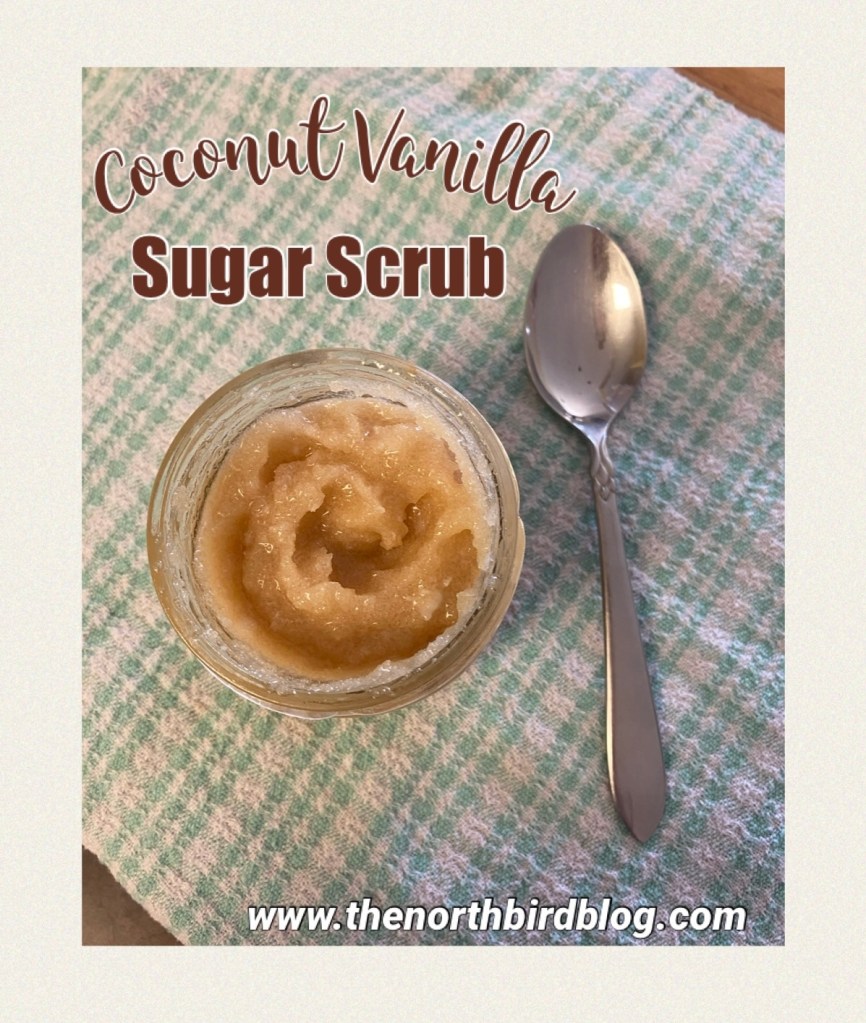
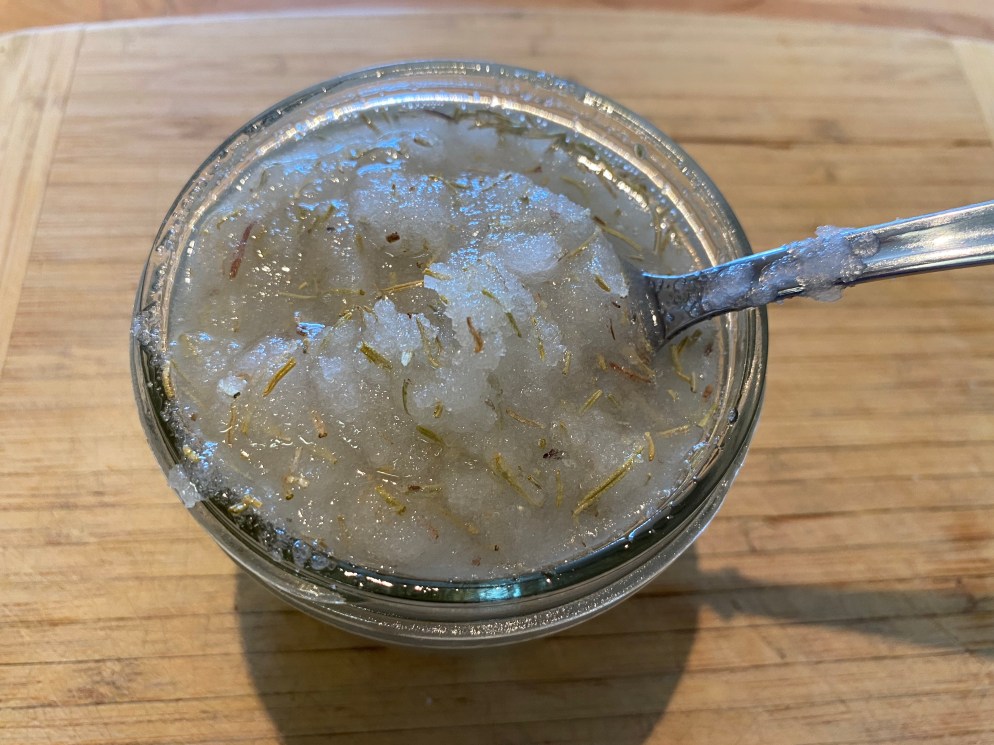
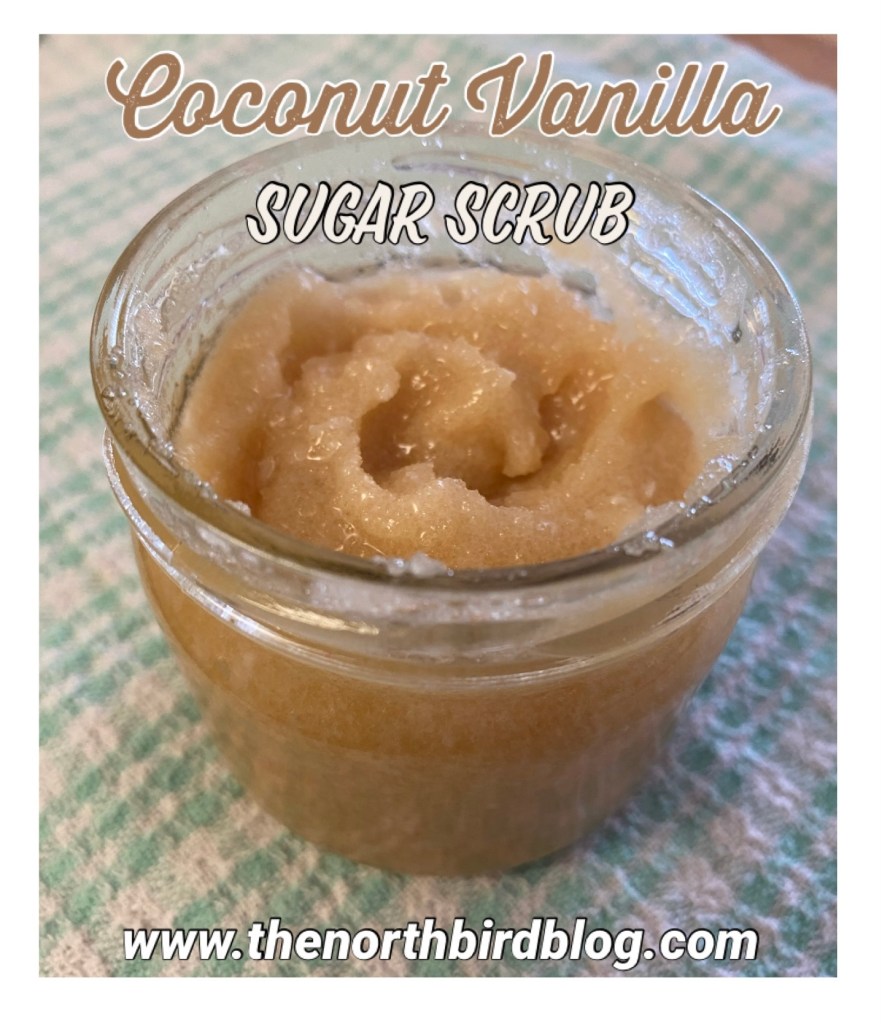
    This Coconut Vanilla Sugar Scrub has a homey, comforting vanilla scent and has been one of my favourite blends made so far.

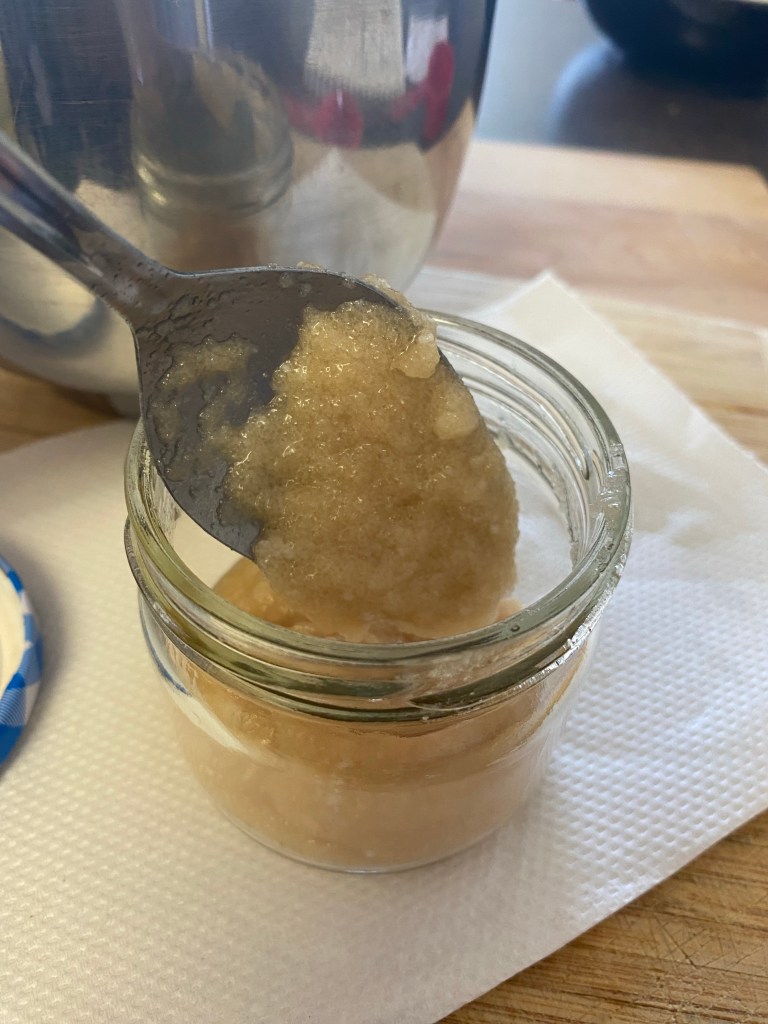
    The first time I made it with my daughter was without adding a topical skin care oil (such as vitamin e oil or jojoba oil), so it was completely safe to lick our fingers while stirring it and spooning it into the jar!

    If you are tempted to taste this particularly delicious sugar scrub, perhaps keep in mind that the skin care oils suggested in the recipe are not safe or intended to be ingested, so please omit them if the vanilla scent is too much to resist.

    Benefits of using a sugar scrub on your skin:

    • Improves circulation
    • Cleanses the skin pores
    • Removes any dead skin
    • Moisturizes the skin
    • Muscle relaxant
    • Helps to remove toxins
    • Smooths the skin

    What are sugar scrubs made of?

    Most scrubs are simply made using products found right in your kitchen! The basis of most scrub recipes consist of: an oil and an exfoliant, with herbs and essential oils used to cleanse and exfoliate the skin, and they do wonders to relax muscles and nerves in the process!

    Base Oil:

    Coconut oil is the most common oil used, but olive oil, grape seed oil, and sweet almond oil are also used. I love using organic virgin coconut oil, mostly for the amazing health benefits, and the gentle scent.

    Exfoliant:

    Sugar and salt are most commonly used as an exfoliant, and while there are many types of sugars and salts, my opinion is that the bigger the granules are, the better it will rub on your skin. For example, I would recommend a coarsely ground sea salt over an iodized-finely ground table salt.

    However, I have also enjoyed learning of many more creative ingredients that can be used as the rough element in a scrub: oatmeal, coarsely ground coffee beans, rice, some seeds, veggies and fruits. Mud and sand are also great!

    Dried Herbs/Flowers:

    • Lavender -Most health food stores carry this, with comparable prices on Amazon due to their popularity.
    • Rosemary -Check your kitchen spices! Or you can buy at any grocery store.
    • Peppermint -Easy to grow, or you can forage for wild mint! You can also cut open a peppermint tea bag or purchase larger dried pieces at the grocery store or online.
    • Rose Petals -You can pick your own wild roses and dry them or look for them at your local health food store, or buy online.
    • Rosehips -These grow in abundance in the north, so we pick our own wild rosehips and dry them, but you can also purchase them online or check out your local health food store.
    • Calendula -Easy to grow your own! Also available at health food stores or online.
    • Camomile -Look for these growing wild! Just be careful to select flowers that are not near roads or have been sprayed. You can also cut open a Chamomile tea bag, or buy the whole flowers at a health food store or online.

    Other Commonly Used Essential Oils for Body Scrubs and Their Medicinal Uses:

    • Peppermint: A great resource for opening up the sinuses and relieving headaches.
    • Sandalwood: Calming and a relaxing scent.
    • Lemon: A bright and refreshing scent that helps to even out the skin tone.
    • Tea Tree: Aside from being used to treat lice and insect bites, Tea Tree oil is also known as an anti-fungal, and anti-septic and an anti-inflammatory.
    • Eucalyptus: An antiseptic, anti-fungal, anti-viral, and anti-bacterial essential oil. Fights infection and promotes healing.
    • Rosehip: Primarily used for treating eczema, acne and rashes. It has linoleic acid in it which shrinks pimples and reduces inflammation.
    • Sweet Orange Oil: An anti-bacterial, anti-inflammatory, aides in digestion, but most known to act as a mood enhancer and relaxant.
    • Geranium: Used to treat depression, balance hormones, improve circulation, and sleep aid to name a few.
    • Carrot Seed Oil: An antioxidant, anti-fungal and anti-bacterial. Primarily used to treat skin infections and inflammations.
    • Jasmine: Used to treat depression and anxiety, aides in balancing hormones and improving energy and sleep.
    • Grapefruit: Treats acne and other skin infections. Mood enhancer and may also help with weight loss.

    Other Oils:

    • Vitamin E Oil is one that I always add a few drops of into whatever skin care products I am making at the time. It is highly beneficial to the skin because of its moisturizing properties and it is also an antioxidant.
    • Jojoba Oil is another all-around essential skin oil that is a great moisturizer and cleanser. It is also known to help with treating acne, psoriasis and eczema.

    How to Make Coconut Vanilla Sugar Scrub

    Supplies Needed:

    Ingredients:

    Directions:

    1. Melt the Coconut oil in microwave or in a small pot on the stove.
    2. Mix in all the other ingredients.
    3. Let cool if the oil is still warm.
    4. Spoon into small glass jar for storage.

    Optional: Label and tie ribbon or twine around it for a cute DIY gift!

    More Ideas for Natural Living:

    Hi, I’m Jessie!

    I’m a Wife and Homeschooling Mom living in a remote town in Northern Ontario, Canada. I love making wholesome meals for my family from scratch, homeschooling our girls and learning more about natural living.

    Read more about my story HERE.

    Subscribe to Northbird’s email list to get weekly posts on: tasty recipes, activity ideas for kids, natural living tips, and some genuine mom thoughts and encouragement!

    • Servings: 1 small jar
    • Difficulty: Easy
    • Print

    A Relaxing Sugar Scrub Made with the Warm Scent of Vanilla


    Amount for 1x125ml glass jar


    Ingredients

  • 1/2 cup Organic Cane Sugar
  • 1/4 cup Organic Virgin Coconut Oil
  • 2 teaspoons Pure Vanilla Extract
  • 1/4 teaspoon Vitamin E Oil or Jojoba Oil

  • Directions

    1. Melt the Coconut oil in microwave or in a small pot on the stove.
    2. Mix in all the other ingredients.
    3. Let cool if the oil is still warm.
    4. Spoon into jar for storage.
    5. Optional: Label and tie ribbon or twine around it for a cute DIY gift!

    Return to Top

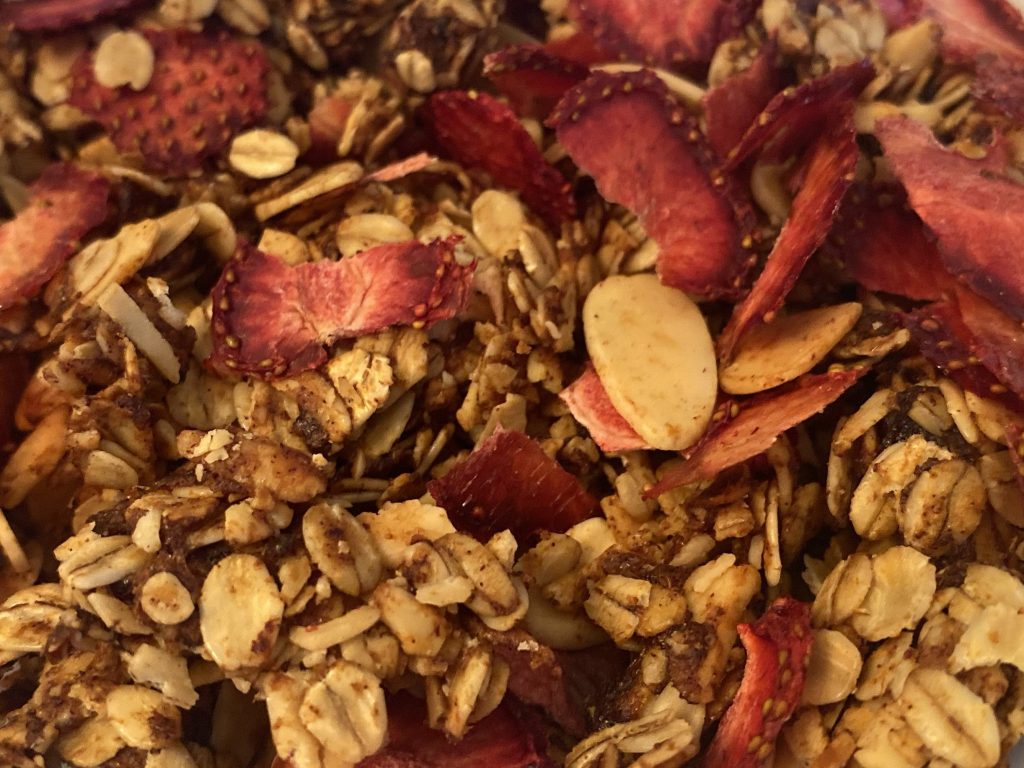
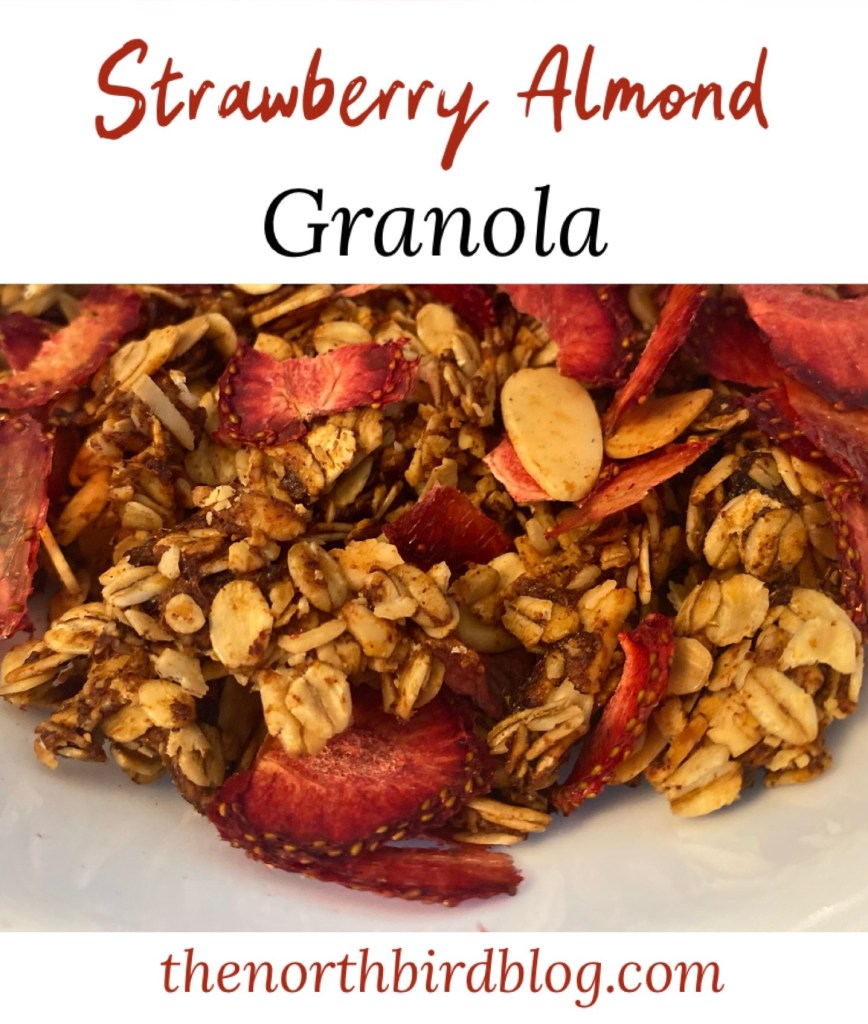
    Strawberry Almond Granola

    Find Northbird on social media:

    This post contains affiliate links. As an Amazon associate, I earn from qualifying purchases. This means that I make a small commission at no extra cost to you. You can read my full disclosure HERE.

    Jump to Recipe Card

    Jump to Video

    Return to “Breakfast”

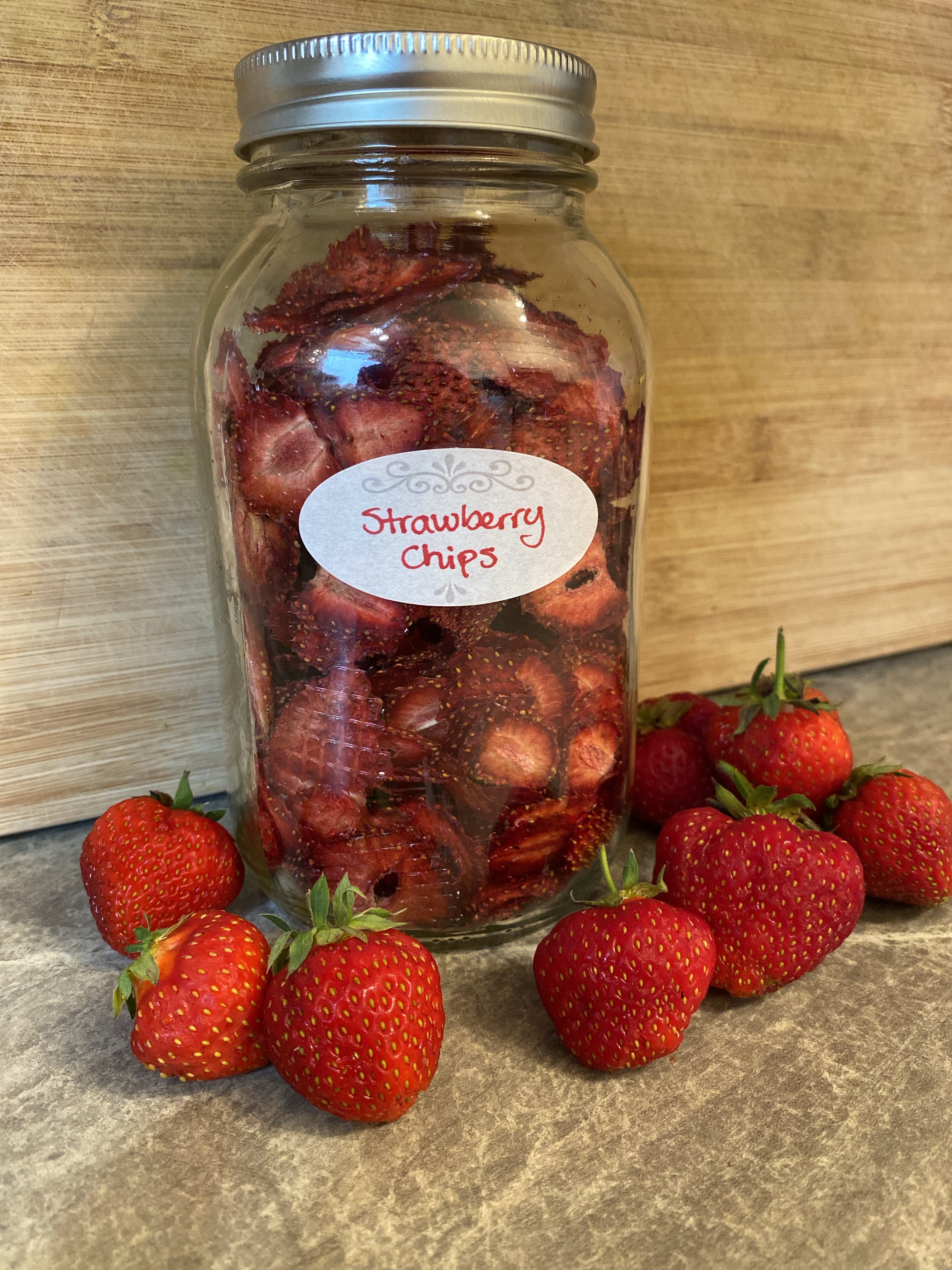
    After our trip to a local strawberry farm and sharing last week about how to dehydrate strawberries, I’ve been having some fun developing ways to enjoy the dried strawberries (other than the fam and I simply snacking on them as chips!).

    After a few attempts, this recipe was created and has now been fully approved by my favourite taste-testers, including my mother (who made numerous delicious granolas through my growing up years).

    If you are interested in learning how to dehydrate your own strawberries with a dehydrator or with the oven, you can visit THIS blog post to get the recipe and be inspired of other creative ways to use dehydrated strawberries.

    Watch the video to see how easy it is to make your own strawberry chips!

    (Dehydrator only)

    Ways to Eat Granola:

    • Breakfast bowl with regular milk, oat milk, soy, or nut milks (try it with Homemade Almond Milk!) and add some berries for fresh sweetness.
    • Enjoy a bowl on top of yogurt (try it with a fresh batch of Homemade Crockpot Yogurt).
    • Take a baggie of granola for your next hike or camping trip and add some dried fruit or seeds and nuts for a delicious trail mix.
    • Make a Breakfast Parfait with frozen berries and yogurt!
    • Use it as a baked desert crumb topping (Apple Crisp recipe coming soon!)
    • Make granola bars from it! (Recipe being developed)

    Health Benefits of Granola:

    Healthy granola recipes are usually high in protein, fibre and healthy fats due to recipe variations that may include oats, nuts, seeds, dried fruits and organic unrefined oils. They are packed full of nutritious options that make a filling, on-the-go quick breakfast or a delicious snack option.

    Protein is essential to the body for not only helping to build muscle mass and bones, but also very important for weight loss and regulating metabolism. Additional functions may consist of:

    • Slowing appetite and hunger cravings
    • Feel “full” for longer, less calories eaten
    • Helps with fat burning
    • Lowering blood pressure
    • Helps to maintain weight loss
    • Boosts metabolism
    • Builds muscle mass and strength
    • Lowers risk of osteoporosis and fractures
    • Helps to repair broken bones and tissues

    High Protein Ingredients You can put in Granola:
    NutsWalnuts, Almonds, Cashews, Peanuts, Pistachios, Brazil Nuts, Hazelnuts…
    SeedsChia, Hemp, Sesame, Sunflower, Pumpkin, Flax…
    Dried Fruits & BerriesApricot, Kiwi, Blackberries, Cherries, Raisins, Banana…

    Fibre is mostly known for helping to keep the digestive system happy. Some other benefits of increased fibre may include:

    • Regulating bowel movements
    • Keeps you feeling fuller for longer
    • Assists in lowering cholesterol
    • Preventing blood sugar from spiking
    • Helps to lower blood pressure

    High Fibre Ingredients You can put in Granola:
    NutsChestnuts, Almonds, Hazelnuts…
    SeedsChia, Flax, Pumpkin, Sesame, Sunflower…
    Dried FruitsDates, Figs, Prunes, Apricots, Raisins…
    OatsOrganic Rolled Oats

    Fats are not only used as a source of energy in the body, but also aid in the following:

    • Help to insulate and protect the organs
    • Gives your body energy
    • Supports cell growth
    • Helps to regulate blood pressure and cholesterol
    • Assists the body in absorbing vitamins A, E & D
    • Reduces inflammation
    • Assists in cell growth

    High Fats Ingredients You can put in Granola:
    NutsWalnuts, Macadamia, Coconut, Cashews…
    SeedsSunflower, Pumpkin, Flax, Chia, Hemp…
    OilsCoconut oil, Avocado oil, Olive oil…
    Seed & Nut ButtersPeanut butter, Almond butter, Tahini, Sunflower seed butter, Pumpkin seed butter
    Dried Fruits & BerriesPlantain, Strawberries, Raspberries, Kiwi, Raisins

    Reasons to Make Your Own Granola:

    • It is soooo easy! Chop… Melt… Mix… Spread… Bake… Eat!
    • Way less expensive than buying from the store.
    • Store-bought granolas are often made with lower quality ingredients and usually have more processed sugars and additives mixed in to prolong shelf life.
    • When you make your own granola you know exactly what ingredients you are eating!
    • Granola is a versatile recipe: You can add more nuts and seeds, and add dried fruits/berries at the end if desired.
    • Granola is one of those easy and quick breakfast solutions to help your day start smoothly!

    Watch this video to see how easy it is to make Strawberry Almond Granola!

    How to Make Strawberry Almond Granola

    Supplies Needed:

    Ingredients:

    Directions:

    1. Preheat oven to 300 degrees F.

    2. Mix the oats, almonds and cinnamon together in a large bowl. Set aside.

    3. Melt the coconut oil in a small pot and add chopped dates, honey, sea salt and vanilla. Stir and mash or lightly blend once the dates are softened.

    4. Add the wet mix to dry mix and stir well. If it has cooled enough you can finish mixing with your hands (I always find this easiest, but be careful of the hot oil!)

    5. Spread granola mix onto parchment covered cookie sheets. Granola should be in a single layer.

    6. Bake for 30-35 minutes (depending on your oven), until golden.

    7. Let cool and sit undisturbed for an hour, it will firm up as it cools down.

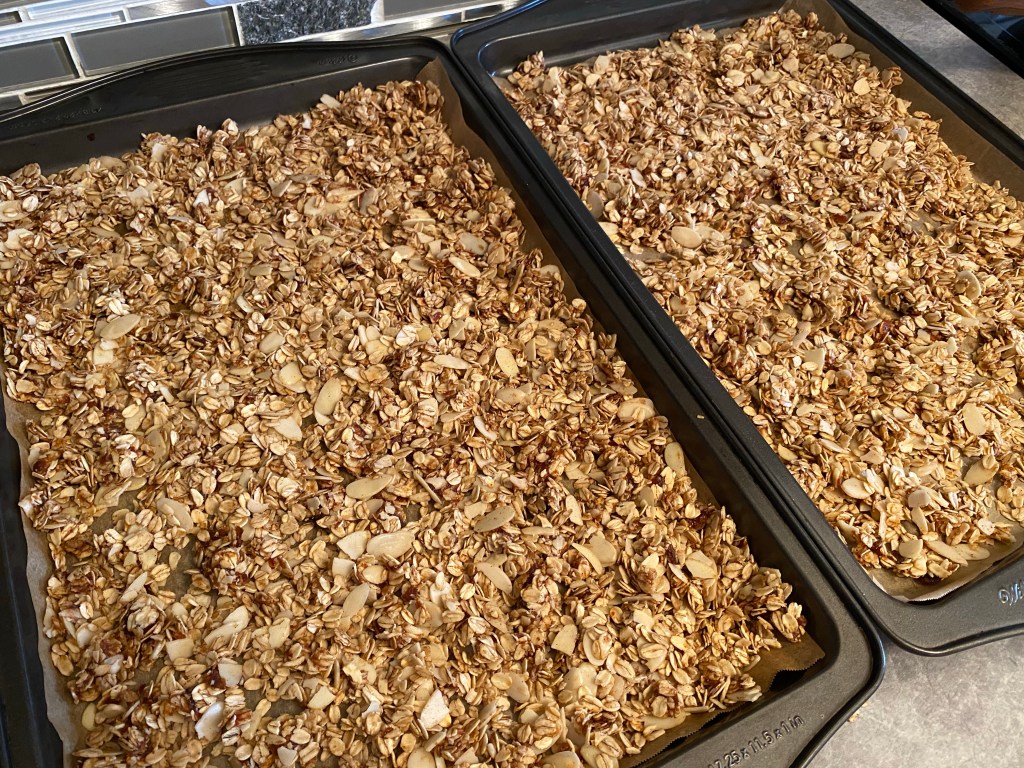
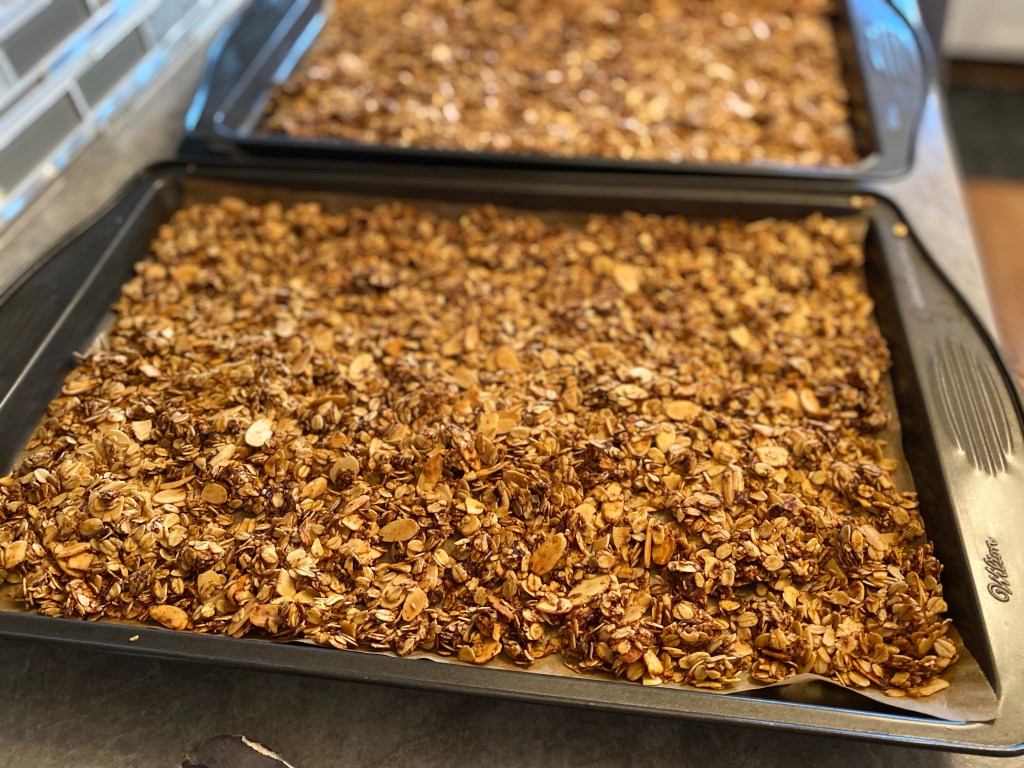
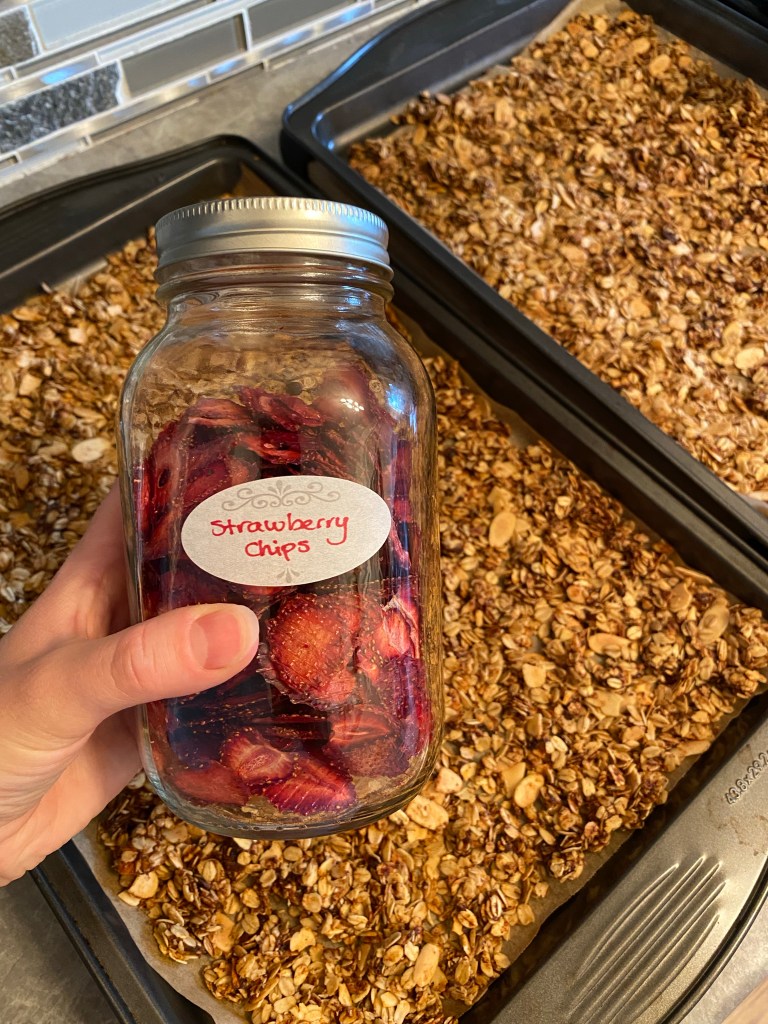
    8. Break into smaller pieces per preference, add the dried strawberry slices, and store in airtight container for up to 1 month.

    Try this Granola recipe with some Homemade Almond Milk or Easy Crockpot Yogurt!

    …Or Click HERE to learn how to dehydrate your own strawberries!

    Check out these other Breakfast Recipes from the Northbird Kitchen!

    Hi, I’m Jessie!

    I’m a Wife and Homeschooling Mom living in a remote town in Northern Ontario, Canada. I love making wholesome meals for my family from scratch, homeschooling our girls and learning more about natural living.

    Read more about my story HERE.

    Subscribe to Northbird’s email list to get weekly posts on: tasty recipes, activity ideas for kids, natural living tips, and some genuine mom thoughts and encouragement!

    Strawberry Almond Granola

    • Servings: 8 cups
    • Difficulty: Easy
    • Print

    A Delicious Granola Mix, Bursting with the Flavour of Summer Strawberries!


    Ingredients

  • 4 cups organic rolled oats
  • 1 1/2 cups sliced almonds
  • 1 teaspoon ground cinnamon
  • 1/3 cup melted organic, unrefined coconut oil
  • 1/2 cup chopped & pitted dates
  • 3 tablespoons unpasteurized honey
  • 1 teaspoon sea salt
  • 1 teaspoon pure vanilla
  • 1 cup dehydrated strawberry slices

  • Directions

    1. Preheat oven to 300 degrees F.
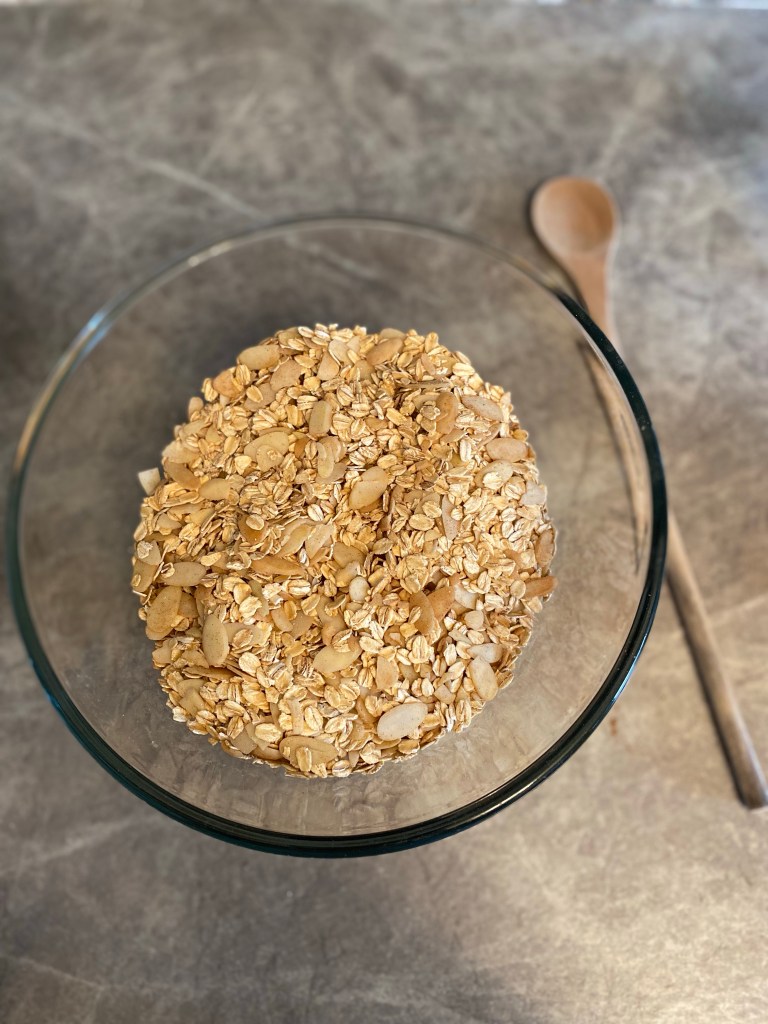
    2. Mix the oats, almonds and cinnamon together in a large bowl. Set aside.
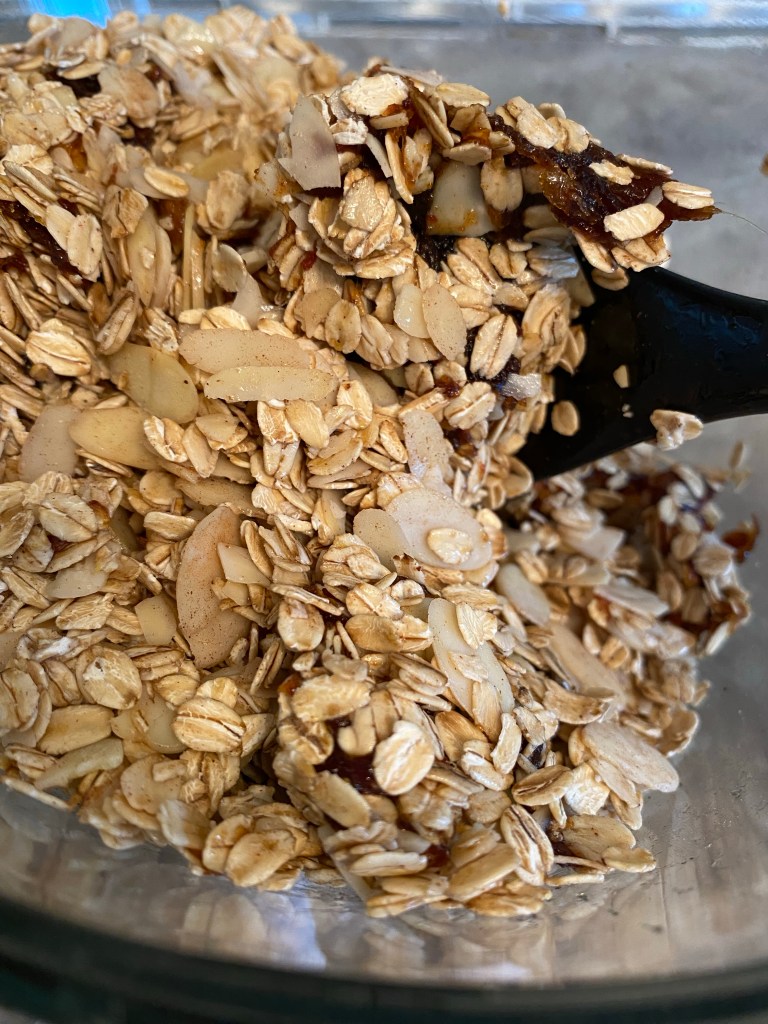
    3. Melt the coconut oil in a small pot and add chopped dates, honey, sea salt and vanilla. Stir and mash or lightly blend once the dates are softened.
    4. Add the wet mix to dry mix and stir well. If it has cooled enough you can finish mixing with your hands (I always find this easiest, but be careful of the hot oil!)
    5. Spread granola mix onto parchment covered cookie sheets. Granola should be in a single layer.
    6. Bake for 30-35 minutes (depending on your oven), until golden.
    7. Let cool and sit undisturbed for an hour, it will firm up as it cools down.
    8. Break into smaller pieces per preference, add the dried strawberry slices and store in airtight container for up to 1 month.

    Nutrition


    Per 1 Cup Serving: 440 calories; 26 g fat; 49 g carbohydrates;
    10 g protein; 293 mg sodium.

    Return to Top

    Sourdough Soft Pretzels

    Find Northbird on social media:

    This post contains affiliate links. As an Amazon associate, I earn from qualifying purchases. This means that I make a small commission at no extra cost to you. You can read my full disclosure HERE.

    Jump To Recipe Card

    Return to “Sourdough”

    What is Sourdough?

    Sourdough is made using a fermented mixture of flour and water, called the “starter”, and mixed with more water, flour, and usually salt. The dough naturally rises as it ferments during resting stages.

    There is a lower amount of gluten in sourdough baking, which is why the dough needs to be “stretched” multiple times to help it expand and become fluffy.

    Is Sourdough Good For You?

    Sourdough is easier to digest than other traditional yeasted baking. The fermenting that takes place while making sourdough baking produces amino acids, which in turn produces enzymes that help to break down proteins and lower the overall gluten levels in the sourdough products (making it easier to digest).

    Whole grain sourdough products have a lower glycemic index than other types of bread, (specifically white flour baking) that have been processed and are packed full of preservatives. This means that sourdough baking has less of a glycemic spike, and more of a gradual release on the glycemic scale, making it a healthier option for those struggling with balancing blood sugar levels.

    Sourdough breads and baked goods contain higher levels of protein, fibre and nutrients than most traditional yeasted baking.

    • Sourdough baking still contains many of the natural nutrients that are processed out of the majority of other kinds of breads and baked goods.
    • Sourdough contains lower levels of phytate, which helps your body to absorb the nutrients easier than other breads.
    • Whole grain sourdough is considered a high-fiber food, which feeds the good bacteria in your gut and digestive system.
    • Common vitamins and minerals found in sourdough baking: Calcium, Iron, Manganese, B1-B6, B12, Potassium, Magnesium, Folate, Niacin, Zinc, Thiamin, Riboflavin, Selenium, Phosphorus, and Vitamin E.

    Where Did Pretzels Originate From?

    The ancestry of the soft pretzel can be found dating back to 610 AD. An Italian monk was recorded to have made a tasty, twisted dough incentive for little children learning their prayers, and calling it a “Pretiola“.

    However, the soft pretzel is more commonly thought to have come from southern Germany, where it began raising popularity around 1200 AD and it’s traditional twisted shape began to form in bakeries.

    In the Catholic Church, the three intertwined holes in the soft pretzel were thought to represent a reminder for the Holy Trinity. Soft pretzels were made during Lent that only consisted of: flour, water and salt, because catholics could not eat any eggs, dairy or lard at Lent. At Easter, (in some areas of Europe) soft pretzels were hidden and found instead of an Easter egg hunt.

    Today, the soft pretzel is thought of as a good luck symbol, and also a “tying the knot” symbol used at weddings.

    Creative Soft Pretzel Ideas:

    Use this one basic recipe to make many more kinds of pretzels! Just add the extra ingredients right before shaping and twisting into pretzels. I’ll post more pretzel recipes when I can, but until then have fun experimenting and trying some of these out!
    • Cheesy Pretzels
    • Blueberry Pretzels
    • Cinnamon Pretzels
    • Cranberry Pretzels
    • Chocolate Pretzels
    • Poppy-seed Pretzels
    • Sesame Seed Pretzels
    • Apple Cinnamon Pretzels
    • Gingerbread Pretzels
    • Cinnamon Raisin Pretzels

    How to Make Sourdough Pretzels

    Supplies Needed:

    Ingredients:

    Dough

    Water Bath

    Egg wash

    • 1 egg
    • 1 teaspoon sea salt, larger granules for sprinkling

    Directions:

    1. Mix your active sourdough starter with the water and honey. Mix the sea salt and flour together and add to the wet mixture. Mix all together well.

    2. Cover with a beeswax food cover or a towel and plate over bowl and let rest overnight or for 8-10 hours. Dough will be moist and spongy and will have doubled in size.

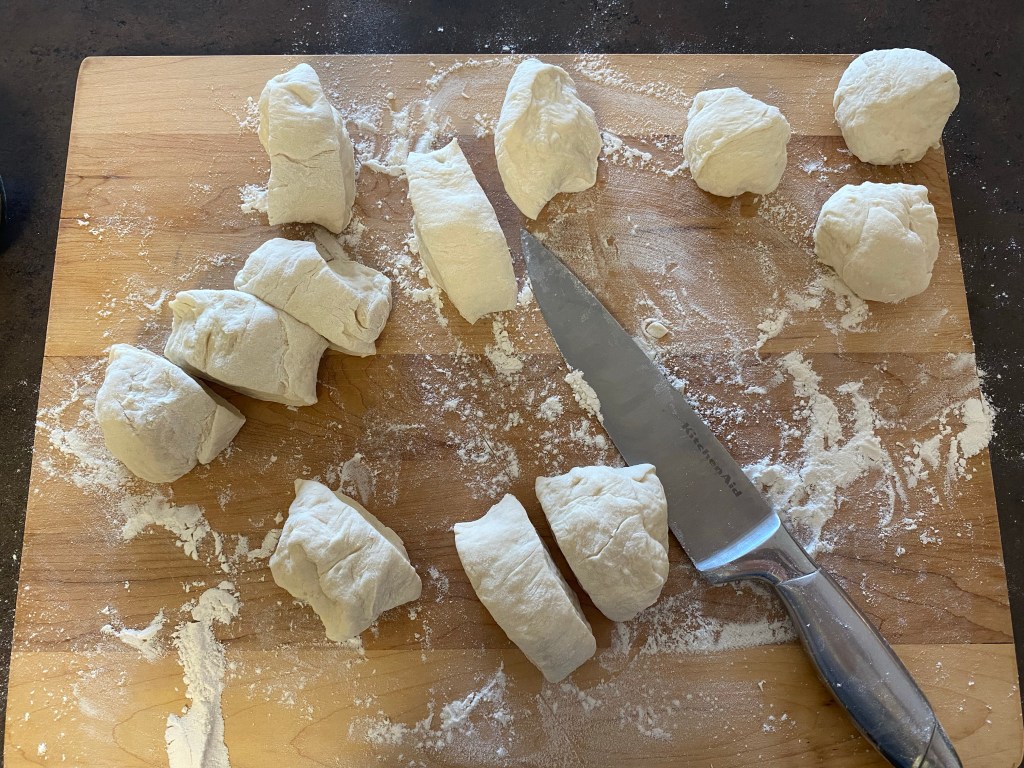
    3. Knead dough on floured surface for 2 minutes until it is a soft dough ball. Form it into a “log” and divide and cut into 12 pieces.

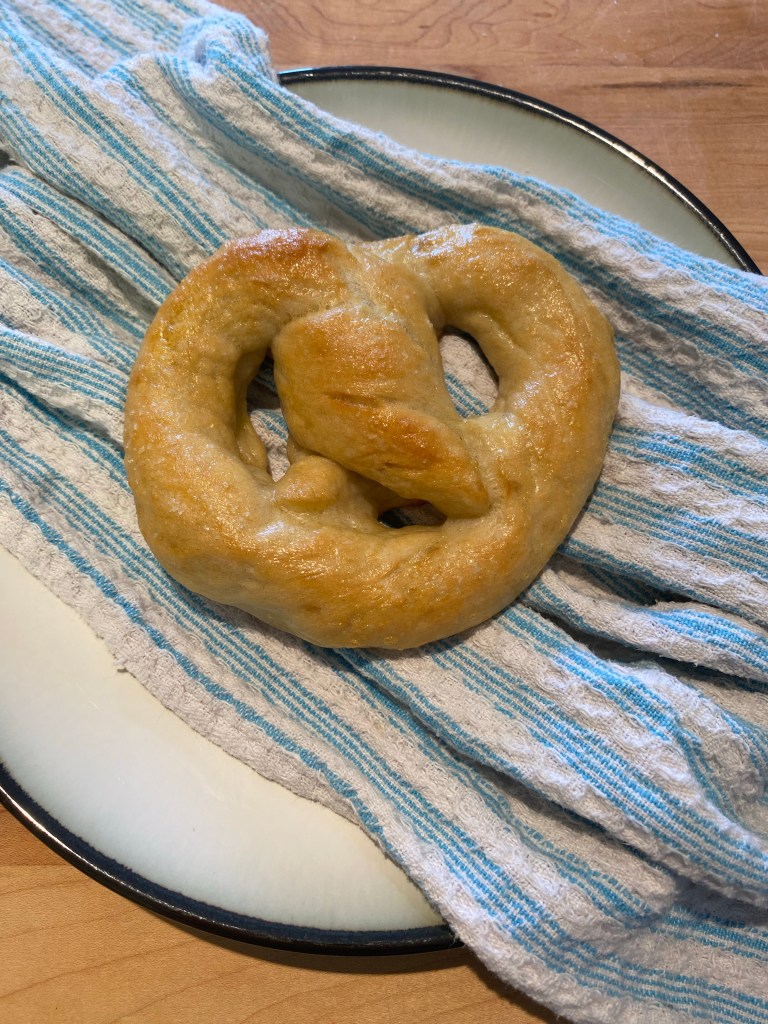
    4. Roll out a dough piece with your hands until it resembles a long string. (Make sure to not use too much flour, it is good to keep it slightly sticky.) Shape dough “string” into the letter “U”, then take the end pieces and double twist them. Lastly, take the end pieces and fold them down (See pictures above for reference). Pinch the ends into the pretzel body (this is why you want the dough to not be too dry).

    5. Place on parchment-covered baking sheet and cover with a tea towel. Let rest for 1 hour. (Note that at this stage they will expand and puff up, so thinner is good prior to resting. You can always gently stretch them before putting in the water bath too.)

    6. Preheat oven to 425 degrees Fahrenheit.

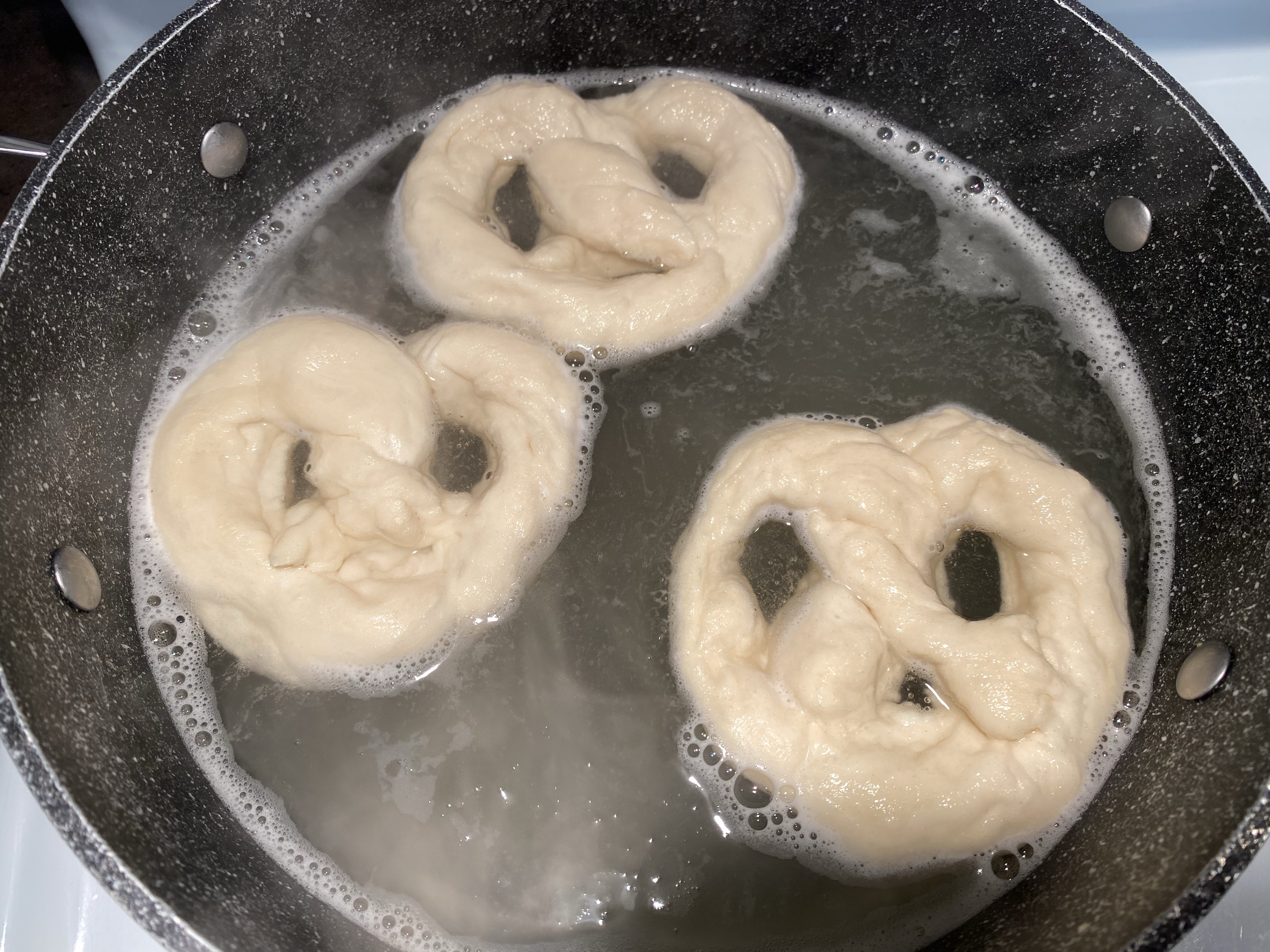
    7. Boil 6 cups of water in a large pot and add baking soda and sugar. When it is a rolling boil, add 3-4 pretzels gently with a large slotted spoon.

    8. Set the timer for 30 seconds, then turn them over for another 30 seconds on the other side. Transfer them back to the baking sheet.

    9. When all the pretzels are back on the baking sheets, whisk up an egg and paint the pretzels with a cooking brush. Sprinkle the tops with coarsely ground sea salt.

    10. Bake pretzels on middle rack in oven for 14-16 minutes or until golden brown on top and bottom. Let cool on baking sheets or rest at least 10 minutes before biting into. Enjoy!

    11. Store at room temperature for 5 days in an airtight container, or freeze for up to three months in a freezer bag. Thaw in fridge then warm in the oven to freshen them up.

    Other Tasty Sourdough Recipes to Check Out!

    Hi, I’m Jessie!

    I’m a Wife and Homeschooling Mom living in a remote town in Northern Ontario, Canada. I love making wholesome meals for my family from scratch, homeschooling our girls and learning more about natural living.

    Read more about my story HERE.

    Subscribe to Northbird’s email list to get weekly posts on: tasty recipes, activity ideas for kids, natural living tips, and some genuine mom thoughts and encouragement!
    Sourdough Soft Pretzels

    • Servings: 12 Pretzels
    • Difficulty: Easy
    • Print

    Soft and Delicious Sourdough Pretzel Recipe


    Ingredients: Dough

  • 1/3 cup active sourdough starter (*New to Sourdough? Click HERE for more “starter” information)
  • 1 + 1/2 cups water
  • 2 Tablespoons honey
  • 1 3/4 teaspoon sea salt, finely ground
  • 4 cups all purpose flour

  • Ingredients: Water Bath

  • 6 cups water
  • 2 tablespoons baking soda
  • 1 tablespoon sugar

  • Ingredients: Egg Wash

  • 1 egg
  • 1 teaspoon sea salt, larger granules for sprinkling
  • Directions:

    1. Mix your active sourdough starter with the water and honey. Mix the sea salt and flour together and add to the wet mixture. Mix all together well.
    2. Cover with a beeswax food cover or a towel and plate over bowl and let rest overnight or for 8-10 hours. Dough will be moist and spongy and will have doubled in size.
    3. Knead dough on floured surface for 2 minutes until it is a soft ball. Form it into a “log” and divide and cut into 12 pieces.
    4. Roll out a dough piece with your hands until it resembles a long string. (Make sure to not use too much flour, it is good to keep it slightly sticky.) Shape dough “string” into the letter “U”, then take the end pieces and double twist them. Lastly, take the end pieces and fold them down (See pictures above for reference). Pinch the ends into the pretzel body (this is why you want the dough to not be too dry).
    5. Place on parchment-covered baking sheet and cover with a tea towel. Let rest for 1 hour. (Note that at this stage they will expand and puff up, so thinner is good prior to resting. You can always gently stretch them before putting in the water bath too.)
    6. Preheat oven to 425 degrees fahrenheit.
    7. Boil 6 cups of water in a large pot and add baking soda and sugar. When it is a rolling boil, add 3-4 pretzels gently with a large slotted spoon.
    8. Set the timer for 30 seconds, then turn them over for another 30 seconds on the other side. Transfer them back to the baking sheet.
    9. When all the pretzels are back on the baking sheets, whisk up an egg and paint the pretzels with a cooking brush. Sprinkle the tops with coarsely ground sea salt.
    10. Bake pretzels on middle rack in oven for 14-16 minutes or until golden brown on top and bottom. Let cool on baking sheets or rest at least 10 minutes before biting into!
    11. Store at room temperature for 5 days in an airtight container, or freeze for up to three months in a freezer bag. Thaw in fridge then warm in the oven to freshen them up.

    Nutrition


    Per 1 Pretzel: 173 calories; 0.8 g fat; 36 g carbohydrates;
    4.9 g protein;

    Return to Top

    Dehydrating Strawberries

    Find Northbird on social media:

    This post contains affiliate links. As an Amazon associate, I earn from qualifying purchases. This means that I make a small commission at no extra cost to you. You can read my full disclosure HERE.

    Jump to Recipe Card

    Jump to Video

    Return to “Homemade Pantry”

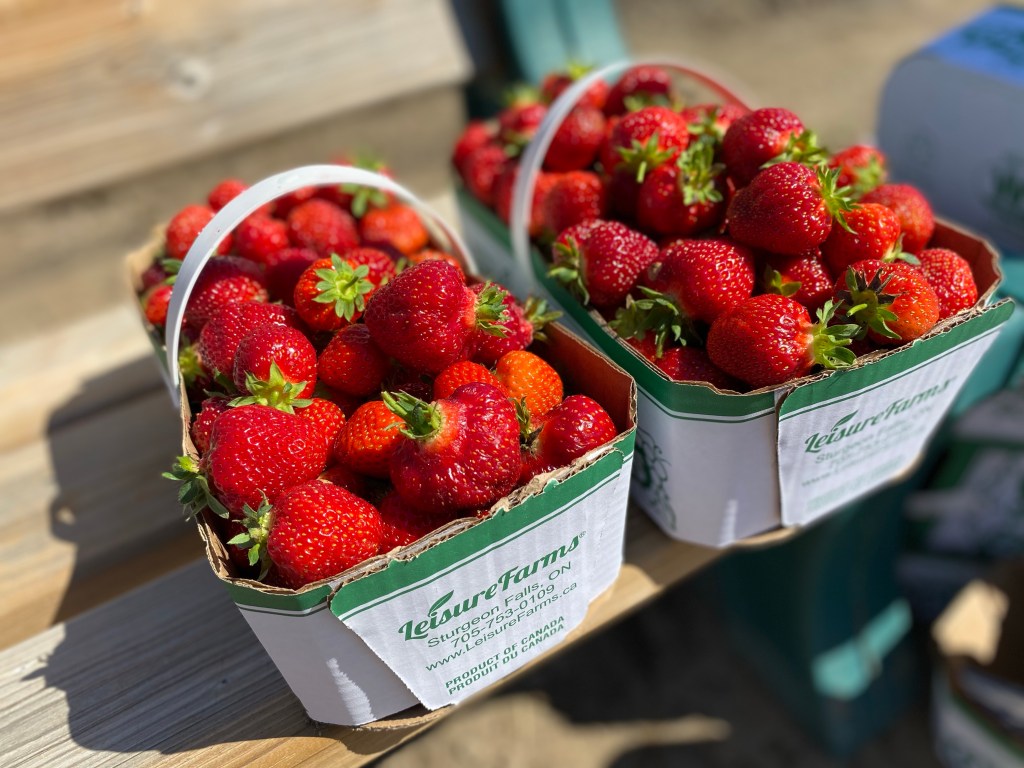
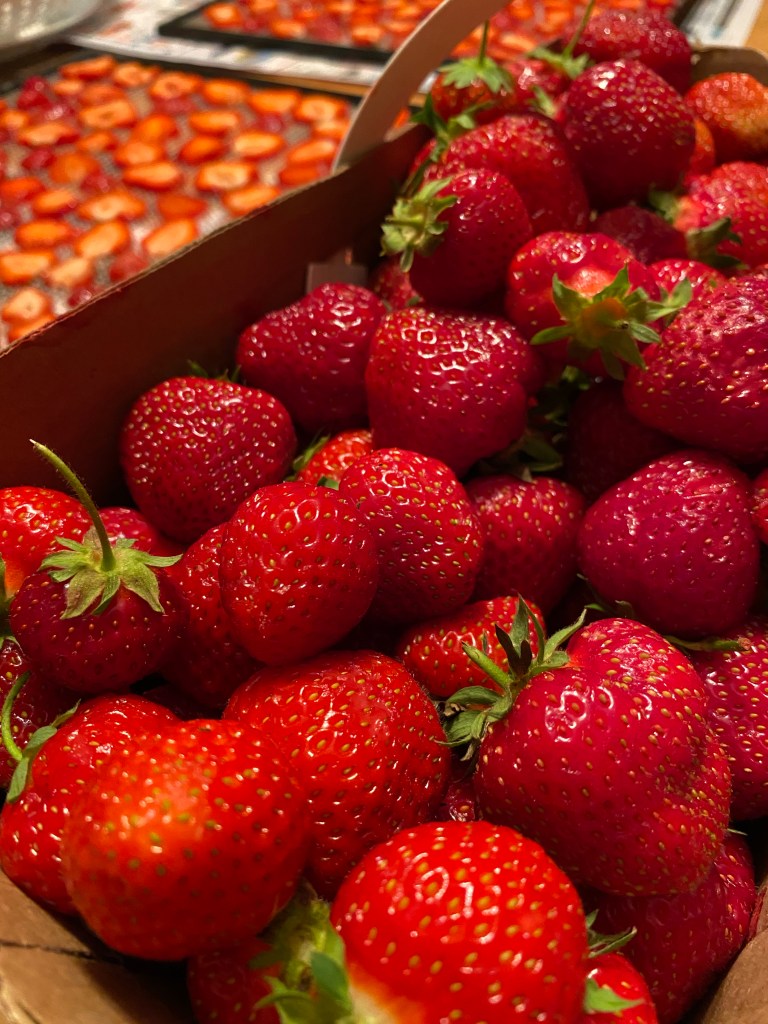
    Fresh strawberries? Always. Not much can compare to a tasty and fun family outing such as picking your own strawberries at a local farm.

    As a child, I can remember going to a local strawberry farm every summer in Muskoka and spending half a day picking (and eating) our fill of this delicious and juicy treat.

    Now it gives me so much joy to see my kids enjoying this experience too. Although, my youngest certainly made me work hard this time to fill my basket as she plunked her 15 month old self down next to me and kept helping herself! My oldest on the other hand was very proud to pick her own little basket, and she ate most of them on the tractor ride back!

    What are Dehydrated Strawberries?

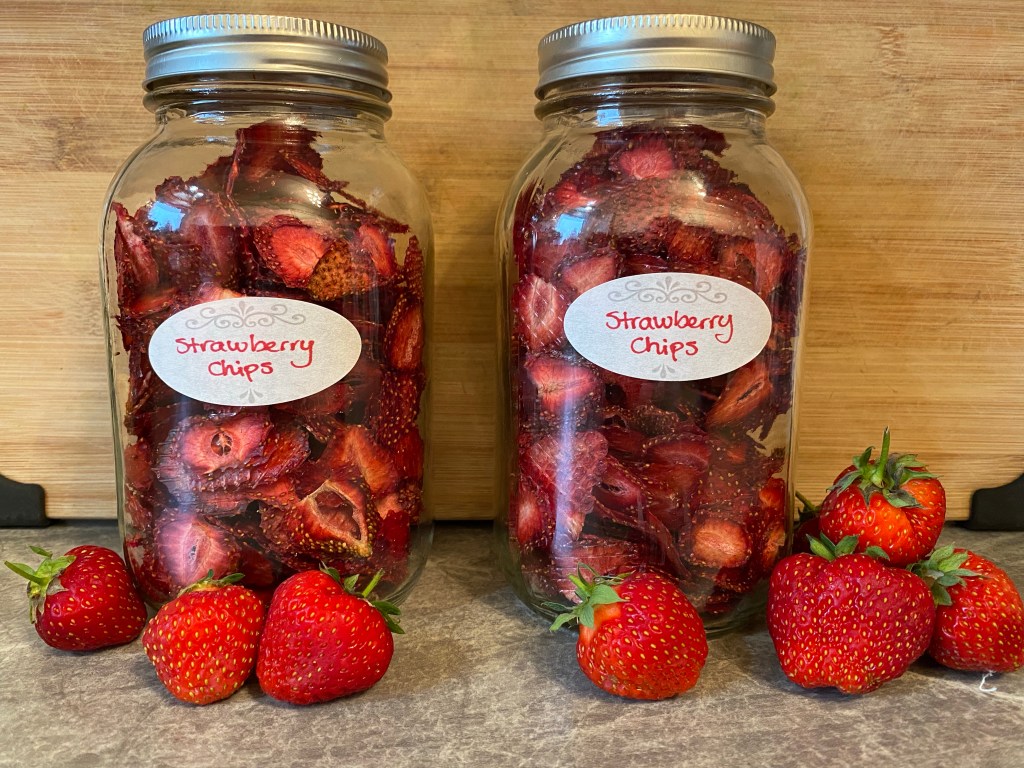
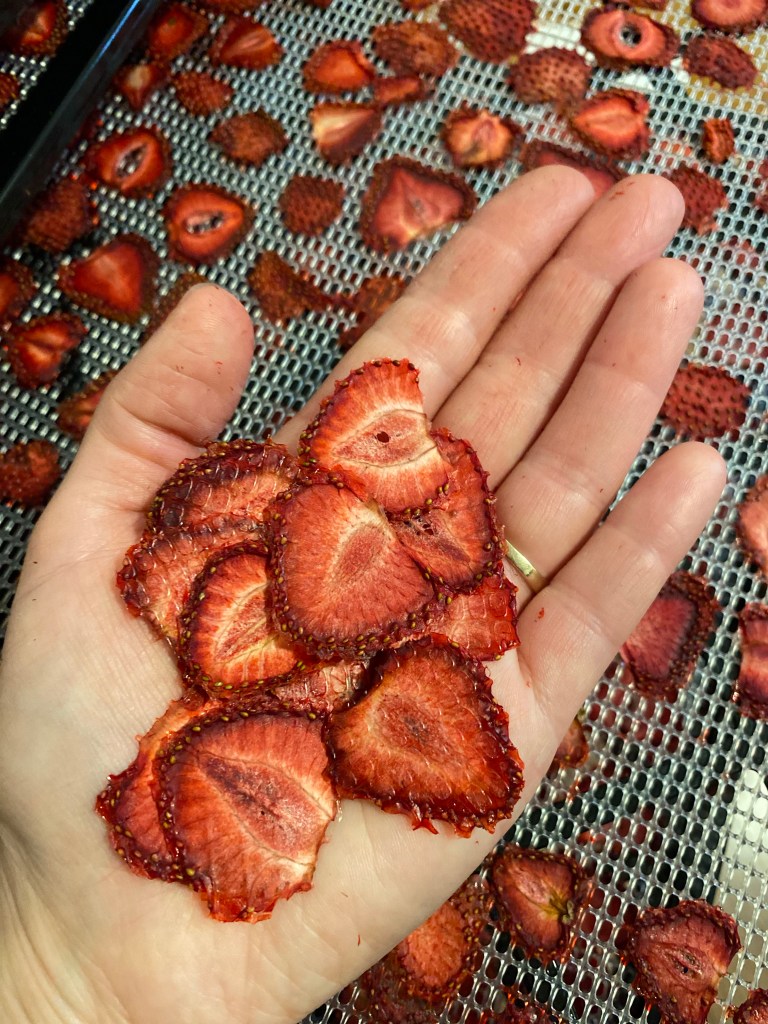
    Dehydrated strawberries are made using a dehydrator or oven which essentially “draws out” and dries all the water content from the berries, leaving you with delicious dry slices of strawberry chips. The flavour is strong and even the scent is more enhanced after being dehydrated.

    Are Dehydrated Strawberries Good for You?

    Dried strawberries are packed full of goodness! Higher in Vitamin C than fresh or frozen strawberries, and a rich antioxidant.

    They are also known to help with digestion, as they are high in fibre, and help to regulate blood pressure from spiking due to their high potassium levels.

    How Long do Dehydrated Strawberries Last?

    Dehydrated strawberries and other fruits and vegetables are a great item to keep in your pantry because of the natural shelf life they give if properly stored. Most sources suggest a year for shelf life.

    For long term storage, put your dehydrated chips in an airtight container in your pantry for a week, and give the jar a shake once a day, checking for any missed moisture before storing in a cooler, dry location. If some moisture is spotted within this time, just put back in the dehydrator to dry a little longer. If any mold is noticed within the week, toss it all out and don’t risk eating. I tend to over-dry instead of under-dry, because of being paranoid of mold.

    But if you are drying a small batch to enjoy snacking on within a few days, just put in a jar on the counter and enjoy!

    Can You Dehydrate Strawberries in the Oven?

    I have not personally dehydrated strawberries in the oven, but from what I have researched, it is very easy to do so. (And when I have done it, I’ll be sure to post here how it went!)

    The process is the same as with a dehydrator, but you would put the strawberry slices on a parchment-covered baking sheet.

    Then put on the middle oven rack with a preheated temperature of 200 degrees Fahrenheit. Bake for 2 hours or until the tops are dry. Then turn over for another 30-60 minutes until the underside is also dry.

    Oven drying is a quicker process, but you will need a little more patience and keep a close eye on the strawberry chips to see that they don’t burn.

    Ways to Eat Dehydrated Strawberries

    There are so many uses for dehydrated strawberries! Once dehydrated, you can store the chips/slices in an airtight container and use them in many different recipes. You can also blend up the dehydrated chips into strawberry powder to use as natural strawberry flavouring and colour.

    Here are a few fun ideas:

    Dehydrated Strawberry Slices & ChunksDehydrated Strawberry Powder
    Strawberry ChipsSmoothies
    Trail mixYogurt
    Homemade GranolaFlavoured Milks
    Cake & Desert DecoratingFrozen Yogurt
    Camping Oatmeal (Instant) Ice Cream
    Granola BarsWhipping Cream
    Overnight OatsCake Icing
    Baked OatmealFrozen Yogurt Bark

    Watch the video to see how easy it is to dehydrate strawberries!

    How to Dehydrate Strawberries

    Supplies Needed:

    Ingredients:

    • Fresh strawberries

    Directions:

    1. Choose the most firm and unblemished strawberries. This will ensure that they have a nice deep red colour after being dehydrated. Any softer berries can be frozen for later or made into jam, popsicles, smoothies, etc.

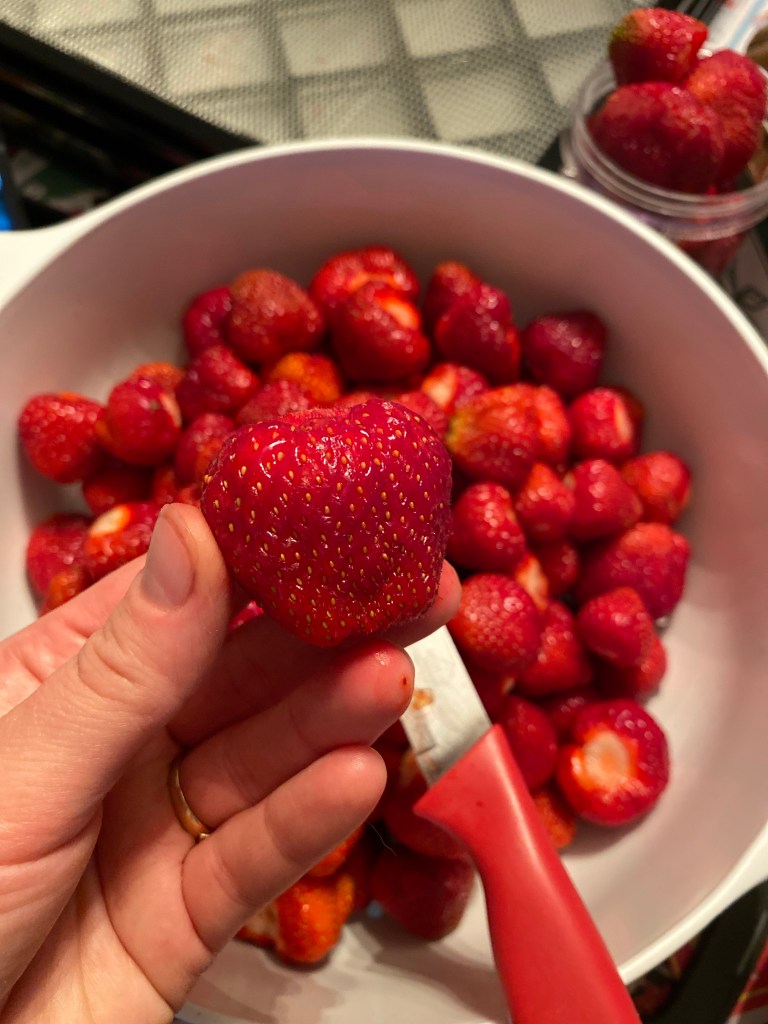
    2. Cut the green ends off and wash.

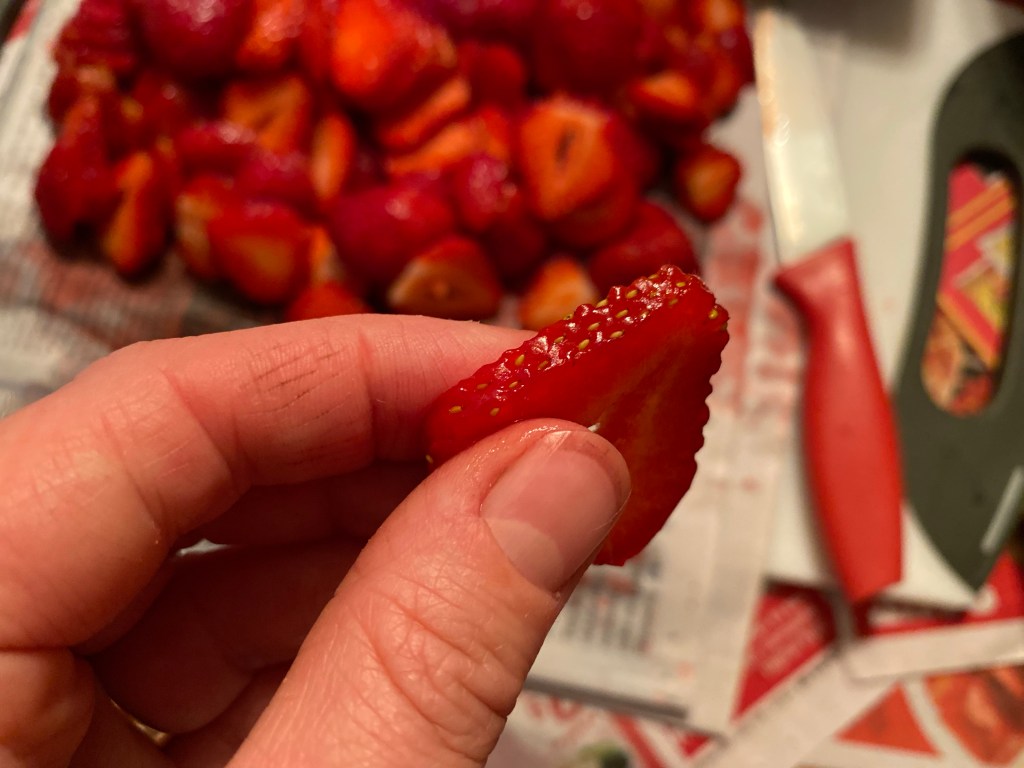
    3. Cut into slices 1/4″ thick and set aside any end skin pieces. The skin pieces retain the strawberry’s water content and they take longer to dry. You can toss the skin pieces into the same bowl saving the softer berries for other uses. Note: This part is extremely messy! I put down newspaper on top of my cutting board to save it from getting stained.

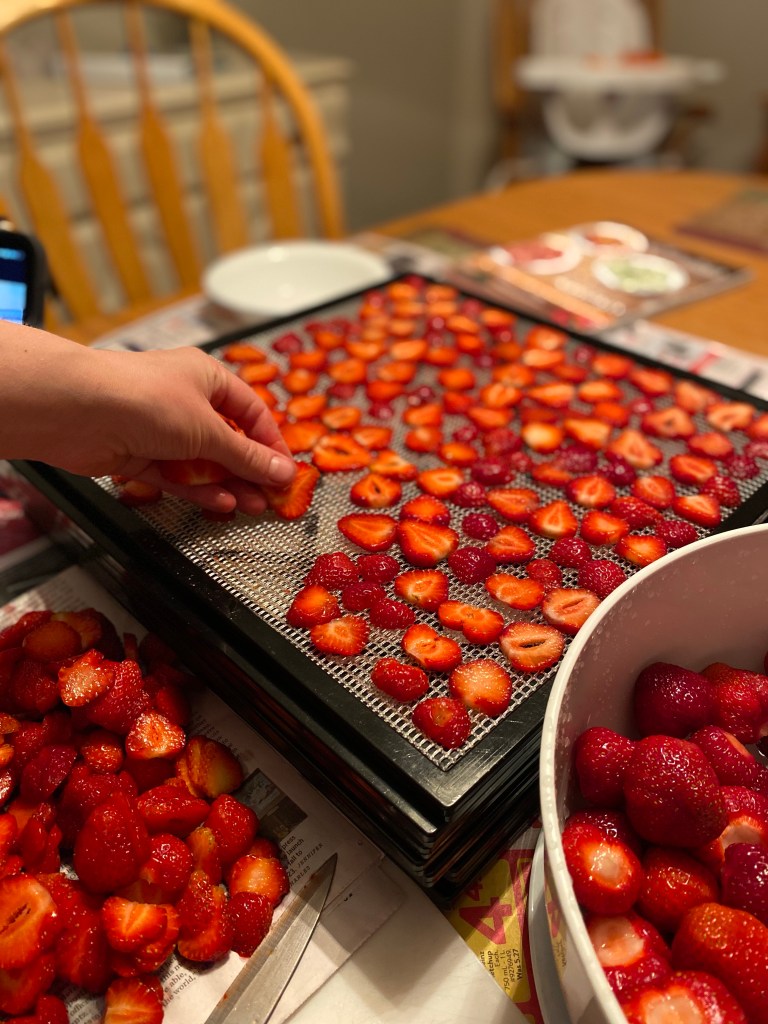
    4. Lay slices out on dehydrating trays without touching, and set temperature to 135 degrees fahrenheit (57 degrees celcius). Set timer for 7-9 hours. Depending on the humidity in the room, they may take longer to dry. We picked our berries following several days of hard rain, so there was a lot of moisture to draw out!

    5. When crispy and fully dry, put into airtight container and store in cool, dry place. For long term storage, keep accessible in a dry place and monitor for a week. Give the jar a shake once a day, checking for any missed moisture before storing in a cooler, dry location.

    If some moisture is spotted within this time, just put back in the dehydrator to dry a little longer. If any mold is noticed within the week, toss it all out and don’t risk eating. Best to use within 1 year as long as they are dried fully and stored properly.

    Dehydrated strawberries make a beautiful DIY gift!

    Hi, I’m Jessie!

    I’m a Wife and Homeschooling Mom living in a remote town in Northern Ontario, Canada. I love making wholesome meals for my family from scratch, homeschooling our girls and learning more about natural living.

    Read more about my story HERE.

    Subscribe to Northbird’s email list to get weekly posts on: tasty recipes, activity ideas for kids, natural living tips, and some genuine mom thoughts and encouragement!

    How to Dehydrate Strawberries

    • Servings: 2 Litre Jars
    • Difficulty: Easy
    • Print

    Preserving Strawberries for Countless Recipe Ideas!


    Supplies Needed

  • Dehydrator
  • Bowls
  • Knife
  • Cutting board
  • Newspaper
  • Colander
  • Airtight container (I use 1L glass jars)

  • Ingredients

    • Fresh Strawberries

    Directions

    1. Choose the most firm and unblemished strawberries. This will ensure that they have a nice deep red colour after being dehydrated. Any softer berries can be frozen for later or made into jam, popsicles, smoothies, etc.
    2. Cut the green ends off and wash.
    3. Cut into slices 1/4″ thick and set aside any end skin pieces. The skin pieces retain the strawberry’s water content and they take longer to dry. You can toss the skin pieces into the same bowl saving the softer berries for other uses. Note: This part is extremely messy! I put down newspaper on top of my cutting board to save it from getting stained.
    4. Lay slices out on dehydrating trays without touching, and set temperature to 135 degrees fahrenheit (57 degrees celcius). Set timer for 7-9 hours. Depending on the humidity in the room, they may take longer to dry. We picked our berries following several days of hard rain, so there was a lot of moisture to draw out!

    5. When crispy and fully dry, put into airtight container and store in cool, dry place. Best to use within 1 year, but will likely keep much longer as long as they are dried fully and stored properly.

    Nutrition


    Per 1 Cup: 52 calories; 0.5 g fat; 12.8 g carbohydrates;
    1.1 g protein.

    Return to Top

    Coconut Blueberry Breakfast Bowl

    Find Northbird on social media:

    This post contains affiliate links. As an Amazon associate, I earn from qualifying purchases. This means that I make a small commission at no extra cost to you. You can read my full disclosure HERE.

    Jump to Recipe Card

    Have you ever had one of those mornings where suddenly you realize (in the middle of pre-coffee grogginess) that there is NO MILK?! Because SOMEONE finished off the last milk and SOMEONE didn’t put it on the grocery list, and SOMEONE forgot to soak almonds last night to make almond milk…

    The kids are hungry and getting impatient, and suddenly nothing else matters except figuring out something for them to eat QUICKLY.

    In our family, we try to have either granola, oatmeal, or breakfast bowls of some sort during the week. Cereals and other breakfast foods are for the weekends and special days.

    On this particular occasion, the girls and I were staying at my parents so we were a bit out of routine (which explains why SOMEONE forgot a lot of routine things!).

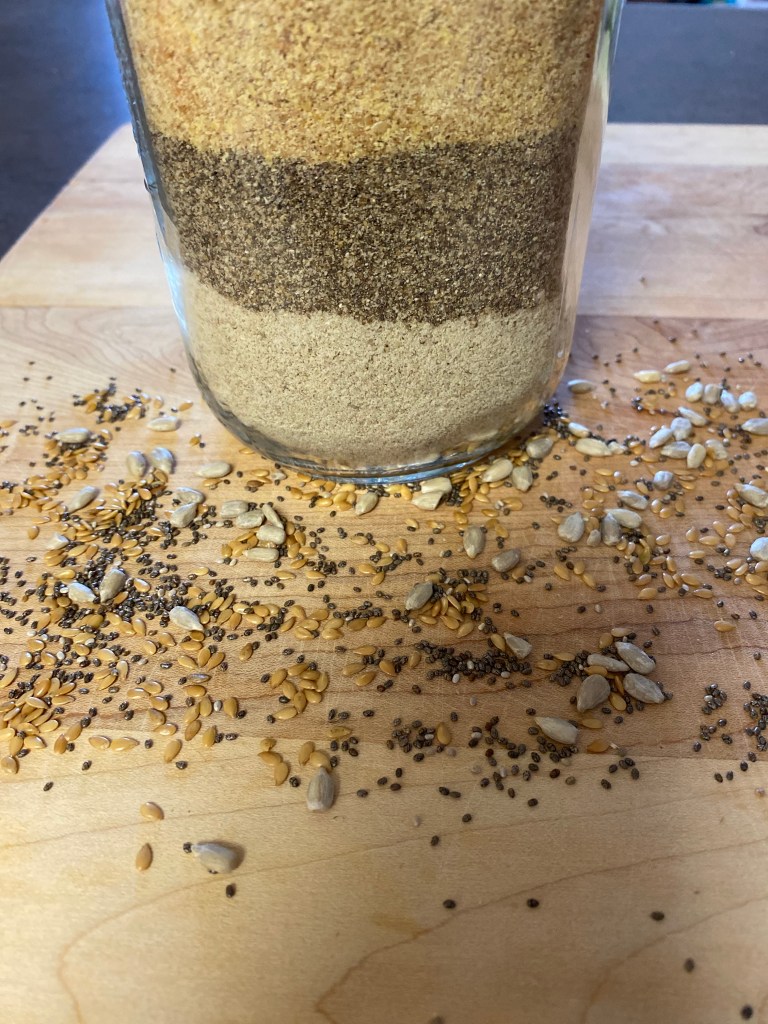
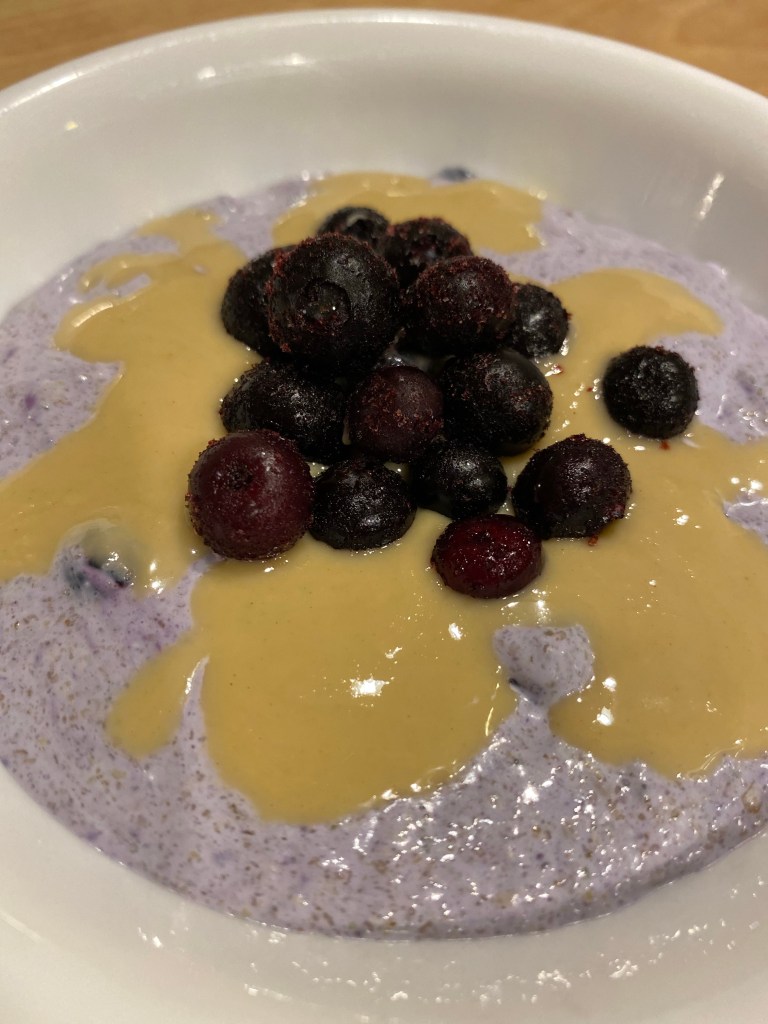
    I managed to find an assortment of items that we usually use in our breakfast bowls: tahini, 3 seed blend (chia, flax and sunflower), and some frozen blueberries.

    Thankfully, I also found some coconut powder. I had never used it before, but after reconstituting the powder with water, we had a deliciously creamy nut milk to use in our breakfast bowl.

    Problem solved!

    And bonus: the blueberries made the breakfast splodge have a beautiful lavender colour, which my oldest loved.

    What is 3 Seed Blend?

    This is a blended seed mix that we always have in a jar in the fridge. We use it often in breakfast bowls and snacks. It consists of: organic flax seeds, organic chia seeds, and raw/hulled organic sunflower seeds.

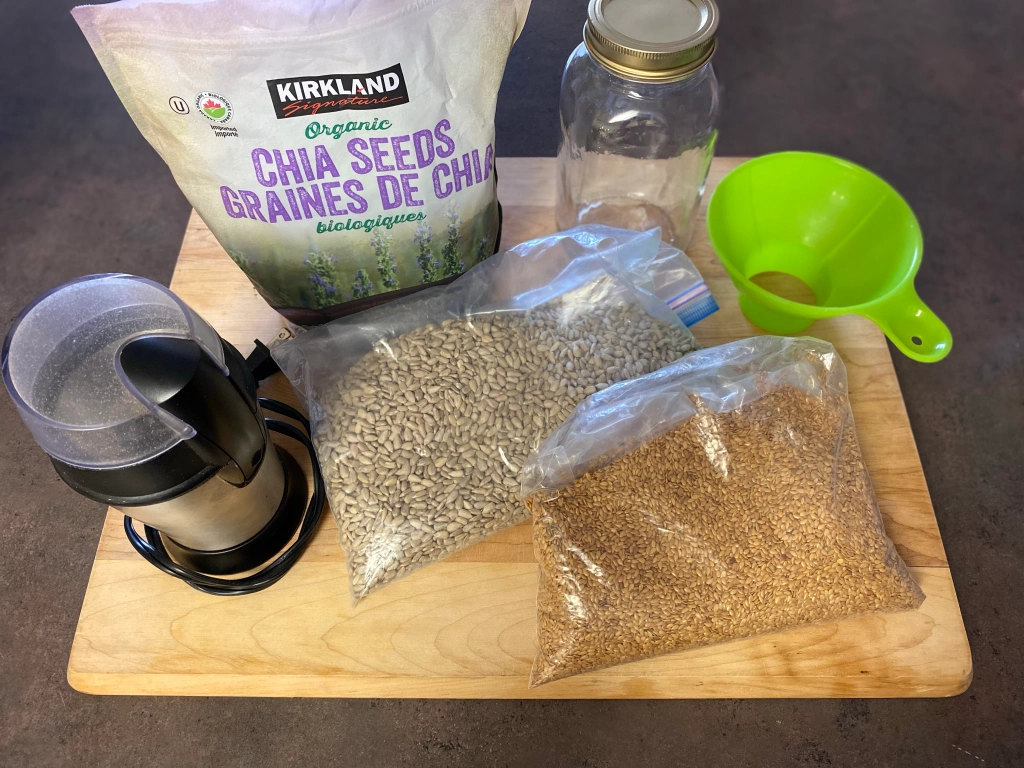
    To make the 3 Seed Breakfast Blend you will need:

    • Small blender or coffee grinder
    • Measuring cup
    • Jar
    • Funnel
    • Organic Flax seeds
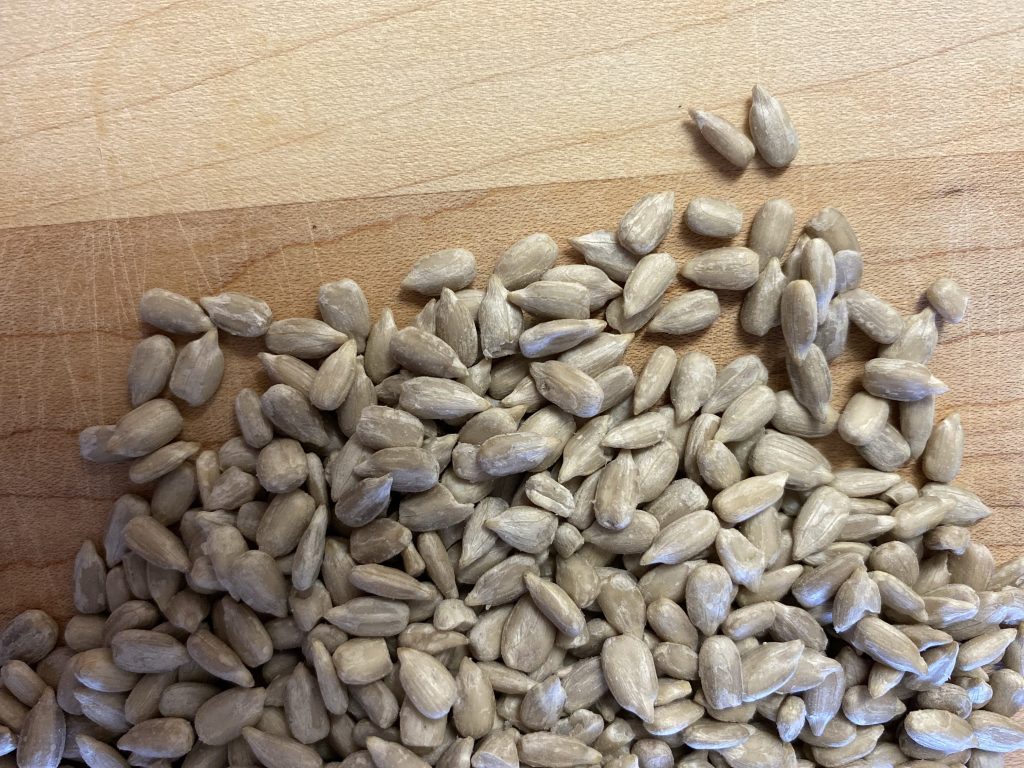
    • Organic Sunflower seeds (raw, hulled and unsalted)
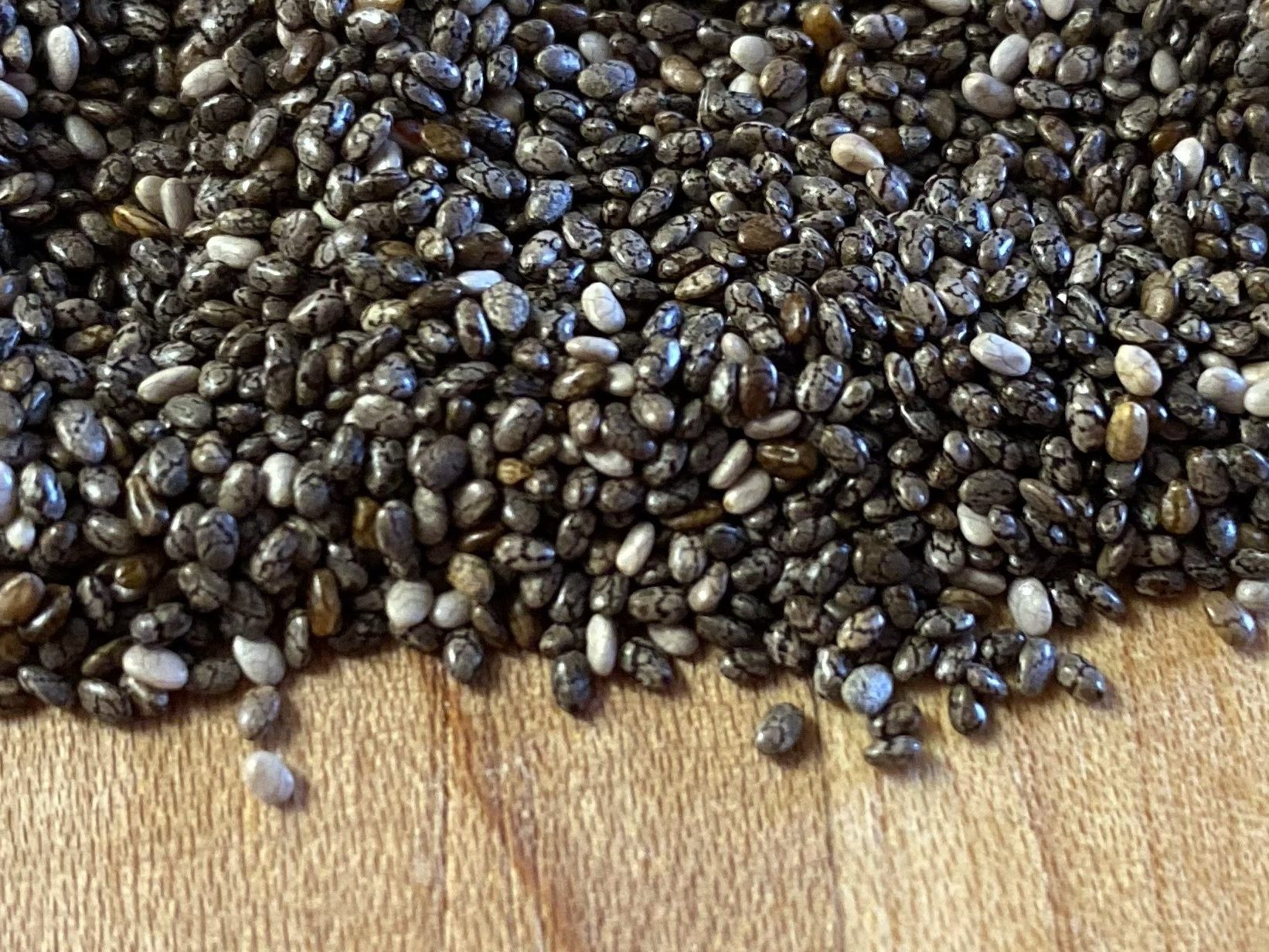
    • Organic Chia seeds

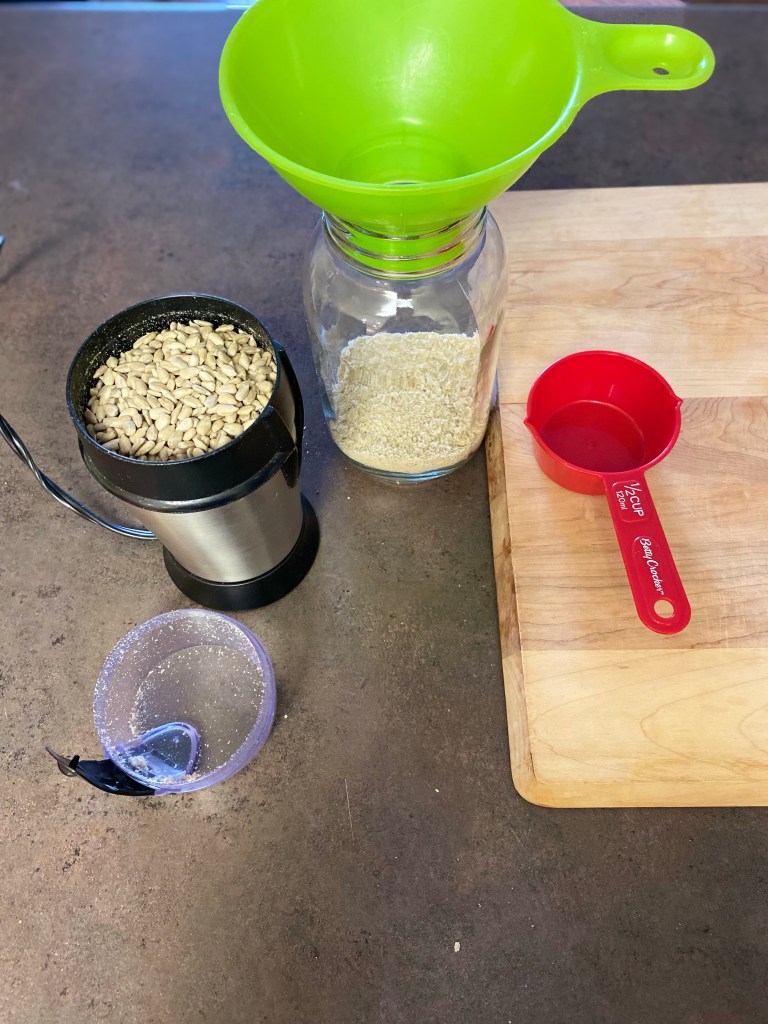
    Directions to make the 3 Seed Breakfast Blend:

    1. Measure equal batches of seed into blender and pulse until grainy.
    2. Add to Jar and give it a good shake!
    3. Store in fridge for up to one month.

    A Little About the Seeds:

    Organic Golden Flaxseed:

    These are high in fibre and omega-3 fatty acids! They have also been shown to help lower blood pressure and blood sugar, contain protein, improve digestion (hence the fibre) and reduces bloating. Some doctors also claim it to help with weight loss.

    Important to note: Nutrition experts recommend the importance of grinding up flaxseed instead of eating it whole. Ground flaxseed is easier to digest and for your body to absorb the nutrients. Avoid buying it pre-ground, as it is best ground fresh and stored in the fridge. At room temperature it will lose some of its nutritional properties, which is why our Naturopath discouraged us from buying the pre ground sold at bulk barn!

    Raw, Hulled Organic Sunflower Seeds:

    These are notably high in vitamin E and selenium, which act as a powerful antioxidant and supports your immune system and thyroid function. They also contain protein, magnesium, and linoleic fatty acids.

    Organic Chia Seeds:

    Chia seeds have had their waves of popularity over the past few years, but the science and nutritional values still speak for themselves. Chia seeds are amazing for lowering blood pressure, blood sugar and cholesterol, and improving overall heart health. They are high in fibre, which aids in digestion and reduces bloating.

    It is important to soak whole chia seeds for at least twenty minutes before eating them so that they become more digestible. This is true of most edible seeds! When they are soaked, the hard seed shell releases a gelatinous-like film around the seed, making it look like frog eggs or custard!

    What is Tahini?

    Tahini is basically just sesame seeds blended up into a paste and when you first open a container of it the oil has separated, which must be stirred up. Tahini originated in Middle-Eastern and Mediterranean cuisine, and today is widely used as an ingredient in sauces, dips, dressings, and marinades.

    How to Make Blueberry Coconut Breakfast Bowl

    Note: This recipe is for 1 adult size bowl.

    Supplies Needed:

    Ingredients:

    Directions:

    1. Mix together coconut milk and 3 seed blend and wait until it thickens, 5-10 minutes. (Perfect timing to get the coffee going…)

    2. Add 1/4 cup of the blueberries and stir in.

    3. Put the Tahini and the remaining 1/4 cup of blueberries on top. For added sweetness, you can drizzle some pure maple syrup or honey on top.

    Check out these other Breakfast Recipes from the Northbird Kitchen!

    Hi, I’m Jessie!

    I’m a Wife and Homeschooling Mom living in a remote town in Northern Ontario, Canada. I love making wholesome meals for my family from scratch, homeschooling our girls and learning more about natural living.

    Read more about my story HERE.

    Subscribe to Northbird’s email list to get weekly posts on: tasty recipes, activity ideas for kids, natural living tips, and some genuine mom thoughts and encouragement!

    Blueberry Coconut Breakfast Bowl

    • Servings: 1
    • Difficulty: Easy
    • Print

    A Smooth and Nutritious Breakfast Bowl


    This recipe is for 1 adult size bowl.

    Supplies Needed

  • Mixing bowl & whisk (for coconut powder reconstitution)
  • Blender (for 3 Seed Blend)
  • Measuring cups

  • Ingredients

  • 1/2 cup Coconut milk or reconstituted coconut milk powder into milk
  • 1/4 cup Tahini
  • 1/2 cup 3 Seed Blend (raw & hulled sunflowers, chia seeds and flaxseeds)
  • 1/2 cup Blueberries (fresh, frozen or dehydrated)
  • 1 T pure maple syrup or unpasteurized honey (optional)
  • Directions

    1. Mix together coconut milk and 3 seed blend and wait until it thickens, 5-10 minutes. (Perfect timing to get the coffee going…)
    2. Add 1/4 cup of the blueberries and stir in.
    3. Put the Tahini and the remaining 1/4 cup of blueberries on top. For added sweetness, you can drizzle some pure maple syrup or honey on top.

    Nutrition


    Per Serving: 866 calories; 67.3 g fat; 52.4 g carbohydrates;
    25 g protein;

    Return to Top