How to Grow Your Own Nutritious Sprouts: Our Favourite Superfood!

Find Northbird on Social Media:

Return to “More Recipes”/ “Sprouted Nutrition

Return to “Natural Living

Growing vegetables and greens at home is something I’ve always tried to do wherever we’ve lived. Sometimes there’s been a nice bit of sunny lawn to put a garden in, but other times we’ve lived in areas where it’s just not possible and we rely on other ways to grow food indoors.

I am proud to begin this post by highlighting my amazing parents, Steve and Sharon Bacon, and their business Four Season Greens. They are located in Muskoka, Ontario, and one part of their farm is dedicated to growing Organic, Non-GMO sprouts, which are delivered to stores and restaurants all over Muskoka. In addition to growing sprouts, they also grow many different herbs, microgreens, and lettuces (aquaponics).

Steve and Sharon Bacon at Four Season Greens, Muskoka

When I first went off to nursing school, my parents gave me my own sprouting kit and I frequently grew my own healthy sprouts on the counter in the little residence apartment. Every home since then has had either a jar or basket on the go at some point. I have noticed a huge difference in my health when I regularly eat sprouts, compared to when I forget to make some for a while. No colds or illness, high energy, and good sleep!

Why are sprouts so important?

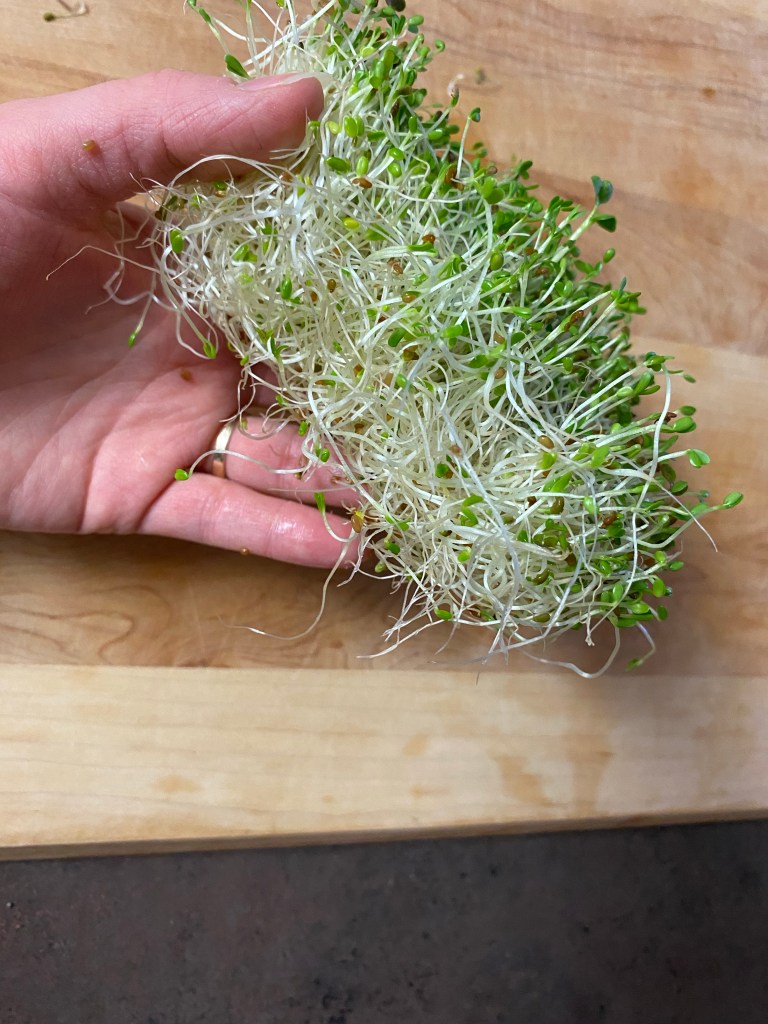
Sprouts are categorized as “Super Foods”, which essentially means that they have an incredibly high concentration of vitamins, minerals, antioxidants, and many other nutritional factors to support health and wellness.

Often, the sprouted seeds will have much more nutritional value then the fully grown vegetable.

My favourite example of this is broccoli. We love eating the mature broccoli, and have it at least once a week in a stir fry or as a cooked green vegetable next to our protein entree. (Our oldest calls broccoli her “little trees” and nibbles away at the “leaves”!)

But essentially, 2 tablespoons of dry broccoli seed can be sprouted into approximately 270g when finished growing in the steel sprouting basket, and has the same nutritional benefits as 29.5lbs when fully grown. That’s like 30 large heads of broccoli!

For a little more insight into this, you can see the video below that my father Steve did, explaining more of the science and giving a great visual example. (Yes, he bought 30 heads of broccoli for this illustration, and yes, we were eating and tooting all that broccoli for the next few weeks!)

New to Sprouting?

When new to sprouting, and not sure what to sprout first, it is best to try something that you know your tastebuds will like. For example, we have two young kids who do not like anything spicy or strong flavours, so we prefer to sprout gentler tastes such as:

  • Clover (protein, packed with vitamins & minerals)
  • Alfalfa (builds up immune system and lowers cholesterol)
  • Or a mix like sandwich booster (you can check out many tasty sprout seed blends from Mumm’s Sprouting Seeds)

If you are a bit more adventurous and want to try a stronger taste then there is

  • broccoli (regulates blood pressure, anti-cancer, lowers cholesterol & inflammation)
  • radish (colds/urinary infections)
  • Garlic chives (lowers cholesterol and supports immune system)
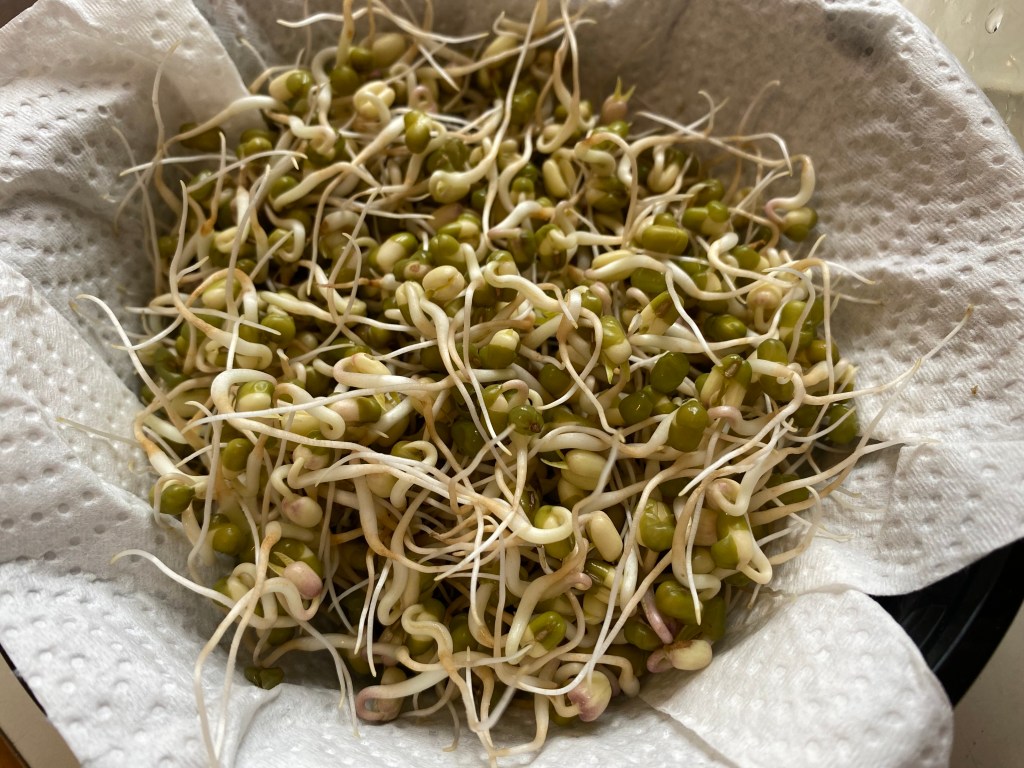
  • Mung beans (rich in protein, anti-cancer)

These are only a few of the more well known types of sprouts and I have only highlighted a crumb of the health benefits. Click HERE to see more information on sprouting nutrition from Four Season Greens.

Sprouting is easy, and once you make it a part of your daily routine to take care of growing them, your body will LOVE the good nutrition!

A Few Ways to eat Delicious, Home-Grown Sprouts:
Grab a handful and chew away!

Mung Beans: These take 2-3 days to sprout. I like to serve them on top of soup or curry.

Make a sprout and wildflower salad. Perfect for hot summer days!

Serve in a sandwich or wrap.

There are many other ways to enjoy healthy and nutritional sprouts! (My next project to learn about is sprouted bread! If I can learn how to make it successfully, I will share on here at some point).

How to Grow Your Own Sprouts (Jar/Basket Method):

Instructions below have been taken from my parent’s business: Four Season Greens. There is a free printable PDF that you can download from their website at this link: HERE. There are also some great daily videos on this link’s page that are a step-by-step guide of what to expect each day when growing your own sprouts. (This might be particularly helpful when learning how to transition the sprouts from the jar to growing basket).
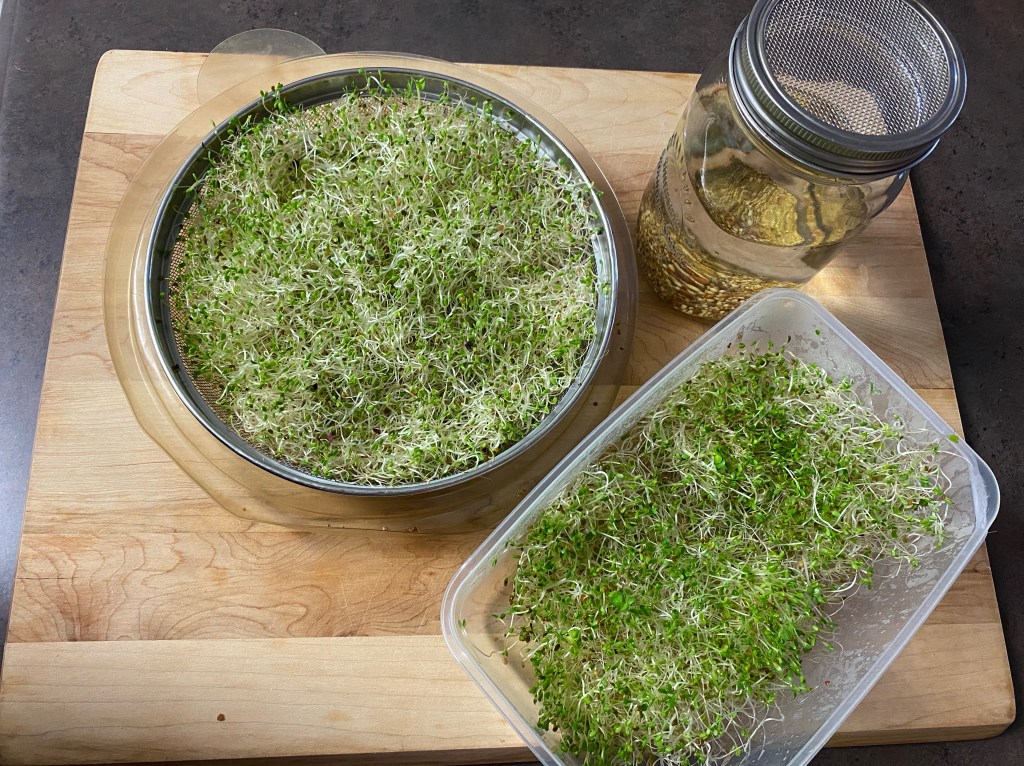

Sprouting requires approx. 2 minutes per day, mostly rinsing in the morning (breakfast) and evening (dinner), 12 hours apart. A third rinse, particularly in hot weather, is ideal.

1. Soaking Phase (Day 1):

  • Fill a 500 ml jar ½ full of (cold) water.
  • If you are on well water: Add 7-8 drops of food grade Hydrogen Peroxide (35% solution). You have now created an 3% dilution. Disregard if you are on town/city water, as there is already chlorine added to the tap water.
  • Add 2 Tbsp seed. Place screen, cheesecloth or lid in place on jar.
  • Let soak* (see below for soaking times for different seeds):

2. Jar Rinsing Phase (Days 1-3):

  • At end of soaking time, drain off water, turn jar on 45 degree angle to continue draining.
  • (Place in bowl or dish rack. Be careful not to let the seed block the mouth of the jar too much; sprouts need ventilation.)
  • Let drain for 8-12 hours*.
  • Fill jar with cold water. Gently agitate for a couple of seconds. Drain immediately.
  • Repeat (fill, drain) for the next 48 hours.
  • *Rinse in 8 or 12 hour cycles; breakfast and dinnertime works best.
  • Rinsing greater than 12 hours apart will result in seed drying out.
  • Rinsing 3 x per day is ideal.

3. Basket Transition (Day 4):

  • Fill jar with water.
  • Shake gently to loosen any seeds stuck to the screen.
  • Remove screen (or cheesecloth).
  • Place basket in the sink.
  • Empty jar into basket.
  • To evenly spread seed around: (without handling the seeds, which can damage them, causing them to rot) Use the “panning for gold” technique:
    • Fill a bowl (slightly bigger than basket) with water.
    • Immerse basket. Seed shells will float, which you can gently scoop out.
    • Gently even the remaining seed out with your hand.
    • Lift basket out of the water.
    • Place in plastic drip tray.
    • Cover with dome.
  • Continue to rinse every 12 hours (minimum), replacing dome each time.
  • (For continuous supply of sprouts, begin soaking next batch of seed in the jar on day 5.)

4. Basket Rinsing (Days 5-7):

  • Day 5: Continue to rinse every 12 hours (minimum). Place dome lid ½ on to encourage air flow.
  • Day 6 & 7: Continue to rinse every 12 hours (minimum). Remove dome
  • For these last 3 days, if you want greener sprouts (more chlorophyll):
    • Place basket near window (no direct sunlight), or under grow-lights.

5. Harvesting:

  • Gently grab a clump of sprouts, wiggle and gently pull out.
  • Place sprouts in an airtight container in fridge.
  • Sprouts will keep for a week or more.
  • To clean basket:
    • Pull out most of the sprout bits.
    • Let dry upside-down (1/2 day).
    • Using dry brush, gently brush off dry sprout bits.
    • Place in dishwasher or hand wash. (Plastic dome and tray must be hand washed.)

Seed soaking times:

1-2 hours: Broccoli
3-5 hours: Small seeds (alfalfa, radish, garlic chives, clover, fenugreek),
8-12 hours: Grains, peas, sunflower, and other big seeds
(Grains, such as wheat, barley, spelt, oats, kamut, etc., are not grown in baskets.)

Where to Buy Non-GMO/Organic Sprouting Seed:

We buy our seeds in bulk from a Non-GMO/Organic company in Saskatchewan, Canada: Mumm’s Sprouting Seeds. They are a family run company with wonderfully sourced product! For orders within Canada, shipping is free over $40, and for USA orders it is free if over $100.

To some folks that might seem like a lot to get the free shipping, but nutritionally it is so worth it. We usually buy bulk orders every 2 years to get the free shipping and make it worth shipping it all the way to our remote part of Ontario.

As a side note, when buying in bulk and not using seed up as quickly, you can put the sprouting seeds in a sealed bag in the freezer, and this will prolong the germination quality until you are ready to use it. (I learned this seed hack from my father Steve!)

What Supplies do I Need to Grow My Own Sprouts?

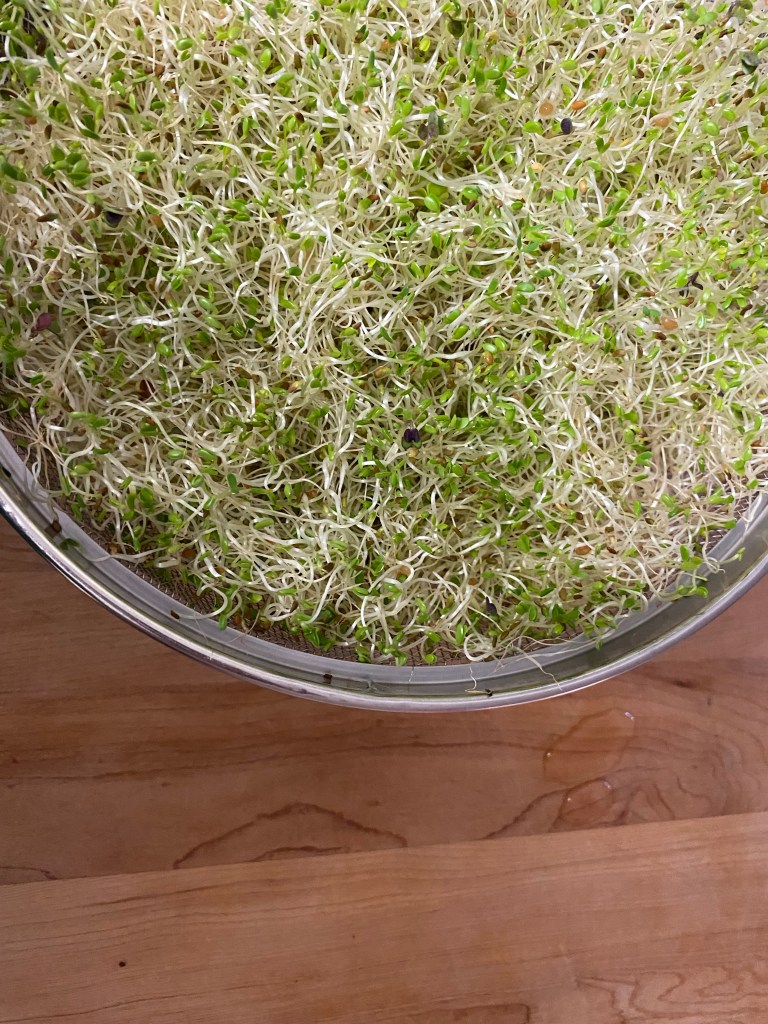
Technically, all you need is a large glass jar, an elastic, and some fine screen mesh (you can usually find this at your local hardware store). When the sprouts get too full in the glass jar, simply take them out, rinse out the seed hulls, let them dry a little on some fresh paper towel, and then store them in the fridge in a sealed container. The nice thing about the growing basket is that it extends the growing time so that your sprouts produce more. It also leaves the option for them to get greener during the last 2 days in the basked and produce more chlorophyll.

Personally, I love starting my sprouts in a large 1 litre glass jar and then transferring the sprouts into our steel growing basket, just like in the directions listed above. The sprout grower kit is available to purchase from Four Season Greens at this link HERE. We also have a jar stand similar to THIS ONE on Amazon, to hold the jar when it is in the rinsing and draining stage for Days 1-3. But a clean drain rack in your kitchen will work just as well.

Planning to Grow your own Sprouts?

Let me know how it goes!! Feel free to post to your social media account and tag Northbird using one of the links below or post in the comments!

More Ideas for Natural Living:
Hi, I’m Jessie!

I’m a Wife and Homeschooling Mom living in a remote town in Northern Ontario, Canada. I love making wholesome meals for my family from scratch, homeschooling our girls and learning more about natural living.

Read more about my story HERE.

Subscribe to Northbird’s email list to get weekly posts on: tasty recipes, activity ideas for kids, natural living tips, and some genuine mom thoughts and encouragement!

Check out on the Natural Living Page:

Nature’s Medicine

An on-going picture collection of various herbs, vegetables, fruits, oils, etc and highlighting some of the amazing health benefits that they have to offer us!

This post may contain affiliate links. As an Amazon associate, I earn from qualifying purchases. This means that I make a small commission at no extra cost to you. You can read my full disclosure HERE.

Return to Top

Homemade Flu Medicine: Fire Cider

Find Northbird on social media:

This post contains affiliate links. As an Amazon associate, I earn from qualifying purchases. This means that I make a small commission at no extra cost to you. You can read my full disclosure HERE.

Jump To Recipe Card

Jump to Video

Return to “More Recipes”

Return to “Natural Living”

What is Fire Cider?

Fire Cider is an amazing natural remedy that will boost your immune system and help protect you from getting those frustrating seasonal viruses that always seem to be floating around.

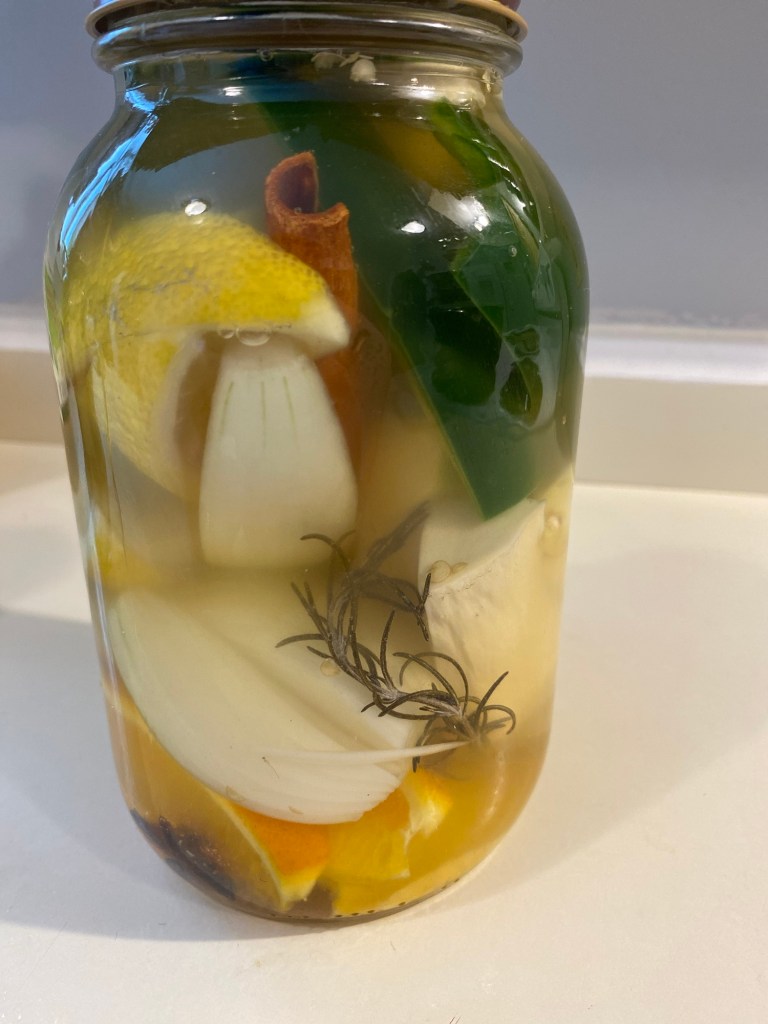
This powerful tonic looks different from home to home, but generally they contain a fermented mixture of:

  • apple cider vinegar
  • hot peppers
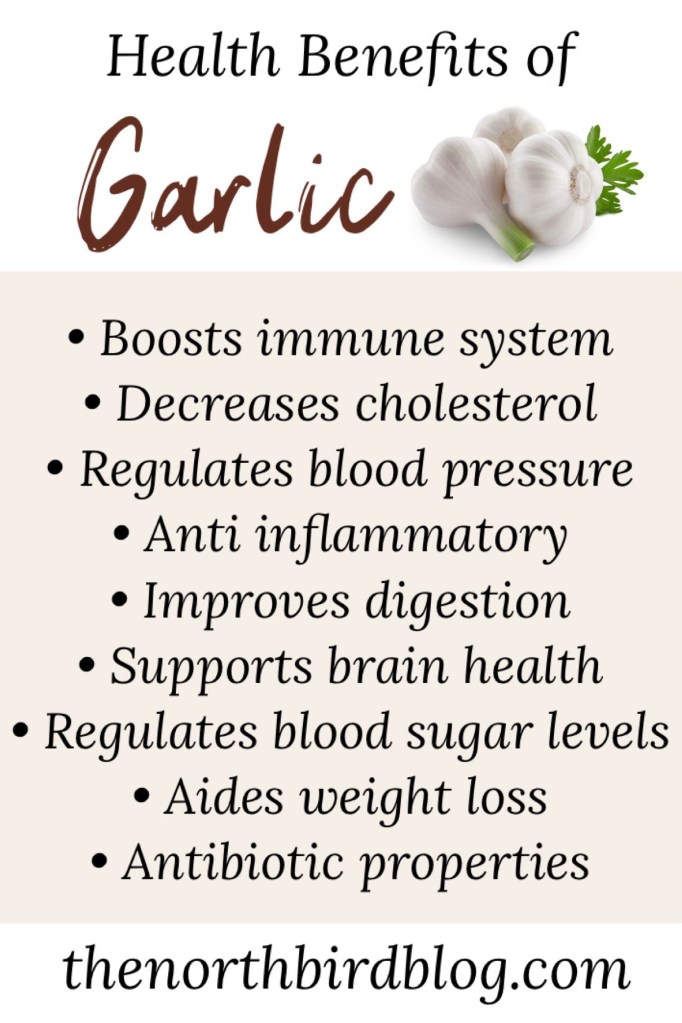
  • garlic
  • onions
  • and horseradish root.

After fermenting for several weeks, the liqud is strained into a new jar and honey can be added to help sweeten the homemade tonic.

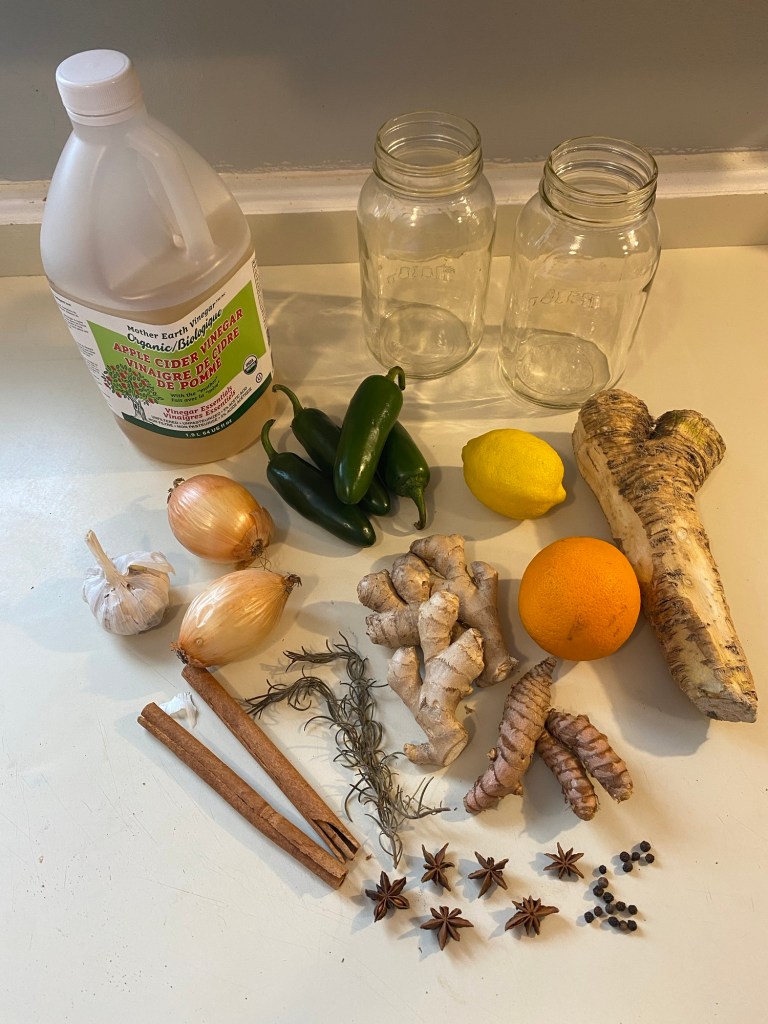
These other tubers, citrus, herbs and spices are ones that I’ve either used in my own fire cider, or I’ve heard of folks using in theirs:

  • Turmeric
  • Ginger
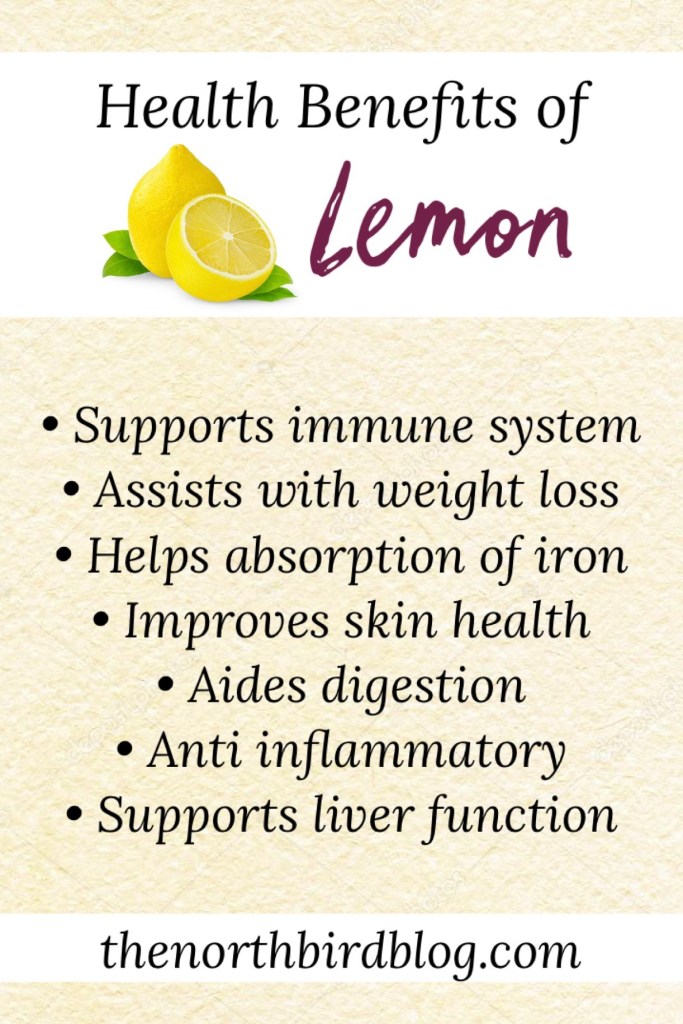
  • Lemon
  • Orange
  • Lime
  • Rosemary
  • Thyme
  • Star anise
  • All Spice Berries
  • Peppercorns
  • Cinnamon stick

All of these are amazing ingredients on their own, and packed full of nutrition and natural medicine for our bodies. When put together, all of these are one powerful kick to get rid of illness!

On a personal note, special mention should go to my mother, Sharon, who became known in our church and homeschooling community for having her own variation of fire cider, or “Sharon’s Brew”.

In our home growing up, it was the dreaded jar in the fridge that had been fermenting for AGES and honestly tasted quite deadly. The longer it fermented in the jar, the more potent the hot peppers made the taste of the liquid.

Whenever colds or illness came around, out came the jar and a handful of spoons to dip into the liquid and swallow the awful stuff. No honey to sweeten it for us!

But it worked. And it was a much better solution than popping pharmaceutical drugs into our bodies.

That’s why natural medicine is so important: you know exactly what is going into your body, and you are using herbs and natural foods to look after the health of your body —the way that our Creator intended.

Where Does Fire Cider Come From?

The idea of fire cider has been used for thousands of years by herbalists, physicians and apothecaries, who would ferment different foods, spices and herbs to make this amazing natural remedy.

However, it wasn’t until around 1970 that a well known herbalist and author named Rosemary Gladstar began encouraging the public to make their own apple cider vinegar tonic, and made the name “Fire Cider” popular. You can read more in her book “Fire Cider! 101 Zesty Recipes for Health-Boosting Remedies”.

On that note, she has many more amazing books on medicinal herbs and natural remedies that you can check out HERE.

Why is it Called “Fire Cider”?

The “fire” part of it is from the hot peppers that ferment in the apple cider vinegar and give it that special “kick” that fire cider is known for.

Health Benefits of Fire Cider Ingredients:

Please note, that although this is an amazing and medicinally powerful mixture of fermented goodness, I do not have a medical or herbalist degree. So when I recommend making this recipe, it is purely from experience and my own research that leads me to write about this topic.

I am passionate about learning all I can about natural medicine, and sharing what I have learned on this blog. I highly encourage anyone interested to learn more from seasoned herbalists like Rosemary Gladstar,

Reasons NOT to take Fire Cider:

Based on my research, I do not recommend taking this every day if you are pregnant or if you have acid reflux or other chronic digestive problems. I also wouldn’t give it to a young child.

Ways to take the Fire Cider:

If you have a sensitive stomach and cannot take it strait, here are some other ways to still take fire cider:

  • Dilute it with juice or other beverage
  • Mix it into your meal
  • Use it as a tangy salad dressing
  • Use it as a marinade

Watch this video to see the process of making your own fire cider!

How to Make Your Own Fire Cider:

Supplies Needed:

Ingredients:

Directions:

  1. Cut all fresh ingredients up and stuff into jars. Add spices in.
  2. Fill the jar up to the top with apple cider vinegar, making sure that all the ingredients are covered to prevent mold from growing.
  3. Use a plastic jar lid or put a layer of parchment paper between the jar and the metal lid so that the vinegar doesn’t react with the metal.
  4. Give jar a shake once a day, and switch the lid once a week or as needed.
  5. Ferment for 4 weeks.
  6. Use a fine mesh or cheesecloth strainer to strain out the jar contents and return liquid to fresh jars.
  7. Store in fridge and use within one year.
  8. For an adult: take three times a day when feeling ill, or take once a day as a tonic to boost and protect your immune system. (Dosage recommended by theherbalacademy.com)

Additional Notes:

  • You can add honey directly to the jar until it has reached the desired taste to off-set the “kick”, or you can store the jar with just the fermented liquid and add sweetener as you take it. I usually take my “ medicine shot” with homemade elderberry syrup to use instead of honey to sweeten it.
  • 2 packed 1-litre jars produces around 750-1000ml of finished fire cider.

More Ideas for Natural Living:

Hi, I’m Jessie!

I’m a Wife and Homeschooling Mom living in a remote town in Northern Ontario, Canada. I love making wholesome meals for my family from scratch, homeschooling our girls and learning more about natural living.

Read more about my story HERE.

Subscribe to Northbird’s email list to get weekly posts on: tasty recipes, activity ideas for kids, natural living tips, and some genuine mom thoughts and encouragement!

Check out on the Natural Living Page:

Nature’s Medicine

An on-going picture collection of various herbs, vegetables, fruits, oils, etc and highlighting some of the amazing health benefits that they have to offer us!

Homemade Flu Medicine: Fire Cider

  • Servings: 1-2 1 litre jars
  • Difficulty: Easy
  • Print

A powerful natural tonic made from hot peppers, root vegetables, spices, citrus, herbs, and fermented in apple cider vinegar.


  • You can add honey directly to the jar until it has reached the desired taste to off-set the “kick”, or you can store the jar with just the fermented liquid and add sweetener as you take it. I usually take my “ medicine shot” with homemade elderberry syrup to use instead of honey to sweeten it.
  • 2 packed 1-litre jars produces around 750-1000ml of finished fire cider.


Ingredients

  • Apple Cider Vinegar
  • Fresh horseradish root
  • Onion
  • Garlic
  • Ginger root
  • Turmeric root
  • Hot peppers (chillies, jalepenos, your preference how hot you want it!)
  • Lemon
  • Orange
  • Rosemary (fresh or dried)
  • Star anise
  • Peppercorns (10-15 per 1 litre jar)
  • Cinnamon stick

  • Directions:

  • Cut all fresh ingredients up and stuff into jars. Add spices in.
  • Fill the jar up to the top with apple cider vinegar, making sure that all the ingredients are covered to prevent mold from growing.
  • Use a plastic jar lid or put a layer of parchment paper between the jar and the metal lid so that the vinegar doesn’t react with the metal.
  • Give jar a shake once a day, and switch the lid once a week or as needed.
  • Ferment for 4 weeks.
  • Use a fine mesh or cheesecloth strainer to strain out the jar contents and return liquid to fresh jars.
  • Store in fridge and use within one year.
  • For an adult: take three times a day when feeling ill, or take once a day as a tonic to boost and protect your immune system. (Dosage recommended by theherbalacademy.com)
  • Nutrition


    Per 1 tablespoon serving: 27 calories; 0.8 g fat; 5.2 g carbohydrates;
    0.9 g protein.

    Return to Top

    Make Your Own Pumpkin Puree

    Find Northbird on social media:

    This post contains affiliate links. As an Amazon associate, I earn from qualifying purchases. This means that I make a small commission at no extra cost to you. You can read my full disclosure HERE.
    Jump To Recipe Card

    Jump to Video

    Return to “Homemade Pantry”

    We love this time of year! Lots of beautiful fall colours, it’s sweater weather, and it’s time to harvest what is left in the garden.

    (Now, this year is a bit of an exception as there wasn’t much of a garden to speak about!) But other years at my parent’s house there has been much fun in discovering all the pumpkins and squash that have been hiding all summer, and bringing them inside to store for the next several months.

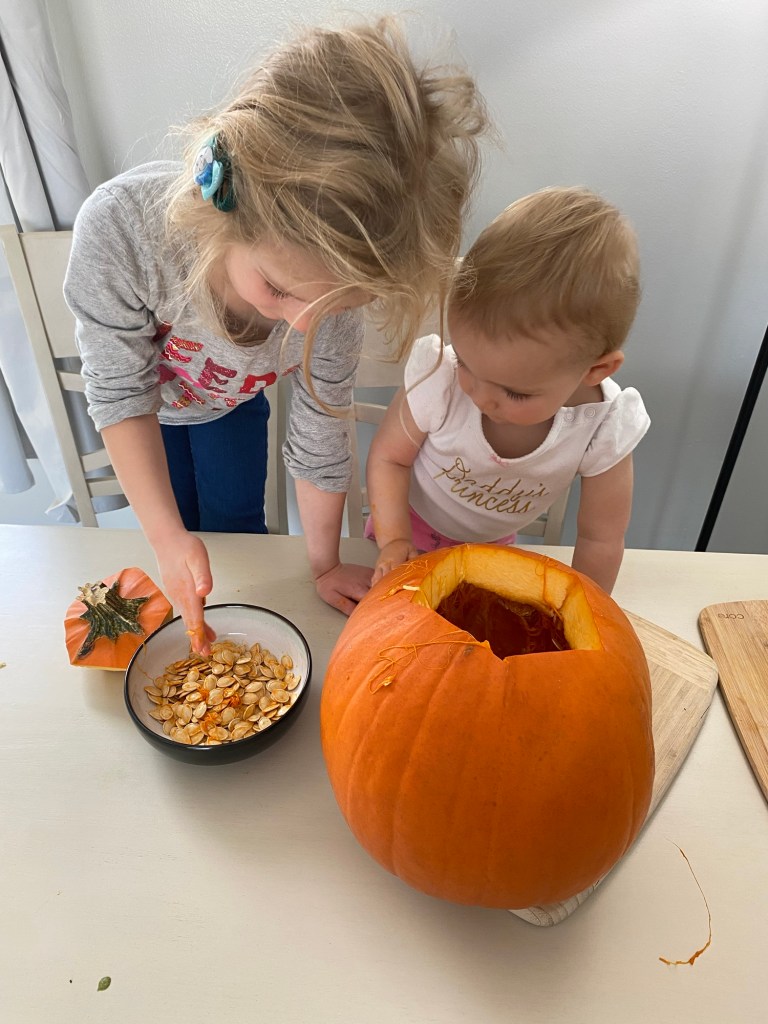
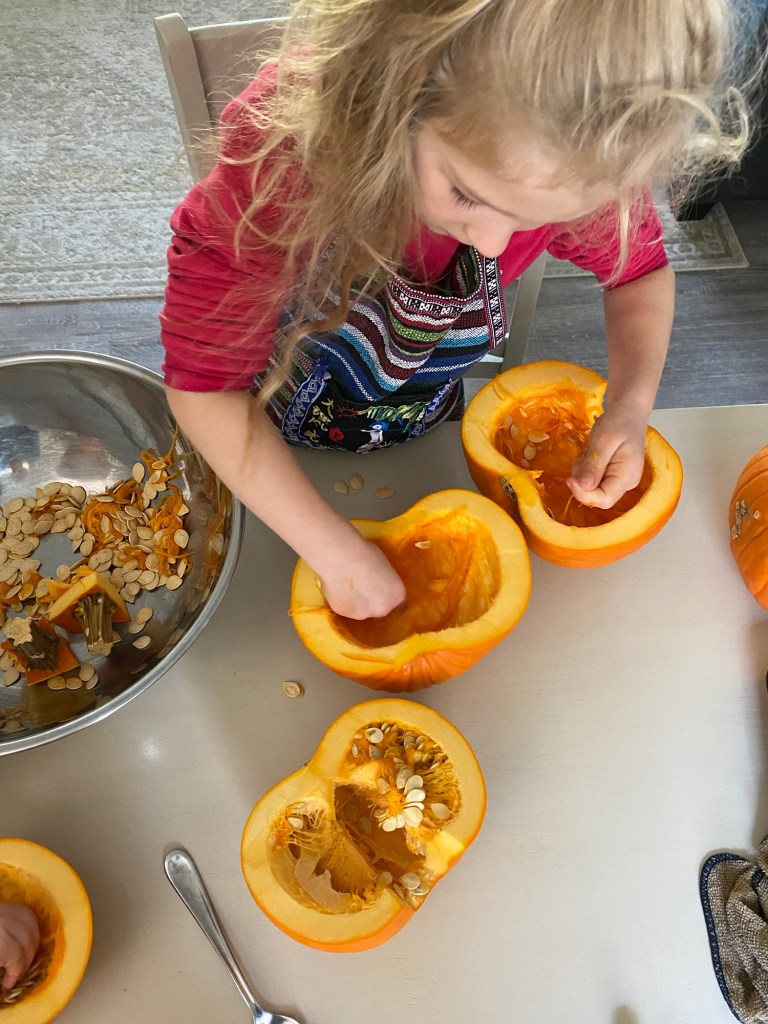
    We particularly love cutting up and cooking pumpkins to turn into homemade pumpkin puree. It’s a great activity for the kids to help with, working on their fine motor skills and scooping out all the gooey seeds!

    Ways to use Pumpkins and Pumpkin Puree:

    There are so SO many ways of using this tasty fall vegetable besides carving it up and putting it on your doorstep for decoration!

    Here are a few of my favourites plus a few more fun ideas:

    Sweet
    Savoury
    Pumpkin PiePumpkin Seed Wheat Bread
    Pumpkin MuffinsPumpkin Crackers
    Pumpkin Energy BallsPumpkin Egg Noodles & Other Pastas
    Pumpkin Chocolate SquaresPumpkin Hummus & Veggie Dips
    Pumpkin Sweet BreadPumpkin Soup Variations
    Pumpkin CookiesPumpkin Casserole
    Pumpkin Spiced Latte & Other drinksStuffed Pumpkin Dishes
    Pumpkin Pancakes & WafflesFried Pumpkin Fritters

    Does the Size of Pumpkin Matter?

    Honestly, the size only matters for what you plan on using the puree for. The smaller pumpkins will typically be sweeter, and the larger ones will just be a bit more watery.

    Smaller pumpkins, such as “pie pumpkins” are usually used for (obviously!) pies! They are sweeter, and have a more distinct taste, making them ideal for baked goodies and treats.

    The larger pumpkins are not usually used for pies and baking due to their slightly more dulled taste because they have a higher water content. This of course doesn’t mean that they can’t be used in baking and cooking, it’s purely a matter of preference.

    What can you do with the Pumpkin Seeds?

    Here are 3 ways that we use leftover pumpkin seeds:

    1. Seed Saving for planting the following year (s).
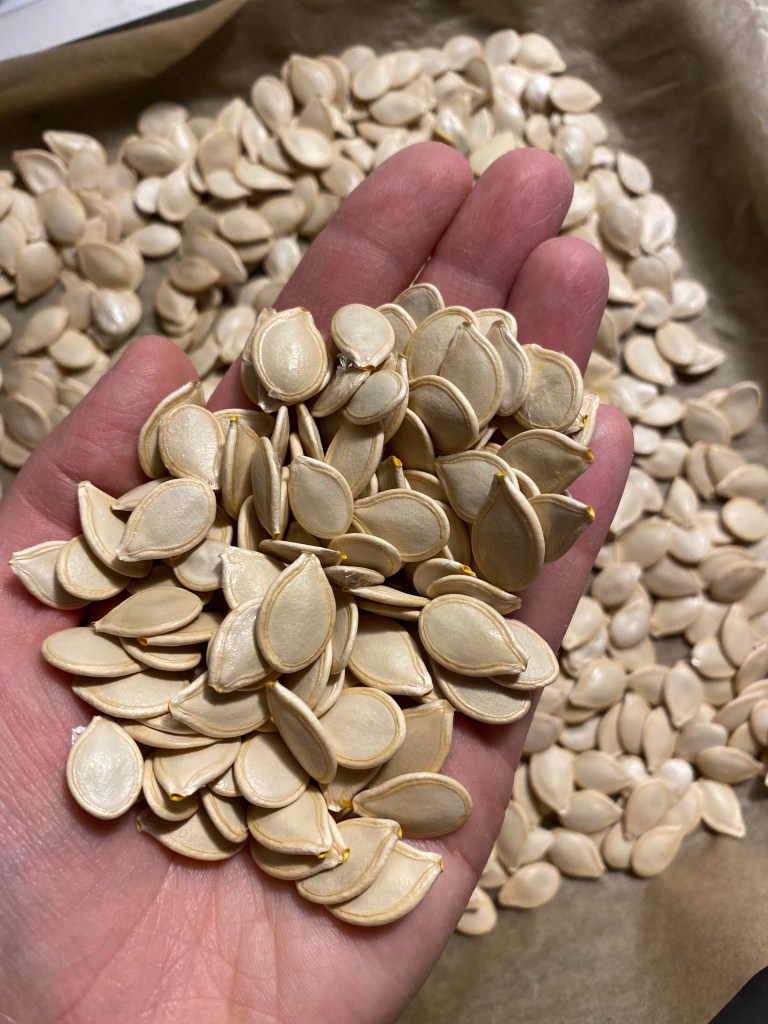
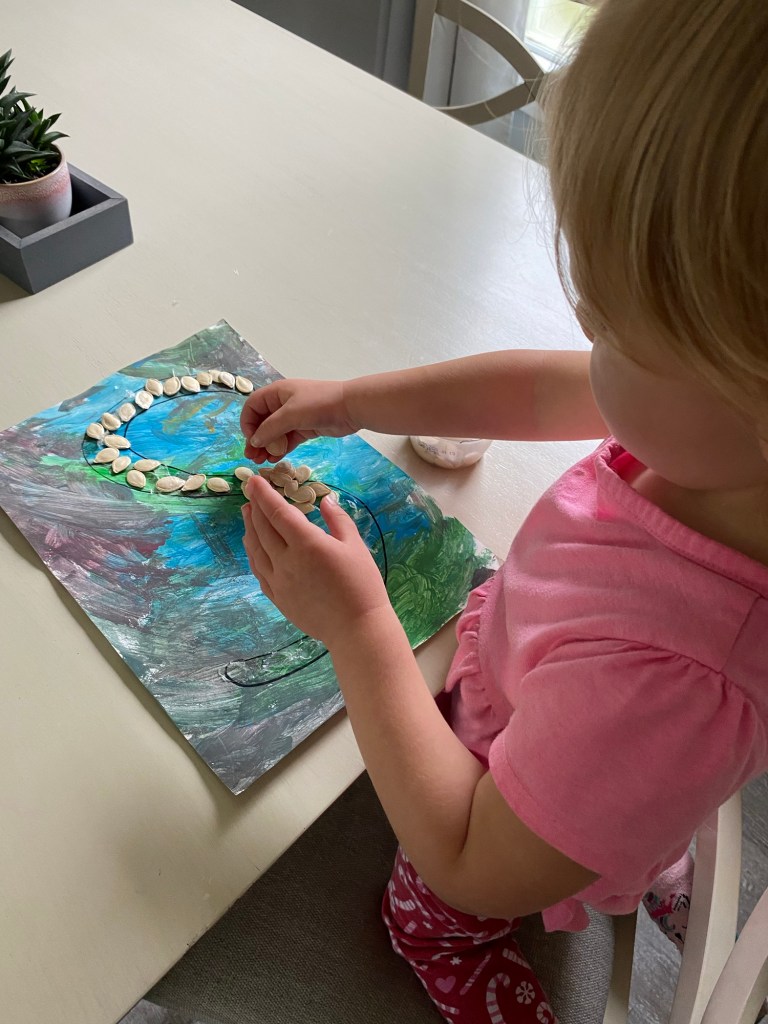
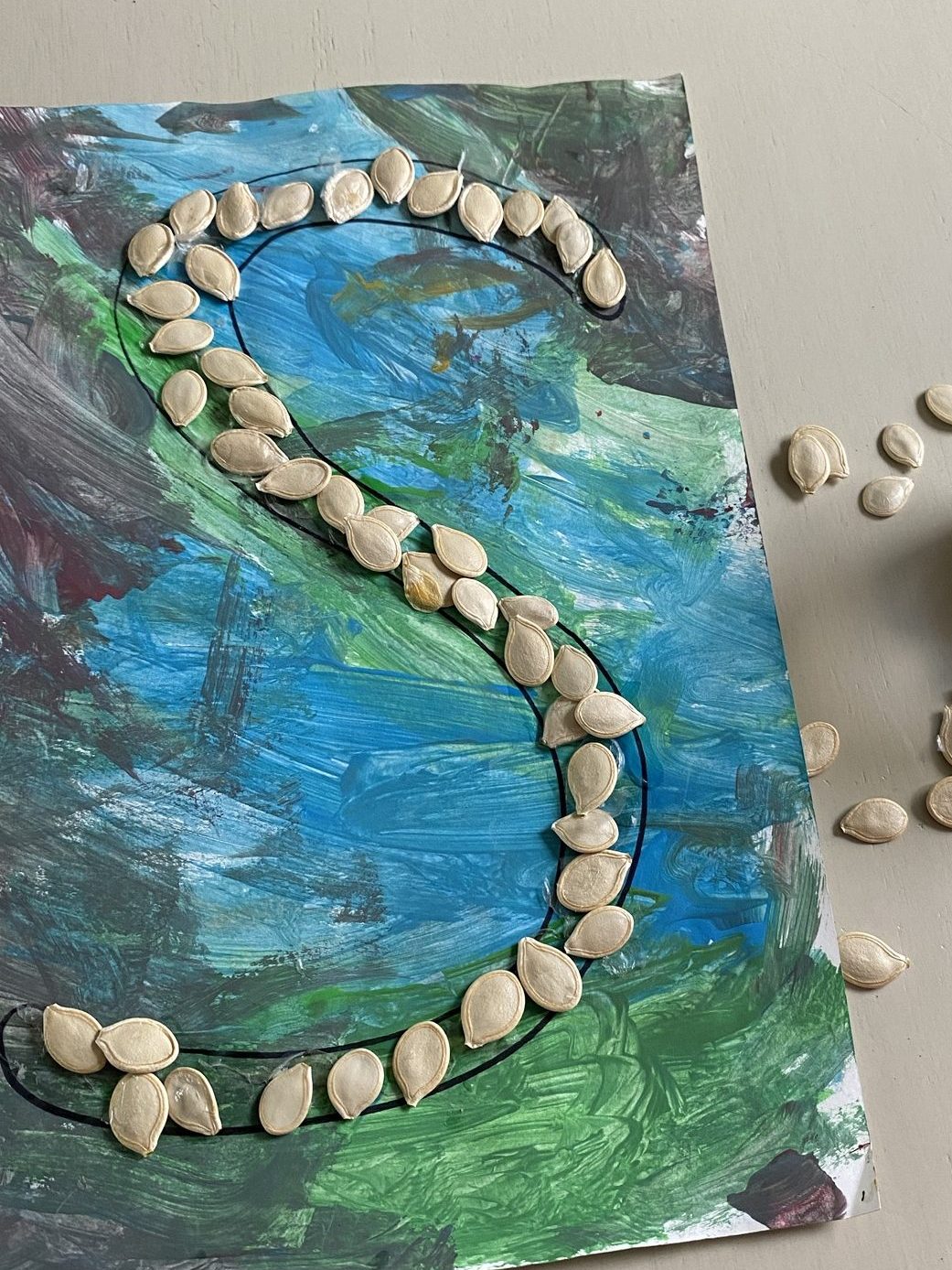
    2. Dry the seeds to use in crafts or educational activities.
    3. Roast and eat them in so many different ways!

    Saving Pumpkin Seeds for Planting:

    1. Clean seeds in a bowl of water and separate out any pulp or broken seeds. Select the biggest and best seeds to save.
    2. Drain off as much water as possible and pat the seeds as fry as you can.
    3. Put seeds on parchment paper to continue drying for several days.
    4. Put in a paper envelope and label.
    5. If you are using the seeds the following planting season, you can store it in a cool, dry pantry. If you want the germination of the seeds to last for many years, put in the freezer.
    6. Note: If it’s an heirloom pumpkin then it is definitely nice to save some seeds for future planting. If it’s a hybrid-grown pumpkin then you may not get much produce from planting the seeds, and anything grown would likely be less hardy and more vulnerable to diseases.

    Dry the Seeds for Crafts & Activities:

    1. Clean seeds in a bowl of water and separate out any pulp from them.

    2. Drain off as much water as possible and pat the seeds as dry as you can.

    3. Put seeds on parchment paper to continue drying for several days.

    4. Store the seeds in a paper envelope.

    Eating Pumpkin Seeds:

    The seeds are delicious to use in so many ways!

    • Enjoy as a salty snack
    • Add to a trail mix with other seeds, nuts and dried fruits
    • As a salad topping
    • As a pumpkin or squash soup garnish
    • Make your own pumpkin seed crackers
    • Baked into bread
    • Put in a smoothie
    • Mix into a nutritious breakfast bowl

    How to Roast Pumpkin Seeds:

    1. Wash the seeds and separate from the pulp.

    2. Mix in a small bowl with olive oil or (my favourite) Avocado oil. Add sprinklings of salt, pepper and also a dash of paprika.

    3. Spread in single layer on parchment paper.

    4. Broil on low for about 5 minutes, or until crispy (every oven is different!)

    5. Store in an airtight container at room temperature for up to one week.

    Here’s a simple video of one of the times we recently cut up some pie pumpkins.

    How to Make Your Own Pumpkin Puree

    Supplies Needed:

    Ingredients:

    • Pumpkins

    Directions:

    1. Preheat oven to 350 degrees fahrenheit.

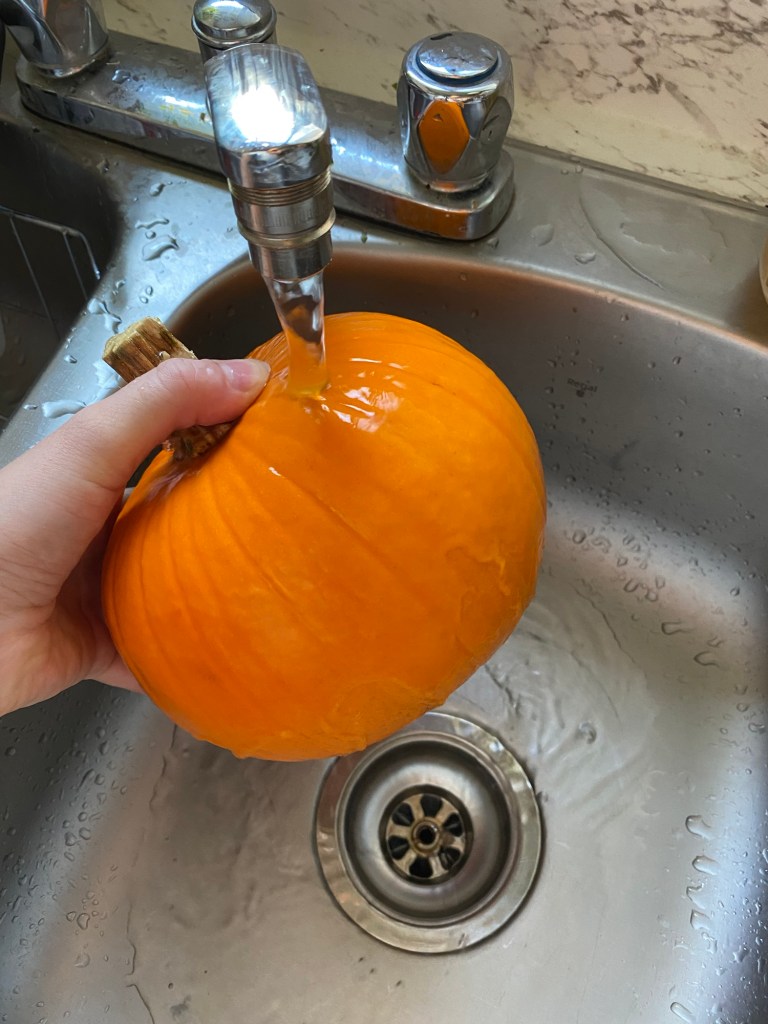
    2. Wash the outside of the pumpkins to remove any dirt.

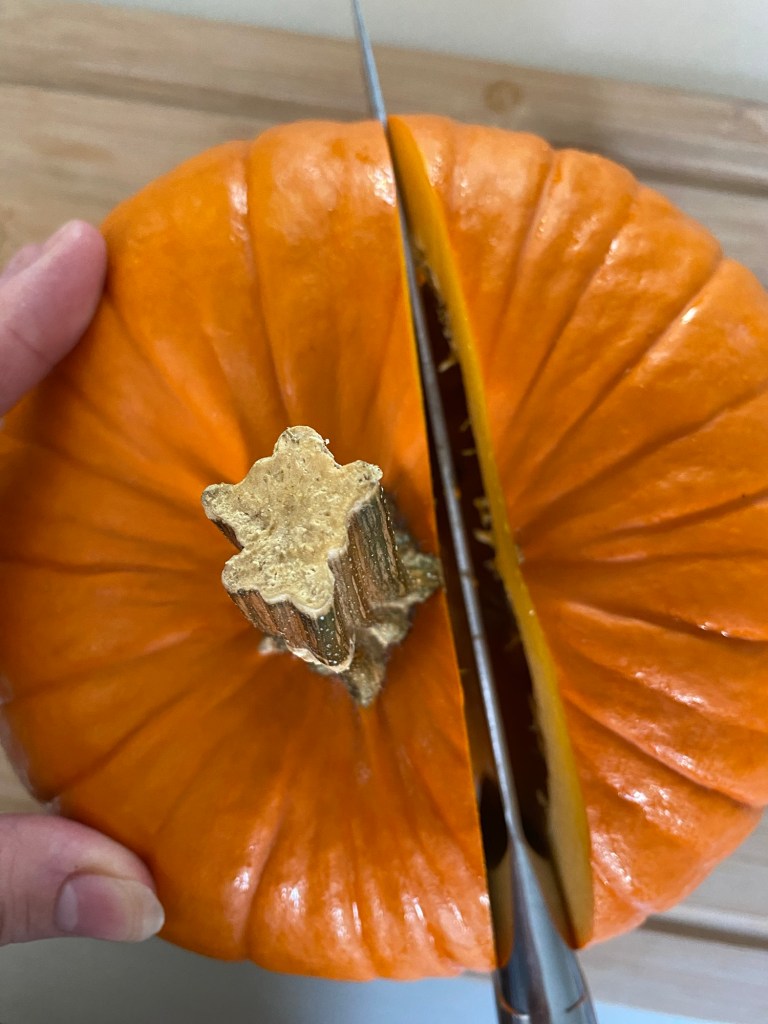
    3. If it is a small pumpkin, simply cut in half next to the stem and cut through into two halves. Cut off the stem and blossom end. If it is a larger pumpkin, cut around the stem part of the pumpkin in a circle and lift it out. Cut off the blossom ends as well.

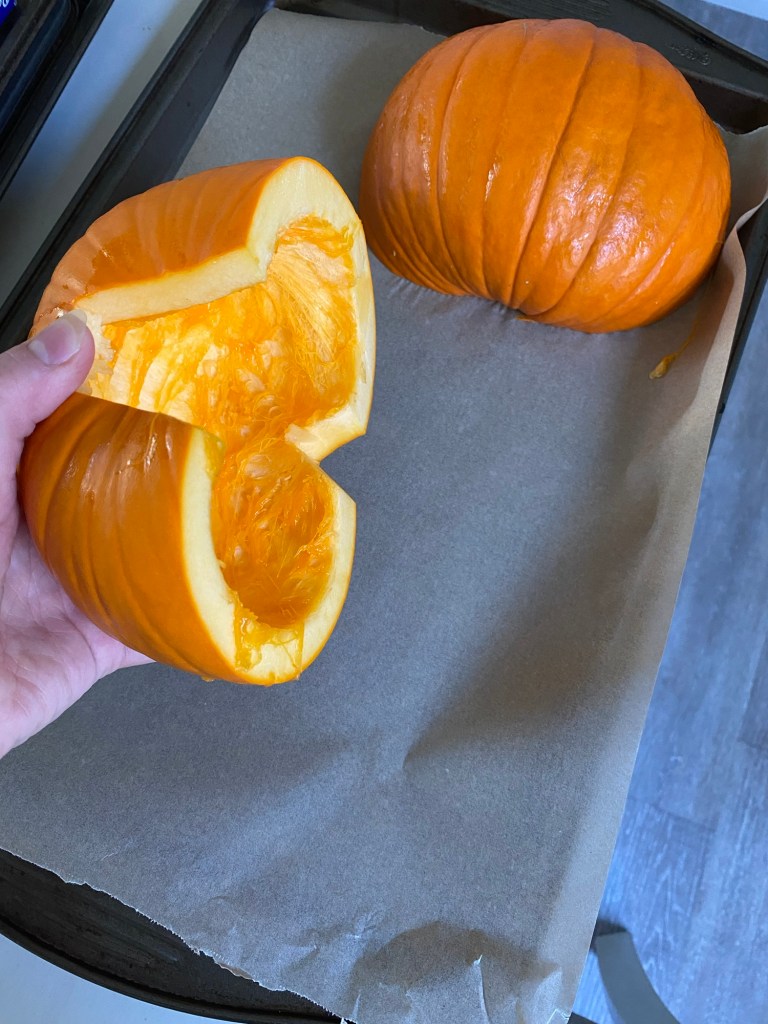
    4. Scoop the seeds out into a bowl **Save these for a tasty snack later!

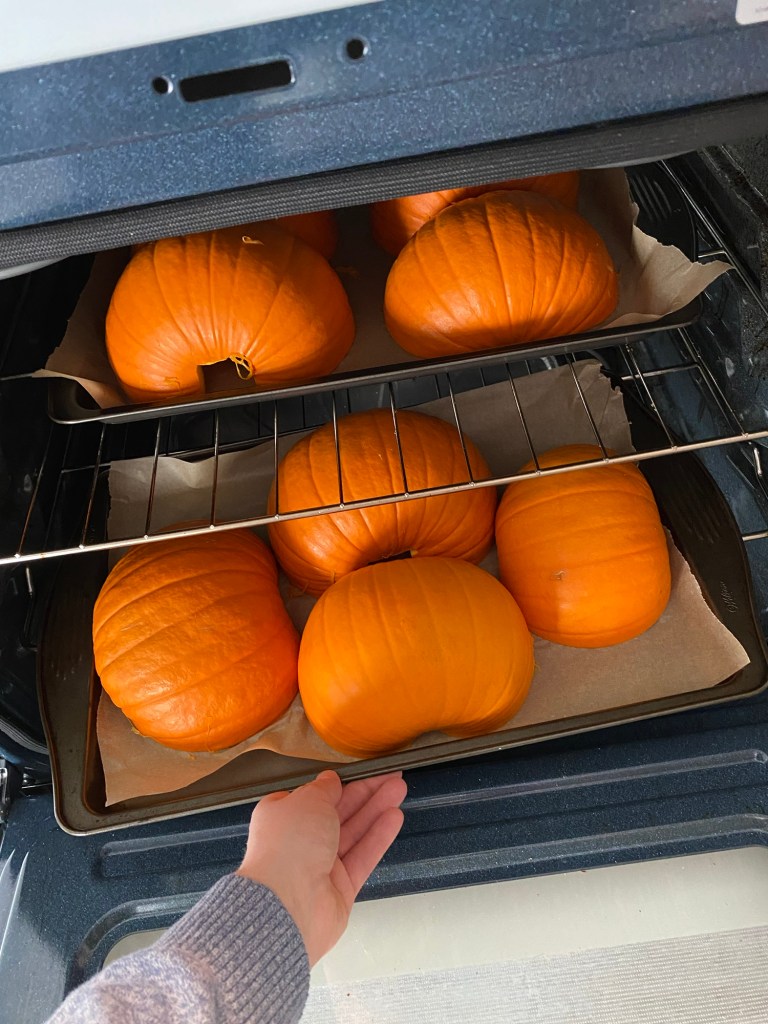
    5. Place pumpkin halves upside down on parchment-lined baking sheets.

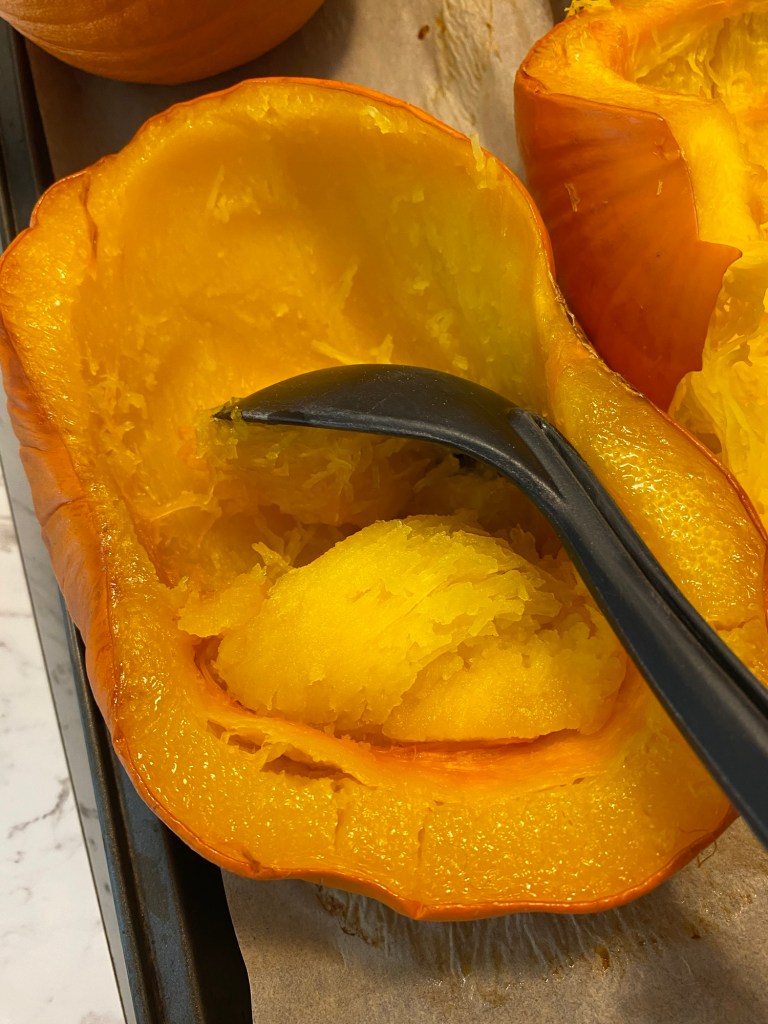
    6. Bake fat 350 for 45-60 minutes until the pumpkin skin on the outside is soft, lightly browned, and can be easily pierced with a fork. (You will want it soft enough to easily scoop the pumpkin flesh)

    7. Let cool completely, turning right side up to cool down faster.

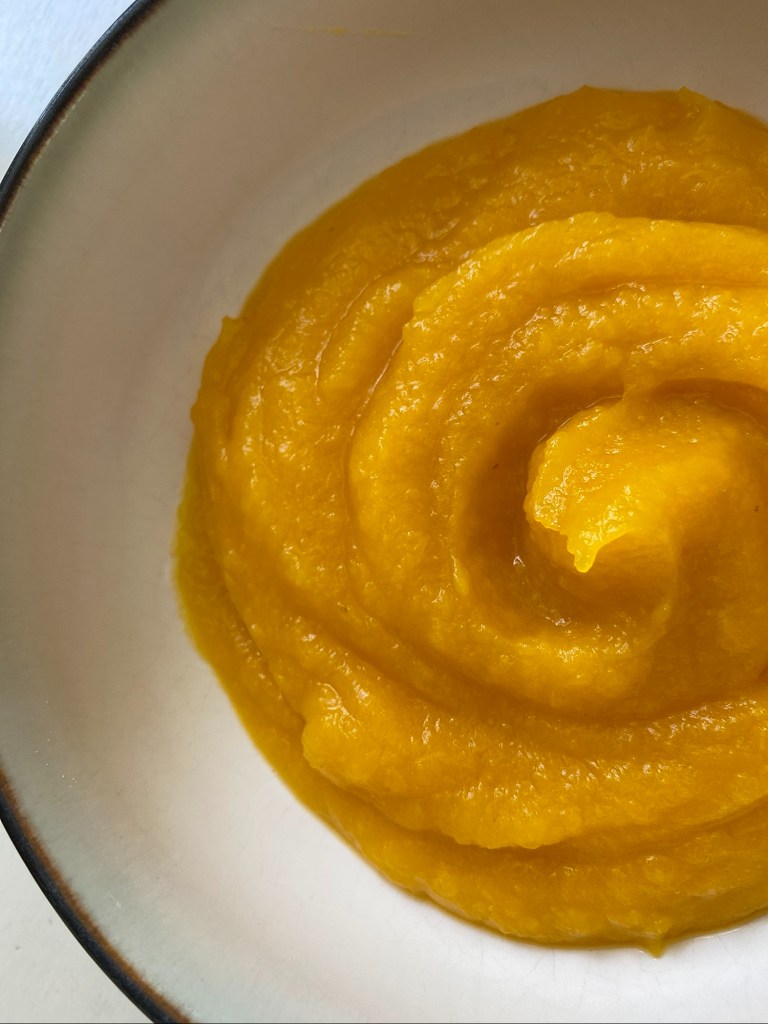
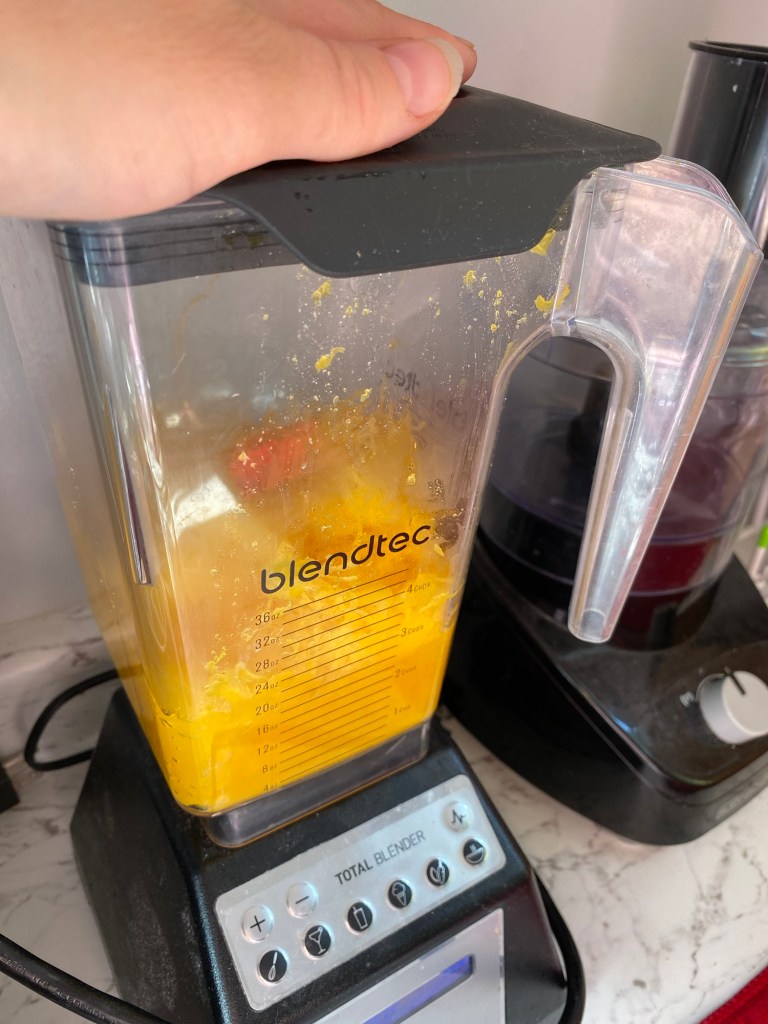
    8. Scrape the insides out into a high powered blender and puree until smooth.

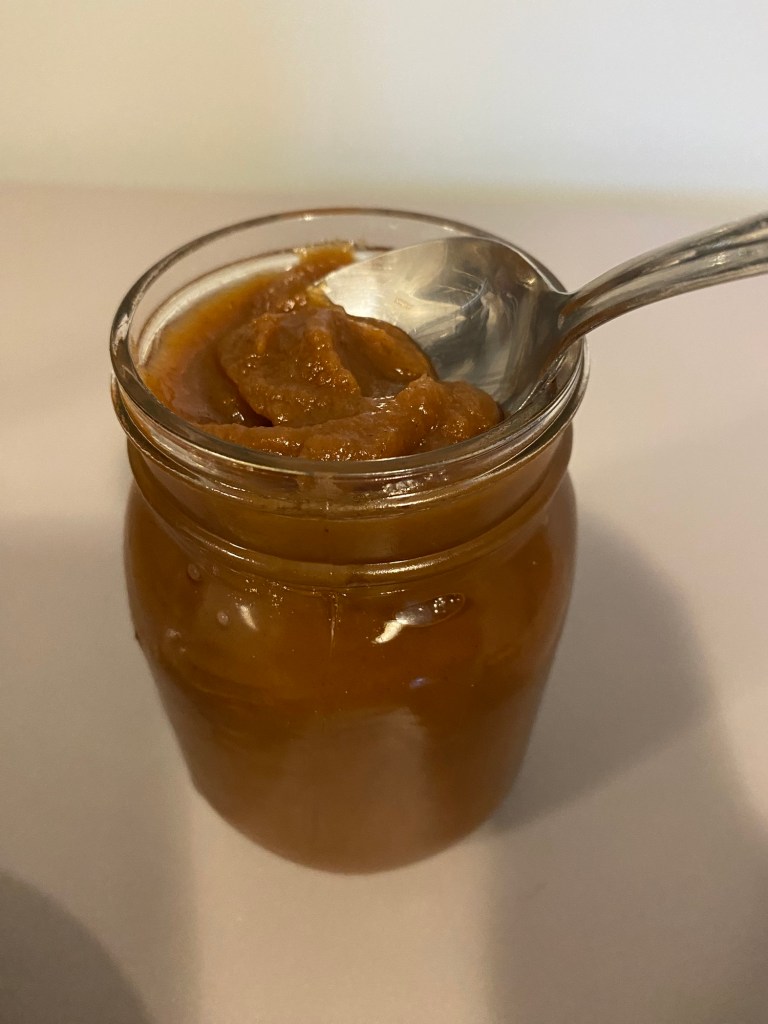
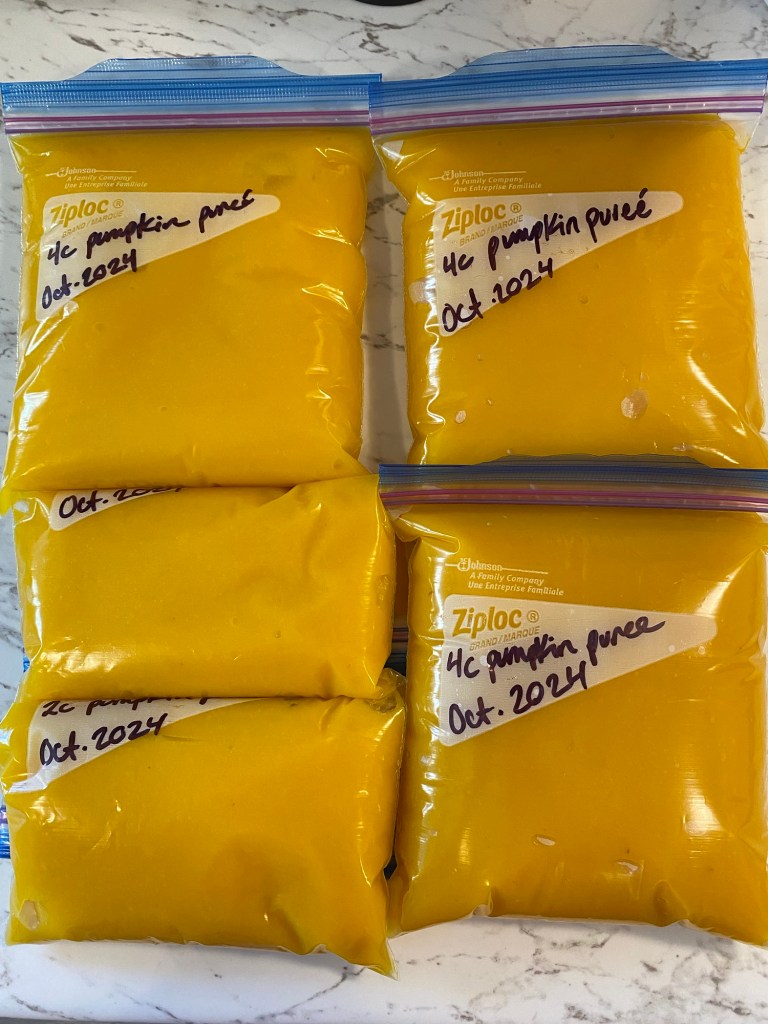
    9. Use immediately in desired recipe, or put in a sealed container and store in the fridge for up to one week. You can also put the pumpkin puree in a ziplock bag in the freezer. Best to use within 6 months. (Although I have used some puree that was frozen for much longer than that and still thawed and tasted great!)

    10. One small pie pumpkin makes approximately 4 cups of puree.

    Hi, I’m Jessie!

    I’m a Wife and Homeschooling Mom living in a remote town in Northern Ontario, Canada. I love making wholesome meals for my family from scratch, homeschooling our girls and learning more about natural living.

    Read more about my story HERE.

    Subscribe to Northbird’s email list to get weekly posts on: tasty recipes, activity ideas for kids, natural living tips, and some genuine mom thoughts and encouragement!

    Homemade Pumpkin Puree

    • Servings: 4 cups
    • Difficulty: Easy
    • Print

    Make your own pumpkin puree with this easy recipe and then freeze the puree to later make many sweet or savoury pumpkin recipes!


    You can use either large or small pumpkins for this recipe. The smaller pumpkins will typically be sweeter, and the larger ones will just be more watery. See ideas above for how to use pumpkins best based on their size.
    Ingredients

    • Pumpkins

    Directions:

    1. Preheat oven to 350 degrees fahrenheit.
    2. Wash the outside of the pumpkins to remove any dirt.
    3. If it is a small pumpkin, simply cut in half next to the stem and cut through into two halves.
    4. Scoop the seeds out into a bowl **Save these for a tasty snack later!
    5. Place pumpkin halves upside down on parchment-lined baking sheets.
    6. Bake fat 350 for 40-50 minutes until the pumpkin skin on the outside is soft, lightly browned, and can be easily pierced with a fork.
    7. Let cool completely, turning right side up to cool down faster.
    8. Scrape the insides out into a high powered blender and puree until smooth.
    9. Use immediately in desired recipe, or put in a sealed container and store in the fridge for up to one week. You can also put the pumpkin puree in a ziplock bag in the freezer. Best to use within 6 months.
    10. One small pie pumpkin makes approximately 3-4 cups of puree.

    Nutrition


    Per 1 cup serving: 34 calories; 0.3 g fat; 8.1 g carbohydrates;
    1.1 g protein.

    Return to Top