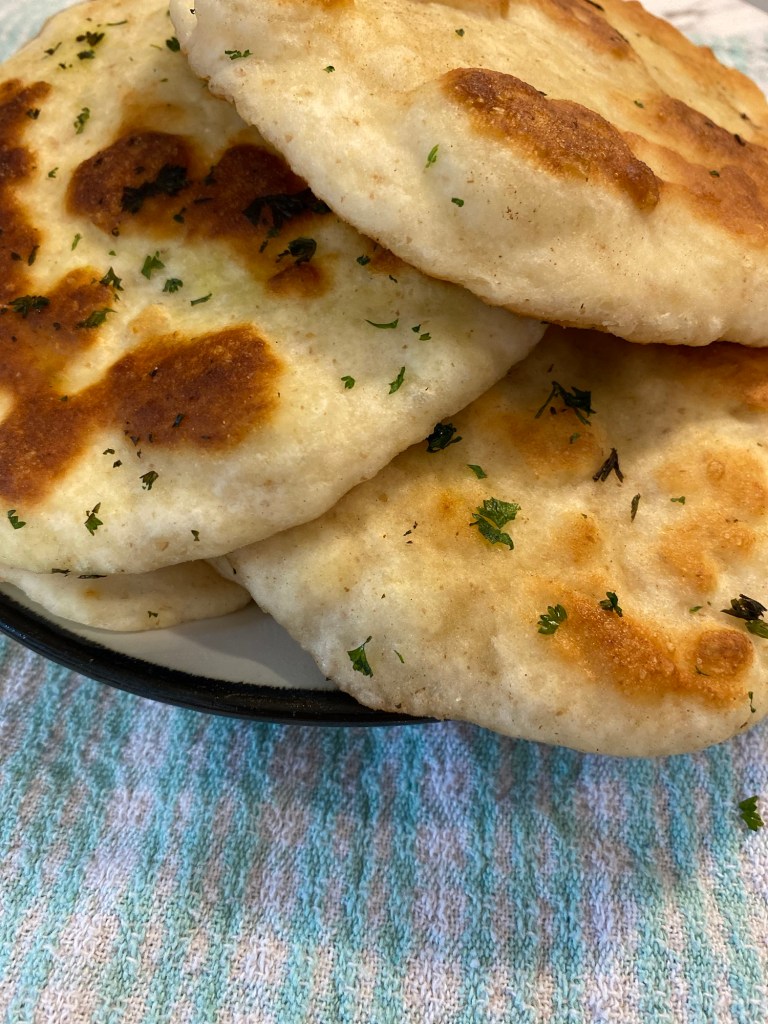
Make-Ahead Eggie Bites: Easy and Nutritious

Find Northbird on social media:

This post contains affiliate links. As an Amazon associate, I earn from qualifying purchases. This means that I make a small commission at no extra cost to you. You can read my full disclosure HERE.

Jump To Recipe Card

Return to “Breakfast”

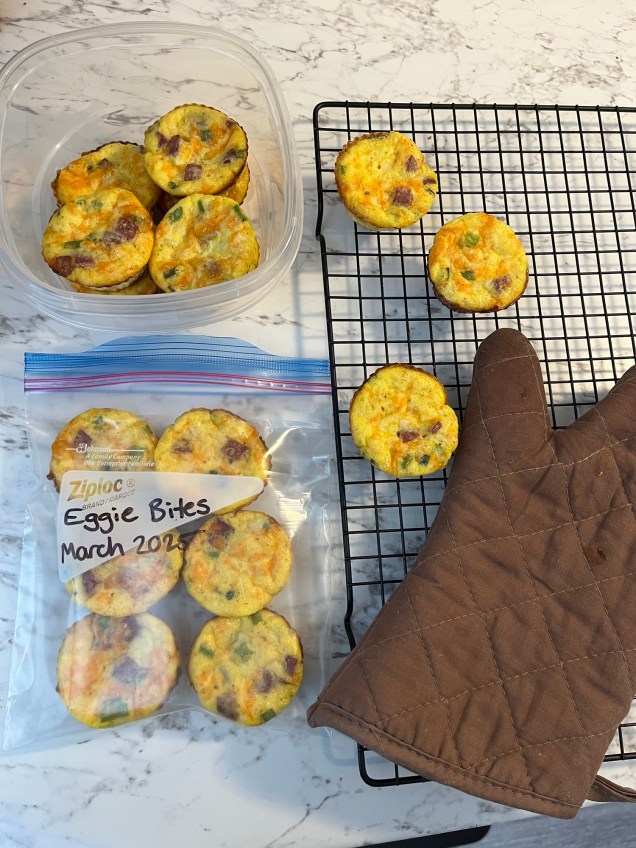
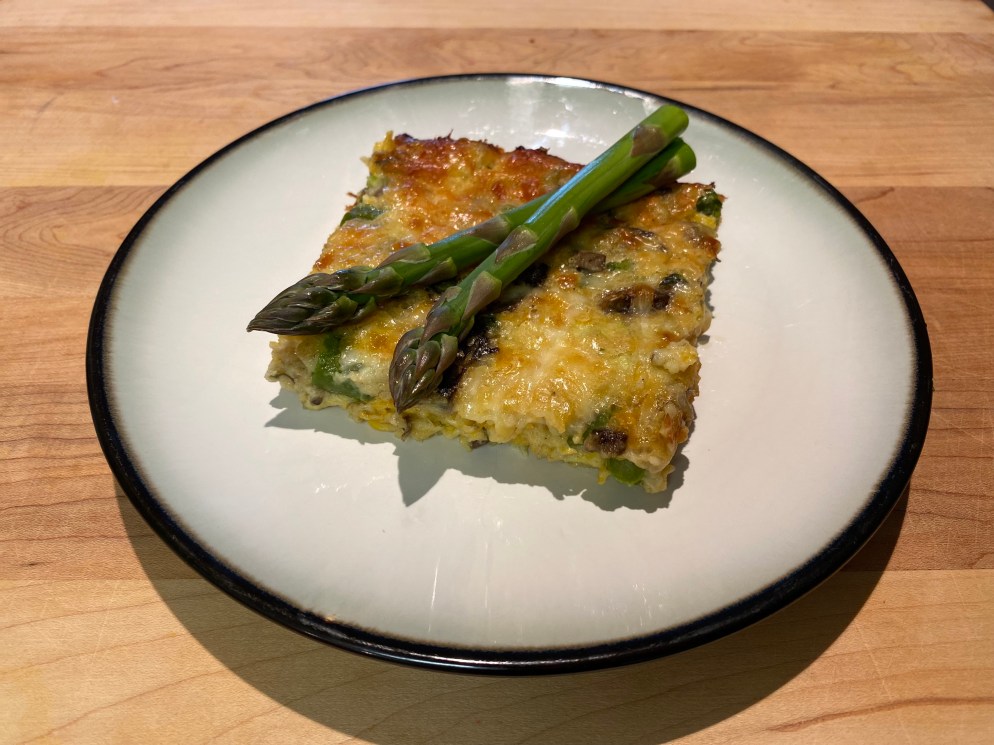
Why we love making these baked “Eggie Bites”:

Packed full of protein, these Eggie Bites are a great source of energy to start the day off or to recharge with at lunch time!

Our kids love them for their soft, cheesy taste and each have their favourite preferences for meat protein. “L” likes it with bacon, while “F” likes it with Salami. (My favourite is with sausage bits!)

I love making large batches of most things that I can freeze and then save time and energy on preparing later. This recipe is of course a wonderful make-ahead-and-freeze meal that thaws and reheats very well.

I have made other baked egg recipes where the egg tasted a little “rubbery” (I doubt I’m not the only one that doesn’t like this!) After trying a few recipes and experimenting, I have found the solution to making a softer baked “Eggie Bite” is with adding cottage cheese to the mix.

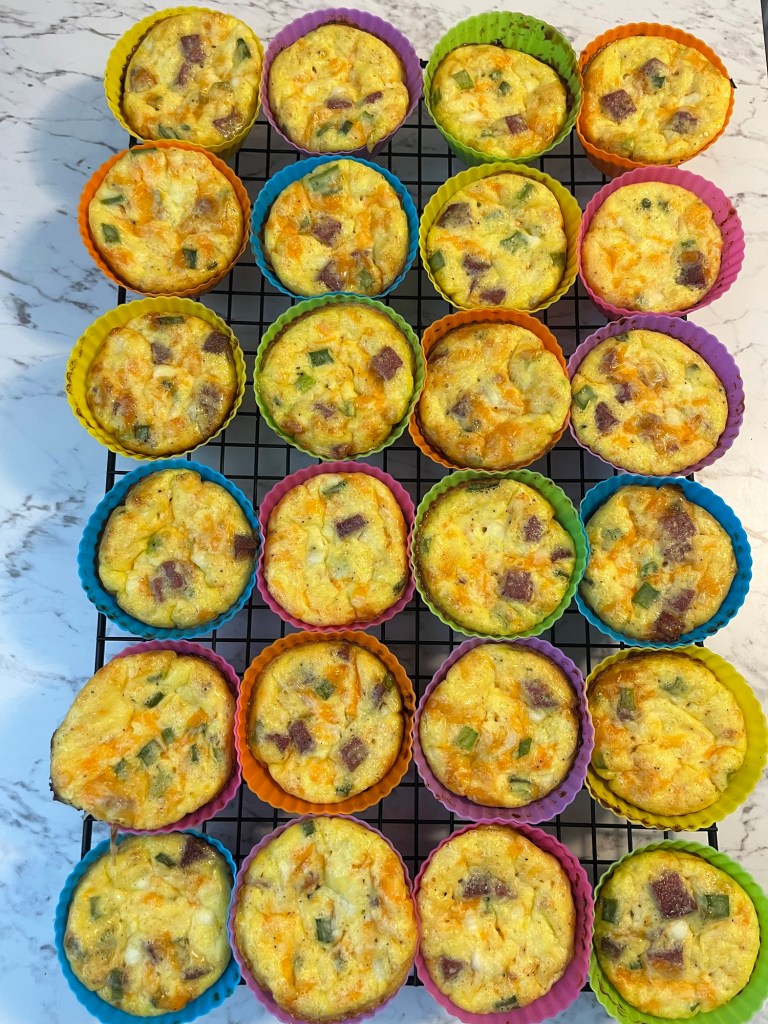
This recipe makes approximately 2 dozen Eggie Bites, depending on how many additional ingredients you add in.
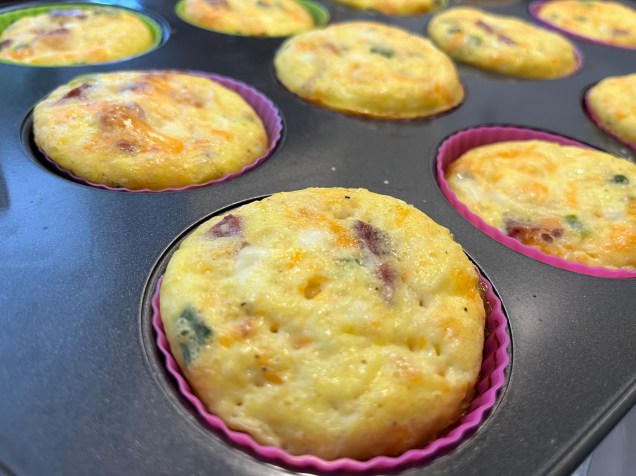
Nutritional Information:

Each Eggie Bite Contains:

  • 135 calories
  • 8.3 g fat
  • 2.6 g carbohydrates
  • 12.5 g protein

How to Make Eggie Bites

Supplies Needed:

Ingredients:

  • 1 dozen eggs, whisked smooth
  • 1 small tub 500g cottage cheese (2 cups)
  • 1 cup cheddar or other cheese, shredded (reserve some for the tops)
  • 1.5 cups of cooked meat, cut up into small pieces (bacon, salami, ham, chicken, sausage, etc)
  • 1/2 teaspoon salt
  • 1/2 teaspoon pepper

Additional Vegetable Ideas:

  • Mushrooms, chopped
  • Green Onion/Scallions chopped (we cut up the tops with kitchen scissors)
  • Peppers, diced
  • Tomatoes, diced
  • Asparagus, chopped

Directions:

1. Preheat oven to 325 degrees Fahrenheit.

2. Whisk up the eggs, then add all other ingredients and mix well together.

3. If using, set the silicone cups into muffin pan, or simply grease muffin pan well with oil.

4. Fill muffin cups nearly full (they will slightly puff up in oven then shrink down again as cooling)

5. Bake for 30-35 minutes until Eggie Bites are golden on top and firm when poked gently.

6. Cool in pan for 5-10 minutes before transferring them to a cooling rack. If in silicone cups, simply pop out. If in regular muffin pan, gently twist and lift out with a thin spatula.

7. Serve while hot and enjoy!

Storing instructions:

In the fridge: cool completely and store in a sealed container in the fridge for 3-4 days. To serve: eat them cool or gently reheat in the microwave or oven.

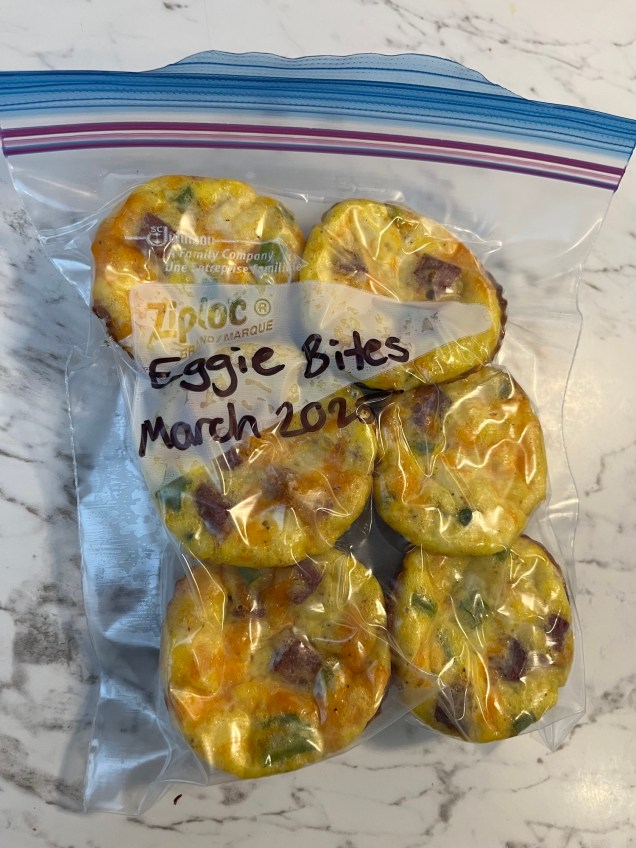
In the freezer: cool completely and transfer to a sealed container or ziploc freezer bag. Remove extra air of the bag with a straw (to prevent it from getting freezer burn). Label, and eat up within 3 months. To thaw: Reheat in the microwave or oven!

Made this Recipe?

I’d LOVE to see your results!! Feel free to post to your social media account and tag Northbird using one of the links below or post in the comments!

Check out these other Breakfast Recipes from the Northbird Kitchen!

Hi, I’m Jessie!

I’m a Wife and Homeschooling Mom living in a remote town in Northern Ontario, Canada. I love making wholesome meals for my family from scratch, homeschooling our girls and learning more about natural living.

Read more about my story HERE.

Subscribe to Northbird’s email list to get weekly posts on: tasty recipes, activity ideas for kids, natural living tips, and some genuine mom thoughts and encouragement!

Make-Ahead Eggie Bites: Easy and Nutritious

  • Servings: 24
  • Difficulty: Easy
  • Print

Jessica Burman, 2025 © The Northbird Blog. https://www.thenorthbirdblog.com

Supplies Needed:

  • Mixing Bowl
  • Whisk
  • Measuring cups/Teaspoons
  • Muffin Baking Tray
  • Silicone Muffin Cups (optional, but I do find these work really well to “pop out” afterwards!)
  • Cheese Grater
  • Cutting Board
  • Knife
  • Ingredients:

    • 1 dozen eggs, whisked smooth
    • 1 small tub 500g cottage cheese (2 cups)
    • 1 cup cheddar or other cheese, shredded (reserve some for the tops)
    • 1.5 cups of cooked meat, cut up into small pieces (bacon, salami, ham, chicken, sausage, etc)
    • 1/2 teaspoon salt
    • 1/2 teaspoon pepper

    Additional Vegetable Ideas:

    • Mushrooms, chopped
    • Green Onion/Scallions chopped (we cut up the tops with kitchen scissors)
    • Peppers, diced
    • Tomatoes, diced
    • Asparagus, chopped

    Directions:

    1. Preheat oven to 325 degrees Fahrenheit.
    2. Whisk up the eggs, then add all other ingredients and mix well together.
    3. If using, set the silicone cups into muffin pan, or simply grease muffin pan well with oil.
    4. Fill muffin cups nearly full (they will slightly puff up in oven then shrink down again as cooling)
    5. Bake for 30-35 minutes until Eggie Bites are golden on top and firm when poked gently.
    6. Cool in pan for 5-10 minutes before transferring them to a cooling rack. If in silicone cups, simply pop out. If in regular muffin pan, gently twist and lift out with a thin spatula.
    7. Serve while hot and enjoy!
    Storing Instructions:

    • In the fridge: cool completely and store in a sealed container in the fridge for 3-4 days. To serve: eat them cool or gently reheat in the microwave or oven.
    • -In the freezer: cool completely and transfer to a sealed container or ziploc freezer bag. Remove extra air of the bag with a straw (to prevent it from getting freezer burn). Label, and eat up within 3 months. To thaw: Reheat in the microwave or oven!
    Nutrition


    Per 1 Eggie Bite: 135 calories; 8.3 g fat; 2.6 g carbohydrates;
    12.5 g protein.

    Return to Top

    Fun Salt Water Painting Activity for Kids

    Find Northbird on social media:

    This post contains affiliate links. As an Amazon associate, I earn from qualifying purchases. This means that I make a small commission at no extra cost to you. You can read my full disclosure HERE.

    Return to “Homeschooling Activities & Resources”

    Return to “Ocean Life”

    Jump to Printable Activity Card

    Investigating Salt Water in Homeschooling:

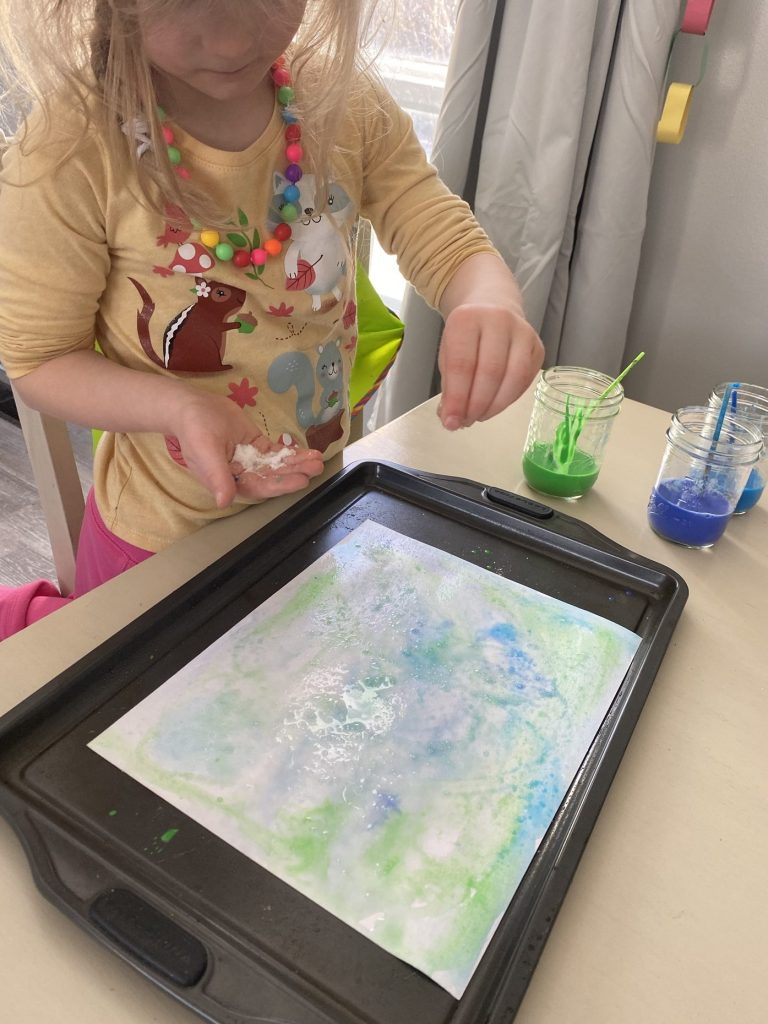
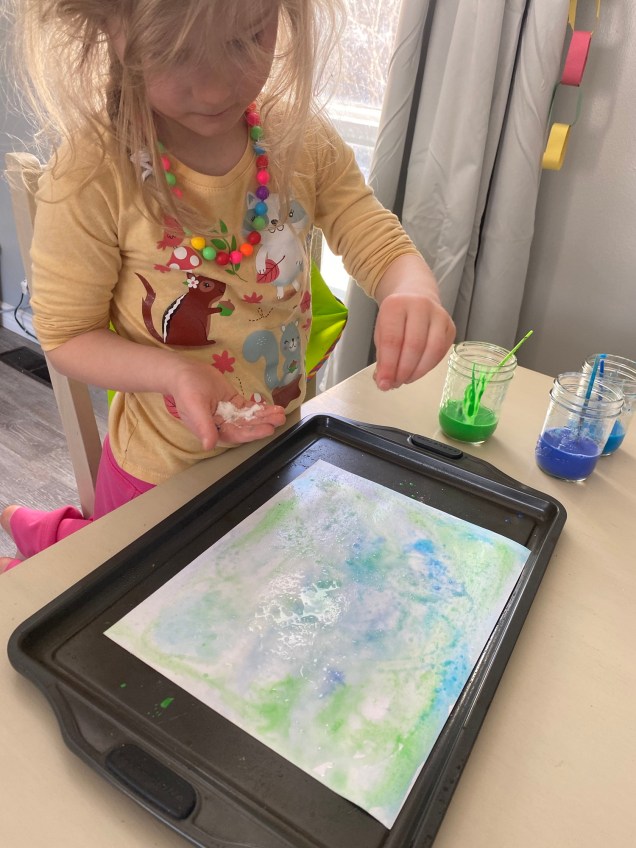
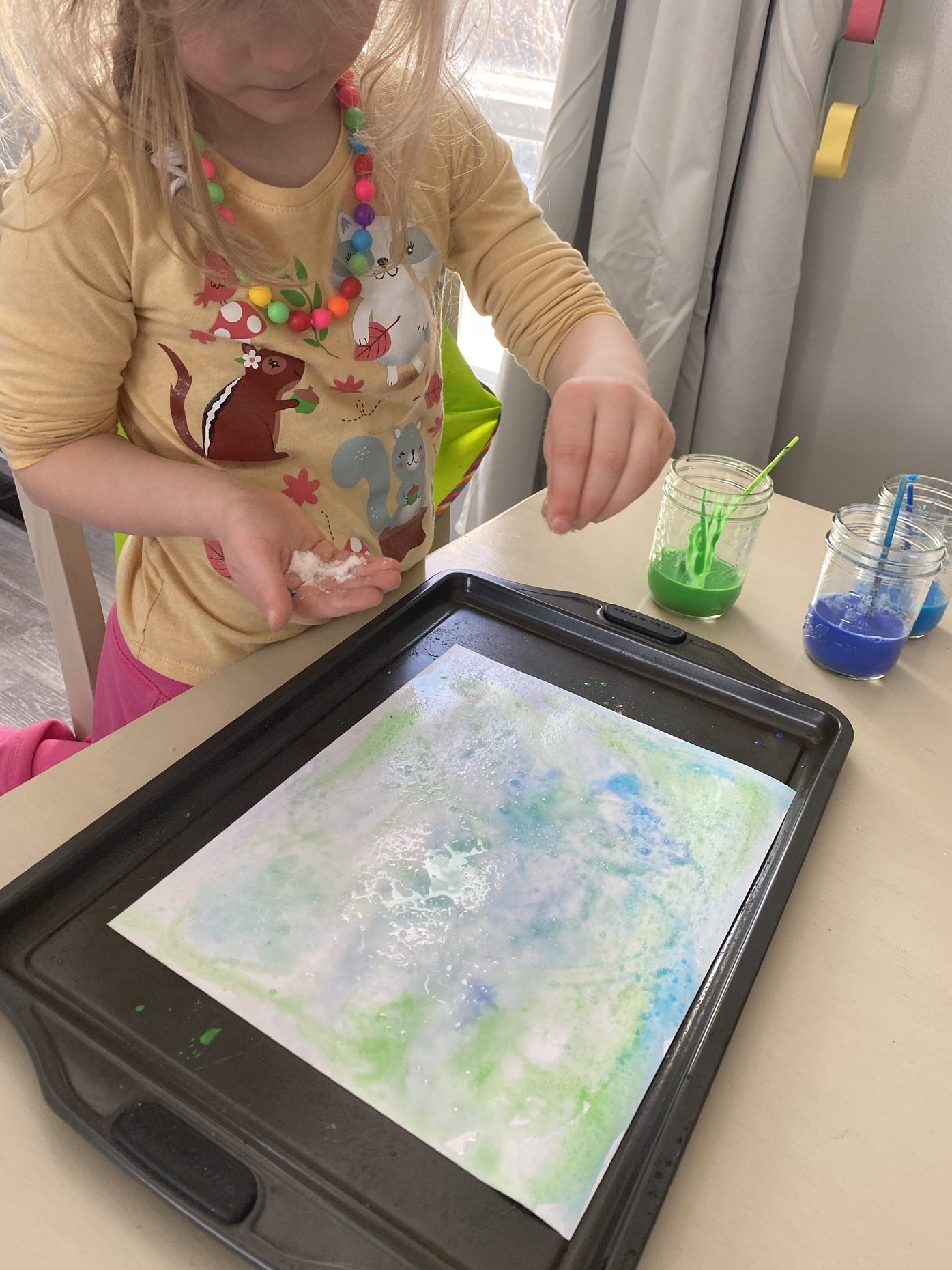
    This is a simple and fun painting craft using salt and watercolours!

    We did this easy activity as part of our inquiry into Ocean Life last year, learning about the difference between salt and fresh large bodies of water.

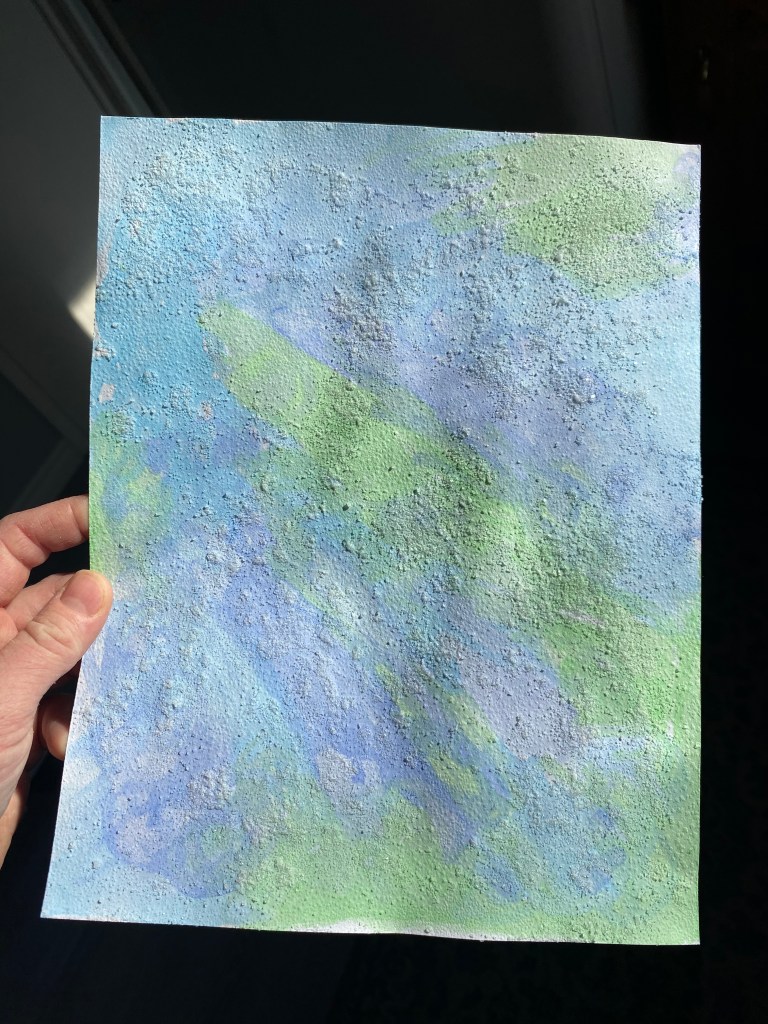
    My kids loved doing this freestyle watery painting and then getting to sprinkle it with table salt. It left a textured feel to the painting, as well as altering the colours while the salt dried on the wet paper.

    As a side note, we live near James Bay, Northern Ontario, and the river not far from our house is mostly fresh water. However, because it flows into James Bay (which is connected to the Arctic Ocean) and has some tidal changes, it carries back some salinity to our community area.

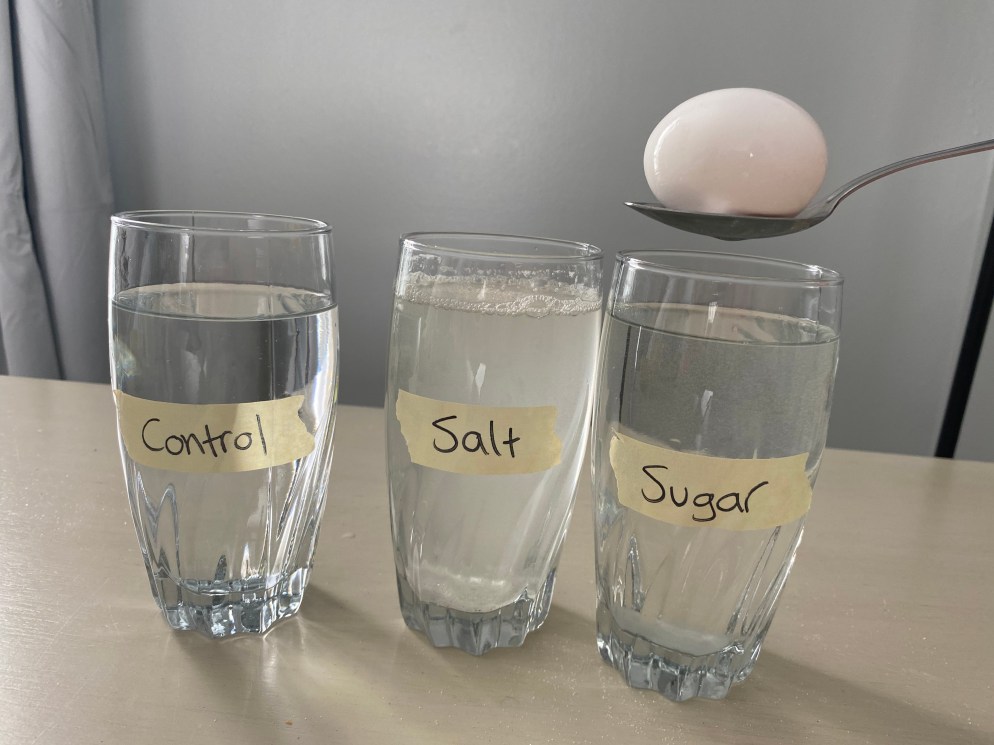
    If you read a previous post on “Exploring Salt Water Density: Homeschooling Egg Experiment”, you might already see or understand a little of the relationship between salt and water. This egg experiment was to test the different levels of density in each of these water glasses, and compare it to the egg’s own density.

    (Spoiler alert, the kids made an egg float in salted water!)

    Educational Videos: A little more about Salt and Saltwater!

    Where Does Salt Come From?

    Why The Ocean Needs Salt:

    How to Make a Salt Water Painting:

    Supplies Needed:

    Directions:

    1. Put white card stock paper on tray.

    2. Paint picture as desired with ocean colours (or more!)

    3. Sprinkle table salt over the painting.

    4. Spray paper with water to help the salt dissolve a little and alter the colours.

    5. Let painting completely dry, then gently brush off the extra salt and enjoy the results!

    Made this Activity?

    I’d LOVE to see your results!! Feel free to post to your social media account and tag Northbird using one of the links below or post in the comments!

    Hi, I’m Jessie!

    I’m a Wife and Homeschooling Mom living in a remote town in Northern Ontario, Canada. I love making wholesome meals for my family from scratch, homeschooling our girls and learning more about natural living.

    Read more about my story HERE.

    Subscribe to Northbird’s email list to get weekly posts on: tasty recipes, activity ideas for kids, natural living tips, and some genuine mom thoughts and encouragement!

    Salt Water Painting Activity

    This is a fun way to paint using salt and watered down paints! Our kids loved the texture the salt left on the paper, as well as the way the salt affected the way their pictures turned out!


    Jessica Burman, 2025 © The Northbird Blog. https://www.thenorthbirdblog.com

    Ingredients

  • Watercolours Paints (you can also use food colouring and water, or watered down other paints)
  • Paintbrushes
  • Tray
  • White Cardstock Paper
  • Table Salt
  • Spray Bottle with water
  • Flat surface to let pictures dry

  • Directions

    1. Put white card stock paper on tray.
    2. Paint picture as desired with ocean colours (or more!)
    3. Sprinkle table salt over the painting.
    4. Spray paper with water to help the salt dissolve a little and alter the colours.
    5. Let painting completely dry, then gently brush off the extra salt and enjoy the results!

    Return to Top

    Maple Syrup Taffy Twists

    Find Northbird on social media:

    This post contains affiliate links. As an Amazon associate, I earn from qualifying purchases. This means that I make a small commission at no extra cost to you. You can read my full disclosure HERE.

    Jump To Recipe Card

    Return to “Deserts & Snacks”

    Return to “Winter Activities & Crafts”

    Making Maple Syrup in My Early Years

    March. This month always brings me back to my childhood and the fun we had in making our own maple syrup. Warm days above zero, but nights that are still below freezing make the perfect push for the sugar maple trees to start running their delicious sap!

    Every year we would tap the 8 sugar maple trees on my parent’s property, and attach the metal buckets to collect the tasty sugar water. Once we had filled a large collecting bin (it only took a day or too at peak!), then we would get set up to start boiling it down into maple syrup.

    For those that don’t know this, it takes approximately 40 buckets of SAP to make 1 bucket of SYRUP.

    So that’s a lot of boiling to get all of the excess water to evaporate off!

    Some years we would be adventurous and try boiling it over the fire-for days on end. Being homeschooled, this was ok with us! We would pull over the picnic table near the fire and work on our bookwork in the chilly sunshine while tending to the fire.

    In the early years of doing this, we learned the hard way that when nearing the end of the process, one has to keep a very, VERY close eye on the pots or they would quickly turn to thick syrup, and burn if not stirred constantly. (So we usually finished them off inside on the stove!)

    My godfather, Ernie, had the best set up at his home in the bush. As soon as the sap started running, he had all his trees tapped, buckets ready, and an elaborate campfire area set up, complete with a large overhead tarp over his lawn chair and prepared woodpile.

    On those days it was hard to reach him by phone because he was always outside sitting at his fire about 90% of the day! He had a stack of books read through by the end of each syrup season.

    Sometimes when the days are so busy here, I think back on the simplicity of those times and wish I could sit by a campfire on a brisk but sunny day in March and make my way through a few good books!

    Which Maple Trees are used for making Maple Syrup?

    There are 13 different species of maple trees native to North America, and at least 130 known different species throughout the earth.

    Sweet maple sap can be collected from 3 known species to boil their sap down into maple syrup:

    • Sugar Maple/Hard Maple (Acer saccharum)
    • Black Maple (Acer nigrum)
    • Red Maples (Acer rubrum).

    The most commonly used maple tree is of course the “Sugar Maple” or Hard Maple.

    About this Activity:

    On our winter family holiday this year we once again went to an off-grid cabin for several days to rest and enjoy being in the bush for a few days. While there, we decided to make some taffy twists out of pure maple syrup.

    Even though where we live we don’t have any maple trees, it was a great winter activity to do as an inquiry about maple trees, sap, and discussing how sap can be made into delicious maple syrup. Being a Canadian family, this is, of course an important part of their education to learn about the main symbol on our flag!

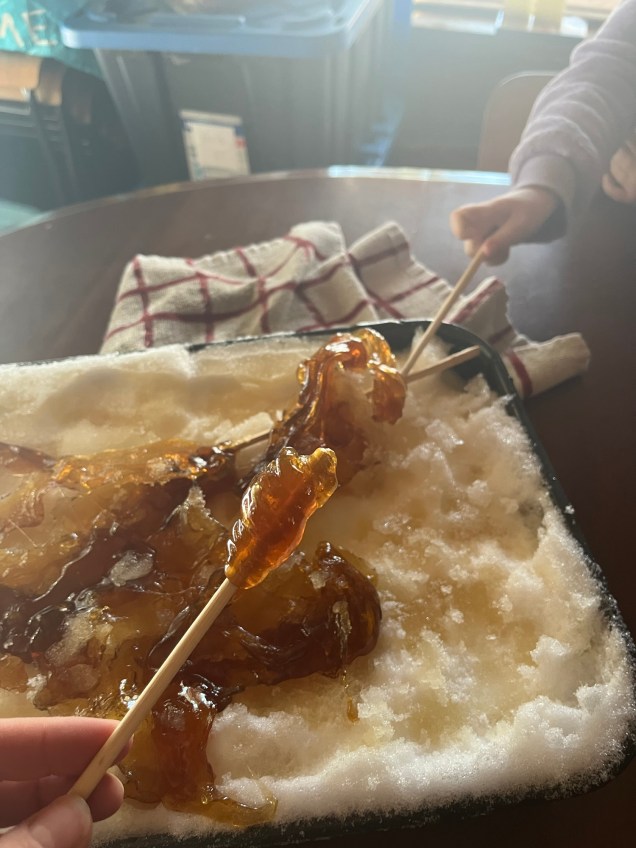
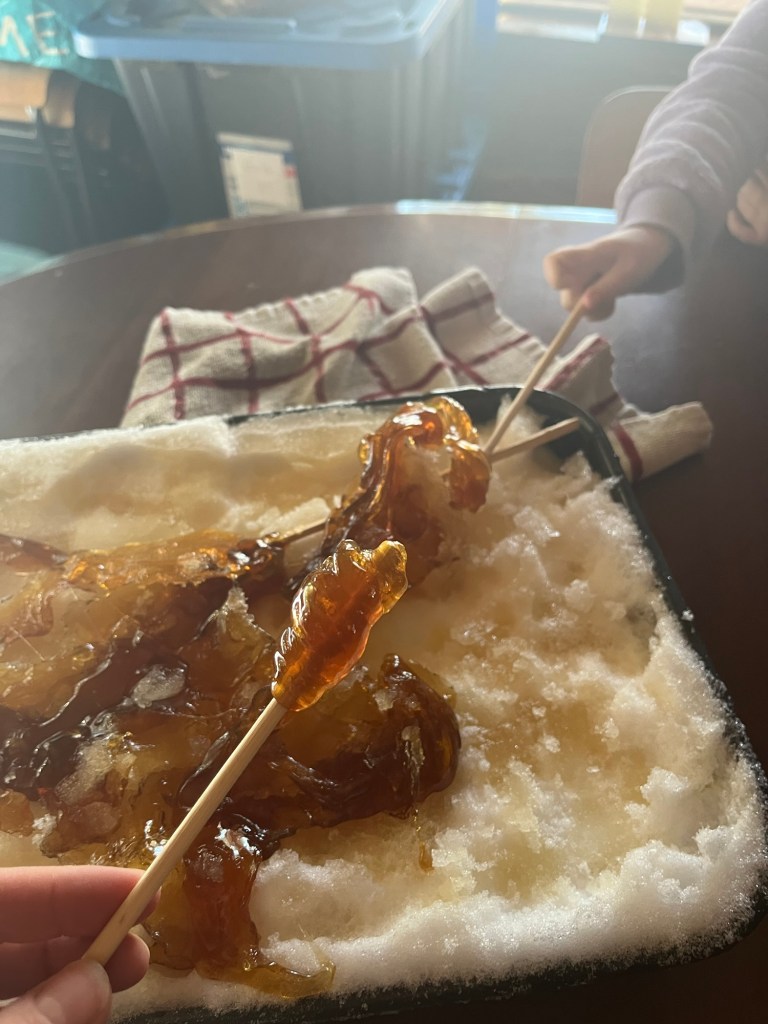
    The kids had fun trying to roll the gooey maple taffy onto their sticks before it hardened. (My toddler also greatly enjoyed just poking holes in the snow-filled pan!)

    How to Make Your Own Maple Syrup Taffy Twists:

    Supplies Needed:

    Ingredients:

    Directions:

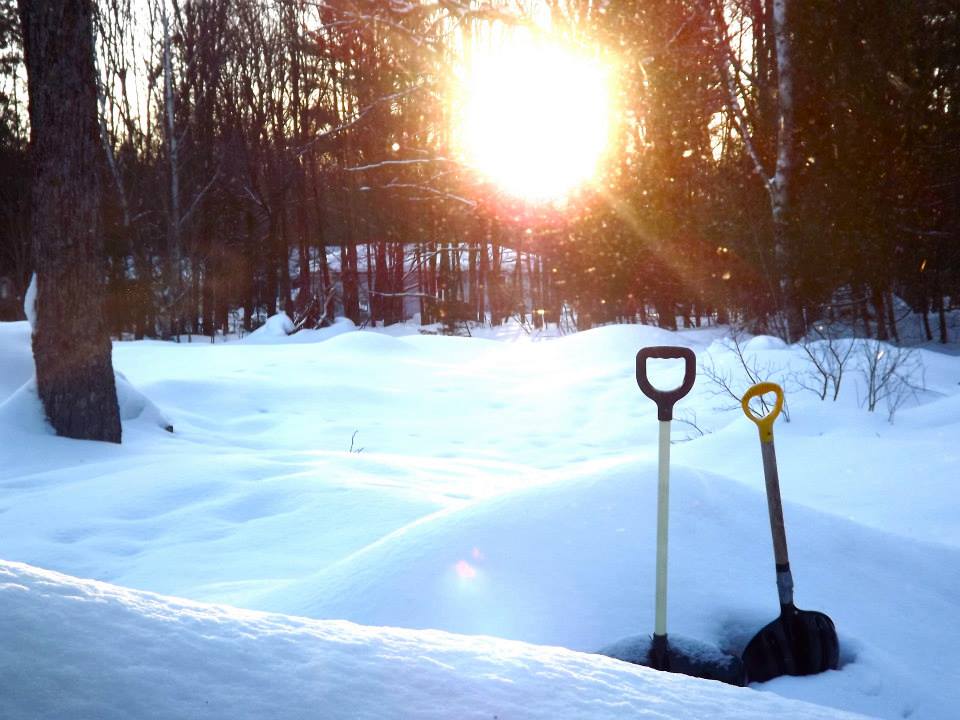
    1. Fill a large, deep roasting pan with clean, fresh snow. Avoid getting it from high traffic areas or under trees. Open areas are best, after a fresh snowfall. Pack it in well!
    2. With a small to med sized pot, pour in 100% pure maple syrup (we used grade A). Based on size of pot used, pour in until there is 1″-1.5″ of syrup on the bottom. (Too little, and it will easily burn, too full, and it may boil up and over!)
    3. Turn to medium-high, and keep wooden spoon in to help prevent boiling over, stir occasionally. Once it is hot, stir constantly and after it starts bubbling, check the temperature every 2 minutes.
    4. The target temperature is 115 ℃ , or 240 ℉. Timing of reaching this boiling point will vary based on both your stove and altitude level! But it took me about ten minutes of heating to reach this point.
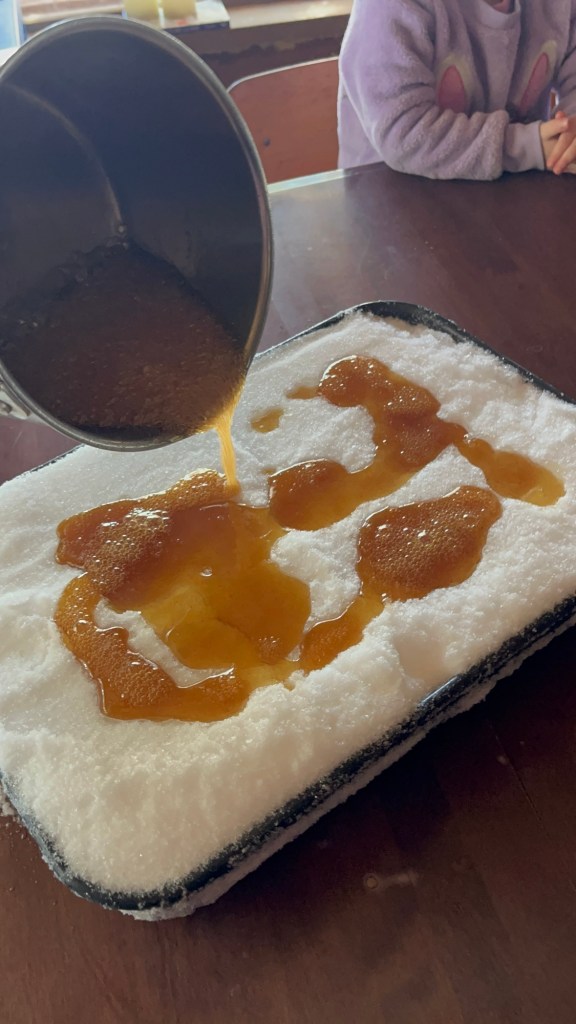
    5. Remove from heat and slowly pour small ribbons of thick syrup onto the snow. Do a few at a time and set the extremely hot pot safely (not dumping it all on at once like I did!). You can always reheat it again if it hardens too fast before you are ready for more of it.
    6. Take wooden skewers and twist/roll the syrup ribbons up. It hardens quickly but is still pliable for several minutes.
    7. Set sticks in a cold area to finish setting (or they will slowly droop down the stick as they cool at room temperature!). A parchment covered baking sheet in the freezer would work perfectly to harden them off and keep their twisted form.

    Made this Recipe?

    I’d LOVE to see your results!! Feel free to post to your social media account and tag Northbird using one of the links below or post in the comments!

    More Desert & Snack Recipes:

    Hi, I’m Jessie!

    I’m a Wife and Homeschooling Mom living in a remote town in Northern Ontario, Canada. I love making wholesome meals for my family from scratch, homeschooling our girls and learning more about natural living.

    Read more about my story HERE.

    Subscribe to Northbird’s email list to get weekly posts on: tasty recipes, activity ideas for kids, natural living tips, and some genuine mom thoughts and encouragement!

    Maple Syrup Taffy Twists

    • Servings: Variable
    • Difficulty: Easy
    • Print

    This is a tasty winter activity to do with your kids: learning about maple syrup and turning it into your own sweet maple taffy twists!


    Jessica Burman, 2025 © The Northbird Blog. https://www.thenorthbirdblog.com

    Supplies Needed:

  • Small-Medium size pot, 1.5-2 quarts
  • Measuring cups/teaspoons
  • Candy/Meat Thermometer
  • Large Deep Roasting Pan, 2 inches deep (For packing clean snow into!)
  • Wooden Skewers, or Wooden Chopsticks, or some wooden sticks with the bark off.
  • Wooden Stirring Spoon
  • Ingredients

  • 1.5-2 cups Pure Maple Syrup (enough to cover the bottom of your pot 1-1.5 inches, so it doesn’t burn)
  • Clean, Fresh Snow!
  • Directions:

    1. Fill a large, deep roasting pan with clean, fresh snow. Avoid getting it from high traffic areas or under trees. Open areas are best, after a fresh snowfall. Pack it in well!
    2. With a small to med sized pot, pour in 100% pure maple syrup (we used grade A). Based on size of pot used, pour in until there is 1″-1.5″ of syrup on the bottom. (Too little, and it will burn, too full, and it may boil up and over!)
    3. Turn to medium-high, and keep wooden spoon in to help prevent boiling over, stir occasionally. Once it is hot, stir constantly and after it starts bubbling, check the temperature every 2 minutes.
    4. The target temperature is 115 ℃ , or 240 ℉. Timing of reaching this boiling point will vary based on both your stove and altitude level! But it took me about ten minutes of heating to reach this point.
    5. Remove from heat and slowly pour small ribbons of thick syrup onto the snow. Do a few at a time and set the extremely hot pot safely (not dumping it all on at once like I did!). You can always reheat it again if it hardens too fast before you are ready for more of it.
    6. Take wooden skewers and twist/roll the syrup ribbons up. It hardens quickly but is still pliable for several minutes.
    7. Set sticks in a cold area to finish setting (or they will slowly droop down the stick as they cool at room temperature!). A parchment covered baking sheet in the freezer would work perfectly to harden them off and keep their twisted form.

    Nutrition


    Per 1/2 cup of 100% Pure Maple Syrup: 131 calories; 0.1 g fat; 33.6 g carbohydrates;
    0 g protein.

    Return to Top

    Cocoa Coconut No-Bake Cookies

    Find Northbird on social media:

    This post contains affiliate links. As an Amazon associate, I earn from qualifying purchases. This means that I make a small commission at no extra cost to you. You can read my full disclosure HERE.

    Jump To Recipe Card

    Jump to Video

    Return to “Deserts & Snacks”

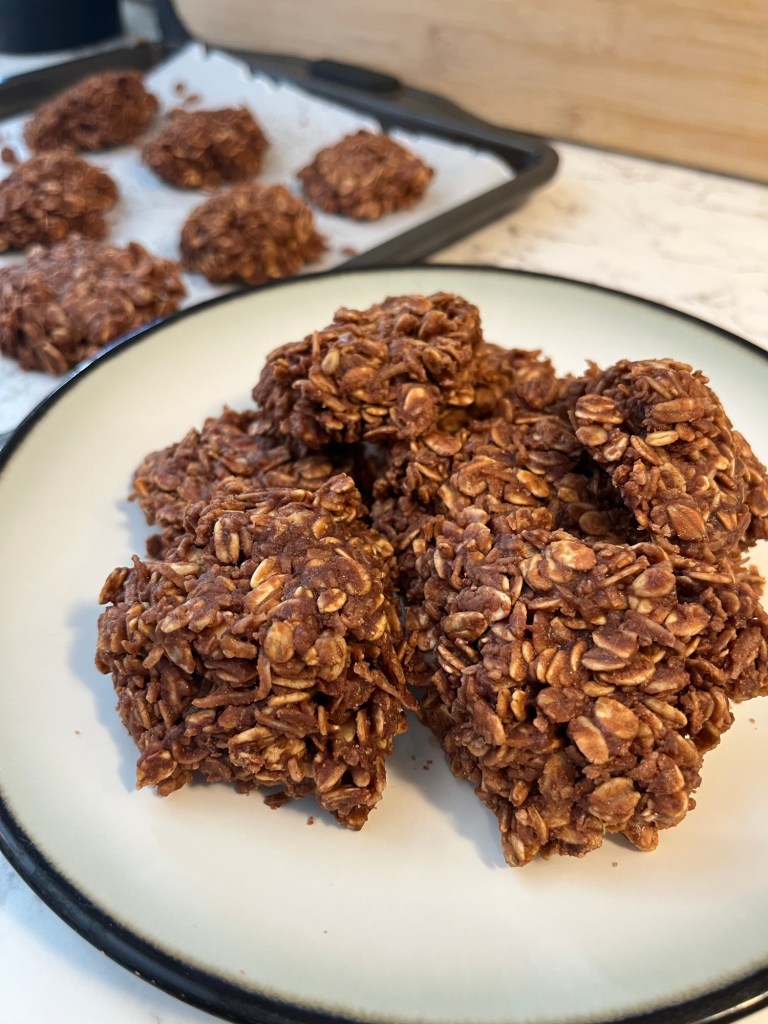
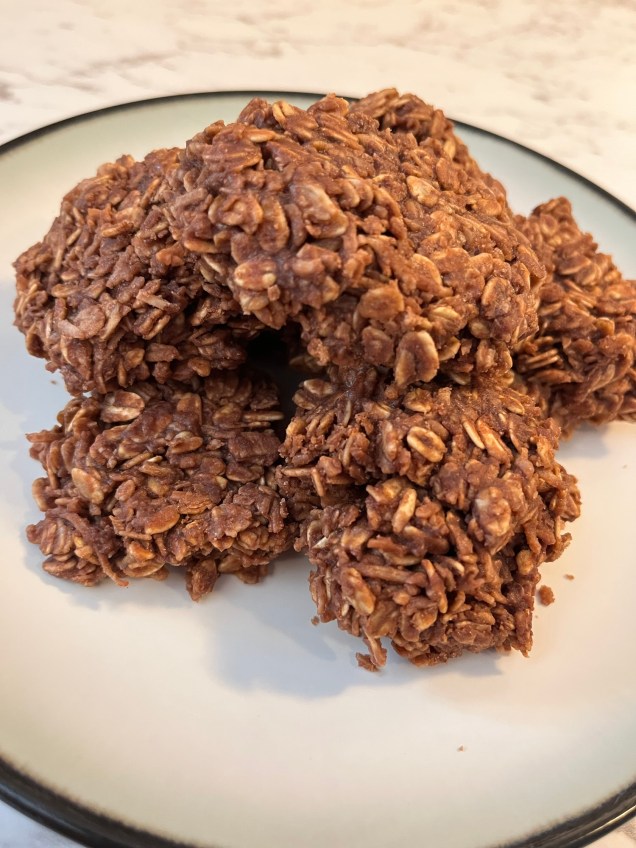
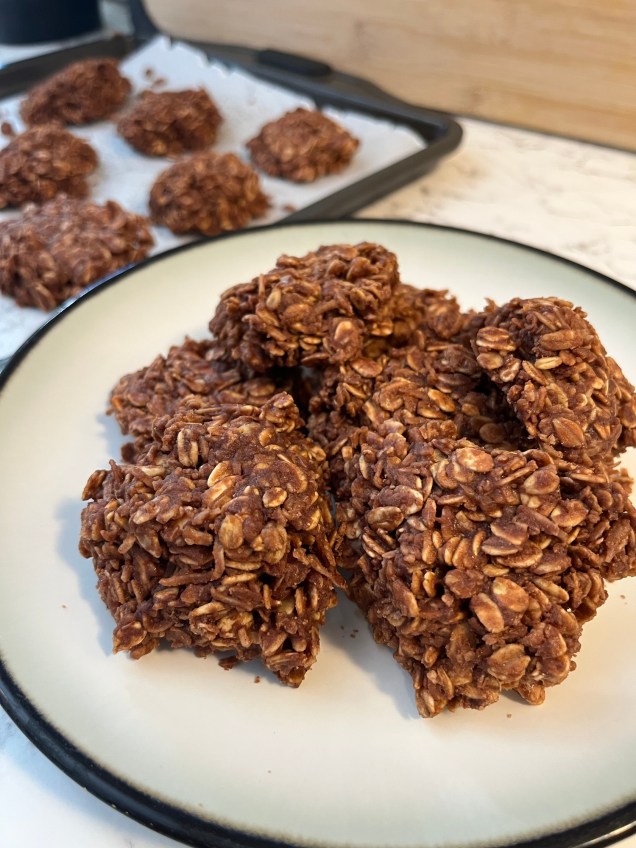
    Disclaimer: these cookies are absolutely not healthy in any way! These are, however, the perfect quick solution to a chocolaty-cookie craving or last-minute homemade sweet snack for guests or potluck!

    This recipe was one of my grandmother Juanita’s, and based on how much the recipe paper was stained and crumpled, I suspect it was in use quite a bit!

    I hope you enjoy this tasty no-bake cookie recipe as much as my family has!

    How to Make Cocoa Coconut No-Bake Cookies:

    Supplies Needed:

    Ingredients:

    Directions:

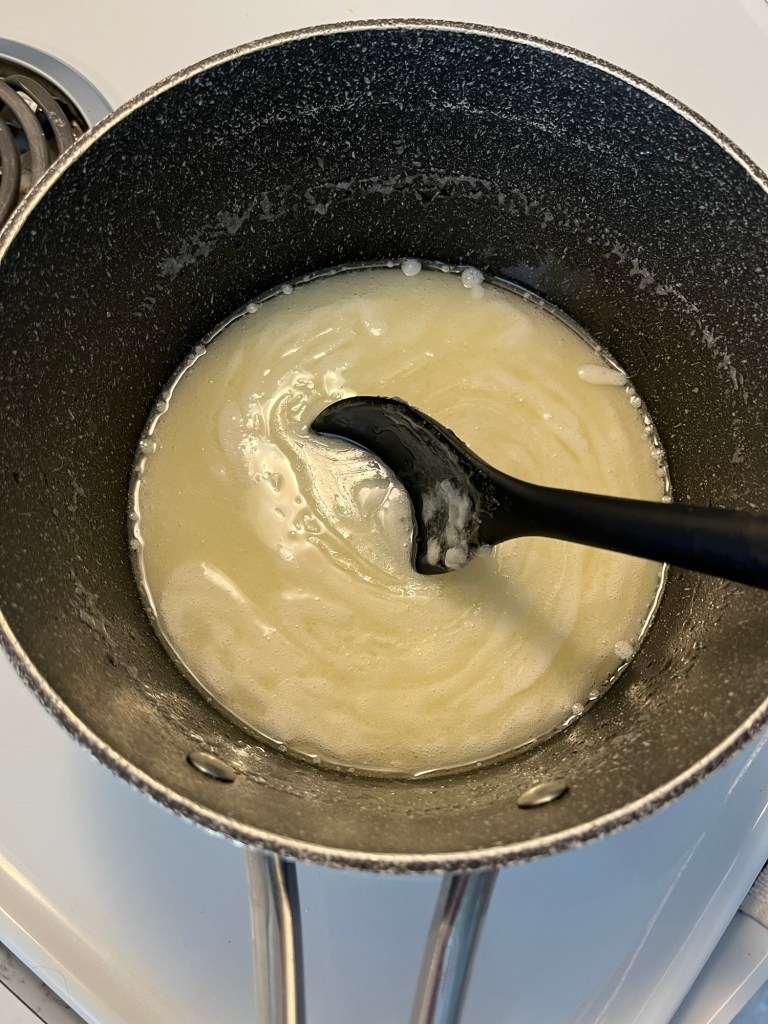
    1. Mix white sugar, shortening and milk together in a pot.

    2. Heat over medium, stirring until dissolved and smooth. Bring to a boil and remove from heat.

    3. Add sea salt, rolled oats, coconut, cocoa, and vanilla. Stir well.

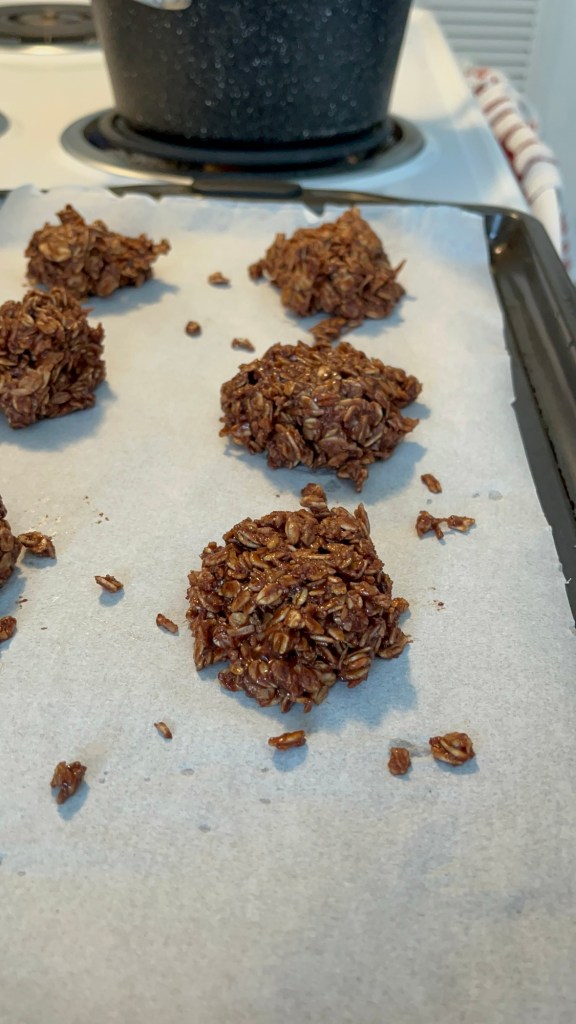
    4. Drop by large spoonfuls on parchment covered baking sheet. *See note below

    5. Let cool for several minutes to harden (about 15-20 minutes).

    6. Store in an air-tight container at room temperature for up to five days.

    7. Recipe makes about 2 dozen cookies.

    Additional Notes:

    When batter is ready, work quickly while the mixture is hot so that it clumps together well. Pat with a spoon to press together. If the cookies are too small or too thin, they will just crumble apart. The cookies will harden within 15-20 minutes.

    PS: Any crumbles that do result are absolutely delicious on top of vanilla ice cream!

    Made this Recipe?

    I’d LOVE to see your results!! Feel free to post to your social media account and tag Northbird using one of the links below or post in the comments!

    More Desert & Snack Recipes:

    Hi, I’m Jessie!

    I’m a Wife and Homeschooling Mom living in a remote town in Northern Ontario, Canada. I love making wholesome meals for my family from scratch, homeschooling our girls and learning more about natural living.

    Read more about my story HERE.

    Subscribe to Northbird’s email list to get weekly posts on: tasty recipes, activity ideas for kids, natural living tips, and some genuine mom thoughts and encouragement!

    Cocoa Coconut No-Bake Cookies

    • Servings: 2 Dozen Cookies
    • Difficulty: Easy
    • Print

    These no-bake cookies are the perfect quick solution to a chocolaty-cookie craving or last-minute homemade sweet snack for guests!


    By Juanita Lambert via Jessica Burman, 2025 © The Northbird Blog. https://www.thenorthbirdblog.com

    Ingredients

  • 2 cups white sugar
  • 1/2 cup shortening
  • 1/2 cup milk
  • 1/4 teaspoon sea salt
  • 3 cups rolled oats
  • 1 cup shredded coconut
  • 5 Tablespoons cocoa powder
  • 1 teaspoon vanilla
  • Directions:

    1. Mix white sugar, shortening and milk together in a pot.
    2. Heat over medium, stirring until dissolved and smooth. Bring to a boil and remove from heat.
    3. Add sea salt, rolled oats, coconut, cocoa, and vanilla. Stir well.
    4. Drop by large spoonfuls on parchment covered baking sheet. *See note below
    5. Let cool for several minutes to harden (about 15-20 minutes).
    6. Store in an air-tight container at room temperature for up to five days.
    7. Recipe makes about 2 dozen cookies.

    Additional Notes:

    When batter is ready, work quickly while the mixture is hot so that it clumps together well. Pat with a spoon to press together. If the cookies are too small or too thin, they will just crumble apart. The cookies will harden within 15-20 minutes.

    PS: Any crumbles that do result are absolutely delicious on top of ice cream!

    Nutrition


    Per 1 cookie: 171 calories; 7.1 g fat; 29.5 g carbohydrates;
    5.6 g protein.

    Return to Top

    Apple Cinnamon Raisin Granola

    Find Northbird on social media:

    This post contains affiliate links. As an Amazon associate, I earn from qualifying purchases. This means that I make a small commission at no extra cost to you. You can read my full disclosure HERE.

    Jump to Recipe Card

    Jump to Video

    Return to “Breakfast”

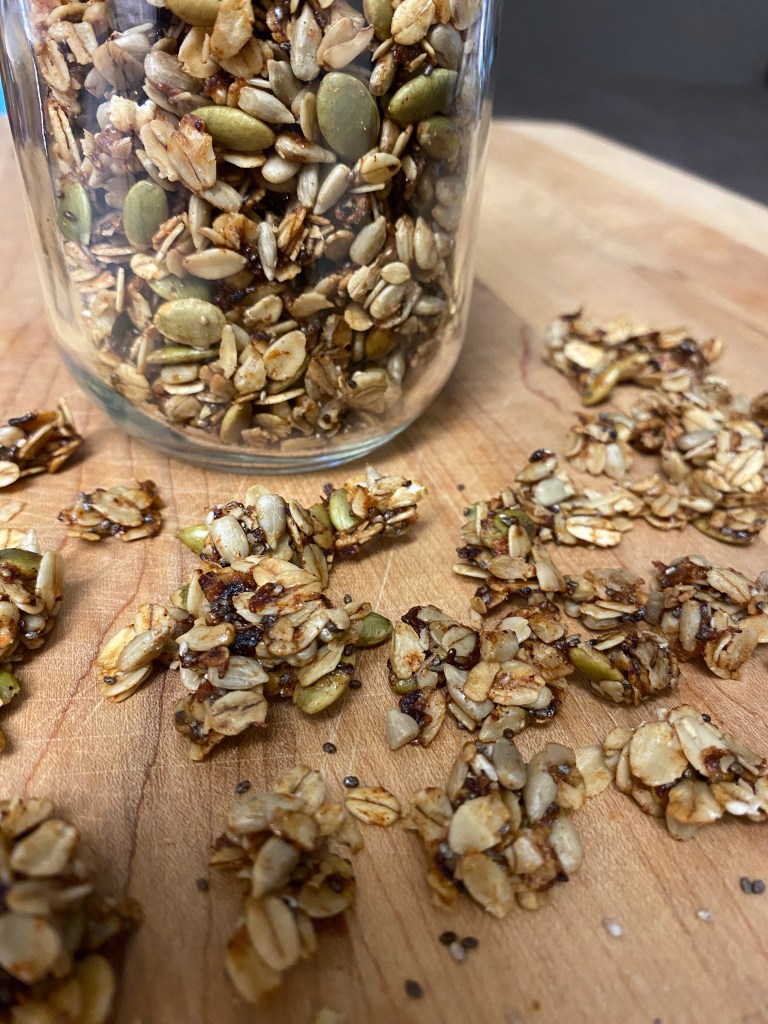
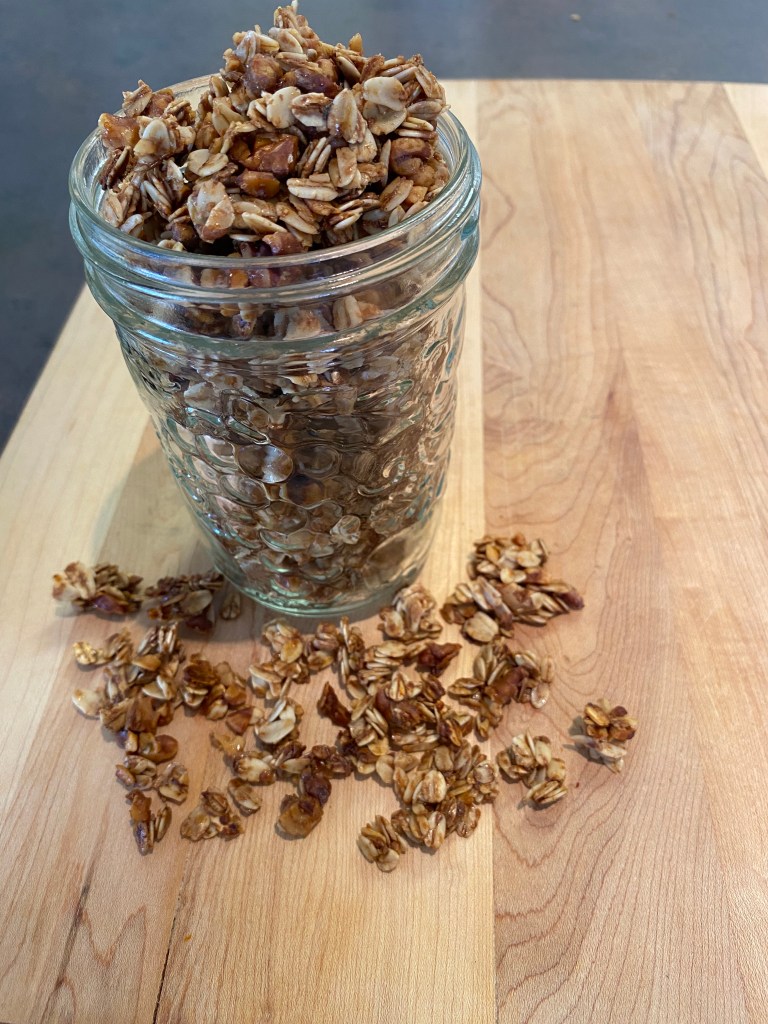
    Apple Cinnamon Raisin…So so good! This recipe was created a few weeks ago when we randomly ran out of maple syrup and dates, so I couldn’t make any of my other homemade granola recipes that usually call for those natural sweeteners.

    My parents were making the long trip up north here to visit and I was scrambling to have some homemade things prepared ahead of time. This improvised yet delicious recipe was created from scouring the pantry to see what I could use, and I’m quite proud of the tasty results!

    Ways to Eat Granola:

    • Breakfast bowl with regular milk, oat milk, soy, or nut milks (try it with Homemade Almond Milk!) and add some berries for fresh sweetness.
    • Enjoy a bowl on top of yogurt (try it with a fresh batch of Homemade Crockpot Yogurt).
    • Take a baggie of granola for your next hike or camping trip and add some dried fruit or seeds and nuts for a delicious trail mix.
    • Make a Breakfast Parfait with frozen berries and yogurt!
    • Use it as a baked desert crumb topping (Apple Crisp recipe coming soon!)
    • Make granola bars from it! (Recipe being developed)

    Health Benefits of Granola:

    Healthy granola recipes are usually high in protein, fibre and healthy fats due to recipe variations that may include oats, nuts, seeds, dried fruits and organic unrefined oils. They are packed full of nutritious options that make a filling, on-the-go quick breakfast or a delicious snack option.

    Protein is essential to the body for not only helping to build muscle mass and bones, but also very important for weight loss and regulating metabolism. Additional functions may consist of:

    • Slowing appetite and hunger cravings
    • Feel “full” for longer, less calories eaten
    • Helps with fat burning
    • Lowering blood pressure
    • Helps to maintain weight loss
    • Boosts metabolism
    • Builds muscle mass and strength
    • Lowers risk of osteoporosis and fractures
    • Helps to repair broken bones and tissues

    High Protein Ingredients You can put in Granola:
    NutsWalnuts, Almonds, Cashews, Peanuts, Pistachios, Brazil Nuts, Hazelnuts…
    SeedsChia, Hemp, Sesame, Sunflower, Pumpkin, Flax…
    Dried Fruits & BerriesApricot, Kiwi, Blackberries, Cherries, Raisins, Banana…

    Fibre is mostly known for helping to keep the digestive system happy. Some other benefits of increased fibre may include:

    • Regulating bowel movements
    • Keeps you feeling fuller for longer
    • Assists in lowering cholesterol
    • Preventing blood sugar from spiking
    • Helps to lower blood pressure

    High Fibre Ingredients You can put in Granola:
    NutsChestnuts, Almonds, Hazelnuts…
    SeedsChia, Flax, Pumpkin, Sesame, Sunflower…
    Dried FruitsDates, Figs, Prunes, Apricots, Raisins…
    OatsOrganic Rolled Oats

    Fats are not only used as a source of energy in the body, but also aid in the following:

    • Help to insulate and protect the organs
    • Gives your body energy
    • Supports cell growth
    • Helps to regulate blood pressure and cholesterol
    • Assists the body in absorbing vitamins A, E & D
    • Reduces inflammation
    • Assists in cell growth
    High Fats Ingredients You can put in Granola:
    NutsWalnuts, Macadamia, Coconut, Cashews…
    SeedsSunflower, Pumpkin, Flax, Chia, Hemp…
    OilsCoconut oil, Avocado oil, Olive oil…
    Seed & Nut ButtersPeanut butter, Almond butter, Tahini, Sunflower seed butter, Pumpkin seed butter
    Dried Fruits & BerriesPlantain, Strawberries, Raspberries, Kiwi, Raisins

    Reasons to Make Your Own Granola:

    • It is soooo easy! Chop… Melt… Mix… Spread… Bake… Eat!
    • Way less expensive than buying from the store.
    • Store-bought granolas are often made with lower quality ingredients and usually have more processed sugars and additives mixed in to prolong shelf life.
    • When you make your own granola you know exactly what ingredients you are eating!
    • Granola is a versatile recipe: You can add more nuts and seeds, and add dried fruits/berries at the end if desired.
    • Granola is one of those easy and quick breakfast solutions to help your day start smoothly!

    How to Make Apple Cinnamon Raisin Granola

    Supplies Needed:

    Ingredients:

    Directions:

    1. Preheat oven to 300 degrees F.

    2. Mix the oats, pecans, walnuts and cinnamon together in a large bowl. Set aside.

    3. Melt the coconut oil in a small pot and add honey, sea salt and vanilla. Stir well.

    4. Add the wet mix to dry mix and stir well. If it has cooled enough you can finish mixing with your hands (I always find this easiest, but be careful of the hot oil!)

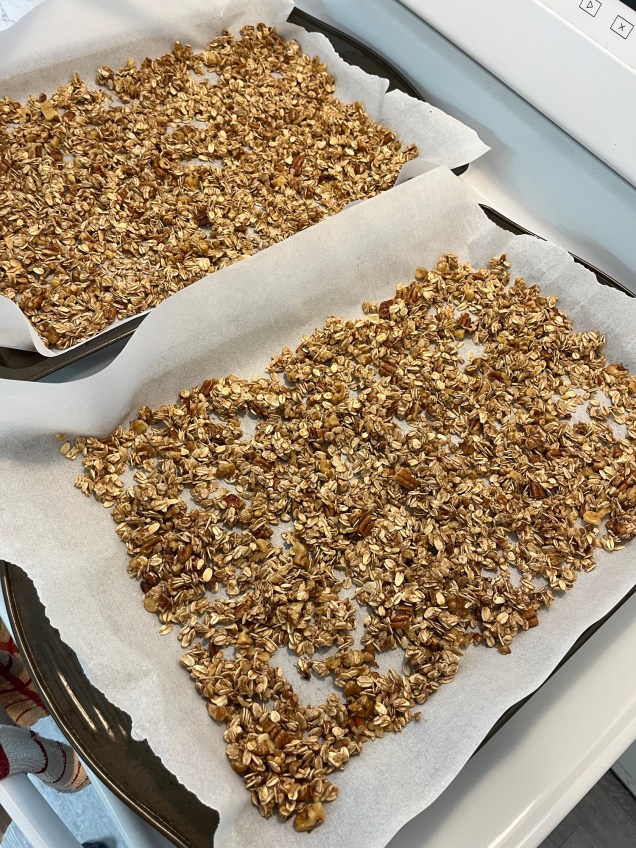
    5. Spread granola mix onto parchment covered cookie sheets. Granola should be in a single layer.

    6. Bake for 30-35 minutes (depending on your oven), until golden.

    7. Let cool and sit undisturbed for an hour, it will firm up as it cools down.

    8. Break the granola into smaller pieces and add the dehydrated apple bits and raisins. *Or if you don’t have any dehydrated apple, simply add some fresh slices when you make up your breakfast bowl!

    9. Mix well and store granola in an airtight container for up to 1 month.

    Made this Recipe?

    I’d LOVE to see your results!! Feel free to post to your social media account and tag Northbird using one of the links below or post in the comments!

    Try this Granola recipe with some Homemade Almond Milk or Easy Crockpot Yogurt!

    Check out these other Breakfast Recipes from the Northbird Kitchen!

    Hi, I’m Jessie!

    I’m a Wife and Homeschooling Mom living in a remote town in Northern Ontario, Canada. I love making wholesome meals for my family from scratch, homeschooling our girls and learning more about natural living.

    Read more about my story HERE.

    Subscribe to Northbird’s email list to get weekly posts on: tasty recipes, activity ideas for kids, natural living tips, and some genuine mom thoughts and encouragement!

    Apple Cinnamon Raisin Granola

    • Servings: 8 cups
    • Difficulty: Easy
    • Print

    Get your bowl ready to scoop up this tasty, brand-new homemade granola recipe! Sweetened with honey, dehydrated apple and raisins, and flavoured with cinnamon and vanilla, this delicious nutty crunch is one to remember!


    By Jessica Burman © 2025 The Northbird Blog. http://www.thenorthbirdblog.com


    Ingredients

  • 4 cups organic rolled oats
  • 1 cup chopped pecans
  • 1 cup chopped walnuts
  • 1 1/2 Tablespoon ground cinnamon
  • 1/2 cup melted organic, unrefined coconut oil
  • 1/2 cup unpasteurized liquid honey
  • 1/2 teaspoon sea salt
  • 1 teaspoon pure vanilla
  • 1 cup dehydrated apple slices, cup into smaller pieces (optional) (or fresh added when you make your bowl!)
  • 1 cup raisins

  • Directions

    1. Preheat oven to 300 degrees F.
    2. Mix the oats, pecans, walnuts and cinnamon together in a large bowl. Set aside.
    3. Melt the coconut oil in a small pot and add honey, sea salt and vanilla. Stir well
    4. Add the wet mix to dry mix and stir well. If it has cooled enough you can finish mixing with your hands (I always find this easiest, but be careful of the hot oil!)
    5. Spread granola mix onto parchment covered cookie sheets. Granola should be in a single layer.
    6. Bake for 30-35 minutes (depending on your oven), until golden.
    7. Let cool and sit undisturbed for an hour, it will firm up as it cools down.
    8. Break into smaller pieces per preference, and add the dehydrated apple bits and raisins. *Or if you don’t have any dehydrated apple slices, simply add some fresh slices when you make up your breakfast bowl!
    9. Mix well and store in an airtight container for up to 1 month.

    Nutrition


    Per 3/4 Cup Serving: 256 calories; 11.7 g fat; 33.9 g carbohydrates;
    5.4 g protein.
    Return to Top

    Easy Green Split Pea & Bacon Soup Recipe: Jar Soup Mix Version Included!

    Find Northbird on social media:

    This post contains affiliate links. As an Amazon associate, I earn from qualifying purchases. This means that I make a small commission at no extra cost to you. You can read my full disclosure HERE.

    Jump To Recipe Card

    Jump to Recipe Card (shelf-stable version)

    Return to “Soups & Entrees”

    About This Recipe…

    I love cooking with dried legumes and dehydrated vegetables in these winter months! One of the most comforting meals (in my opinion) is a tasty soup or stew with freshly made bread to dip in it!

    There are two versions of this recipe that you can see below:

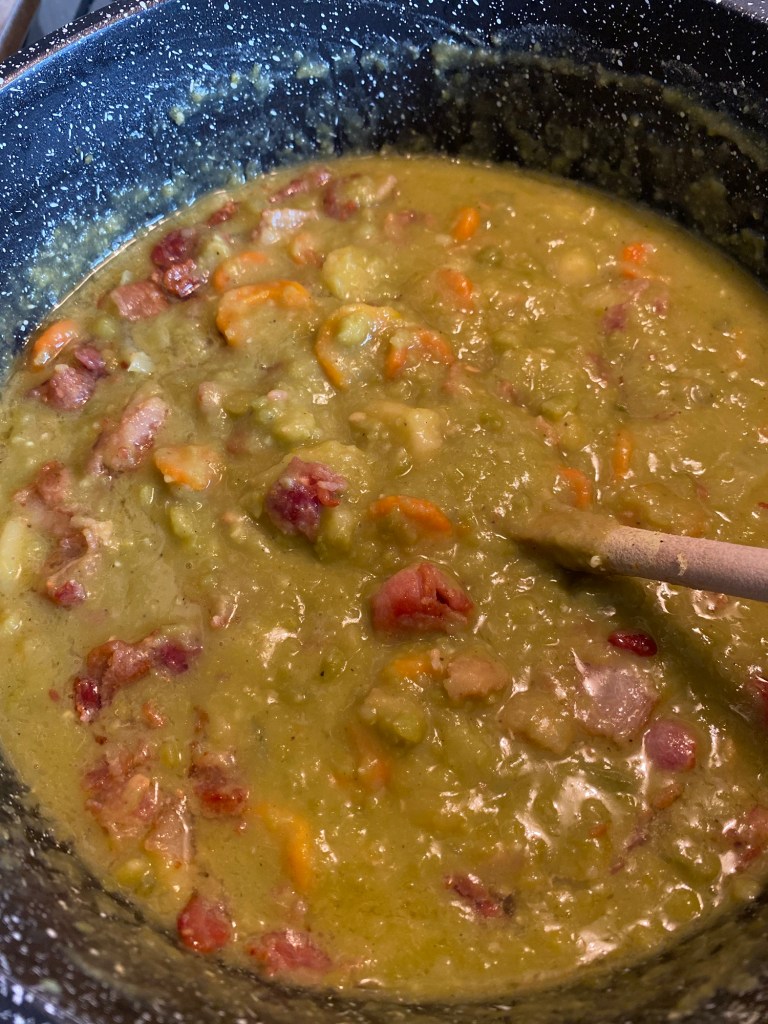
    The first version is the basic soup recipe with bacon in it (which is also very tasty subbing ham or pork tenderloin chunks!). You can make it with fresh or dehydrated vegetables. Makes about 6-8 servings.

    The other version has been altered to make a shelf-stable ready-to-cook soup mix, made from dehydrated vegetables (same ingredients as first recipe) and is approximately 4-6 servings.

    How to Make Green Split Pea & Bacon Soup

    Supplies Needed:

    Ingredients:

    • 1 medium onion, diced
    • 2 large cloves garlic, diced
    • 2 tablespoons olive oil or butter
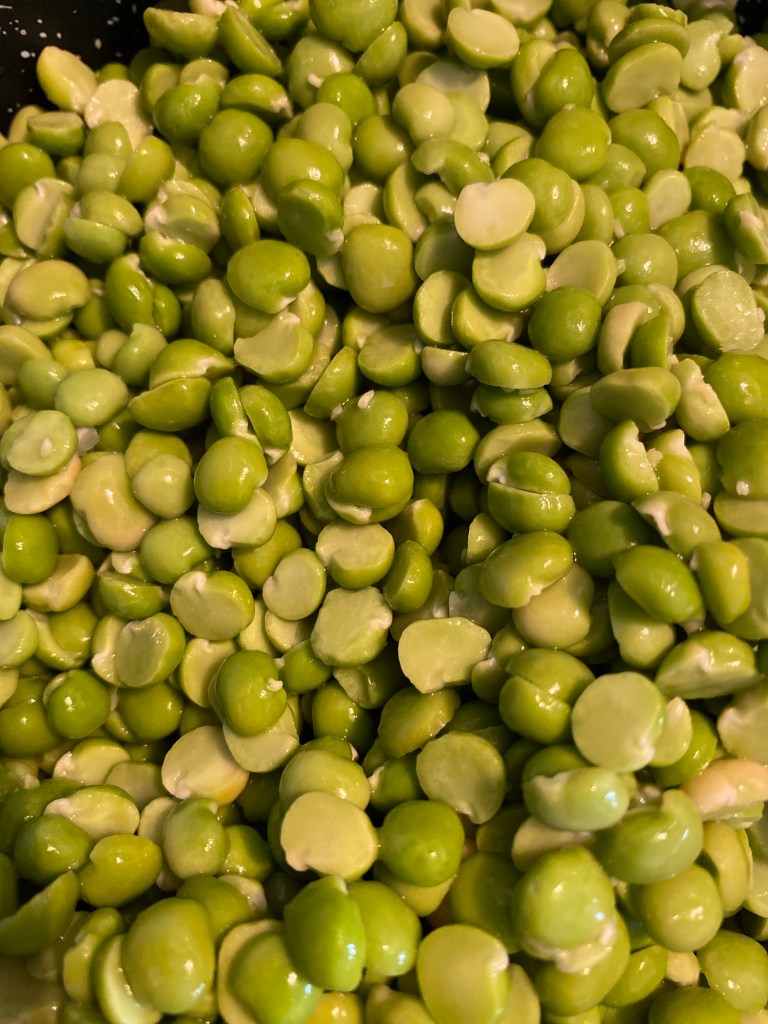
    • 2 cups dry green split peas
    • 8 cups water
    • 2 cubes of chicken/vegetable stock
    • 1 cup dried/diced carrots (or sub 2 cups fresh)
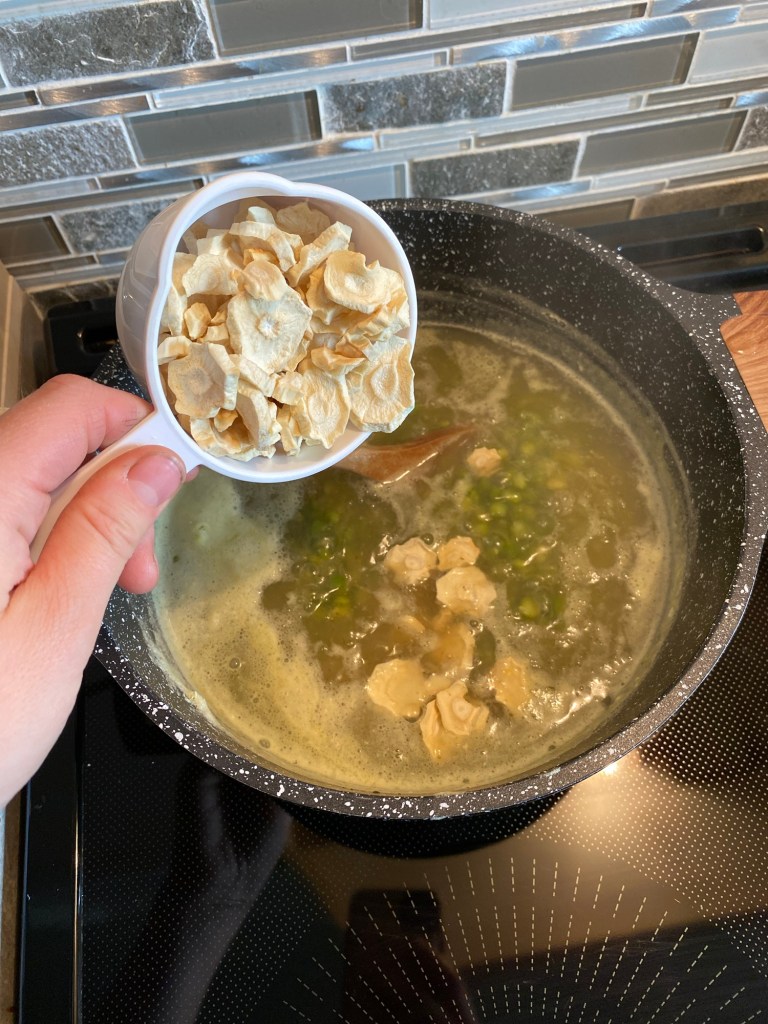
    • 1 cup dried/diced parsnips (or sub 2 cups fresh)
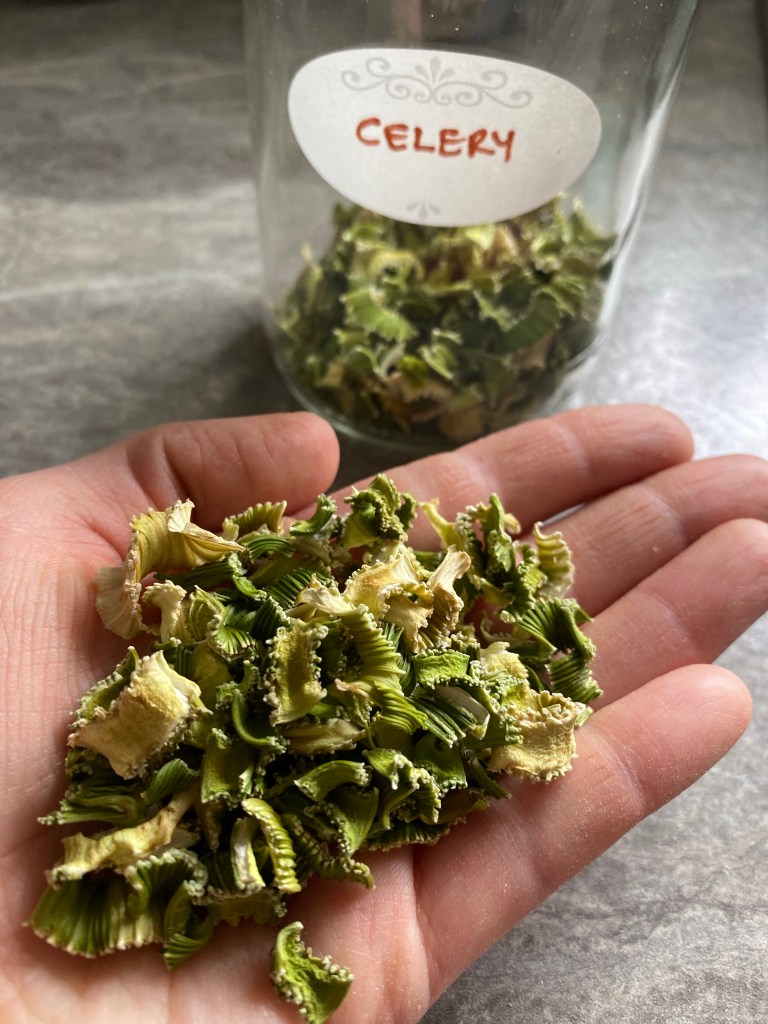
    • 1/2 cup dried/diced celery (or 1 cup fresh)
    • 1 teaspoon sea salt (more or less to taste–remember, there’s bacon coming!)
    • 1/2 teaspoon black pepper
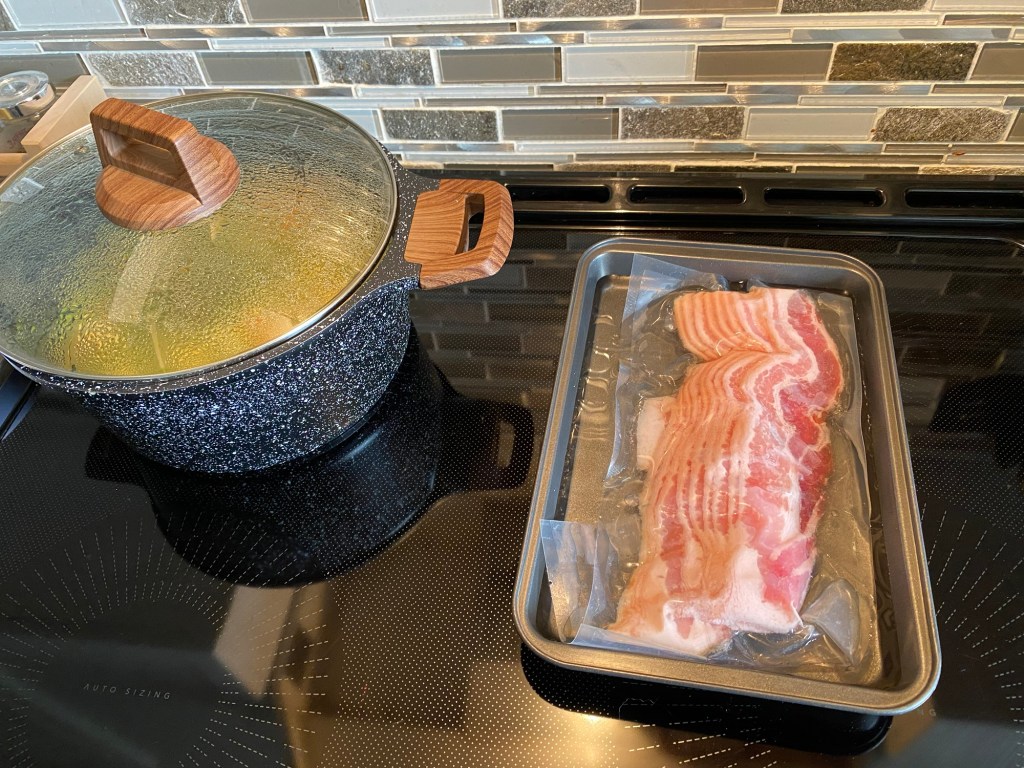
    • 1 pound of bacon, cut into small pieces

    Directions:

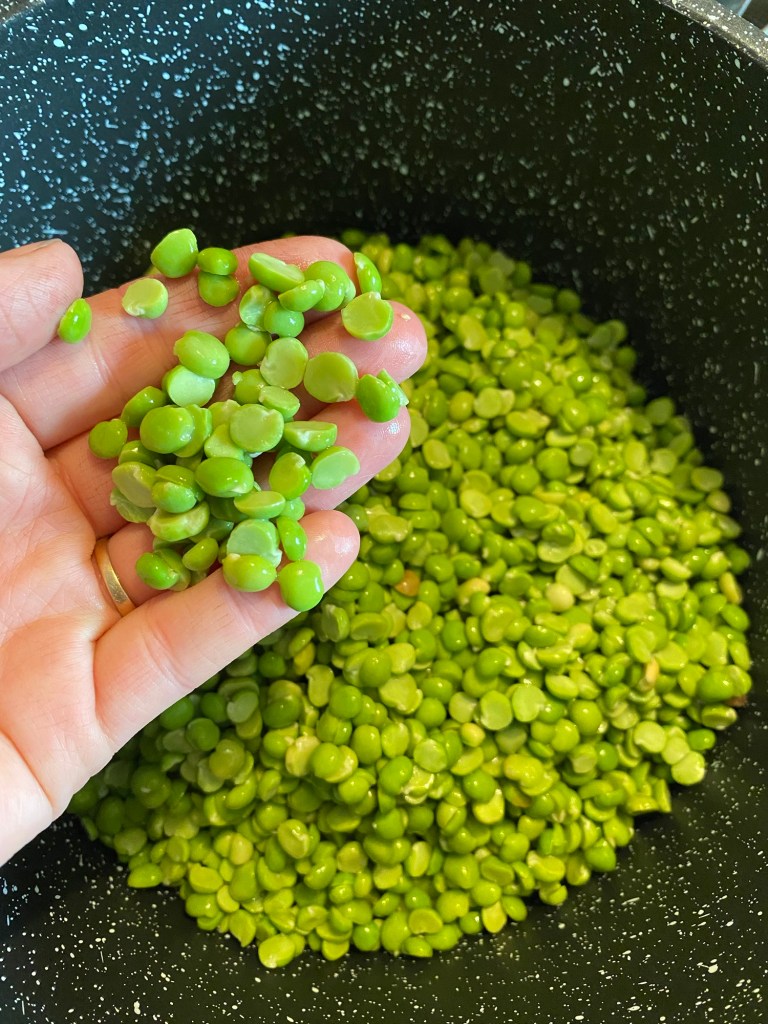
    1. Soak dry green split peas overnight in cold water. If this step is missed, start soaking for 4-6 hours before cooking soup, so that peas can still partially sprout. Rinse well in cold water. (See below for more information on why it is so important to soak peas and legumes)

    2. Saute onion and garlic with olive oil or butter in large soup pot. Add 8 cups of cold water and the rest of the ingredients.

    3. Bring to boil, then reduce to simmer on medium for 1-2 hours until all vegetables are soft and tender, stirring occasionally.

    4. I like to use the immersion blender at this point to puree some of the soup but leave a few chunks in.

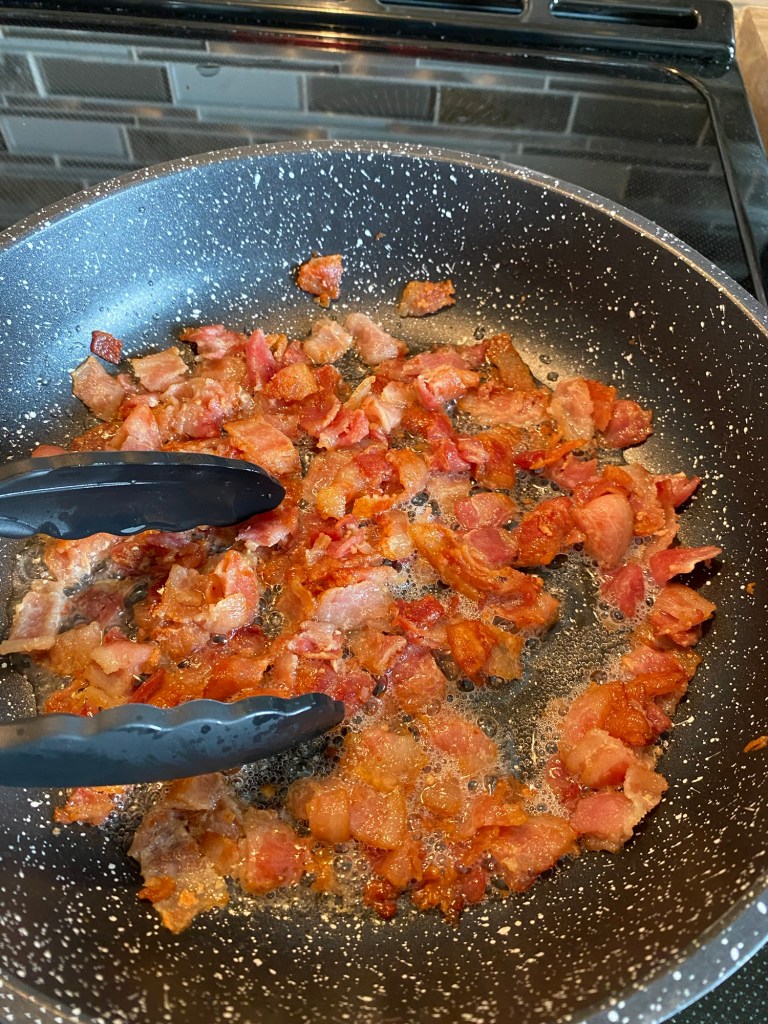
    5. When soup is nearly done, cut bacon into small pieces and fry in separate pan until cooked through. (I use kitchen scissors, only reserved for cutting bacon!) Add to soup, along with a little tasty bacon grease (if desired!).

    6. Serve and enjoy!

    Nutritional Benefits of Green Split Peas:

    Green split peas are high in fibre, high in protein, and low in calories. They have been found to contain rich amounts in: iron, protein, magnesium, zinc, phosphorus and potassium (among many others!).

    Split peas help to lower high cholesterol, blood pressure, and have anti-inflammatory benefits. They also have been found to help to prevent heart disease, diabetes, osteoporosis, cancer, and many other chronic illnesses.

    Why Soak the Split Peas?

    Soaking the split peas overnight (or at least for several hours before cooking) not only softens them and shortens their cooking time, but it also helps the split peas to release the lectins that are in them.

    Lectins are toxins that are found in beans, peas, soybeans, peanuts, lentils and whole grains. Although many people say it doesn’t matter to soak the dried split peas before cooking them, I always feel better to soak and rinse them first, and know that our digestive systems are the happier for it!

    Some side effects of un-soaked but cooked green split peas have been noted to include: bloating, gas, stomach pains and diarrhea. These split peas are very good for you–especially when they’ve been prepared and cooked properly!

    Interested in learning more about dehydrating your own vegetables?

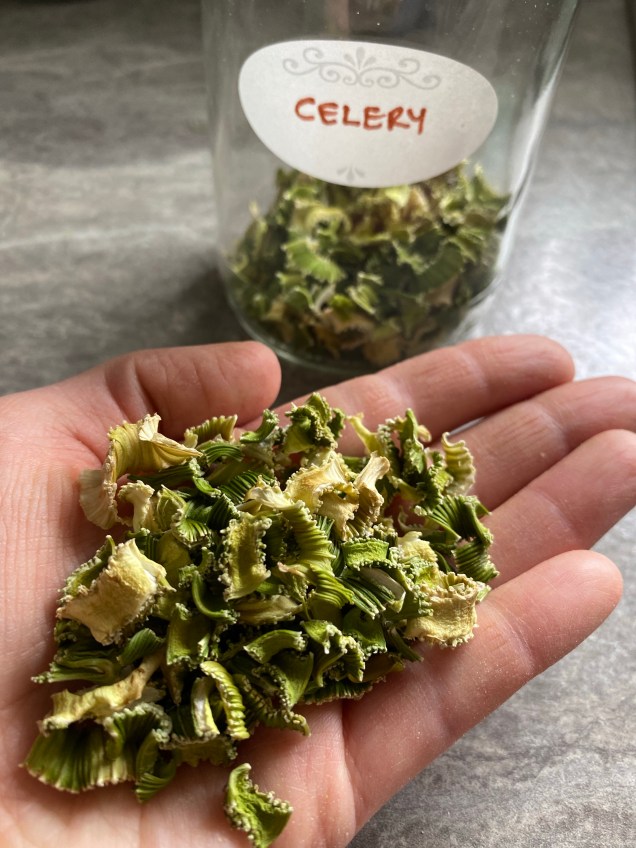
    You can check out the post: How to Dehydrate Celery for Flavourful Recipes HERE.

    Want to make this recipe into a ready-made soup mix?

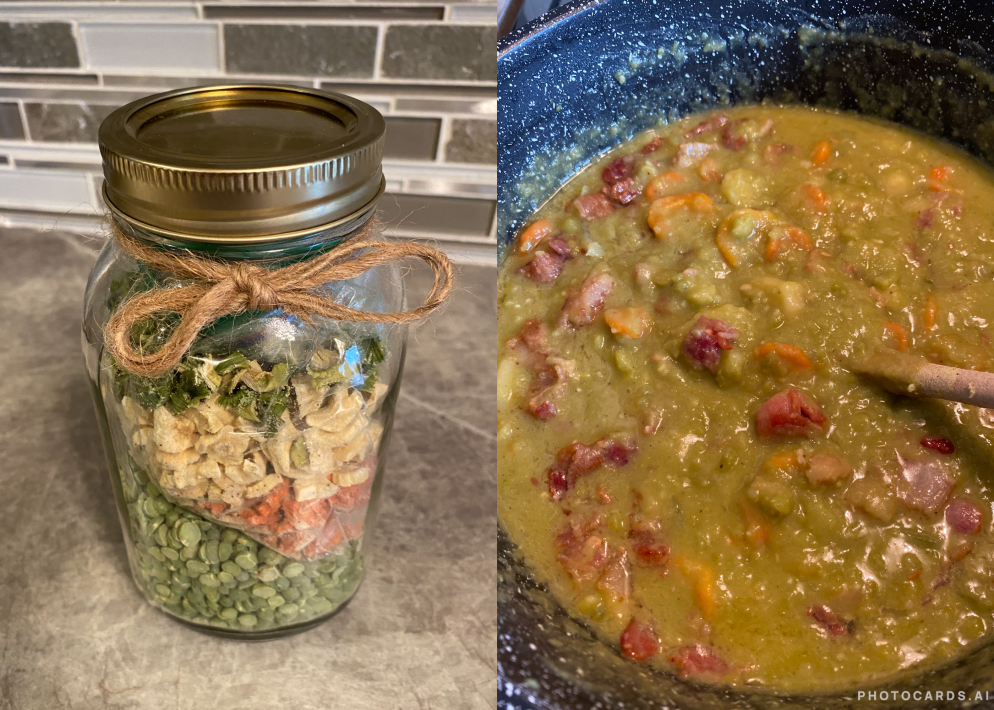
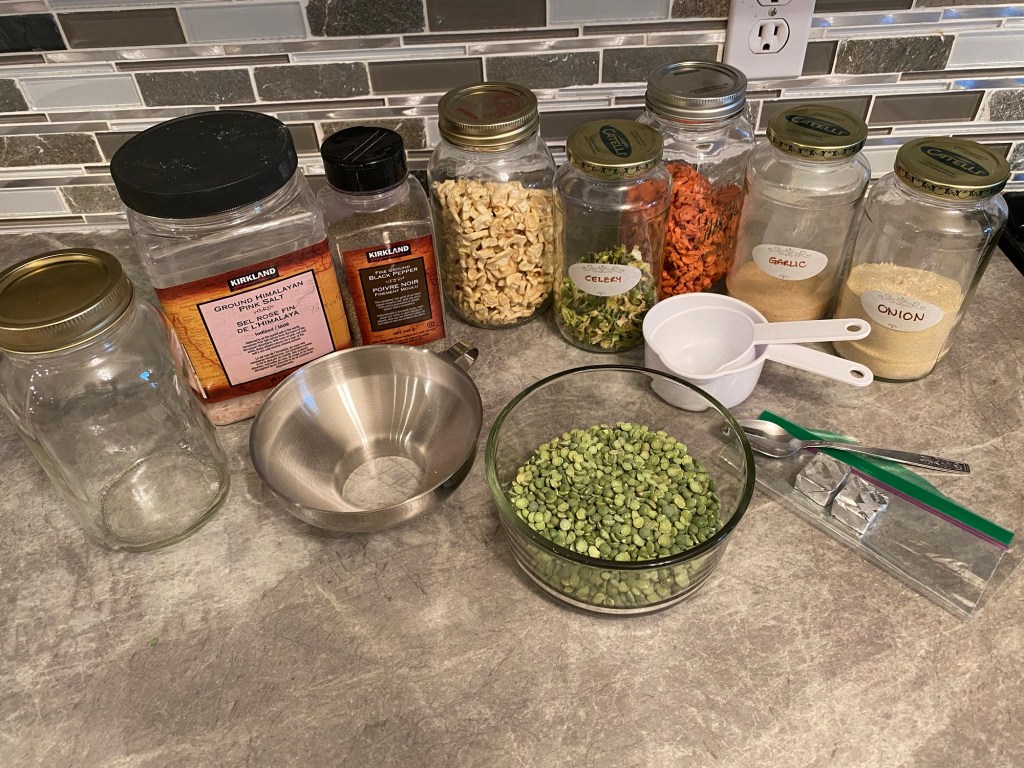
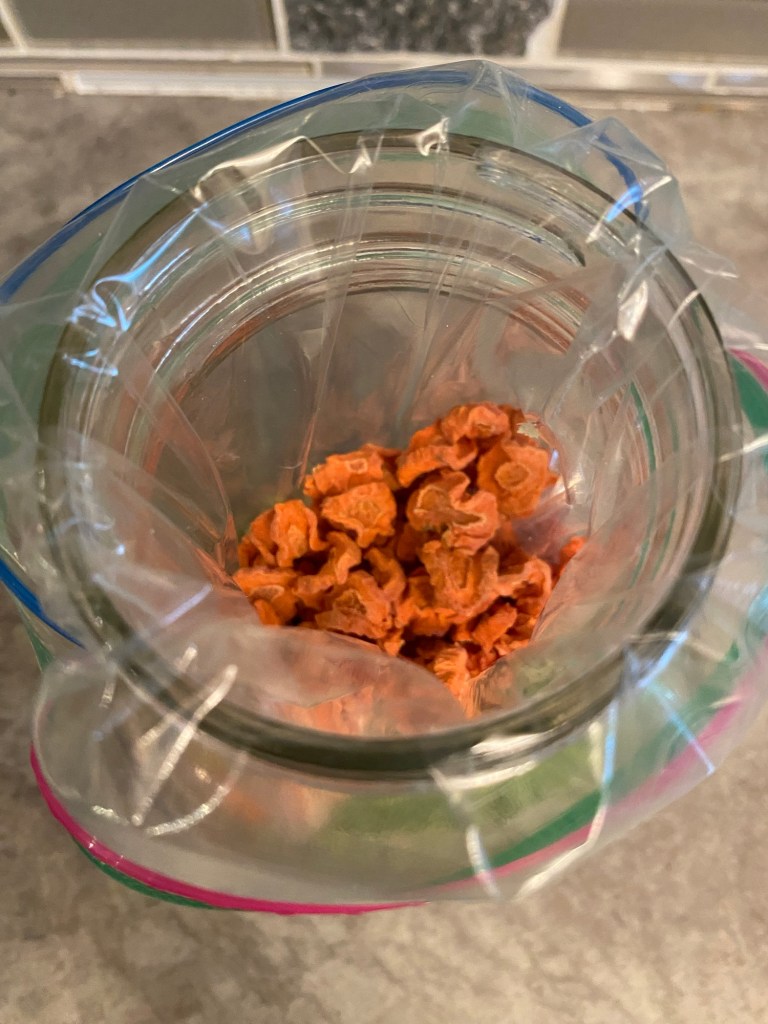
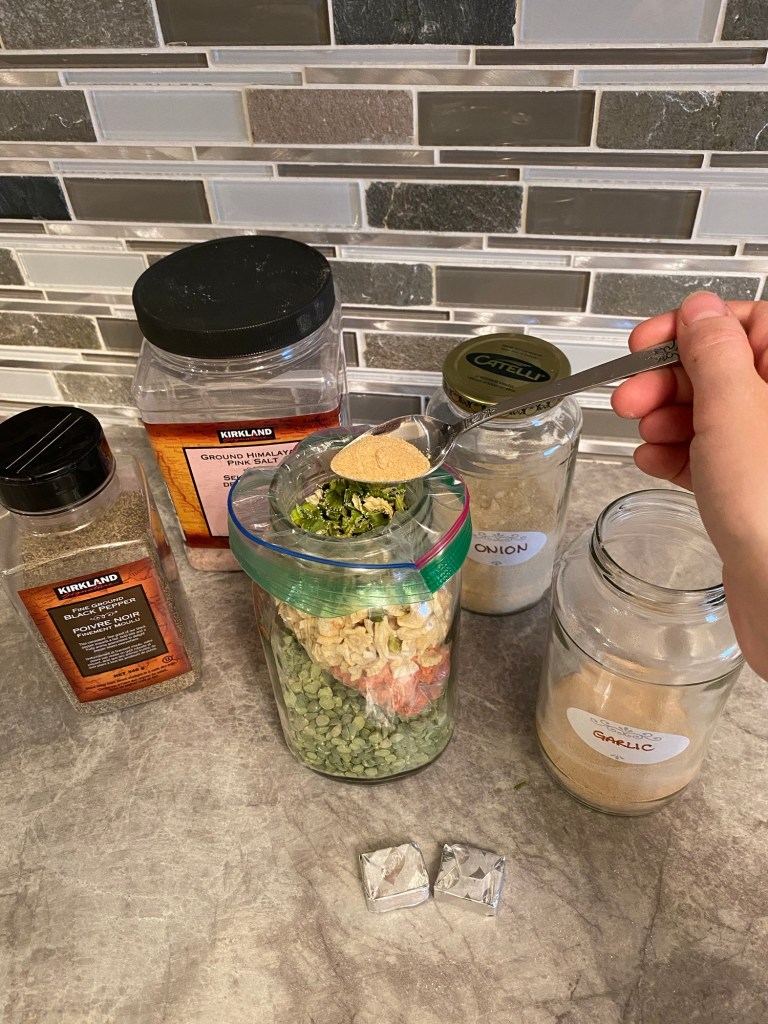
    I had some fun turning this recipe into a completely dry vegetarian soup mix, fitting easily into a 1 L glass mason jar. Perfect for a nutritious emergency pantry meal or to use on a camping trip. You just need to add water! (and bacon or other meat if desired, or sprinkle dried bacon bits on the top when serving)

    Using mason jars also make these ready-to-cook meals a cute gift!

    Supplies Needed:

    Ingredients:

    Directions:

    1. Measure dried green split peas into the bottom of the jar.
    2. Next, put the ziploc bag inside and begin filling with the remaining ingredients, except stock cubes.
    3. Close ziploc bag, poke inside jar, and place stock cubes on top. Seal jar with lid.

    Additional Note:

    You can of course use whatever container type you like for storing the soup mix, my personal preference for storing in my pantry is 1 Litre mason jars, so I made measurements to fit in this size.

    For camping I would put it all into a large ziploc bag, just separating the green split peas in a separate bag inside.

    To Cook:

    1. Pull out the stock cubes and set aside. Open up the ziploc bag and pour contents into a separate bowl.
    2. Green split peas are now separate from the rest of ingredients and can be soaked in the jar or another bowl overnight.
    3. Rinse split peas well with cold water and put in soup pot with 4 + 1/2 cups of cold water.
    4. Add remaining ingredients, and bring to a boil.
    5. Reduce to medium-low and simmer 1-2 hours, stirring occasionally until dried vegetables are cooked through and tender. Add more water as needed.
    6. If desired, you can sprinkle dried bacon bits on the top.

    Made this Recipe?

    I’d LOVE to see your results!! Feel free to post to your social media account and tag Northbird using one of the links below or post in the comments!

    Other Soups and Entrees to Check Out:

    Subscribe to Northbird’s email list to get weekly posts on: tasty recipes, activity ideas for kids, natural living tips, and some genuine mom thoughts and encouragement!

    Hi, I’m Jessie!

    I’m a Wife and Homeschooling Mom living in a remote town in Northern Ontario, Canada. I love making wholesome meals for my family from scratch, homeschooling our girls and learning more about natural living.

    Read more about my story HERE.

    Green Split Pea and Bacon Soup

    • Servings: 6-8
    • Difficulty: Easy
    • Print

    A highly nutritious and tasty winter soup recipe.


    Ingredients

  • 1 medium onion, diced
  • 2 large cloves garlic, diced
  • 2 tablespoons olive oil or butter
  • 2 cups dry green split peas
  • 8 cups water
  • 2 cubes of chicken/vegetable stock
  • 1 cup dried/diced carrots (or sub 2 cups fresh)
  • 1 cup dried/diced parsnips (or sub 2 cups fresh)
  • 1/2 cup dried/diced celery (or 1 cup fresh)
  • 1 teaspoon sea salt (more or less to taste–remember, there’s bacon coming!)
  • 1/2 teaspoon black pepper
  • 1 pound of bacon, cut into small pieces

  • Directions:

    1. Soak dry green split peas overnight in cold water. If this step is missed, start soaking for 4-6 hours before cooking soup, so that peas can still partially sprout. Rinse well in cold water. (See below for more information on why it is so important to soak peas and legumes)
    2. Saute onion and garlic with olive oil or butter in large soup pot. Add 8 cups of cold water and the rest of the ingredients.
    3. Bring to boil, then reduce to simmer on medium for 1-2 hours until all vegetables are soft and tender, stirring occasionally.
    4. I like to use the immersion blender at this point to puree some of the soup but leave a few chunks in.
    5. When soup is nearly done, cut bacon into small pieces and fry in separate pan until cooked through. (I use kitchen scissors, only reserved for cutting bacon!) Add to soup, along with a little tasty bacon grease (if desired!).
    6. Serve and enjoy!

    Nutrition


    Per 1 serving: 442 calories; 29.3 g fat; 36.1 g carbohydrates;
    13.8 g protein.

    Green Split Pea and Bacon Soup (Shelf-Stable Version)

    • Servings: 4-6
    • Difficulty: Easy
    • Print

    A ready to cook soup mix: Just Add Water! Great for make-ahead camping meals or stocking in your pantry for an emergency.


    Ingredients

  • 1 + 1/2 cups of dried green split peas
  • 3/4 cup dried & diced carrot
  • 3/4 cup dried & diced parsnips
  • 1/2 cup dried & diced celery
  • 1 teaspoon sea salt
  • 1/4 teaspoon black pepper
  • 1 teaspoon dried onion powder
  • 1 teaspoon dried garlic powder
  • 2 cubes of chicken/vegetable stock

  • Directions:

    1. Measure dried green split peas into the bottom of the jar.
    2. Next, put the ziploc bag inside and begin filling with the remaining ingredients, except stock cubes.
    3. Close ziploc bag, poke inside jar, and place stock cubes on top. Seal jar with lid.

    Cooking Directions:

    1. Pull out the stock cubes and set aside. Open up the ziploc bag and pour contents into a separate bowl.
    2. Green split peas are now separate from the rest of ingredients and can be soaked in the jar or another bowl overnight.
    3. Rinse split peas well with cold water and put in soup pot with 4 + 1/2 cups of cold water.
    4. Add remaining ingredients, and bring to a boil.
    5. Reduce to medium-low and simmer 1-2 hours, stirring occasionally until dried vegetables are cooked through and tender. Add more water as needed.
    6. If desired, you can sprinkle dried bacon bits on the top.

    Nutrition


    Per 1 serving: 225 calories; 0.8 g fat; 47.1 g carbohydrates;
    11.4 g protein.
    Return to Top

    Creative Potato Stamping Art for Kids

    Find Northbird on social media:

    This post contains affiliate links. As an Amazon associate, I earn from qualifying purchases. This means that I make a small commission at no extra cost to you. You can read my full disclosure HERE.

    Jump to Printable Activity Card

    Return to “Homeschooling Activities and Resources”

    Valentine Season is Just Around the Corner

    This thought went through my mind a few weeks ago in January, as I was thinking ahead and planing out what blog post topics to write about next. And then on January 31, my dear husband (being the planner and organizer that he is) said:

    “Honey, aren’t you doing a homeschooling valentine exchange again this year? You should probably start sending them out next week.”

    I turned a little defensive in my response, saying that there was plenty of time until the 14th –but then I realized that he was right.

    Things ALWAYS take longer than we anticipate, especially when kids are involved in the production, inscription, and assembly of cards to mail out…and then there’s our slightly sluggish postal system.

    Living in a remote part of Canada is absolutely beautiful and I am so so thankful to live here in Moosonee. But in regards to sending and receiving mail –You get the point!

    So yes. The hubby wins brownie points for helping me keep track of the date and keeping my commitment to mailing valentine cards across Canada.

    The Solution?

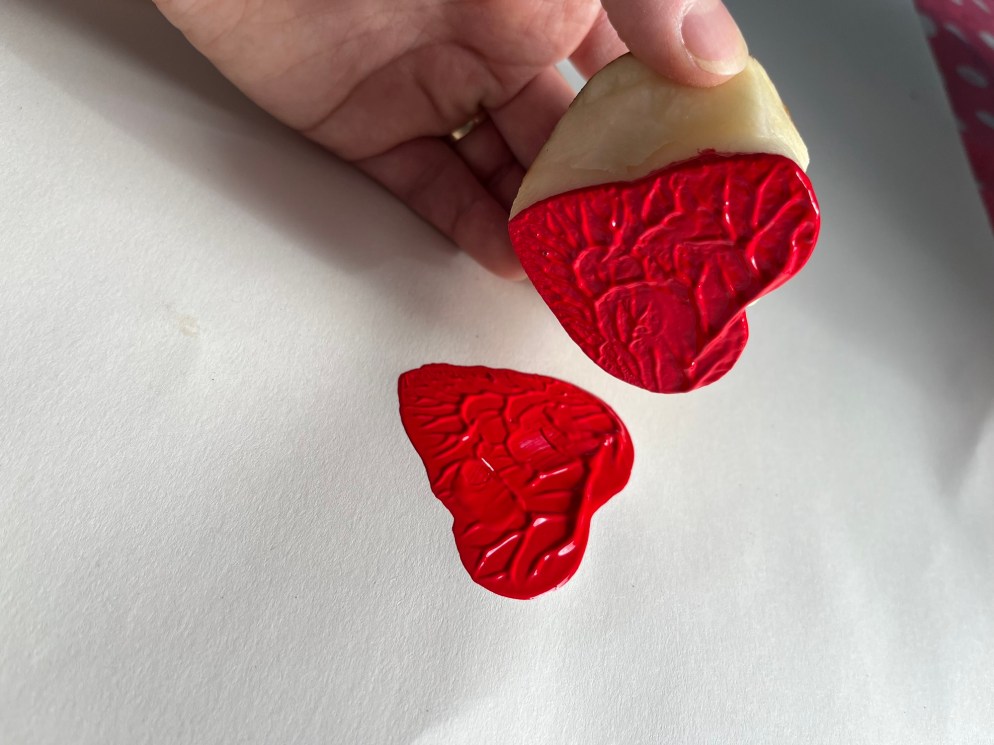
    We rummaged around in the potato bin and found some thick russet potatoes that would work to try some potato stamping art, and found the heart-shaped cookie cutters that had been hiding since last year. A little cutting of potato, applying of paint and voila! Some original artwork that the kids were very proud of!

    How to Make Potato Stamp Art & Valentine Cards:

    Supplies Needed:

    Directions:

    1. Wash potatoes and lightly dry the outside. Cut in half at thickest point. Pat dry the inside.
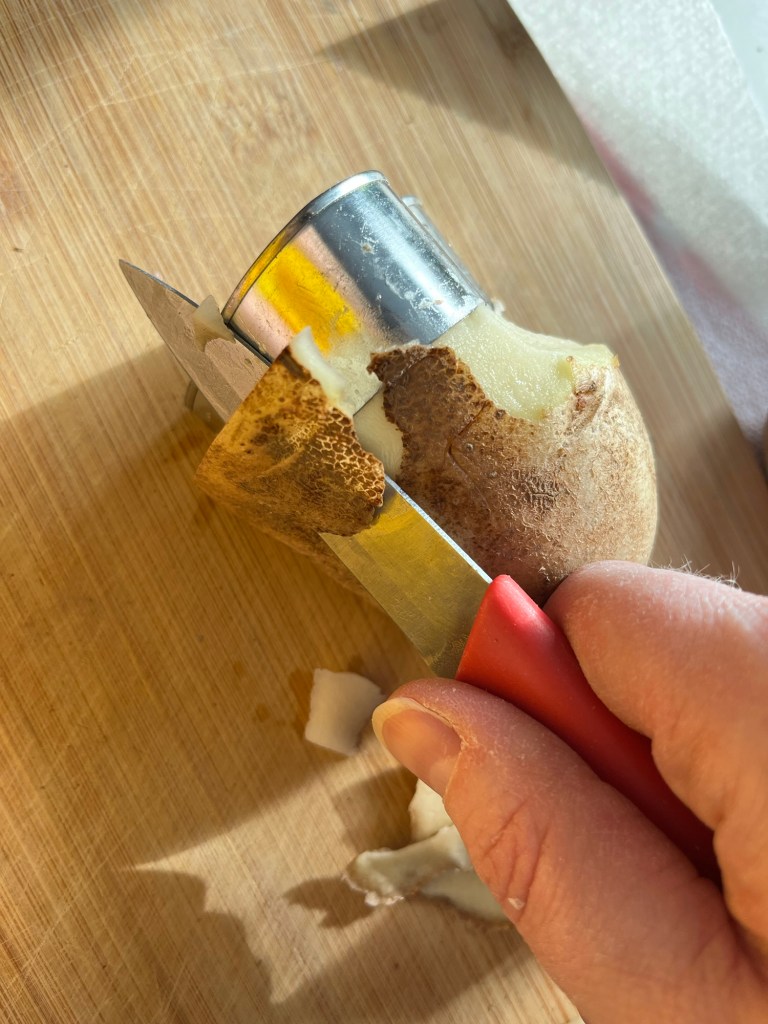
    2. Press cookie cutter into the white flesh, then cut down the sides of the cookie cutter (see picture). Remove the cookie cutter once shape is achieved.
    3. Squirt paint onto paper plate. Dab the potato in the paint and begin stamping!

    Homemade Cards:

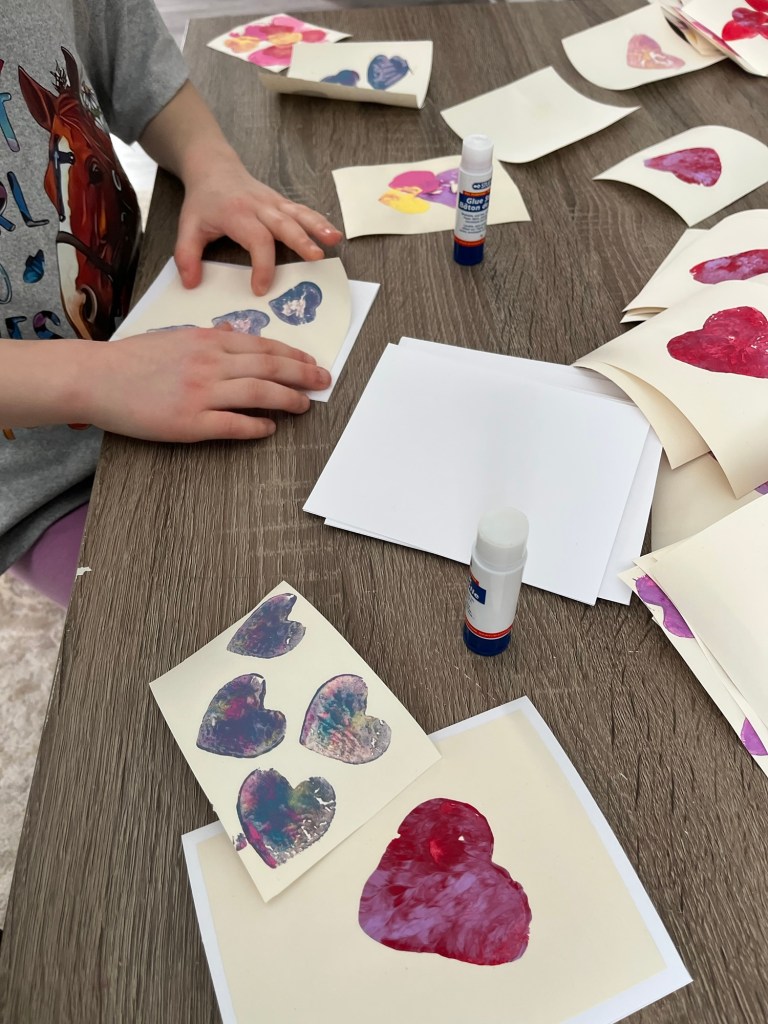
    1. We did the potato stamping first on cream-coloured paper, then let it dry for 30 minutes.

    2. I then cut 1 page of card stock paper in half for making 2 cards (8.5″x11″ paper size), and folded those in half.

    3. We then cut and trimmed the potato stamped art, and glued it to a red-coloured paper background.

    4. Lastly we glued the red paper to the front of the prepared white cardstock cards. We kept it simple due to time and somewhat limited focus for the kiddos, but at this point you can decorate and inscribe as desired!

    6. Enclose with one of these simple white envelopes that fit perfectly!

    Made this Craft?

    I’d LOVE to see your results!! Feel free to post to your social media account and tag Northbird using one of the links below or post in the comments!

    Hi, I’m Jessie!

    I’m a Wife and Homeschooling Mom living in a remote town in Northern Ontario, Canada. I love making wholesome meals for my family from scratch, homeschooling our girls and learning more about natural living.

    Read more about my story HERE.

    Subscribe to Northbird’s email list to get weekly posts on: tasty recipes, activity ideas for kids, natural living tips, and some genuine mom thoughts and encouragement!

    Creative Potato Stamping Art for Kids

    • Difficulty: Easy
    • Print


    By Jessica Burman © 2025 The Northbird Blog http://www.thenorthbirdblog.com

    Supplies Needed:

  • Potatoes (large enough to cut in half and fit a cookie cutter into it)
  • Cookie cutters (For Valentine Cards we used heart shaped ones)
  • Paring Knife
  • Paint (for smaller kids I would use non-toxic paint, but acrylic paint works better in my opinion)
  • Paper Plate or other disposable etc for putting paint on
  • Glue sticks
  • Scissors
  • Cardstock paper
  • Coloured Paper
  • Envelopes

  • Directions:

    1. Wash potatoes and lightly dry the outside. Cut in half at thickest point. Pat dry the inside.
    2. Press cookie cutter into the white flesh, then cut down the sides of the cookie cutter (see picture). Remove the cookie cutter once shape is achieved.
    3. Squirt paint onto paper plate. Dab the potato in the paint and begin stamping!

    Homemade Cards:

    1. We did the potato stamping first on cream-coloured paper, then let it dry for 30 minutes.
    2. I then cut 1 page of card stock paper in half for making 2 cards (8.5″x11″ paper size), and folded those in half.
    3. We then cut and trimmed the potato stamped art, and glued it to a red-coloured paper background.
    4. Lastly we glued the red paper to the front of the prepared white cardstock cards. We kept it simple due to time and somewhat limited focus for the kiddos, but at this point you can decorate and inscribe as desired!
    5. Enclose with one of these simple white envelopes that fit perfectly!

    Return to Top

    Birdwatching Binocular Craft with Bird Survey Printables

    Find Northbird on social media:

    This post contains affiliate links. As an Amazon associate, I earn from qualifying purchases. This means that I make a small commission at no extra cost to you. You can read my full disclosure HERE.

    Jump to Binocular Activity Card

    Return to “Homeschooling Activities & Resources”

    Return to “Discovering Birds”

    Birds: A Natural Homeschooling Inquiry…

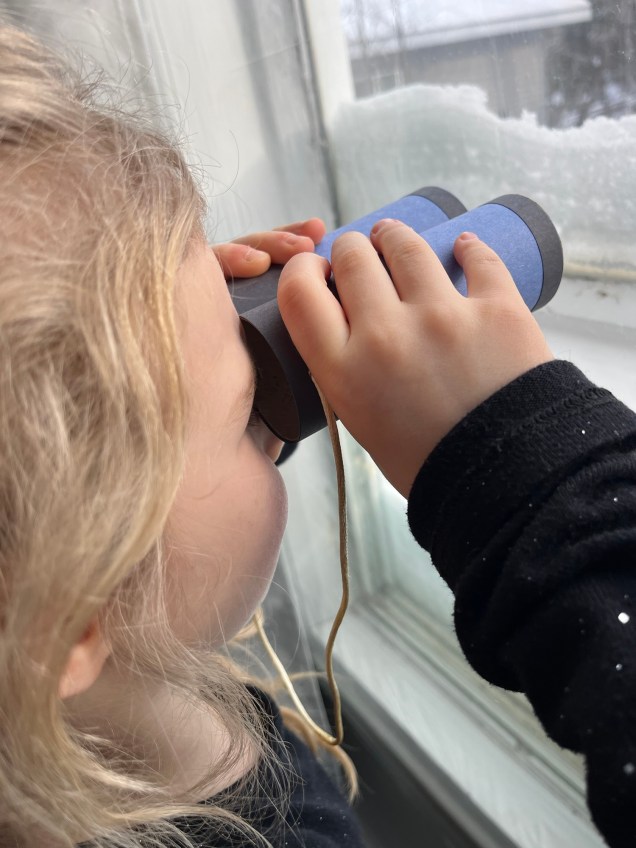
    Learning about birds in our homeschool studies is one of the easiest topics to investigate in my opinion, simply because it is on-going, and the kid’s curiosity is spring boarded from seeing “who” comes to our bird feeders!

    This is such a natural discovery process that leaps into questions of:

    “Where do the birds go when it is raining or snowing?”

    “What do birds eat when we forget to fill up the bird feeder?”

    “Why are the birds chasing each other in the sky?”

    Even though questions from these little treasures may be nearly constant some days, I am learning to pray for patience and view them as a golden opportunity for the kids to learn.

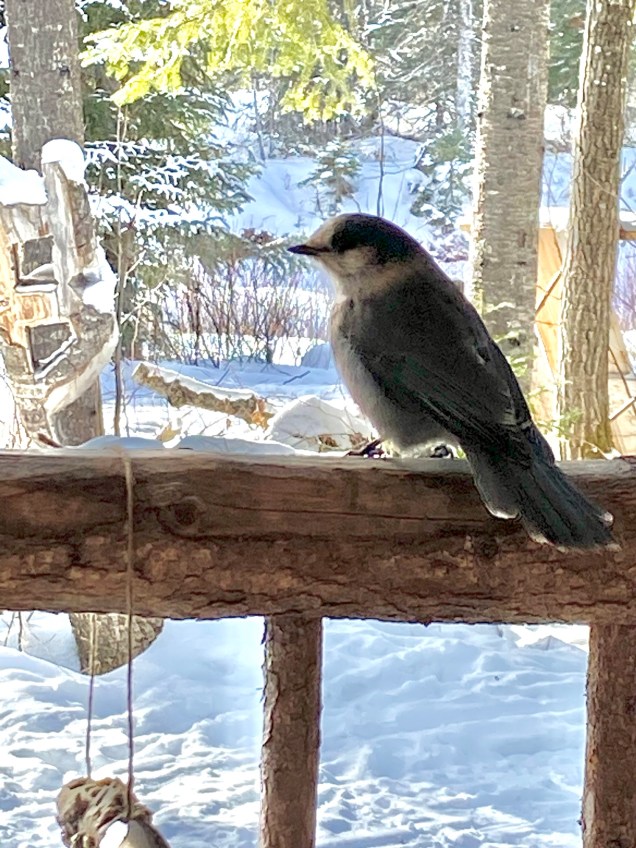
    A “Whisky Jack”/”Canada Jay”,
    Moose River area, Northern Ontario

    Honestly, there are so many days that we have dropped the math or language arts lessons to simply go stare out the window for several minutes to watch the various feathered creatures fly around, eat at our feeders, scratch for worms and bugs, or pick up grass for their nests.

    There is always something to learn from watching birds, even if it is to realize our need to sit still, and step away from whatever business is in our lives while we quietly observe these beautiful creatures. Birdwatching is so calming, both for myself and also my very busy children!

    I love how one can almost hear a pin drop if they are watching the birds from our window. They have learned to be as quiet as they can and not move so the birds don’t get spooked!

    A downy woodpecker hanging on to have a snack.

    One of our favourite types of bird feeders is the clear plastic one above  ↑ (The Window Cafe, similar to THIS ONE available on Amazon) that suctions right onto the window glass!

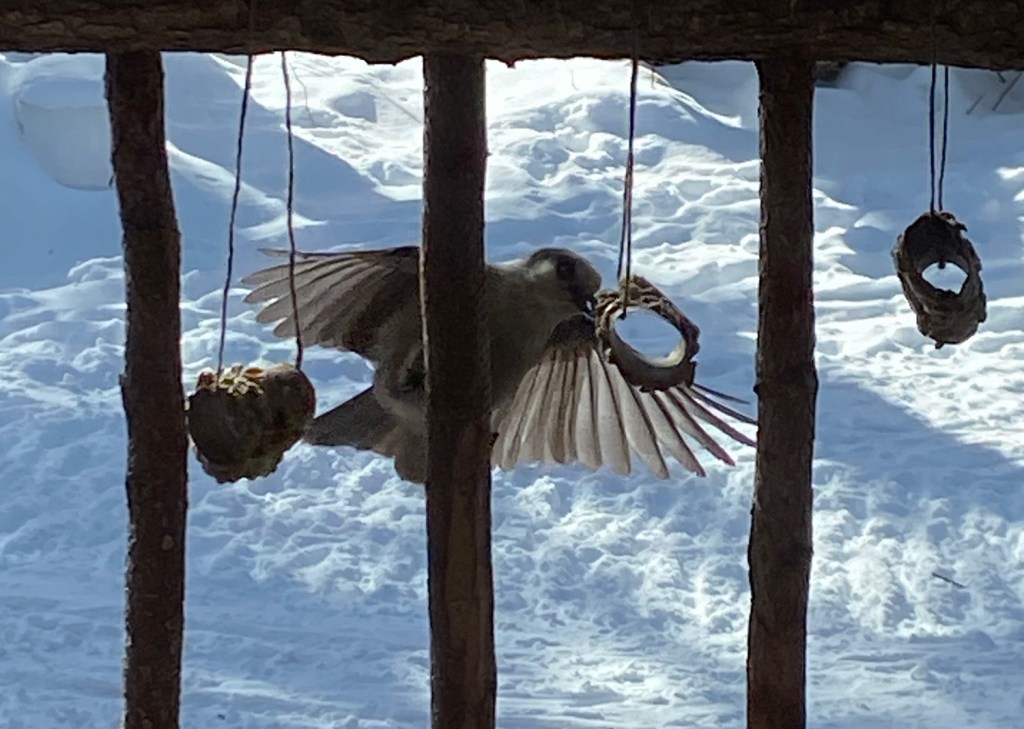
    A “Whisky Jack” eating from one of our homemade bird feeders.

    You can check out THIS POST if you are interested in seeing how we made these easy & seedy paper roll bird feeders.

    About this Craft:

    This bird-based inquiry craft is an easy set up, inexpensive, and can be completed as simple or fancy as you like!

    I must give credit to my sister-in-law “L” for first having the idea several years ago and making two quick sets for our toddlers to decorate with stickers when they were having trouble getting along with each other!

    I hope you and your students have fun making this simple fun birding craft!

    Watch and Record!

    Don’t forget to watch and record what types of birds your kids can find using their new birdwatching binoculars!

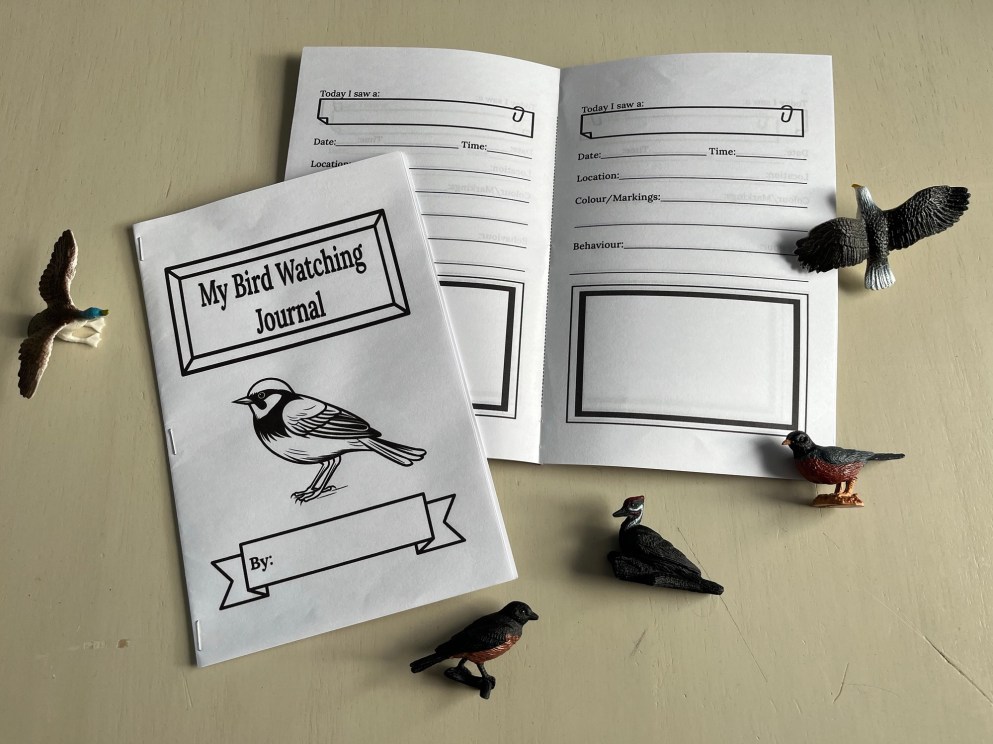
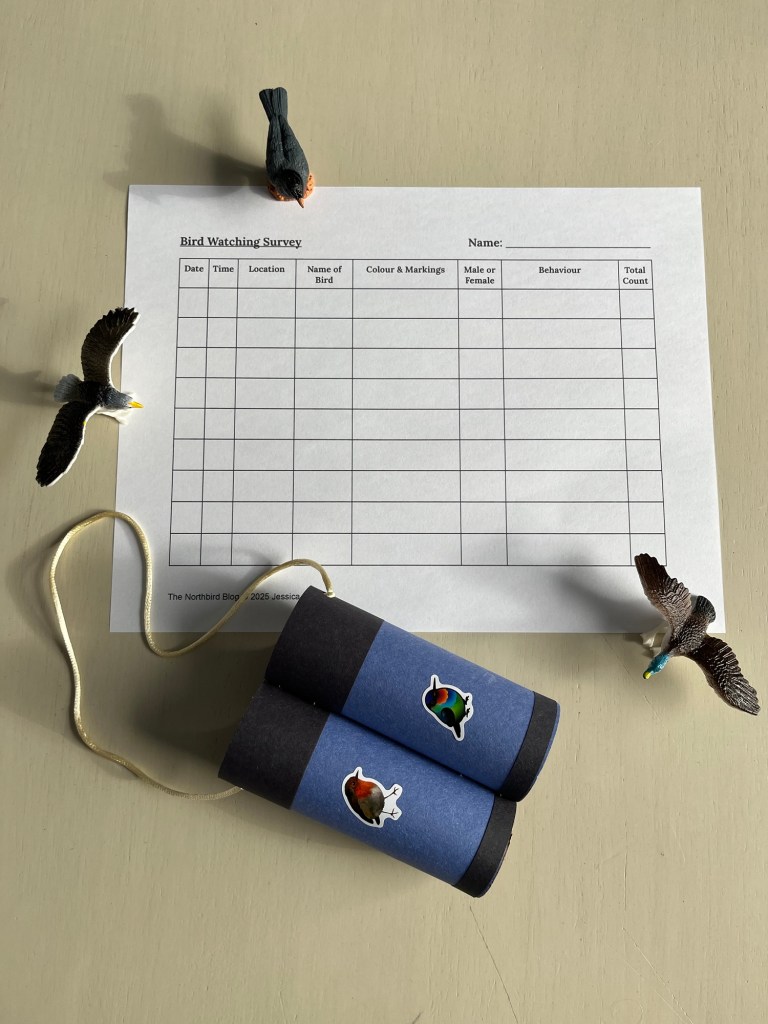
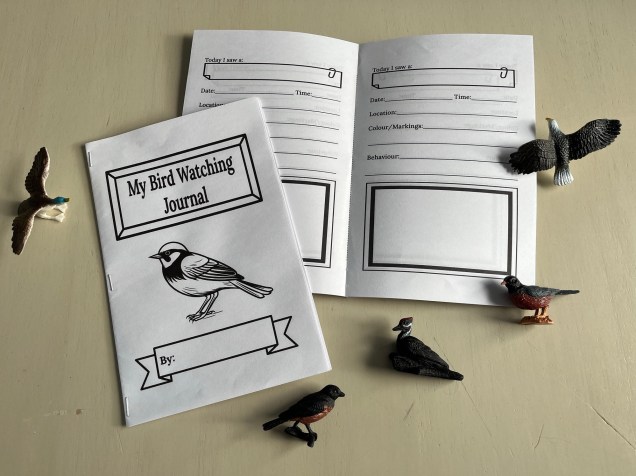
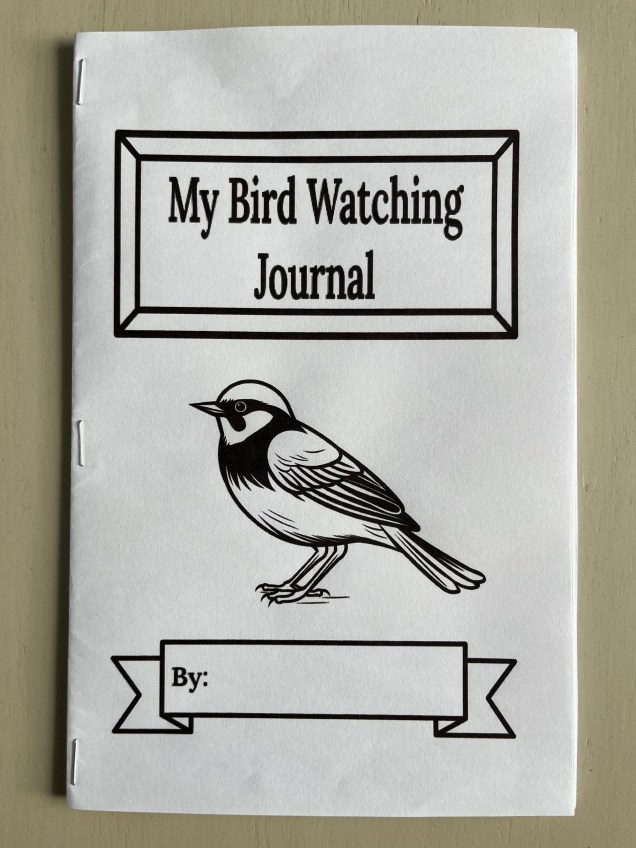
    You can download this Free Birdwatching Survey Sheet PDF HERE.

    Have a student that loves to record and draw?

    My daughter loves drawing! I created this bird survey tool as a way for her to record and draw the different birds that she finds around our home in Northern Ontario. It will be a great keepsake in years to come.

    This birdy resource will encourage students to get outside into nature and watch and listen for the many amazing different bird species out there! It is non-specific to any geographical area, and is to be used as an interactive survey tool.

    On each page students can record:

    • The name of the BIRD sighted
    • Date/Time
    • Location of the BIRD
    • Colour and any notable markings of the BIRD
    • Behavior of the BIRD (what was the bird doing?)

    At the bottom of each page there is a framed box where students can DRAW their impression of what the bird looked like, or what it was doing (flying, perching, nesting, etc)

    This PDF file has been designed to be easily printed, folded and stapled together, making it an easy handout to either print and make ahead of time for younger students, or have the older students assemble it themselves!

    This Bird Watching Printable Journal is available to purchase and download from my store on Teachers Pay Teachers HERE.

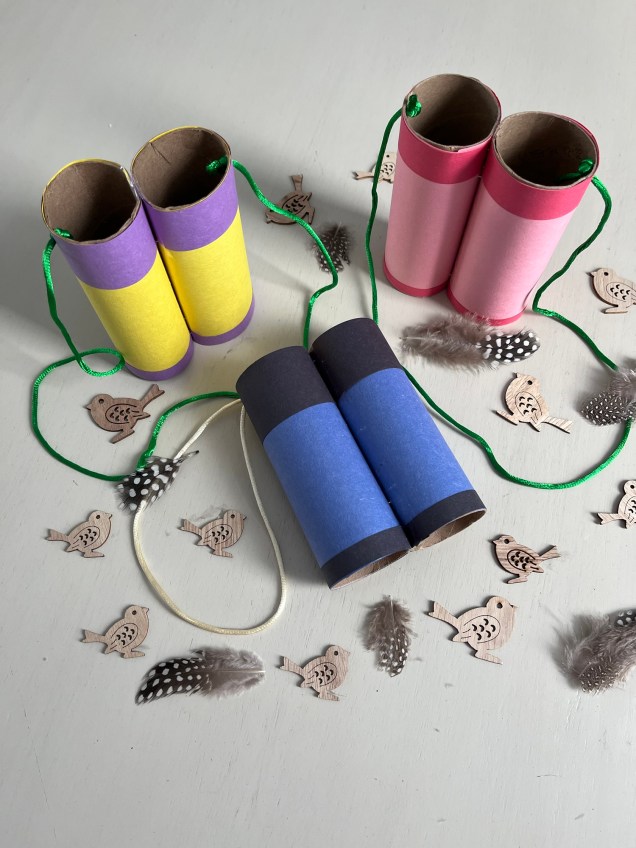
    How to Make Paper Binoculars

    Supplies Needed:

    Decorating suggestions:

    Directions:

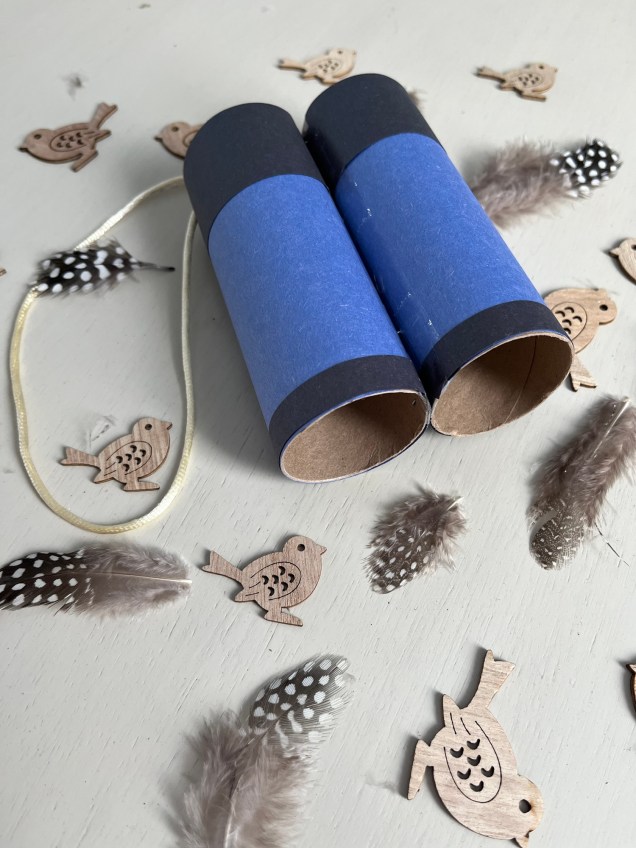
    1. If you are using paper towel rolls, first cut them in half. If using toilet paper rolls, make sure they are completely bare!

    2. Cut coloured paper into strips for a background, then wrap around and tape in place.

    3. Cut a different colour of paper into thinner strips and also wrap and tape into place. (*Note: it helps to have all the tape along one side, so that when you staple it together, the tape can be hidden)

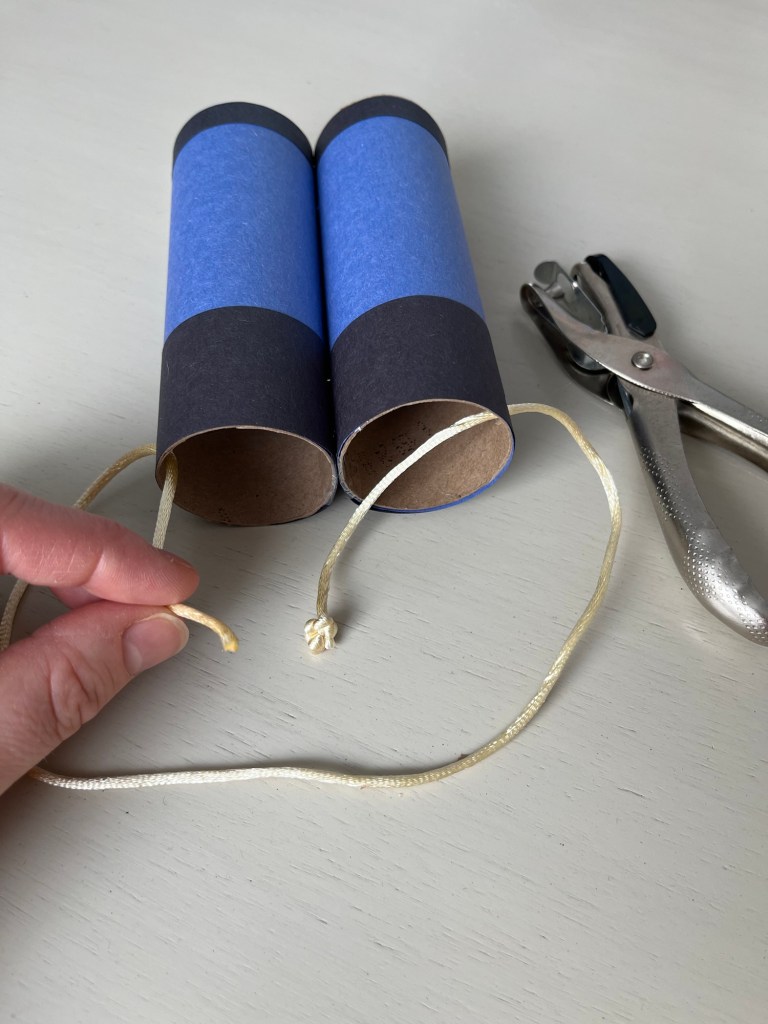
    4. Staple together the two rolls where they touch when held together, (tape side in), stapling twice both at the top and bottom.

    5. Use a single hold punch, make a small hole about 1/2 inch below the eye hole top, opposite from the staples (see picture).

    6. Insert string into hole and tie a large knot at the end of the string to hold it in place.

    7. It’s time to begin using the binoculars!

    Made this Craft?

    I’d LOVE to see your results!! Feel free to post to your social media account and tag Northbird using one of the links below or post in the comments!

    Hi, I’m Jessie!

    I’m a Wife and Homeschooling Mom living in a remote town in Northern Ontario, Canada. I love making wholesome meals for my family from scratch, homeschooling our girls and learning more about natural living.

    Read more about my story HERE.

    Subscribe to Northbird’s email list to get weekly posts on: tasty recipes, activity ideas for kids, natural living tips, and some genuine mom thoughts and encouragement!

    Birdwatching Binocular Craft

    This is a fun bird inquiry craft to make at home: Kids can make their own binoculars and decorate them as simple or as decorative as they like!


    By Jessica Burman © 2025 The Northbird Blog http://www.thenorthbirdblog.com

    Supplies Needed:

  • String or Twine
  • Scissors
  • Stapler
  • Tape
  • Single Hole Punch
  • Coloured Paper
  • Inside cardboard roll from toilet paper or paper towel rolls

  • Decorating Ideas:

  • Paint
  • Markers
  • Stickers (These watercolour bird stickers are gorgeous!)
  • Coloured Ribbons
  • Washi Tape
  • Directions:

    1. If you are using paper towel rolls, first cut them in half. If using toilet paper rolls, make sure they are completely bare!
    2. Cut coloured paper into strips for a background, then wrap around and tape in place.
    3. Cut a different colour of paper into thinner strips and also wrap and tape into place. (*Note: it helps to have all the tape along one side, so that when you staple it together, the tape can be hidden)
    4. Staple together the two rolls where they touch when held together, (tape side in), stapling twice both at the top and bottom.
    5. Use a single hold punch, make a small hole about 1/2 inch below the eye hole top, opposite from the staples (see picture).
    6. Insert string into hole and tie a large knot at the end of the string to hold it in place.
    7. It’s time to begin using the binoculars!

    Return to Top

    DIY Natural Beard Oil Recipe for Men

    Find Northbird on social media:

    This post contains affiliate links. As an Amazon associate, I earn from qualifying purchases. This means that I make a small commission at no extra cost to you. You can read my full disclosure HERE.

    Jump To Recipe Card

    Return to “Natural Living”

    Just to clarify: I don’t have a beard, but I’ve been married to an amazing bearded man for over 9 years! And in that time I’ve made a few different beard oil recipes for him and also for a few other masculine relatives that love their beards.

    The first time I made a beard oil for my husband was when I was trying to figure out what to get him for Christmas and ended up making 5 simple gifts: each one representing one of the 5 senses. This one of course represented Scent.

    He is somewhat particular about smells, and what scents he likes for his self-care products. So, I had fun blindfolding him a few weeks prior to Christmas and holding up different essential oil bottles to get him to tell me what scents he liked. His personal favourites are Cedar and Sandalwood.

    This recipe is made with all natural ingredients and fits perfectly into a 30ml dropper bottle like THIS ONE.

    You’ll notice that the recipe below has Sandalwood Essential Oil listed, but feel free to substitute it for any scent that you/your spouse prefer.

    Masculine Essential Oils:

    I’ve noticed that many essential oils that have the label “masculine” tend to be from different tree species and have musky, forest scents. I’m sure it’s not always the case, it’s just my own observation from research, and asking the bearded men in my life. Essentially, think: Musky, Smoky, Spicy, Earthy…This seems to be the general idea (from a female’s perspective!)

    These are some of the scents that I have used, as well as a few more that I’ve read are enjoyed as beard oil scents:

    Sweet Almond Oil:

    Sweet Almond Oil: is an important oil that has been used for massaging and skin treatment for hundreds of years. It is rich in medicinal properties that help prevent inflammation, scarring, and dryness.

    Jojoba Oil:

    Jojoba Oil is another all-around essential skin oil that is a great moisturizer and cleanser. It is also known to help with treating acne, psoriasis and eczema.

    Vitamin E Oil:

    I always add a few drops of Vitamin E Oil into whatever skin care products I am making. It is highly beneficial to the skin because of its moisturizing properties, and helps to cure skin problems such as psoriasis, eczema, dryness and itchiness to name just a few!

    It is also a wonderful antioxidant and helps to keep your immune system strong.

    Why are Pure Essential Oils better to use in skincare products than Artificial Scents?

    Artificial fragrances and perfumes are everywhere: in candles, in air fresheners, hand soaps, body lotions, shampoos & conditioners, laundry products, and tons of skin care products. This is one reason why it is so important to check the labels and list of ingredients!

    Synthetic scents are usually petroleum based and these chemicals have very serious effects on the human body. Some common chemicals used include benzophenone and styrene (carcinogenic) and phthalates (endocrine disruptors). You can read more about this HERE.

    Other Commonly used Essential Oils for Self Care Products and their Medicinal Uses: (I’ve also added a few that primarily aid skin conditions)

    • Peppermint: A great resource for opening up the sinuses and relieving headaches.
    • Sandalwood: Calming and a relaxing scent.
    • Lemon: A bright and refreshing scent that helps to even out the skin tone.
    • Eucalyptus: An antiseptic, anti-fungal, anti-viral, and anti-bacterial essential oil. Fights infection and promotes healing.
    • Sweet Orange Oil: An anti-bacterial, anti-inflammatory, aides in digestion, but most known to act as a mood enhancer and relaxant.
    • Carrot Seed Oil: An antioxidant, anti-fungal and anti-bacterial. Primarily used to treat skin infections and inflammations.
    • Grapefruit: Treats acne and other skin infections. Mood enhancer and may also help with weight loss.

    How to Make Your Own Beard Oil

    Supplies Needed:

    Ingredients:

    Directions:

    1. Lay some paper towel down for your work station, and set the mini funnel ready in the bottle.
    2. Carefully measure out the Jojoba, Sweet Almond Oil and Vitamin E Oil and pour through the mini funnel.
    3. Add the drops of Sandalwood (or other) pure essential oil until it is as strong as you like.
    4. Screw the lid on tight and shake to mix it well.
    5. To Use: Squirt a few drops into your hands and rub into beard to encourage softness and healthier skin.

    Made This Activity?

    I’d LOVE to see your results!! Feel free to post to your social media account and tag Northbird using one of the links below or post in the comments!

    More Ideas for Natural Living:

    Hi, I’m Jessie!

    I’m a Wife and Homeschooling Mom living in a remote town in Northern Ontario, Canada. I love making wholesome meals for my family from scratch, homeschooling our girls and learning more about natural living.

    Read more about my story HERE.

    Subscribe to Northbird’s email list to get weekly posts on: tasty recipes, activity ideas for kids, natural living tips, and some genuine mom thoughts and encouragement!

    Check out on the Natural Living Page:

    Nature’s Medicine

    An on-going picture collection of various herbs, vegetables, fruits, oils, etc and highlighting some of the amazing health benefits that they have to offer us!

    DIY Natural Beard Oil Recipe for Men

    • Servings: 1 x 30ml bottle
    • Difficulty: Easy
    • Print

    An All-Natural Beard Oil Recipe to soften bristly beards and moisturize skin.


    By Jessica Burman © 2025 The Northbird Blog. http://www.thenorthbirdblog.com


    Ingredients

  • 1 Tablespoon Organic Jojoba Oil
  • 1 Tablespoon Sweet Almond Oil
  • 1/4 teaspoon Vitamin E Oil
  • 10-15 drops Sandalwood Pure Essential Oil (or see other suggestions above!)

  • Directions:

    1. Lay some paper towel down for your work station, and set the mini funnel ready in the bottle.
    2. Carefully measure out the Jojoba, Sweet Almond Oil and Vitamin E Oil and pour through the mini funnel.
    3. Add the drops of Sandalwood (or other) pure essential oil until it is as strong as you like.
    4. Screw the lid on tight and shake to mix it well.
    5. To Use: Squirt a few drops into your hands and rub into beard to encourage softness and healthier skin.

    Return to Top

    Quick & Easy Naan Bread with Sourdough Discard

    Find Northbird on social media:

    This post contains affiliate links. As an Amazon associate, I earn from qualifying purchases. This means that I make a small commission at no extra cost to you. You can read my full disclosure HERE.

    Jump To Recipe Card

    Jump to Video

    Return to “Sourdough Recipes”

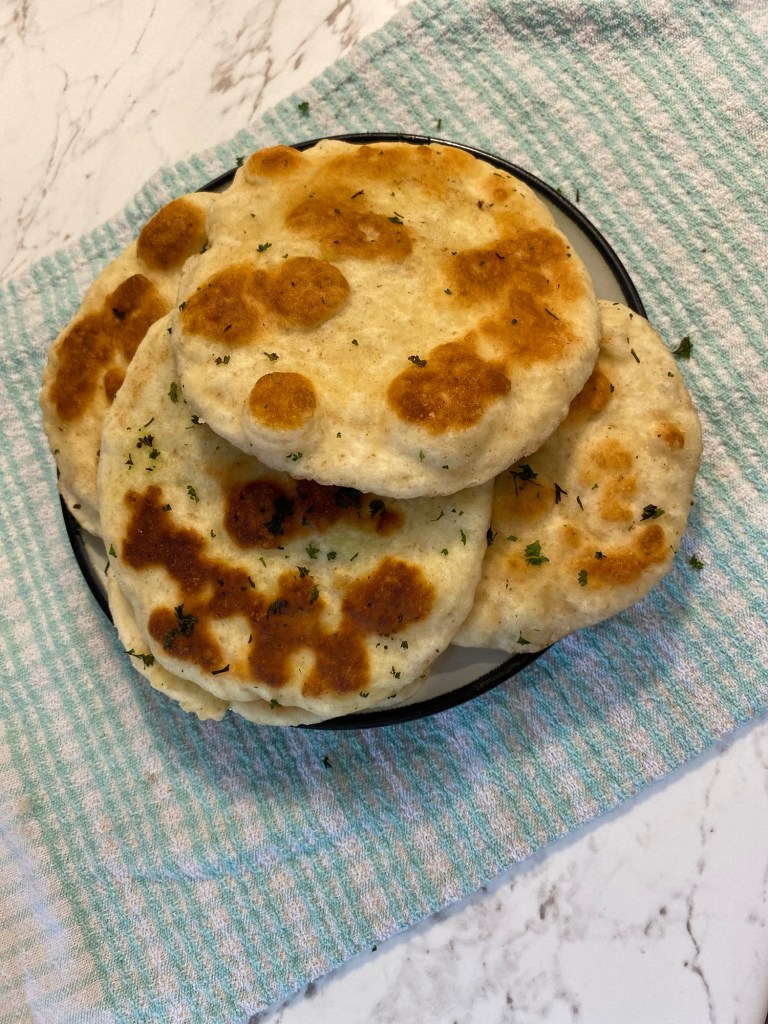
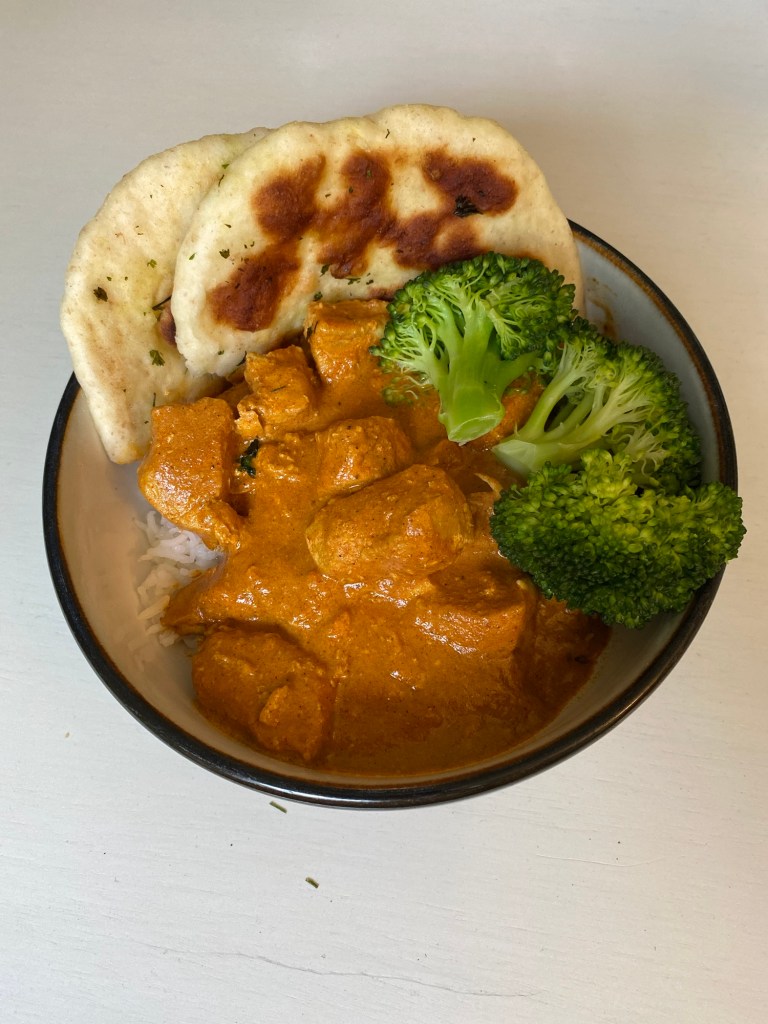
    We love eating naan bread! We tend to have either a type of curry, stirfry or butter chicken with rice for dinner once a week, and this is our favourite pairing with it.

    In our home, my husband likes thin and extra buttery naan bread, while the kids and I enjoy it a little thicker. So whenever I make some, I try to roll some out a little thinner than others, so that everyone has some the way they like it best. And always lather with lots of butter…before and after frying!

    Feel free to adjust the thickness of this naan bread recipe to your preference! The instructions below are for a 1/2 inch thickness palm sized naan.

    I’ve played around with adjusting this recipe for a while now and am finally ready to share the delicious results. I hope you enjoy it as much as we do!

    History of the Naan Bread:

    India. This country has long been on my bucket list to visit, a culture rich in traditions, history and especially in food! Naan bread, curries, spices, butter chicken, samosas, saag paneer, tikka masala, tandoori chicken, and biryani. All so so good!

    The word “naan” itself actually comes from the ancient Persian civilization meaning “bread baked on hot pebbles”. It is thought by some that naan bread started to become popular in India around the 1520s, after yeast arrived in India from Egypt. It was a delicacy reserved for the nobility, so think on that while you enjoy your dinner tonight, my noble friend!

    Make it with Your Kids!

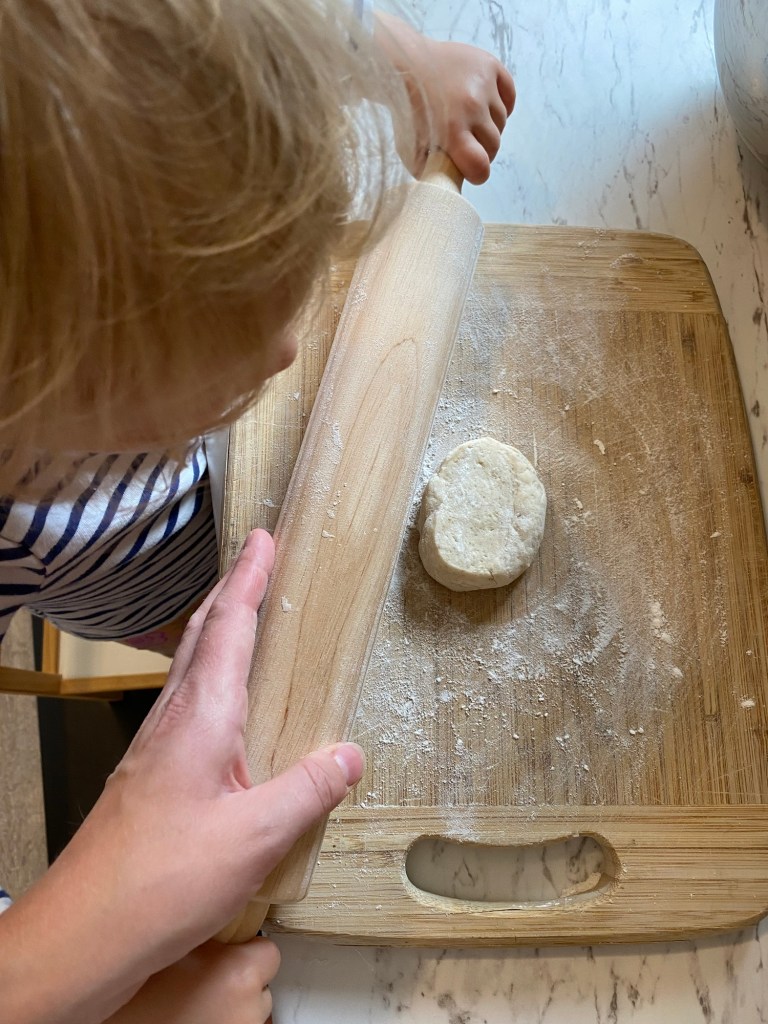
    Any time I have something that involves using a rolling pin, or just dough in general, I love getting the kids involved in preparing it. They have fun rolling out and shaping their own naans. You could also get out the cookie cutters to cut out some fun shapes to fry up!

    These were sooo yummy to make!

    ♫ Music by Matthew Compton

    How to Make Naan Bread with Sourdough Discard

    Supplies Needed:

    Ingredients:

    • 2 cups all purpose flour (I have also made this with mixing in spelt and whole wheat flour, just add a few more tablespoons of flour to balance the dough consistency)
    • 1 teaspoon organic baking powder
    • 1/4 teaspoon baking soda
    • 1 teaspoon white or raw sugar
    • 1/2 teaspoon ground sea salt
    • 1 Tablespoon olive oil
    • 1/4 cup yogurt or whole milk
    • 1/2 cup sourdough discard starter
    • 2-4 Tablespoons water (add as needed, a little more if using yogurt)
    • Flour for dusting when rolling out
    • 1/3 cup melted butter
    • 1/2-1 Tablespoon chopped fresh parsley (can also use dried parsley, but fresh is best)

    Directions:

    1. Mix flour, baking powder, baking soda, sugar and salt together.

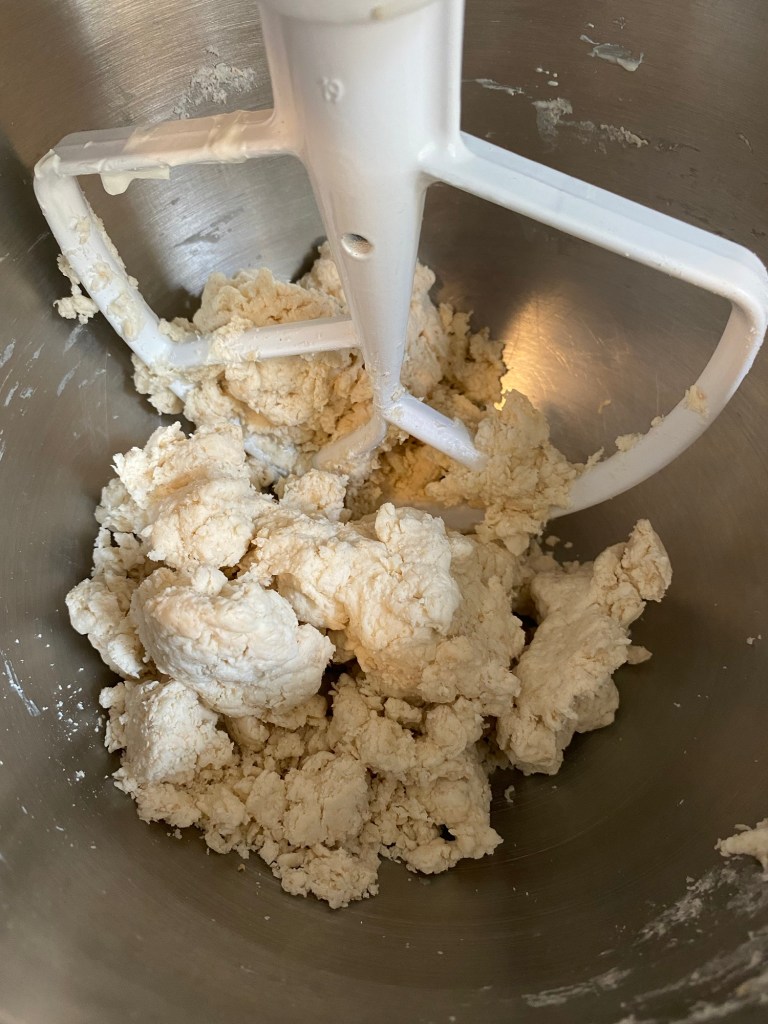
    2. Add olive oil, yogurt/milk, and sourdough discard. Mix well. Add 2-4 tablespoons of water as needed until it becomes a doughy consistency.

    3. Knead for 2-3 minutes until it is a soft dough. Dust with a little flour as needed.

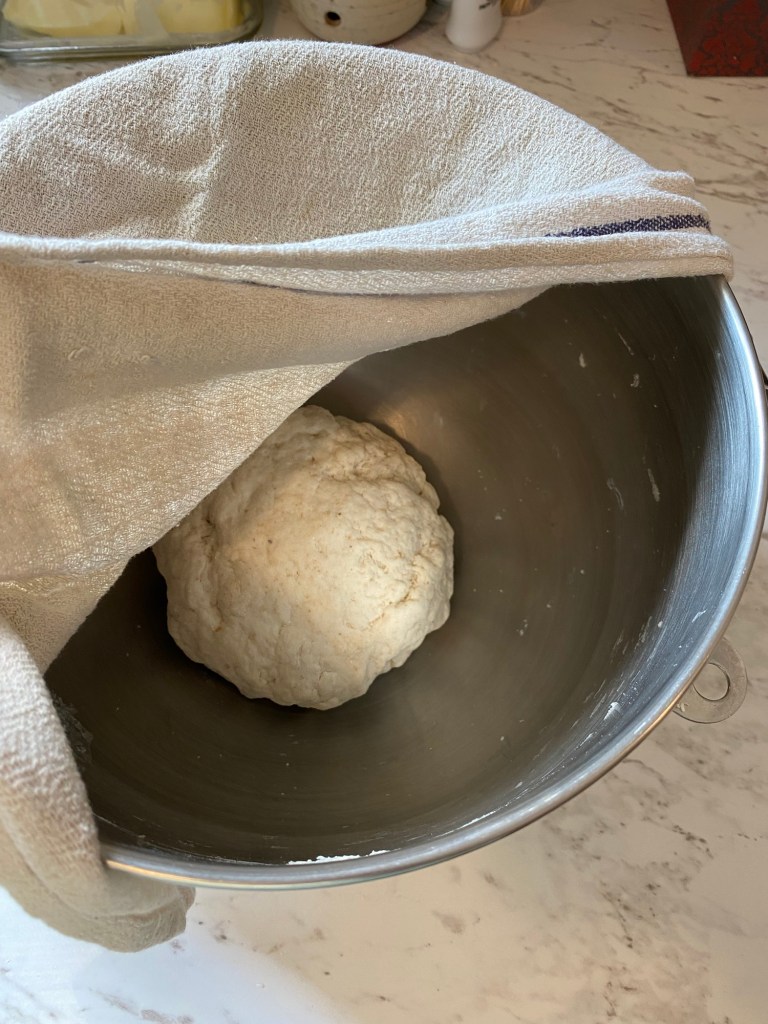
    4. Cover and let rest for 30 minutes-1 hour.

    5. Preheat skillet to medium heat. Melt butter in microwave or in a small pot.

    6. Finely chop the parsley and set aside.

    7. Form dough into a “log” and cut into 8 equal rounds.

    8. Roll dough piece out on a flour covered surface until it is 1/4 inch evenly thick.

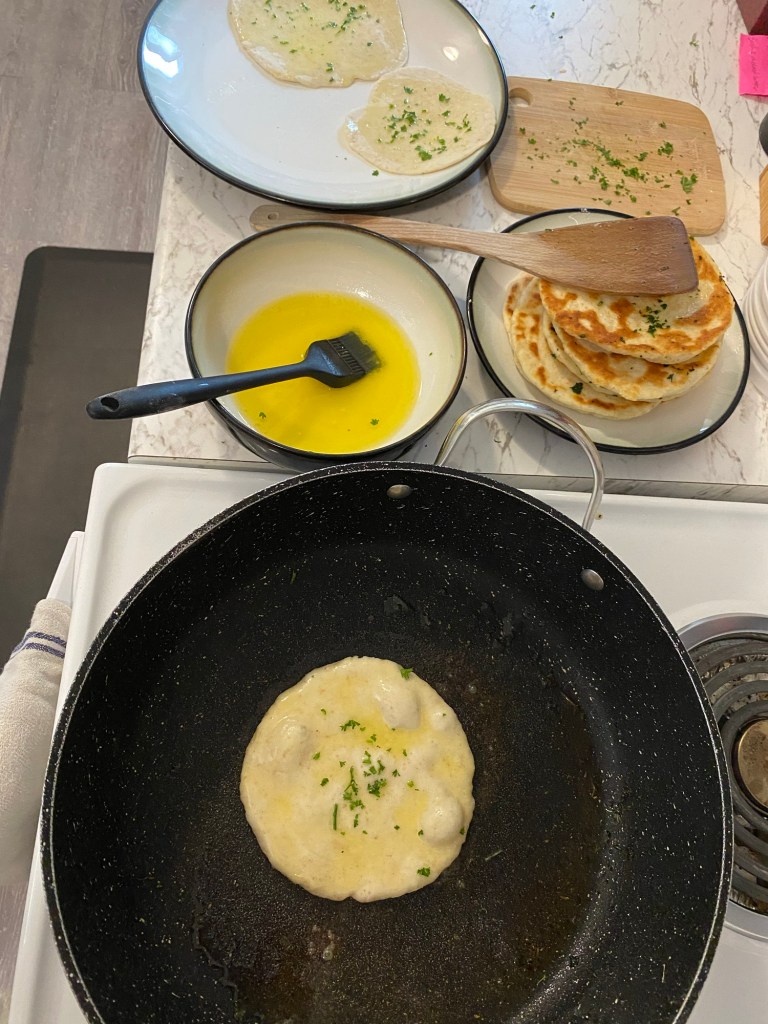
    9. Brush melted butter and sprinkle with parsley on one side. Fry with the buttered side down on the pre-heated skillet. While it is starting to bubble and sizzle, brush the top side with more butter and sprinkle with parsley. It should take about 1-2 minutes until golden spots appear, then flip over for another 1-2 minutes until golden.

    10. Keep warm in tinfoil until ready to serve. The steam will keep them soft and prevent them from drying out!

    11. Makes 8 palm-sized naans. Store leftovers in sealed container in fridge for up to 5 days.

    Additional Tips:

    *Make sure your pan is not too hot or it will just burn and not cook through.

    *The thinner you roll out the naans, the quicker it will cook.

    *Add as much butter as you want! (Before and especially after!)

    Serve with a curry, butter chicken, or other saucy and flavourful dish!

    Made this Recipe?

    I’d love to hear how your naan bread turned out! Feel free to tag Northbird using one of the links below if you are posting your tasty dinner to social media, or tell me in the comments below!

    Other Tasty Sourdough Recipes to Check Out!

    Hi, I’m Jessie!

    I’m a Wife and Homeschooling Mom living in a remote town in Northern Ontario, Canada. I love making wholesome meals for my family from scratch, homeschooling our girls and learning more about natural living.

    Read more about my story HERE.

    Subscribe to Northbird’s email list to get weekly posts on: tasty recipes, activity ideas for kids, natural living tips, and some genuine mom thoughts and encouragement!

    Quick & Easy Naan Bread with Sourdough Discard

    • Servings: 8
    • Difficulty: Easy
    • Print

    A soft and buttery naan bread recipe using sourdough discard. One of our favourite pairings when we make a stir fry, curry or butter chicken!


    By Jessica Burman © 2024 The Northbird Blog. http://www.thenorthbirdblog.com

    Supplies Needed:

  • Mixing bowl and spoon
  • Skillet
  • Dish for melting butter
  • Cooking Brush
  • Spatula
  • Cutting Board
  • Knife
  • Rolling Pin

  • Ingredients

  • 2 cups all purpose flour (I have also made this with mixing in spelt and whole wheat flour, just add a few more tablespoons of flour to balance the dough consistency)
  • 1 teaspoon organic baking powder
  • 1/4 teaspoon baking soda
  • 1 teaspoon white or raw sugar
  • 1/2 teaspoon ground sea salt
  • 1 Tablespoon olive oil
  • 1/4 cup yogurt or whole milk
  • 1/2 cup sourdough discard starter
  • 2-4 Tablespoons water (add as needed, a little more if using yogurt)
  • Flour for dusting when rolling out
  • 1/3 cup melted butter
  • 1/2-1 Tablespoon chopped fresh parsley (can also use dried parsley, but fresh is best)

  • Directions:

    1. Mix flour, baking powder, baking soda, sugar and salt together.
    2. Add olive oil, yogurt/milk, and sourdough discard. Mix well. Add 2-4 tablespoons of water as needed until it becomes a doughy consistency.
    3. Knead for 2-3 minutes until it is a soft dough. Dust with a little flour as needed.
    4. Cover and let rest for 30 minutes-1 hour.
    5. Preheat skillet to medium heat. Melt butter in microwave or in a small pot.
    6. Finely chop the parsley and set aside.
    7. Form dough into a “log” and cut into 8 equal rounds.
    8. Roll dough piece out on a flour covered surface until it is 1/4 inch evenly thick.
    9. Brush melted butter and sprinkle with parsley on one side. Fry with the buttered side down on the pre-heated skillet. While it starting to bubble and sizzle, brush the top side with more butter and sprinkle with parsley. It should take about 1-2 minutes until golden spots appear, then flip over for another 1-2 minutes until golden.
    10. Keep warm in tinfoil until ready to serve. The steam will keep them soft and prevent them from drying out!
    11. Makes about 8 palm-sized naans. Store leftovers in sealed container in fridge for up to 5 days.
    12. Additional Tips:

      *Make sure your pan is not too hot or it will just burn and not cook through.

      *The thinner you roll out the naans, the quicker it will cook.

      *Add as much butter as you want!

    Nutrition


    Per 1 serving: 322 calories; 19.7 g fat; 38.1 g carbohydrates;
    3 g protein.
    Return to Top