Fun Owl Bird Snack Recipe for Kids

Find Northbird on social media:

Jump To Printable Recipe Card

Return to “Deserts & Snacks”

Return to “Discovering Birds”

Somedays, our 3 kids remind me of little birds…one is contentedly “peeping”, while another is incessantly “chirping”, and of course there’s one that just noisily “squawks” if basic needs have not been met (sometimes constant cuddles with Mom strongly falls under this category!)

Let me just say, I love these darlings. Period. However… there are days when the constant noises of active and most-of-the-time happy kids becomes too much for my ears! (Am I right fellow parents?!)

My coping solutions to the noise?? Calming music for me (usually classical), and a good supply of nutritious snacks for these kiddos! Most of the time they can be easily distracted with food… because the majority of the time a contented tummy and full mouth doesn’t need to squack, right?!

About this Snack/Activity:

This snack was fun to make! It not only challenged the creative/artistic side of my brain, but was super tasty to eat too!

The kids and I had been learning about owls and nocturnal animals in homeschooling and this was a perfect mid-morning snack to go along with it! (The hubby was also home that day from teaching at the high school and was quite happy to get a snack that was more interesting than his usual)

Ingredients to Use:

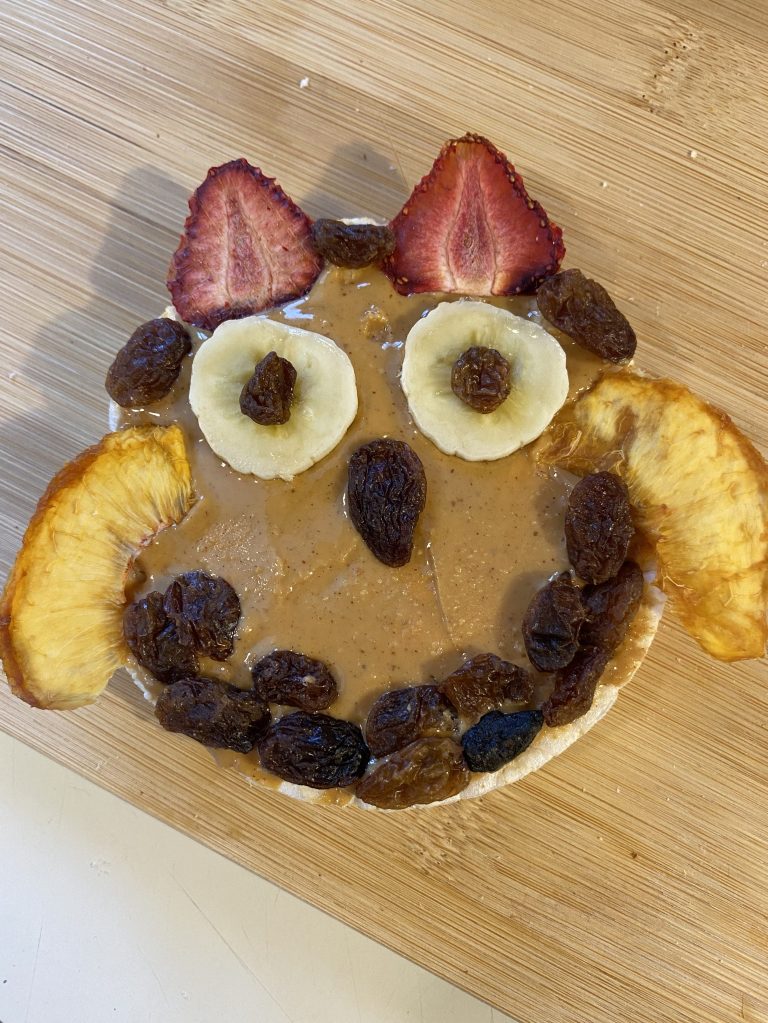
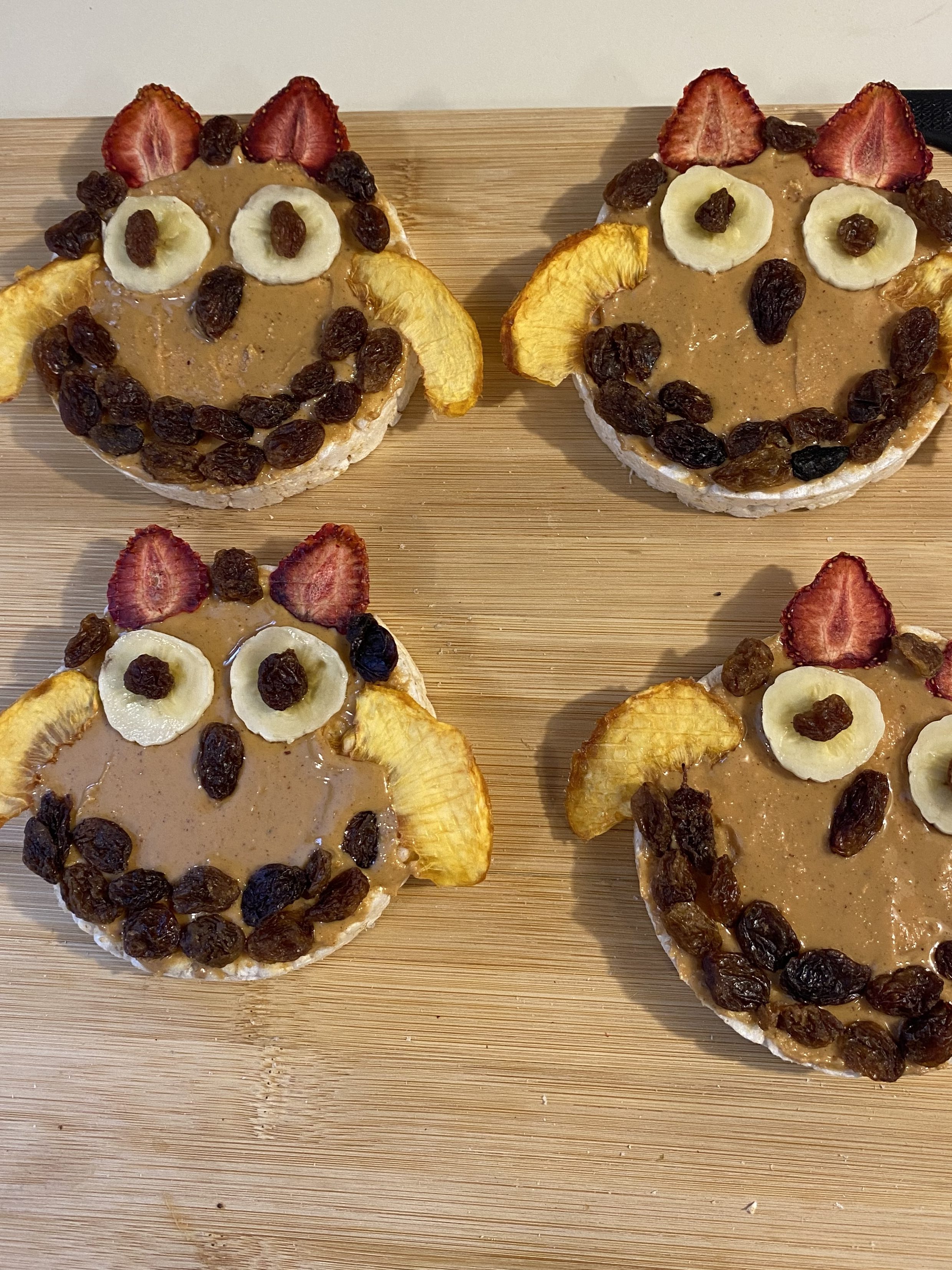
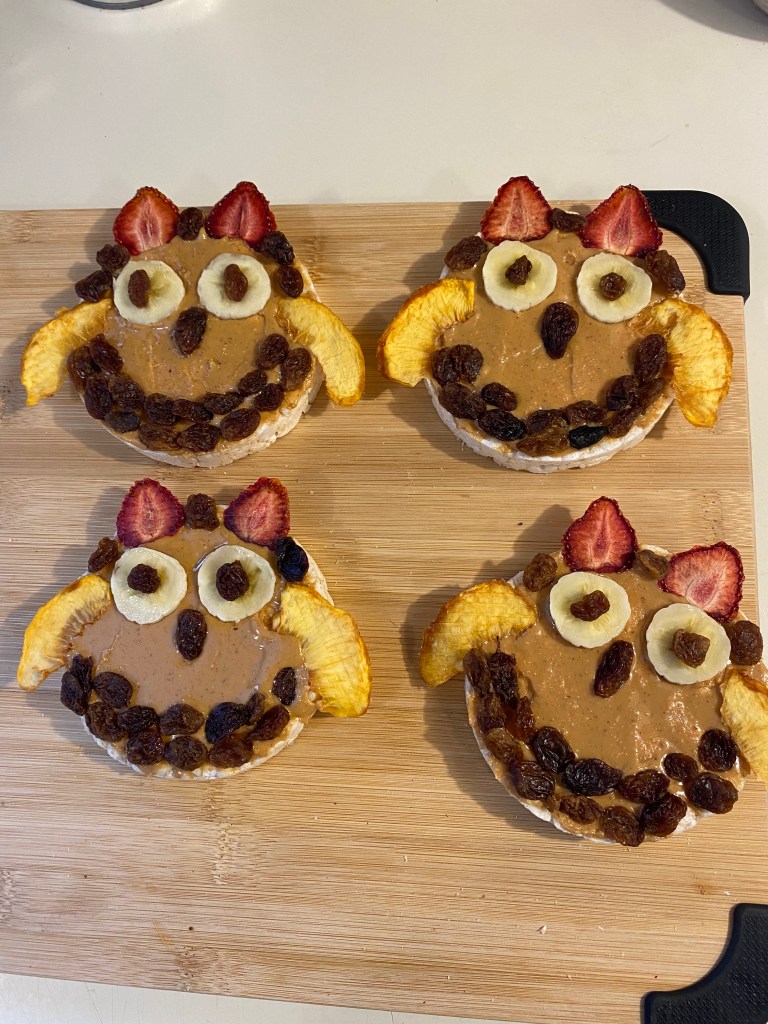
  • Rice cakes were used for the body of the owl. Any large round one works, there are so many types and flavours! We like the plain ones best for this snack though.
  • For the base we used natural peanut butter, but you could also use other nut or seed butters, or hummus! Lather it on thick, this is the main protein part of this snack!
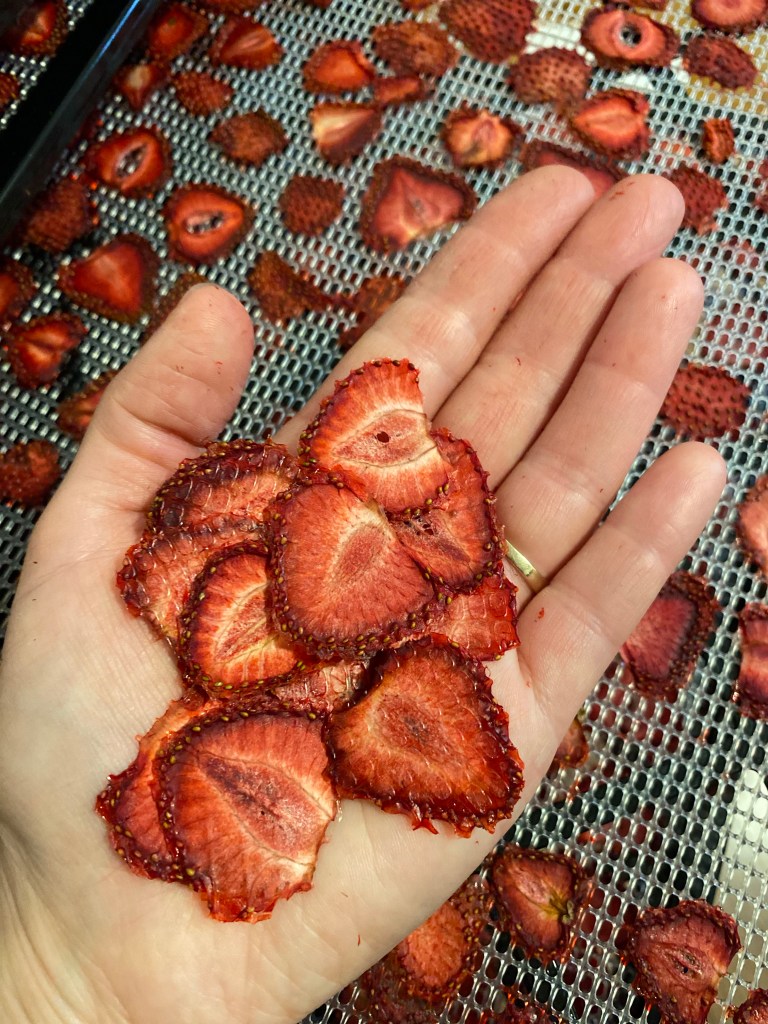
  • We used dehydrated strawberry chips for the owl ears, but you could also use fresh strawberries or another fruit and cut it to size. If you want to learn how to dehydrate your own strawberry chips like we did, you can check out THIS POST to find out more.

  • For the eyes, we sliced on fresh “banana dollars“. (My kids love their bananas!)
  • The wings were made using dehydrated peach slices, which could of course be substituted for fresh slices of peach. Apple or pear slices would work great too!
  • Raisins are the decorative part that tie it all in. You could also sub in cranberries, or other dried berries for this part.

Activities to do with this Owl Bird Snack:

Kids can not only have fun putting this tasty snack together, but they can also use the following resources for learning more about owls.

Craft Activity:

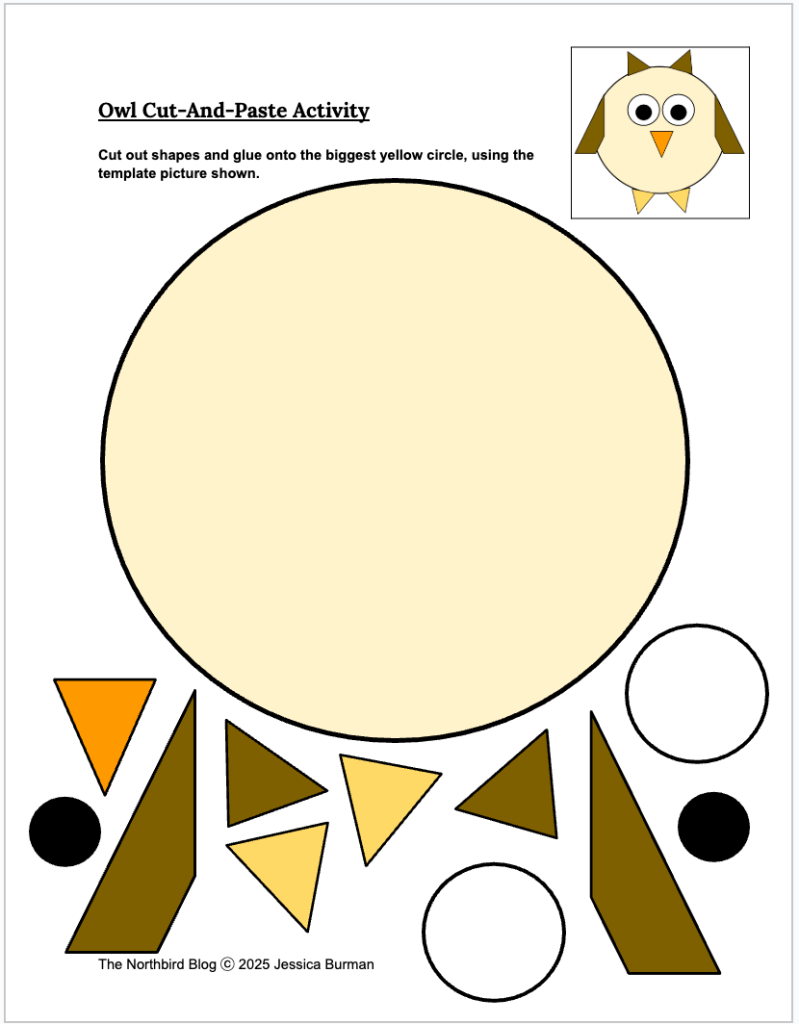
Cut out and paste shapes to create an Owl. You can download this free pdf HERE.

Educational Videos:

This is a a super fun video for younger learners, lots of energy, diagrams and some amazing facts discussed about owls.

This video is longer, at 14 + 1/2 minutes, and probably better suited for grades 1 and up. It is a very well done video by BBC Earth, and shows some baby owlets hatching! It also answers some questions such as “How can Owls fly so quietly?” and “How does an Owl’s hearing work?”
As a heads up: there are some mice that you see getting gobbled up!
How to Make this Owl Bird Snack:

Supplies Needed:

Ingredients:

Directions:

  1. Spread the peanut/seed butter or hummus on the rice cake nice and thick.
  2. Place the Strawberry slices as ears, banana slices as eyes, and peach (or other) slices as wings.
  3. Place the raisins for additional feathers, a beak, and in the center of the banana eyes.
  4. Eat!!!

Made this Recipe?

I’d LOVE to see your results!! Feel free to post to your social media account and tag Northbird using one of the links below or post in the comments!

More Desert & Snack Recipes:

Posts on “Discovering Birds”
Hi, I’m Jessie!

I’m a Wife and Homeschooling Mom living in a remote town in Northern Ontario, Canada. I love making wholesome meals for my family from scratch, homeschooling our girls and learning more about natural living.

Read more about my story HERE.

Subscribe to Northbird’s email list to get weekly posts on: tasty recipes, activity ideas for kids, natural living tips, and some genuine mom thoughts and encouragement!

Owl Bird Healthy Snack for Kids

  • Servings: 1 Owl
  • Difficulty: Easy
  • Print

Jessica Burman, 2025 © The Northbird Blog. https://www.thenorthbirdblog.com

Supplies Needed:

  • Paring Knife
  • Cutting Board
  • Spreading Knife
  • Ingredients

  • Round Rice Cakes (Body)
  • Natural Peanut Butter, Seed Butter or Hummus (Colouring)
  • Strawberry slices, dried or fresh (Ears)
  • Round Banana slices (Eyes)
  • Peach, Apple or Pear slices (Wings)
  • Raisins (Feathers, Beak, Eyeballs)
  • Directions:

    1. Spread the peanut/seed butter or hummus on the rice cake nice and thick.
    2. Place the Strawberry slices as ears, banana slices as eyes, and peach (or other) slices as wings.
    3. Place the raisins for additional feathers, a beak, and in the center of the banana eyes.
    4. Eat!!!

    Return to Top

    This post contains affiliate links. As an Amazon associate, I earn from qualifying purchases. This means that I make a small commission at no extra cost to you. You can read my full disclosure HERE.

    Apple Cinnamon Raisin Granola

    Find Northbird on social media:

    This post contains affiliate links. As an Amazon associate, I earn from qualifying purchases. This means that I make a small commission at no extra cost to you. You can read my full disclosure HERE.
    Jump to Recipe Card

    Jump to Video

    Return to “Breakfast”

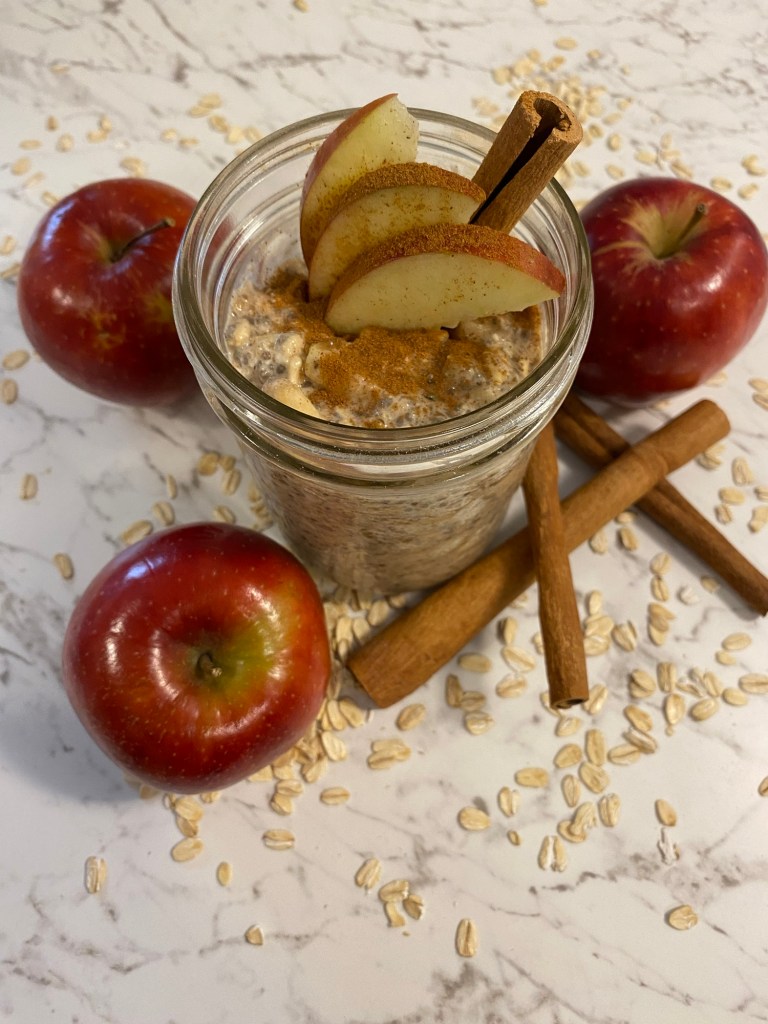
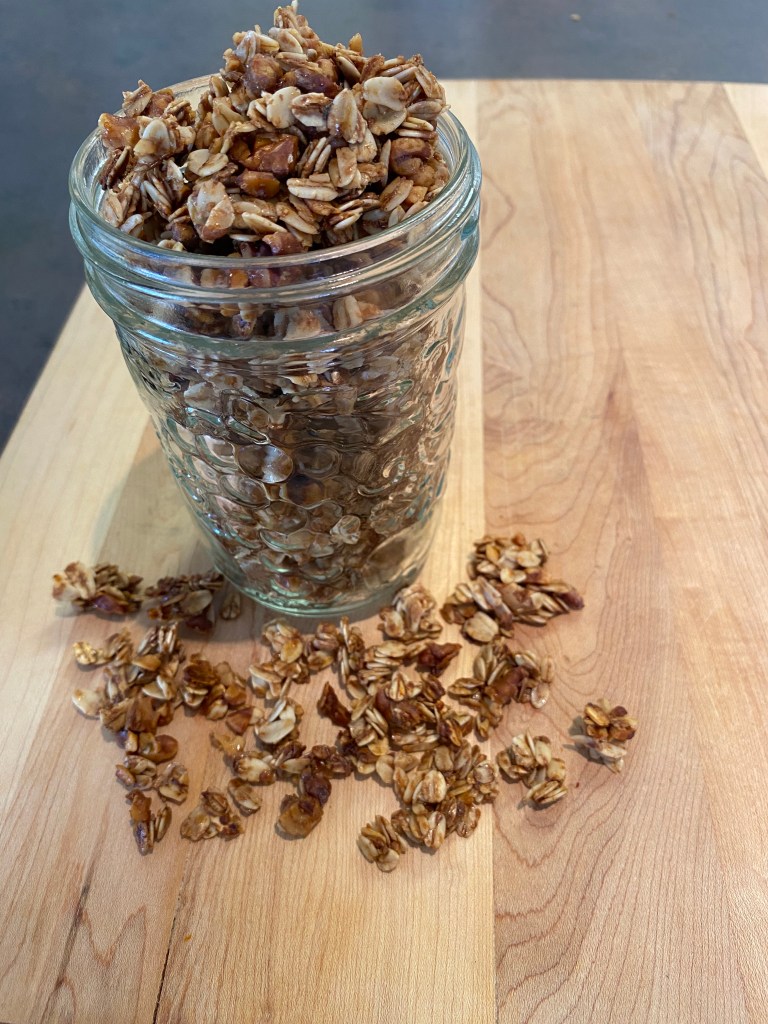
    Apple Cinnamon Raisin…So so good! This recipe was created a few weeks ago when we randomly ran out of maple syrup and dates, so I couldn’t make any of my other homemade granola recipes that usually call for those natural sweeteners.

    My parents were making the long trip up north here to visit and I was scrambling to have some homemade things prepared ahead of time. This improvised yet delicious recipe was created from scouring the pantry to see what I could use, and I’m quite proud of the tasty results!

    Ways to Eat Granola:

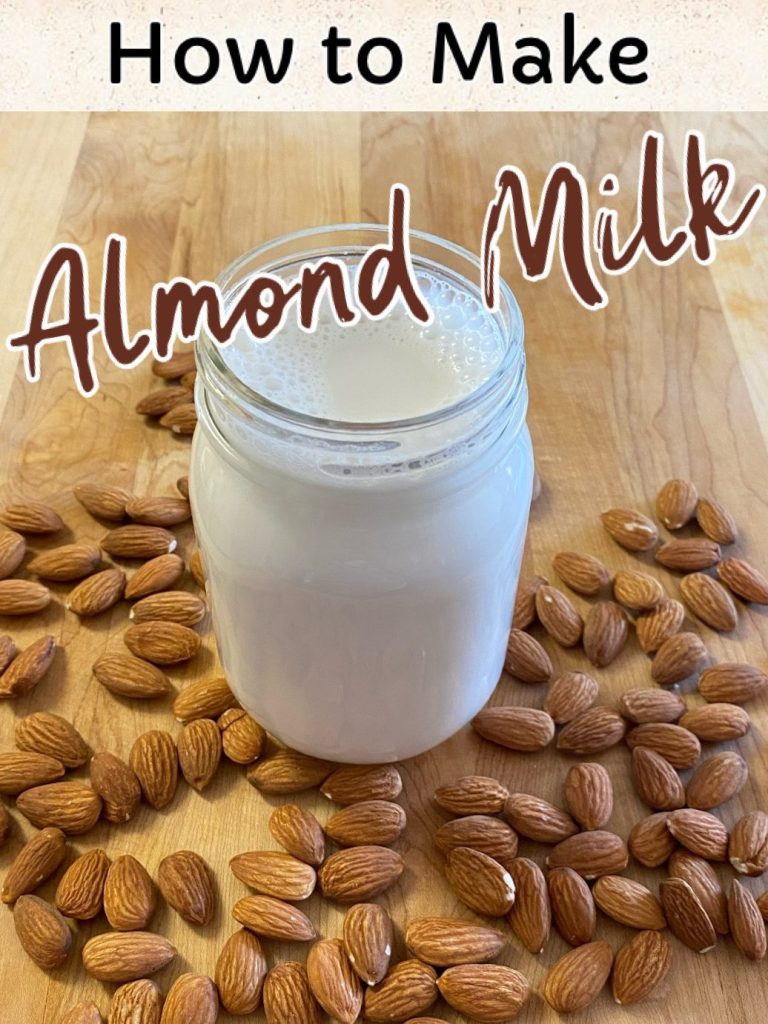
    • Breakfast bowl with regular milk, oat milk, soy, or nut milks (try it with Homemade Almond Milk!) and add some berries for fresh sweetness.
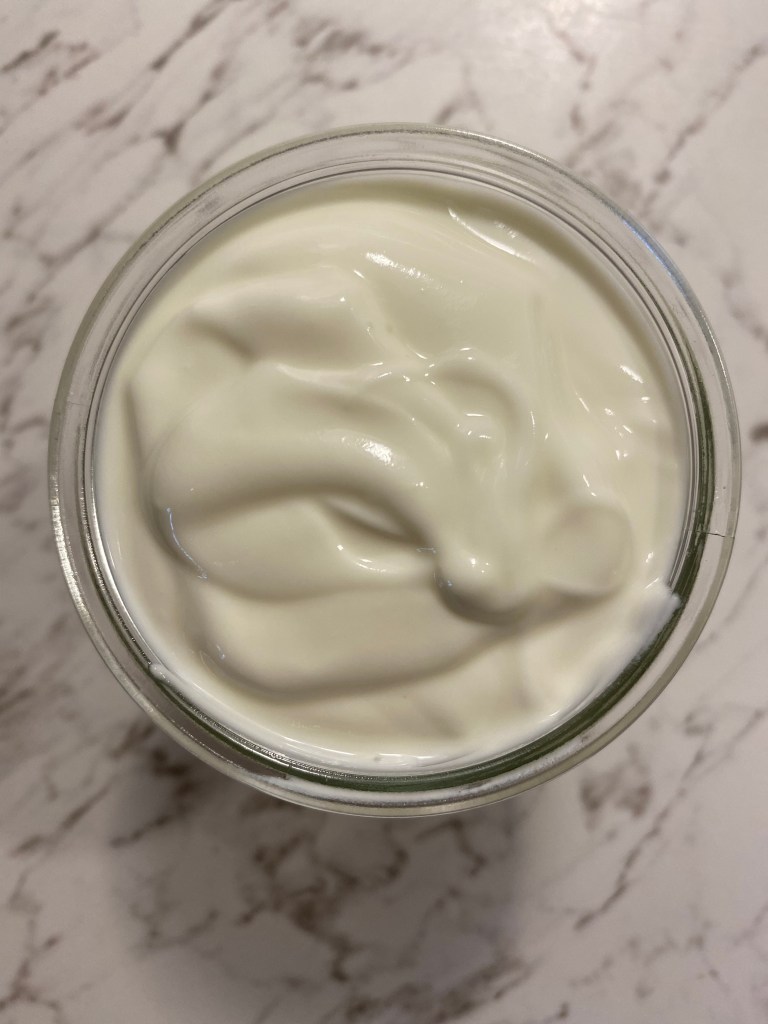
    • Enjoy a bowl on top of yogurt (try it with a fresh batch of Homemade Crockpot Yogurt).
    • Take a baggie of granola for your next hike or camping trip and add some dried fruit or seeds and nuts for a delicious trail mix.
    • Make a Breakfast Parfait with frozen berries and yogurt!
    • Use it as a baked desert crumb topping (Apple Crisp recipe coming soon!)
    • Make granola bars from it! (Recipe being developed)

    Health Benefits of Granola:

    Healthy granola recipes are usually high in protein, fibre and healthy fats due to recipe variations that may include oats, nuts, seeds, dried fruits and organic unrefined oils. They are packed full of nutritious options that make a filling, on-the-go quick breakfast or a delicious snack option.

    Protein is essential to the body for not only helping to build muscle mass and bones, but also very important for weight loss and regulating metabolism. Additional functions may consist of:

    • Slowing appetite and hunger cravings
    • Feel “full” for longer, less calories eaten
    • Helps with fat burning
    • Lowering blood pressure
    • Helps to maintain weight loss
    • Boosts metabolism
    • Builds muscle mass and strength
    • Lowers risk of osteoporosis and fractures
    • Helps to repair broken bones and tissues

    High Protein Ingredients You can put in Granola:
    NutsWalnuts, Almonds, Cashews, Peanuts, Pistachios, Brazil Nuts, Hazelnuts…
    SeedsChia, Hemp, Sesame, Sunflower, Pumpkin, Flax…
    Dried Fruits & BerriesApricot, Kiwi, Blackberries, Cherries, Raisins, Banana…

    Fibre is mostly known for helping to keep the digestive system happy. Some other benefits of increased fibre may include:

    • Regulating bowel movements
    • Keeps you feeling fuller for longer
    • Assists in lowering cholesterol
    • Preventing blood sugar from spiking
    • Helps to lower blood pressure

    High Fibre Ingredients You can put in Granola:
    NutsChestnuts, Almonds, Hazelnuts…
    SeedsChia, Flax, Pumpkin, Sesame, Sunflower…
    Dried FruitsDates, Figs, Prunes, Apricots, Raisins…
    OatsOrganic Rolled Oats

    Fats are not only used as a source of energy in the body, but also aid in the following:

    • Help to insulate and protect the organs
    • Gives your body energy
    • Supports cell growth
    • Helps to regulate blood pressure and cholesterol
    • Assists the body in absorbing vitamins A, E & D
    • Reduces inflammation
    • Assists in cell growth
    High Fats Ingredients You can put in Granola:
    NutsWalnuts, Macadamia, Coconut, Cashews…
    SeedsSunflower, Pumpkin, Flax, Chia, Hemp…
    OilsCoconut oil, Avocado oil, Olive oil…
    Seed & Nut ButtersPeanut butter, Almond butter, Tahini, Sunflower seed butter, Pumpkin seed butter
    Dried Fruits & BerriesPlantain, Strawberries, Raspberries, Kiwi, Raisins

    Reasons to Make Your Own Granola:

    • It is soooo easy! Chop… Melt… Mix… Spread… Bake… Eat!
    • Way less expensive than buying from the store.
    • Store-bought granolas are often made with lower quality ingredients and usually have more processed sugars and additives mixed in to prolong shelf life.
    • When you make your own granola you know exactly what ingredients you are eating!
    • Granola is a versatile recipe: You can add more nuts and seeds, and add dried fruits/berries at the end if desired.
    • Granola is one of those easy and quick breakfast solutions to help your day start smoothly!

    How to Make Apple Cinnamon Raisin Granola

    Supplies Needed:

    Ingredients:

    Directions:

    1. Preheat oven to 300 degrees F.

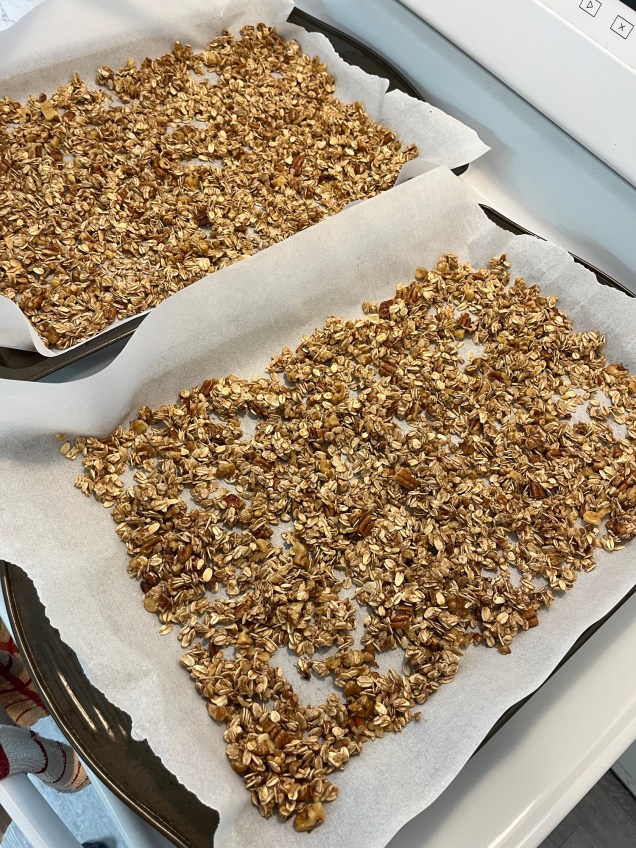
    2. Mix the oats, pecans, walnuts and cinnamon together in a large bowl. Set aside.

    3. Melt the coconut oil in a small pot and add honey, sea salt and vanilla. Stir well.

    4. Add the wet mix to dry mix and stir well. If it has cooled enough you can finish mixing with your hands (I always find this easiest, but be careful of the hot oil!)

    5. Spread granola mix onto parchment covered cookie sheets. Granola should be in a single layer.

    6. Bake for 30-35 minutes (depending on your oven), until golden.

    7. Let cool and sit undisturbed for an hour, it will firm up as it cools down.

    8. Break the granola into smaller pieces and add the dehydrated apple bits and raisins. *Or if you don’t have any dehydrated apple, simply add some fresh slices when you make up your breakfast bowl!

    9. Mix well and store granola in an airtight container for up to 1 month.

    Made this Recipe?

    I’d LOVE to see your results!! Feel free to post to your social media account and tag Northbird using one of the links below or post in the comments!

    Try this Granola recipe with some Homemade Almond Milk or Easy Crockpot Yogurt!

    Check out these other Breakfast Recipes from the Northbird Kitchen!

    Hi, I’m Jessie!

    I’m a Wife and Homeschooling Mom living in a remote town in Northern Ontario, Canada. I love making wholesome meals for my family from scratch, homeschooling our girls and learning more about natural living.

    Read more about my story HERE.

    Subscribe to Northbird’s email list to get weekly posts on: tasty recipes, activity ideas for kids, natural living tips, and some genuine mom thoughts and encouragement!

    Apple Cinnamon Raisin Granola

    • Servings: 8 cups
    • Difficulty: Easy
    • Print

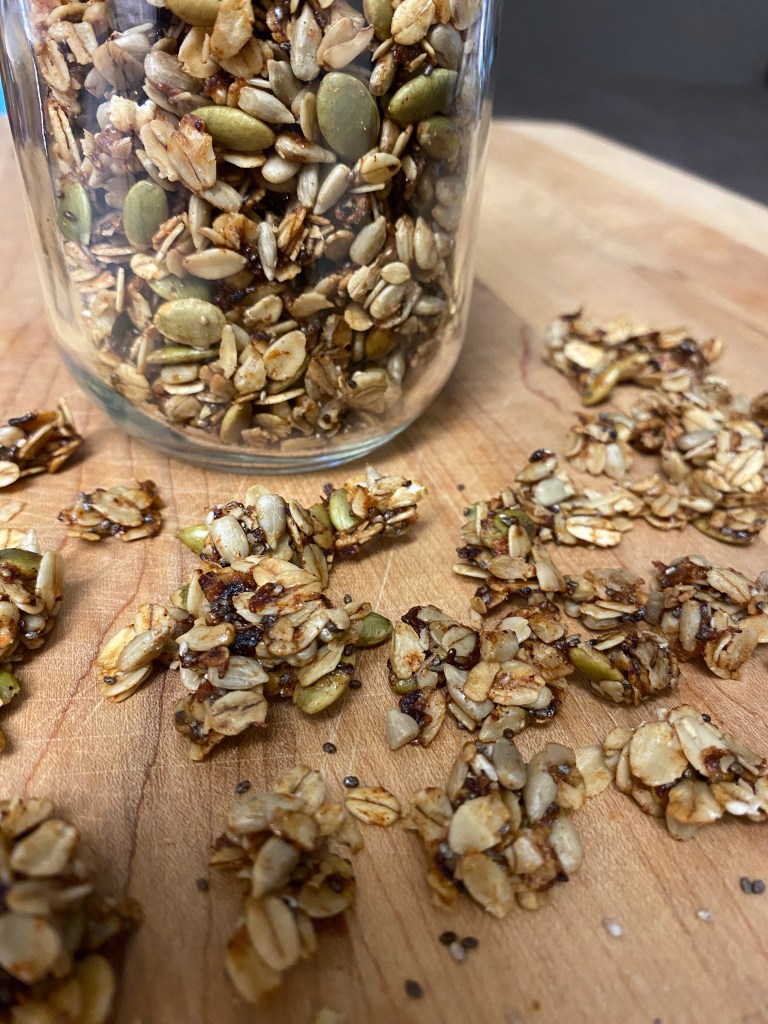
    Get your bowl ready to scoop up this tasty, brand-new homemade granola recipe! Sweetened with honey, dehydrated apple and raisins, and flavoured with cinnamon and vanilla, this delicious nutty crunch is one to remember!


    By Jessica Burman © 2025 The Northbird Blog. http://www.thenorthbirdblog.com


    Ingredients

  • 4 cups organic rolled oats
  • 1 cup chopped pecans
  • 1 cup chopped walnuts
  • 1 1/2 Tablespoon ground cinnamon
  • 1/2 cup melted organic, unrefined coconut oil
  • 1/2 cup unpasteurized liquid honey
  • 1/2 teaspoon sea salt
  • 1 teaspoon pure vanilla
  • 1 cup dehydrated apple slices, cup into smaller pieces (optional) (or fresh added when you make your bowl!)
  • 1 cup raisins

  • Directions

    1. Preheat oven to 300 degrees F.
    2. Mix the oats, pecans, walnuts and cinnamon together in a large bowl. Set aside.
    3. Melt the coconut oil in a small pot and add honey, sea salt and vanilla. Stir well
    4. Add the wet mix to dry mix and stir well. If it has cooled enough you can finish mixing with your hands (I always find this easiest, but be careful of the hot oil!)
    5. Spread granola mix onto parchment covered cookie sheets. Granola should be in a single layer.
    6. Bake for 30-35 minutes (depending on your oven), until golden.
    7. Let cool and sit undisturbed for an hour, it will firm up as it cools down.
    8. Break into smaller pieces per preference, and add the dehydrated apple bits and raisins. *Or if you don’t have any dehydrated apple slices, simply add some fresh slices when you make up your breakfast bowl!
    9. Mix well and store in an airtight container for up to 1 month.

    Nutrition


    Per 3/4 Cup Serving: 256 calories; 11.7 g fat; 33.9 g carbohydrates;
    5.4 g protein.

    Return to Top

    How to Dehydrate Zucchini

    Find Northbird on social media:

    This post contains affiliate links. As an Amazon associate, I earn from qualifying purchases. This means that I make a small commission at no extra cost to you. You can read my full disclosure HERE.

    Jump To Recipe Card

    Jump to Video

    Return to “Homemade Pantry”

    Have you ever had an abundance of really robust zucchini’s growing in your garden?! And then had no idea of what to do with them?!

    A few summers ago while helping to plant out my parents garden, “someone” decided that since we had the space and enough happy seedlings, we should plant over 20 zucchini plants.

    The vision was to have enough zucchinis harvested throughout the summer to not only be used in stirfrys and other meals, but to make some tasty zucchini chips to dehydrate. In this way, we could have a crunchy, homemade snack to enjoy for the long winter months. (Or at least that was the intention behind planting so many zucchini plants!)

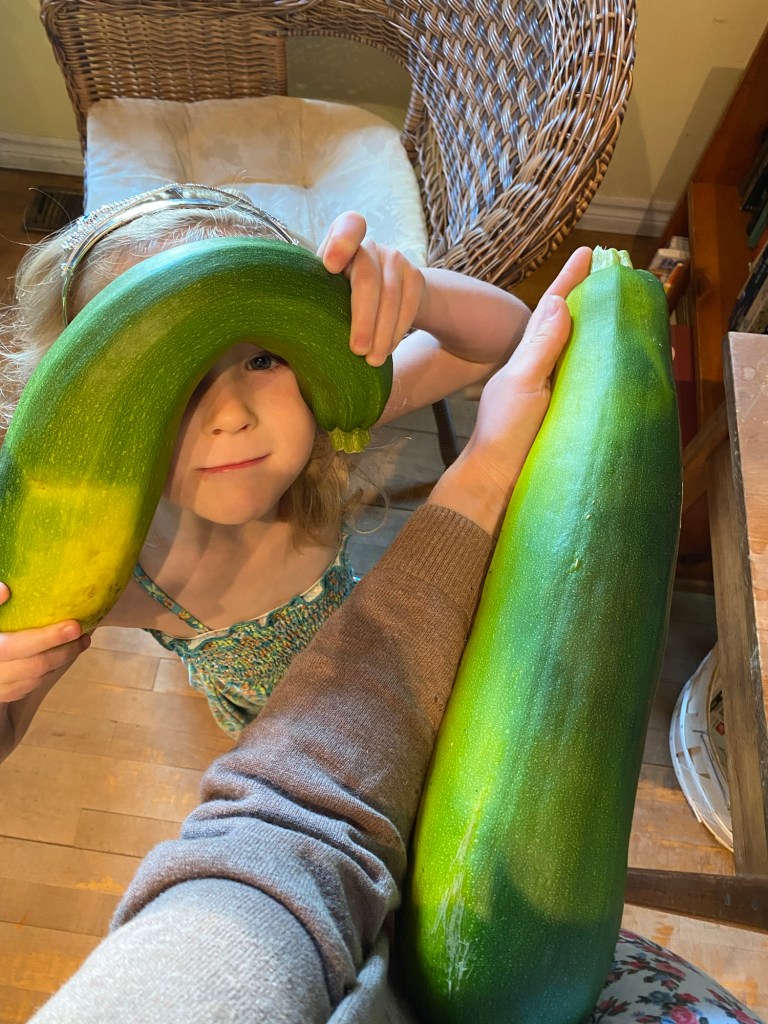
    Did this happen? Did the zucchinis grow as expected? Well yes they did grow, so much in fact that it turned into a daily game of “twister” in the jungle of giant zucchini plants to find them!

    We harvested many delicious and delicate normal-sized zucchinis, and they were enjoyed very much. But what happened when we forgot to go on our jungle zucchini adventure for a few days?!

    Yup.

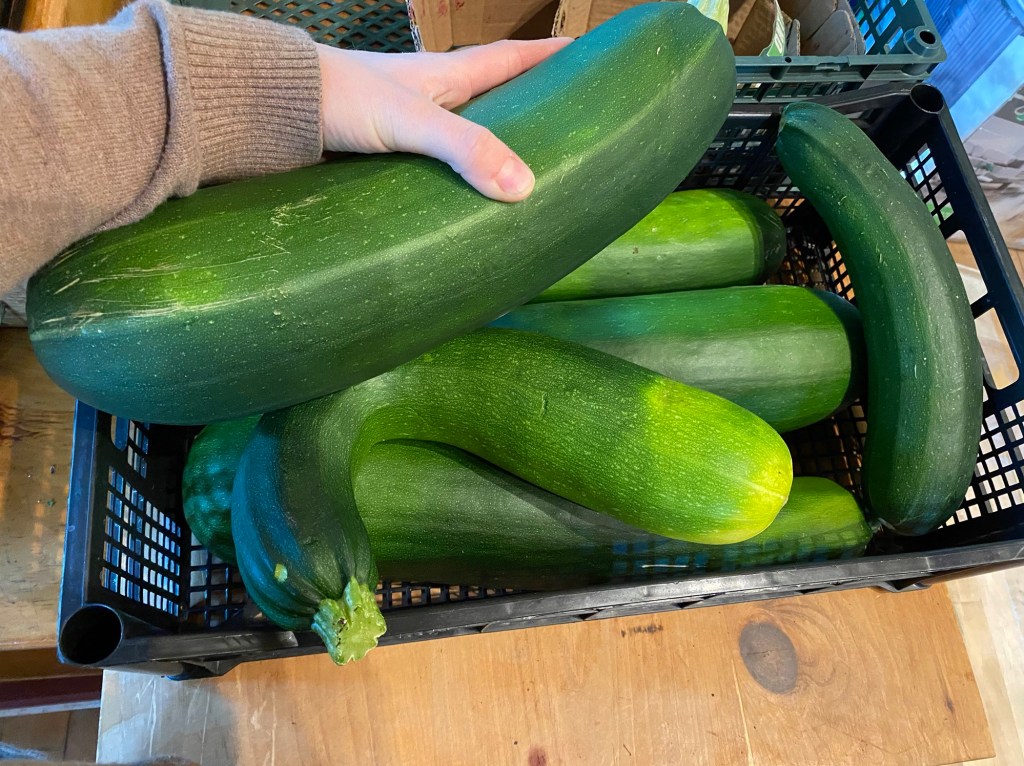
    And with 20 zucchini plants, I’m sure you can imagine how fun it was for the kids to discover all of these monstrous vegetables that became somewhat of a nightmare for my mother and I to figure out what to do with.

    So what can you do with large zucchinis? The taste is certainly not as flavourful as the delicate petite ones, because they are much more watery inside.

    We ate them anyway in so many different ways until we got SO BORED OF EATING ZUCCHINI!

    Thankfully, I found somewhere online about dehydrating shredded zucchinis as a form of preserving them to enjoy at our leisure, and this became our solution.

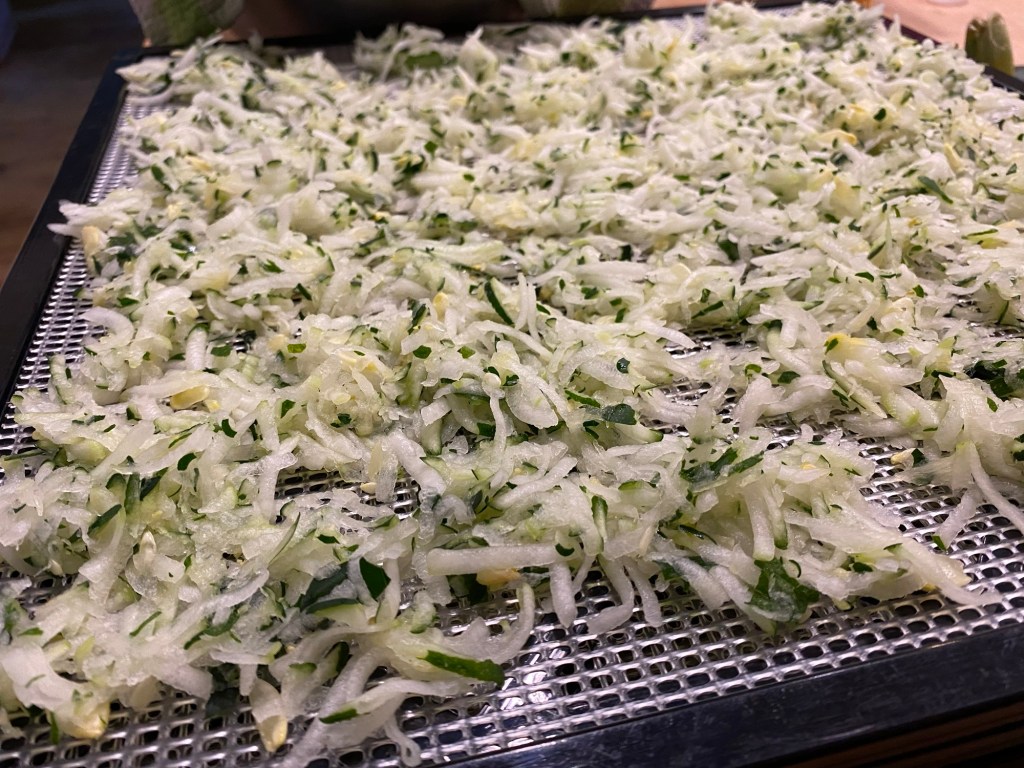
    I have since then dehydrated shredded zucchini multiple times, and successfully re-hydrated them to use in soups, frittatas, and baking.

    I have also used this recipe and subbed in the asparagus with a few handfuls of re-hydrated shredded zucchini and it tastes DELICIOUS.

    Nutrition:

    Zucchini is a wonderful garden vegetable that is packed full of important antioxidants, vitamins and minerals. It is high in fibre, which helps to regulate your digestion and keep you feeling “full” longer.

    Zucchini is also low in calories, which makes it valuable to those trying to lose weight. I learned this summer that it is a staple for the keto diet (we subbed in zucchini noodles many times for regular pasta).

    Studies have also shown that zucchini is beneficial to eye health, heart health, lowering risks of anaemia, regulating blood sugar levels, supporting the immune system, and assisting in muscle growth (to just name a few!).

    Ways to Use Dehydrated Shredded Zucchini in Cooking:

    • Soups and Stews as a “filler”
    • Baking (breads, muffins, etc)
    • Omelettes and other egg dishes
    • Fried potato patties/ hashbrowns
    • Pancakes

    I’m sure there are many more ideas and ways to get creative with shredded zucchini. When I learn some more, I’ll share on here with you!

    How to Re-hydrate Zucchini?

    Simply put a few handfuls of the shredded dried zucchini bits into a bowl of warm water and wait 5 minutes or so until it plumps up. Then you can squeeze out the excess water and use as normal.

    How Long to Store Dehydrated Zucchini?

    It is best if used up within a year, but I have also used some that is a few years old and it still re-hydrated fine and tasted the great!

    Make sure it is properly stored in a cool, dark, dry place, in a sealed container to avoid any moisture seeping in to cause mold.

    A quick visual of the harvesting process from start to finish!

    How to Dehydrate Zucchini

    Supplies Needed:

    Ingredients:

    • Zucchini

    Directions:

    1. Cut up zucchini into chunks that will easily fit in your food processor.
    2. Use a shredding insert and shred zucchini until fine strings.

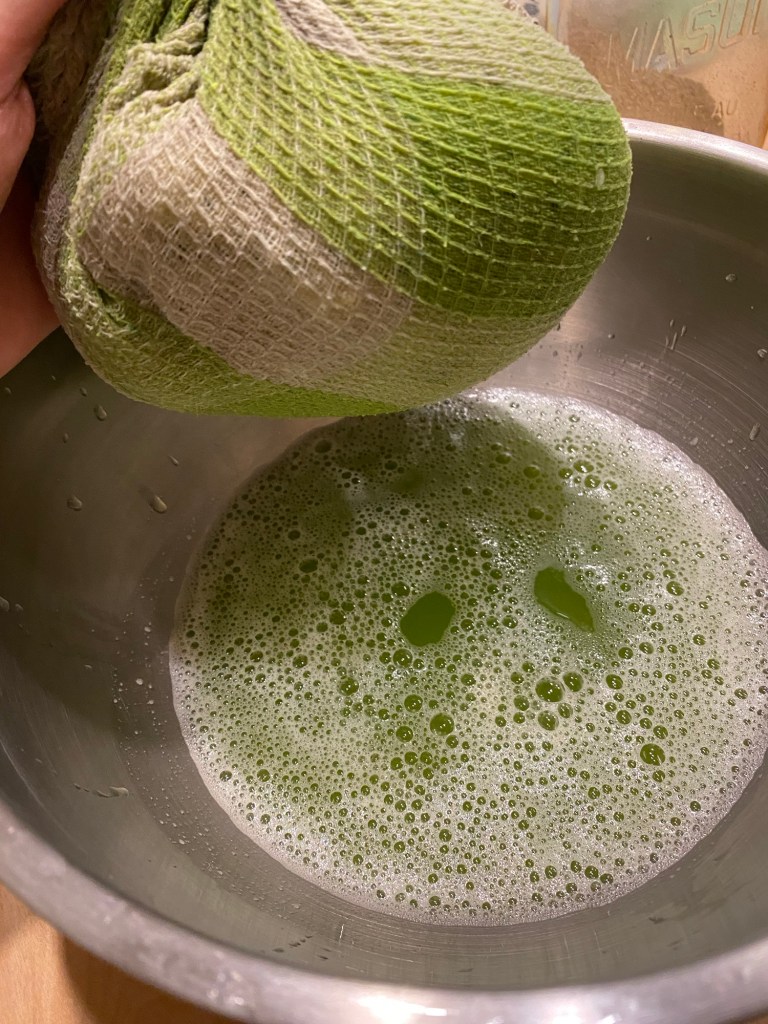
    3. Place tea towel or large nut milk bag into a large bowl. Put the shredded zucchini into the towel, gather it up and squeeze out as much of the water as you can.

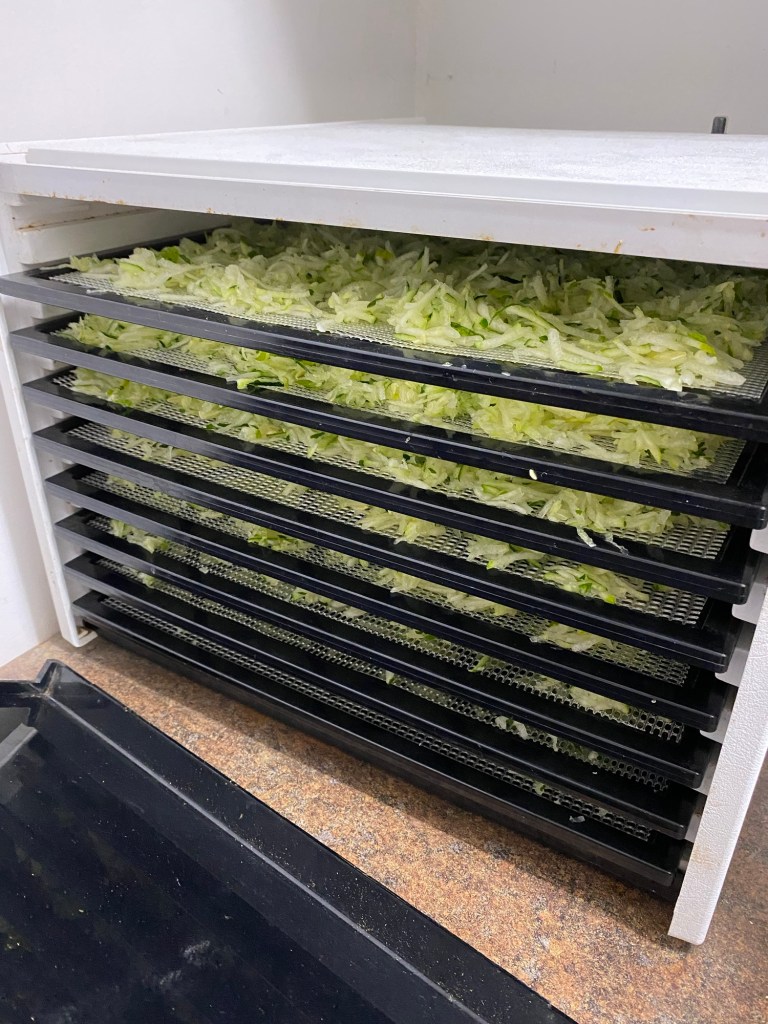
    4. Place shredded zucchini evenly onto drying racks, leaving spaces for air to pass through.

    5. Dehydrate at 125 degrees fahrenheit, for 8-12 hours until dry and brittle. Timing will depend on the humidity of your drying area, and how well you are able to squeeze out the water in the towel.

    6. Remove and place in sealed containers, and store in a cool, dark and dry place. Best if used up within a year.

    7. When ready to use in cooking or baking, simply put desired amount of dried zucchini in a bowl of warm water and let sit for 5 minutes. Drain and squeeze out extra water before use.

    Hi, I’m Jessie!

    I’m a Wife and Homeschooling Mom living in a remote town in Northern Ontario, Canada. I love making wholesome meals for my family from scratch, homeschooling our girls and learning more about natural living.

    Read more about my story HERE.

    Subscribe to Northbird’s email list to get weekly posts on: tasty recipes, activity ideas for kids, natural living tips, and some genuine mom thoughts and encouragement!

    How to Dehydrate Zucchini

    • Servings: 1 large zucchini
    • Difficulty: Easy
    • Print

    Dehydrate your garden zucchinis to enjoy later in your favourite cooking and baking recipes!


    Ingredients

    • Zucchini

    Directions:

    1. Cut up zucchini into chunks that will easily fit in your food processor.
    2. Use a shredding insert and shred zucchini until fine strings.
    3. Place tea towel or large nut milk bag into a large bowl. Put the shredded zucchini into the towel, gather it up and squeeze out as much of the water as you can.
    4. Place shredded zucchini evenly onto drying racks, leaving spaces for air to pass through.
    5. Dehydrate at 125 degrees fahrenheit, for 8-12 hours until dry and brittle. Timing will depend on the humidity of your drying area, and how well you are able to squeeze out the water in the towel.
    6. Remove and place in sealed containers, and store in a cool, dark and dry place. Best if used up within a year.
    7. When ready to use in cooking or baking, simply put desired amount of dried zucchini in a bowl of warm water and let sit for 5 minutes. Drain and squeeze out extra water before use.

    Nutrition


    Per 1 serving: 8 calories; 0.1 g fat; 1.7 g carbohydrates;
    0.6 g protein.

    Return to Top

    How to Dehydrate Celery for Flavorful Recipes

    Find Northbird on social media:

    This post contains affiliate links. As an Amazon associate, I earn from qualifying purchases. This means that I make a small commission at no extra cost to you. You can read my full disclosure HERE.
    Jump to Recipe Card

    We love eating celery throughout the winter months, and frequently use it for making soups, stir frys, curries, stocks, sauces and stews.

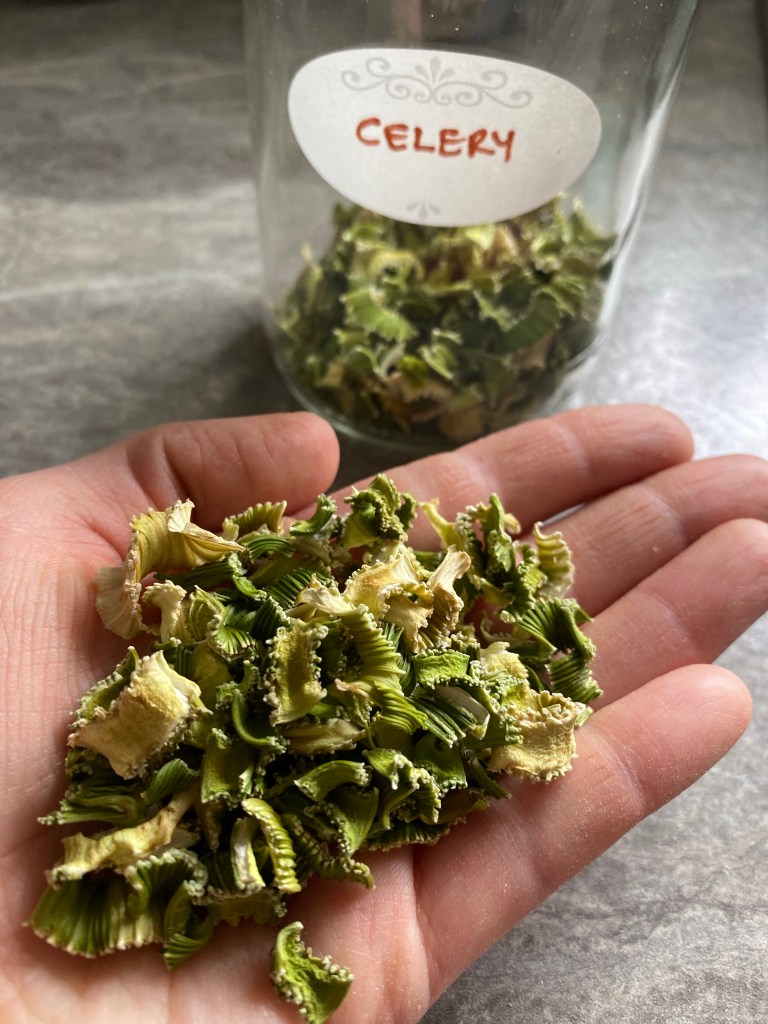
    When I started learning how to dehydrate vegetables, celery quickly became a favourite item and I always made sure to dehydrate lots of celery to store up for winter cooking.

    I find that dehydrated celery has a wonderful flavour and is one of my favourite staples to use particularly when making chicken stock.

    Can You Dehydrate Multiple Vegetables at the Same Time?

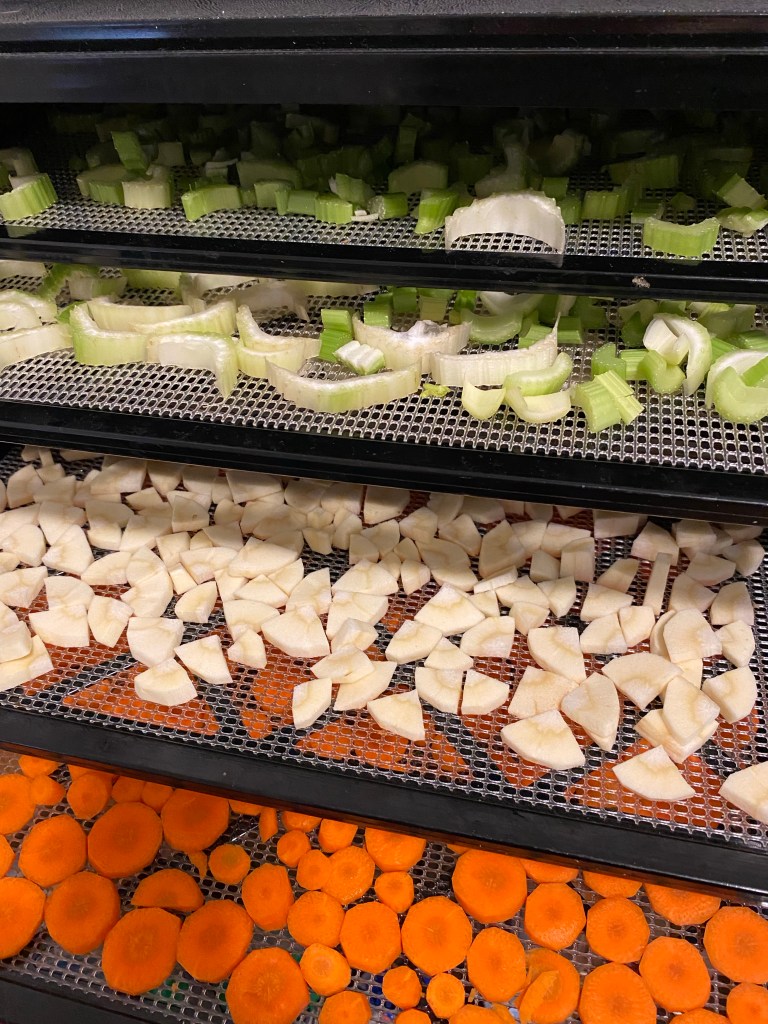
    We use a Excalibur Food Dehydrator, which has 9 large trays! So sometimes I have a small amount of one vegetable that must be dried and I end up filling the rest of the trays with a few other vegetables with a similar drying time and temperature.

    For example, during a recent trip to a grocery store I discovered several marked down bags of organic celery and oodles of parsnips (my favourite). Their blemishes earning them a 50%off badge? A few wrinkles! (Or in other words: already starting to dry/dehydrate!)

    After prepping both of these on several different trays I also cut up a few carrots that I had on hand to fill up the remaining 2 trays.

    Here is a basic guide for a few vegetables that have similar temperatures and drying times:

    VegetablePre-Treatment (Optional)TemperatureDrying Times
    BeetsBoil/Steam to cook through & peel.125 degrees F10-12 Hours
    CarrotsSteam blanch125 degrees F10-12 Hours
    CeleryWater blanch125 degrees F6-8 Hours
    OnionsN/A125 degrees F4-8 Hours
    ParsnipsWater or steam blanch125 degrees F8-10 Hours
    ZucchiniN/A125 degrees F8-10 Hours

    How Long Does Dehydrated Celery Last?

    Dehydrated celery and other fruits and vegetables are a great item to keep in your pantry because of the natural shelf life they give if properly stored.

    Most sources suggest around two years for best results, but I have heard of a few folks that use oxygen absorbers inside their mason jars that extend the shelf life by many years further.

    For long term storage, put your dehydrated celery bits in an airtight container (such as a jar) in your pantry for a week, and give the jar a shake once a day, checking for any missed moisture before storing in a cooler, dry location.

    If some moisture is spotted within this time, just put back in the dehydrator to dry a little longer. If any mold is noticed within the week, toss it all out and don’t risk eating. I tend to over-dry instead of under-dry, because of being paranoid of mold.

    Can You Dehydrate Celery in the Oven?

    I have not personally dehydrated celery in the oven, but from what I have researched, it is very easy to do so.

    The process is the same as with a dehydrator, but you would put the celery slices on a parchment-covered baking sheet. If you have more than one baking sheet, arrange the larger pieces on one sheet, and put the smaller pieces on another. (The smaller pieces will dry out faster so can be removed earlier).

    Then put on the middle oven rack with a preheated temperature of 150 degrees Fahrenheit (or the lowest temperature your oven has). Bake for 2-3 hours or until the pieces are dry and brittle.

    You can turn and stir the pieces around on the tray a couple of times during this time. The pieces are done when they can be snapped in half, not bent.

    Oven drying is a quicker process, but you will need a little more patience and keep a close eye on the small pieces to see that they don’t burn.

    How to Cook Dehydrated Celery:

    We love using dehydrated celery in crockpot soups, stews and curries. You can also blend up the dried celery bits to make celery powder for seasoning dishes.

    1 stalk of raw celery is roughly equal to 1 heaping tablespoon of dehydrated celery (or approximately 4 grams).

    If I am making a crockpot dinner dish, then I’ll just add the dried celery straight to the main mix and let it simmer and rehydrate while cooking. If I am making a dish on the stove that does not require much cooking time, then I will usually put the dried celery in a dish of water for a few minutes first to rehydrate it prior to cooking.

    Here are a couple Northbird recipes to use dehydrated celery in:

    How to Dehydrate Celery

    Supplies Needed:

    Ingredients:

    • Fresh celery

    Directions:

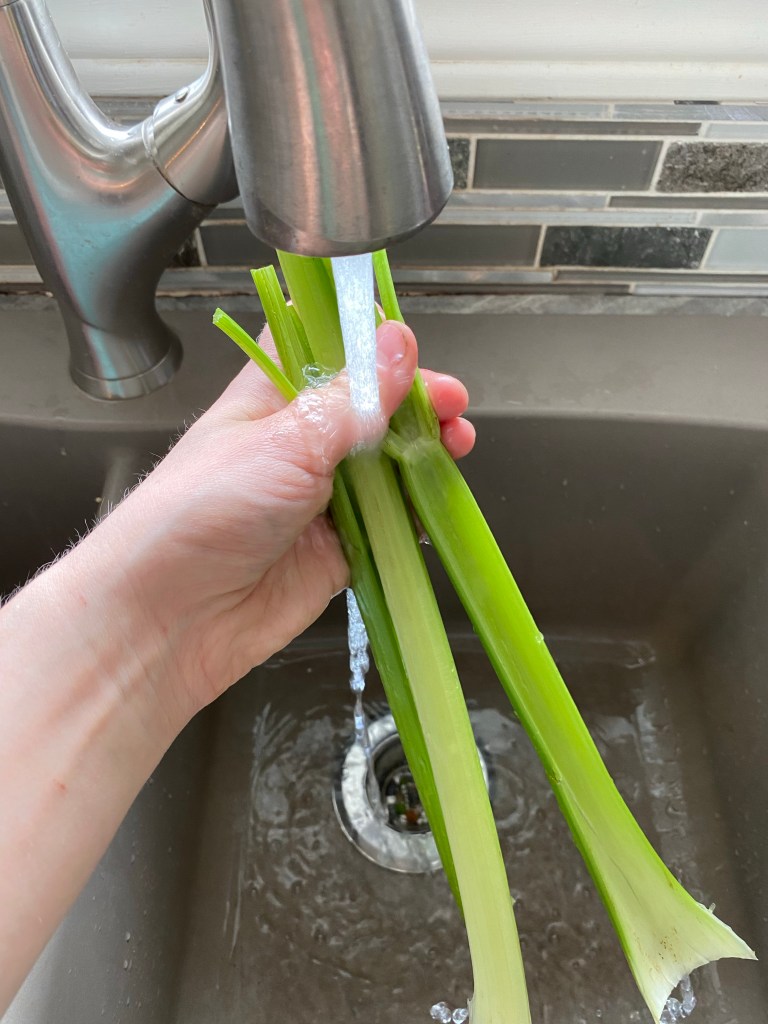
    1. Cut the ends off and wash well. If the celery is not organic, you may want to consider washing in a water and vinegar vegetable bath to help remove any pesticide field sprays. (Fill a large bowl with cold water and add a few tablespoons of white vinegar. Soak the celery for a minute and wash, rinse off)

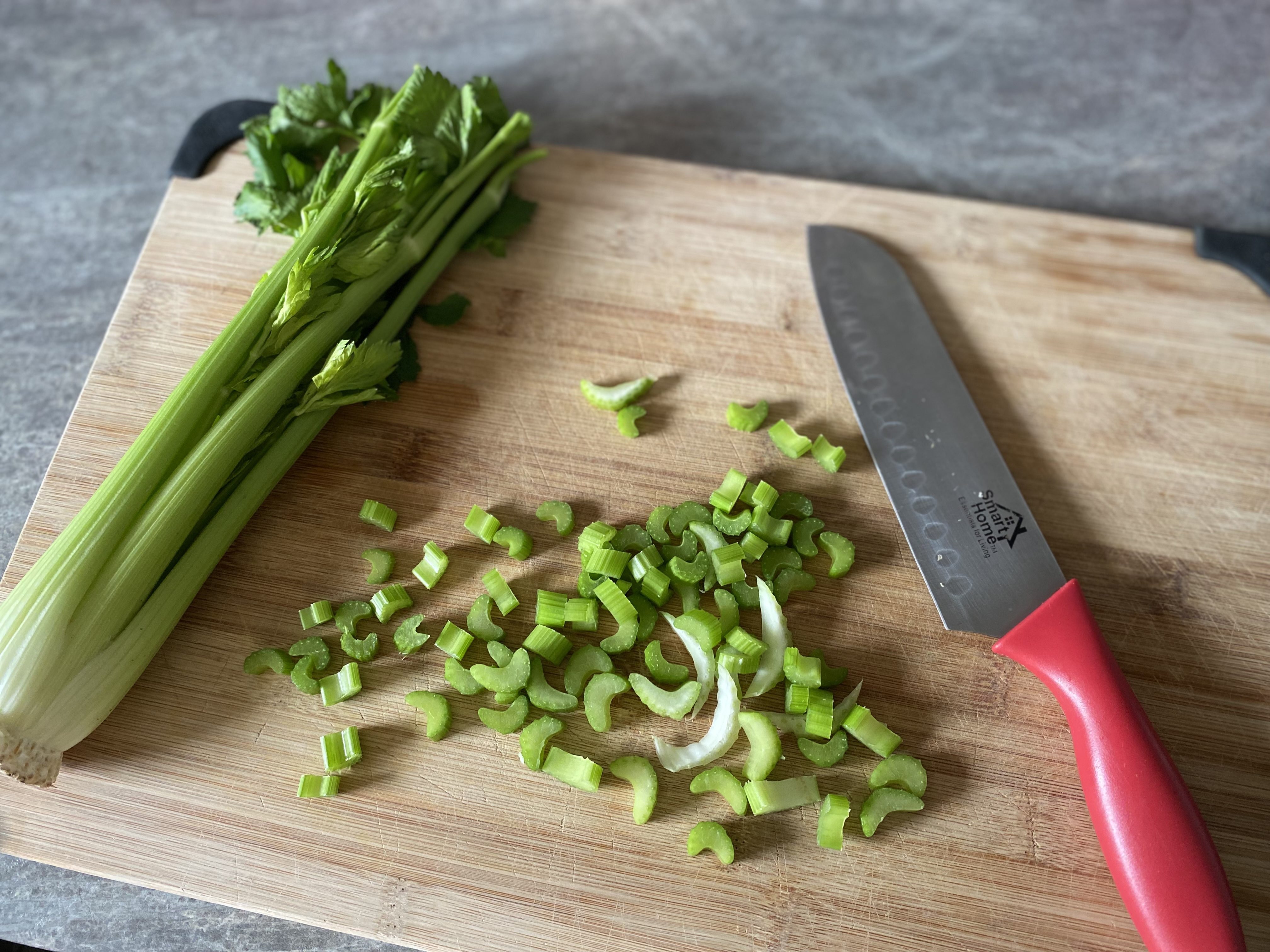
    2. Cut into slices 1/8”-1/4″ thick.

    3. Optional Pre-treatment: You can blanch the celery slices briefly by putting them in a pot of boiling water for 1 minute then putting them in a bowl of ice water.

    4. Spread out slices on dehydrator trays without touching. I recommend putting smaller pieces on one tray and larger ones on another, that way the smaller pieces will be done drying sooner and can be removed.

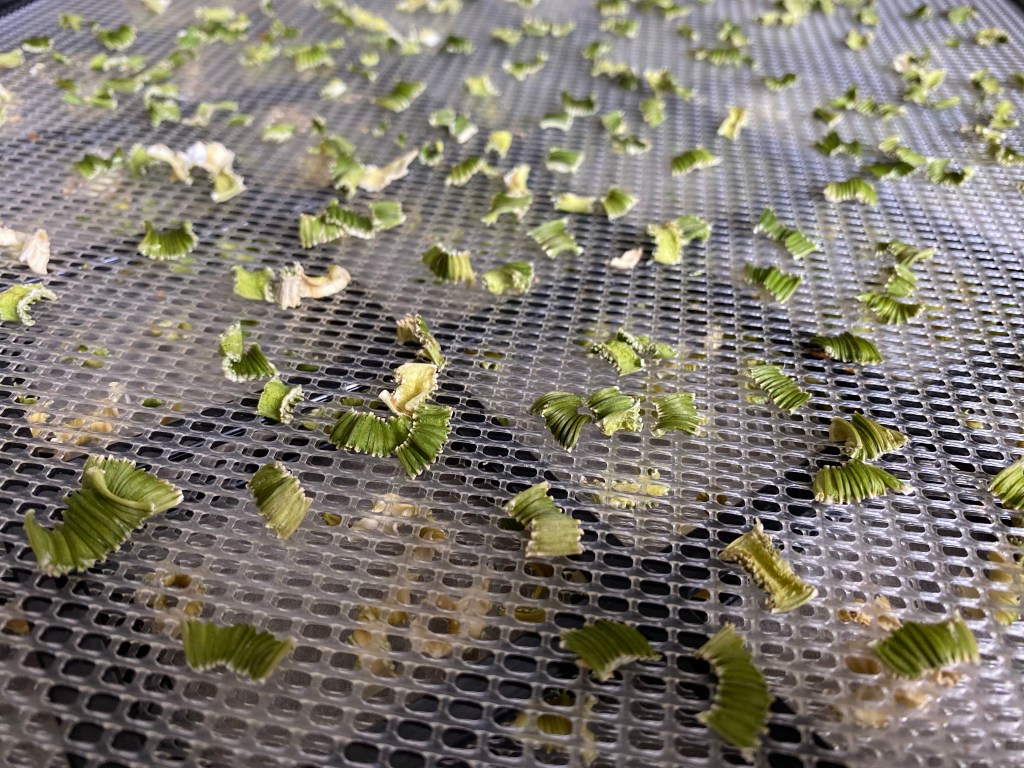
    5. Set dehydrator temperature to 125 degrees fahrenheit, and set timer for 6-8 hours. Depending on the humidity in the room, they may take longer to dry.

    6. When crispy and fully dry, put into airtight container (I use 1 Litre glass jars) and store in a cool, dry place.

    Note: For long term storage, keep accessible in a dry place and monitor for a week. Give the jar a shake once a day, checking for any missed moisture before storing in a cooler, dry location.

    If some moisture is spotted within this time, just put back in the dehydrator to dry a little longer. If any mold is noticed within the week, toss it all out and don’t risk eating.

    Best to use within 1 year as long as they are dried fully and stored properly.

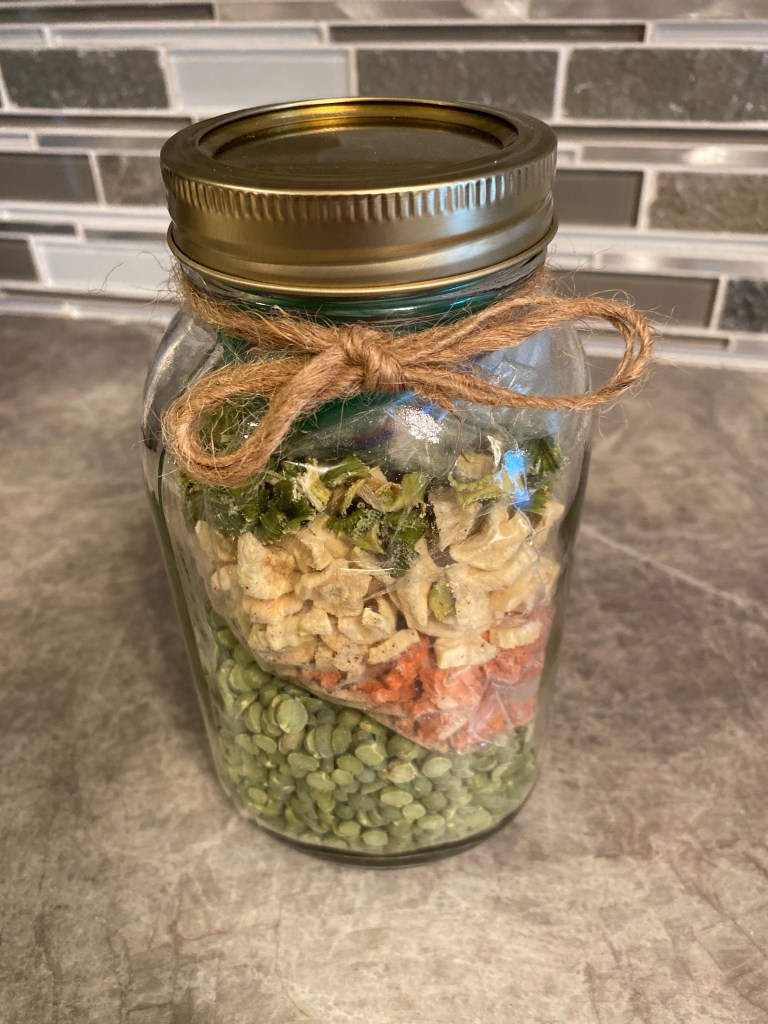
    Coming Soon! “Just Add Water: Veggie Soup Mix”, featuring all dehydrated vegetables, split peas and spices.

    Hi, I’m Jessie!

    I’m a Wife and Homeschooling Mom living in a remote town in Northern Ontario, Canada. I love making wholesome meals for my family from scratch, homeschooling our girls and learning more about natural living.

    Read more about my story HERE.

    Subscribe to Northbird’s email list to get weekly posts on: tasty recipes, activity ideas for kids, natural living tips, and some genuine mom thoughts and encouragement!

    How to Dehydrate Celery

    • Servings: 2 Litre Jars
    • Difficulty: Easy
    • Print

    A Winter Pantry Staple for Your Kitchen


    Supplies Needed

  • Dehydrator
  • Knife
  • Cutting board
  • Colander
  • Airtight container (I use 1L glass jars)
  • Oxygen Absorbers (Optional)

  • Ingredients

    • Fresh Celery

    Directions

    1. Cut the ends off and wash well. If the celery is not organic, you may want to consider washing in a water and vinegar vegetable bath to help remove any pesticide field sprays. (Fill a large bowl with cold water and add a few tablespoons of white vinegar. Soak the celery for a minute and wash, rinse off)
    2. Cut into slices 1/8”-1/4″ thick.
    3. Optional Pre-treatment: You can blanch the celery slices briefly by putting them in a pot of boiling water for 1 minute then putting them in a bowl of ice water.
    4. Spread out on dehydrator trays without touching. I recommend putting smaller pieces on one tray and larger ones on another, that way the smaller pieces will be done drying sooner and can be removed.
    5. Set dehydrator temperature to 125 degrees fahrenheit, and set timer for 6-8 hours. Depending on the humidity in the room, they may take longer to dry.
    6. When crispy and fully dry, put into airtight container (I use 1 Litre glass jars) and store in a cool, dry place.
    7. – Additional Note: For long term storage, keep accessible in a dry place and monitor for a week. Give the jar a shake once a day, checking for any missed moisture before storing in a cooler, dry location. If some moisture is spotted within this time, just put back in the dehydrator to dry a little longer. If any mold is noticed within the week, toss it all out and don’t risk eating. Best to use within 1 year as long as they are dried fully and stored properly.

    Nutrition


    Per 1 Cup: 200 calories; 10 g fat; 20 g carbohydrates;
    8 g protein.

    Return to Top

    Dehydrating Strawberries

    Find Northbird on social media:

    This post contains affiliate links. As an Amazon associate, I earn from qualifying purchases. This means that I make a small commission at no extra cost to you. You can read my full disclosure HERE.

    Jump to Recipe Card

    Jump to Video

    Return to “Homemade Pantry”

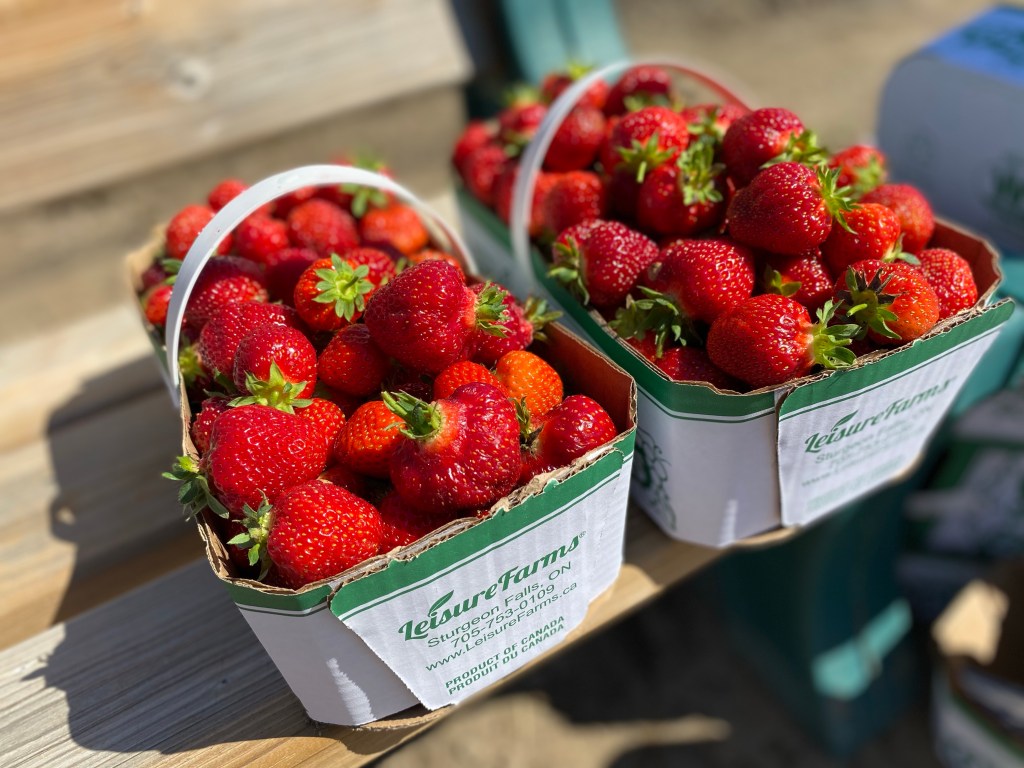
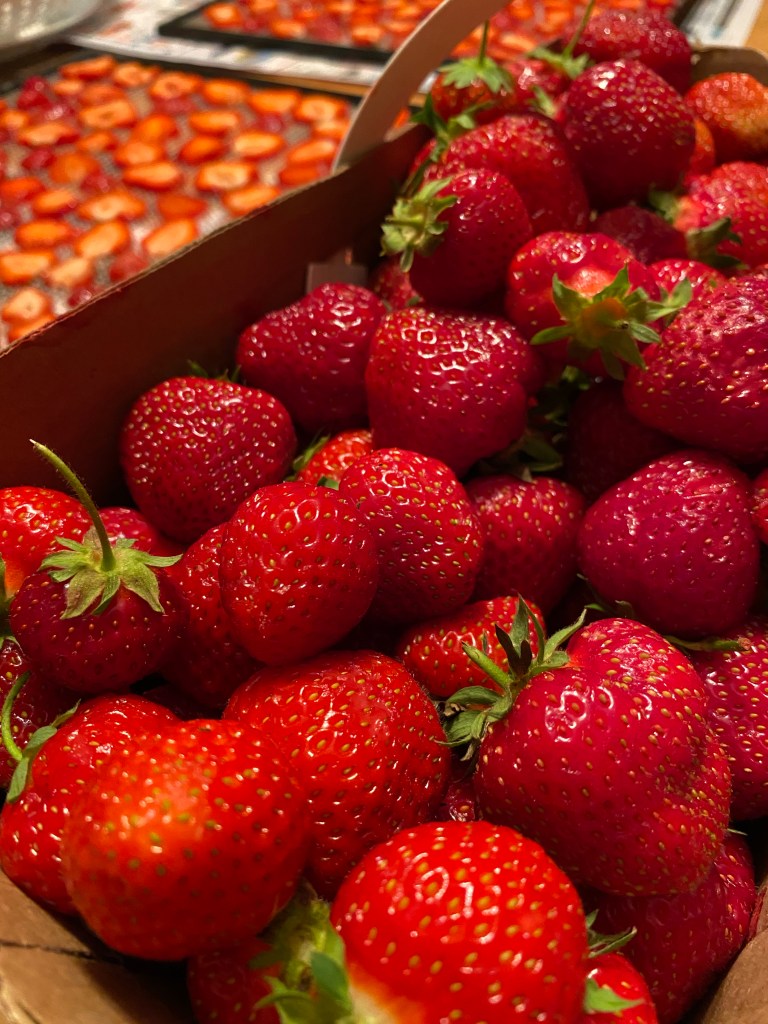
    Fresh strawberries? Always. Not much can compare to a tasty and fun family outing such as picking your own strawberries at a local farm.

    As a child, I can remember going to a local strawberry farm every summer in Muskoka and spending half a day picking (and eating) our fill of this delicious and juicy treat.

    Now it gives me so much joy to see my kids enjoying this experience too. Although, my youngest certainly made me work hard this time to fill my basket as she plunked her 15 month old self down next to me and kept helping herself! My oldest on the other hand was very proud to pick her own little basket, and she ate most of them on the tractor ride back!

    What are Dehydrated Strawberries?

    Dehydrated strawberries are made using a dehydrator or oven which essentially “draws out” and dries all the water content from the berries, leaving you with delicious dry slices of strawberry chips. The flavour is strong and even the scent is more enhanced after being dehydrated.

    Are Dehydrated Strawberries Good for You?

    Dried strawberries are packed full of goodness! Higher in Vitamin C than fresh or frozen strawberries, and a rich antioxidant.

    They are also known to help with digestion, as they are high in fibre, and help to regulate blood pressure from spiking due to their high potassium levels.

    How Long do Dehydrated Strawberries Last?

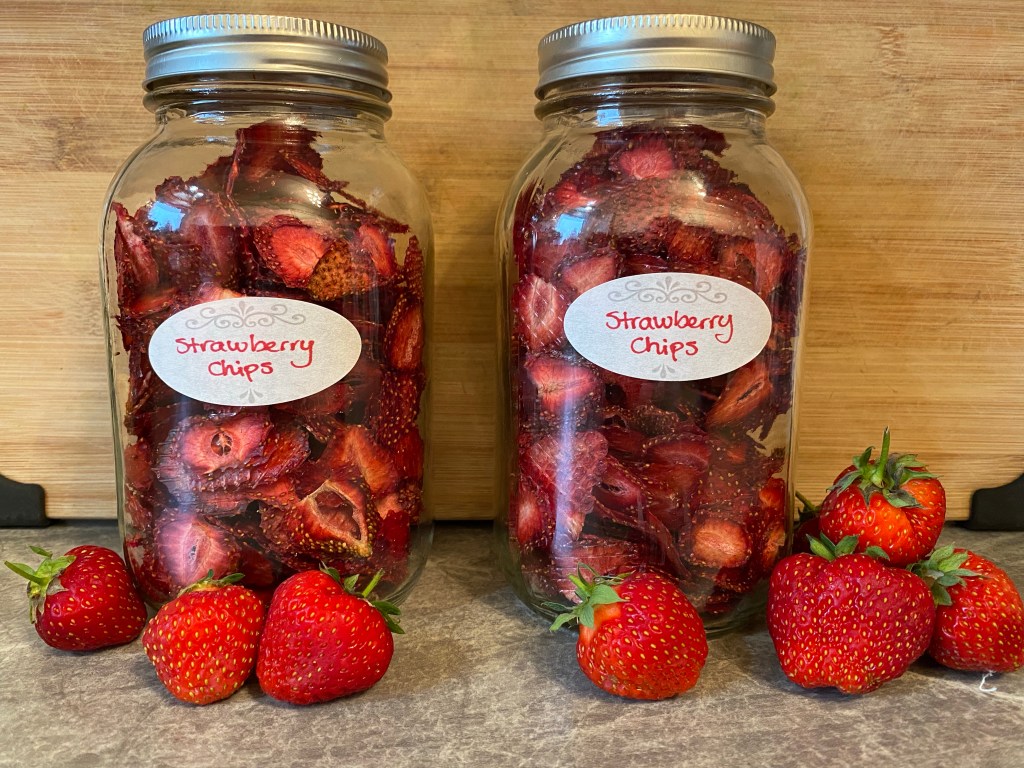
    Dehydrated strawberries and other fruits and vegetables are a great item to keep in your pantry because of the natural shelf life they give if properly stored. Most sources suggest a year for shelf life.

    For long term storage, put your dehydrated chips in an airtight container in your pantry for a week, and give the jar a shake once a day, checking for any missed moisture before storing in a cooler, dry location. If some moisture is spotted within this time, just put back in the dehydrator to dry a little longer. If any mold is noticed within the week, toss it all out and don’t risk eating. I tend to over-dry instead of under-dry, because of being paranoid of mold.

    But if you are drying a small batch to enjoy snacking on within a few days, just put in a jar on the counter and enjoy!

    Can You Dehydrate Strawberries in the Oven?

    I have not personally dehydrated strawberries in the oven, but from what I have researched, it is very easy to do so. (And when I have done it, I’ll be sure to post here how it went!)

    The process is the same as with a dehydrator, but you would put the strawberry slices on a parchment-covered baking sheet.

    Then put on the middle oven rack with a preheated temperature of 200 degrees Fahrenheit. Bake for 2 hours or until the tops are dry. Then turn over for another 30-60 minutes until the underside is also dry.

    Oven drying is a quicker process, but you will need a little more patience and keep a close eye on the strawberry chips to see that they don’t burn.

    Ways to Eat Dehydrated Strawberries

    There are so many uses for dehydrated strawberries! Once dehydrated, you can store the chips/slices in an airtight container and use them in many different recipes. You can also blend up the dehydrated chips into strawberry powder to use as natural strawberry flavouring and colour.

    Here are a few fun ideas:

    Dehydrated Strawberry Slices & ChunksDehydrated Strawberry Powder
    Strawberry ChipsSmoothies
    Trail mixYogurt
    Homemade GranolaFlavoured Milks
    Cake & Desert DecoratingFrozen Yogurt
    Camping Oatmeal (Instant) Ice Cream
    Granola BarsWhipping Cream
    Overnight OatsCake Icing
    Baked OatmealFrozen Yogurt Bark

    Watch the video to see how easy it is to dehydrate strawberries!

    How to Dehydrate Strawberries

    Supplies Needed:

    Ingredients:

    • Fresh strawberries

    Directions:

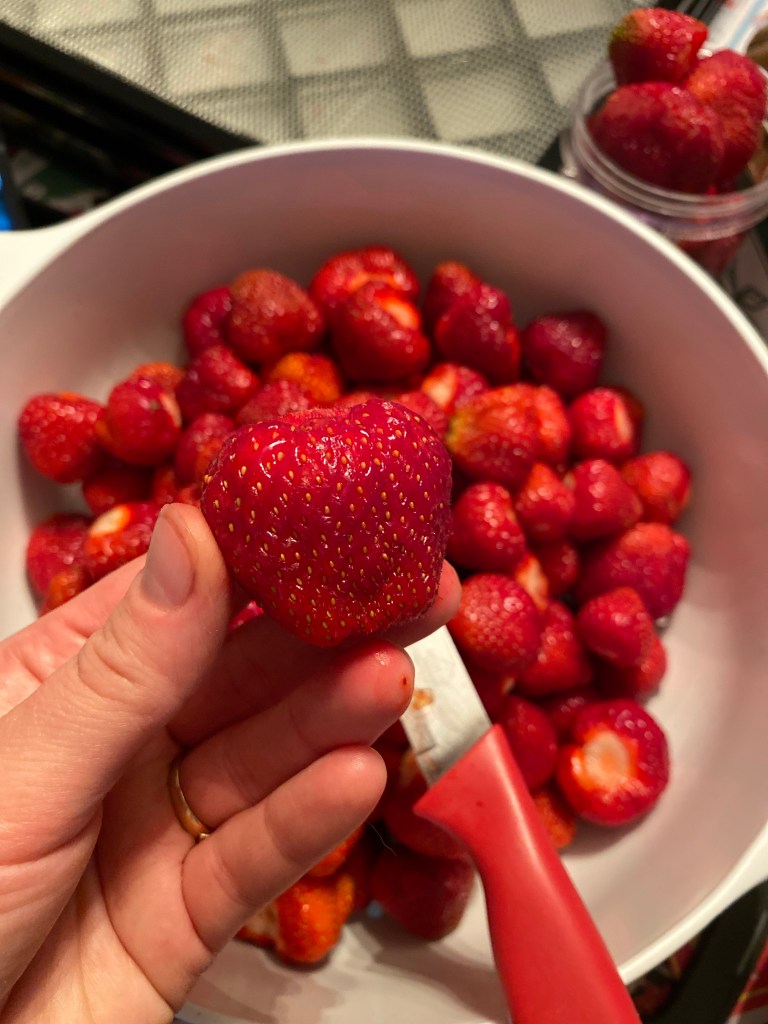
    1. Choose the most firm and unblemished strawberries. This will ensure that they have a nice deep red colour after being dehydrated. Any softer berries can be frozen for later or made into jam, popsicles, smoothies, etc.

    2. Cut the green ends off and wash.

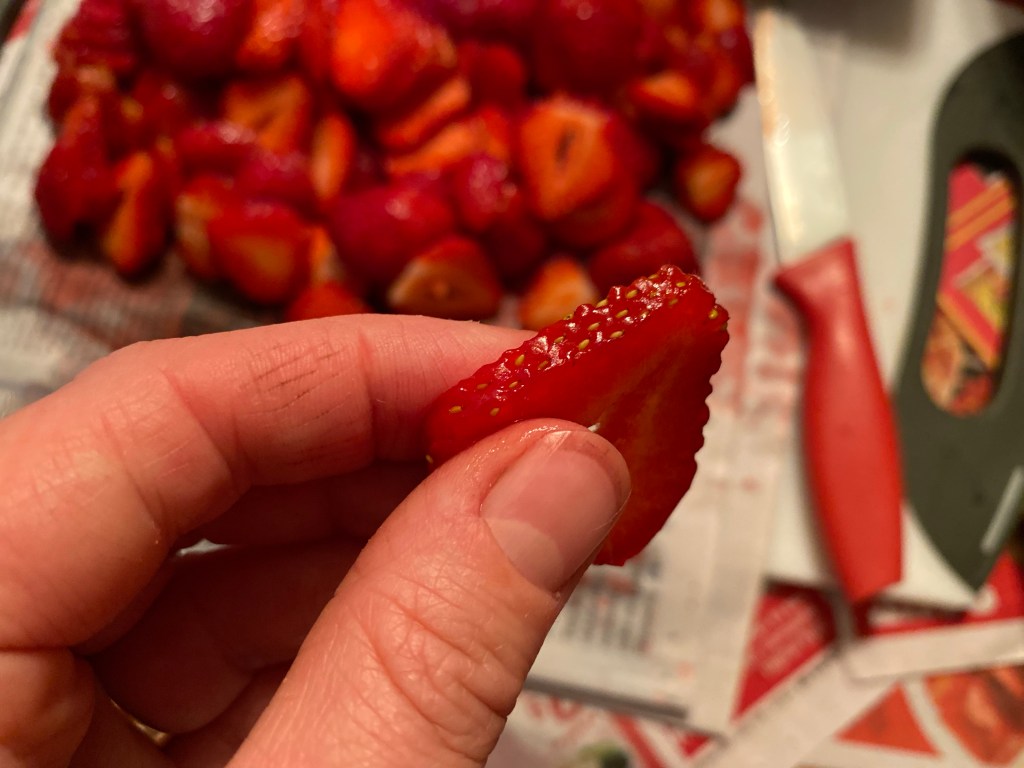
    3. Cut into slices 1/4″ thick and set aside any end skin pieces. The skin pieces retain the strawberry’s water content and they take longer to dry. You can toss the skin pieces into the same bowl saving the softer berries for other uses. Note: This part is extremely messy! I put down newspaper on top of my cutting board to save it from getting stained.

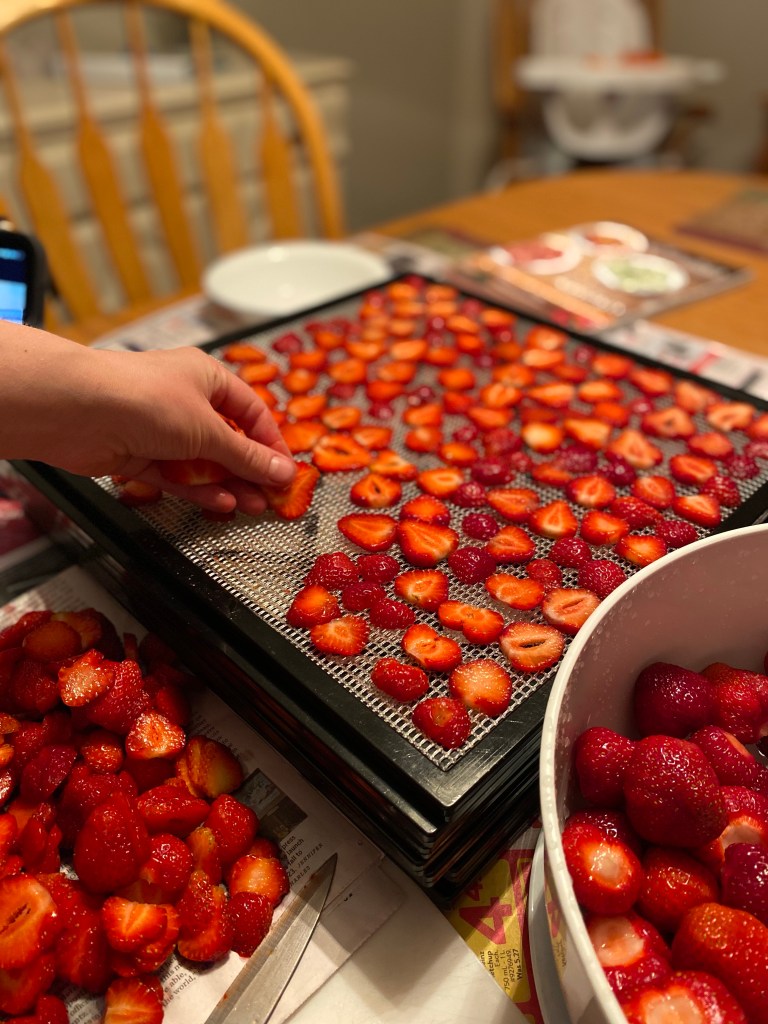
    4. Lay slices out on dehydrating trays without touching, and set temperature to 135 degrees fahrenheit (57 degrees celcius). Set timer for 7-9 hours. Depending on the humidity in the room, they may take longer to dry. We picked our berries following several days of hard rain, so there was a lot of moisture to draw out!

    5. When crispy and fully dry, put into airtight container and store in cool, dry place. For long term storage, keep accessible in a dry place and monitor for a week. Give the jar a shake once a day, checking for any missed moisture before storing in a cooler, dry location.

    If some moisture is spotted within this time, just put back in the dehydrator to dry a little longer. If any mold is noticed within the week, toss it all out and don’t risk eating. Best to use within 1 year as long as they are dried fully and stored properly.

    Dehydrated strawberries make a beautiful DIY gift!

    Hi, I’m Jessie!

    I’m a Wife and Homeschooling Mom living in a remote town in Northern Ontario, Canada. I love making wholesome meals for my family from scratch, homeschooling our girls and learning more about natural living.

    Read more about my story HERE.
    Subscribe to Northbird’s email list to get weekly posts on: tasty recipes, activity ideas for kids, natural living tips, and some genuine mom thoughts and encouragement!

    How to Dehydrate Strawberries

    • Servings: 2 Litre Jars
    • Difficulty: Easy
    • Print

    Preserving Strawberries for Countless Recipe Ideas!


    Supplies Needed

  • Dehydrator
  • Bowls
  • Knife
  • Cutting board
  • Newspaper
  • Colander
  • Airtight container (I use 1L glass jars)

  • Ingredients

    • Fresh Strawberries

    Directions

    1. Choose the most firm and unblemished strawberries. This will ensure that they have a nice deep red colour after being dehydrated. Any softer berries can be frozen for later or made into jam, popsicles, smoothies, etc.
    2. Cut the green ends off and wash.
    3. Cut into slices 1/4″ thick and set aside any end skin pieces. The skin pieces retain the strawberry’s water content and they take longer to dry. You can toss the skin pieces into the same bowl saving the softer berries for other uses. Note: This part is extremely messy! I put down newspaper on top of my cutting board to save it from getting stained.
    4. Lay slices out on dehydrating trays without touching, and set temperature to 135 degrees fahrenheit (57 degrees celcius). Set timer for 7-9 hours. Depending on the humidity in the room, they may take longer to dry. We picked our berries following several days of hard rain, so there was a lot of moisture to draw out!
    5. When crispy and fully dry, put into airtight container and store in cool, dry place. Best to use within 1 year, but will likely keep much longer as long as they are dried fully and stored properly.

    Nutrition


    Per 1 Cup: 52 calories; 0.5 g fat; 12.8 g carbohydrates;
    1.1 g protein.

    Return to Top