
Find Northbird on social media:
This post contains affiliate links. As an Amazon associate, I earn from qualifying purchases. This means that I make a small commission at no extra cost to you. You can read my full disclosure HERE.
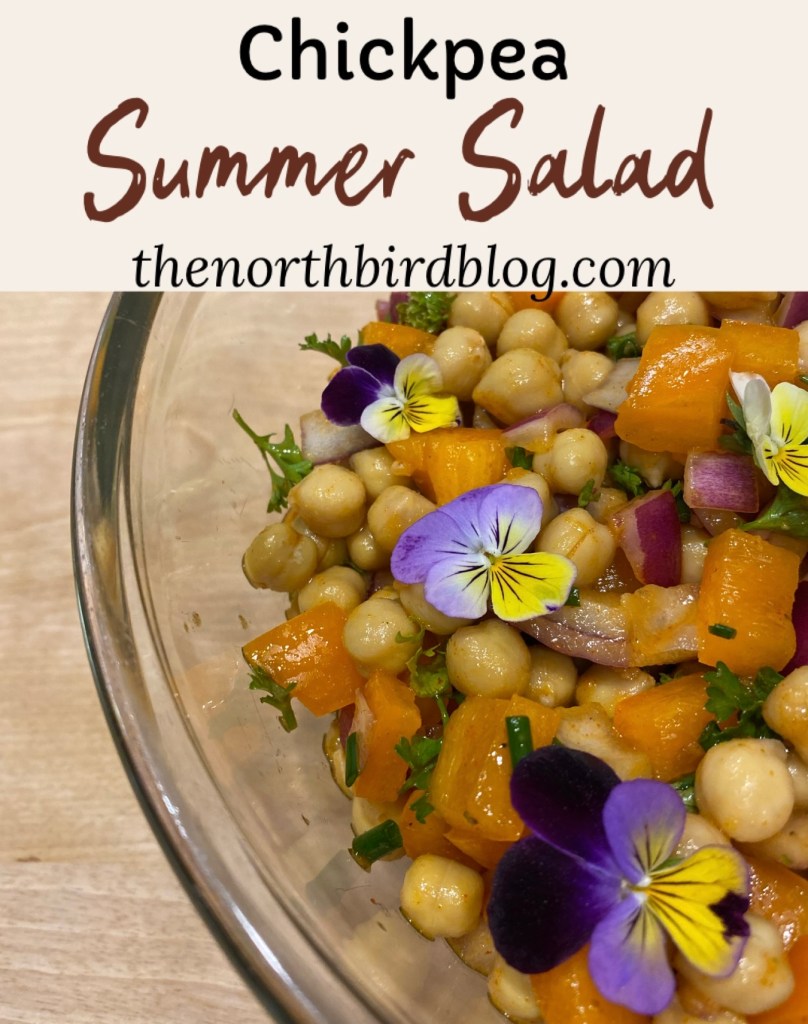
It’s that time of year. Wonderful summer heat! And for me, a decreased desire to eat or cook/bake anything hot for dinner!
That’s why every summer I love finding new salads and developing ideas to serve for dinner without heating up the kitchen. And besides, at this time of year, I would much rather be in the garden!
Nutritional Benefits of Chickpeas:
Chickpeas are also known as garbanzo beans, and are widely used in many different cuisines. From falafel to curries to hummus, there are countless types of dishes that feature chickpeas.
They are high in protein, which makes them a favourite alternative for replacing meat protein. They are also high in healthy fats, carbs and fibre. Some other nutritional components include: Manganese, Folate (Vitamin B9), Copper, Iron, Zinc, Phosphorus, Magnesium, Thiamine, Vitamin B6, Selenium and Potassium.
Health Benefits May Include:
- Helps you to feel full longer
- Weight management
- Boosts bone & muscle health
- Helps to regulate blood sugar levels
- Assists with digestion
- May reduce risk of chronic illnesses
- Supports brain function
- May help relieve anxiety and depression
- Boosts red blood cell production (Iron deficiency)
You can read more HERE about why Chickpeas are an amazing addition to your diet.
A Little About Perennial Edible Flowers:
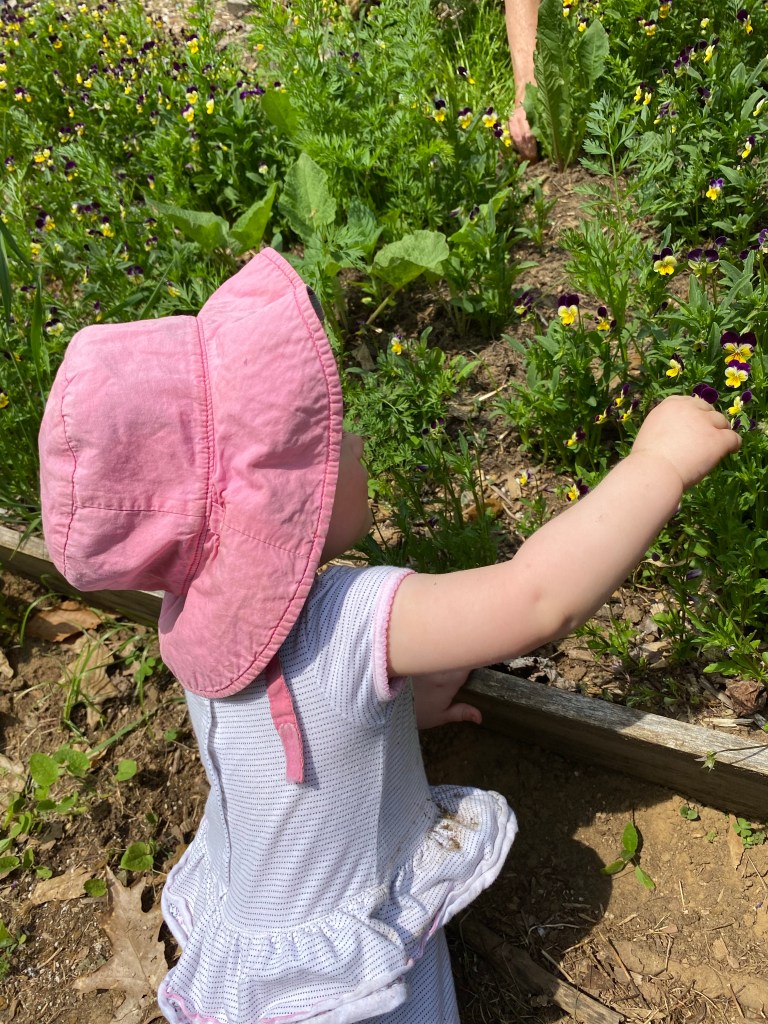
I love finding edible flowers and putting them in salads, or as garnishes for other festive dishes. My sister H is a very accomplished cake baker and often decorates her cakes with fresh edible flowers. (I’m hoping she’ll start her own blog soon to share and feature her awesome creativity —wink wink @H!)
On my parent’s farm, they have a large area of their garden dedicated to various organic edible flowers that they sell to restaurants and resorts for fine dining.
Please note that when picking or foraging flowers and herbs in residential or public areas, make sure to only pick ones that have no risk of a pesticide spray or dog pee on them! If possible, source from an open field or an area with “clean” flowers.
There are many edible flowers with numerous health benefits, and too many to list now, so perhaps that will be a separate post in the future! Below are two common edible flowers that I have found grow well as a perennial in zones 2-3.
Pansies:
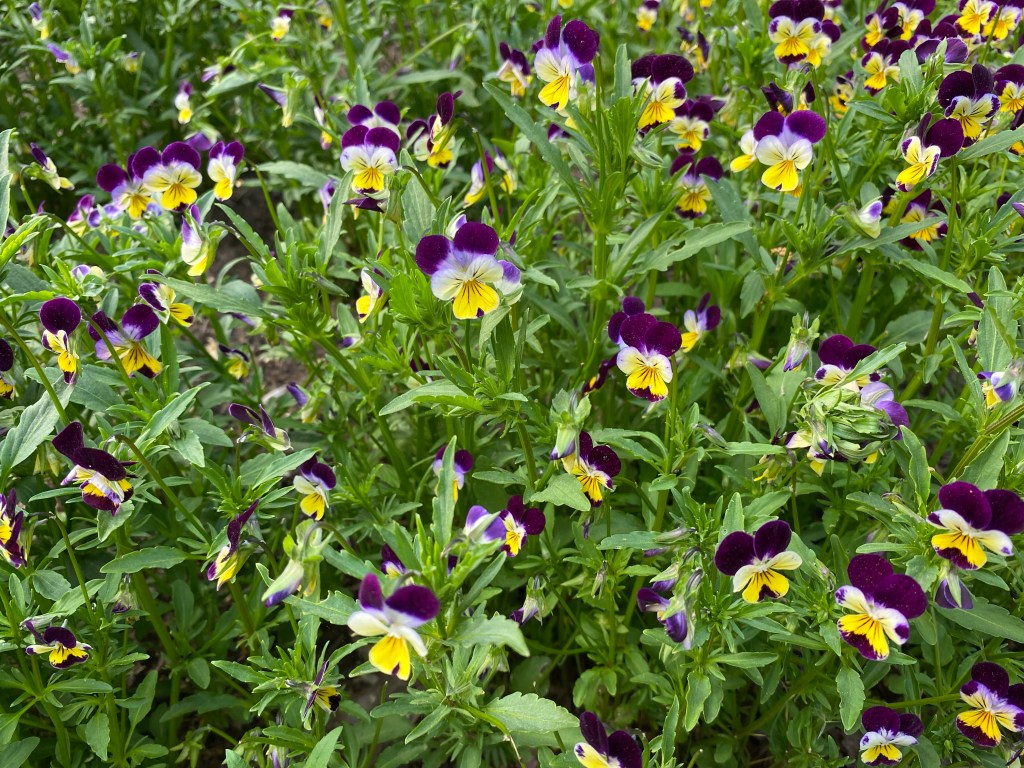
Pansies are one of my favourite edible flowers. They have a sight sweet taste, and aside from their charming looks and extremely hardy character for growing in the north, they have several medicinal uses as well.
Traditionally, they have been used in teas and poultices to treat skin problems, respiratory infections, fevers, headaches and pain relief. They have antioxidant, antimicrobial and anti-inflammatory properties.
The pansy family has many names: Jolly Jump Up, Heartsease, Wild Pansy, and Viola Tricolour are some of them.
Dandelion:
Dandelions are usually known as an invasive weed, and one of the first foods that bees look for in the spring. But they are also a highly nutritious plant and packed full of medicinal properties. From the root to the flower head, all of the plant is edible and has different uses.
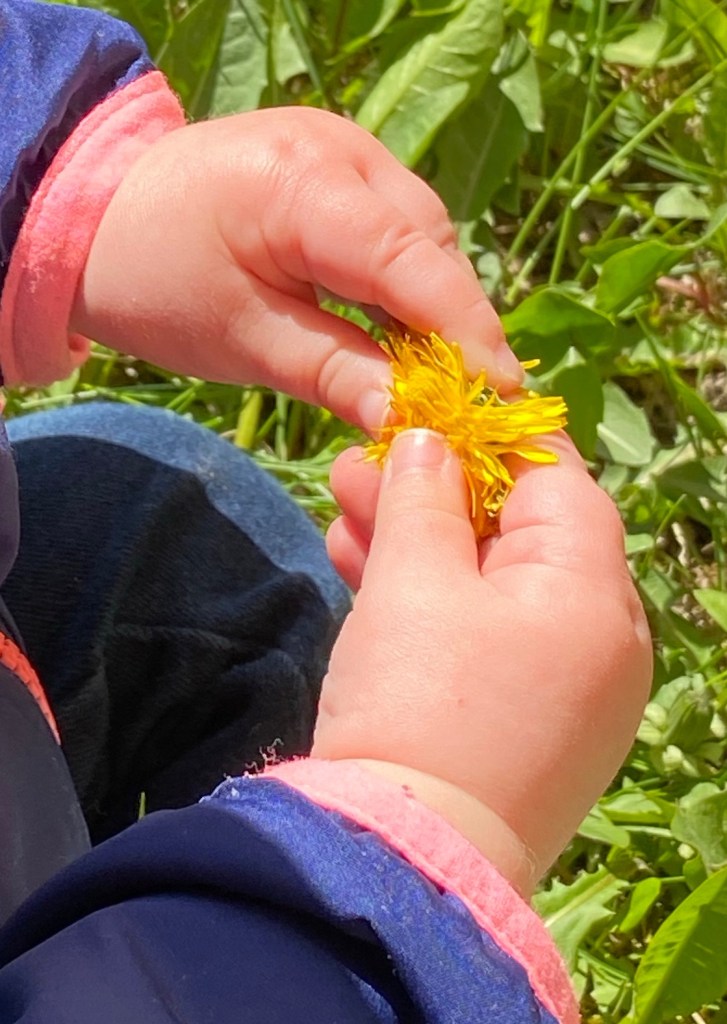
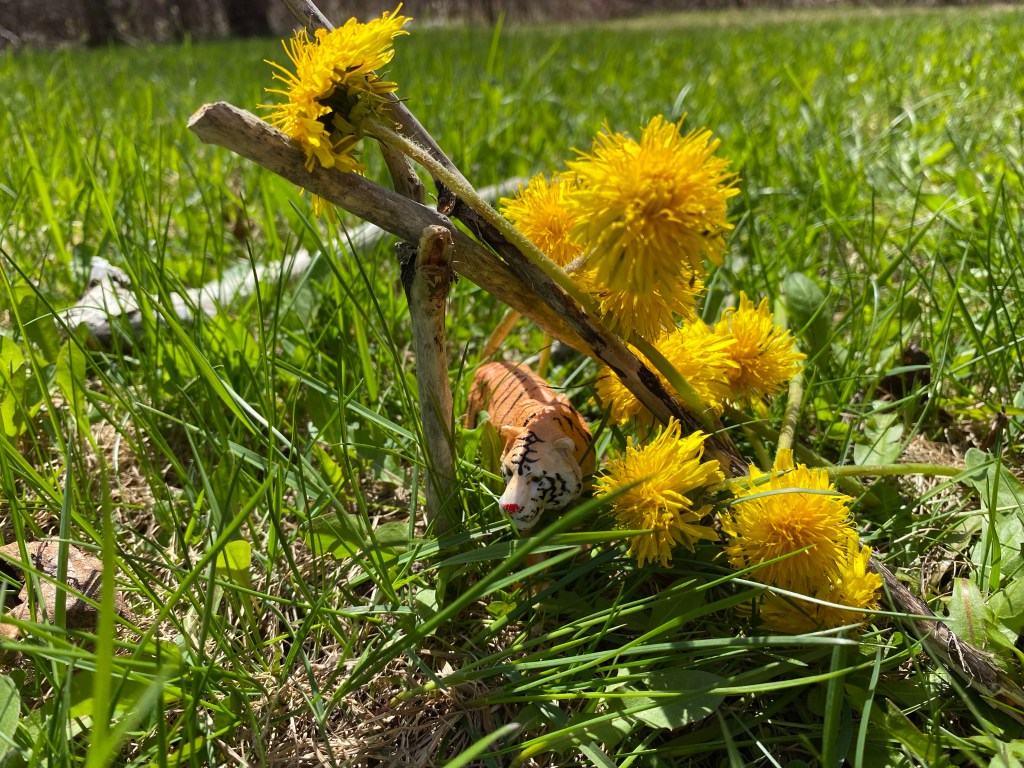
Dandelion root is traditionally used to treat digestive problems and help the liver and gallbladder. Feeling constipated? Dandelion root tea can help with that. (I’ve tried it!) It is also used to make “root coffee”, a coffee bean alternative.
Dandelion greens are considered a superfood! Jo Robinson, author of “Eating on the Wild Side”, says that when compared to spinach, dandelion leaves have “eight times more antioxidants, two times more calcium, three times more Vitamin A, and five times more vitamin K and vitamin E.”
The leaves taste a little bitter, so when making a dandelion leaf salad it is nice to add some sweetness to balance it out. I enjoy it with a raspberry vinaigrette.
Dandelion flowers are a powerful antioxidant. In addition to supporting the immune system, they help to lower cholesterol, fight infections and reduce inflammation. They taste sweeter than the leaves, and can be used not only in salads, but can also be cooked in sauces and made into preserves.
I enjoy making an annual batch of “Dandelion Jelly”, which tastes like wild honey.
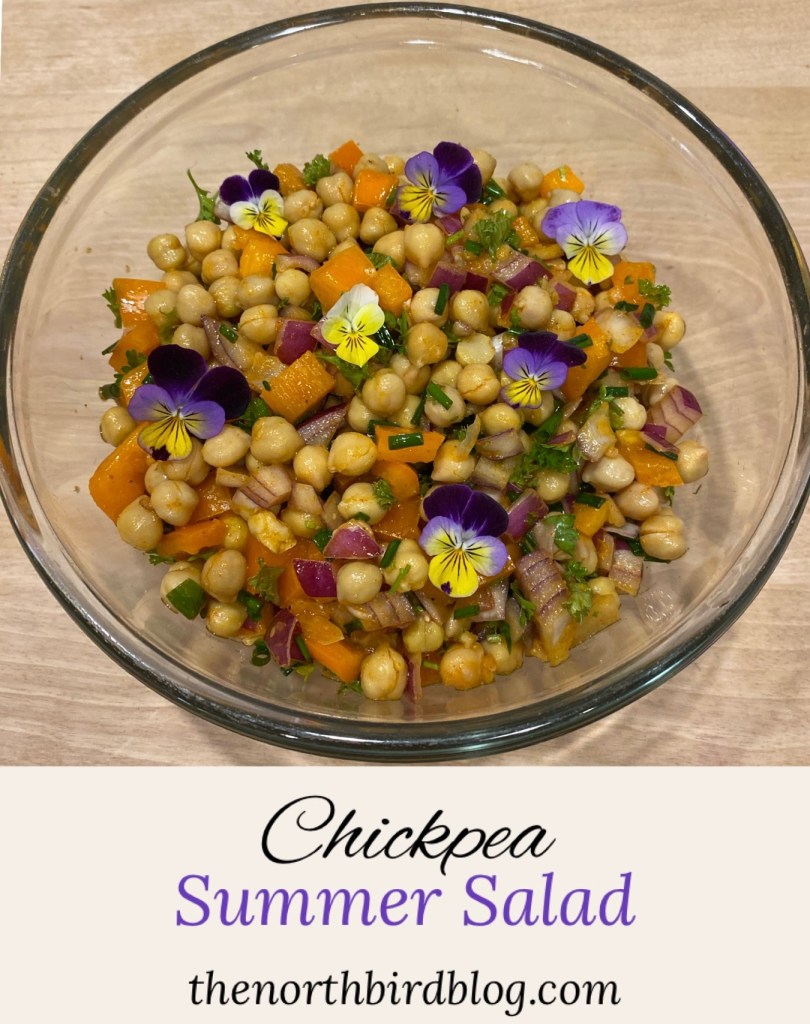
How to Make Chickpea Summer Salad
Supplies Needed:
- Large bowl
- Mixing spoon
- Cutting board
- Knife
Ingredients:
- 1 can (796ml/28oz) chickpeas (or 1 cup of dry chickpeas, soaked overnight & cooked for several hours until tender)
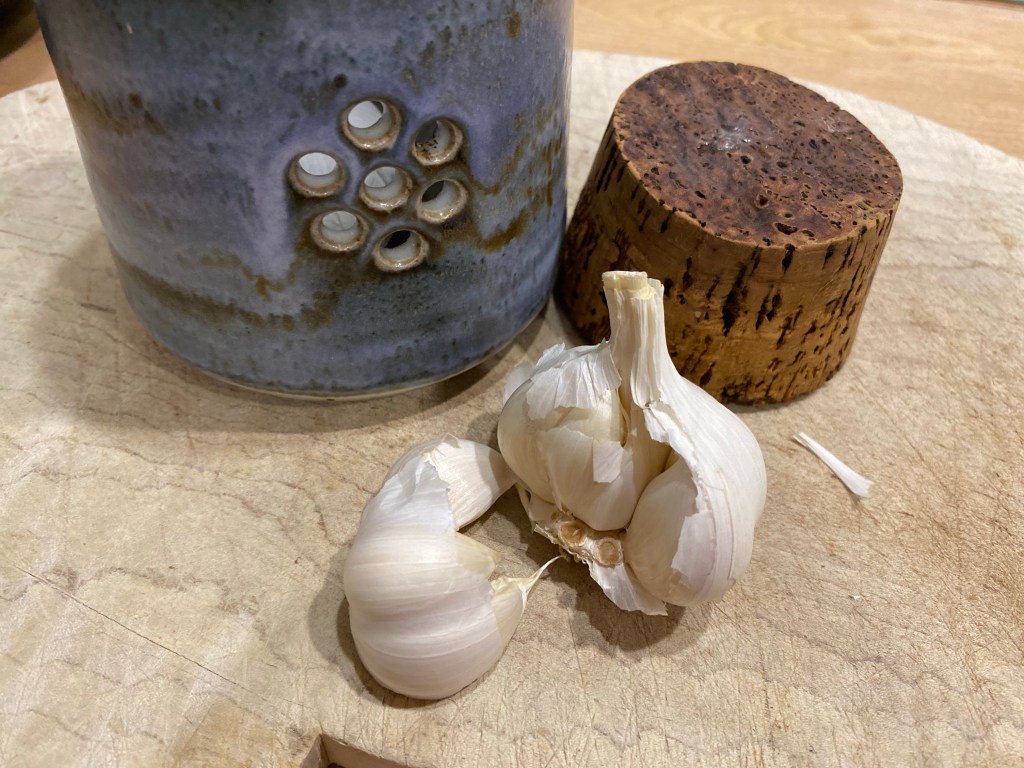
- 3 garlic cloves, diced finely
- 1 bell pepper, diced
- 1 medium red onion, diced
- 2 tablespoons extra virgin olive oil
- 1 tablespoon lemon juice
- 1 teaspoon paprika
- Sea salt and pepper to taste
- Chives, parsley, thyme or other fresh herbs
- Edible flowers

Directions:
1. Drain and rinse the chickpeas and add to large bowl. Add the garlic cloves, bell pepper, red onion, olive oil, lemon juice, paprika, salt and pepper. Stir well.
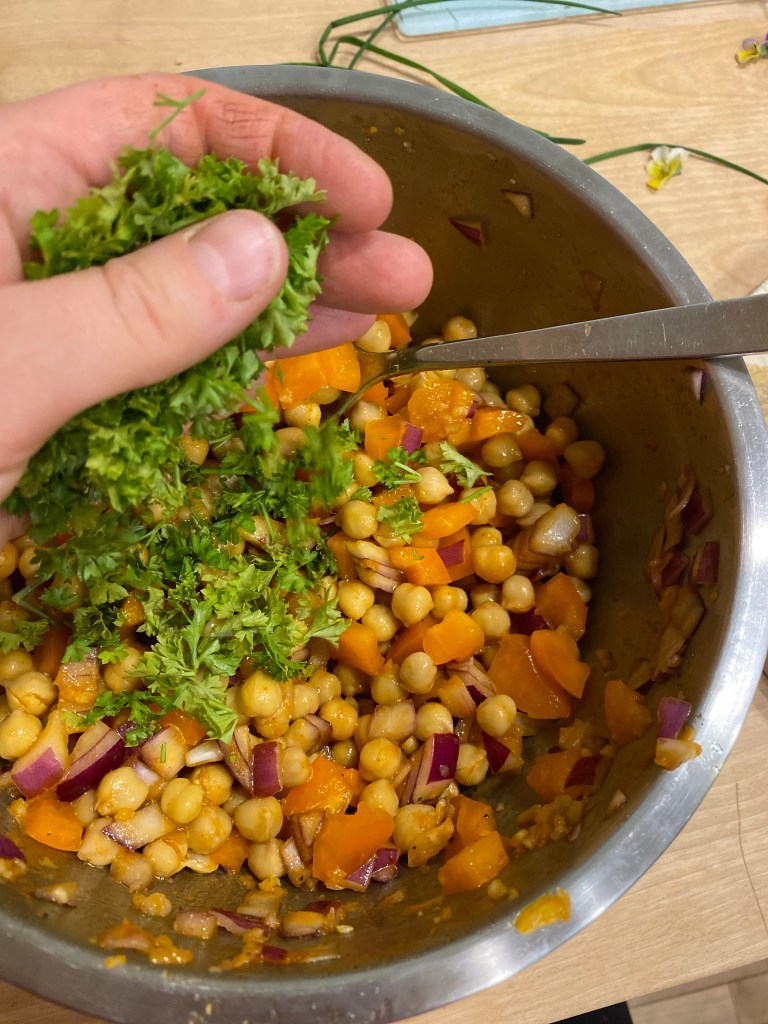
2. Pick some fresh herbs, chop finely and add to bowl. Refrigerate until serving time.
3. Decorate the top with fresh edible flowers closer to serving time so that the flowers do not wilt.

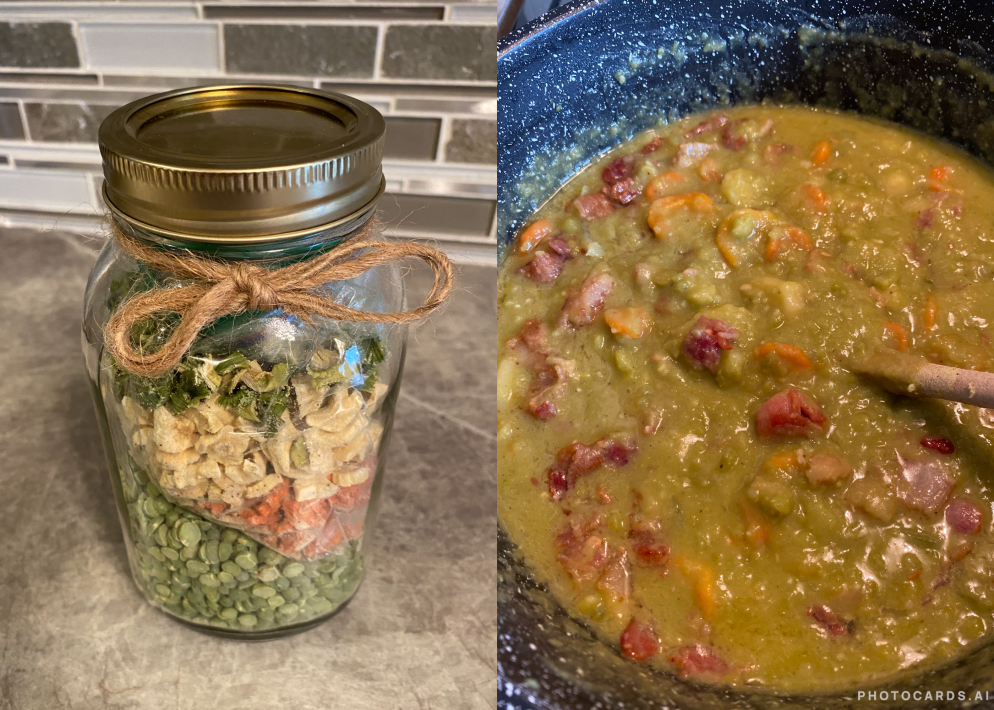
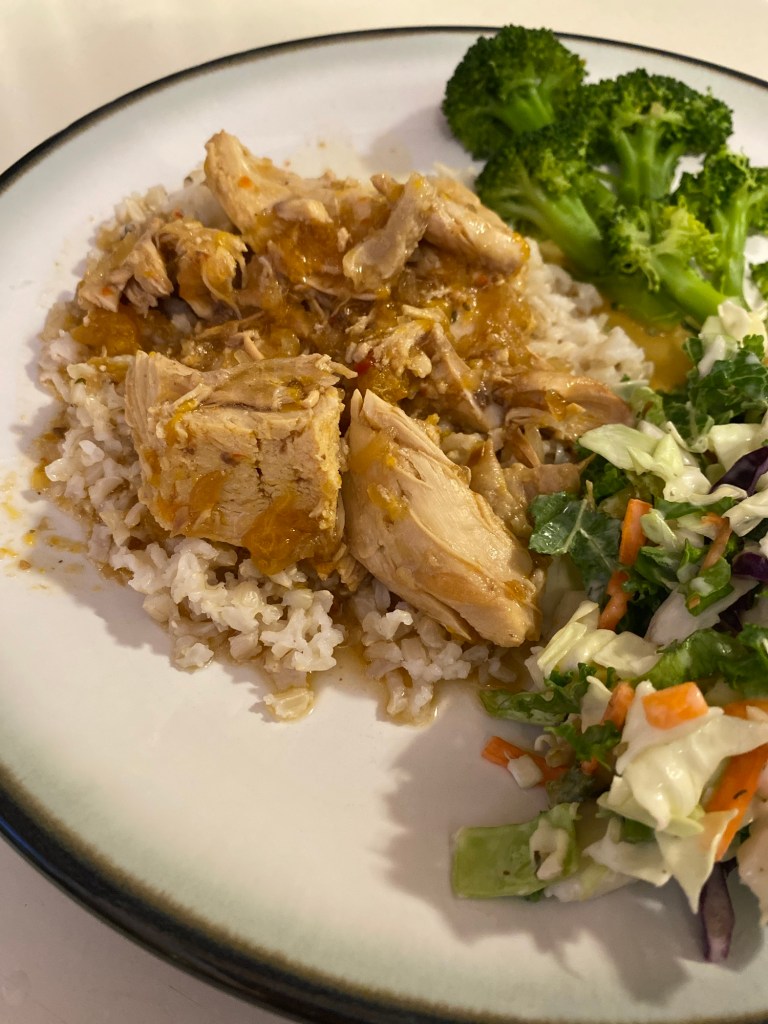
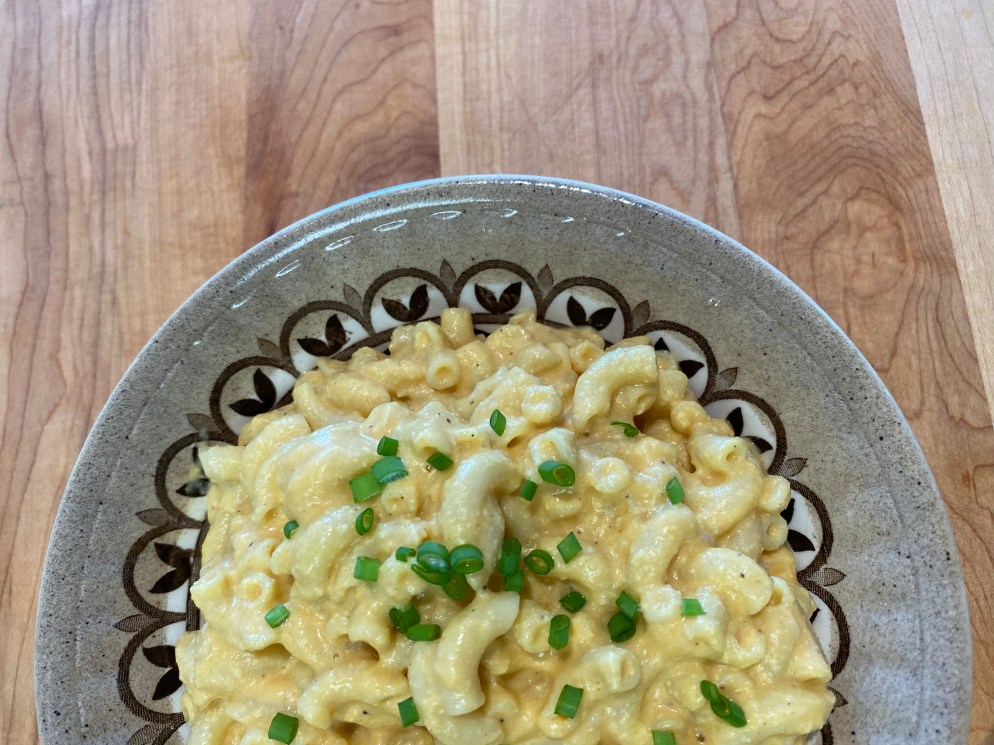
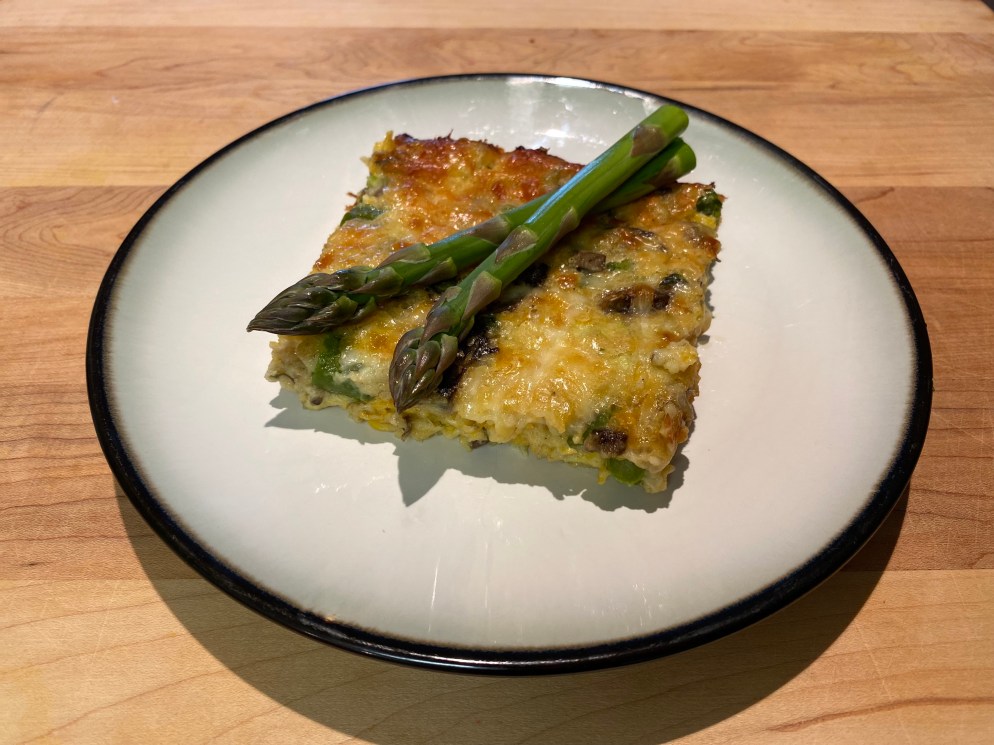
Other Soups and Entrees to Check Out:







Hi, I’m Jessie!
I’m a Wife and Homeschooling Mom living in a remote town in Northern Ontario, Canada. I love making wholesome meals for my family from scratch, homeschooling our girls and learning more about natural living.
Read more about my story HERE.

Subscribe to Northbird’s email list to get weekly posts on: tasty recipes, activity ideas for kids, natural living tips, and some genuine mom thoughts and encouragement!
Recent posts from Northbird:






Chickpea Summer Salad
A Fresh and Tasty Chickpea Salad for Hot Summer Days
Ingredients
Directions
- Drain and rinse the chickpeas and add to large bowl. Add the garlic cloves, bell pepper, red onion, olive oil, lemon juice, paprika, salt and pepper. Stir well.
- Pick some fresh herbs, chop finely and add to bowl. Refrigerate until serving time.
- Decorate the top with fresh edible flowers closer to serving time so that the flowers do not wilt.
Nutrition
Per 1 Serving: 250 calories; 6.9 g fat; 37.2 g carbohydrates;
11.9 g protein; 746 mg sodium.

 Northbird