DIY Natural Beard Oil Recipe for Men

Find Northbird on social media:

This post contains affiliate links. As an Amazon associate, I earn from qualifying purchases. This means that I make a small commission at no extra cost to you. You can read my full disclosure HERE.
Jump To Recipe Card

Return to “Natural Living”

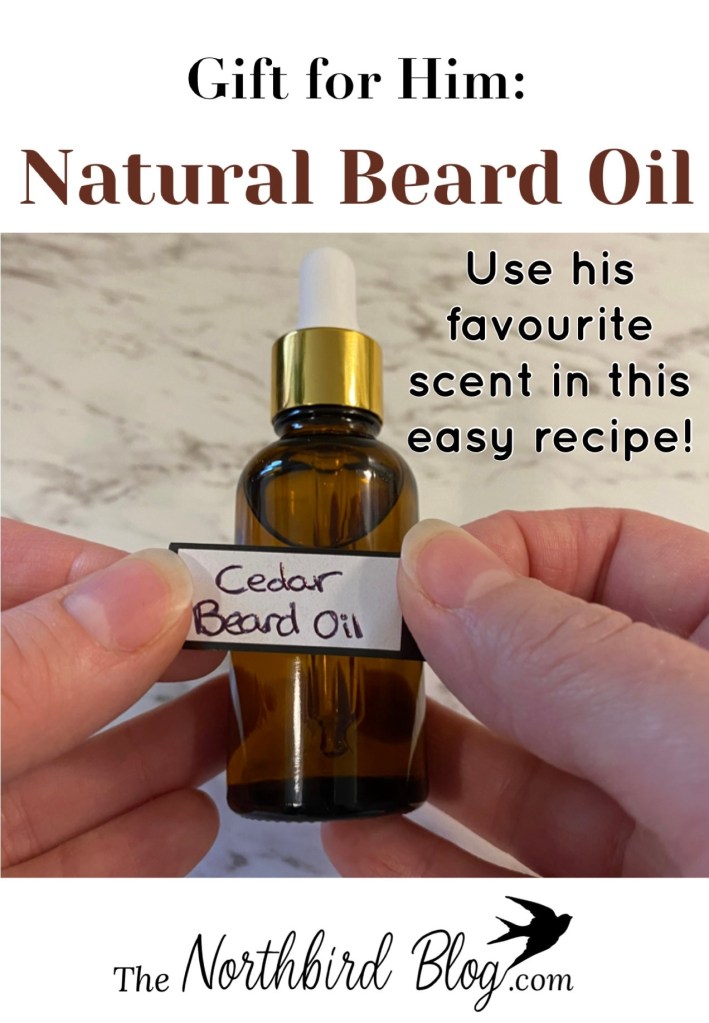
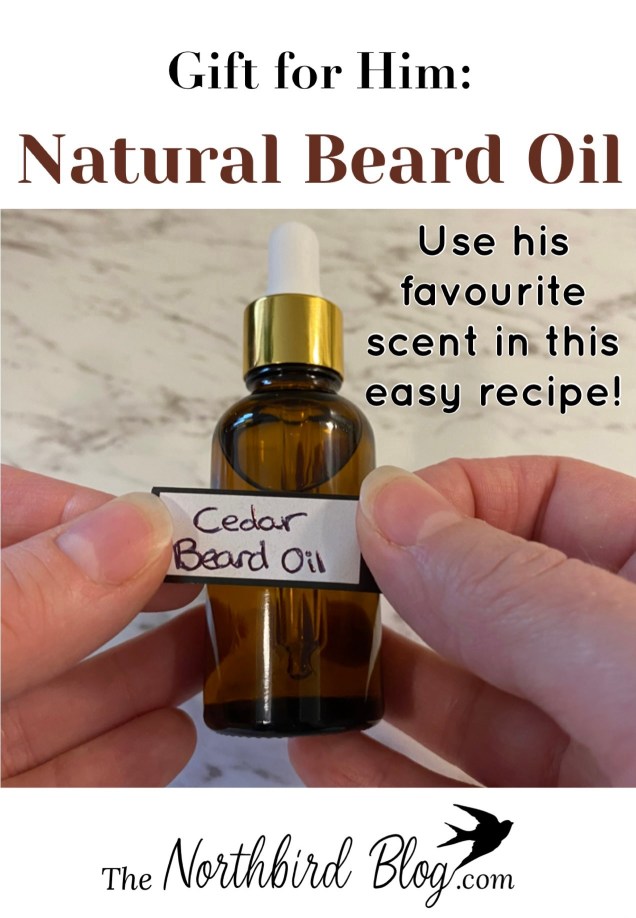
Just to clarify: I don’t have a beard, but I’ve been married to an amazing bearded man for over 9 years! And in that time I’ve made a few different beard oil recipes for him and also for a few other masculine relatives that love their beards.

The first time I made a beard oil for my husband was when I was trying to figure out what to get him for Christmas and ended up making 5 simple gifts: each one representing one of the 5 senses. This one of course represented Scent.

He is somewhat particular about smells, and what scents he likes for his self-care products. So, I had fun blindfolding him a few weeks prior to Christmas and holding up different essential oil bottles to get him to tell me what scents he liked. His personal favourites are Cedar and Sandalwood.

This recipe is made with all natural ingredients and fits perfectly into a 30ml dropper bottle like THIS ONE.

You’ll notice that the recipe below has Sandalwood Essential Oil listed, but feel free to substitute it for any scent that you/your spouse prefer.

Masculine Essential Oils:

I’ve noticed that many essential oils that have the label “masculine” tend to be from different tree species and have musky, forest scents. I’m sure it’s not always the case, it’s just my own observation from research, and asking the bearded men in my life. Essentially, think: Musky, Smoky, Spicy, Earthy…This seems to be the general idea (from a female’s perspective!)

These are some of the scents that I have used, as well as a few more that I’ve read are enjoyed as beard oil scents:

Sweet Almond Oil:

Sweet Almond Oil: is an important oil that has been used for massaging and skin treatment for hundreds of years. It is rich in medicinal properties that help prevent inflammation, scarring, and dryness.

Jojoba Oil:

Jojoba Oil is another all-around essential skin oil that is a great moisturizer and cleanser. It is also known to help with treating acne, psoriasis and eczema.

Vitamin E Oil:

I always add a few drops of Vitamin E Oil into whatever skin care products I am making. It is highly beneficial to the skin because of its moisturizing properties, and helps to cure skin problems such as psoriasis, eczema, dryness and itchiness to name just a few!

It is also a wonderful antioxidant and helps to keep your immune system strong.

Why are Pure Essential Oils better to use in skincare products than Artificial Scents?

Artificial fragrances and perfumes are everywhere: in candles, in air fresheners, hand soaps, body lotions, shampoos & conditioners, laundry products, and tons of skin care products. This is one reason why it is so important to check the labels and list of ingredients!

Synthetic scents are usually petroleum based and these chemicals have very serious effects on the human body. Some common chemicals used include benzophenone and styrene (carcinogenic) and phthalates (endocrine disruptors). You can read more about this HERE.

Other Commonly used Essential Oils for Self Care Products and their Medicinal Uses: (I’ve also added a few that primarily aid skin conditions)

  • Peppermint: A great resource for opening up the sinuses and relieving headaches.
  • Sandalwood: Calming and a relaxing scent.
  • Lemon: A bright and refreshing scent that helps to even out the skin tone.
  • Eucalyptus: An antiseptic, anti-fungal, anti-viral, and anti-bacterial essential oil. Fights infection and promotes healing.
  • Sweet Orange Oil: An anti-bacterial, anti-inflammatory, aides in digestion, but most known to act as a mood enhancer and relaxant.
  • Carrot Seed Oil: An antioxidant, anti-fungal and anti-bacterial. Primarily used to treat skin infections and inflammations.
  • Grapefruit: Treats acne and other skin infections. Mood enhancer and may also help with weight loss.

How to Make Your Own Beard Oil

Supplies Needed:

Ingredients:

Directions:

  1. Lay some paper towel down for your work station, and set the mini funnel ready in the bottle.
  2. Carefully measure out the Jojoba, Sweet Almond Oil and Vitamin E Oil and pour through the mini funnel.
  3. Add the drops of Sandalwood (or other) pure essential oil until it is as strong as you like.
  4. Screw the lid on tight and shake to mix it well.
  5. To Use: Squirt a few drops into your hands and rub into beard to encourage softness and healthier skin.
Made This Activity?

I’d LOVE to see your results!! Feel free to post to your social media account and tag Northbird using one of the links below or post in the comments!

More Ideas for Natural Living:
Hi, I’m Jessie!

I’m a Wife and Homeschooling Mom living in a remote town in Northern Ontario, Canada. I love making wholesome meals for my family from scratch, homeschooling our girls and learning more about natural living.

Read more about my story HERE.

Subscribe to Northbird’s email list to get weekly posts on: tasty recipes, activity ideas for kids, natural living tips, and some genuine mom thoughts and encouragement!

Check out on the Natural Living Page:

Nature’s Medicine

An on-going picture collection of various herbs, vegetables, fruits, oils, etc and highlighting some of the amazing health benefits that they have to offer us!

DIY Natural Beard Oil Recipe for Men

  • Servings: 1 x 30ml bottle
  • Difficulty: Easy
  • Print

An All-Natural Beard Oil Recipe to soften bristly beards and moisturize skin.


By Jessica Burman © 2025 The Northbird Blog. http://www.thenorthbirdblog.com


Ingredients

  • 1 Tablespoon Organic Jojoba Oil
  • 1 Tablespoon Sweet Almond Oil
  • 1/4 teaspoon Vitamin E Oil
  • 10-15 drops Sandalwood Pure Essential Oil (or see other suggestions above!)

  • Directions:

    1. Lay some paper towel down for your work station, and set the mini funnel ready in the bottle.
    2. Carefully measure out the Jojoba, Sweet Almond Oil and Vitamin E Oil and pour through the mini funnel.
    3. Add the drops of Sandalwood (or other) pure essential oil until it is as strong as you like.
    4. Screw the lid on tight and shake to mix it well.
    5. To Use: Squirt a few drops into your hands and rub into beard to encourage softness and healthier skin.

    Return to Top

    DIY Natural Hand Soap Recipe for Healthy Skin

    Find Northbird on social media:

    This post contains affiliate links. As an Amazon associate, I earn from qualifying purchases. This means that I make a small commission at no extra cost to you. You can read my full disclosure HERE.

    Jump To Recipe Card

    Jump to Video

    Return to “Natural Living”

    Why I like making my own hand soap:

    We have been using variations of this recipe for about 8 years now, and I’ve never regretted it for a number of reasons:

    1. I’ve noticed a huge difference in the condition of the skin on my hands while using this gentle hand soap, in comparison to using a store-bought hand soap. My hands are more smooth, and less prone to drying out.
    2. I know EXACTLY what is in the ingredients and what I am allowing my skin to absorb.
    3. This costs a fraction of the amount for store-bought hand soap pumps.
    4. I can choose which pure essential oil scent each batch will have!

    I would like to give credit to my sister-in-law K and my mother S, for sharing their homemade hand soap recipes with me several years ago, and being the inspiration to create this simple recipe that keeps our hands fresh and clean!

    What to know about Castile Soap:

    Castile soap is an amazing natural and non-toxic product made from combining plant-based oils and an alkali. It is also biodegradable and contains no synthetic or chemicals that are tough on the environment.

    It is named after the Castile region in Spain, where castile soap bars have been made for centuries and are treasured for their quality and gentleness on skin.

    Typical ingredients include: olive oil, jojoba oil, coconut oil, sunflower seed oil, hemp, and alkalis such as: sodium or potassium hydroxide if it is a liquid soap, or sodium hydroxide if it is a soap bar.

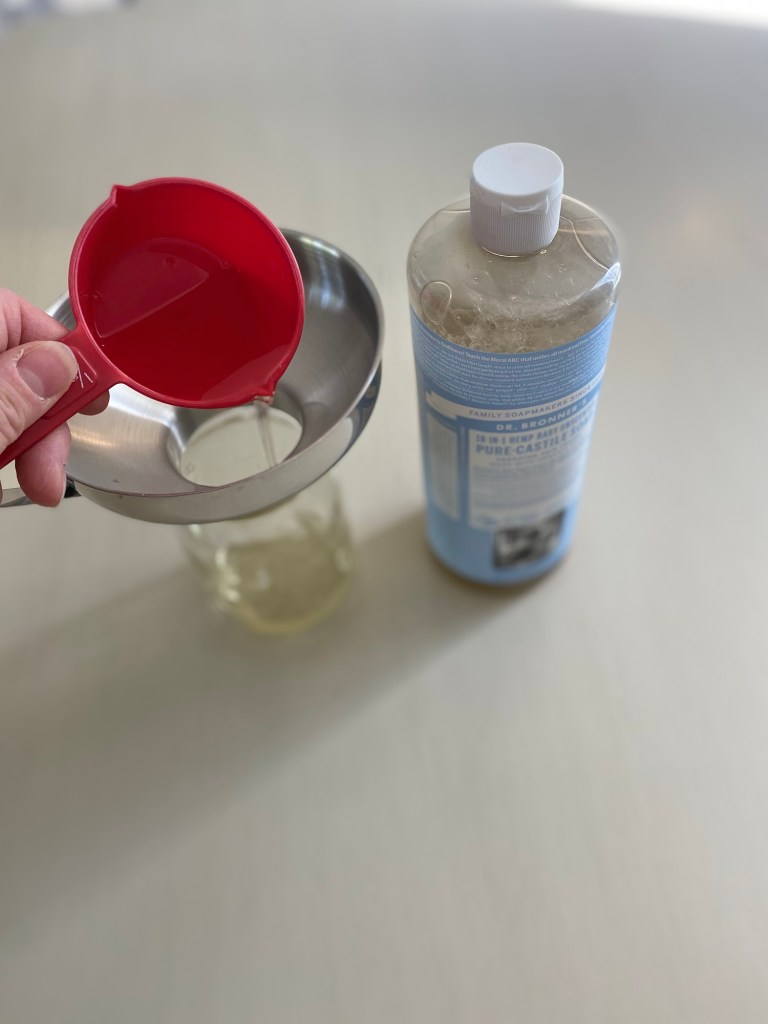
    I have use a few different castile liquid soaps over the years, but this one from Dr. Bronners is my favourite. They come in scented or unscented bottles per your preference.

    Vitamin E Oil Health Benefits:

    I always add a few drops of Vitamin E Oil into whatever skin care products I am making. It is highly beneficial to the skin because of its moisturizing properties, and helps to cure skin problems such as psoriasis, eczema, dryness and itchiness to name just a few!

    It is also a wonderful antioxidant and helps to keep your immune system strong.

    Why are Pure Essential Oils better to use in your home than Artificial Scents?

    Artificial fragrances and perfumes are everywhere: in candles, in air fresheners, hand soaps, body lotions, shampoos & conditioners, and in most commercial based laundry products. This is one reason why it is so important to check labels and list of ingredients!

    Synthetic scents are usually petroleum based and these chemicals have very serious effects on the human body. Some common chemicals used include benzophenone and styrene (carcinogenic) and phthalates (endocrine disruptors). You can read more about this HERE.

    I suppose that makes sense why there are so many allergies and asthmatic reactions to strong scents!

    Commonly used Essential Oils for Hand Soaps and their Medicinal Uses: (I’ve also added a few that primarily aid skin conditions)

    • Lavender: Lowers stress, anxiety, and headaches. Improves sleep quality, relaxes muscles, lowers pain. Also used to treat head lice and stimulate hair growth.
    • Peppermint: A great resource for opening up the sinuses and relieving headaches.
    • Sandalwood: Calming and a relaxing scent.
    • Lemon: A bright and refreshing scent that helps to even out the skin tone.
    • Eucalyptus: An antiseptic, anti-fungal, anti-viral, and anti-bacterial essential oil. Fights infection and promotes healing.
    • Rosehip: Primarily used for treating eczema, acne and rashes. It has linoleic acid in it which shrinks pimples and reduces inflammation.
    • Sweet Orange Oil: An anti-bacterial, anti-inflammatory, aides in digestion, but most known to act as a mood enhancer and relaxant.
    • Geranium: Used to treat depression, balance hormones, improve circulation, and sleep aid to name a few.
    • Carrot Seed Oil: An antioxidant, anti-fungal and anti-bacterial. Primarily used to treat skin infections and inflammations.
    • Jasmine: Used to treat depression and anxiety, aides in balancing hormones and improving energy and sleep.
    • Grapefruit: Treats acne and other skin infections. Mood enhancer and may also help with weight loss.

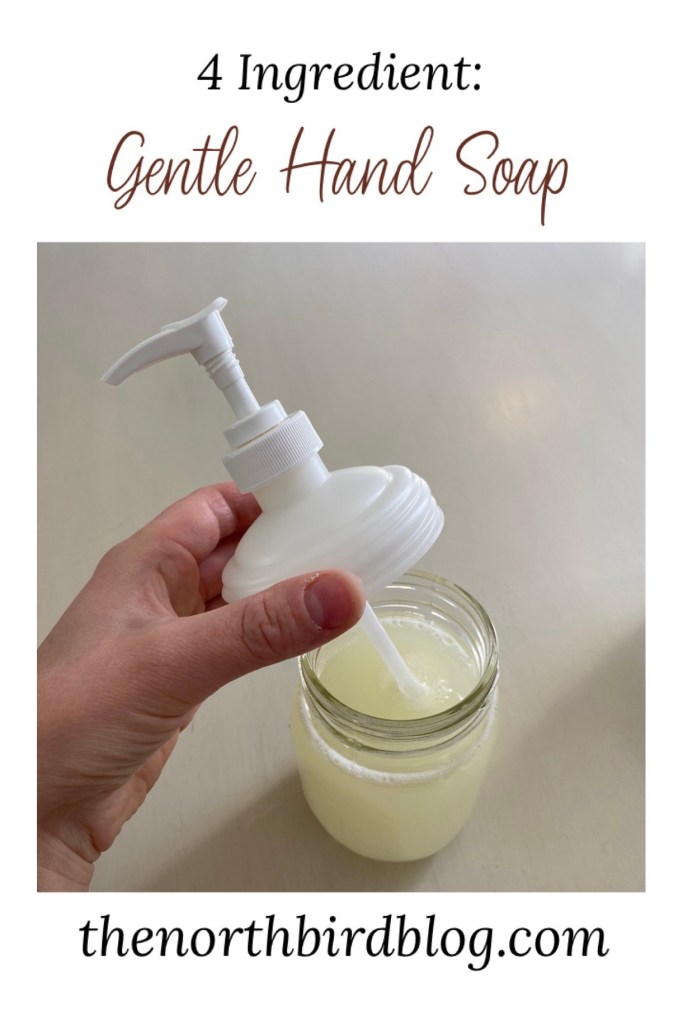
    Here is a short visual of how to make your own hand soap using the ingredients listed below.

    ♫ Music by Mark Mothersbaugh

    How to Make Homemade Hand Soap

    Supplies Needed:

    Ingredients:

    Directions:

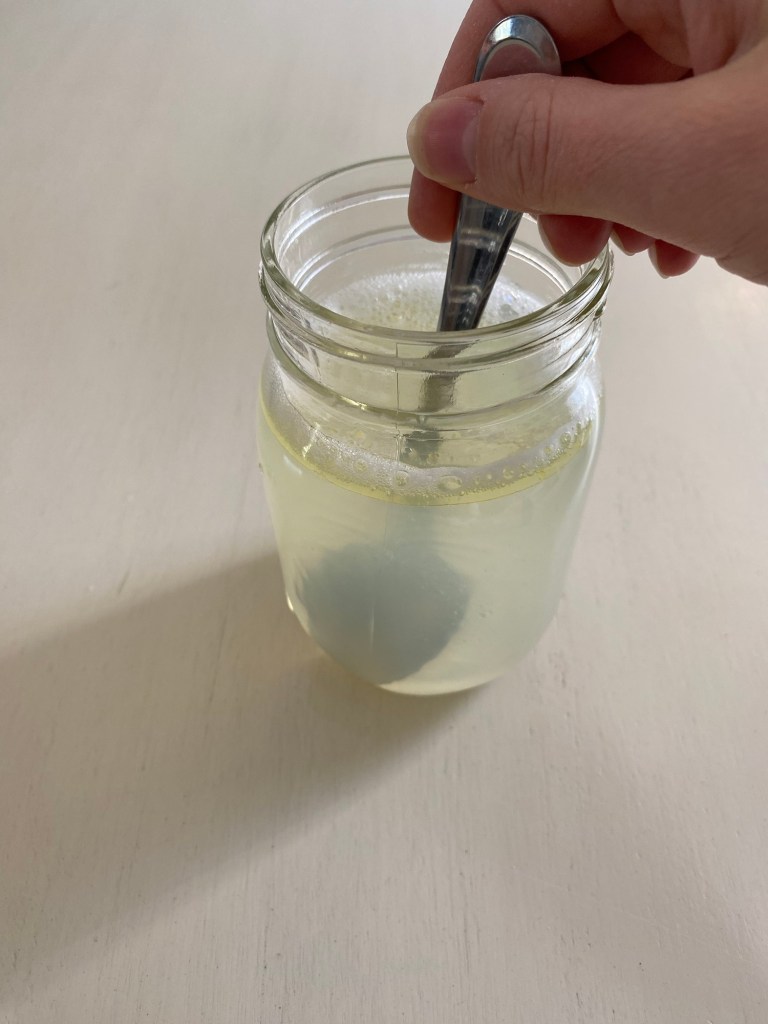
    1. Mix Castile soap, water and vitamin e oil together in glass jar.
    2. Add favourite essential oil(s) until scent is as desired.
    3. Mix together well.
    4. Secure lid and prime pump. Enjoy!

    Additional Notes:

    • If the vitamin e oil separates to the top after a few hours, this is normal. Just give it a shake and continue use.

    More Ideas for Natural Living:

    Hi, I’m Jessie!

    I’m a Wife and Homeschooling Mom living in a remote town in Northern Ontario, Canada. I love making wholesome meals for my family from scratch, homeschooling our girls and learning more about natural living.

    Read more about my story HERE.

    Subscribe to Northbird’s email list to get weekly posts on: tasty recipes, activity ideas for kids, natural living tips, and some genuine mom thoughts and encouragement!

    Check out on the Natural Living Page:

    Nature’s Medicine

    An on-going picture collection of various herbs, vegetables, fruits, oils, etc and highlighting some of the amazing health benefits that they have to offer us!

    DIY Natural Hand Soap Recipe for Healthy Skin

    • Servings: 1 x 500ml Jar
    • Difficulty: Easy
    • Print

    Gentle on skin, and made from natural ingredients, this homemade hand soap is one of my favourite household recipes!


    By Jessica Burman © 2025 The Northbird Blog. http://www.thenorthbirdblog.com


    Supplies Needed:

  • Mason glass jar, 500ml (pint)
  • Pump lid fitting mason glass jar
  • Measuring cups and teaspoon
  • Jar funnel -I love this one!
  • Stirring spoon

  • Ingredients

  • 1 1/2 cups Water
  • 1/2 cup Liquid Castile Soap
  • 1 teaspoon Vitamin E Oil
  • 10-15 drops Pure Essential Oil (optional, see suggestions above!)

  • Directions:

    1. Mix Castile soap, water and vitamin e oil together in glass jar.
    2. Add favourite essential oil(s) until scent is as desired.
    3. Mix together well.
    4. Secure lid and prime pump. Enjoy!

    Return to Top

    DIY Eco-Friendly Christmas Ornament from Toilet Paper Rolls

    Find Northbird on social media:

    This post contains affiliate links. As an Amazon associate, I earn from qualifying purchases. This means that I make a small commission at no extra cost to you. You can read my full disclosure HERE.

    Jump to Printable Directions

    Jump to Video

    Return to “Homeschooling Activities & Resources”

    Return to “Christmas Activities and Crafts”

    Our little town recently had a very festive gathering in the town square to come together, decorate and light up a large Christmas tree in the middle of the square. It was super chilly and snowy out, but great fun to be there with our friends, enjoying some freshly popped corn, hear the local school choir do some carolling, and bring our homemade ornaments for the tree.

    One criteria on the event poster was that the ornaments be eco-friendly. My oldest and I had some fun thinking of ideas and discussing what “eco-friendly” meant, as we have made many ornaments over the years but I don’t think any of them were recycled or ok for the environment!

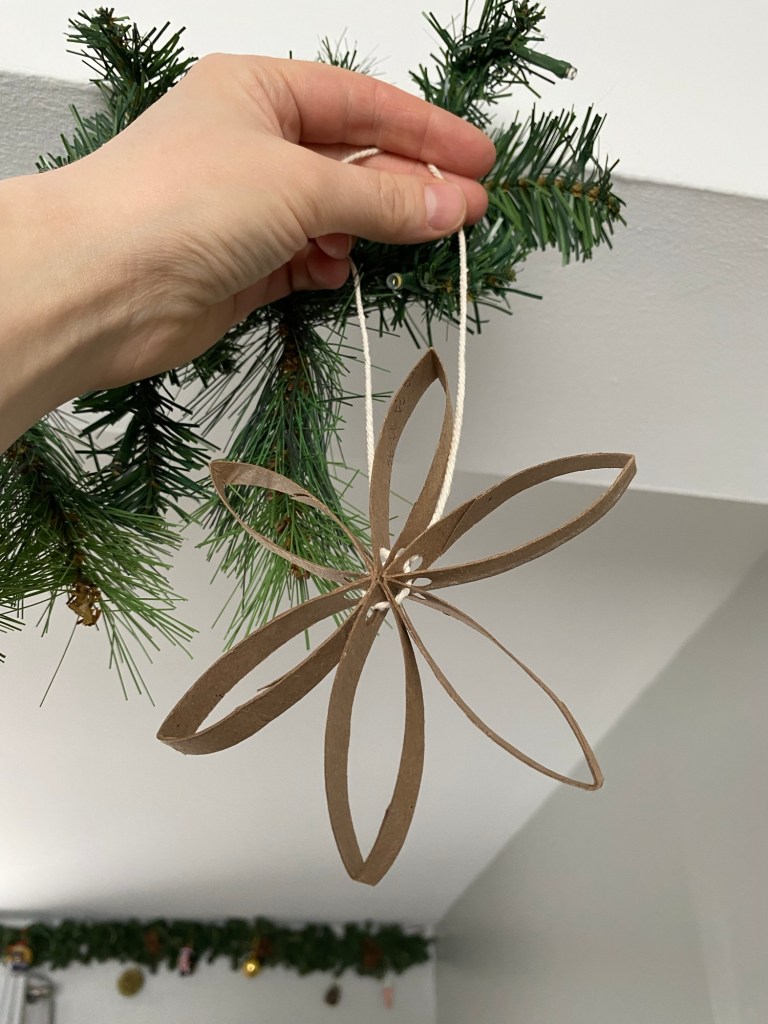
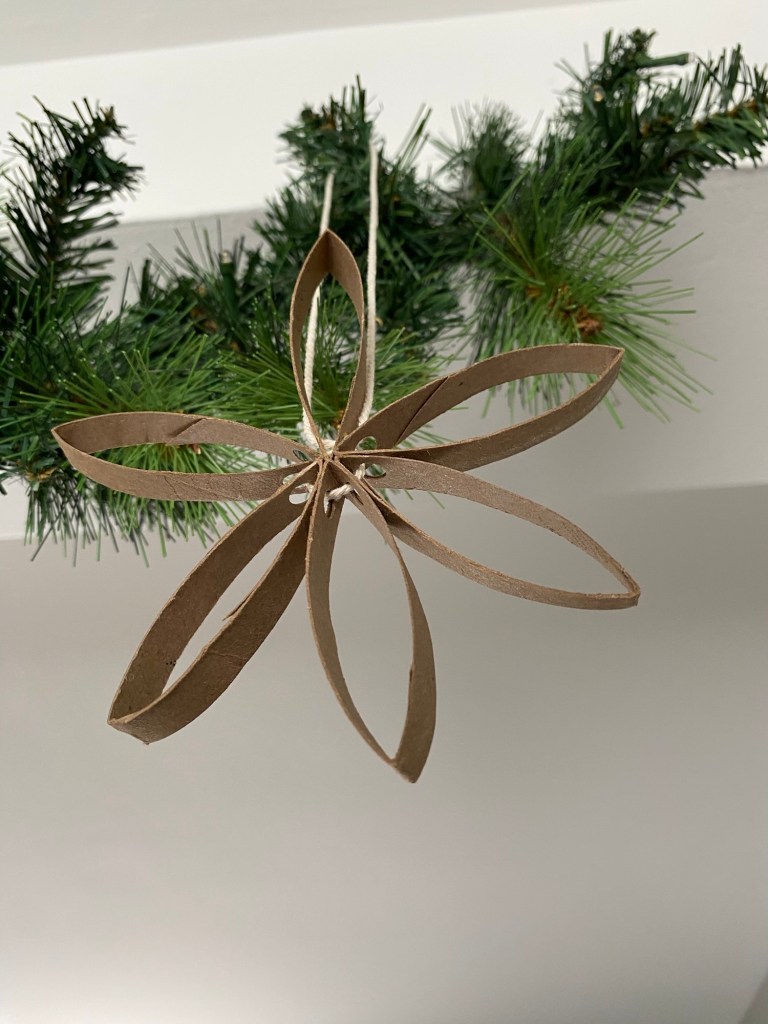
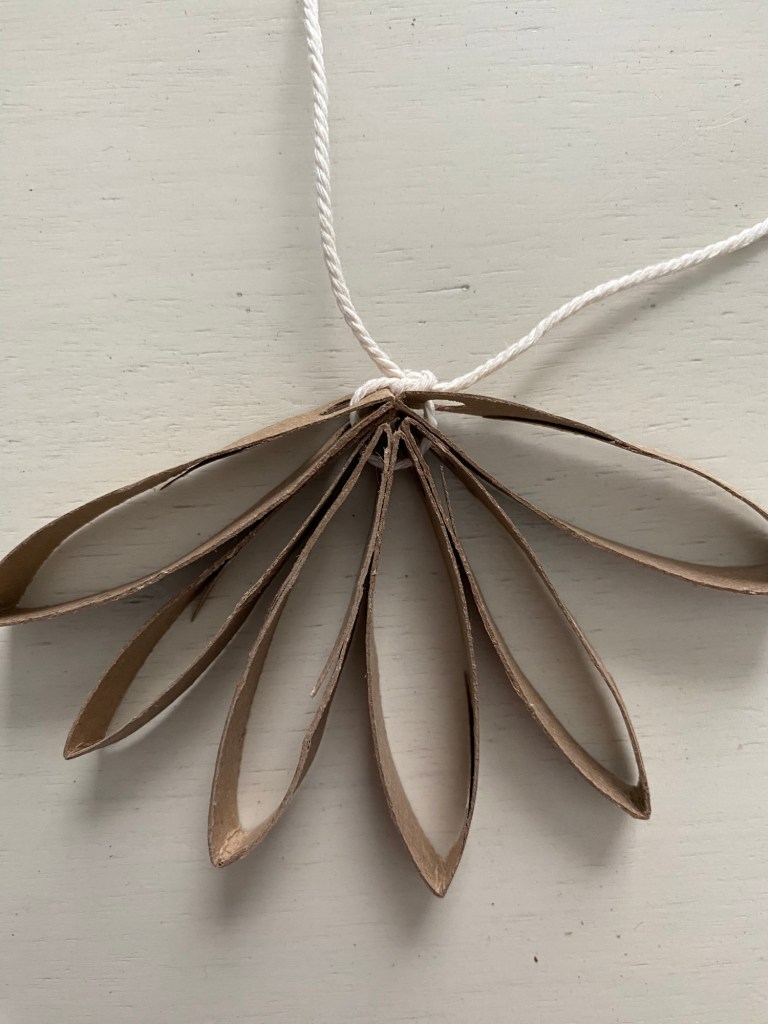
    This easy and simple craft is what we came up with. All you need is string and toilet paper rolls. Everyone has these!

    I like that it can be either completed and hung “as is”, or if desired, adding further embellishments or painting it! There are so many possibilities to have fun with this simple craft.

    I hope you enjoy making this easy ornament for your Christmas tree or holiday garland!

    For those who need a visual aid in making the Paper Roll Star, you might find this short video helpful!

    How to Make A Paper Roll Christmas Ornament:

    Supplies Needed:

    Directions:

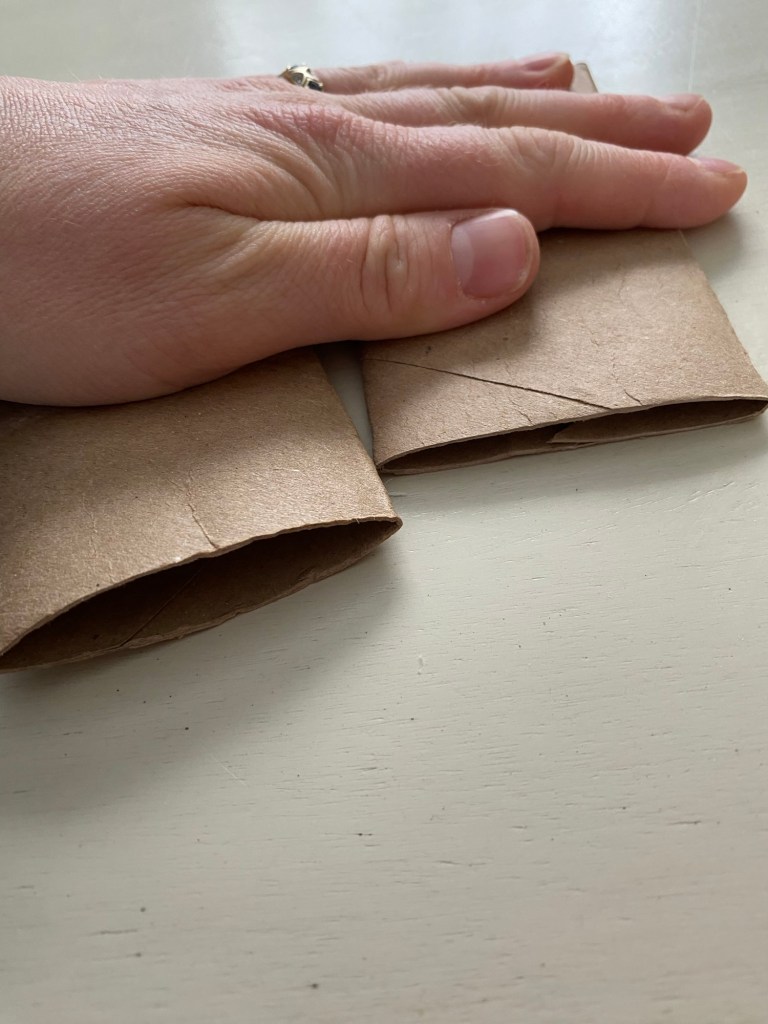
    1. Take a leftover toilet paper inner roll and make sure there is not any remains of white paper left on them. Then flatten firmly.

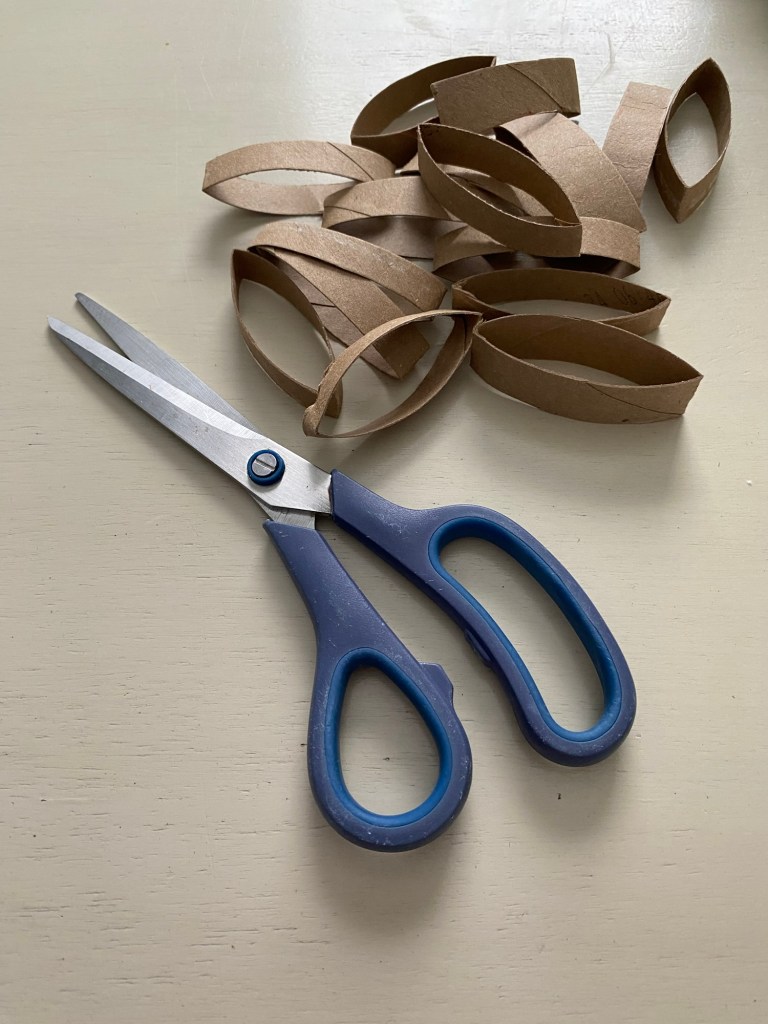
    2. Cut with scissors into 1/2 inch strips across roll.

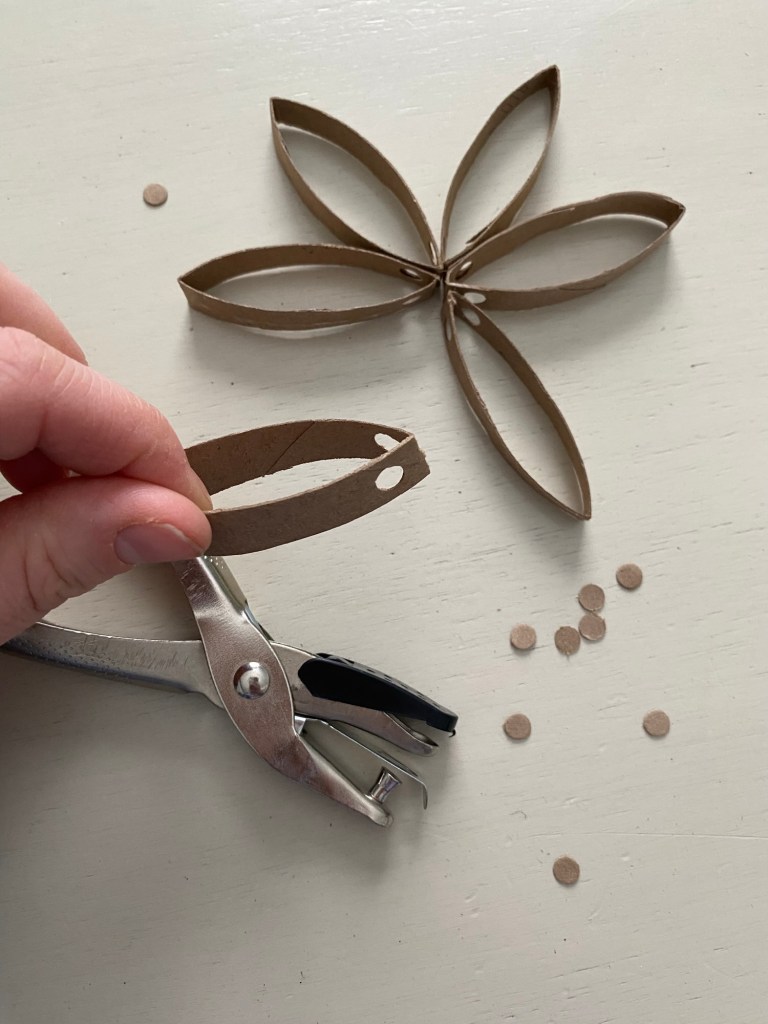
    3. Using a hole punch, make a hole at the end, leaving about a 1/4 inch from the end.

    4. Arrange Star with the amount of pieces you would like to use, with the hole punched ends in the middle.

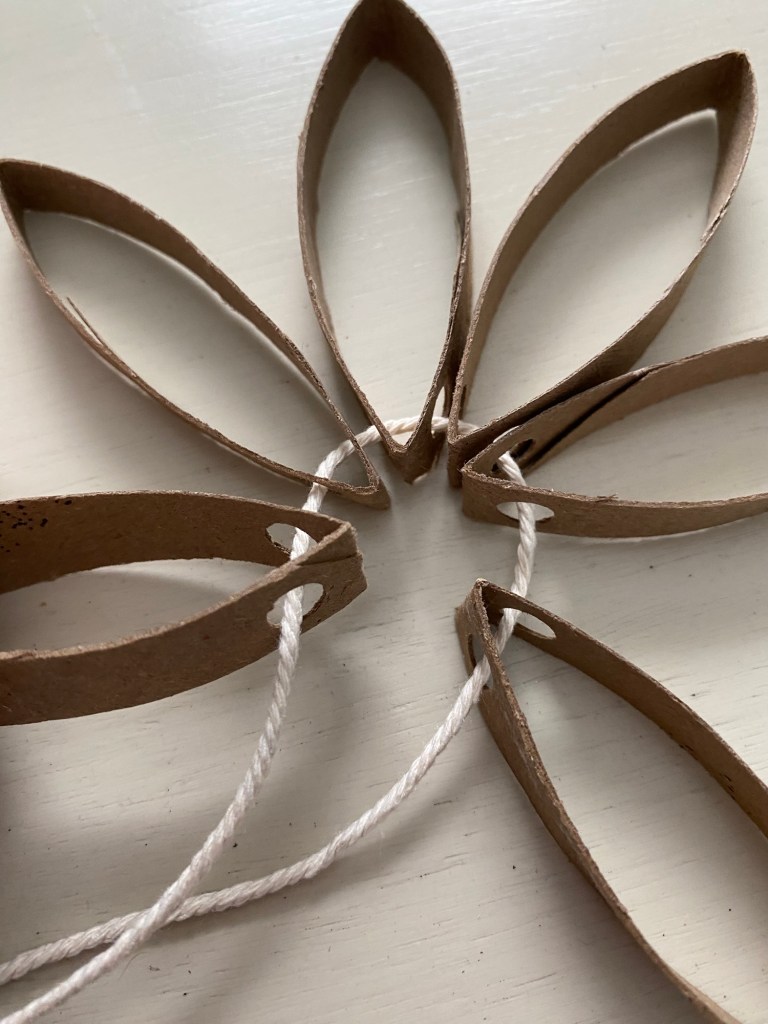
    5. Cut string about 10 inches in length, and thread through the middle holes, leaving equal lengths of string on either side.

    6. Gather the pieces down and tie a double knot firmly.

    7. Fan it back up and re-thread one of the strings back through only one of the cardboard pieces (2 holes).

    8. Tie a double knot at the end and it’s ready to hang!

    Made This Activity?

    I’d LOVE to see your results!! Feel free to post to your social media account and tag Northbird using one of the links below or post in the comments!

    Hi, I’m Jessie!

    I’m a Wife and Homeschooling Mom living in a remote town in Northern Ontario, Canada. I love making wholesome meals for my family from scratch, homeschooling our girls and learning more about natural living.

    Read more about my story HERE.

    Subscribe to Northbird’s email list to get weekly posts on: tasty recipes, activity ideas for kids, natural living tips, and some genuine mom thoughts and encouragement!

    Eco Friendly Christmas Ornament: Paper Roll Star

    • Servings: 1 Christmas Ornament
    • Difficulty: Easy
    • Print

    Looking for an easy Christmas ornament craft to do this holiday season? Are you interested in it being Eco-Friendly and made from recycled materials? Check out this easy craft to decorate your home with!


    The Northbird Blog, 2024 http://www.thenorthbirdblog.com

    Supplies Needed

  • String or twine
  • Toilet paper inner roll or paper towel inner roll
  • Scissors
  • Single hole punch

  • Directions

    1. Take a leftover toilet paper inner roll and make sure there is not any remains of white paper left on them. Then flatten firmly.
    2. Cut with scissors into 1/2 inch strips across roll.
    3. Using a hole punch, make a hole at the end, leaving about a 1/4 inch from the end. (see picture)
    4. Arrange Star with the amount of pieces you would like to use, with the hole punched ends in the middle.
    5. Cut string about 10 inches in length, and thread through the middle holes, leaving equal lengths of string on either side.
    6. Gather the pieces down and tie a double knot firmly.
    7. Fan it back up and re-thread one of the strings back through only one of the cardboard pieces (2 holes).
    8. Tie a double knot at the end and it’s ready to hang!

    Return to Top

    Coconut Vanilla Sugar Scrub

    Find Northbird on social media:

    This post contains affiliate links. As an Amazon associate, I earn from qualifying purchases. This means that I make a small commission at no extra cost to you. You can read my full disclosure HERE.

    Jump to Recipe Card

    Return to Natural Living

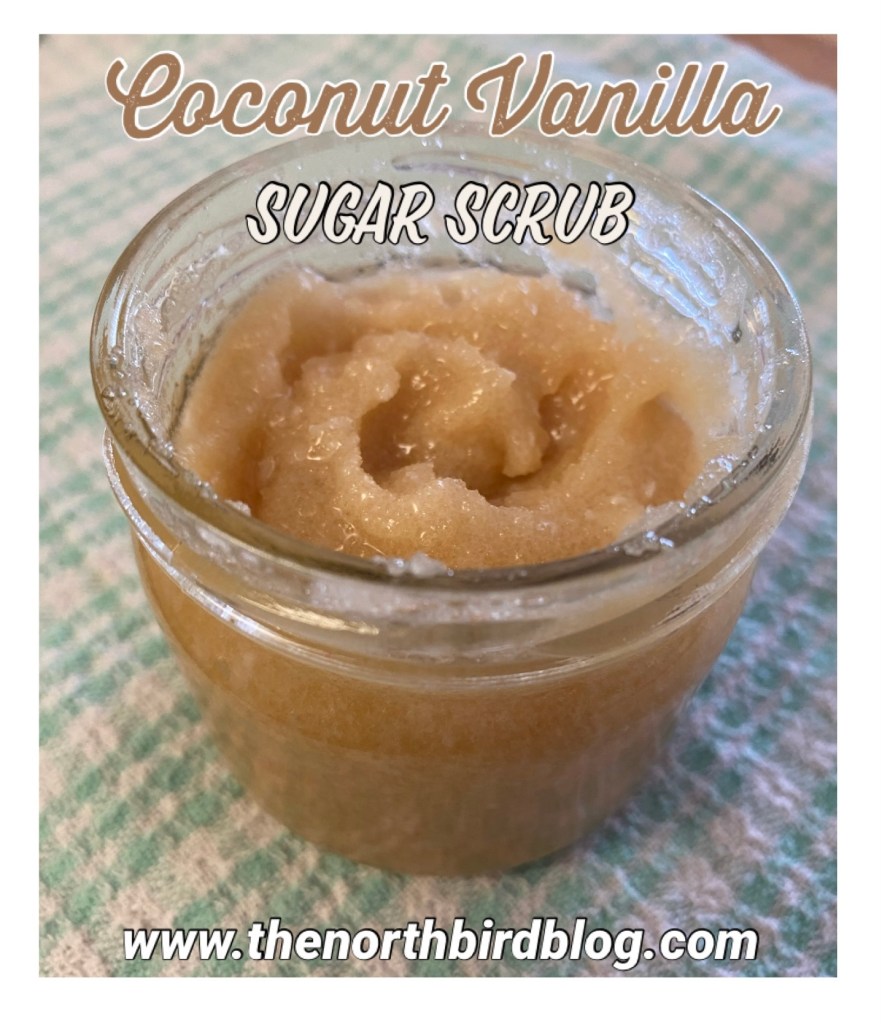
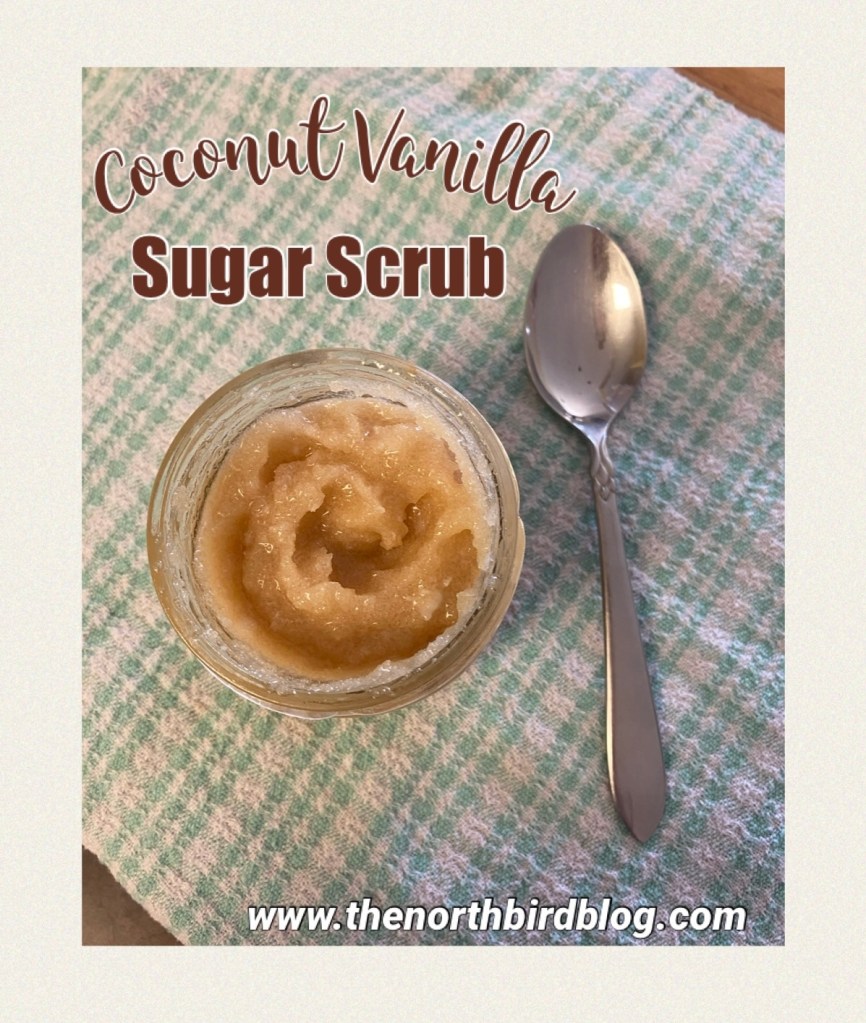
    This Coconut Vanilla Sugar Scrub has a homey, comforting vanilla scent and has been one of my favourite blends made so far.

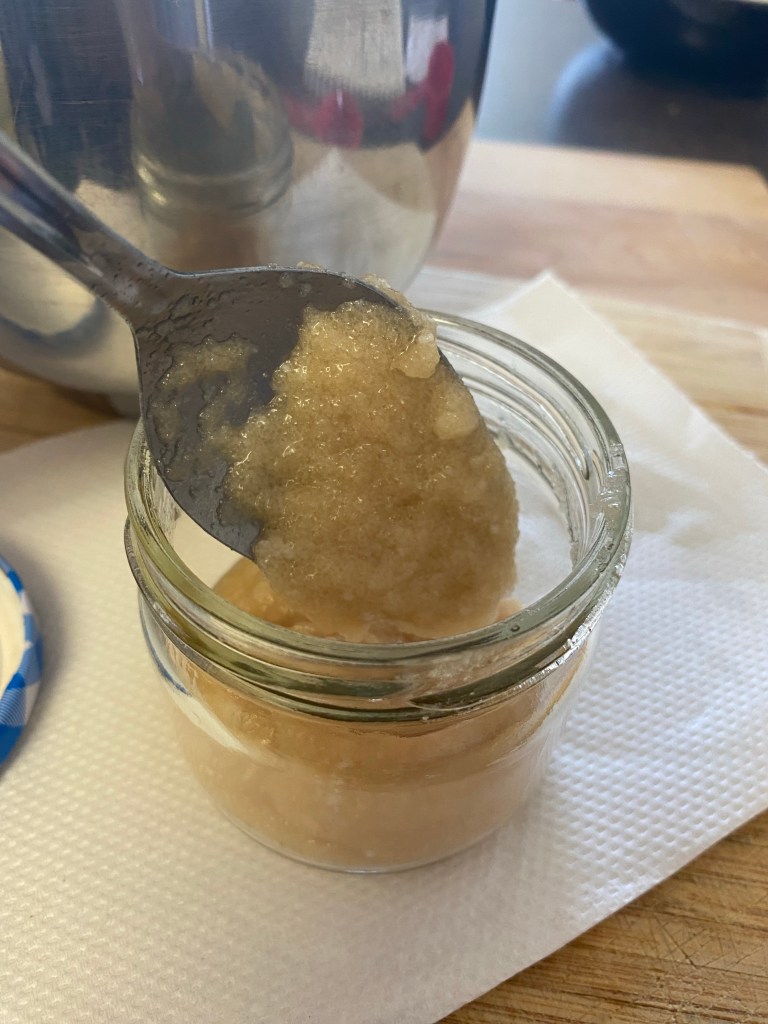
    The first time I made it with my daughter was without adding a topical skin care oil (such as vitamin e oil or jojoba oil), so it was completely safe to lick our fingers while stirring it and spooning it into the jar!

    If you are tempted to taste this particularly delicious sugar scrub, perhaps keep in mind that the skin care oils suggested in the recipe are not safe or intended to be ingested, so please omit them if the vanilla scent is too much to resist.

    Benefits of using a sugar scrub on your skin:

    • Improves circulation
    • Cleanses the skin pores
    • Removes any dead skin
    • Moisturizes the skin
    • Muscle relaxant
    • Helps to remove toxins
    • Smooths the skin

    What are sugar scrubs made of?

    Most scrubs are simply made using products found right in your kitchen! The basis of most scrub recipes consist of: an oil and an exfoliant, with herbs and essential oils used to cleanse and exfoliate the skin, and they do wonders to relax muscles and nerves in the process!

    Base Oil:

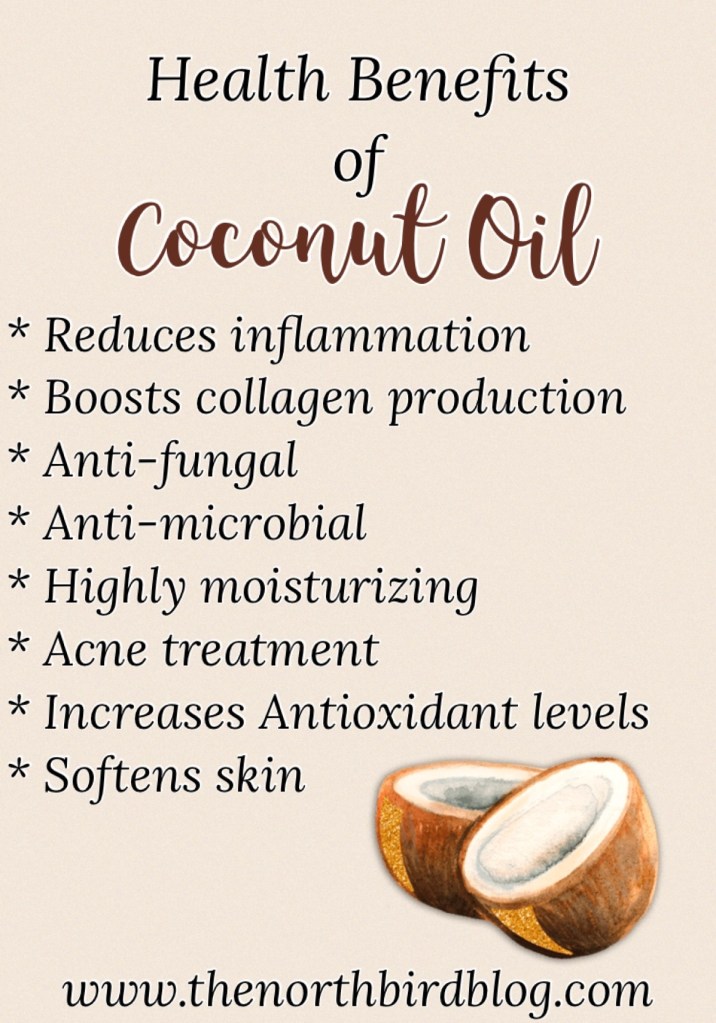
    Coconut oil is the most common oil used, but olive oil, grape seed oil, and sweet almond oil are also used. I love using organic virgin coconut oil, mostly for the amazing health benefits, and the gentle scent.

    Exfoliant:

    Sugar and salt are most commonly used as an exfoliant, and while there are many types of sugars and salts, my opinion is that the bigger the granules are, the better it will rub on your skin. For example, I would recommend a coarsely ground sea salt over an iodized-finely ground table salt.

    However, I have also enjoyed learning of many more creative ingredients that can be used as the rough element in a scrub: oatmeal, coarsely ground coffee beans, rice, some seeds, veggies and fruits. Mud and sand are also great!

    Dried Herbs/Flowers:

    • Lavender -Most health food stores carry this, with comparable prices on Amazon due to their popularity.
    • Rosemary -Check your kitchen spices! Or you can buy at any grocery store.
    • Peppermint -Easy to grow, or you can forage for wild mint! You can also cut open a peppermint tea bag or purchase larger dried pieces at the grocery store or online.
    • Rose Petals -You can pick your own wild roses and dry them or look for them at your local health food store, or buy online.
    • Rosehips -These grow in abundance in the north, so we pick our own wild rosehips and dry them, but you can also purchase them online or check out your local health food store.
    • Calendula -Easy to grow your own! Also available at health food stores or online.
    • Camomile -Look for these growing wild! Just be careful to select flowers that are not near roads or have been sprayed. You can also cut open a Chamomile tea bag, or buy the whole flowers at a health food store or online.

    Other Commonly Used Essential Oils for Body Scrubs and Their Medicinal Uses:

    • Peppermint: A great resource for opening up the sinuses and relieving headaches.
    • Sandalwood: Calming and a relaxing scent.
    • Lemon: A bright and refreshing scent that helps to even out the skin tone.
    • Tea Tree: Aside from being used to treat lice and insect bites, Tea Tree oil is also known as an anti-fungal, and anti-septic and an anti-inflammatory.
    • Eucalyptus: An antiseptic, anti-fungal, anti-viral, and anti-bacterial essential oil. Fights infection and promotes healing.
    • Rosehip: Primarily used for treating eczema, acne and rashes. It has linoleic acid in it which shrinks pimples and reduces inflammation.
    • Sweet Orange Oil: An anti-bacterial, anti-inflammatory, aides in digestion, but most known to act as a mood enhancer and relaxant.
    • Geranium: Used to treat depression, balance hormones, improve circulation, and sleep aid to name a few.
    • Carrot Seed Oil: An antioxidant, anti-fungal and anti-bacterial. Primarily used to treat skin infections and inflammations.
    • Jasmine: Used to treat depression and anxiety, aides in balancing hormones and improving energy and sleep.
    • Grapefruit: Treats acne and other skin infections. Mood enhancer and may also help with weight loss.

    Other Oils:

    • Vitamin E Oil is one that I always add a few drops of into whatever skin care products I am making at the time. It is highly beneficial to the skin because of its moisturizing properties and it is also an antioxidant.
    • Jojoba Oil is another all-around essential skin oil that is a great moisturizer and cleanser. It is also known to help with treating acne, psoriasis and eczema.

    How to Make Coconut Vanilla Sugar Scrub

    Supplies Needed:

    Ingredients:

    Directions:

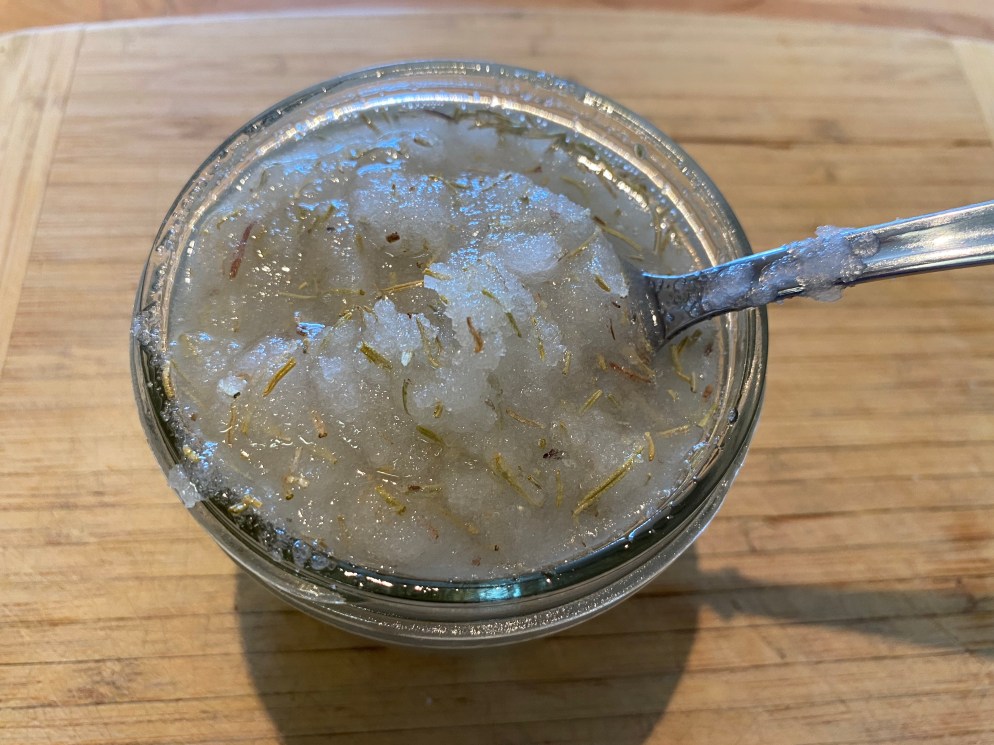
    1. Melt the Coconut oil in microwave or in a small pot on the stove.
    2. Mix in all the other ingredients.
    3. Let cool if the oil is still warm.
    4. Spoon into small glass jar for storage.

    Optional: Label and tie ribbon or twine around it for a cute DIY gift!

    More Ideas for Natural Living:
    Hi, I’m Jessie!

    I’m a Wife and Homeschooling Mom living in a remote town in Northern Ontario, Canada. I love making wholesome meals for my family from scratch, homeschooling our girls and learning more about natural living.

    Read more about my story HERE.

    Subscribe to Northbird’s email list to get weekly posts on: tasty recipes, activity ideas for kids, natural living tips, and some genuine mom thoughts and encouragement!

    • Servings: 1 small jar
    • Difficulty: Easy
    • Print

    A Relaxing Sugar Scrub Made with the Warm Scent of Vanilla


    Amount for 1x125ml glass jar


    Ingredients

  • 1/2 cup Organic Cane Sugar
  • 1/4 cup Organic Virgin Coconut Oil
  • 2 teaspoons Pure Vanilla Extract
  • 1/4 teaspoon Vitamin E Oil or Jojoba Oil

  • Directions

    1. Melt the Coconut oil in microwave or in a small pot on the stove.
    2. Mix in all the other ingredients.
    3. Let cool if the oil is still warm.
    4. Spoon into jar for storage.
    5. Optional: Label and tie ribbon or twine around it for a cute DIY gift!

    Return to Top

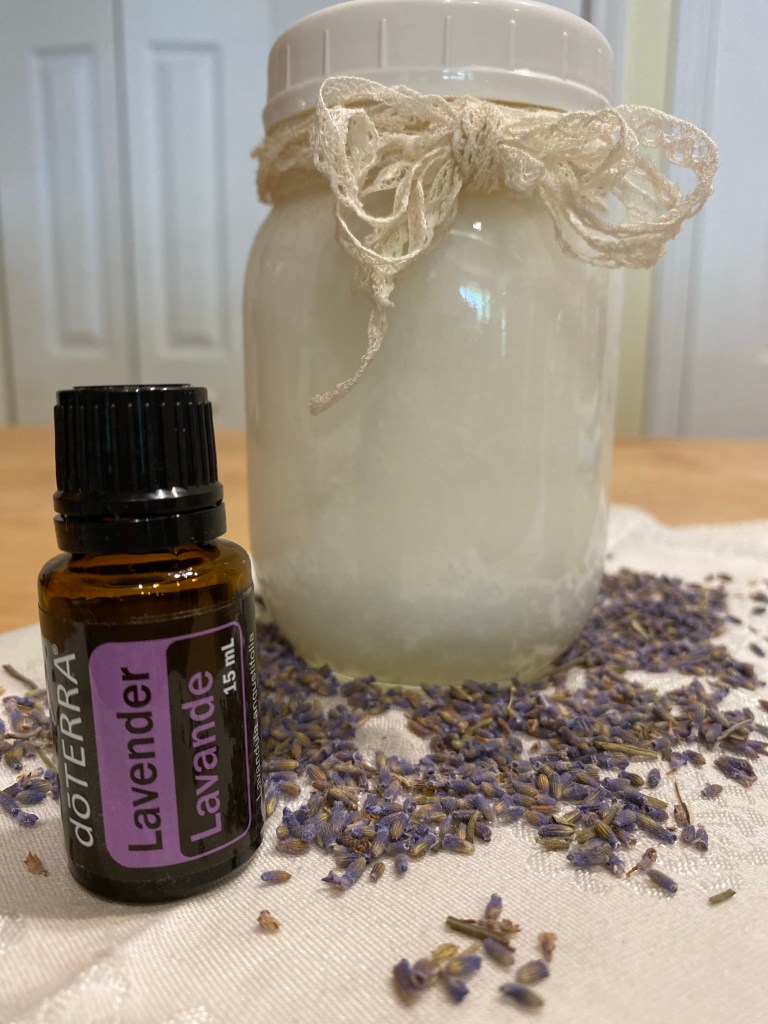
    Easy Recipe for Homemade Laundry Soap

    Find Northbird on social media:

    This post contains affiliate links. As an Amazon associate, I earn from qualifying purchases. This means that I make a small commission at no extra cost to you. You can read my full disclosure HERE.

    Jump to Recipe Card

    Does Homemade Laundry Soap Actually Work?

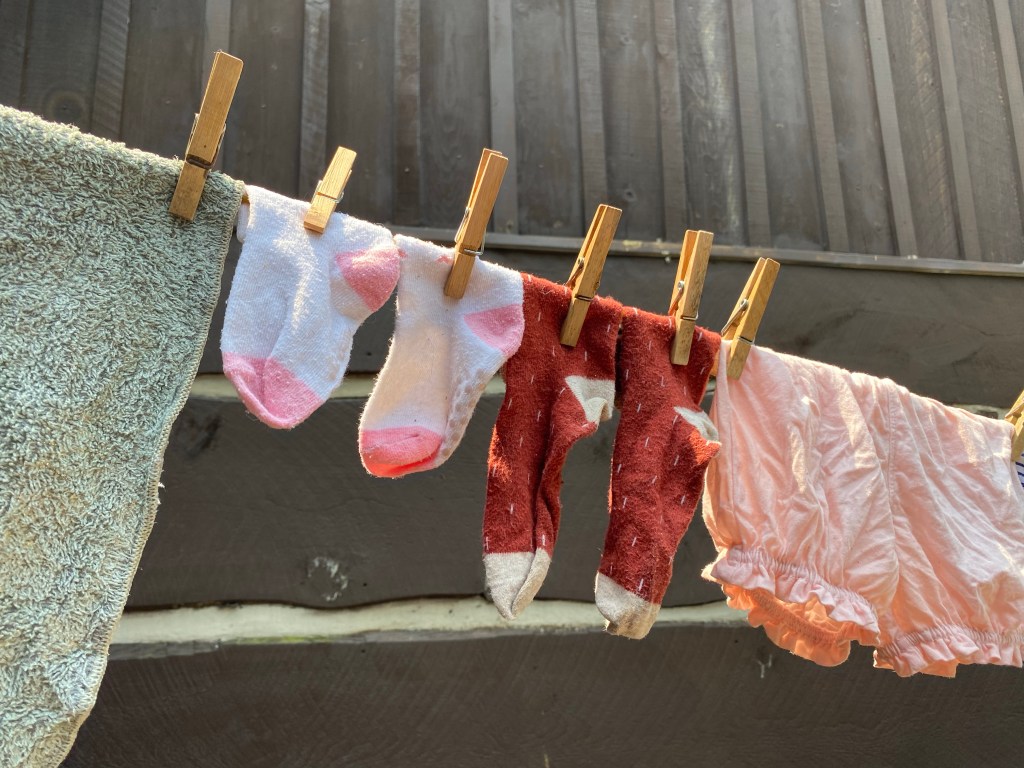
    Yes! It not only cleans our laundry extremely well, but also has a bright & fresh scent from any essential oils that are added.

    There are a lot of homemade laundry soap recipes that I’ve seen, and I’ve tried a few different ones but this is the one I keep coming back to. Credits to my-sister-in law K, for first sharing a laundry bar recipe with me several years ago!

    Is Homemade Laundry Soap Less Expensive?

    This is one of the biggest money savers I have used over the past five years of living in remote communities. I honestly don’t remember how much it cost for a small jug of laundry detergent at the first fly-in community we lived in, but I remember being completely shocked at the price. That year I was ever so thankful to already know about a few household budget-savers!

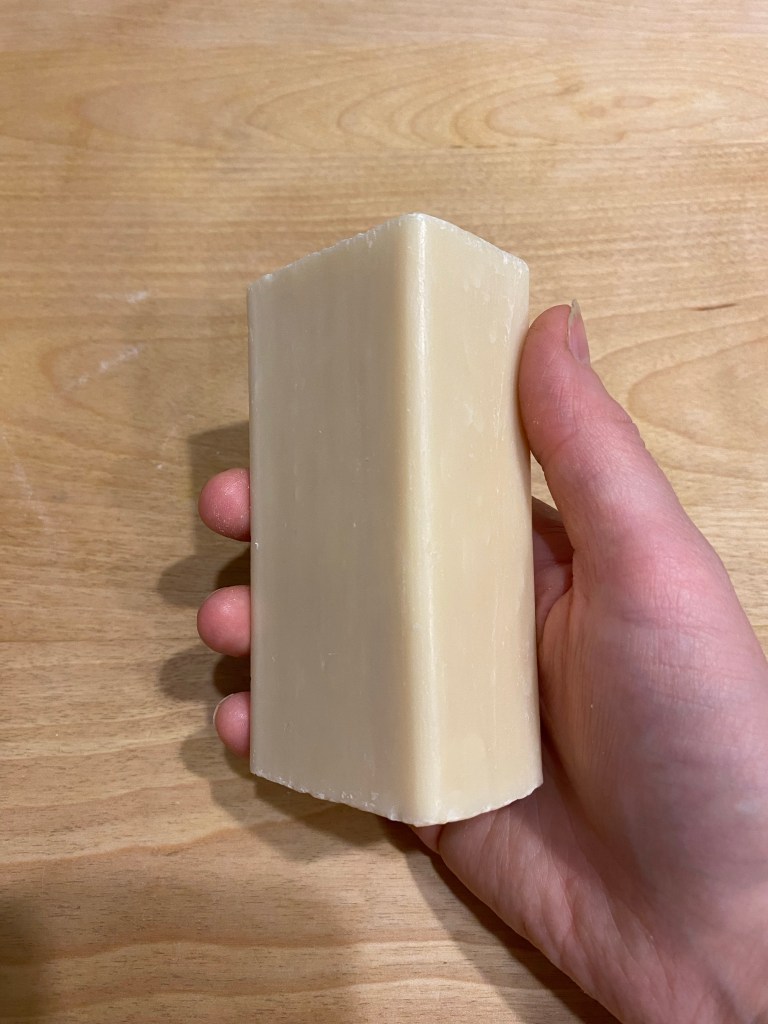
    I stock up on “The Soap Works” laundry stain remover bars purchased from the Bulk Barn whenever I am in the south, and with some cartons of baking soda I am all set for a few years!

    You can also purchase them directly from The Soap Works website HERE. I have found that 2 of these laundry soap bars and 3-4 small cartons of baking soda are all we need for a year’s supply of laundry soap, for 4 people (Approximately 3 loads a week). When you compare that to buying liquid laundry detergent or pods for a year, the price difference is pretty clear.

    Are Commercial Laundry Detergents Bad for the Environment?

    Making your own laundry detergent is not only better for your bank account, but also for the environment. Commercial detergents use harsh chemicals that can have harmful effects on the environment.

    Phosphates are found in most laundry detergents and cause algal blooms in waterways, lakes and streams which block sunlight from reaching lower aquatic plants, eventually depleting oxygen from the water. This is one example of how chemicals from littered garbage can make changes to the ecosystem. You can read more HERE about this.

    Why is Homemade Laundry Soap Better for Your Health?

    Natural, homemade laundry soap is not only non-toxic, chemical-free and artificial fragrance-free, but also way more gentle on your skin. You are using safe and natural ingredients, some of which you may already have in your pantry!

    When combined with pure essential oils, Homemade Laundry Soap is much more beneficial to your health and wellness than using commercial detergents.

    Why are Pure Essential Oils Better to Use than Artificial Scents?

    Artificial fragrances and perfumes are everywhere: in candles, in air fresheners, hand soaps, body lotions, shampoos & conditioners, and very heavily in most commercial based laundry products. (One reason why it is so important to check labels!)

    Synthetic scents are usually petroleum based and these chemicals have very serious effects on the human body. Some common chemicals used include benzophenone and styrene (carcinogenic) and phthalates (endocrine disruptors). You can read more about this HERE.

    I suppose that makes sense why there are so many allergies and asthmatic reactions to strong scents!

    What Essential Oils are Commonly Used for Laundry Soap?

    My personal favourites that I alternate for adding to the laundry soap recipe are lavender and lemon. I have also included a few other scents that people enjoy using for homemade laundry soap, and the medicinal and natural properties that these oils have for use in laundry soap.

    • Lavender: Relaxing and calming, this is great to use for washing bedding.
    • Citrus Oils (Lemon, Grapefruit, & Orange): A bright, fresh and deodorizing scent. This is my favourite for washing clothing in.
    • Tea Tree: Anti-fungal and anti-viral, this is good for washing clothing and bedding after someone has been sick.
    • Peppermint: Fresh and bright scent, this is also anti-bacterial, anti-microbial and anti-viral.
    • Eucalyptus: Refreshing and clean scent. I like to use this for towels.
    • Rosemary: A fresh and woodsy scent, it is also anti-bacterial, anti-microbial and anti-viral.

    You can also opt out of adding any essential oils for an unscented batch of homemade laundry soap!

    How to Make Homemade Laundry Soap

    Supplies Needed:

    Ingredients:

    • 3 Litres of water
    • 3 + 1/2 Tablespoons of shaved stain remover laundry bar, The Soap Works (1/8 bar, or 25-30g)
    • 1/4 cup of baking soda
    • 10 Drops of pure essential oil (See ideas above)
    • 1/4 Cup white vinegar (add separately to wash load)

    Directions:

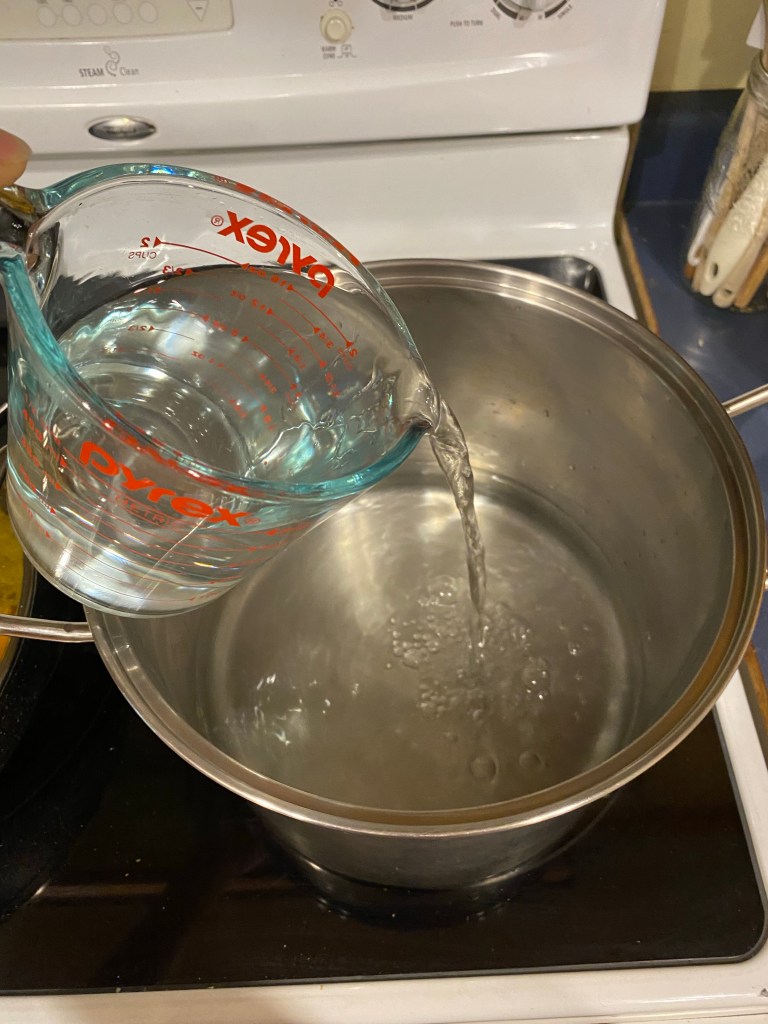
    1. Boil 2 litres of water in a large stock pot, and turn burner off when it hits a rolling boil.

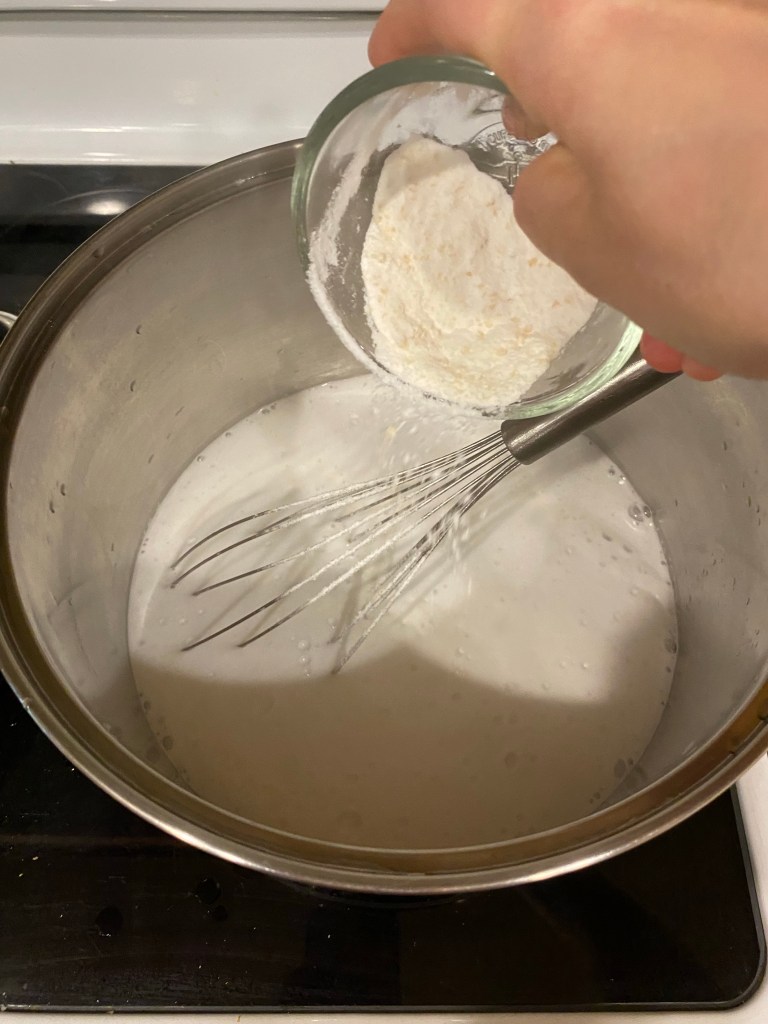
    2. Mix laundry bar shavings with baking soda in small bowl. Add slowly to boiled water in small amounts, whisking in constantly. (*The first time I made this I just dumped it all in and then had to deal with all the soap bubbles spilling all over the stove, into the stove, onto the floor…it was everywhere! But I had a very clean stove after that.)

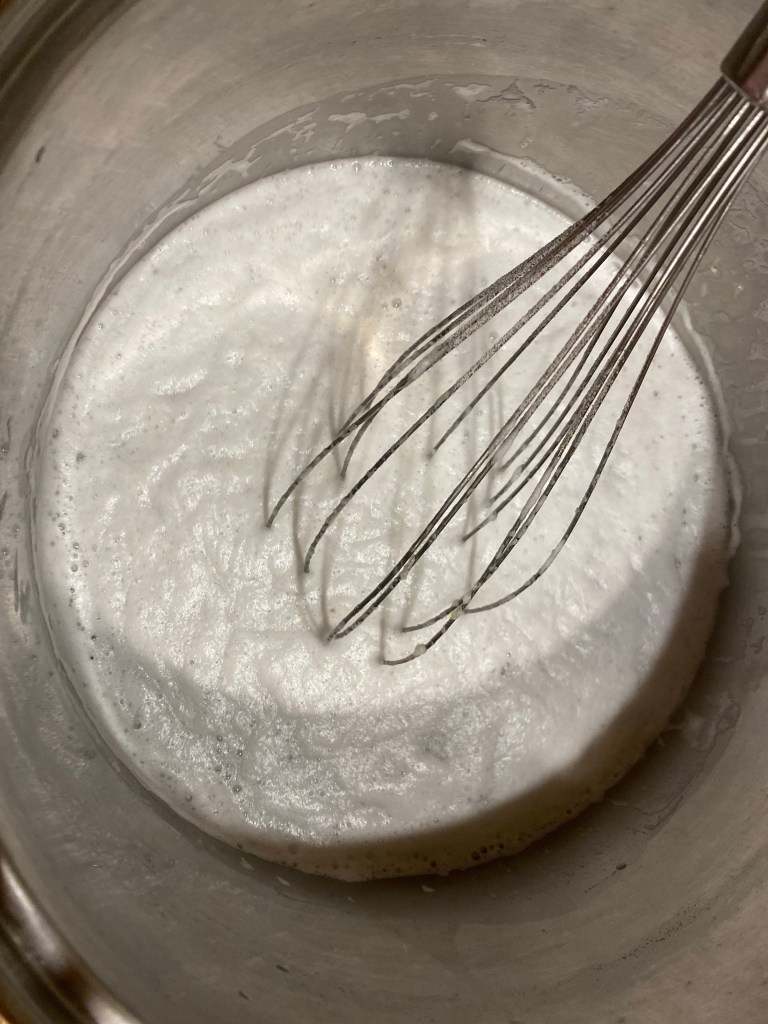
    3. After dry mix has dissolved in the water, let cool completely for several hours, whisking occasionally. It may clump up into jelly-like consistency as it cools, just whisk it out.

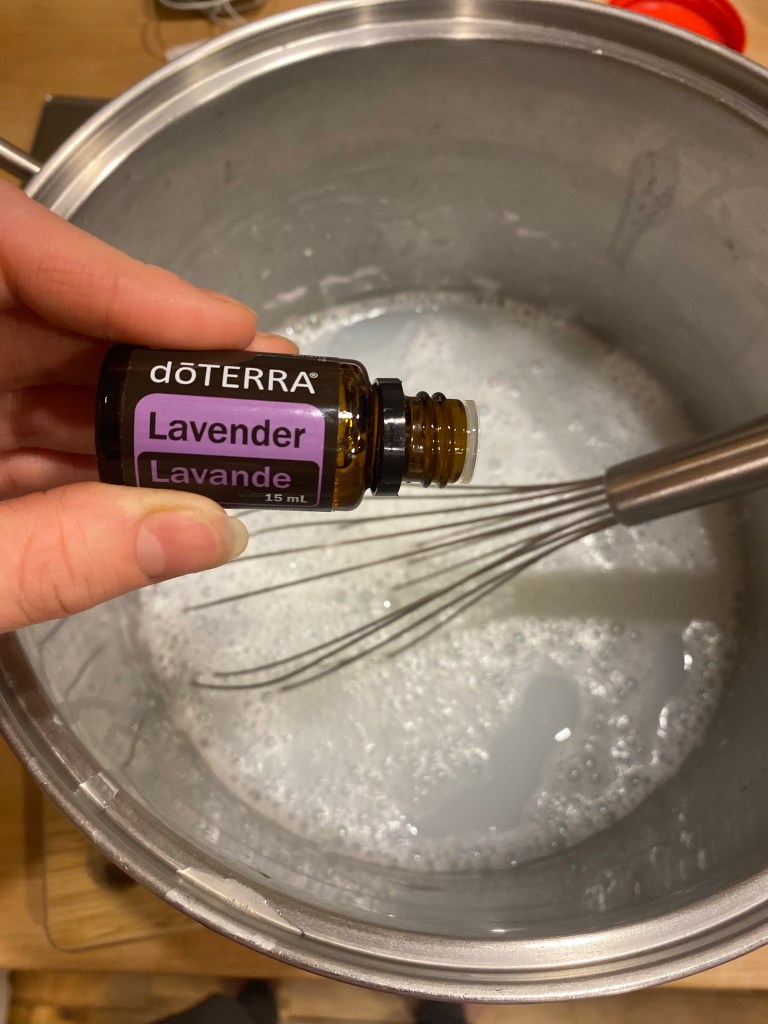
    4. When completely cool, whisk in approximately 10 drops of pure essential oil. This amount can be more or less, depending on your oil selected, and how strong of a scent you like your clean laundry to have. You can see some suggestions above of what oils are nice to use in laundry detergent.

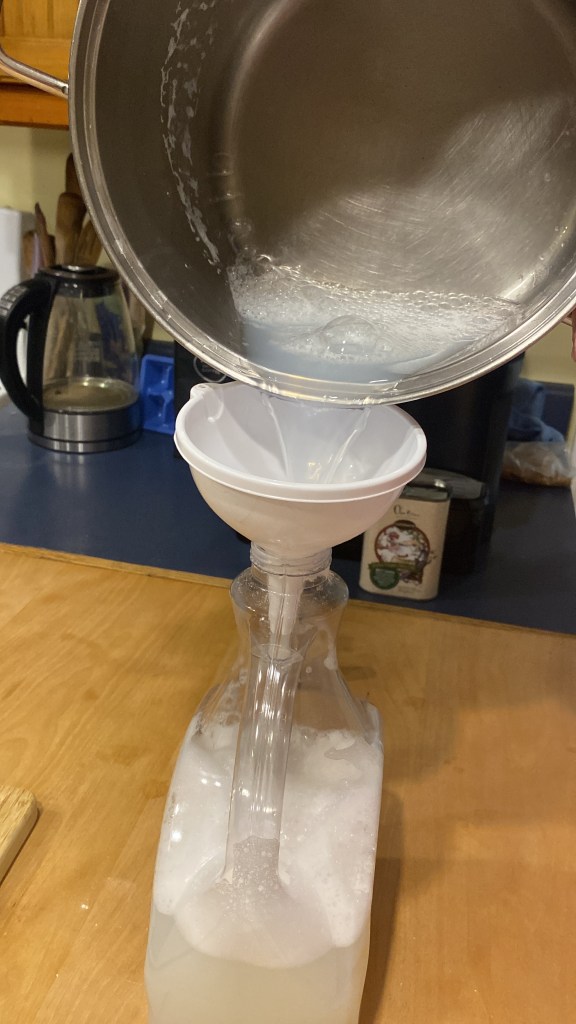
    5. Pour with funnel into your choice of storage container for liquid laundry soap. In the past, I have used glass jars and recycled pourable juice containers. But a lot of people also use refillable glass jug dispensers (see “Shop This Post” for ideas).

    6. When you are ready to do a load of laundry, you can use 1/3 cup of homemade laundry soap for a medium sized load (1/2 cup if laundry is really soiled!), and add 1/4 cup of white vinegar directly to the clothes. If the laundry liquid has become jelly-like, just give the jug or jar a little shake. It will still work well if it comes out clumpy.

    Optional: Funnel into a glass jar, label and tie ribbon or twine around it for a cute homemade housewarming gift!

    More Ideas for Natural Living:

    Hi, I’m Jessie!

    I’m a Wife and Homeschooling Mom living in a remote town in Northern Ontario, Canada. I love making wholesome meals for my family from scratch, homeschooling our girls and learning more about natural living.

    Read more about my story HERE.

    Subscribe to Northbird’s email list to get weekly posts on: tasty recipes, activity ideas for kids, natural living tips, and some genuine mom thoughts and encouragement!

    Check out on the Natural Living Page:

    Nature’s Medicine

    An on-going picture collection of various herbs, vegetables, fruits, oils, etc and highlighting some of the amazing health benefits that they have to offer us!

    Homemade Laundry Soap

    • Servings: 1 jug
    • Difficulty: Easy
    • Print

    An Easy and Inexpensive Way to Have Clean Clothes


    Supplies Needed

  • Measuring cups
  • Tablespoon
  • Large stock pot (8 quart works great)
  • Whisk
  • Small bowl & spoon
  • Funnel
  • Storage container for liquid laundry soap

  • Ingredients

  • 3 Litres of water
  • 3 + 1/2 Tablespoons of shaved stain remover laundry bar, The Soap Works (1/8 bar, or 25-30g)
  • 1/4 cup of baking soda
  • 10 Drops of pure essential oil (See ideas above)
  • 1/4 Cup white vinegar (add separately to wash load)

  • Directions

    1. Boil 2 litres of water in a large stock pot, and turn burner off when it hits a rolling boil.
    2. Mix laundry bar shavings with baking soda in small bowl. Add slowly to boiled water in small amounts, whisking in constantly.
    3. After dry mix has dissolved in the water, let cool completely for several hours, whisking occasionally. It may clump up into jelly-like consistency as it cools, just whisk it out.
    4. When completely cool, whisk in approximately 10 drops of pure essential oil. This amount can be more or less, depending on your oil selected, and how strong of a scent you like your clean laundry to have. You can see some suggestions above of what oils are nice to use in laundry detergent.
    5. Pour with funnel into your choice of storage container for liquid laundry soap. In the past, I have used glass jars and recycled pourable juice containers. But a lot of people also use refillable glass jug dispensers (see “Shop This Post” for ideas)
    6. When you are ready to do a load of laundry, you can use 1/3 cup of homemade laundry soap for a medium sized load (1/2 cup if laundry is really soiled!), and add 1/4 cup of white vinegar directly to the clothes. If the laundry liquid has become jelly-like, just give the jug or jar a little shake. It will still work well if it comes out clumpy.
    7. Optional: Funnel into a glass jar, label and tie ribbon or twine around it for a cute homemade housewarming gift!


    Return to Top