This post contains affiliate links. As an Amazon associate, I earn from qualifying purchases. This means that I make a small commission at no extra cost to you. You can read my full disclosure HERE.
Take a baggie of granola for your next hike or camping trip and add some dried fruit or seeds and nuts for a delicious trail mix.
Make a Breakfast Parfait with frozen berries and yogurt!
Use it as a baked desert crumb topping (Apple Crisp recipe coming soon!)
Make granola bars from it! (Recipe being developed)
Health Benefits of Granola:
Healthy granola recipes are usually high in protein, fibre and healthy fats due to recipe variations that may include oats, nuts, seeds, dried fruits and organic unrefined oils. They are packed full of nutritious options that make a filling, on-the-go quick breakfast or a delicious snack option.
Protein:
Protein is essential to the body for not only helping to build muscle mass and bones, but also very important for weight loss and regulating metabolism. Additional functions may consist of:
Slowing appetite and hunger cravings
Feel “full” for longer, less calories eaten
Helps with fat burning
Lowering blood pressure
Helps to maintain weight loss
Boosts metabolism
Builds muscle mass and strength
Lowers risk of osteoporosis and fractures
Helps to repair broken bones and tissues
High Protein Ingredients You can put in Granola:
Nuts
Walnuts, Almonds, Cashews, Peanuts, Pistachios, Brazil Nuts, Hazelnuts…
It is soooo easy! Chop… Melt… Mix… Spread… Bake… Eat!
Way less expensive than buying from the store.
Store-bought granolas are often made with lower quality ingredients and usually have more processed sugars and additives mixed in to prolong shelf life.
When you make your own granola you know exactly what ingredients you are eating!
Granola is a versatile recipe: You can add more nuts and seeds, and add dried fruits/berries at the end if desired.
Granola is one of those easy and quick breakfast solutions to help your day start smoothly!
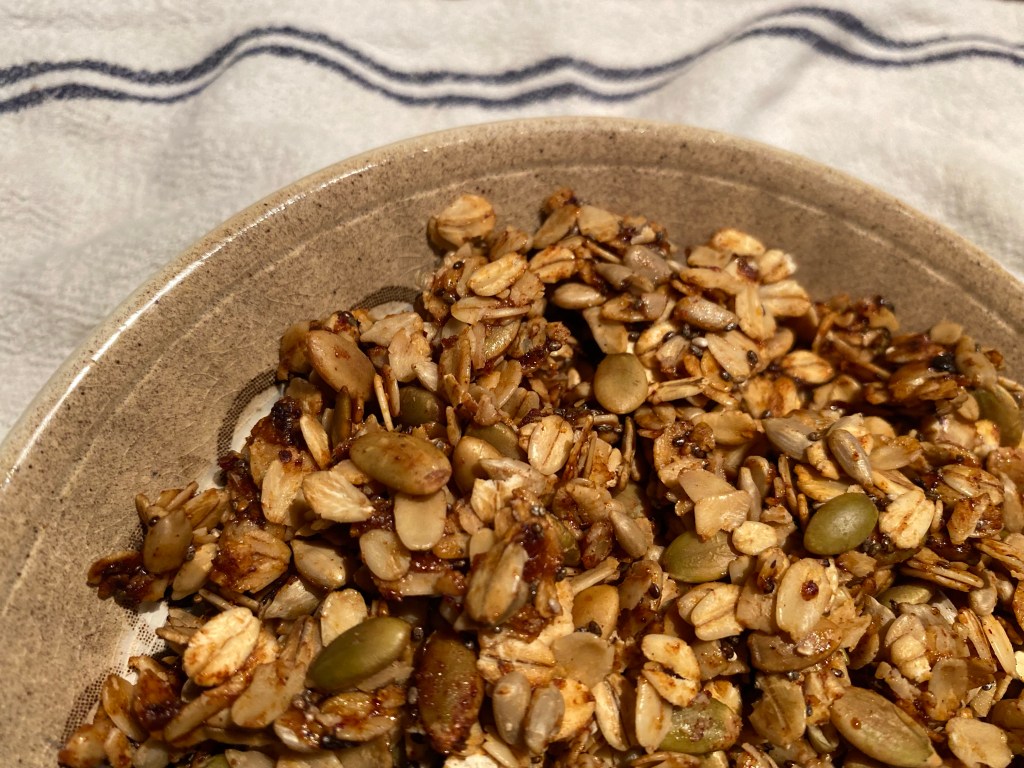
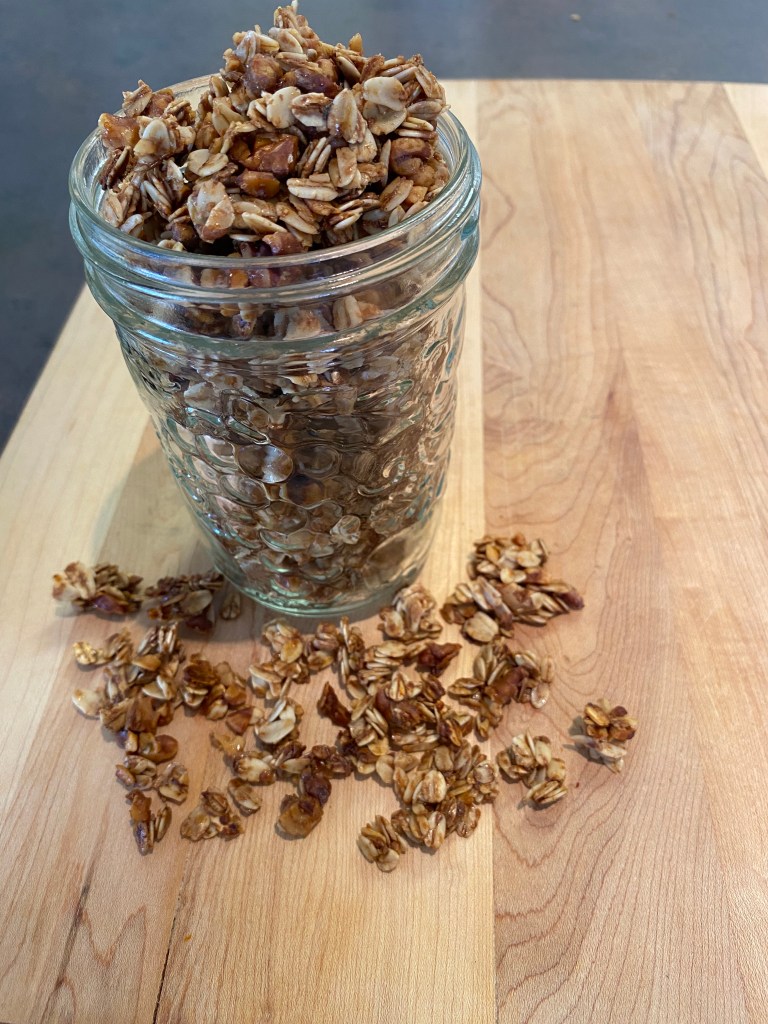
Get your bowl ready to scoop up this tasty, brand-new homemade granola recipe! Sweetened with honey, dehydrated apple and raisins, and flavoured with cinnamon and vanilla, this delicious…
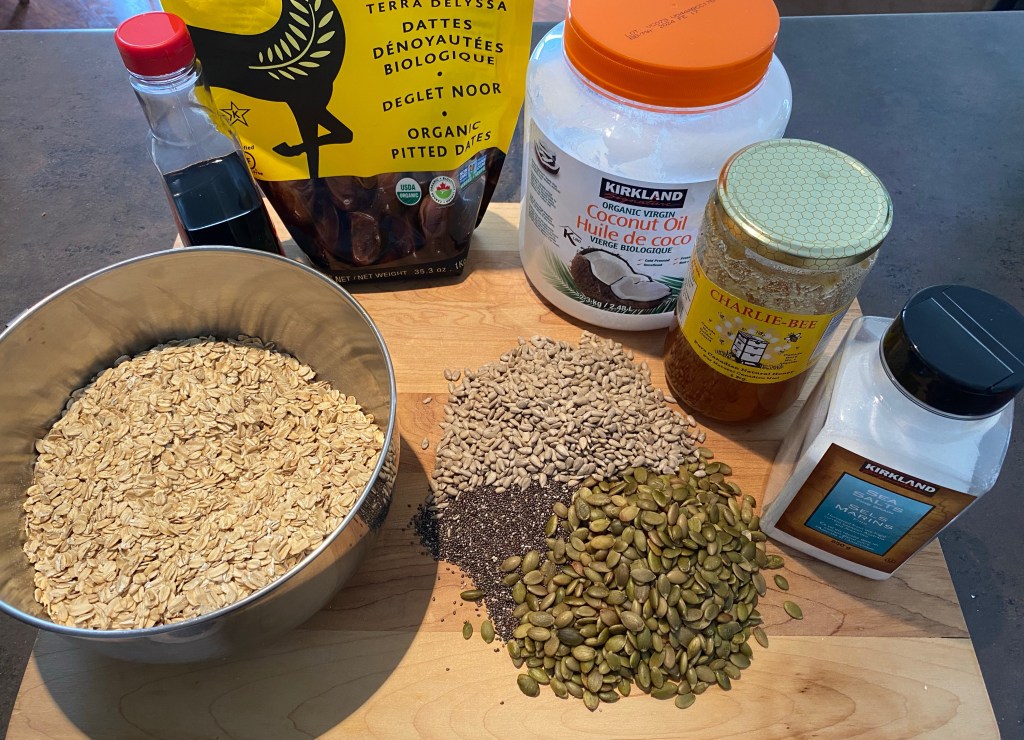
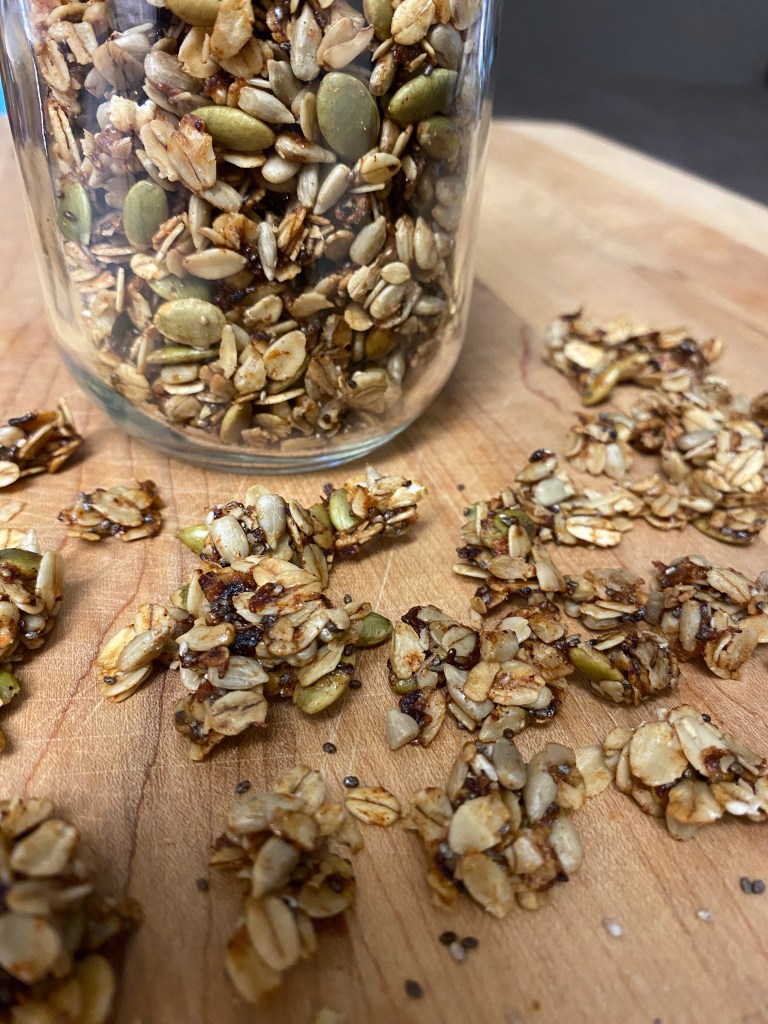
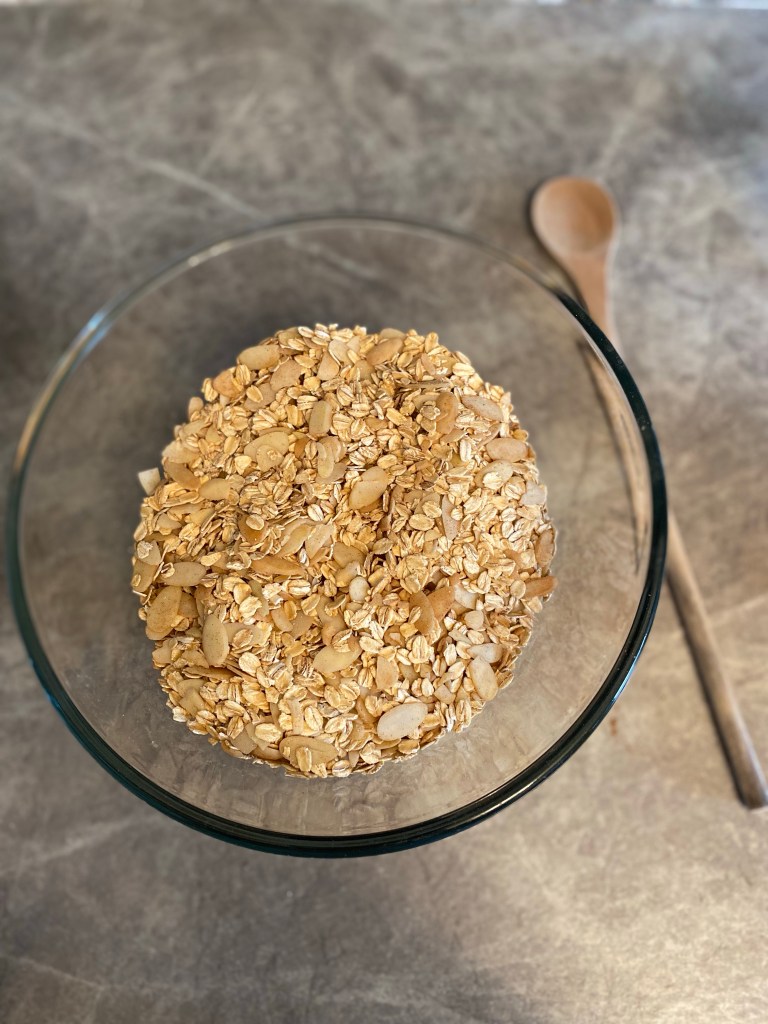
2. Mix the oats, cinnamon, sunflower seeds, pumpkin seeds and chia seeds together in a large bowl. Set aside.
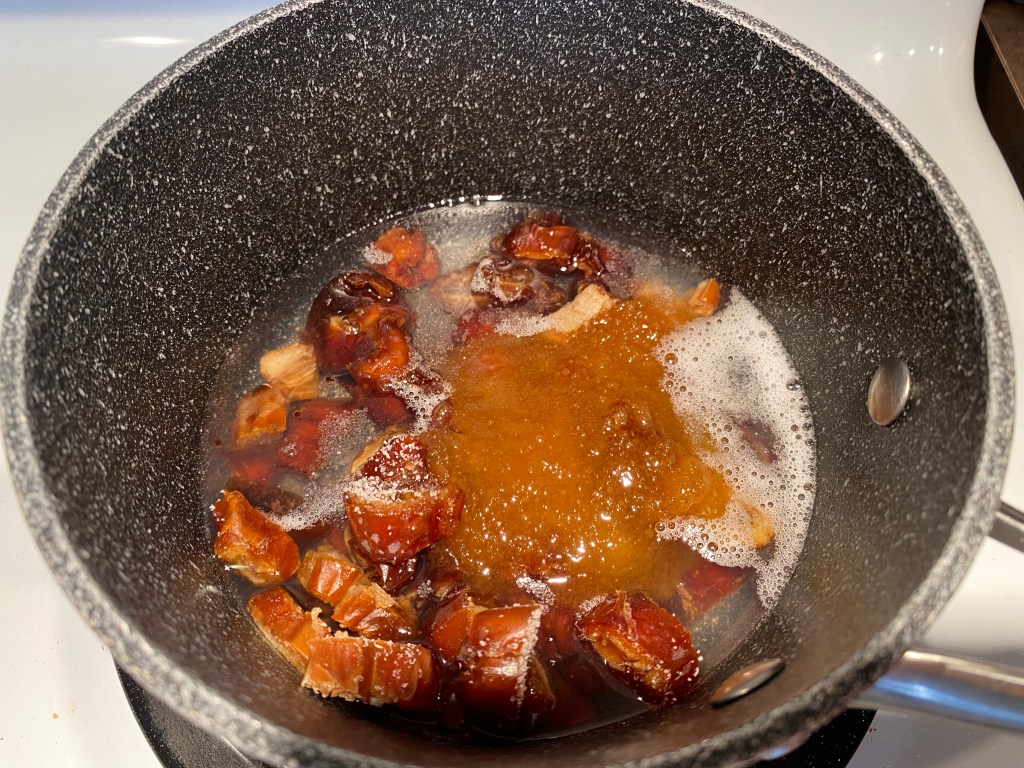
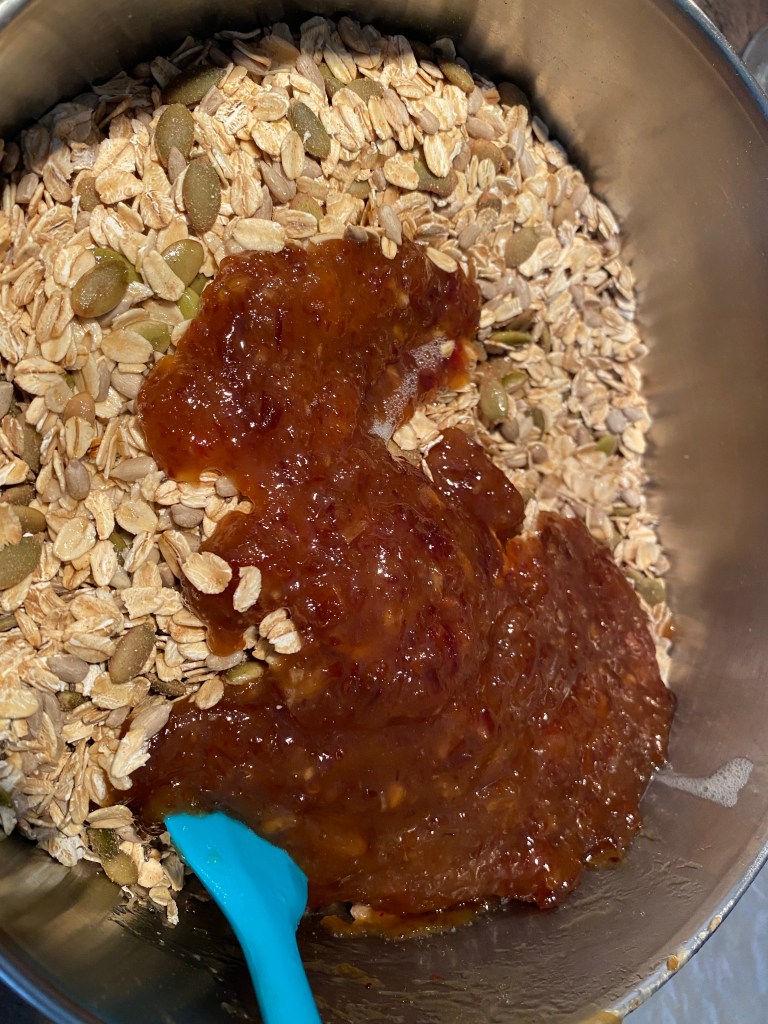
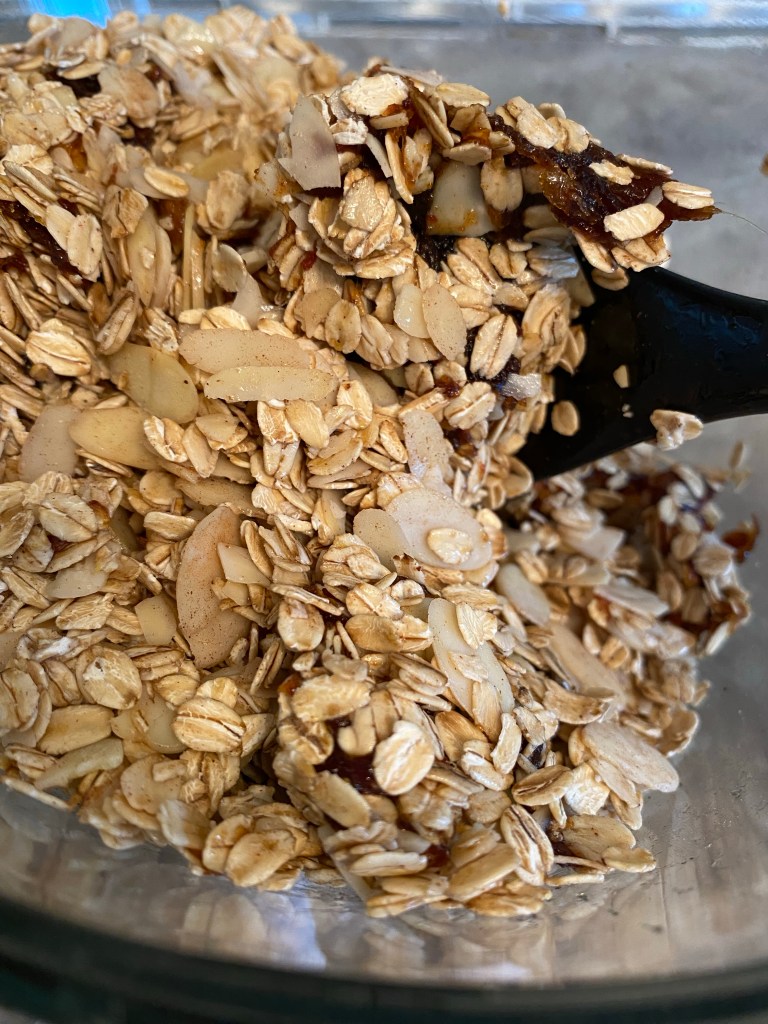
3. Melt the coconut oil in a small pot and add chopped dates, honey, sea salt and vanilla. Stir and mash or lightly blend once the dates are softened.
4. Add the wet mix to dry mix and stir well. If it has cooled enough you can finish mixing with your hands (I always find this easiest, but be careful of the hot oil!)
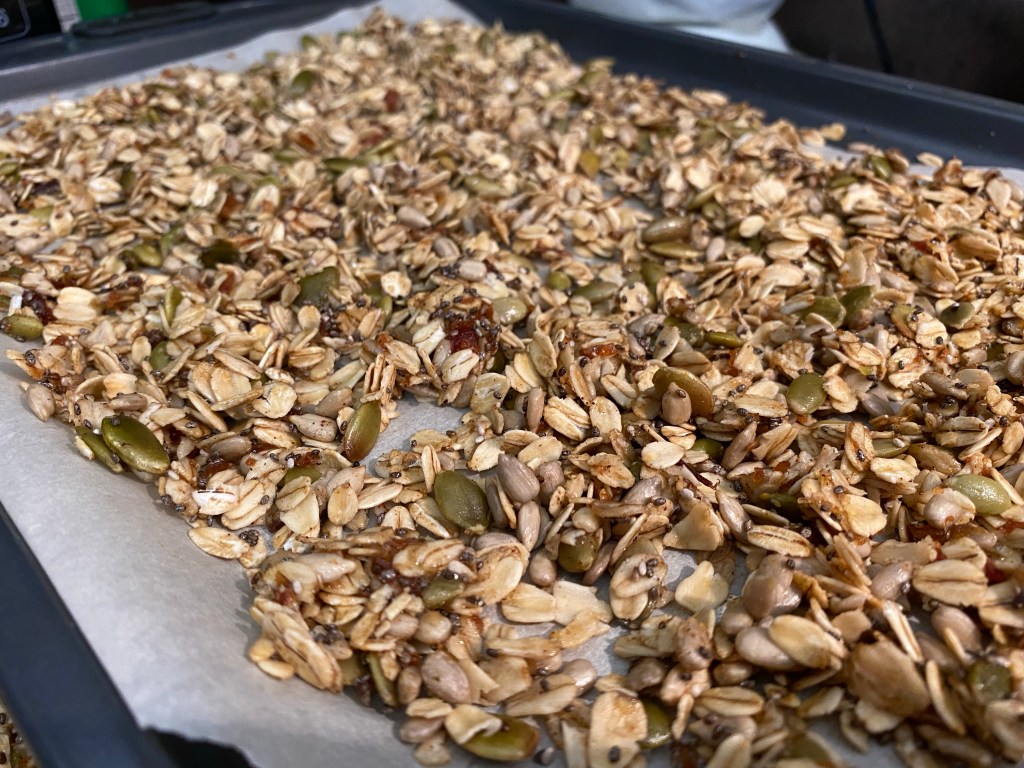
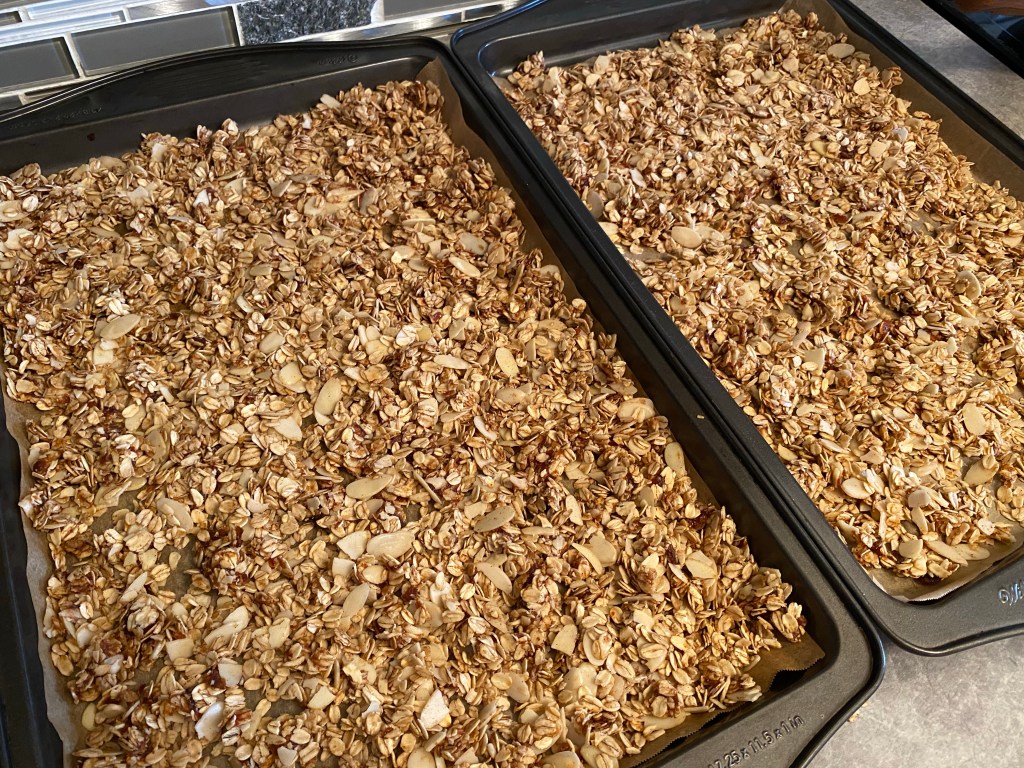
5. Spread granola mix onto parchment covered cookie sheets. Granola should be in a single layer.
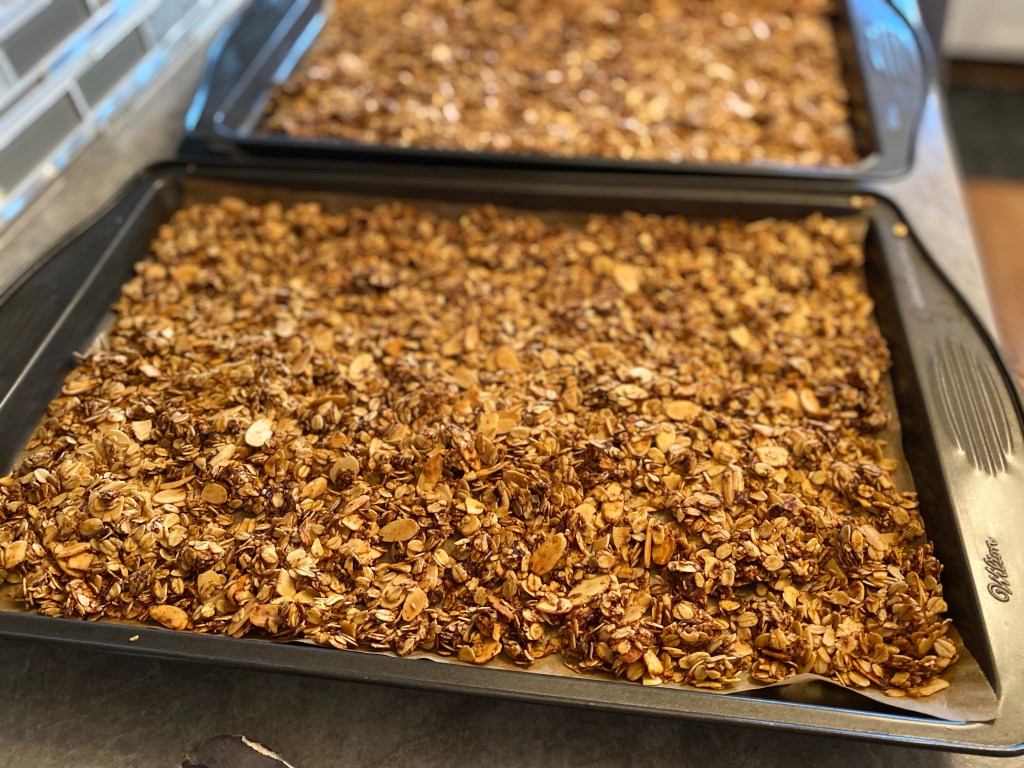
6. Bake for 30-35 minutes (depending on your oven), until golden.
7. Let cool and sit undisturbed for an hour, it will firm up as it cools down.
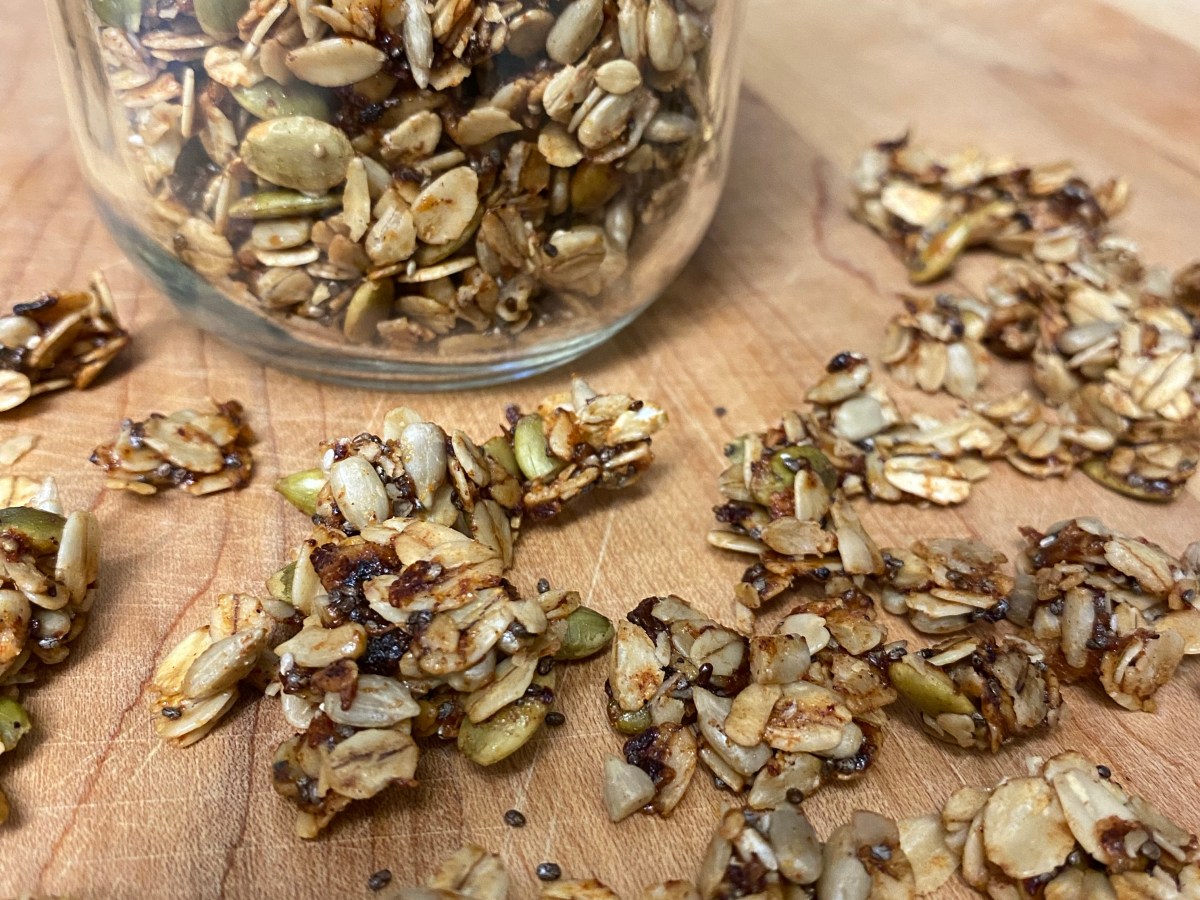
8. Break into smaller pieces per preference, and store in airtight container for up to 1 month.
I’m a Wife and Homeschooling Mom living in a remote town in Northern Ontario, Canada.I love making wholesome meals for my family from scratch, homeschooling our girls and learning more about natural living.
Subscribe to Northbird’s email list to get weekly posts on: tasty recipes, activity ideas for kids, natural living tips, and some genuine mom thoughts and encouragement!
Mix the oats, cinnamon, sunflower seeds, pumpkin seeds and chia seeds together in a large bowl. Set aside.
Melt the coconut oil in a small pot and add chopped dates, honey, sea salt and vanilla. Stir and mash or lightly blend once the dates are softened.
Add the wet mix to dry mix and stir well. If it has cooled enough you can finish mixing with your hands (I always find this easiest, but be careful of the hot oil!)
Spread granola mix onto parchment covered cookie sheets. Granola should be in a single layer.
Bake for 30-35 minutes (depending on your oven), until golden.
Let cool and sit undisturbed for an hour, it will firm up as it cools down.
Break into smaller pieces per preference, and store in airtight container for up to 1 month.
Nutrition
Per 1 Cup Serving: 533 calories; 27 g fat; 63 g carbohydrates;
14 g protein; 132 mg sodium.
This post contains affiliate links. As an Amazon associate, I earn from qualifying purchases. This means that I make a small commission at no extra cost to you. You can read my full disclosure HERE.
The common bagel is thought to have originated in Poland and other Eastern European countries around the 1600s. Later in the mid 1800s, Jewish immigrants brought the “bagel” with them to the United States and Canada.
After this, the classic bagel became increasingly popular and a part of our western cuisine. The varying types of bagels we see today originate from the different communities that the Jewish and European immigrants came from.
The root dough recipe is very similar to that of soft pretzels, and you can easily mix one batch of dough to produce both bagels and soft pretzels. I have done this a few times, since each family member has their particular favourites!
My daughter L had a lot of fun making these bagels with her two cousins A & M.
It was a great homeschooling activity and they loved shaping the bagels and picking what flavours they wanted to make (and eat later!)
We will soon share recipes for the other types of bagels that the girls and I came up with that day, using the same easy dough recipe!
What is Sourdough?
Sourdough is made using a fermented mixture of flour and water, called the “starter”, and mixed with more water, flour, and usually salt. The dough naturally rises as it ferments during resting stages. There is a lower amount of gluten in sourdough baking, which is why the dough needs to be “stretched” multiple times to help it expand and become fluffy.
Are you new to Sourdough? Click HERE for a little more “starter” information found on my post “How to Make Sourdough Bread”.
Is Sourdough Good For You?
Sourdough is easier to digest than other traditional yeasted baking. The fermenting that takes place while making sourdough baking produces amino acids, which in turn produces enzymes that help to break down proteins and lower the overall gluten levels in the sourdough products (making it easier to digest).
Whole grain sourdough products have a lower glycemic index than other types of bread, (specifically white flour baking) that have been processed and are packed full of preservatives. This means that sourdough baking has less of a glycemic spike, and more of a gradual release on the glycemic scale, making it a healthier option for those struggling with balancing blood sugar levels.
Sourdough breads and baked goods contain higher levels of protein, fibre and nutrientsthan most traditional yeasted baking.
Sourdough baking still contains many of the natural nutrients that are processed out of the majority of other kinds of breads and baked goods.
Sourdough contains lower levels of phytate, which helps your body to absorb the nutrients easier than other breads.
Whole grain sourdough is considered a high-fiber food, which feeds the good bacteria in your gut and digestive system.
Common vitamins and minerals found in sourdough baking: Calcium, Iron, Manganese, B1-B6, B12, Potassium, Magnesium, Folate, Niacin, Zinc, Thiamin, Riboflavin, Selenium, Phosphorus, and Vitamin E.
Other Bagel Recipe Variations:
Use this one recipe to make many more kinds of bagels! Just omit the cheese and add the extra ingredients right before the dough is ready to be shaped into bagels. I’ll post more bagel recipes when I can, but until then have fun experimenting and trying some of these out!
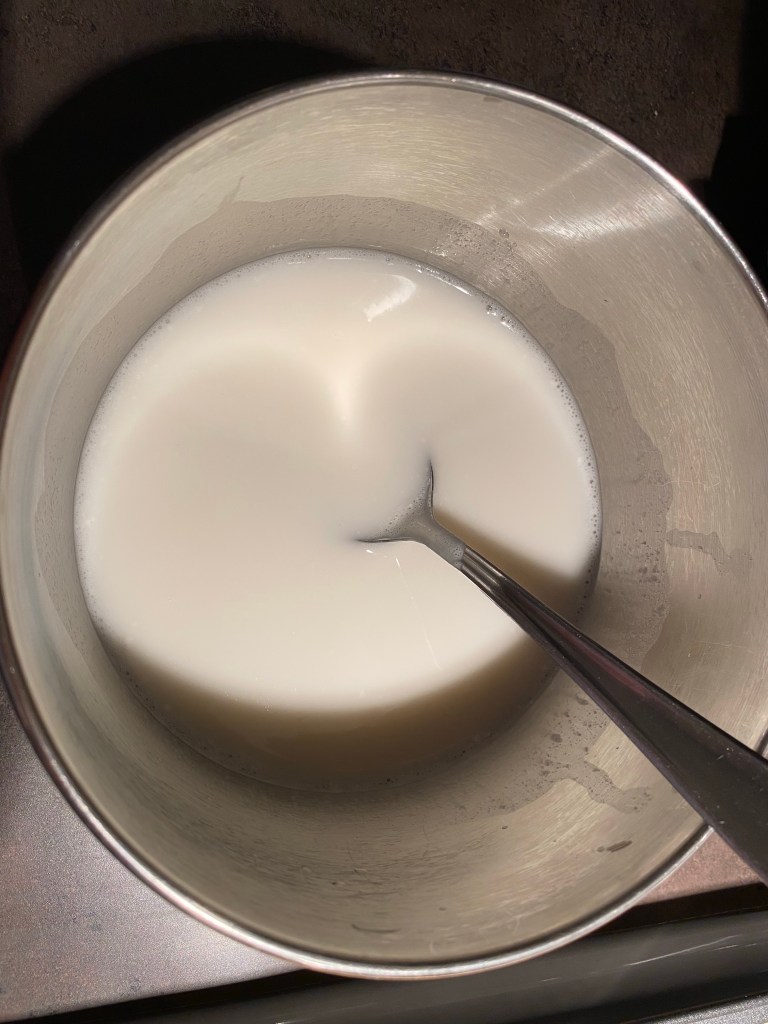
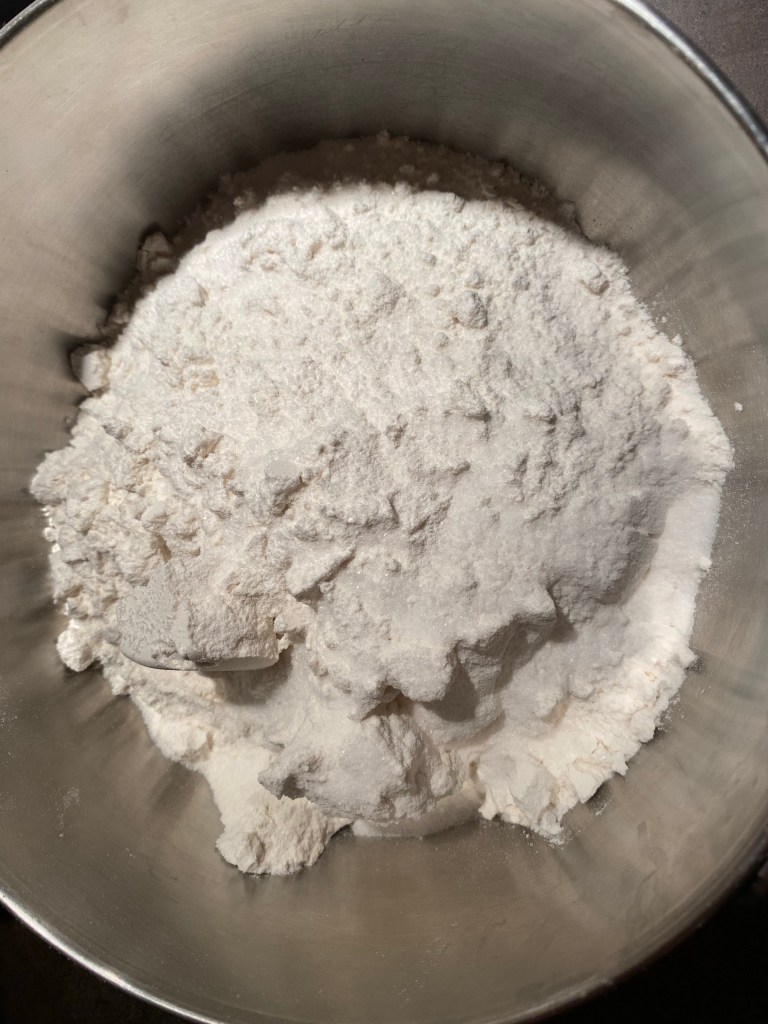
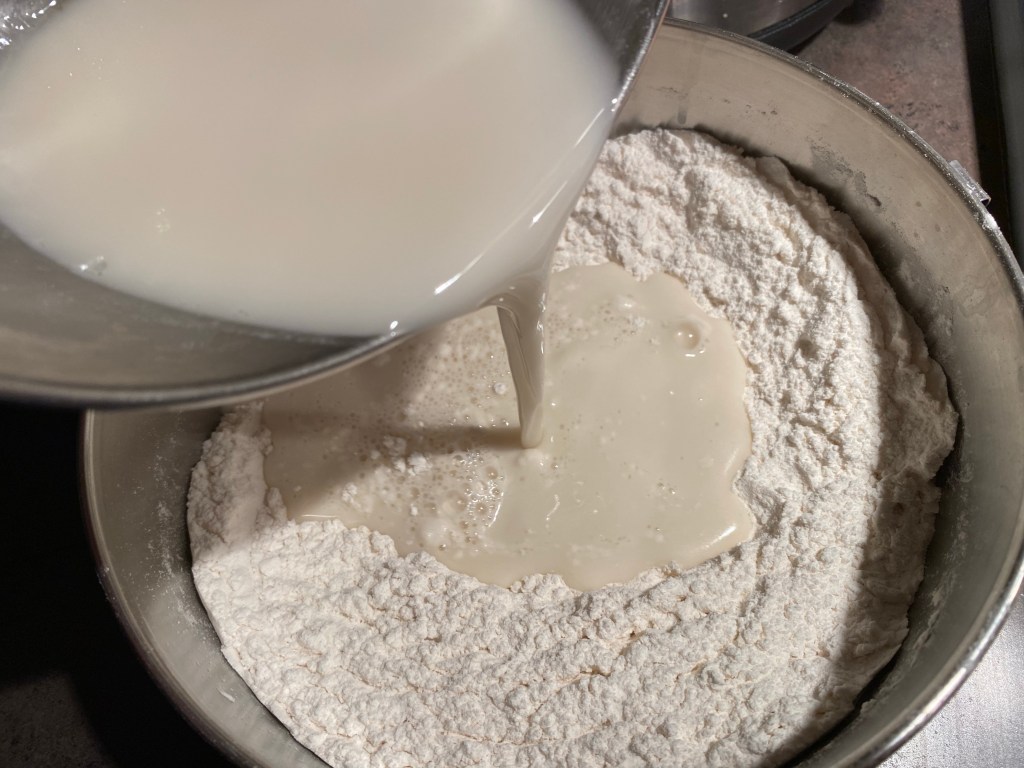
1. Mix your active sourdough starter with the water and honey. Mix the sea salt and flour together and add to the wet mixture. Mix all together well.
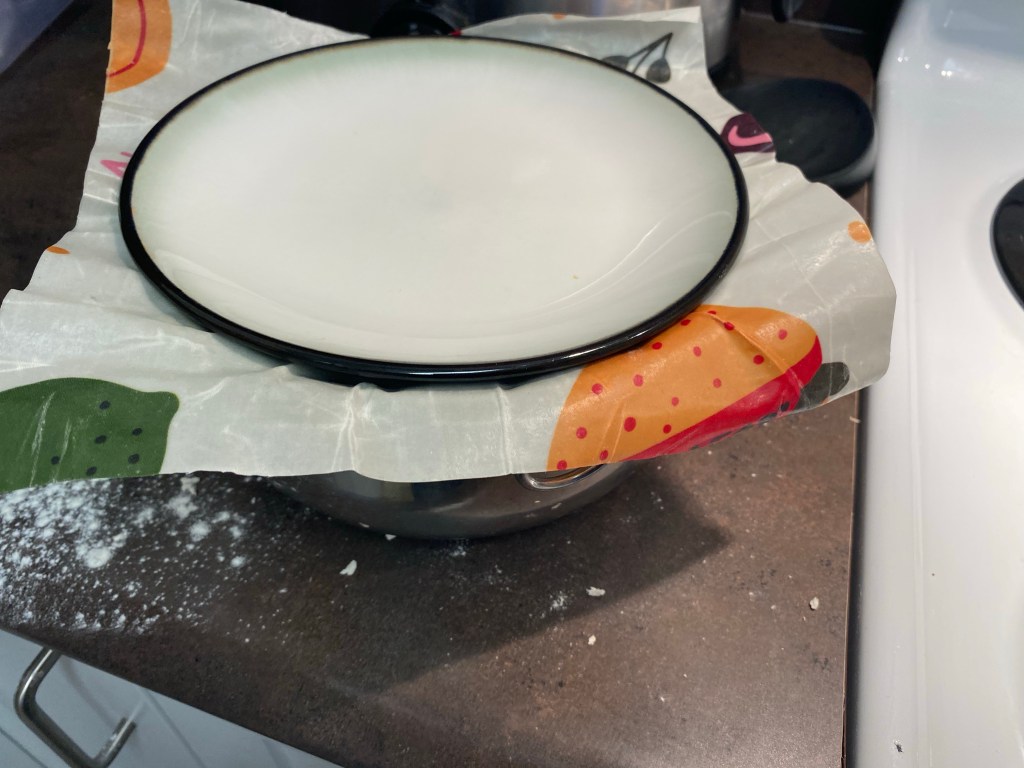
2. Cover with a beeswax food cover or a towel and plate over bowl and let rest overnight or for 8-10 hours. Dough will be moist and spongy and will have doubled in size.
3. Add 1 cup of cheese to bowl and work it into the dough. Knead dough on floured surface for 2 minutes until it is a soft dough ball. Form it into a “log” and divide and cut into 12 pieces.
4. Form each piece into a flattened “ball” then poke fingers through the middle to create a hole.
5. Place on parchment-covered baking sheet and cover with a tea towel. Let rest for 1 hour. (Note that at this stage the bagels will expand and puff up, so thinner is good prior to resting. You can always gently stretch them before putting in the water bath too.)
6. Preheat oven to 425 degrees Fahrenheit.
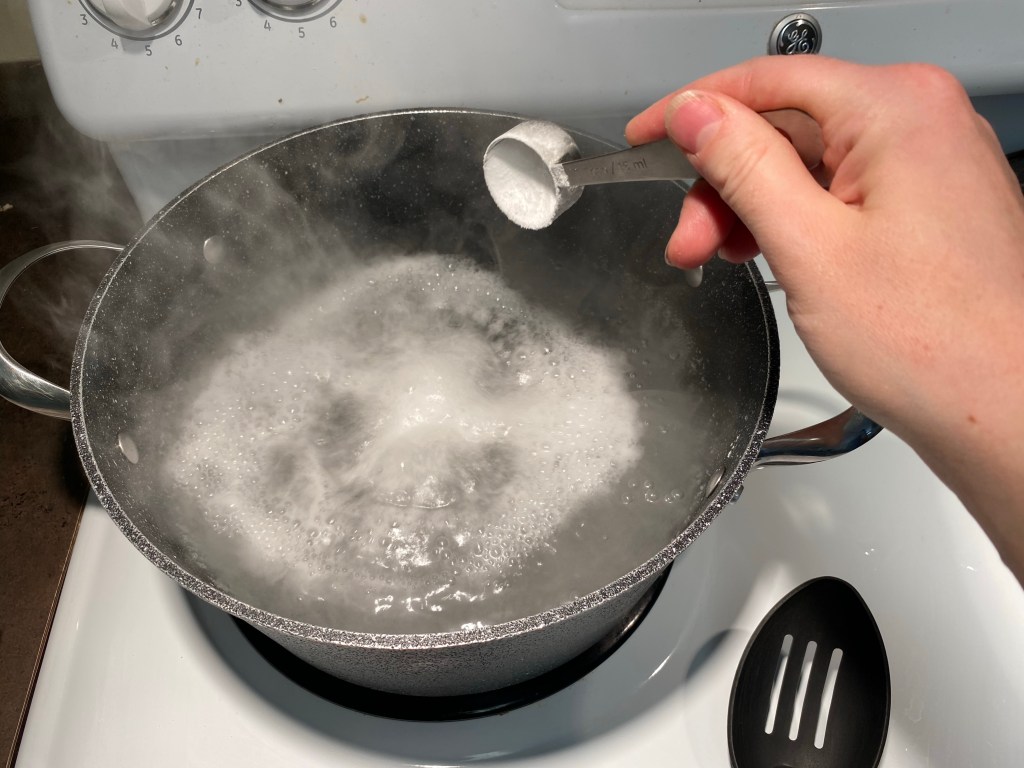
7. Boil 6 cups of water in a large pot and add baking soda and sugar. When it is a rolling boil, add 3-4 bagels gently with a large slotted spoon.
8. Set the timer for 30 seconds, then turn them over for another 30 seconds on the other side. Transfer them back to the baking sheet.
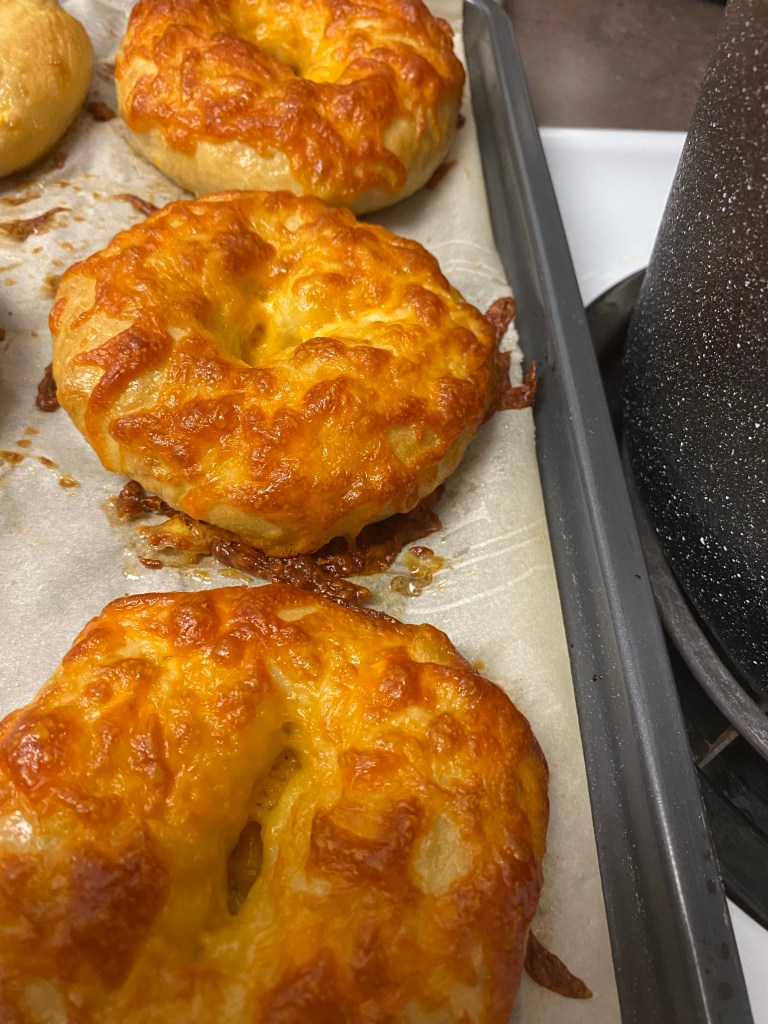
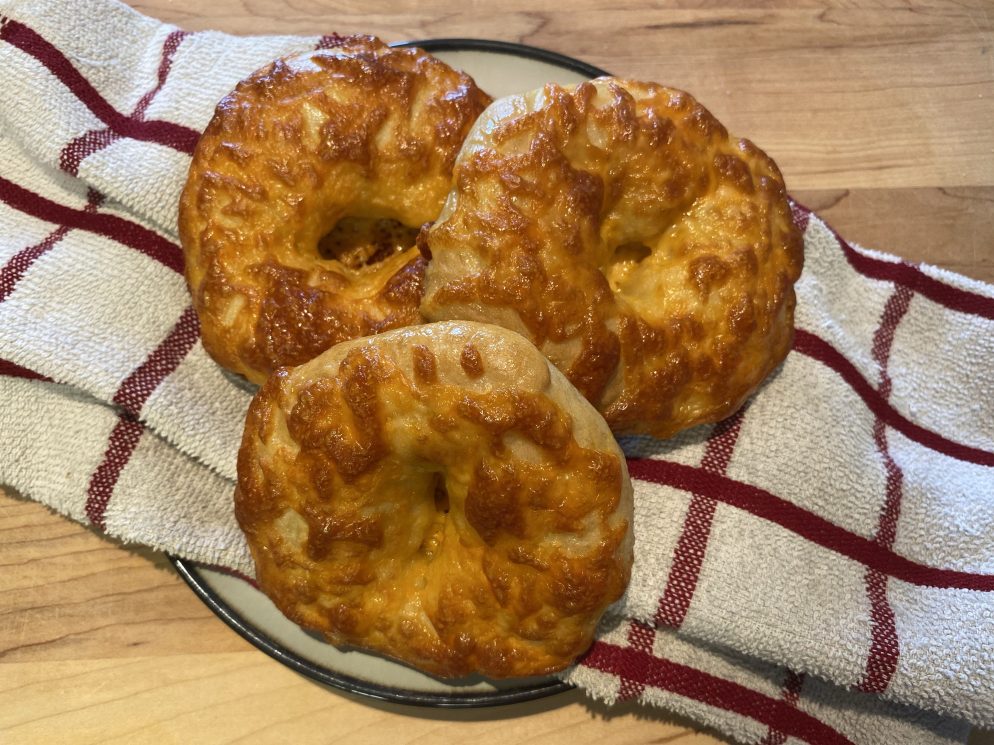
9. When all the bagels are back on the baking sheets, whisk up an egg and paint the bagels with a cooking brush. Put generous amount of shredded cheese on top (We like to use a nice cheddar, but have also used marble and mozzarella).
10. Bake the bagels on the middle rack in oven for 14-16 minutes or until golden brown on top and bottom and cheese starts to bubble. Let cool on baking sheets or rest at least 10 minutes before biting into. Enjoy!
11. Store at room temperature for 5 days in an airtight container, or freeze for up to three months in a freezer bag. Thaw in fridge then warm in the oven to freshen them up.
Enjoyed this recipe?
You can turn this Cheesy Sourdough Bagel Recipe into a Sourdough Soft Pretzel Recipe! Click HERE to learn how to shape the pretzels and how to add additional ingredients to make many more types of pretzels!
I’m a Wife and Homeschooling Mom living in a remote town in Northern Ontario, Canada.I love making wholesome meals for my family from scratch, homeschooling our girls and learning more about natural living.
Subscribe to Northbird’s email list to get weekly posts on: tasty recipes, activity ideas for kids, natural living tips, and some genuine mom thoughts and encouragement!
Mix your active sourdough starter with the water and honey. Mix the sea salt and flour together and add to the wet mixture. Mix all together well.
Cover with a beeswax food cover or a towel and plate over bowl and let rest overnight or for 8-10 hours. Dough will be moist and spongy and will have doubled in size.
Add 1 cup of cheese to bowl and work it into the dough. Knead dough on floured surface for 2 minutes until it is a soft ball. Form it into a “log” and divide and cut into 12 pieces.
Form each piece into a flattened “ball” then poke fingers through the middle to create a hole.
Place on parchment-covered baking sheet and cover with a tea towel. Let rest for 1 hour. (Note that at this stage the bagels will expand and puff up, so thinner is good prior to resting. You can always gently stretch them before putting in the water bath too.)
Preheat oven to 425 degrees fahrenheit.
Boil 6 cups of water in a large pot and add baking soda and sugar. When it is a rolling boil, add 3-4 bagels gently with a large slotted spoon.
Set the timer for 30 seconds, then turn them over for another 30 seconds on the other side. Transfer them back to the baking sheet.
When all the bagels are back on the baking sheets, whisk up an egg and paint the bagels with a cooking brush. Put generous amount of shredded cheese on top (We like to use a nice cheddar, but have also used marble and mozzarella).
Bake the bagels on middle rack in oven for 14-16 minutes or until golden brown on top and bottom and cheese has started to bubble. Let cool on baking sheets or rest at least 10 minutes before biting into!
Store at room temperature for 5 days in an airtight container, or freeze for up to three months in a freezer bag. Thaw in fridge then warm in the oven to freshen them up.
Nutrition
Per 1 Cheesy Bagel: 249 calories; 7.1 g fat; 36.6 g carbohydrates;
9.2 g protein.
This post contains affiliate links. As an Amazon associate, I earn from qualifying purchases. This means that I make a small commission at no extra cost to you. You can read my full disclosure HERE.
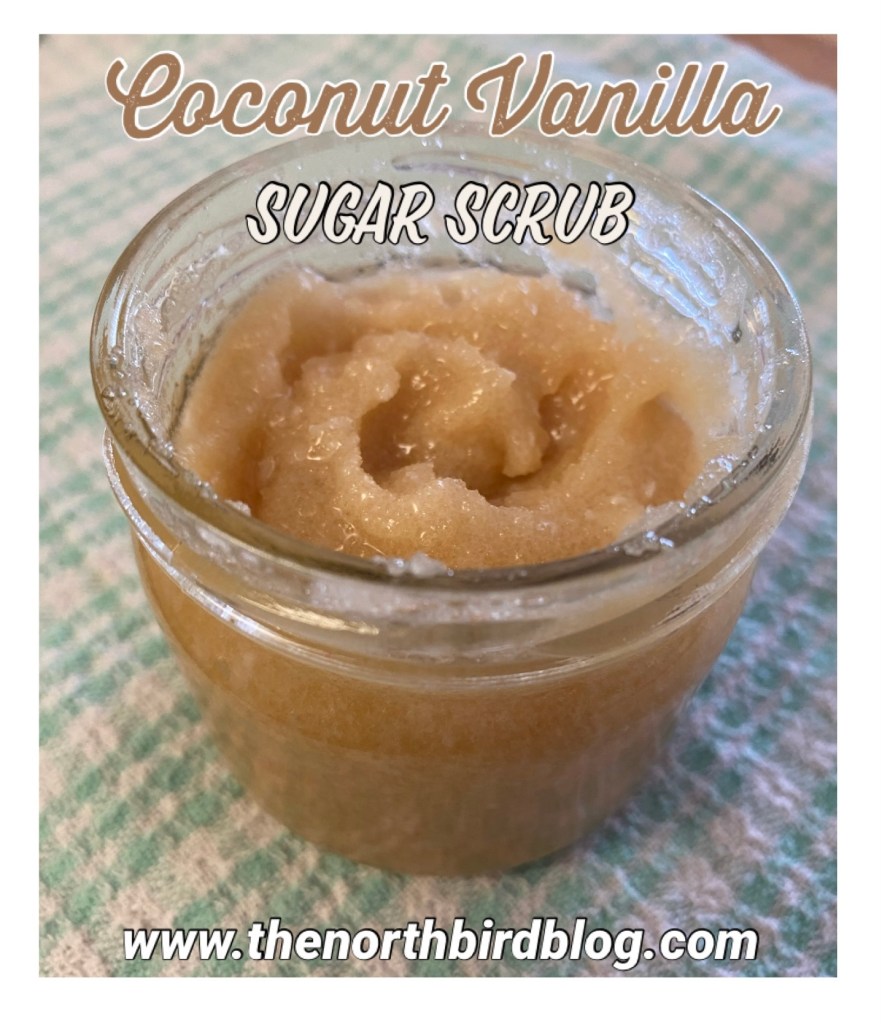
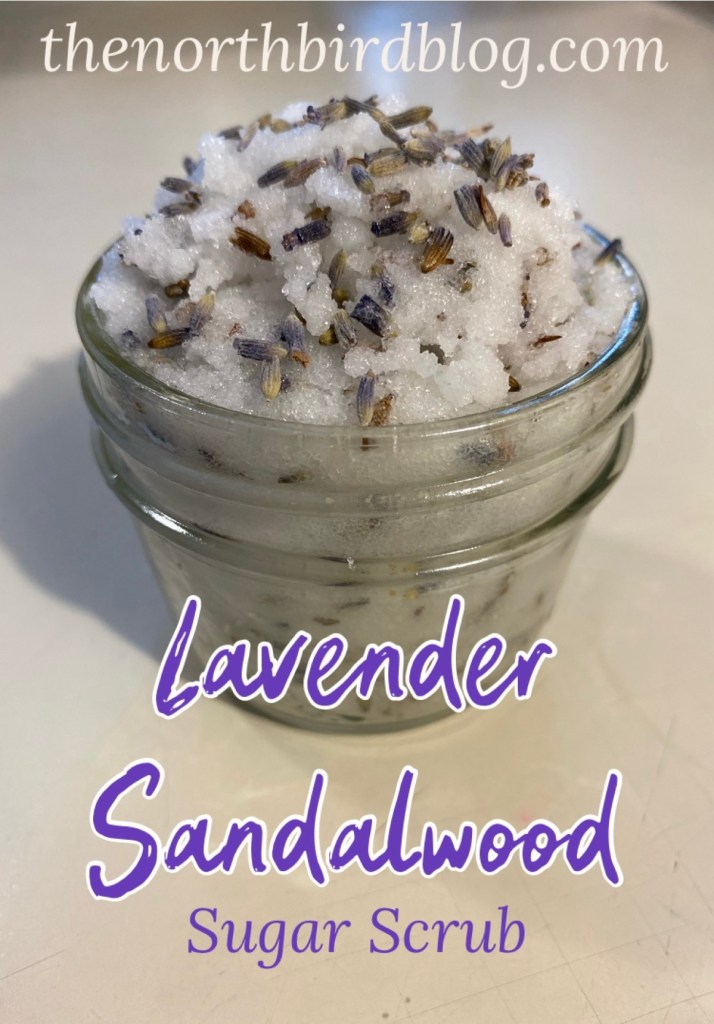
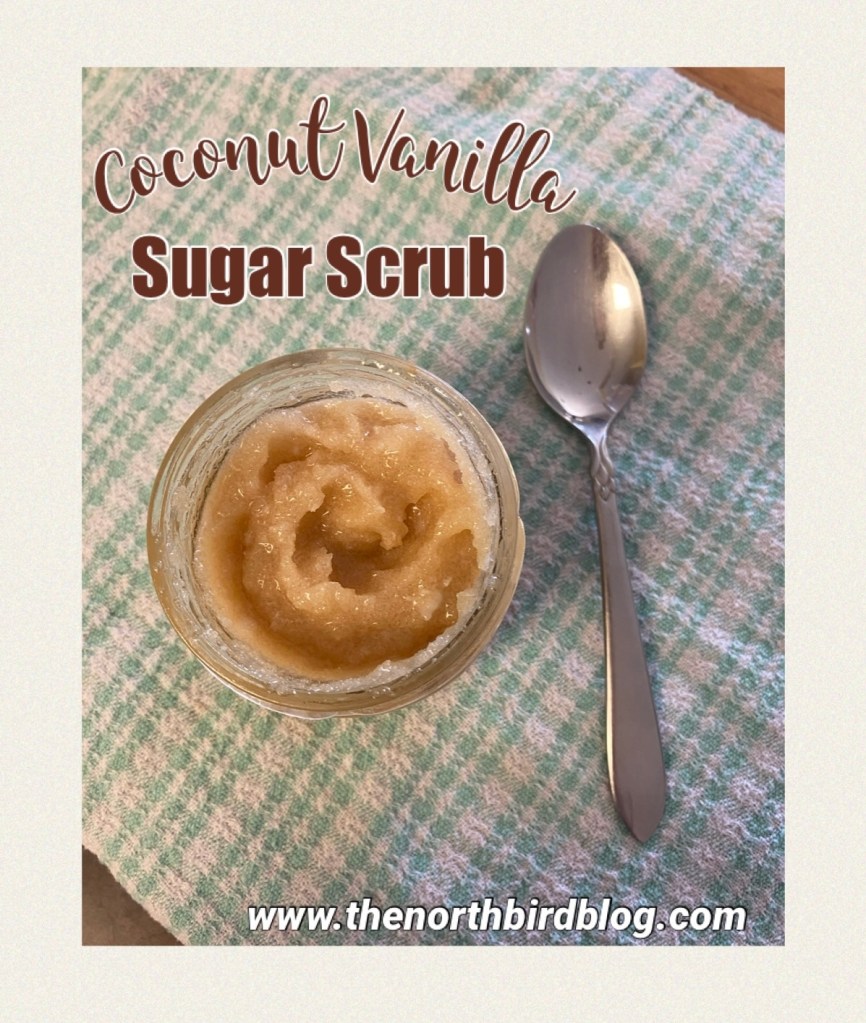
This Coconut Vanilla Sugar Scrub has a homey, comforting vanilla scent and has been one of my favourite blends made so far.
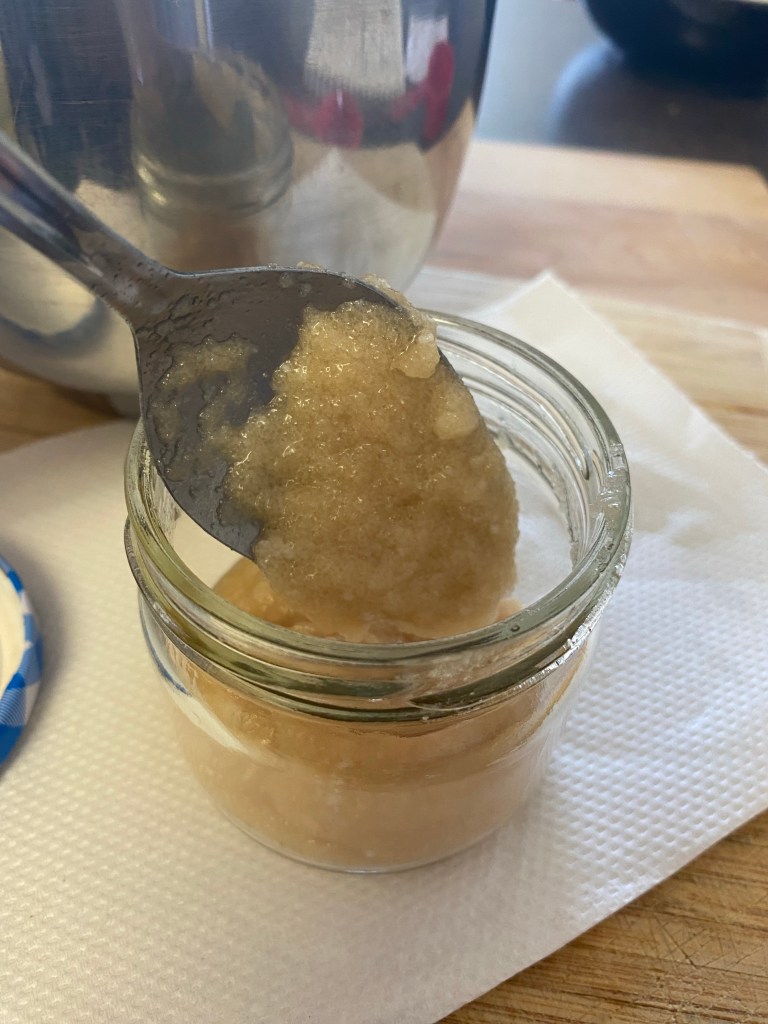
The first time I made it with my daughter was without adding a topical skin care oil (such as vitamin e oil or jojoba oil), so it was completely safe to lick our fingers while stirring it and spooning it into the jar!
If you are tempted to taste this particularly delicious sugar scrub, perhaps keep in mind that the skin care oils suggested in the recipe are not safe or intended to be ingested, so please omit them if the vanilla scent is too much to resist.
Benefits of using a sugar scrub on your skin:
Improves circulation
Cleanses the skin pores
Removes any dead skin
Moisturizes the skin
Muscle relaxant
Helps to remove toxins
Smooths the skin
What are sugar scrubs made of?
Most scrubs are simply made using products found right in your kitchen! The basis of most scrub recipes consist of: an oil and an exfoliant, with herbs and essential oils used to cleanse and exfoliate the skin, and they do wonders to relax muscles and nerves in the process!
Sugar and salt are most commonly used as an exfoliant, and while there are many types of sugars and salts, my opinion is that the bigger the granules are, the better it will rub on your skin. For example, I would recommend a coarsely ground sea salt over an iodized-finely ground table salt.
However, I have also enjoyed learning of many more creative ingredients that can be used as the rough element in a scrub: oatmeal, coarsely ground coffee beans, rice, some seeds, veggies and fruits. Mud and sand are also great!
Dried Herbs/Flowers:
Lavender -Most health food stores carry this, with comparable prices on Amazon due to their popularity.
Rosemary -Check your kitchen spices! Or you can buy at any grocery store.
Peppermint-Easy to grow, or you can forage for wild mint! You can also cut open a peppermint tea bag or purchase larger dried pieces at the grocery store or online.
Rose Petals -You can pick your own wild roses and dry them or look for them at your local health food store, or buy online.
Rosehips -These grow in abundance in the north, so we pick our own wild rosehips and dry them, but you can also purchase them online or check out your local health food store.
Calendula -Easy to grow your own! Also available at health food stores or online.
Camomile -Look for these growing wild! Just be careful to select flowers that are not near roads or have been sprayed. You can also cut open a Chamomile tea bag, or buy the whole flowers at a health food store or online.
Other Commonly Used Essential Oils for Body Scrubs and Their Medicinal Uses:
Peppermint: A great resource for opening up the sinuses and relieving headaches.
Lemon: A bright and refreshing scent that helps to even out the skin tone.
Tea Tree: Aside from being used to treat lice and insect bites, Tea Tree oil is also known as an anti-fungal, and anti-septic and an anti-inflammatory.
Eucalyptus: An antiseptic, anti-fungal, anti-viral, and anti-bacterial essential oil. Fights infection and promotes healing.
Rosehip: Primarily used for treating eczema, acne and rashes. It has linoleic acid in it which shrinks pimples and reduces inflammation.
Sweet Orange Oil: An anti-bacterial, anti-inflammatory, aides in digestion, but most known to act as a mood enhancer and relaxant.
Geranium: Used to treat depression, balance hormones, improve circulation, and sleep aid to name a few.
Carrot Seed Oil: An antioxidant, anti-fungal and anti-bacterial. Primarily used to treat skin infections and inflammations.
Jasmine: Used to treat depression and anxiety, aides in balancing hormones and improving energy and sleep.
Grapefruit: Treats acne and other skin infections. Mood enhancer and may also help with weight loss.
Other Oils:
Vitamin E Oil is one that I always add a few drops of into whatever skin care products I am making at the time. It is highly beneficial to the skin because of its moisturizing properties and it is also an antioxidant.
Jojoba Oilis another all-around essential skin oil that is a great moisturizer and cleanser. It is also known to help with treating acne, psoriasis and eczema.
I’m a Wife and Homeschooling Mom living in a remote town in Northern Ontario, Canada.I love making wholesome meals for my family from scratch, homeschooling our girls and learning more about natural living.
Subscribe to Northbird’s email list to get weekly posts on: tasty recipes, activity ideas for kids, natural living tips, and some genuine mom thoughts and encouragement!
This post contains affiliate links. As an Amazon associate, I earn from qualifying purchases. This means that I make a small commission at no extra cost to you. You can read my full disclosure HERE.
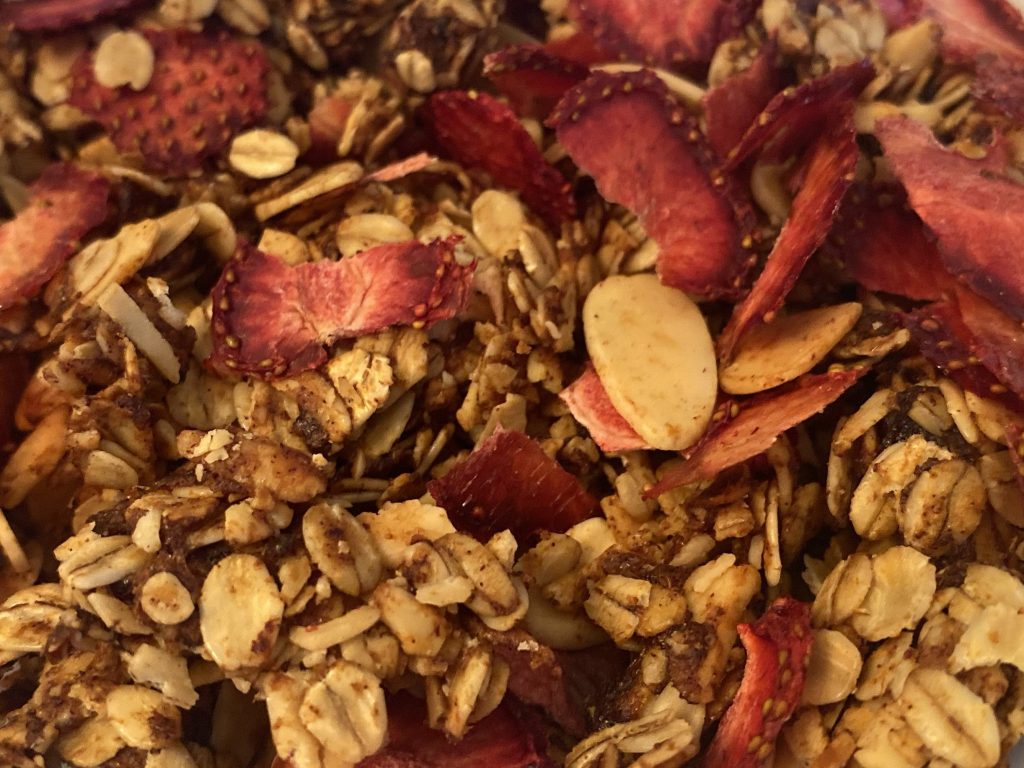
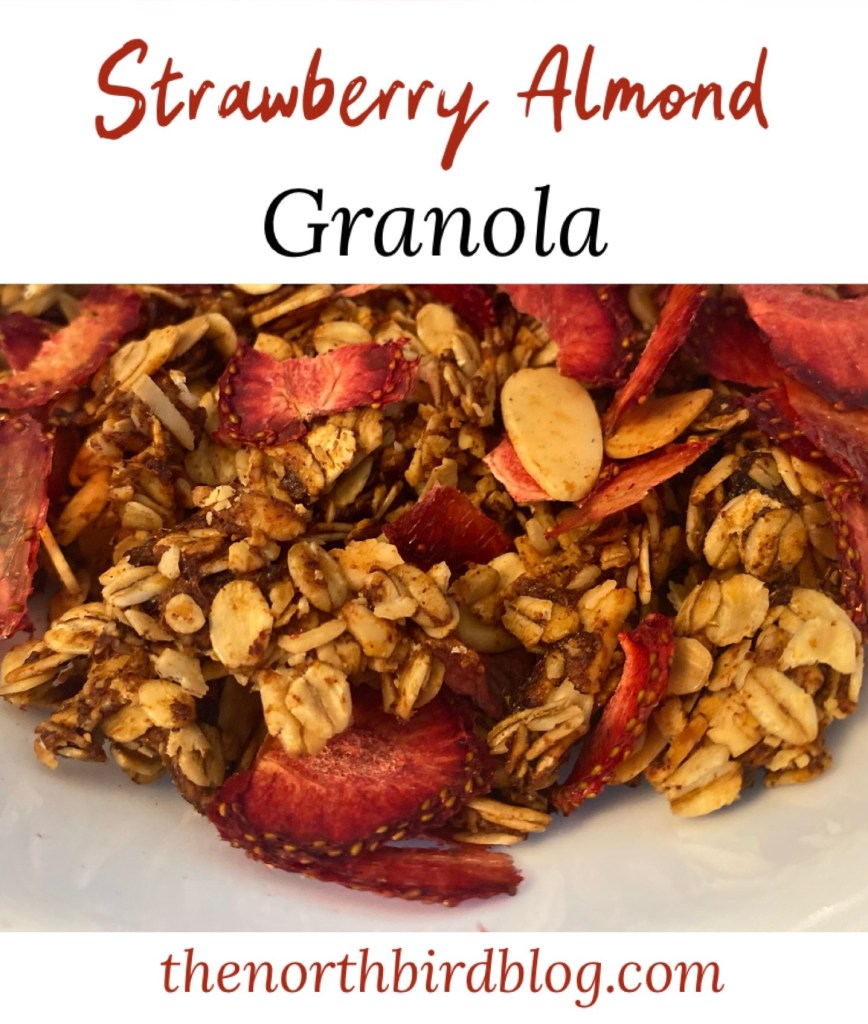
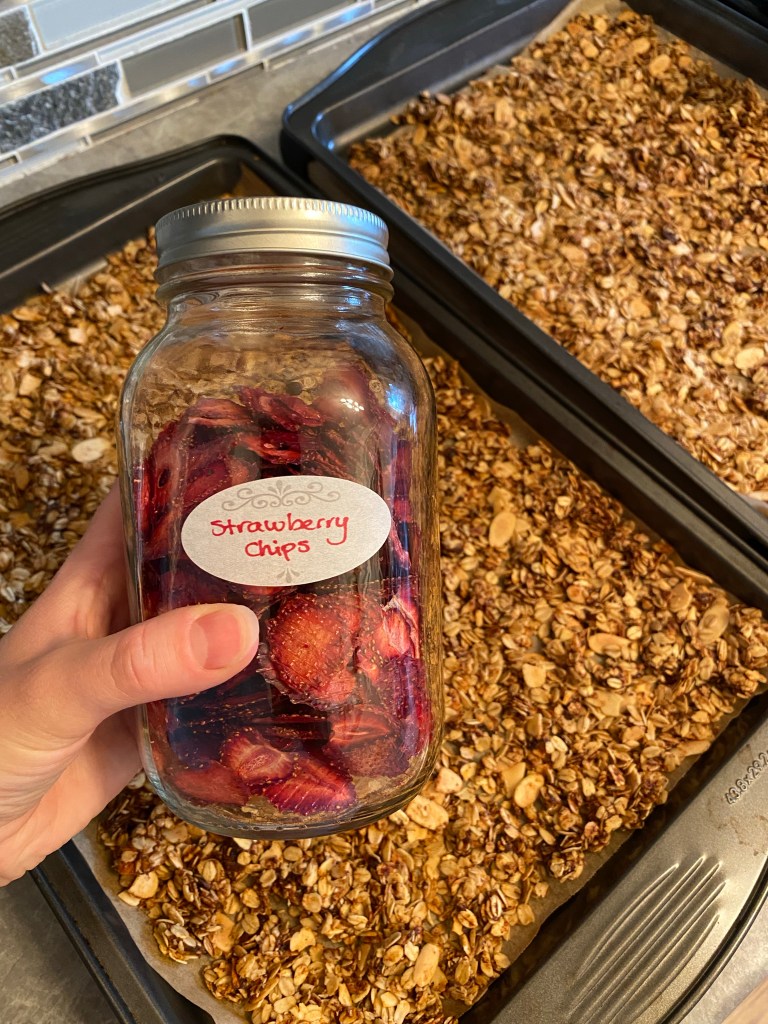
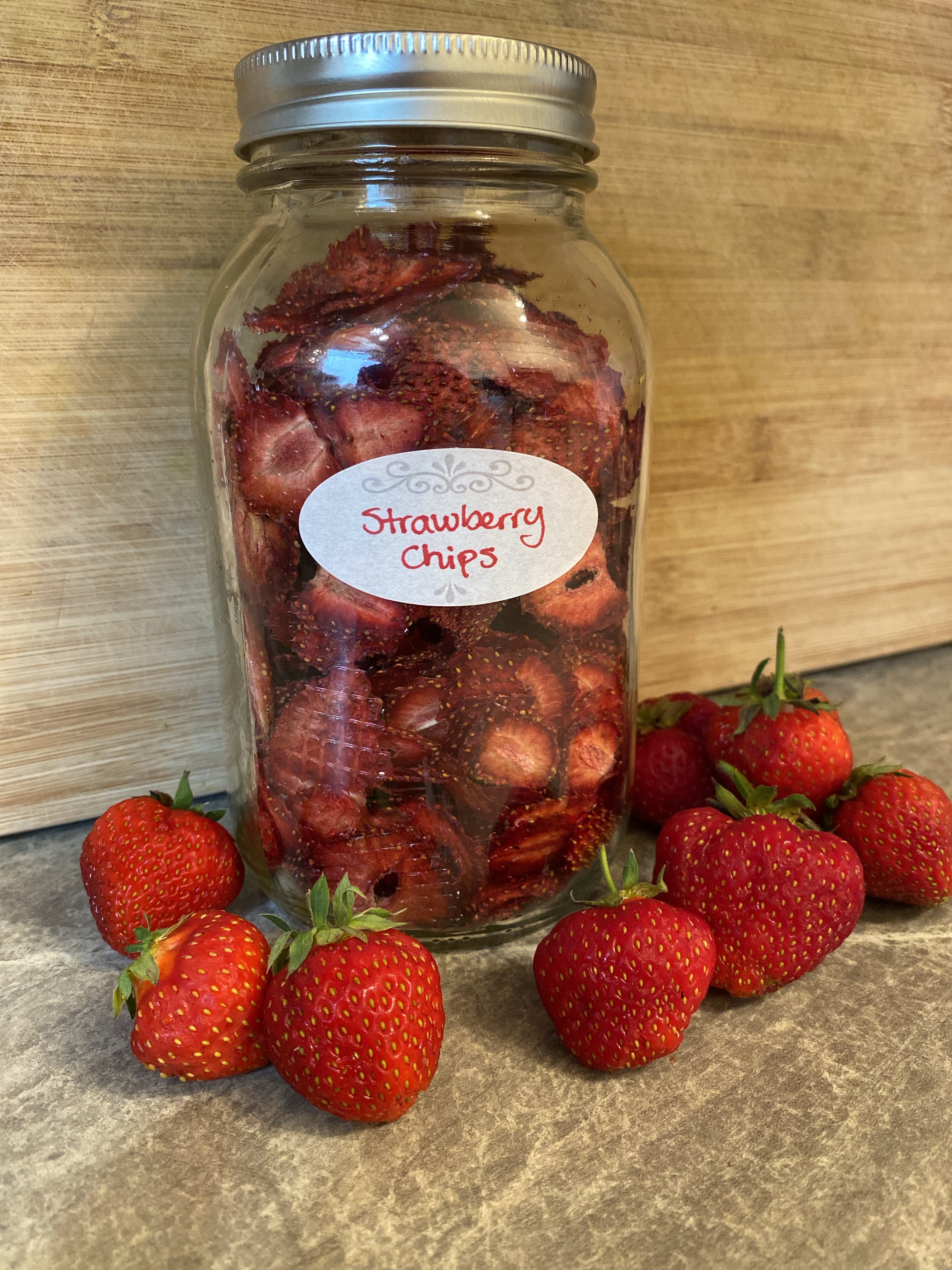
After our trip to a local strawberry farm and sharing last week about how to dehydrate strawberries, I’ve been having some fun developing ways to enjoy the dried strawberries (other than the fam and I simply snacking on them as chips!).
After a few attempts, this recipe was created and has now been fully approved by my favourite taste-testers, including my mother (who made numerous delicious granolas through my growing up years).
If you are interested in learning how to dehydrate your own strawberries with a dehydrator or with the oven, you can visit THIS blog post to get the recipe and be inspired of other creative ways to use dehydrated strawberries.
Watch the video to see how easy it is to make your own strawberry chips!
(Dehydrator only)
Ways to Eat Granola:
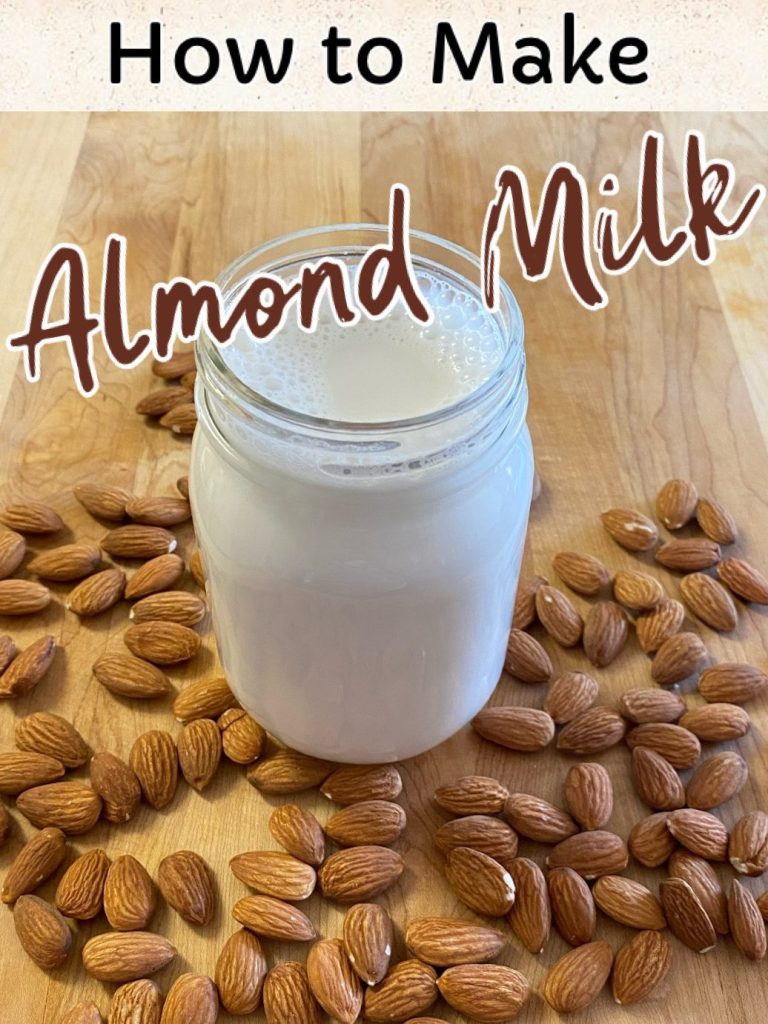
Breakfast bowl with regular milk, oat milk, soy, or nut milks (try it with Homemade Almond Milk!) and add some berries for fresh sweetness.
Take a baggie of granola for your next hike or camping trip and add some dried fruit or seeds and nuts for a delicious trail mix.
Make a Breakfast Parfait with frozen berries and yogurt!
Use it as a baked desert crumb topping (Apple Crisp recipe coming soon!)
Make granola bars from it! (Recipe being developed)
Health Benefits of Granola:
Healthy granola recipes are usually high in protein, fibre and healthy fats due to recipe variations that may include oats, nuts, seeds, dried fruits and organic unrefined oils. They are packed full of nutritious options that make a filling, on-the-go quick breakfast or a delicious snack option.
Protein is essential to the body for not only helping to build muscle mass and bones, but also very important for weight loss and regulating metabolism. Additional functions may consist of:
Slowing appetite and hunger cravings
Feel “full” for longer, less calories eaten
Helps with fat burning
Lowering blood pressure
Helps to maintain weight loss
Boosts metabolism
Builds muscle mass and strength
Lowers risk of osteoporosis and fractures
Helps to repair broken bones and tissues
High Protein Ingredients You can put in Granola:
Nuts
Walnuts, Almonds, Cashews, Peanuts, Pistachios, Brazil Nuts, Hazelnuts…
It is soooo easy! Chop… Melt… Mix… Spread… Bake… Eat!
Way less expensive than buying from the store.
Store-bought granolas are often made with lower quality ingredients and usually have more processed sugars and additives mixed in to prolong shelf life.
When you make your own granola you know exactly what ingredients you are eating!
Granola is a versatile recipe: You can add more nuts and seeds, and add dried fruits/berries at the end if desired.
Granola is one of those easy and quick breakfast solutions to help your day start smoothly!
Watch this video to see how easy it is to make Strawberry Almond Granola!
2. Mix the oats, almonds and cinnamon together in a large bowl. Set aside.
3. Melt the coconut oil in a small pot and add chopped dates, honey, sea salt and vanilla. Stir and mash or lightly blend once the dates are softened.
4. Add the wet mix to dry mix and stir well. If it has cooled enough you can finish mixing with your hands (I always find this easiest, but be careful of the hot oil!)
5. Spread granola mix onto parchment covered cookie sheets. Granola should be in a single layer.
6. Bake for 30-35 minutes (depending on your oven), until golden.
7. Let cool and sit undisturbed for an hour, it will firm up as it cools down.
8. Break into smaller pieces per preference, add the dried strawberry slices, and store in airtight container for up to 1 month.
…Or Click HERE to learn how to dehydrate your own strawberries!
Check out these other Breakfast Recipes from the Northbird Kitchen!
Hi, I’m Jessie!
I’m a Wife and Homeschooling Mom living in a remote town in Northern Ontario, Canada.I love making wholesome meals for my family from scratch, homeschooling our girls and learning more about natural living.
Subscribe to Northbird’s email list to get weekly posts on: tasty recipes, activity ideas for kids, natural living tips, and some genuine mom thoughts and encouragement!
Mix the oats, almonds and cinnamon together in a large bowl. Set aside.
Melt the coconut oil in a small pot and add chopped dates, honey, sea salt and vanilla. Stir and mash or lightly blend once the dates are softened.
Add the wet mix to dry mix and stir well. If it has cooled enough you can finish mixing with your hands (I always find this easiest, but be careful of the hot oil!)
Spread granola mix onto parchment covered cookie sheets. Granola should be in a single layer.
Bake for 30-35 minutes (depending on your oven), until golden.
Let cool and sit undisturbed for an hour, it will firm up as it cools down.
Break into smaller pieces per preference, add the dried strawberry slices and store in airtight container for up to 1 month.
Nutrition
Per 1 Cup Serving: 440 calories; 26 g fat; 49 g carbohydrates;
10 g protein; 293 mg sodium.
This post contains affiliate links. As an Amazon associate, I earn from qualifying purchases. This means that I make a small commission at no extra cost to you. You can read my full disclosureHERE.
Sourdough is made using a fermented mixture of flour and water, called the “starter”, and mixed with more water, flour, and usually salt. The dough naturally rises as it ferments during resting stages.
There is a lower amount of gluten in sourdough baking, which is why the dough needs to be “stretched” multiple times to help it expand and become fluffy.
Is Sourdough Good For You?
Sourdough is easier to digest than other traditional yeasted baking. The fermenting that takes place while making sourdough baking produces amino acids, which in turn produces enzymes that help to break down proteins and lower the overall gluten levels in the sourdough products (making it easier to digest).
Whole grain sourdough products have a lower glycemic index than other types of bread, (specifically white flour baking) that have been processed and are packed full of preservatives. This means that sourdough baking has less of a glycemic spike, and more of a gradual release on the glycemic scale, making it a healthier option for those struggling with balancing blood sugar levels.
Sourdough breads and baked goods contain higher levels of protein, fibre and nutrientsthan most traditional yeasted baking.
Sourdough baking still contains many of the natural nutrients that are processed out of the majority of other kinds of breads and baked goods.
Sourdough contains lower levels of phytate, which helps your body to absorb the nutrients easier than other breads.
Whole grain sourdough is considered a high-fiber food, which feeds the good bacteria in your gut and digestive system.
Common vitamins and minerals found in sourdough baking: Calcium, Iron, Manganese, B1-B6, B12, Potassium, Magnesium, Folate, Niacin, Zinc, Thiamin, Riboflavin, Selenium, Phosphorus, and Vitamin E.
Where Did Pretzels Originate From?
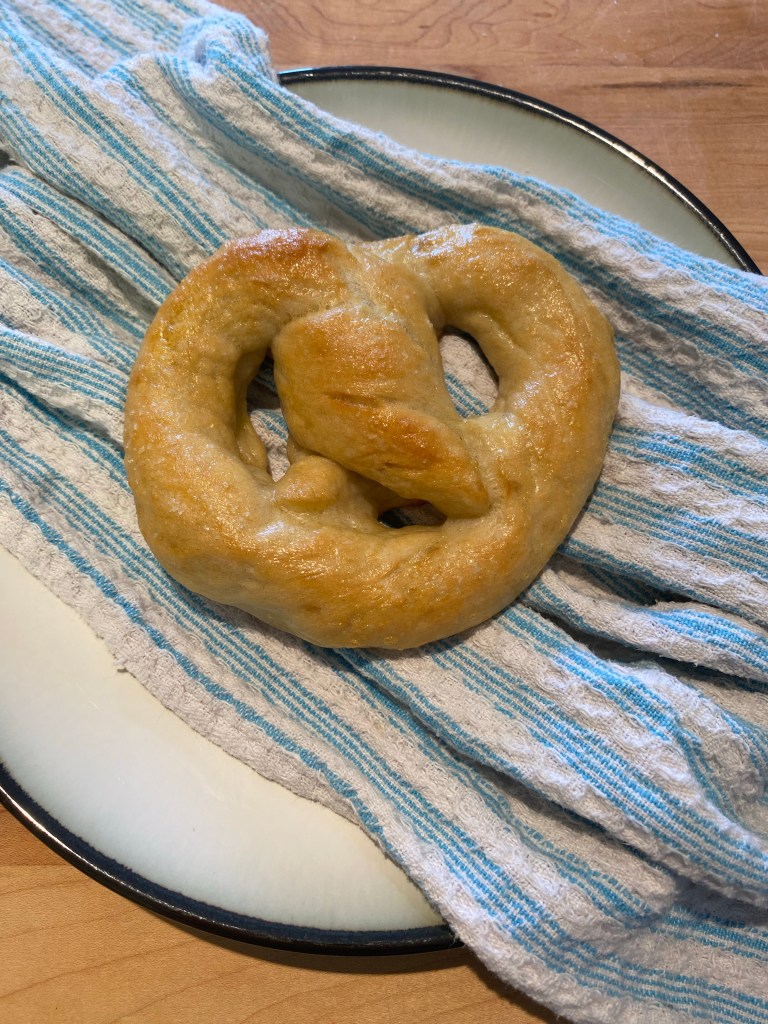
The ancestry of the soft pretzel can be found dating back to 610 AD. An Italian monk was recorded to have made a tasty, twisted dough incentive for little children learning their prayers, and calling it a “Pretiola“.
However, the soft pretzel is more commonly thought to have come from southern Germany, where it began raising popularity around 1200 AD and it’s traditional twisted shape began to form in bakeries.
In the Catholic Church, the three intertwined holes in the soft pretzel were thought to represent a reminder for the Holy Trinity. Soft pretzels were made during Lent that only consisted of: flour, water and salt, because catholics could not eat any eggs, dairy or lard at Lent. At Easter, (in some areas of Europe) soft pretzels were hidden and found instead of an Easter egg hunt.
Today, the soft pretzel is thought of as a good luck symbol, and also a “tying the knot” symbol used at weddings.
Creative Soft Pretzel Ideas:
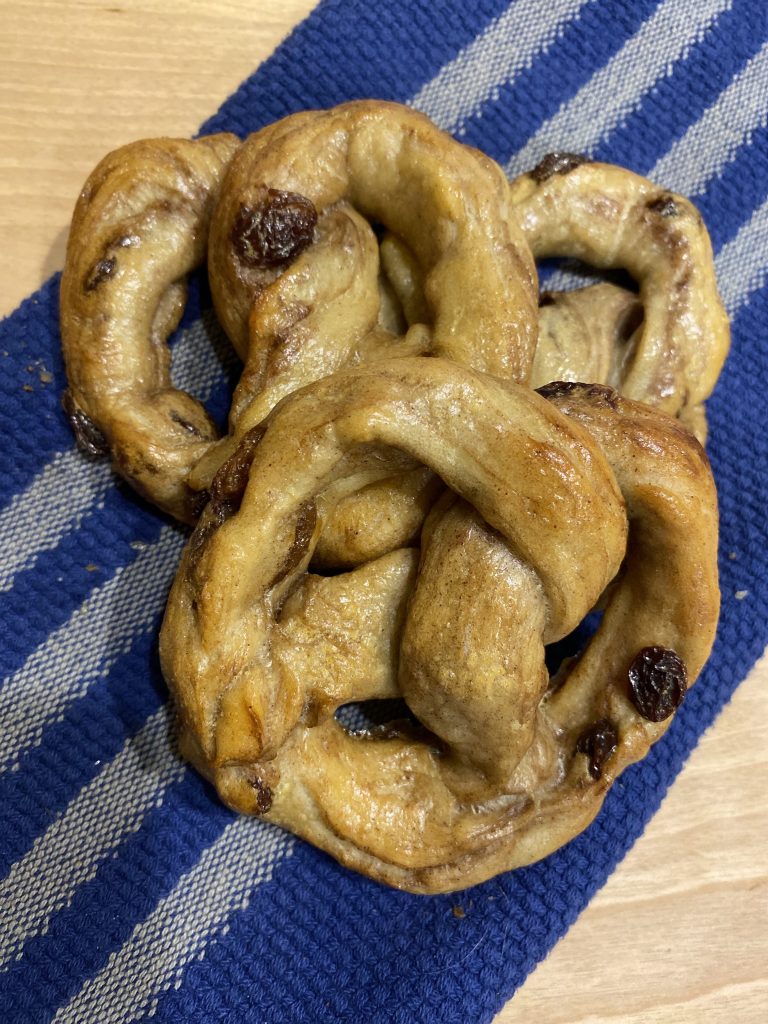
Use this one basic recipe to make many more kinds of pretzels! Just add the extra ingredients right before shaping and twisting into pretzels. I’ll post more pretzel recipes when I can, but until then have fun experimenting and trying some of these out!
1 teaspoon sea salt, larger granules for sprinkling
Directions:
1. Mix your active sourdough starter with the water and honey. Mix the sea salt and flour together and add to the wet mixture. Mix all together well.
2. Cover with a beeswax food cover or a towel and plate over bowl and let rest overnight or for 8-10 hours. Dough will be moist and spongy and will have doubled in size.
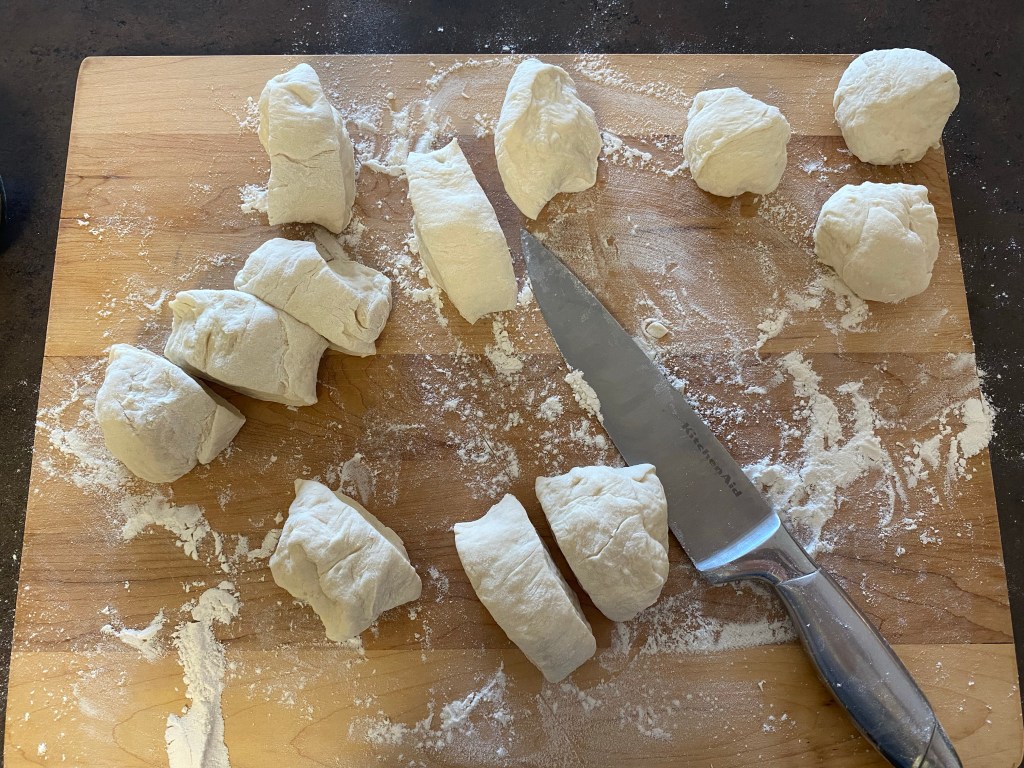
3. Knead dough on floured surface for 2 minutes until it is a soft dough ball. Form it into a “log” and divide and cut into 12 pieces.
4. Roll out a dough piece with your hands until it resembles a long string. (Make sure to not use too much flour, it is good to keep it slightly sticky.) Shape dough “string” into the letter “U”, then take the end pieces and double twist them. Lastly, take the end pieces and fold them down (See pictures above for reference). Pinch the ends into the pretzel body (this is why you want the dough to not be too dry).
5. Place on parchment-covered baking sheet and cover with a tea towel. Let rest for 1 hour. (Note that at this stage they will expand and puff up, so thinner is good prior to resting. You can always gently stretch them before putting in the water bath too.)
6. Preheat oven to 425 degrees Fahrenheit.
7. Boil 6 cups of water in a large pot and add baking soda and sugar. When it is a rolling boil, add 3-4 pretzels gently with a large slotted spoon.
8. Set the timer for 30 seconds, then turn them over for another 30 seconds on the other side. Transfer them back to the baking sheet.
9. When all the pretzels are back on the baking sheets, whisk up an egg and paint the pretzels with a cooking brush. Sprinkle the tops with coarsely ground sea salt.
10. Bake pretzels on middle rack in oven for 14-16 minutes or until golden brown on top and bottom. Let cool on baking sheets or rest at least 10 minutes before biting into. Enjoy!
11. Store at room temperature for 5 days in an airtight container, or freeze for up to three months in a freezer bag. Thaw in fridge then warm in the oven to freshen them up.
Other Tasty Sourdough Recipes to Check Out!
Hi, I’m Jessie!
I’m a Wife and Homeschooling Mom living in a remote town in Northern Ontario, Canada.I love making wholesome meals for my family from scratch, homeschooling our girls and learning more about natural living.
Subscribe to Northbird’s email list to get weekly posts on: tasty recipes, activity ideas for kids, natural living tips, and some genuine mom thoughts and encouragement!
Keep an eye out for these other Sourdough Pretzel Recipes…Coming Soon! Cheesy Sourdough Pretzels & Cinnamon Raisin Sourdough Pretzels
1 teaspoon sea salt, larger granules for sprinkling
Directions:
Mix your active sourdough starter with the water and honey. Mix the sea salt and flour together and add to the wet mixture. Mix all together well.
Cover with a beeswax food cover or a towel and plate over bowl and let rest overnight or for 8-10 hours. Dough will be moist and spongy and will have doubled in size.
Knead dough on floured surface for 2 minutes until it is a soft ball. Form it into a “log” and divide and cut into 12 pieces.
Roll out a dough piece with your hands until it resembles a long string. (Make sure to not use too much flour, it is good to keep it slightly sticky.) Shape dough “string” into the letter “U”, then take the end pieces and double twist them. Lastly, take the end pieces and fold them down (See pictures above for reference). Pinch the ends into the pretzel body (this is why you want the dough to not be too dry).
Place on parchment-covered baking sheet and cover with a tea towel. Let rest for 1 hour. (Note that at this stage they will expand and puff up, so thinner is good prior to resting. You can always gently stretch them before putting in the water bath too.)
Preheat oven to 425 degrees fahrenheit.
Boil 6 cups of water in a large pot and add baking soda and sugar. When it is a rolling boil, add 3-4 pretzels gently with a large slotted spoon.
Set the timer for 30 seconds, then turn them over for another 30 seconds on the other side. Transfer them back to the baking sheet.
When all the pretzels are back on the baking sheets, whisk up an egg and paint the pretzels with a cooking brush. Sprinkle the tops with coarsely ground sea salt.
Bake pretzels on middle rack in oven for 14-16 minutes or until golden brown on top and bottom. Let cool on baking sheets or rest at least 10 minutes before biting into!
Store at room temperature for 5 days in an airtight container, or freeze for up to three months in a freezer bag. Thaw in fridge then warm in the oven to freshen them up.
Nutrition
Per 1 Pretzel: 173 calories; 0.8 g fat; 36 g carbohydrates;
4.9 g protein;
This post contains affiliate links. As an Amazon associate, I earn from qualifying purchases. This means that I make a small commission at no extra cost to you. You can read my full disclosure HERE.
Have you ever had one of those mornings where suddenly you realize (in the middle of pre-coffee grogginess) that there is NO MILK?! Because SOMEONE finished off the last milk and SOMEONE didn’t put it on the grocery list, and SOMEONE forgot to soak almonds last night to make almond milk…
The kids are hungry and getting impatient, and suddenly nothing else matters except figuring out something for them to eat QUICKLY.
In our family, we try to have either granola, oatmeal, or breakfast bowls of some sort during the week. Cereals and other breakfast foods are for the weekends and special days.
On this particular occasion, the girls and I were staying at my parents so we were a bit out of routine (which explains why SOMEONE forgot a lot of routine things!).
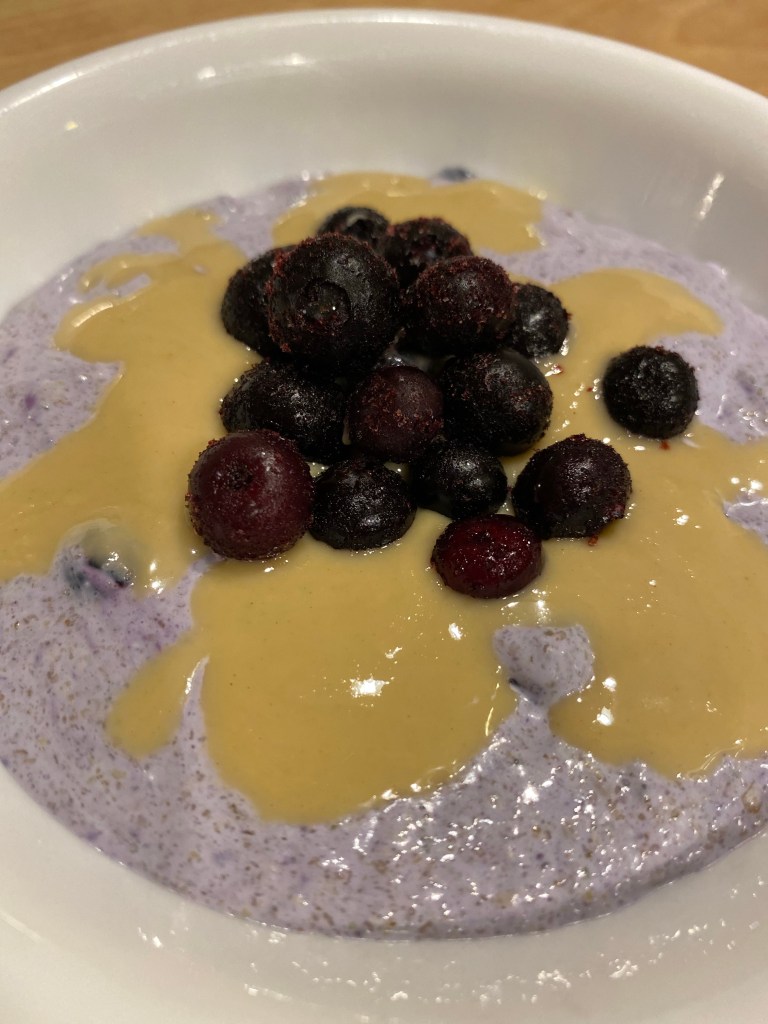
I managed to find an assortment of items that we usually use in our breakfast bowls: tahini, 3 seed blend (chia, flax and sunflower), and some frozen blueberries.
Thankfully, I also found some coconut powder. I had never used it before, but after reconstituting the powder with water, we had a deliciously creamy nut milk to use in our breakfast bowl.
Problem solved!
And bonus: the blueberries made the breakfast splodge have a beautiful lavender colour, which my oldest loved.
What is 3 Seed Blend?
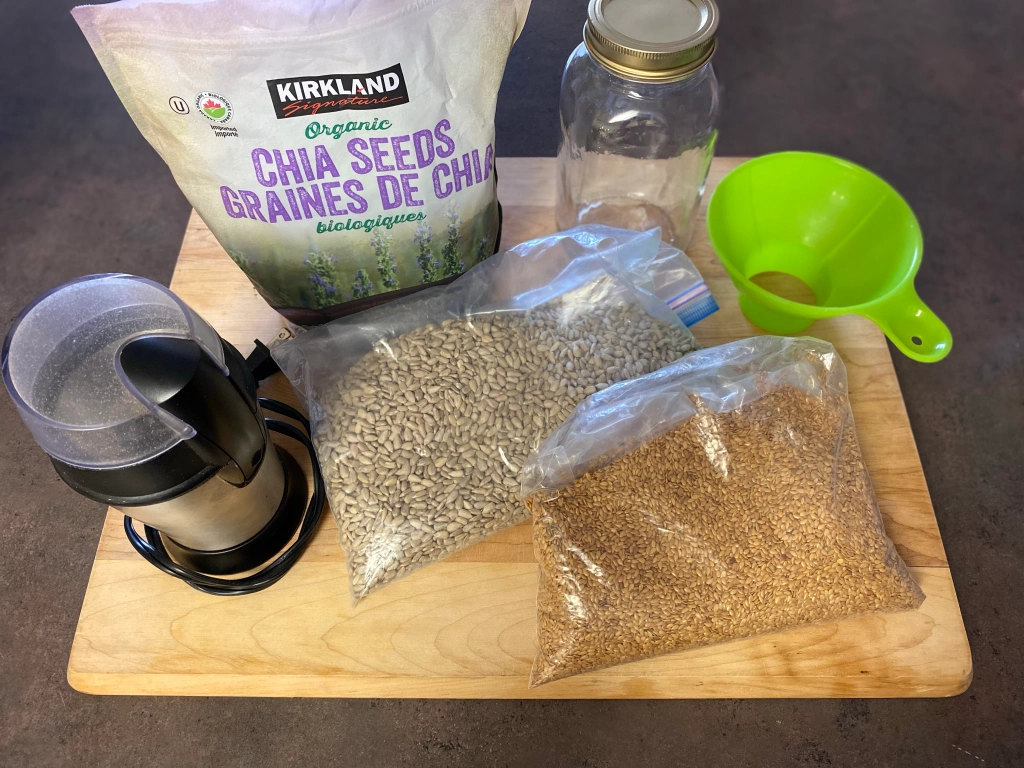
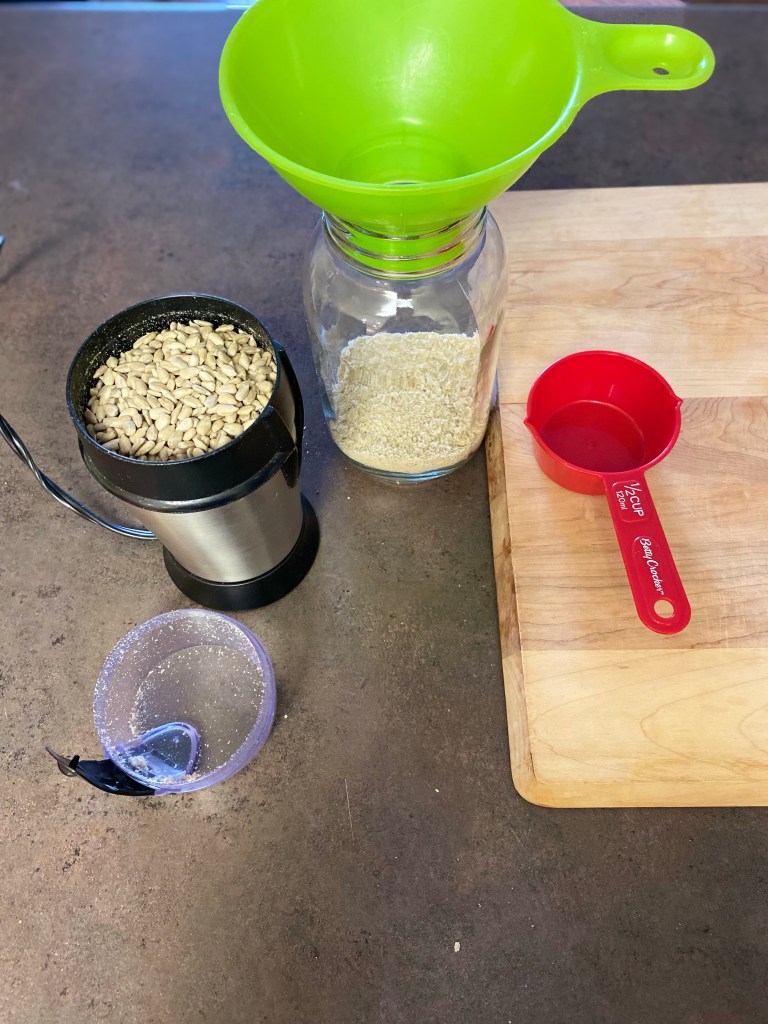
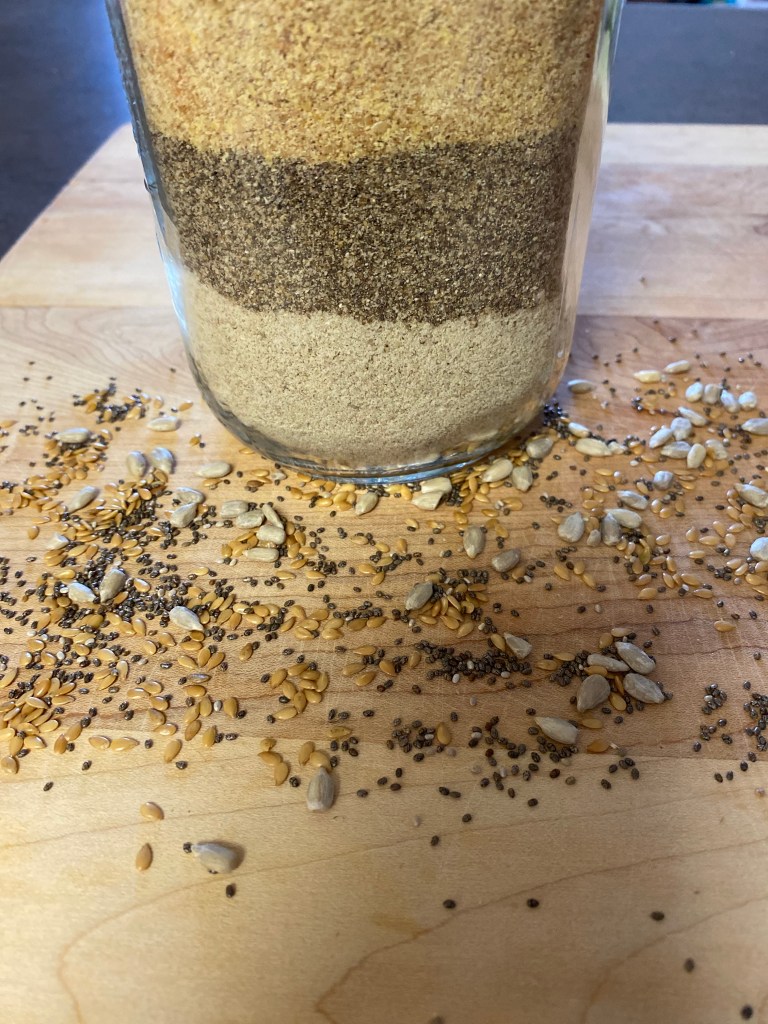
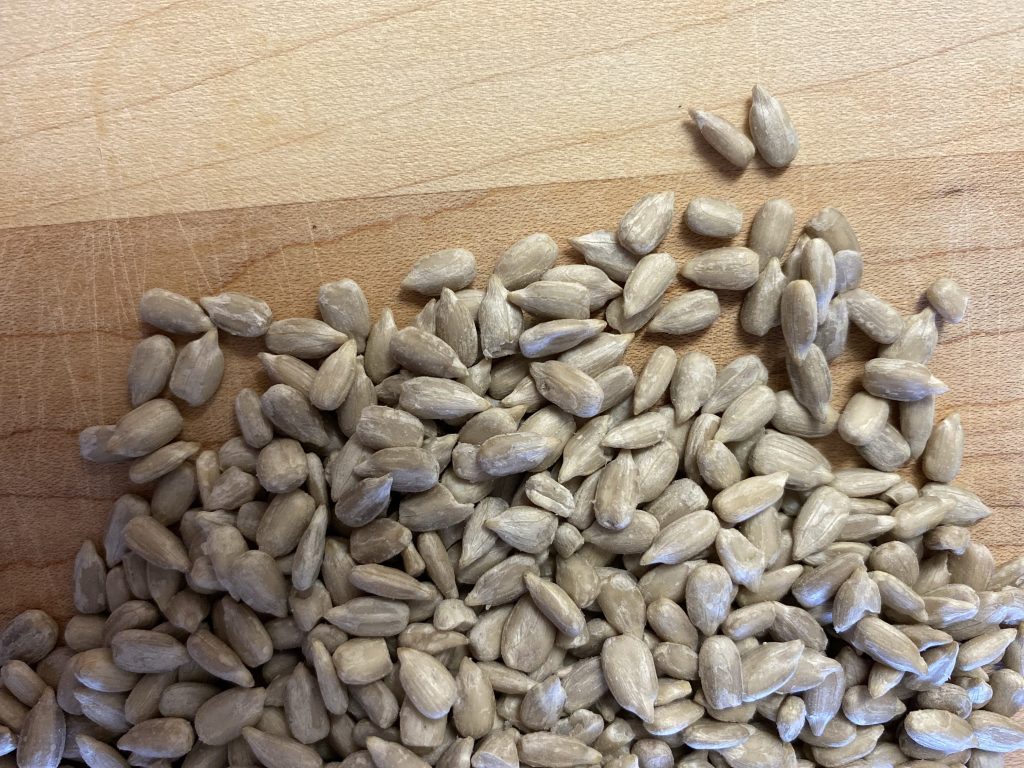
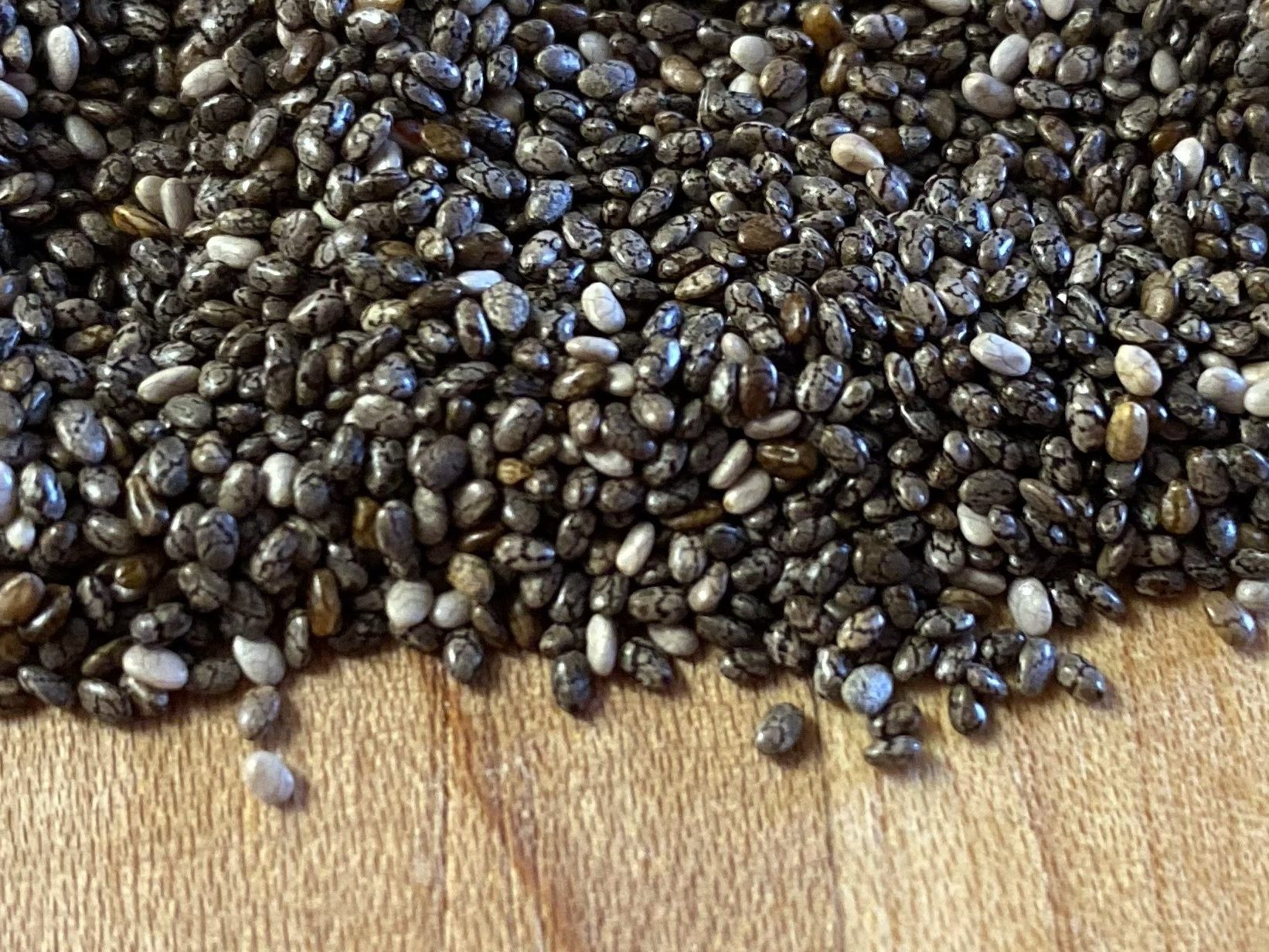
This is a blended seed mix that we always have in a jar in the fridge. We use it often in breakfast bowls and snacks. It consists of: organic flax seeds, organic chia seeds, and raw/hulled organic sunflower seeds.
To make the 3 Seed Breakfast Blend you will need:
Small blender or coffee grinder
Measuring cup
Jar
Funnel
Organic Flax seeds
Organic Sunflower seeds (raw, hulled and unsalted)
Organic Chia seeds
Directions to make the 3 Seed Breakfast Blend:
Measure equal batches of seed into blender and pulse until grainy.
Add to Jar and give it a good shake!
Store in fridge for up to one month.
A Little About the Seeds:
Organic Golden Flaxseed:
These are high in fibre and omega-3 fatty acids! They have also been shown to help lower blood pressure and blood sugar, contain protein, improve digestion (hence the fibre) and reduces bloating. Some doctors also claim it to help with weight loss.
Important to note: Nutrition experts recommend the importance of grinding up flaxseed instead of eating it whole. Ground flaxseed is easier to digest and for your body to absorb the nutrients. Avoid buying it pre-ground, as it is best ground fresh and stored in the fridge. At room temperature it will lose some of its nutritional properties, which is why our Naturopath discouraged us from buying the pre ground sold at bulk barn!
Raw, Hulled Organic Sunflower Seeds:
These are notably high in vitamin E and selenium, which act as a powerful antioxidant and supports your immune system and thyroid function. They also contain protein, magnesium, and linoleic fatty acids.
Organic Chia Seeds:
Chia seeds have had their waves of popularity over the past few years, but the science and nutritional values still speak for themselves. Chia seeds are amazing for lowering blood pressure, blood sugar and cholesterol, and improving overall heart health. They are high in fibre, which aids in digestion and reduces bloating.
It is important to soak whole chia seeds for at least twenty minutes before eating them so that they become more digestible. This is true of most edible seeds! When they are soaked, the hard seed shell releases a gelatinous-like film around the seed, making it look like frog eggs or custard!
What is Tahini?
Tahini is basically just sesame seeds blended up into a paste and when you first open a container of it the oil has separated, which must be stirred up. Tahini originated in Middle-Eastern and Mediterranean cuisine, and today is widely used as an ingredient in sauces, dips, dressings, and marinades.
1. Mix together coconut milk and 3 seed blend and wait until it thickens, 5-10 minutes. (Perfect timing to get the coffee going…)
2. Add 1/4 cup of the blueberries and stir in.
3. Put the Tahini and the remaining 1/4 cup of blueberries on top. For added sweetness, you can drizzle some pure maple syrup or honey on top.
Check out these other Breakfast Recipes from the Northbird Kitchen!
Hi, I’m Jessie!
I’m a Wife and Homeschooling Mom living in a remote town in Northern Ontario, Canada.I love making wholesome meals for my family from scratch, homeschooling our girls and learning more about natural living.
Subscribe to Northbird’s email list to get weekly posts on: tasty recipes, activity ideas for kids, natural living tips, and some genuine mom thoughts and encouragement!
This post contains affiliate links. As an Amazon associate, I earn from qualifying purchases. This means that I make a small commission at no extra cost to you. You can read my full disclosure HERE.
It’s that time of year. Wonderful summer heat! And for me, a decreased desire to eat or cook/bake anything hot for dinner!
That’s why every summer I love finding new salads and developing ideas to serve for dinner without heating up the kitchen. And besides, at this time of year, I would much rather be in the garden!
Nutritional Benefits of Chickpeas:
Chickpeas are also known as garbanzo beans, and are widely used in many different cuisines. From falafel to curries to hummus, there are countless types of dishes that feature chickpeas.
They are high in protein, which makes them a favourite alternative for replacing meat protein. They are also high in healthy fats, carbs and fibre. Some other nutritional components include: Manganese, Folate (Vitamin B9), Copper, Iron, Zinc, Phosphorus, Magnesium, Thiamine, Vitamin B6, Selenium and Potassium.
Health Benefits May Include:
Helps you to feel full longer
Weight management
Boosts bone & muscle health
Helps to regulate blood sugar levels
Assists with digestion
May reduce risk of chronic illnesses
Supports brain function
May help relieve anxiety and depression
Boosts red blood cell production (Iron deficiency)
You can read more HERE about why Chickpeas are an amazing addition to your diet.
A Little About Perennial Edible Flowers:
I love finding edible flowers and putting them in salads, or as garnishes for other festive dishes. My sister H is a very accomplished cake baker and often decorates her cakes with fresh edible flowers. (I’m hoping she’ll start her own blog soon to share and feature her awesome creativity —wink wink @H!)
On my parent’s farm, they have a large area of their garden dedicated to various organic edible flowers that they sell to restaurants and resorts for fine dining.
Please note that when picking or foraging flowers and herbs in residential or public areas, make sure to only pick ones that have no risk of a pesticide spray or dog pee on them! If possible, source from an open field or an area with “clean” flowers.
There are many edible flowers with numerous health benefits, and too many to list now, so perhaps that will be a separate post in the future! Below are two common edible flowers that I have found grow well as a perennial in zones 2-3.
Pansies:
Pansies are one of my favourite edible flowers. They have a sight sweet taste, and aside from their charming looks and extremely hardy character for growing in the north, they have several medicinal uses as well.
Traditionally, they have been used in teas and poultices to treat skin problems, respiratory infections, fevers, headaches and pain relief. They have antioxidant, antimicrobial and anti-inflammatory properties.
The pansy family has many names: Jolly Jump Up, Heartsease, Wild Pansy, and Viola Tricolour are some of them.
Dandelion:
Dandelions are usually known as an invasive weed, and one of the first foods that bees look for in the spring. But they are also a highly nutritious plant and packed full of medicinal properties. From the root to the flower head, all of the plant is edible and has different uses.
A “Dandelion House” that my oldest built for her toy tiger.
Dandelion root is traditionally used to treat digestive problems and help the liver and gallbladder. Feeling constipated? Dandelion root tea can help with that. (I’ve tried it!) It is also used to make “root coffee”, a coffee bean alternative.
Dandelion greens are considered a superfood! Jo Robinson, author of “Eating on the Wild Side”, says that when compared to spinach, dandelion leaves have “eight times more antioxidants, two times more calcium, three times more Vitamin A, and five times more vitamin K and vitamin E.”
The leaves taste a little bitter, so when making a dandelion leaf salad it is nice to add some sweetness to balance it out. I enjoy it with a raspberry vinaigrette.
Dandelion flowers are a powerful antioxidant. In addition to supporting the immune system, they help to lower cholesterol, fight infections and reduce inflammation. They taste sweeter than the leaves, and can be used not only in salads, but can also be cooked in sauces and made into preserves.
I enjoy making an annual batch of “Dandelion Jelly”, which tastes like wild honey.
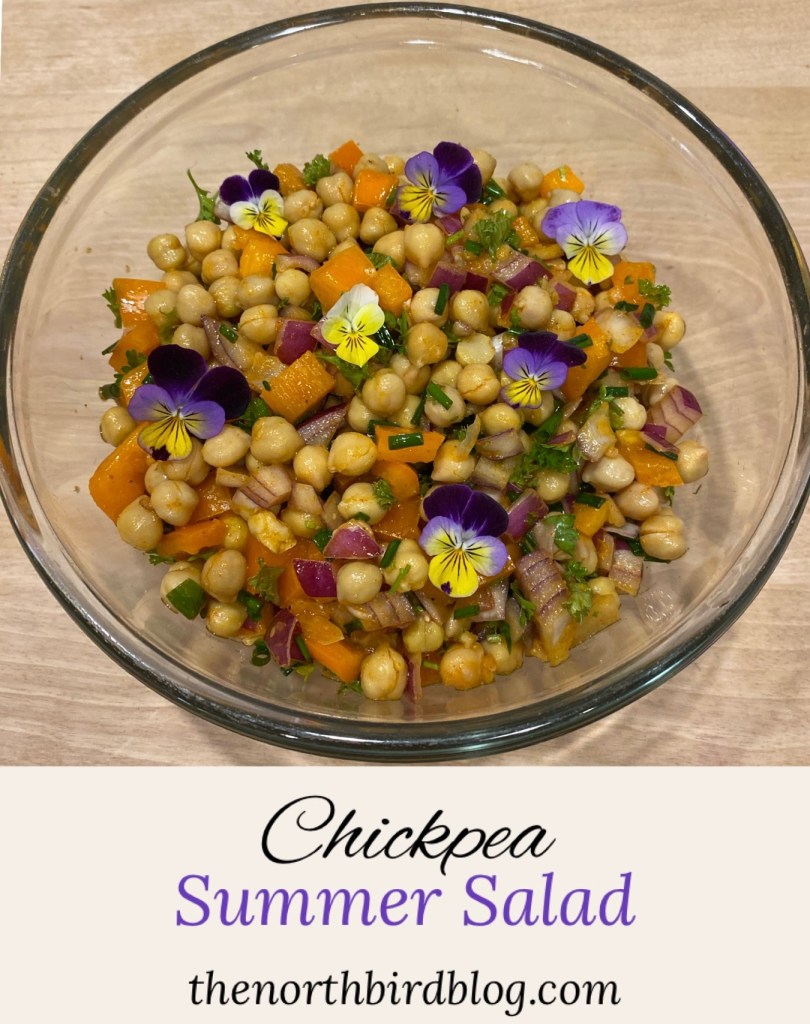
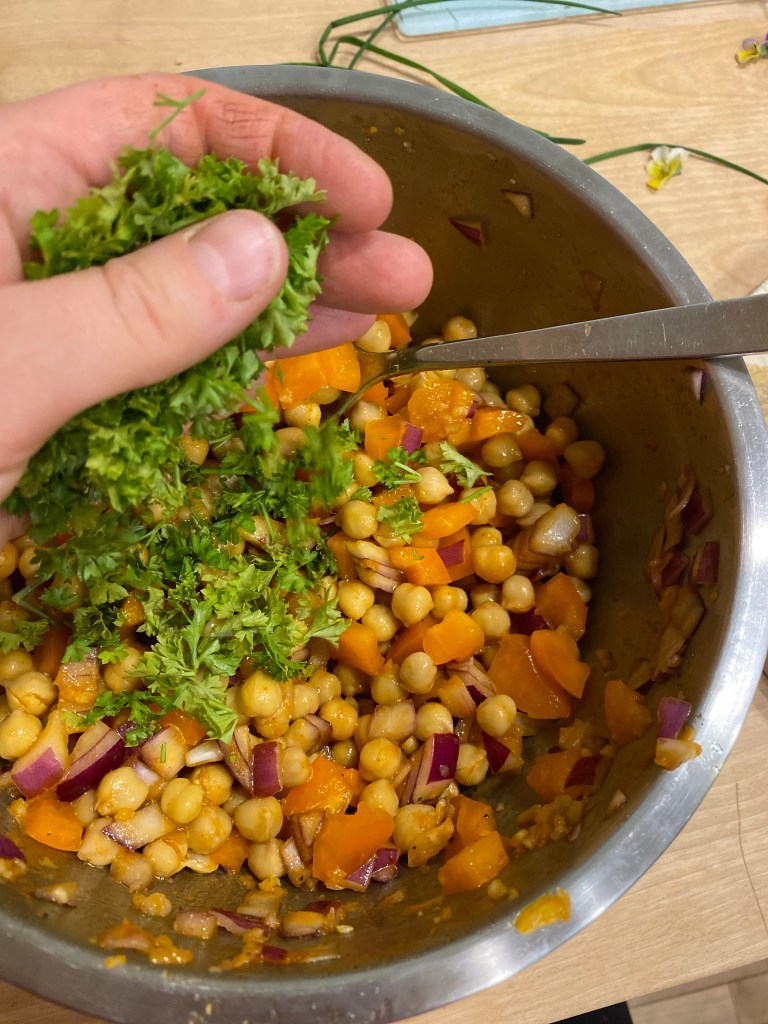
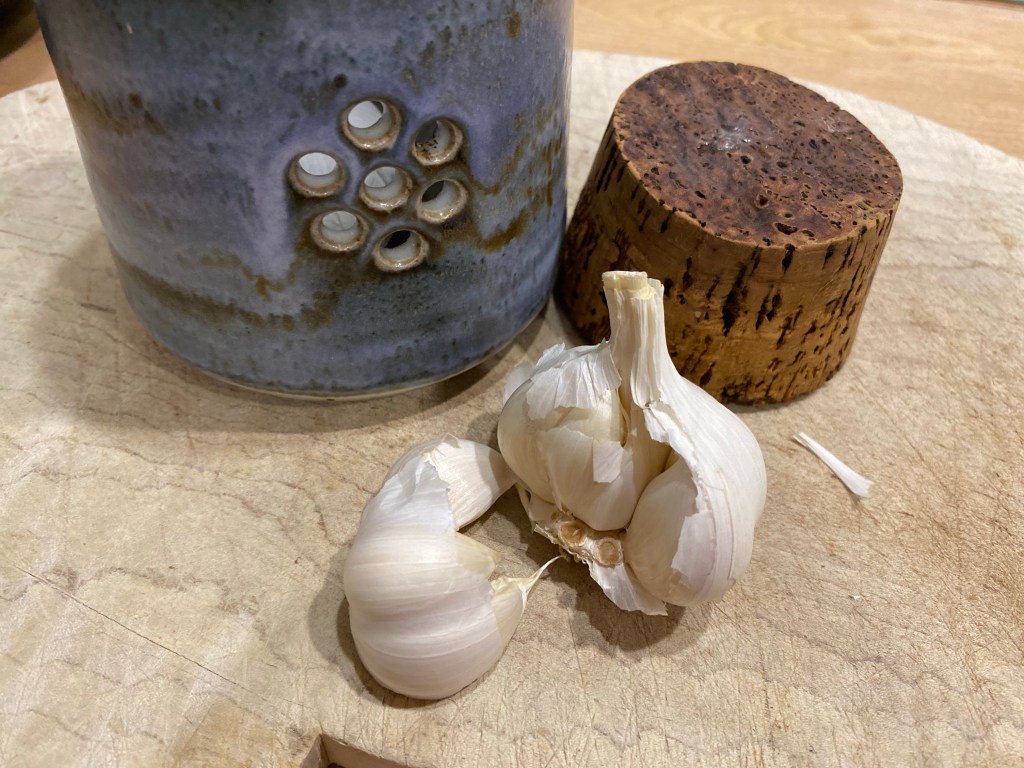
1. Drain and rinse the chickpeas and add to large bowl. Add the garlic cloves, bell pepper, red onion, olive oil, lemon juice, paprika, salt and pepper. Stir well.
2. Pick some fresh herbs, chop finely and add to bowl. Refrigerate until serving time.
3. Decorate the top with fresh edible flowers closer to serving time so that the flowers do not wilt.
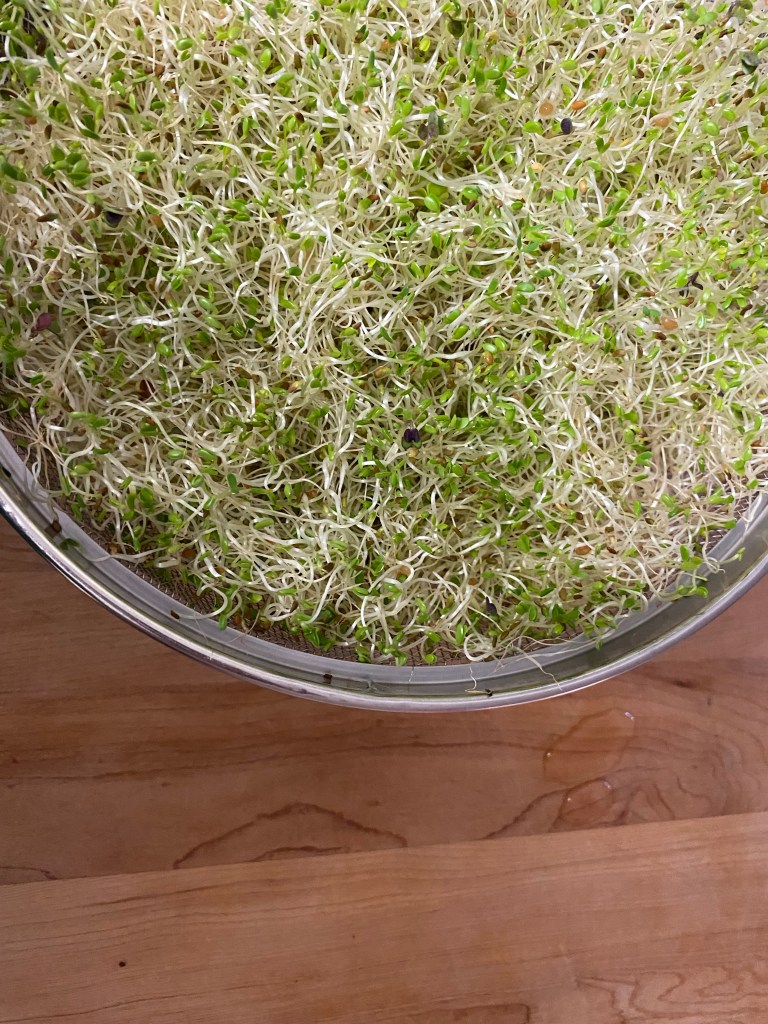
We made a colourful and fresh meal that night by cooking some corn cobs, making a green salad, fresh homegrown sprouts, avocados, veggie sticks and hummus!
Other Soups and Entrees to Check Out:
Hi, I’m Jessie!
I’m a Wife and Homeschooling Mom living in a remote town in Northern Ontario, Canada.I love making wholesome meals for my family from scratch, homeschooling our girls and learning more about natural living.
Subscribe to Northbird’s email list to get weekly posts on: tasty recipes, activity ideas for kids, natural living tips, and some genuine mom thoughts and encouragement!
Drain and rinse the chickpeas and add to large bowl. Add the garlic cloves, bell pepper, red onion, olive oil, lemon juice, paprika, salt and pepper. Stir well.
Pick some fresh herbs, chop finely and add to bowl. Refrigerate until serving time.
Decorate the top with fresh edible flowers closer to serving time so that the flowers do not wilt.
Nutrition
Per 1 Serving: 250 calories; 6.9 g fat; 37.2 g carbohydrates;
11.9 g protein; 746 mg sodium.
This post contains affiliate links. As an Amazon associate, I earn from qualifying purchases. This means that I make a small commission at no extra cost to you. You can read my full disclosure HERE.
I was honestly asking myself this a year ago, and never really looked into it because we had so many transitions in our life: A new baby, moving OUT of the north, buying a house, moving BACK to the north…you get the idea.
We were way too busy for me to start a new hobby and spend the time to learn something new. And “sourdough” was a complicated process, right? Or so I thought!
We were out for dinner at another family’s house and my friend P had some fresh sourdough bread. She encouraged me to try it and gave some starter with instructions and a website to check out.
I was apprehensive and unsure if I was up for the challenge, but wanted to give it a try. After researching and building up my tiny starter for a few days, I made my first loaf. I was amazed at HOW EASY it really was!
After that, I decided that we would no longer buy bread, but would make it ourselves as much as possible. And the result: I learned to make and create a few different sourdough recipes, my tummy was happier because it could digest the fermented bread better and it largely cut down on our grocery bill. Not to mention the pride I felt in serving my family fresh baking made from scratch!
What is Sourdough Bread?
Sourdough bread is a natural leavening bread, which means that it rises without the use of commercial yeast. It is made using a fermented mixture of flour and water, called the starter, and mixed with more water, flour, and usually salt. The bread naturally rises as the dough ferments during resting stages. There are hundreds of variations of sourdough bread with different flavourings, texture and shapes.
Is Sourdough Good for You?
Yes! I have a sensitive tummy when it comes to bread products, and although I’m sure those struggling with celiac would still find sourdough bread hard to digest, I personally have no digestive problems with sourdough, compared to the traditional yeasted store-bought breads.
1. Sourdough bread is easier to digest than other breads. The fermenting that takes place while making sourdough breads produces amino acids, which in turn produces enzymes that help to break down proteins and lower the overall gluten levels in the bread (making it easier to digest).
2. Whole grain sourdough breads have a lower glycemic index than other types of bread, specifically white flour breads that have been processed and are packed full of preservatives. This means that sourdough breads have less of a glycemic spike, and more of a gradual release on the glycemic scale, making it a healthier option for those struggling with balancing blood sugar levels.
3. Sourdough bread contains higher levels of protein, fibre and nutrientsthan most breads.
Sourdough bread still contains many of the natural nutrients that are processed out of the majority of other kinds of breads.
It contains lower levels of phytate, which helps your body to absorb the nutrients easier than other breads.
Whole grain sourdough is considered a high-fiber food, which feeds the good bacteria in your gut and digestive system.
Common vitamins and minerals found in sourdough bread: Calcium, Iron, Manganese, B1-B6, B12, Potassium, Magnesium, Folate, Niacin, Zinc, Thiamin, Riboflavin, Selenium, Phosphorus, and Vitamin E.
What is a Sourdough Starter?
A sourdough starter is basically a fermented mixture of flour and water. Every day it is “fed” flour and water, and within several hours it becomes bubbly and the amount doubles in size. This is now called “active starter”. The “active” timing depends on your kitchen’s temperature and humidity, and also the feeding ratio of flour and water.
HOW & WHAT do I feed a Sourdough Starter?
The current starter I use every day is mostly made from all purpose flour. I have used bread flour, spelt flour and whole wheat flour to feed it in the past, but now I find it is easiest to use basic all purpose flour for feeding it with the ratio I have developed, (and can also better predict the bubbling up timing!) I am sure there is more science behind using different flours and ratio of starter/new flour/new water, so when I have learned and researched more then I will share this with you.
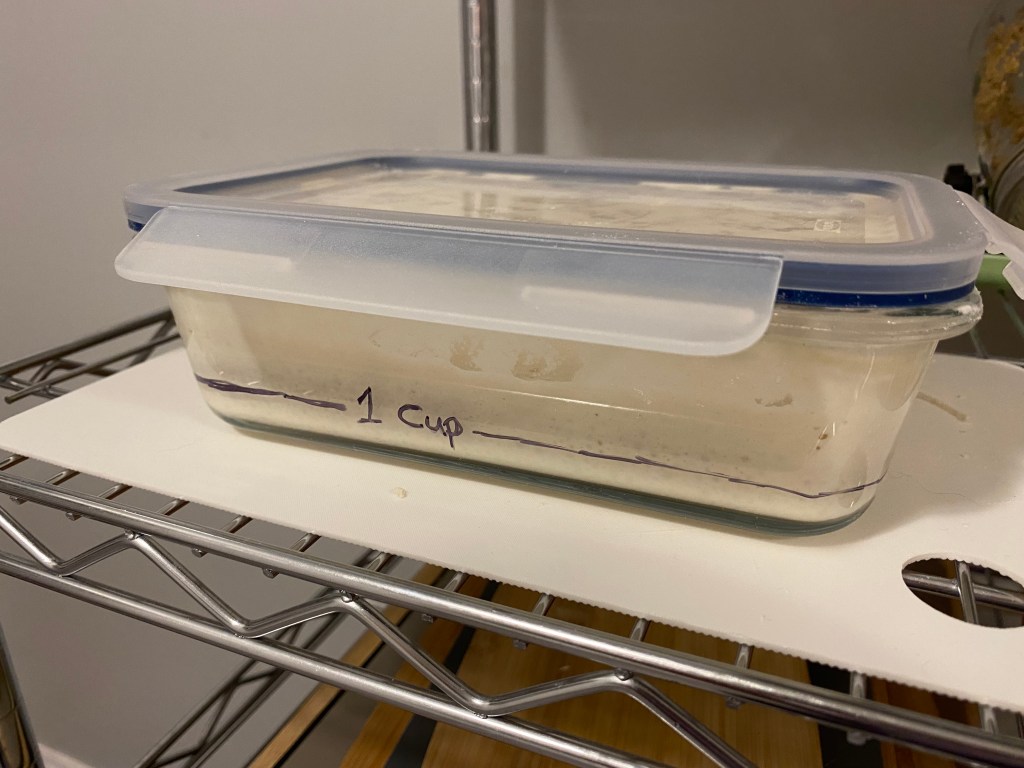
When I first started “sourdoughing”, I used a glass jar to store my starter, but have since started using a glass rectangle dish with clamp on lid. I was inspired by my friend R’s sourdough dish when I looked after it for a week, and loved how easy it was to measure amounts and stir.
I got this particular glass container from Ikea, and wrote on the side a “1 Cup” marking line with permanent marker that I use as a baseline to determine how much to feed it.
On the days that I plan on feeding it (because it’s not every day!) I will usually discard (spoon out/skim off the top) until I reach the 1 cup measuring line.
With 1 cup of starter in there, I will then add about 2/3 cup of all purpose flour and 1/3 cup of lukewarm/room temperature water. I have read that it’s best to use well water or distilled water instead of “town water” for feeding your starter, but have also had great results with unfiltered town water. Typically we use filtered water for feeding and recipes.
General feeding rule of thumb that I use: 1:1 ratio of {1 PART current starter : 1 PART added flour+added water}
After a good stir, the starter rests in a warm area of the kitchen on the counter (not in a cupboard!) and within 4-8 hours is bubbly, more than doubled in size, and ready. A great test is to take a cup of water and put a tiny spot of starter in it to see if it floats. If it floats, then it is ready!
As mentioned above, the timing of active starter readiness will be determined by the warmth and humidity of your kitchen. I have also found the active timing to change with the seasons.
Here in Northern Ontario we get temperatures nearing -50 degrees Celsius in the winter months, and our old kitchen has the furnace contained on one side of it. This means that when the other rooms of the house get chillier, the air vents in the kitchen will tend to come on more frequently and blast hot air into an already warm kitchen (especially if I am already cooking or baking that day!). On those days, the sourdough starter doesn’t take too long to bubble up for me.
I don’t have time to feed it and bake with it every day. What should I do?
I don’t make bread or other sourdough stuff everyday, so as soon as I’ve measured out the active starter I need for a recipe, I’ll put my starter container in the fridge with the lid clamps on. This will slow down the fermenting process and let it go a little dormant in the fridge until I’m ready to feed it and make something else again in a few days.
When in the fridge, the typical rule is to feed it once a week. To maintain a consistent amount of starter while in the fridge, then you will need to discard/spoon out some of the inactive starter until you reach your base amount. (for example, I always try to keep a minimum of 1 cup of starter when it is taking a break in the fridge.
How does the timing work?
There are so many ways of doing it, and honestly everyone does it a little differently! The routine that has worked for me is as follows for most of my sourdough recipes:
Feed the starter in the morning…(somewhere between getting the kids breakfast and sitting down to coffee!)
Sometime after lunch or mid afternoon I’ll check on it and if its ready then I’ll mix up the dough. (And put the rest of my starter in the fridge to go dormant for a few days)
Depending on the recipe, it may need a few extra stretches (like for bread) that I’ll do while making dinner.
Bulk fermenting overnight. Usually this is easier to do overnight and the timing can be very forgiving for generally most sourdough recipes.
Next morning, depending on the recipe there may need to be more stretches (bread), or rolling out, shaping, letting rise for a few hours, putting in fridge, etc. Most timing is quite forgiving and I try to plan the baking part of the recipe according to what that day holds.
I accidently used too much starter in a recipe and am only left with a few tablespoons. How do I build it back up?
I have definitely done this a few times, for example doubling a recipe then forgetting that I actually need 1 CUP of starter instead of 1/2 CUP. Ooops.
To build your starter back up when it has settled back down from the active stage, you can simply measure the amount you currently have, then add an equal amount of flour and water. For example, If you have 3 tablespoons of starter, you can add 2 tablespoons of flour and 1 tablespoon of water.
Oops, I missed the active timing and it has started to bubble down again! Can I still use it?
Sometimes my timing gets off if we have a busy morning, or (as mentioned above) it bubbles up faster than I anticipated or had planned, and has already started to shrink down again. It still looks bubbly but doesn’t float. When this happens (and yes, has happened many times!), I still use the starter, but just add another 1-2 tablespoons of starter to the regular recipe.
What can I do with the Sourdough Discard?
The idea of “discarding” your starter is there for a reason: if you never discard or remove a portion of your starter from the jar, but keep feeding it and never take any out for baking in recipes, then if you are following the 1:1 feeding ratio it will quickly multiply and you will have to keep feeding it higher quantities of flour/water each day!
As a result of this multiplying “problem” there are now oodles of “sourdough discard” recipes and ideas to be found on the internet, to incorporate the inactive starter into a recipe instead of throwing it in the trash.
How can I get a Sourdough Starter?
There are dehydrated sourdough starters that you can purchase online, or you can make your own from scratch (it takes about 10 days, I am still developing a post post to follow soon with instructions), or if possible, see if a friend can give you a portion of theirs.
Sourdough starters that have been fed and cultured for years are pure gold to beginners!
How to Make Sourdough Bread
This recipe’s timing has been written to bake the loaf off on the 2nd day late morning. Adjust the start time to bake off in the evening.
You can read above HERE for more suggestions on feeding your starter.
If your kitchen is more humid and warmer, than your starter may take less time to activate. You could feed your starter in the early afternoon instead to keep with this recipe’s timing.
2. Mix your Dough in the Evening
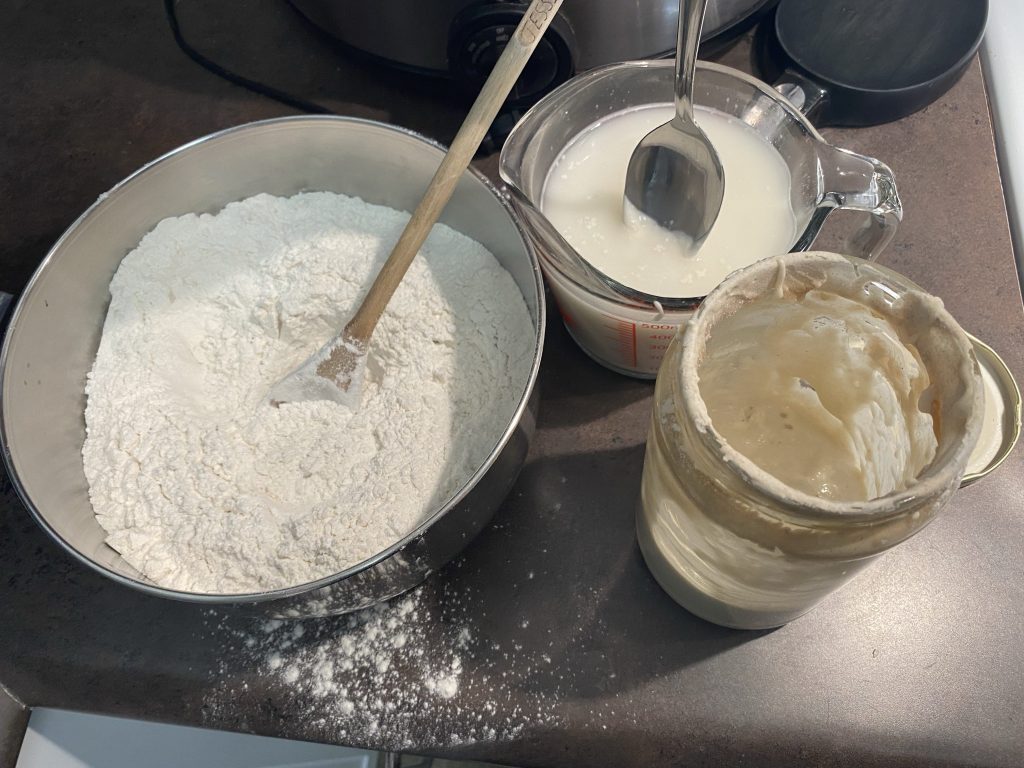
Mix your active starter with the water and set aside. Mix the flour and salt together in larger bowl, then add the wet ingredients and stir together until it forms a sticky ball.
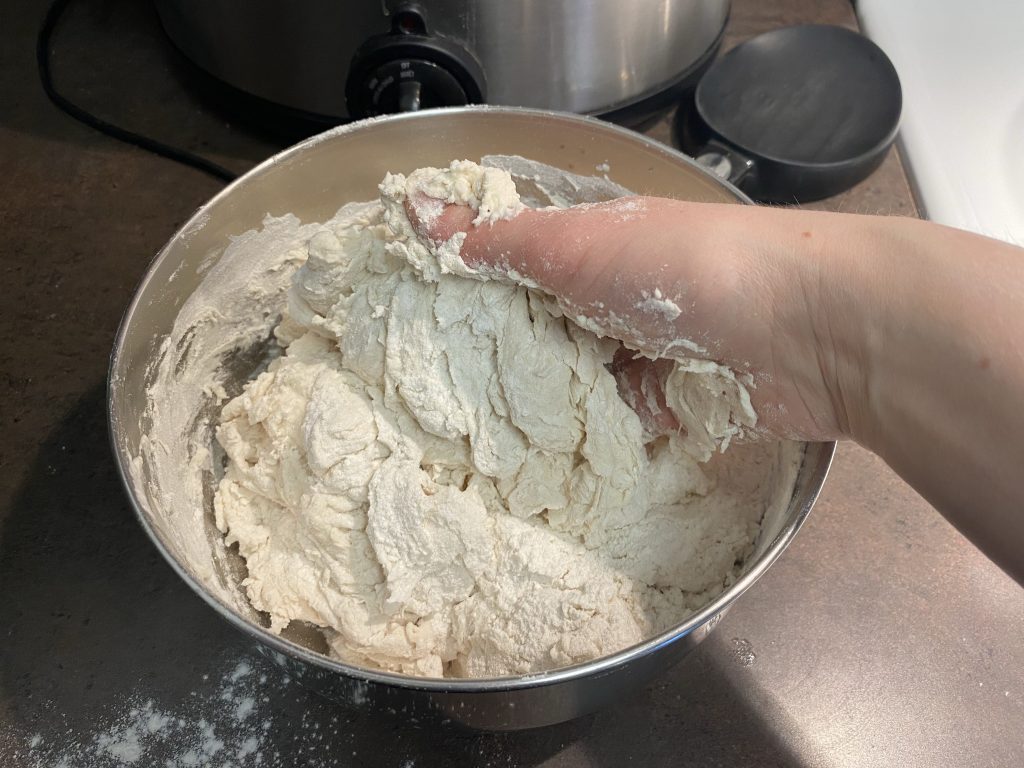
I find it easier to finish mixing it with my hands. If it is dry, resist the urge to add any water! Cover with beeswax cover/plastic wrap/tea towel and rest for 30 minutes.
3. Stretch & Fold: 1st Way
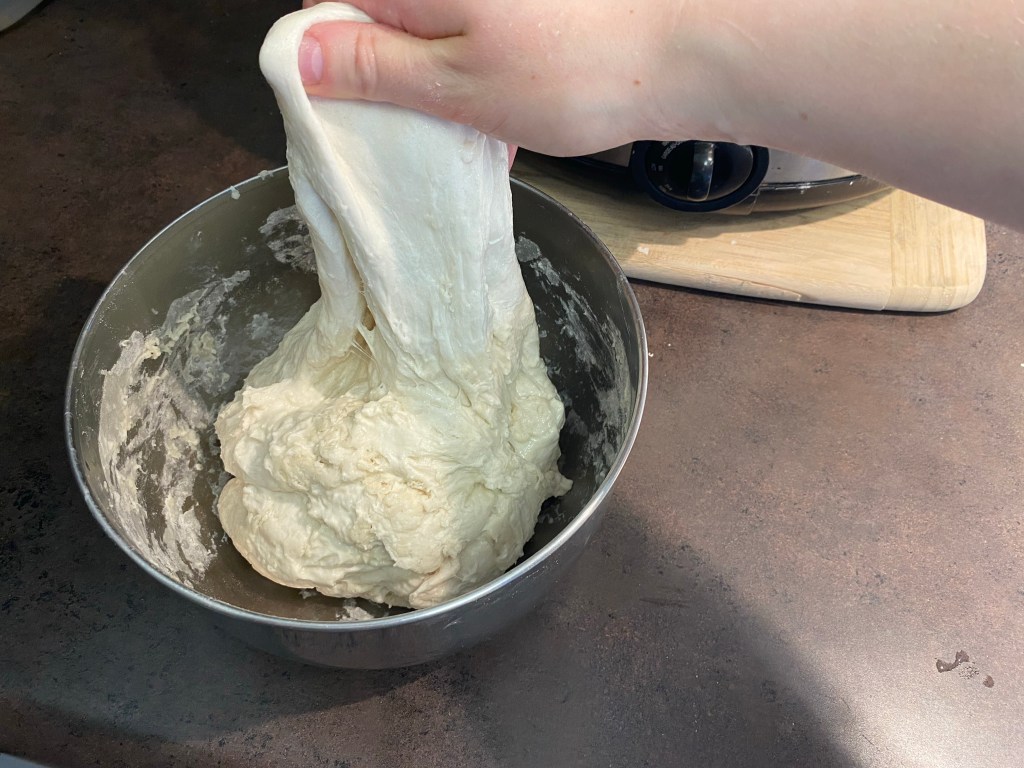
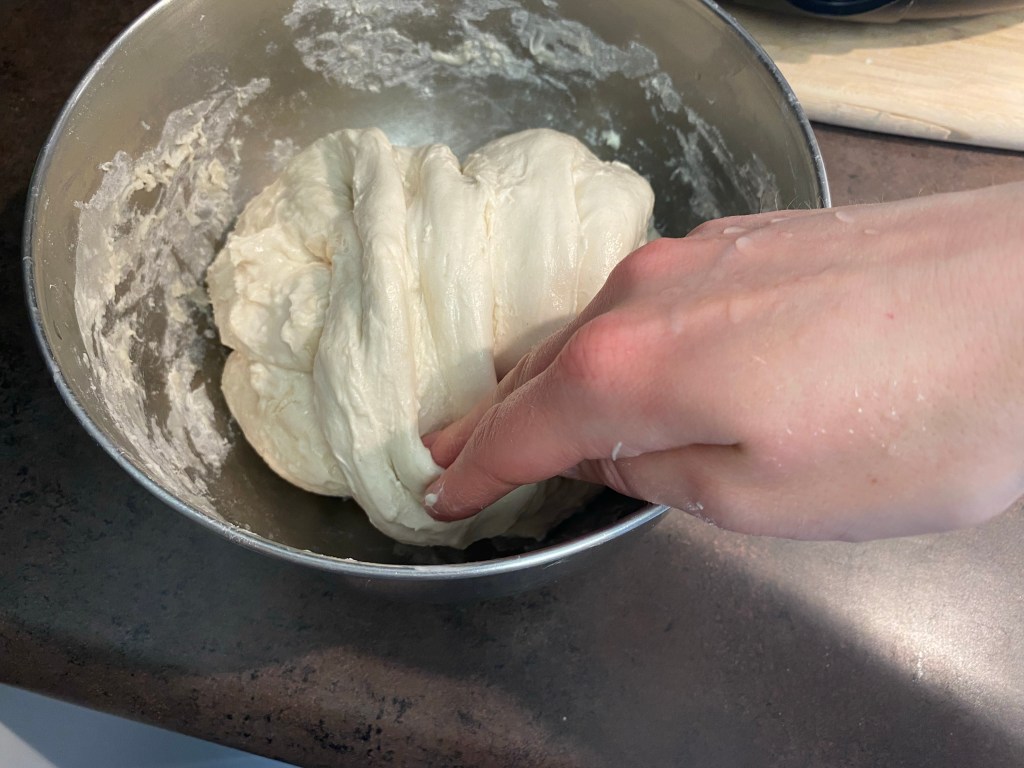
Wet one hand and gently loosen dough from edges of bowl. Take a handful of dough from the top of the bowl and pull towards you *See picture. Turn bowl 1/4 turn and repeat for a total of 4 stretch & folds to complete circle.
Cover and rest 20 minutes
Repeat stretch & fold full circle
Cover and rest 20 minutes
Repeat stretch & fold full circle
Cover and rest overnight 10-12 hours.
Day Two:
4. Lift & Fold: 2nd Way
Wet both hands and loosen dough from edges of bowl. Using both hands, pick up dough from middle and let it droop over the sides of your hands. *See picture. Gently lower into bowl and let it fold on top of itself. Turn bowl 1/4 turn and repeat for total of 4 to complete full circle.
Note: If it is stiff at first, you can pick it up and gently stretch a little with your wet hands to encourage the gluten. *See picture.
Cover and rest 20 minutes
Repeat lift & fold full circle
Cover and rest 20 minutes
5. Transfer to Fridge
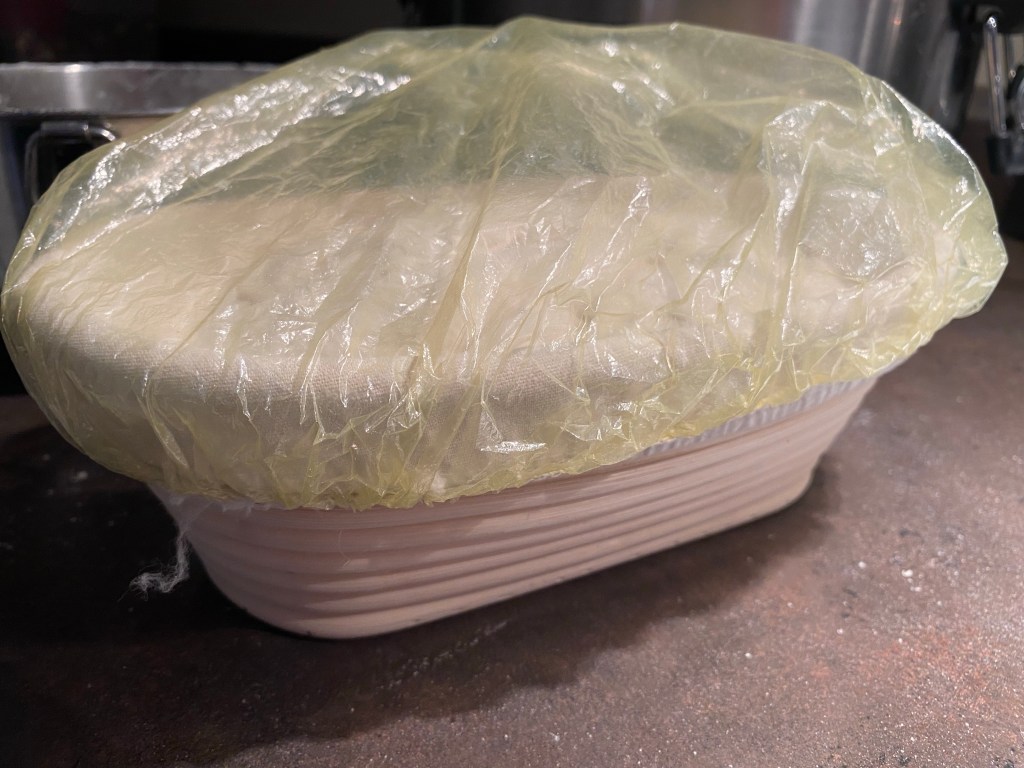
Put on floured surface and form into soft ball with floured hands. Put into banneton basket with smoothest side down and cover OR into a clean bowl lined with parchment paper, smoothest side up.
Cover and place in fridge for 1-24 hours. *This step is great, because you can keep the bread dough in there until you are ready to use it. It will continue cold fermenting and “proofing” during this time.
Note: If in fridge for longer than 1 hour, start preheating 1 hour from when you plan to bake.
6. Bake
Put your dutch oven or roasting pan in oven with lid on and preheat oven to 450 degrees.
Approximately 1 hour from the time you turned the oven on, take dough out of the fridge.
If using a banneton, transfer to parchment lined baking sheet. (I like to place a big piece of parchment on top of banneton, place cookie sheet upside down on top of parchment, then flip it right side up and gently pull banneton off, revealing the smooth side of the dough).
If desired, lightly dust the top of the bread with flour.
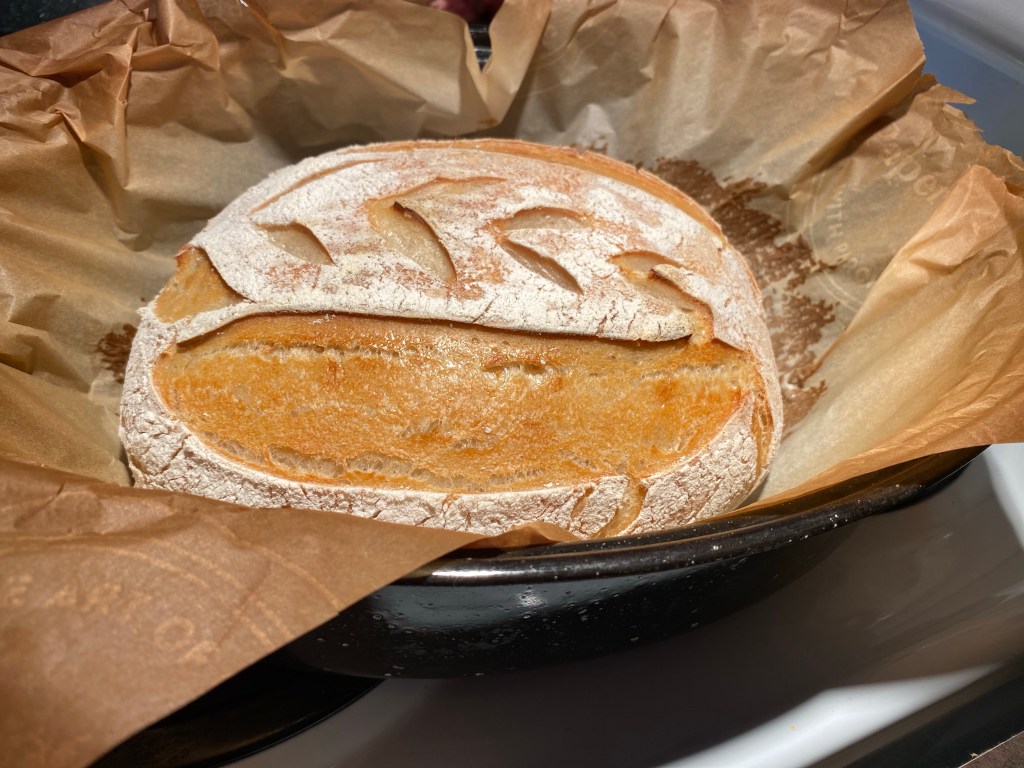
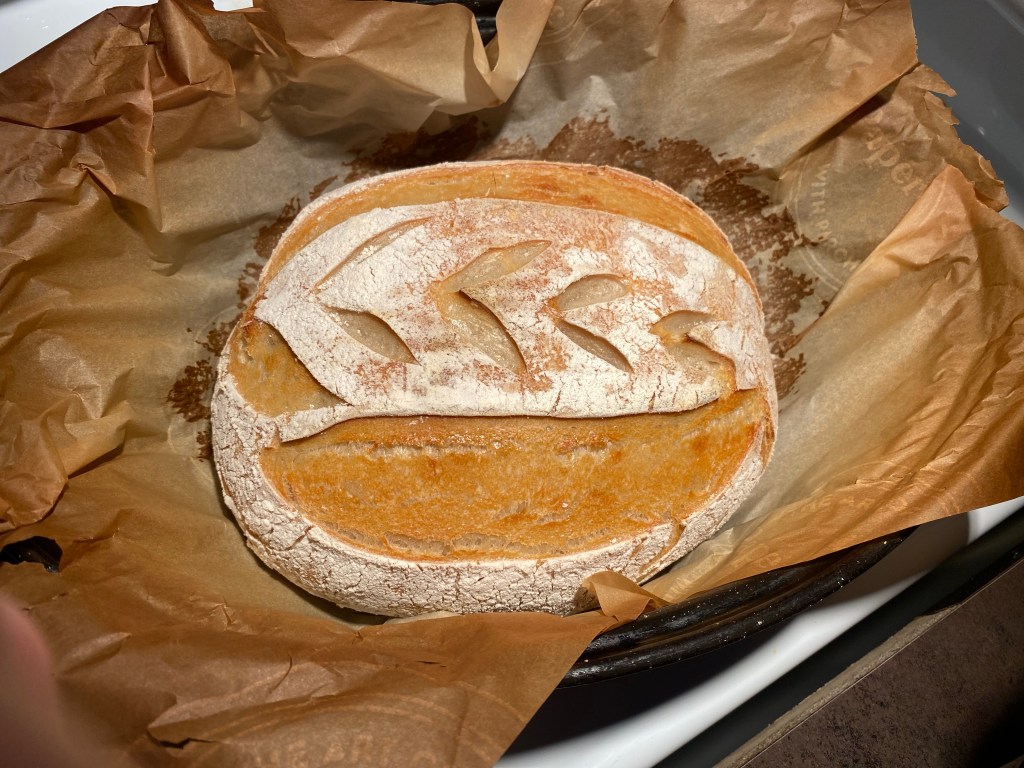
Proceed to score the top with sharp knife, razor blade or baking “lame”.
If using a bowl already lined with parchment, continue to score.
Take dutch oven or roaster out of oven, take lid off, and transfer dough by lifting up the parchment corners. Put lid back on and bake for 20 minutes.
After 20 minutes, take lid off and continue to bake for another 15-20 minutes or until golden and crusty.
7. Cool
Cool on wire rack, and let air harden the crust a little as desired. Store in airtight container or ziplock bag at room temperature to maintain freshness.
These are some of my favourite ways to eat Sourdough Bread:
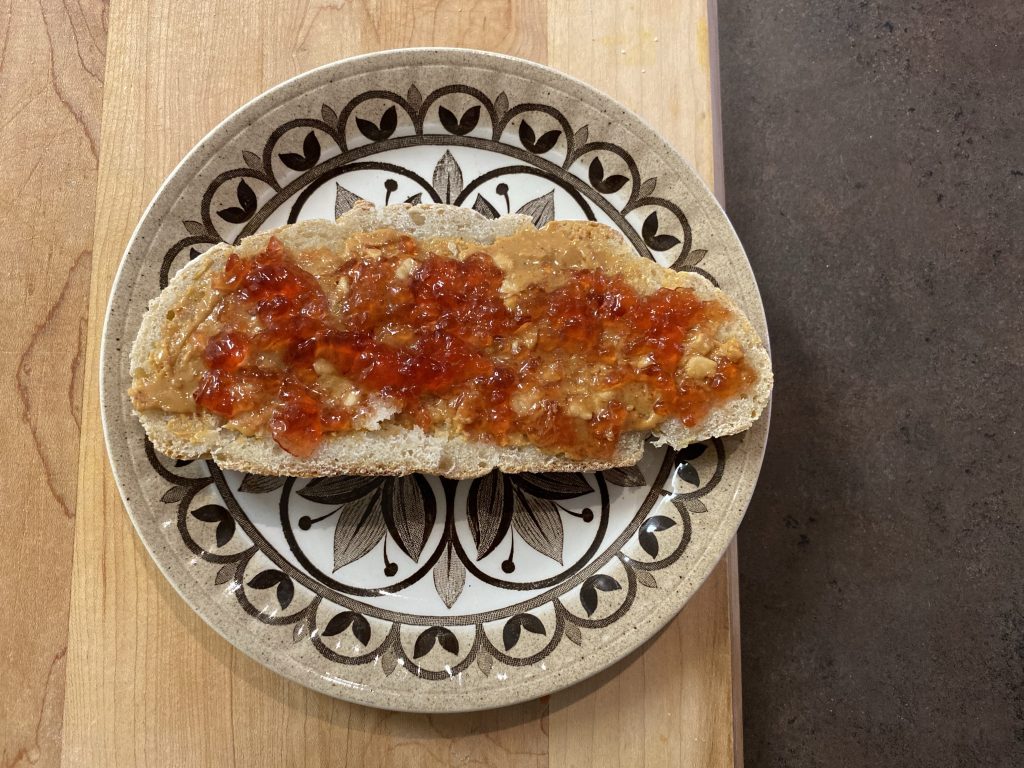
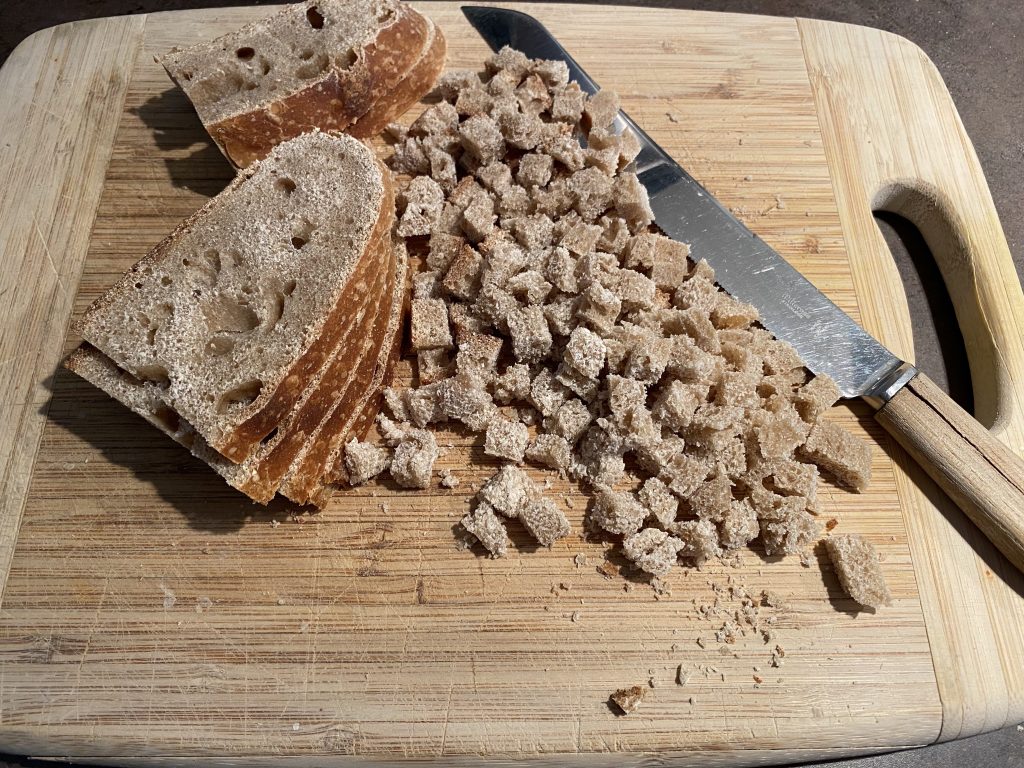
Peanut butter and homemade jamSlathered in butter and dipped into a hearty soupDiced and toasted up into croutons for a saladToasted and blended into bread crumb for breaded chicken
Other Tasty Sourdough Recipes to Check Out!
Hi, I’m Jessie!
I’m a Wife and Homeschooling Mom living in a remote town in Northern Ontario, Canada.I love making wholesome meals for my family from scratch, homeschooling our girls and learning more about natural living.
Subscribe to Northbird’s email list to get weekly posts on: tasty recipes, activity ideas for kids, natural living tips, and some genuine mom thoughts and encouragement!
Please Note: This recipe’s timing has been written to bake the loaf off on the 2nd day late morning. Adjust the start time to bake off in the evening.
Directions: Day One
1. Feed Your Starter In the Morning
You can read above HERE for more suggestions on feeding your starter.
If your kitchen is more humid and warmer, than your starter may take less time to activate. You could feed your starter in the early afternoon instead to keep with this recipe’s timing.
2. Mix your Dough in the Evening
Mix your active starter with the water and set aside. Mix the flour and salt together in larger bowl, then add the wet ingredients and stir together until it forms a sticky ball. I find it easier to finish mixing it with my hands. If it is dry, resist the urge to add any water!
Cover with beeswax cover/plastic wrap/tea towel and rest for 30 minutes.
3. Stretch & Fold: 1st Way
Wet one hand and gently loosen dough from edges of bowl. Take a handful of dough from the top of the bowl and pull towards you *See picture. Turn bowl 1/4 turn and repeat for a total of 4 stretch & folds to complete circle.
Cover and rest 20 minutes.
Repeat stretch and fold full circle.
Cover and rest 20 minutes.
Repeat stretch and fold full circle.
Cover and rest overnight 10-12 hours.
Directions: Day Two
4. Lift & Fold: 2nd Way
Wet both hands and loosen dough from edges of bowl. Using both hands, pick up dough from middle and let it droop over the sides of your hands. *See picture. Gently lower into bowl and let it fold on top of itself. Turn bowl 1/4 turn and repeat for total of 4 to complete full circle.
Note: If it is stiff at first, you can pick it up and gently stretch a little with your wet hands to encourage the gluten. *See picture.
Cover and rest 20 minutes
Repeat 2nd way of stretch & fold full circle
Cover and rest 20 minutes
5. Transfer to Fridge
Put on floured surface and form into soft ball with floured hands. Put into banneton basket with smoothest side down and cover OR into a clean bowl lined with parchment paper, smoothest side up.
Cover and place in fridge for 1-24 hours.
Note: If in fridge for longer than 1 hour, start preheating 1 hour from when you plan to bake.
6. Bake
Put your dutch oven or roasting pan in oven with lid on and preheat oven to 450 degrees.
Approximately 1 hour from the time you turned the oven on, take dough out of the fridge.
If using a banneton, transfer to parchment lined baking sheet. (I like to place big piece of parchment on top of banneton, place cookie sheet upside down on top of parchment, then flip it rightside up and gently pull banneton off, revealing the smooth side of the dough).
If desired, lightly dust the top of the bread with flour.
Proceed to score the top with sharp knife, razor blade or baking “lame”.
If using a bowl already lined with parchment, continue to score.
Take dutch oven or roaster out of oven, take lid off, and transfer dough by lifting up the parchment corners. Put lid back on and bake for 20 minutes.
After 20 minutes, take lid off and continue to bake for another 15-20 minutes or until golden and crusty.
7. Cool
Cool on wire rack, and let air harden the crust a little as desired. Store in airtight container or ziplock bag at room temperature to maintain freshness.
Nutrition
Per 2 slices: 190 calories; 0.5 g fat; 40 g carbohydrates;
5.4 g protein; 465 mg sodium.
This post contains affiliate links. As an Amazon associate, I earn from qualifying purchases. This means that I make a small commission at no extra cost to you. You can read my full disclosure HERE.
One spring during planting time, some squash seeds were carefully started indoors and then later planted outside in a rich and fertile “hugelkultur” garden bed. They were cared for, and watered and little helpers watched the plants grow and vine and start to produce their fruit.
The dream was to have an abundance of treasured Hokkaido squash to share with the family. What came up was not the beautiful and delicious Hokkaidos, but yes, dozens upon dozens of spaghetti squash!
(This was one of those home-seed-saving scenarios resulting in very unfortunate labeling errors!)
Don’t get me wrong, I do enjoy spaghetti squash, and get a total rush of pride in seeing piles of squash stored for the long winters! But even after giving tons of them away, we were still left with several dozen and we realized that we needed to get creative with ways of eating them up or we’d get bored pretty quick.
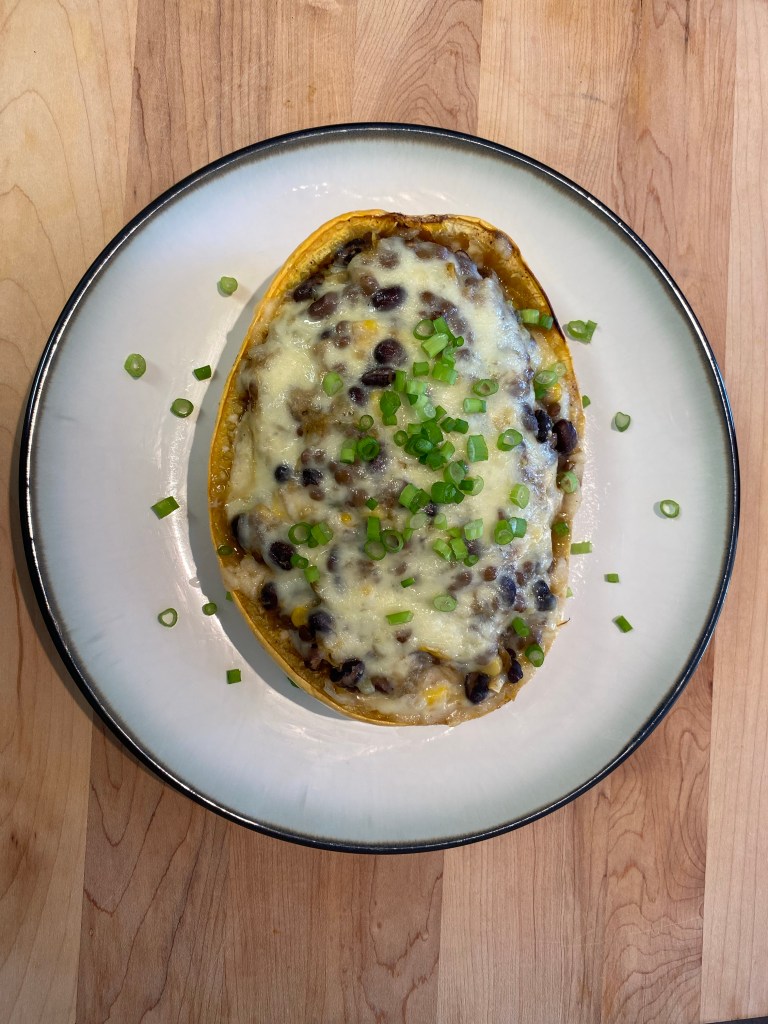
My sister-in-law L, found a Mexican taco boat recipe with ground beef, and cooked about a dozen of them for one of our large family gatherings. Problem solved!
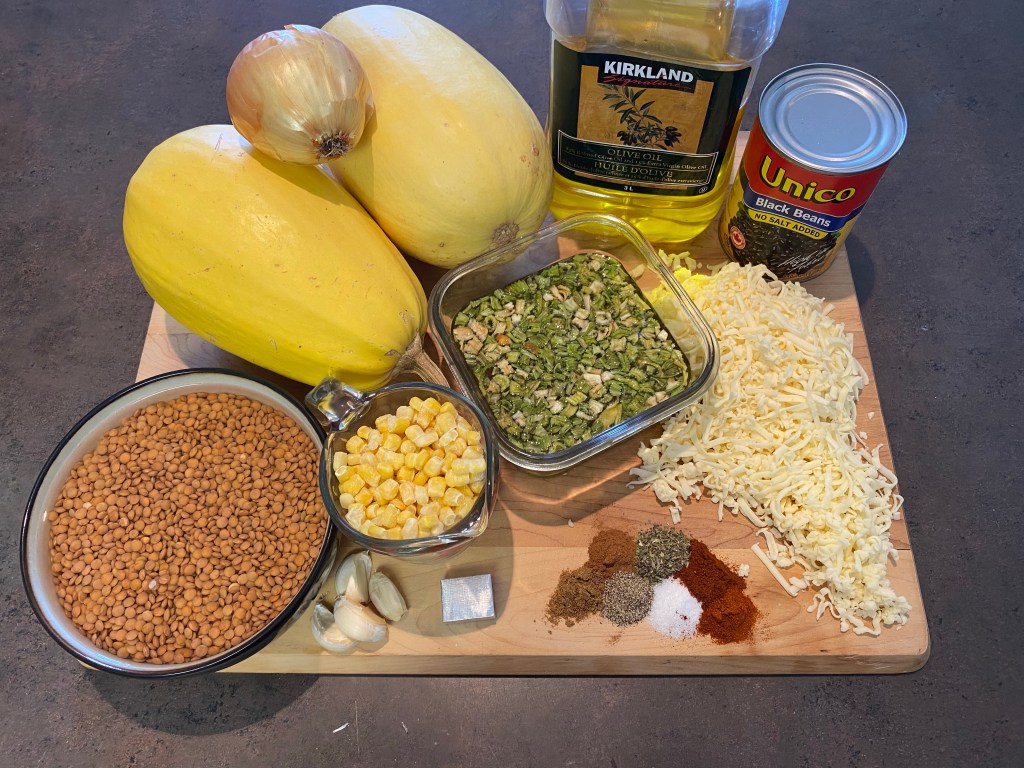
This vegetarian version of the recipe was inspired from that spaghetti squash summer.
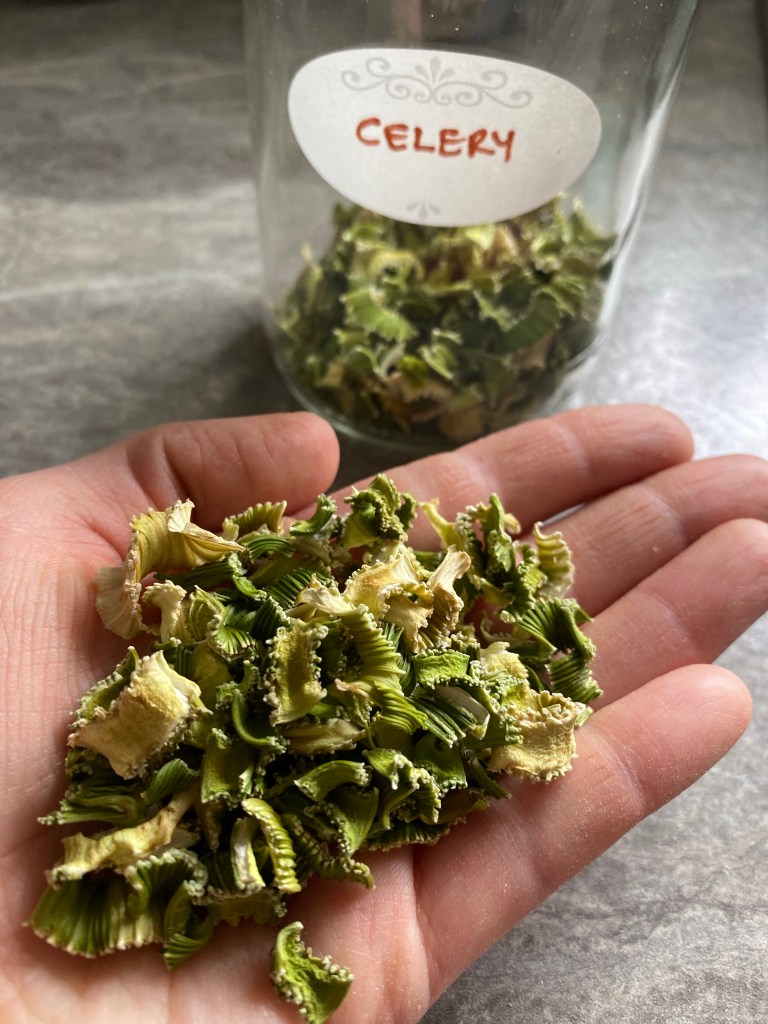
1. In the morning, soak dried lentils and dried celery in separate bowls, covered with water.
2. Start cooking lentils 2 hours before serving time. Rinse and put in pot of water, bring to boil and simmer until step 9.
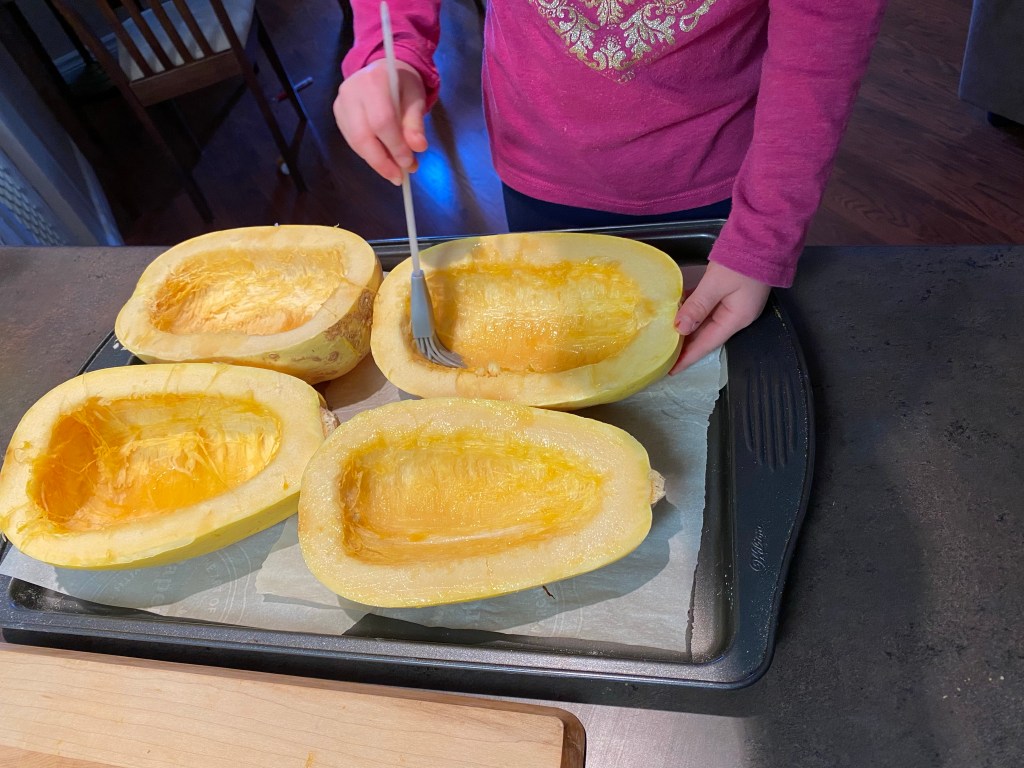
3. At meal prep time, preheat oven to 400 degrees F, and cut spaghetti squash lengthwise.
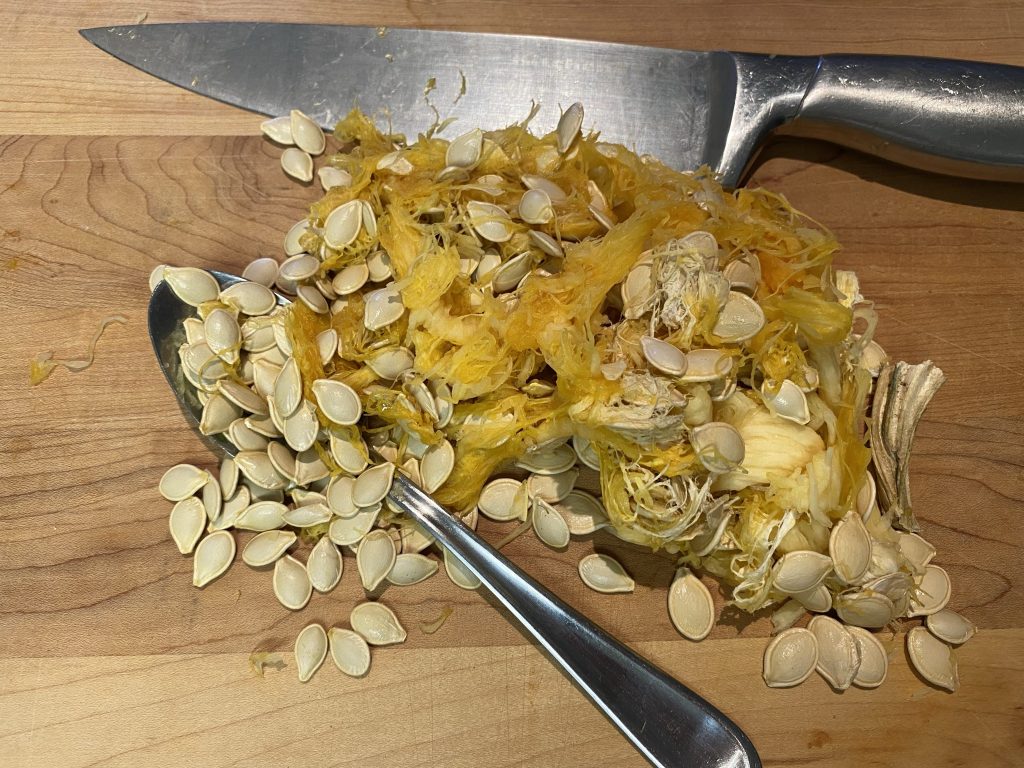
4. Scoop out seeds and brush insides with olive oil. Sprinkle with salt and pepper.
5. Turn upside down and roast for 30-35 minutes or until the insides are soft and cooked through.
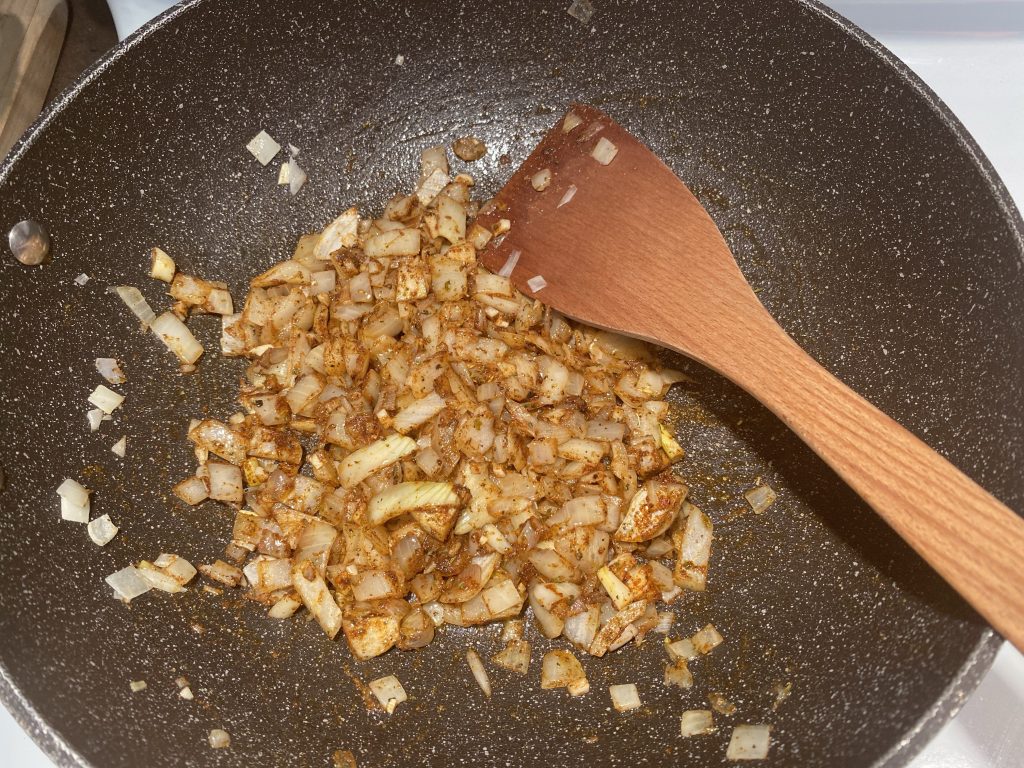
6. While the squash are baking, sauté the onion and garlic with olive oil in a large skillet over medium heat.
7. Add the salt, chili, cinnamon, Italian herbs, pepper, cumin and paprika. Stir well.
8. Dissolve the stock cube in 1 13/4 cup boiling water and add.
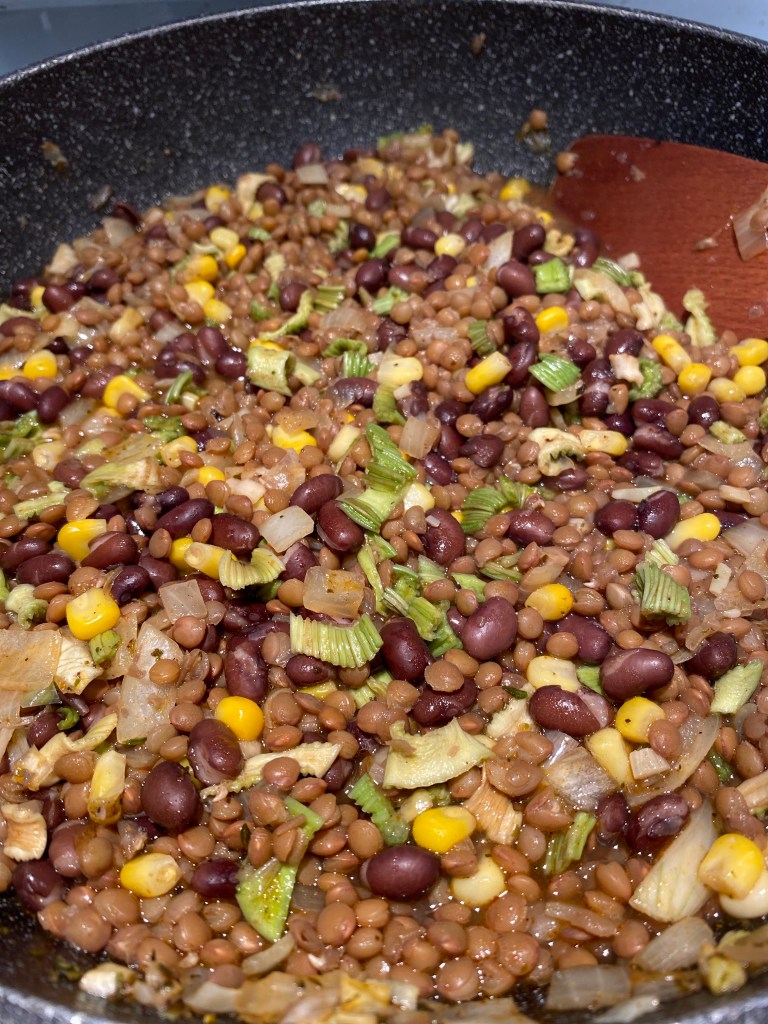
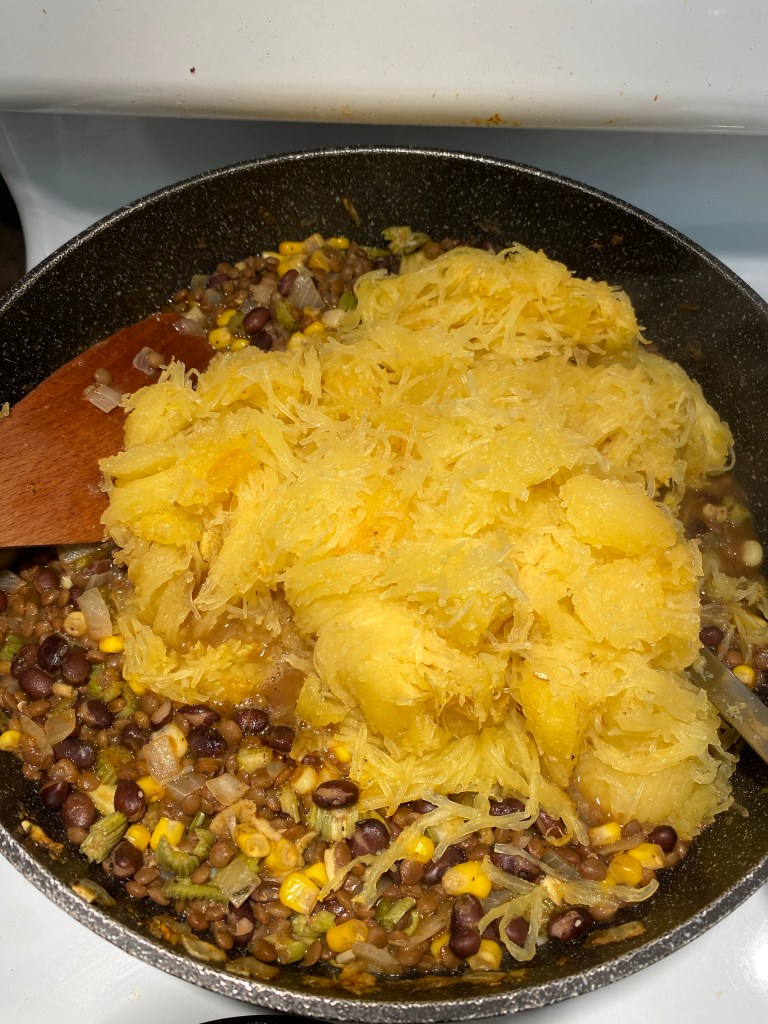
9. Add the black beans (rinsed), corn, lentils, and rehydrated (or fresh) celery.
10. Cook through and simmer until the squash are finished in the oven.
11. Scoop out insides of squash and mix in the skillet, then return to the squash shells and cover with cheese.
12. Return to oven and cook for another 10 minutes. Finish with a quick broil to brown the cheese nicely.
13. Garnish with fresh herbs or scallions and enjoy!
Note: Store any leftovers in an airtight container in the fridge for up to 3 days.
Our kids LOVED this meal! (Our oldest especially enjoyed it because she helped to make it!)
Can You Eat the Spaghetti Squash Seeds?
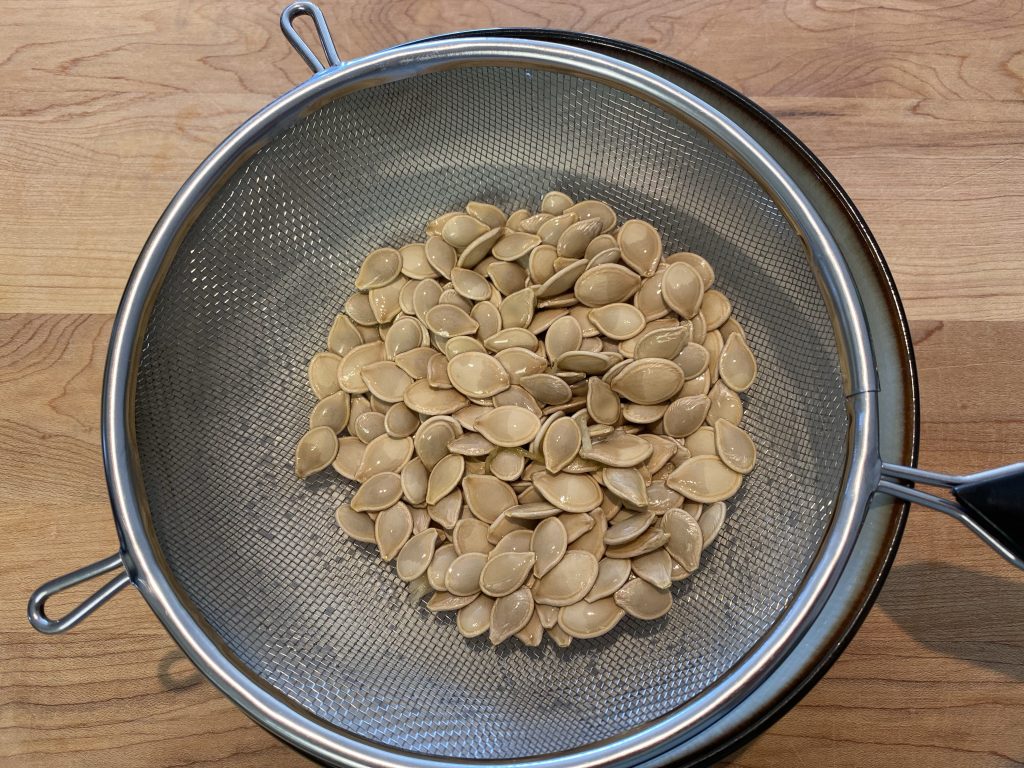
Yes! Absolutely! They are delicious and packed full of nutrients, and you can roast them the same way as pumpkin seeds. They contain lots of omega 3 fatty acids, protein, Vitamin C and beta-carotene.
How to Roast Spaghetti Squash Seeds:
1. Wash the seeds and separate from the pulp.
2. Mix in a small bowl with olive oil or (my favourite) Avocado oil. Add sprinklings of salt, pepper and also a dash of paprika.
3. Spread in single layer on parchment paper.
4. Broil on low for about 5 minutes, or until crispy (every oven is different!)
5. Store in an airtight container at room temperature for up to one week.
Ways to Eat Roasted Spaghetti Squash Seeds:
Enjoy as a salty counter snack
Add to a trail mix with other seeds, nuts and dried fruits
As a salad topping
As a pumpkin or squash soup garnish
How to Save the Squash Seeds for Planting:
1. Clean seeds in a bowl of water and separate out any pulp or broken seeds. Select the biggest and best seeds to save.
2. Drain off as much water as possible.
3. Pat dry with a towel and put on a parchment paper to continue drying for several days.
4. Put in a paper envelope and label.
5. If you are using the seeds the following planting season, you can store it in a cool, dry pantry, or in the freezer to last for several years.
Other Soups and Entrees to Check Out:
Hi, I’m Jessie!
I’m a Wife and Homeschooling Mom living in a remote town in Northern Ontario, Canada.I love making wholesome meals for my family from scratch, homeschooling our girls and learning more about natural living.
Subscribe to Northbird’s email list to get weekly posts on: tasty recipes, activity ideas for kids, natural living tips, and some genuine mom thoughts and encouragement!
This post contains affiliate links. As an Amazon associate, I earn from qualifying purchases. This means that I make a small commission at no extra cost to you. You can read my full disclosureHERE.
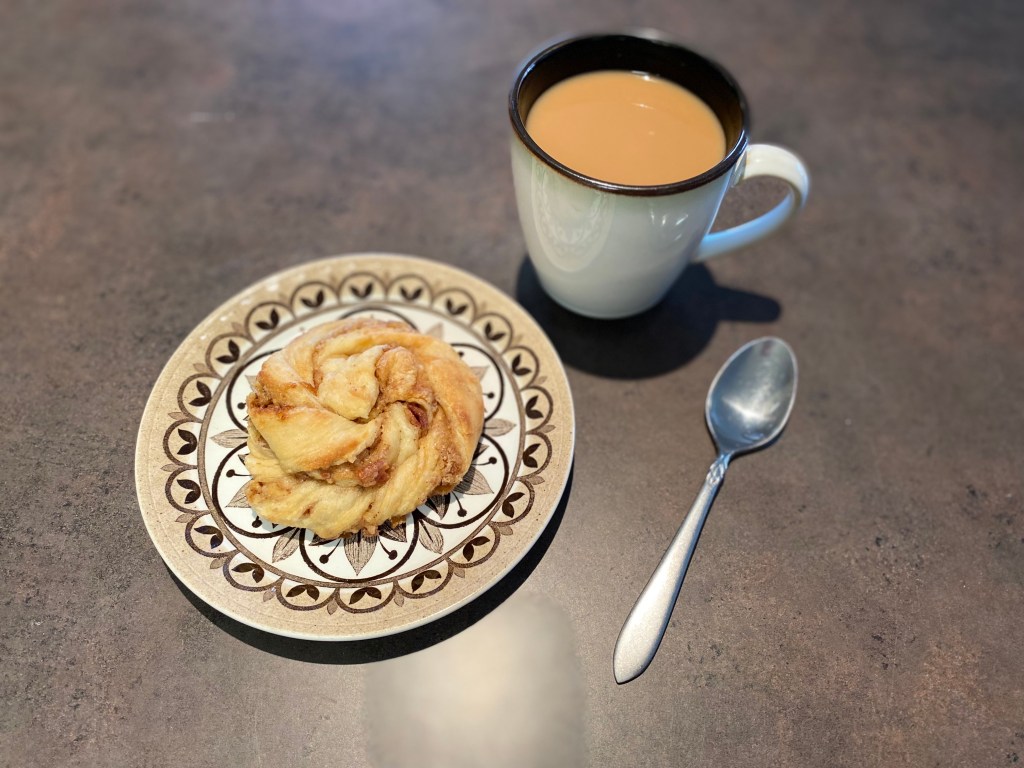
Smoky and salty with earthy sweetness, it can’t get better than that! This delicious Sourdough Cinnamon Bun recipe has been changed and tweaked for a few weeks now, and after playing around for a few batches, the kids and my husband confirmed that perfection was nailed.
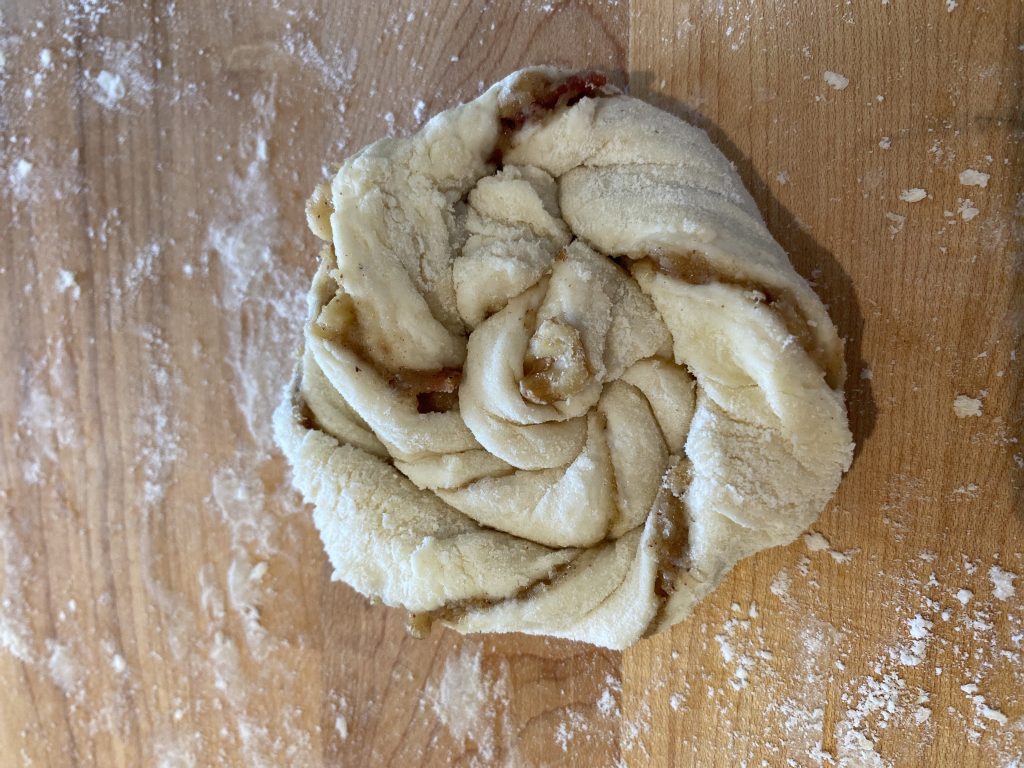
I had never seen Cinnamon buns twisted like this until a few weeks ago and love how it adds a new flair to a classic recipe. They are soft and buttery and because they are rolled and twisted, there is more of the yummy cinnamon/butter/sugar mix dispersed through the roll. And did I forget to say BACON?!
These take longer to make as it goes through a fermenting process with the sourdough starter. I like to mix it up in the morning and then finish them off before dinner so they are warm for desert! But you can also mix it up in the evening and finish them off the next morning when you have time.
As long as the dough has between 8-12 hours to rise, and the sourdough starter is active when you start mixing your recipe (was fed 4-12 hours earlier, is bubbly and has doubled in size), then your sourdough cinnamon buns will fluff up nicely. If you are new to “sourdoughing” then all that may sound confusing to you! Below I’ll lay out the recipe step-by-step so it is easy to follow along:
New to Sourdough? This recipe calls for active sourdough starter that has been fed within the past 4-12 hours, and is bubbly and doubled in size. The “active” timing depends on your kitchen’s temperature and humidity, and also the feeding ratio of flour and water.
There are sourdough starters that you can purchase online, or you can make your own from scratch (it takes about 10 days), or if possible, see if a friend can give you a portion of theirs. Sourdough starters that have been fed and cultured for years are pure gold to beginners!
Directions:
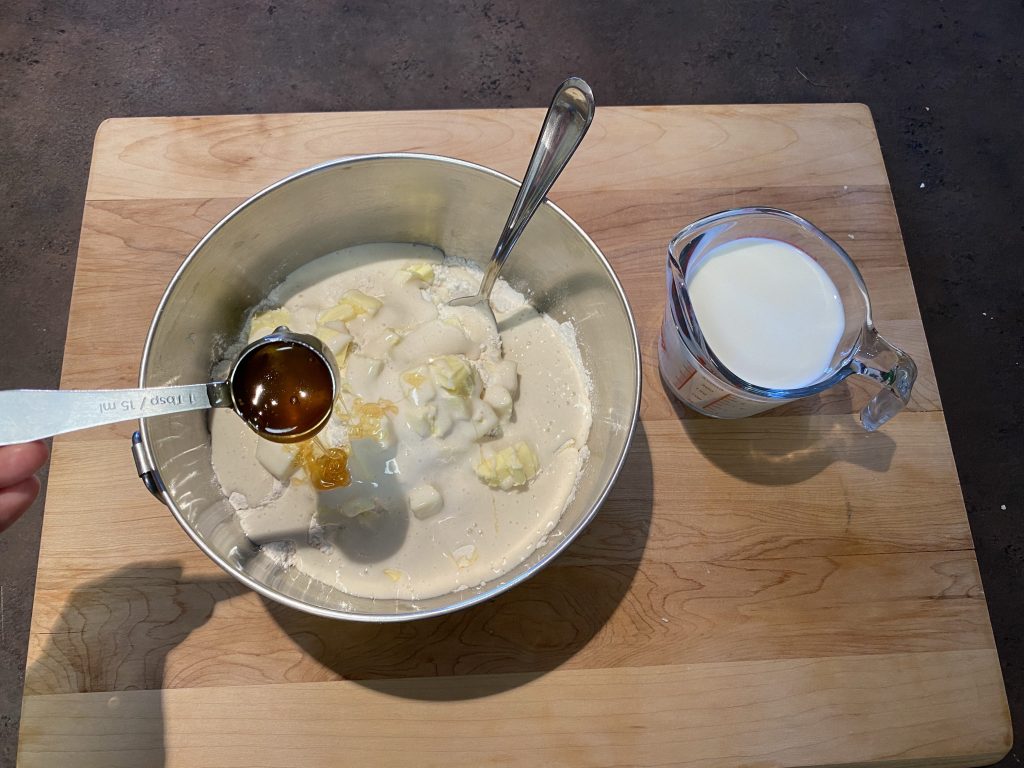
1. Mix butter, flour, starter, sweetener and milk/yogurt together in bowl until it comes together to form a sticky ball.
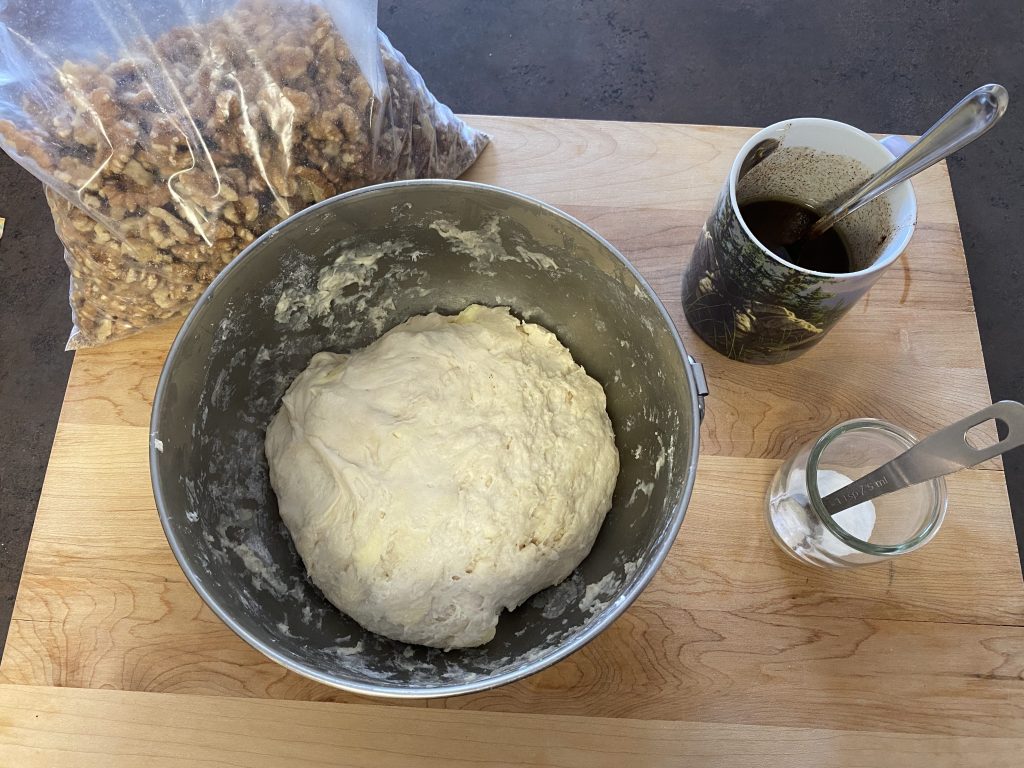
2. Let sit well covered with plastic wrap, a plate, or beeswax cover for 8-12 hours at room temperature.
3. Cook Bacon strips and (when cool) put in fridge until ready to use.
4. When dough is done, mix salt, baking powder and baking soda together in a small cup.
5. Pour on top of dough and gently mix it in.
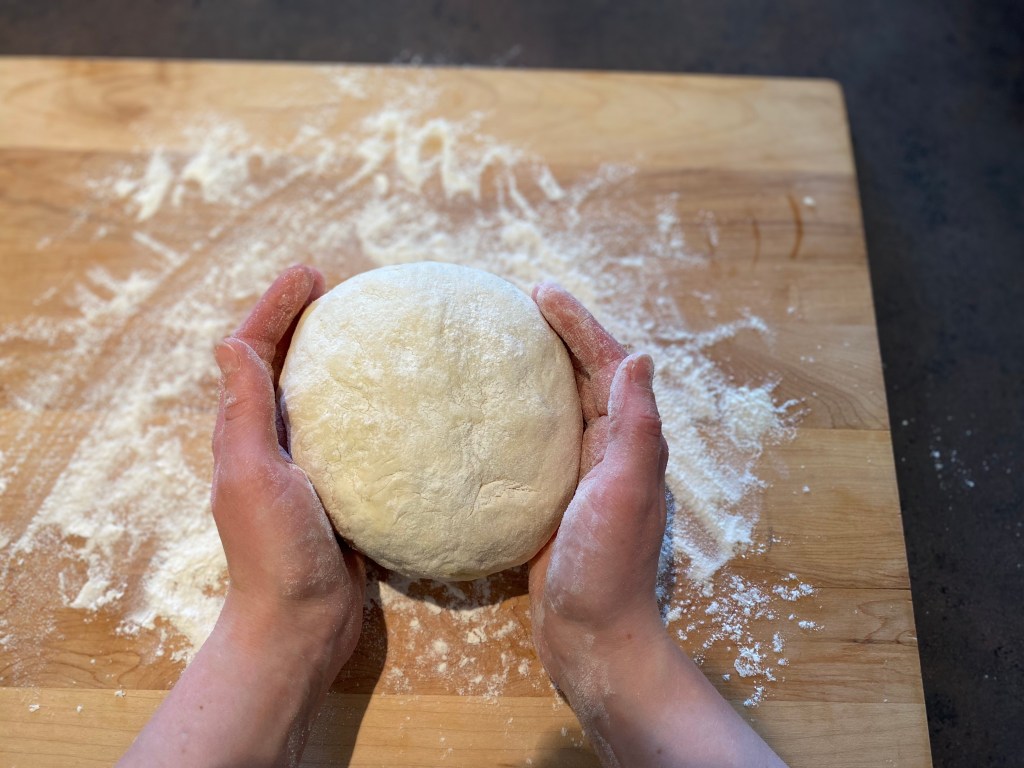
6. Knead dough gently on lightly floured clean surface until soft.
7. Preheat oven to 350 degrees Fahrenheit.
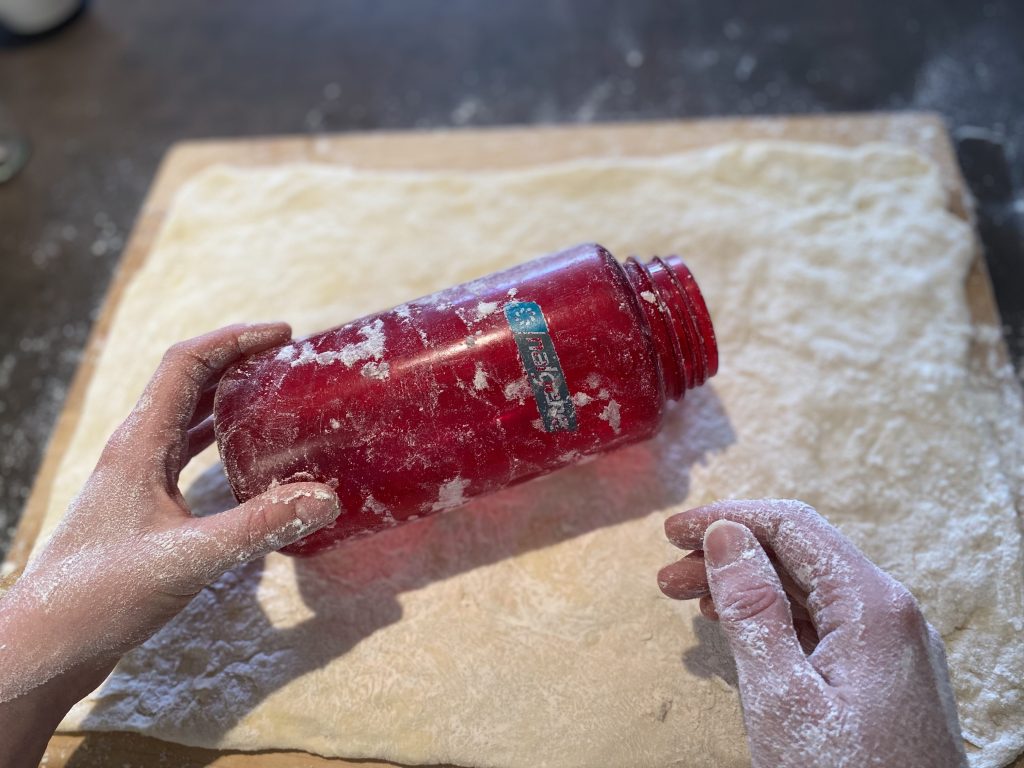
8. Roll out into large rectangle approximately 12”x18” and 1/4-1/2” thick. (Yes, I am improvising with my Nalgene waterbottle because we had just moved and I couldn’t find the rolling pin!)
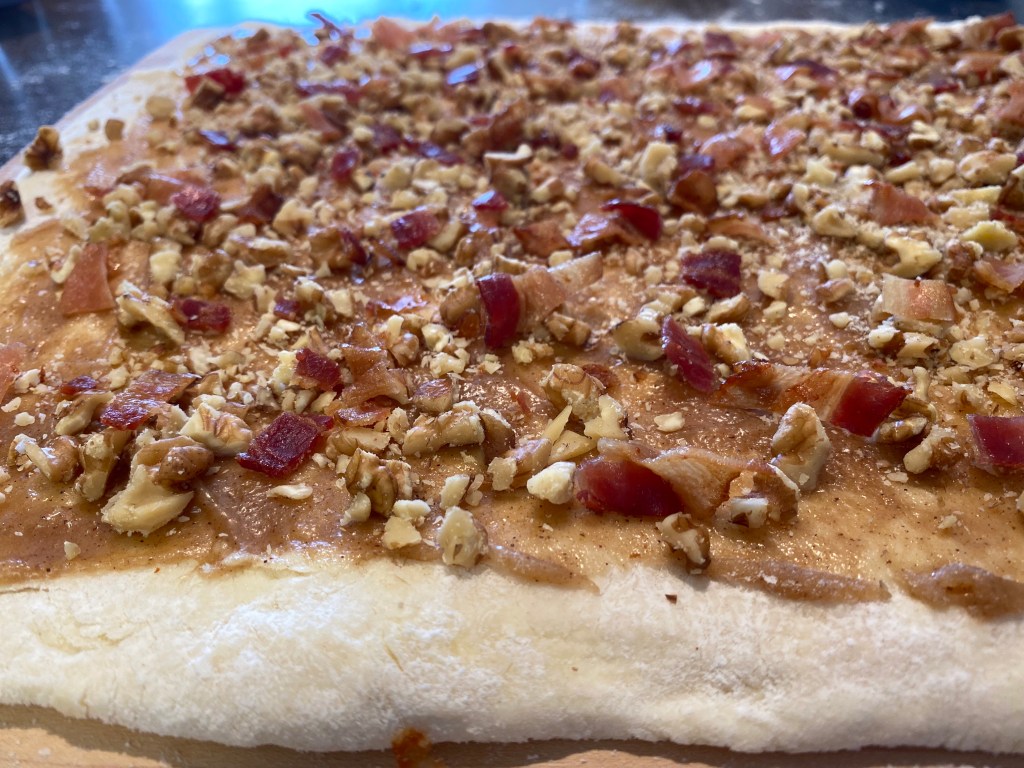
9. Mix together melted butter, brown sugar, cinnamon and maple syrup together.
10. Pour and spread evenly on top of dough. Spread with spatula so that it is completely covered.
11. Sprinkle chopped walnuts and bacon pieces on top.
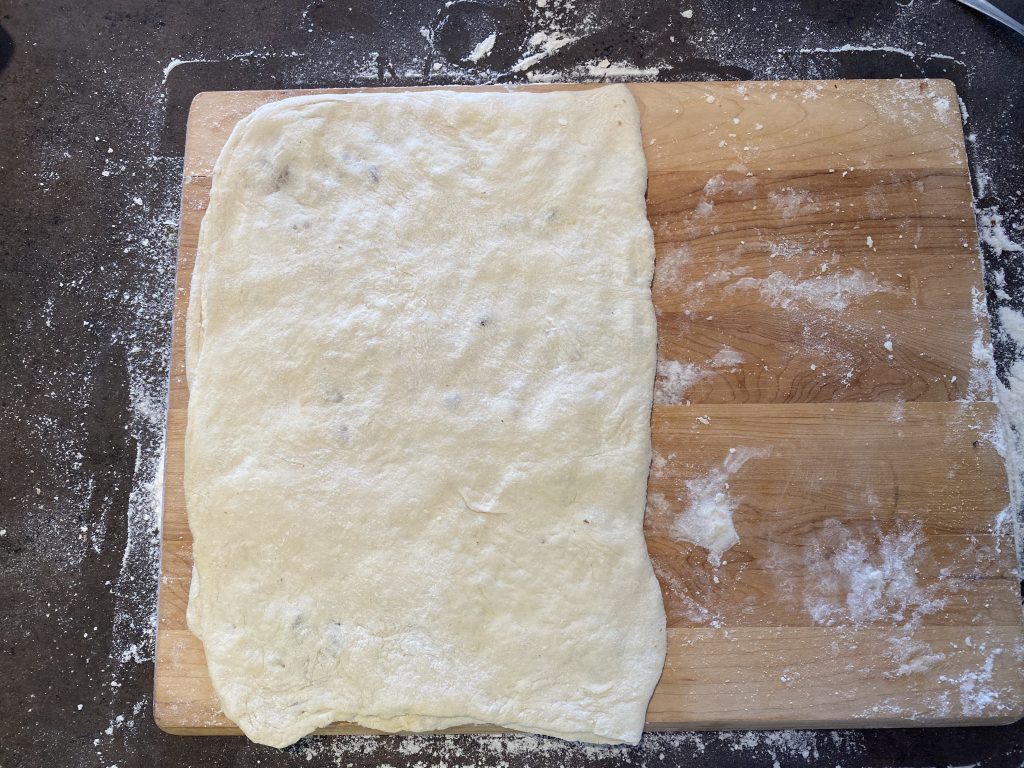
12. Fold the long sides of the rectangle together. Cut into 1″ strips with the folded part at one end.
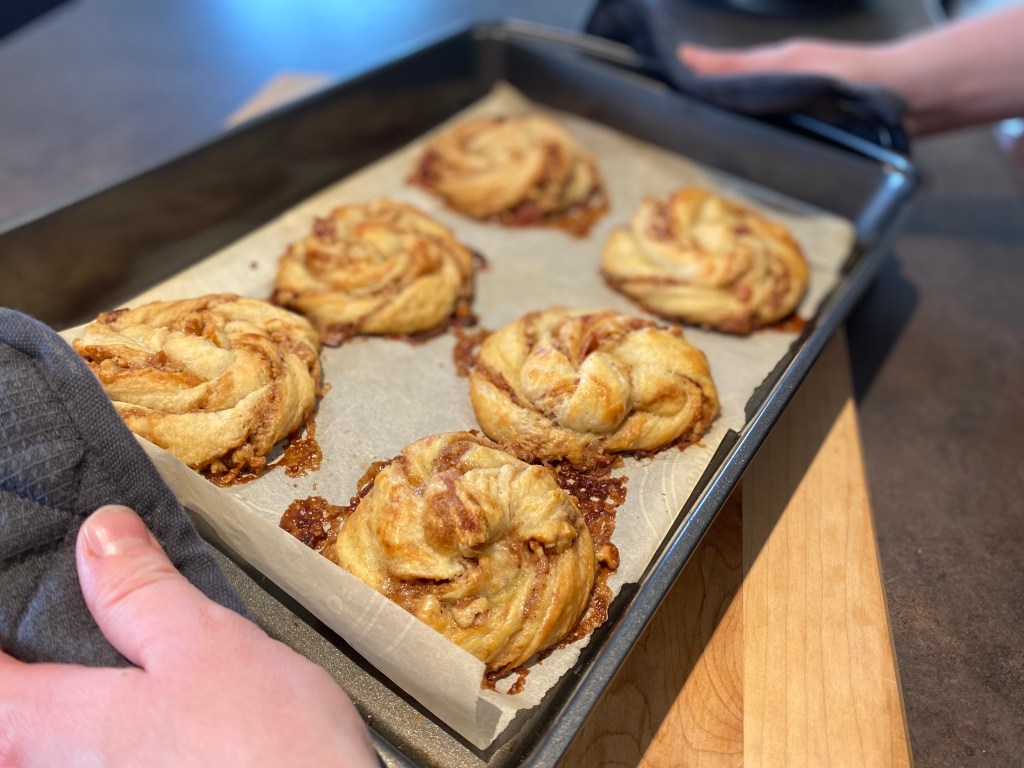
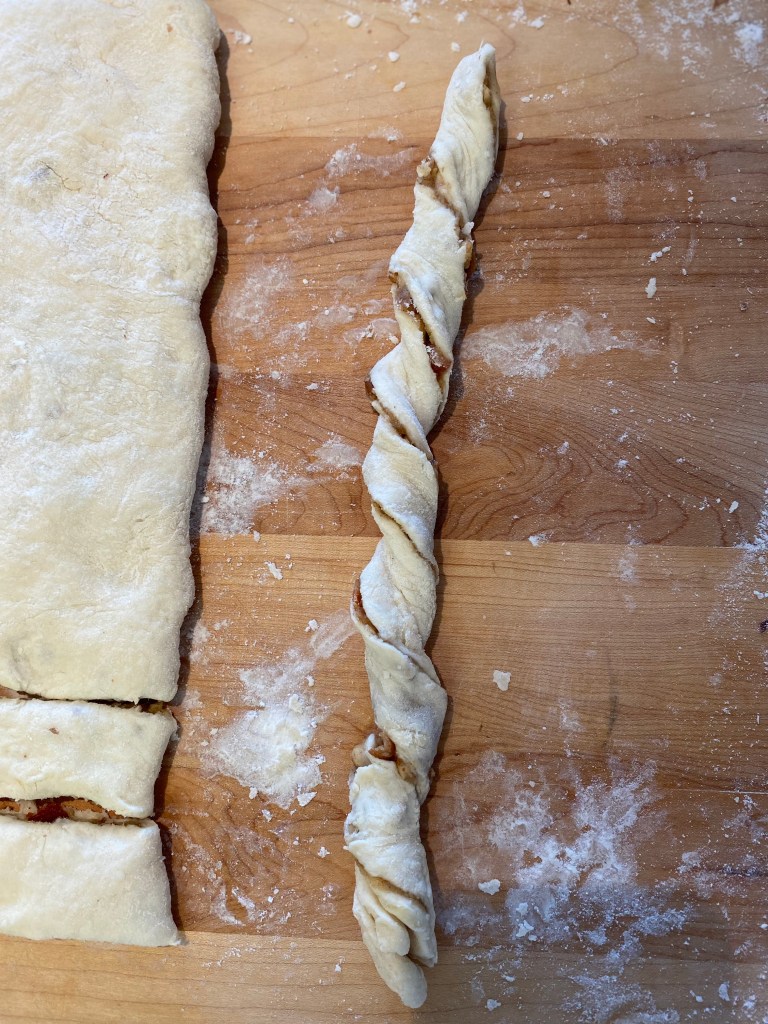
14. Twist strip, then start to spin from one side and tuck the edges in as you go.
15. Tuck the end part underneath and pinch so it doesn’t come undone.
16. Put pieces on cookie sheets with parchment paper, space out evenly as they will still expand!
17. Whisk egg with 1 Tablespoon of pure maple syrup and brush on tops and sides of each Cinnamon Bun.
18. Bake at 350 degrees Fahrenheit on the middle rack for 20-25 minutes, until golden brown on top.
19. Cool on wire rack and enjoy! Store in airtight container in fridge (due to the bacon). A quick reheat makes the perfect combo with your morning coffee!
Other Tasty Sourdough Recipes to Check Out!
Subscribe to Northbird’s email list to get weekly posts on: tasty recipes, activity ideas for kids, natural living tips, and some genuine mom thoughts and encouragement!
More Desert & Snack Recipes:
Hi, I’m Jessie!
I’m a Wife and Homeschooling Mom living in a remote town in Northern Ontario, Canada.I love making wholesome meals for my family from scratch, homeschooling our girls and learning more about natural living.
Mix butter, flour, active sourdough starter, sweetener and milk/yogurt together in bowl until it comes together to form a sticky ball.
Let sit well covered with plastic wrap, a plate, or beeswax cover for 8-12 hours at room temperature.
Cook Bacon strips and (when cool) put in fridge until ready to use.
When dough is done, mix salt, baking powder and baking soda together in a small cup.
Pour on top of dough and gently mix it in.
Knead dough gently on lightly floured clean surface until soft.
Preheat oven to 350 degrees Fahrenheit.
Roll out into large rectangle approximately 12”x18” and 1/4-1/2” thick.
Mix together melted butter, brown sugar, cinnamon and maple syrup together.
Pour and spread evenly on top of dough. Spread with spatula so that it is completely covered.
Sprinkle chopped walnuts and bacon pieces on top.
Fold the long sides of the rectangle together (see pictures above for help).
Cut into strips with the folded part at one end.
Twist strip, then start to spin from one side and tuck the edges in as you go (see pic).
Tuck the end part underneath and pinch so it doesn’t come undone.
Put pieces on cookie sheets with parchment paper, space out evenly as they will still expand!
Whisk egg with 1 Tablespoon of pure maple syrup and brush on tops & sides of each Cinnamon Bun.
Bake at 350 degrees Fahrenheit on the middle rack for 20-25 minutes, until golden brown on top.
Cool on wire rack and enjoy! Store in airtight container in fridge (due to the bacon). A quick reheat makes the perfect combo with your morning coffee!
Nutrition
Per 1 Serving: 284 calories; 16.5 g fat; 22.7 g carbohydrates;
4.5 g protein; 37.2 mg cholesterol; 143.6 mg sodium.












































































































































 Northbird